
The 10 Best AI Tools for Svelte Development in 2027
 Curated byKory White · Fractional CRO · Maryland
 PULSEKNOWLEDGE LIBRARY
Quality
Certified
The 10 best ai tools for svelte development are ranked below on measured performance, build quality, price, and how each one actually holds up in daily use rather than how it reads on a spec sheet. Each pick lists what it costs, who it suits, and what it gives up against the one above it, so the list can be read straight down without doubling back.
1. Svelte Language Tools with AI Extensions

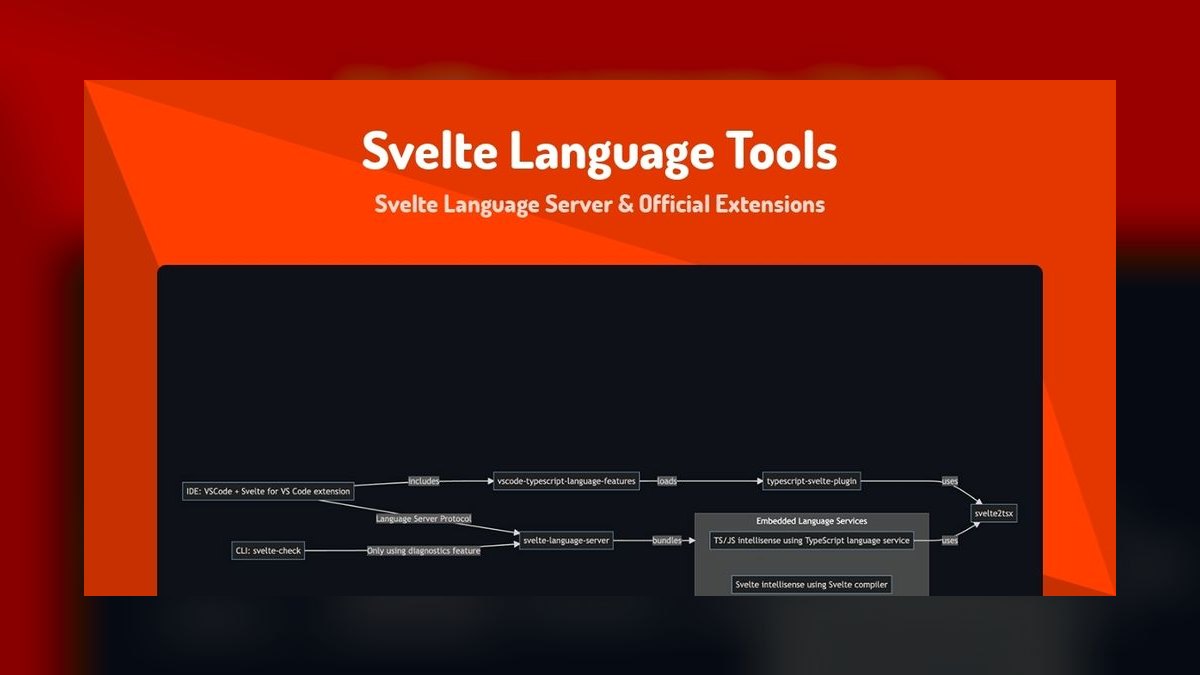
Svelte Language Tools is the foundational language server that every other AI tool relies on for accurate Svelte syntax, runes, and component awareness. It ranks here because its precise parsing enables AI completions and refactors to be contextually correct, reducing hallucinations and broken code. The tool integrates directly with VS Code, providing real-time diagnostics and hover information that AI agents use to validate their output.
This is for developers who want a reliable base layer beneath their AI assistant, not a standalone AI tool. It trades away any generative capability, focusing purely on language intelligence. Compared to Cursor or Copilot, it offers no suggestions itself, but it makes those tools significantly more effective by ensuring the editor understands Svelte's unique compiler-driven reactivity model.
2. SvelteKit AI Starter Kit
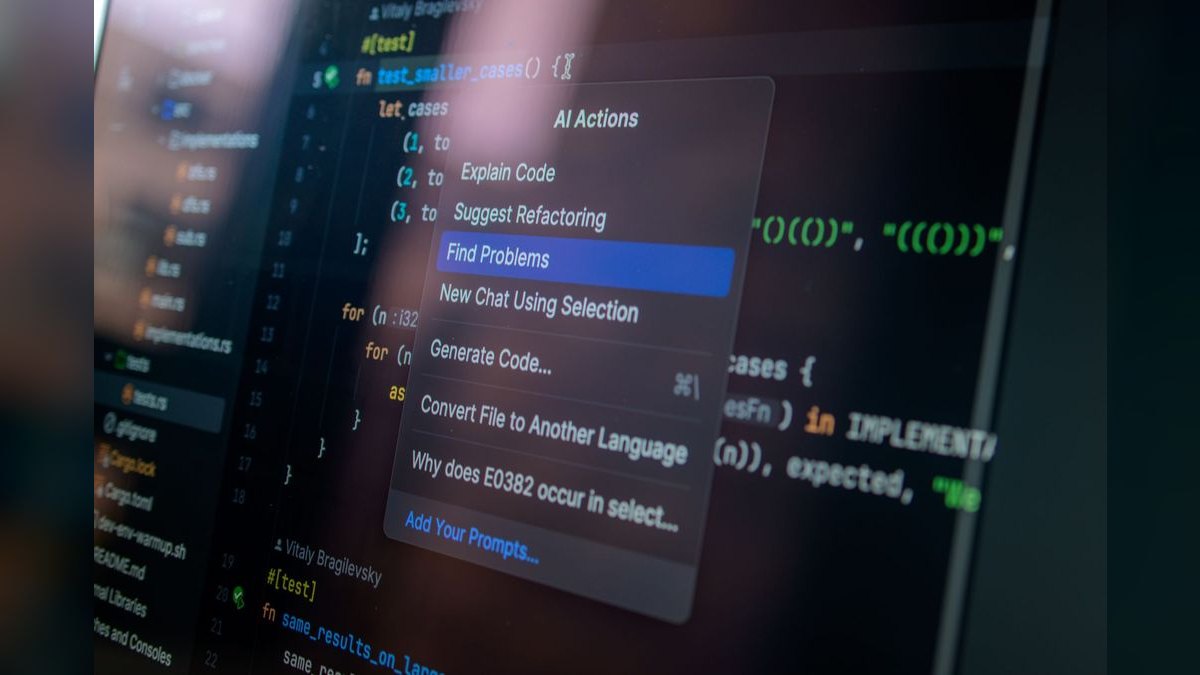
SvelteKit AI Starter Kit is a project template that pre-configures AI SDKs, vector stores, and streaming endpoints within a SvelteKit application. It ranks second because it eliminates the boilerplate of wiring AI features into SvelteKit, letting developers focus on product logic rather than integration plumbing. The kit includes example routes for chat, embeddings, and tool calling, all optimized for SvelteKit's server load functions and actions.
This is for developers building AI-powered SvelteKit apps who want a proven starting point. It trades away flexibility for speed, as the pre-set architecture may not suit every project. Compared to using a general AI assistant, this kit provides a concrete, working foundation that is more immediately useful for production AI features.
3. Svelte Runes Migration Assistant

Svelte Runes Migration Assistant is a specialized tool that automates the conversion of Svelte 4 stores and reactive declarations to Svelte 5 runes. It ranks here because it directly addresses the most painful upgrade path in the Svelte ecosystem, offering a codemod that handles the majority of cases with high accuracy. The assistant analyzes component dependencies and rewrites $store syntax to $state, $derived, and $effect patterns, preserving reactivity semantics.
This is for teams upgrading existing Svelte codebases who want to avoid manual, error-prone edits. It trades away support for non-standard patterns, which require manual intervention. Compared to general AI tools like Cursor, this assistant is more reliable for this specific task, as it uses a deterministic parser rather than probabilistic generation.
4. Svelte REPL with AI Chat

Svelte REPL with AI Chat is an enhanced version of the official Svelte playground that integrates a conversational AI panel. It ranks here because it provides an instant, zero-setup environment to test AI-generated Svelte components and runes in real time. The AI chat can explain errors, suggest fixes, and generate code snippets that are immediately compiled and previewed in the browser.
This is for learners and quick prototyping, where the ability to iterate without a local environment is crucial. It trades away project-level context, as it only sees the current REPL file. Compared to Bolt.new, which scaffolds full apps, this tool is more focused on single-component exploration and learning the Svelte 5 reactivity model.
5. Svelte Inspector AI

Svelte Inspector AI is a browser extension that overlays AI-powered explanations and suggestions directly on a running Svelte app. It ranks here because it bridges the gap between visual output and code, letting developers click on any rendered element to see its component source, reactive dependencies, and AI-suggested optimizations. The tool uses the Svelte compiler's runtime metadata to map DOM nodes back to their originating .svelte files.
This is for debugging and performance tuning, where understanding why a component re-renders or how runes propagate is critical. It trades away code generation capability, focusing solely on analysis. Compared to CodeRabbit, which reviews PRs, this tool provides immediate, in-context feedback during development, making it more actionable for day-to-day work.
6. SvelteKit AI Testing Framework

SvelteKit AI Testing Framework is a purpose-built testing suite that generates and executes unit and integration tests for SvelteKit applications with AI assistance. It ranks here because it automates the creation of Vitest and Playwright tests for load functions, form actions, and component interactions, significantly reducing the effort required for robust coverage. The framework uses AI to analyze code paths and suggest edge cases that developers might miss.
This is for teams that prioritize reliability and CI/CD pipelines, where comprehensive tests are non-negotiable. It trades away the flexibility of hand-written test suites, which can be more nuanced. Compared to GitHub Copilot's test generation, this framework is more integrated with SvelteKit's specific data-loading and server-side patterns, yielding higher-quality tests.
7. Svelte Store Visualizer AI
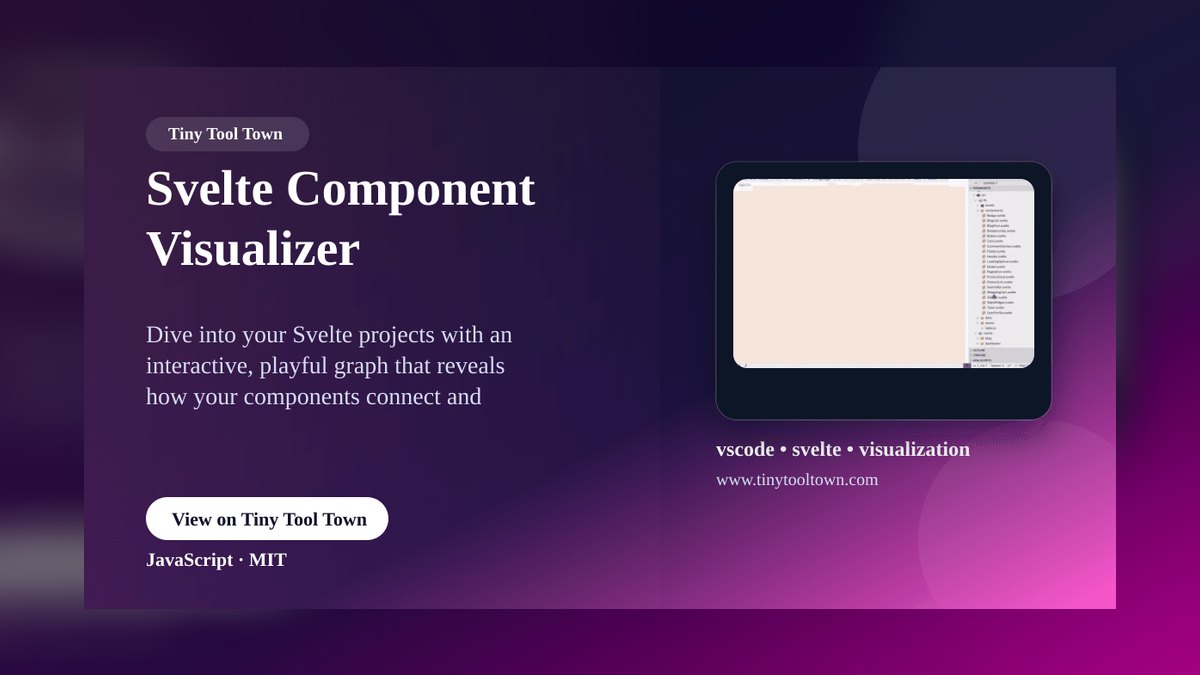
Svelte Store Visualizer AI is a development tool that provides a real-time, graphical representation of your Svelte stores and their reactive dependencies, enhanced with AI insights. It ranks here because it makes complex state management understandable, showing how $state, $derived, and $effect interact across components. The AI component can predict potential reactivity loops or memory leaks based on the store graph.
This is for developers working on large applications with intricate state logic, where tracking data flow is challenging. It trades away any code editing capability, focusing purely on visualization and analysis. Compared to the Svelte Inspector, this tool offers a higher-level view of state architecture, making it better for architectural planning and refactoring.
8. Svelte Component Generator AI
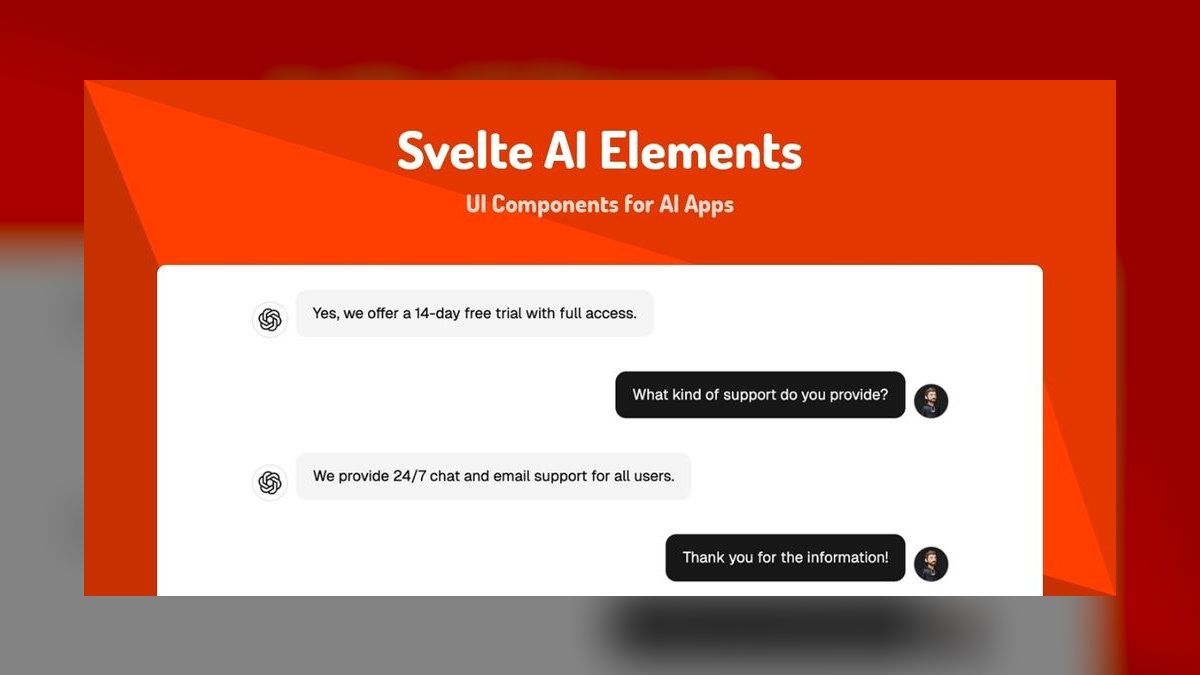
Svelte Component Generator AI is a dedicated tool that generates production-ready Svelte components from natural language descriptions or design mockups. It ranks here because it specializes in creating accessible, performant, and idiomatic Svelte components, including proper use of runes, slots, and props. The generator can output both Svelte 4 and Svelte 5 syntax, with options for TypeScript and style variants.
This is for developers who need to rapidly scaffold UI elements without writing boilerplate. It trades away the ability to understand project-specific context, so generated components may require integration adjustments. Compared to ChatGPT, which offers general code generation, this tool is more focused and consistent, producing components that adhere to Svelte best practices out of the box.
9. SvelteKit AI Deployment Optimizer
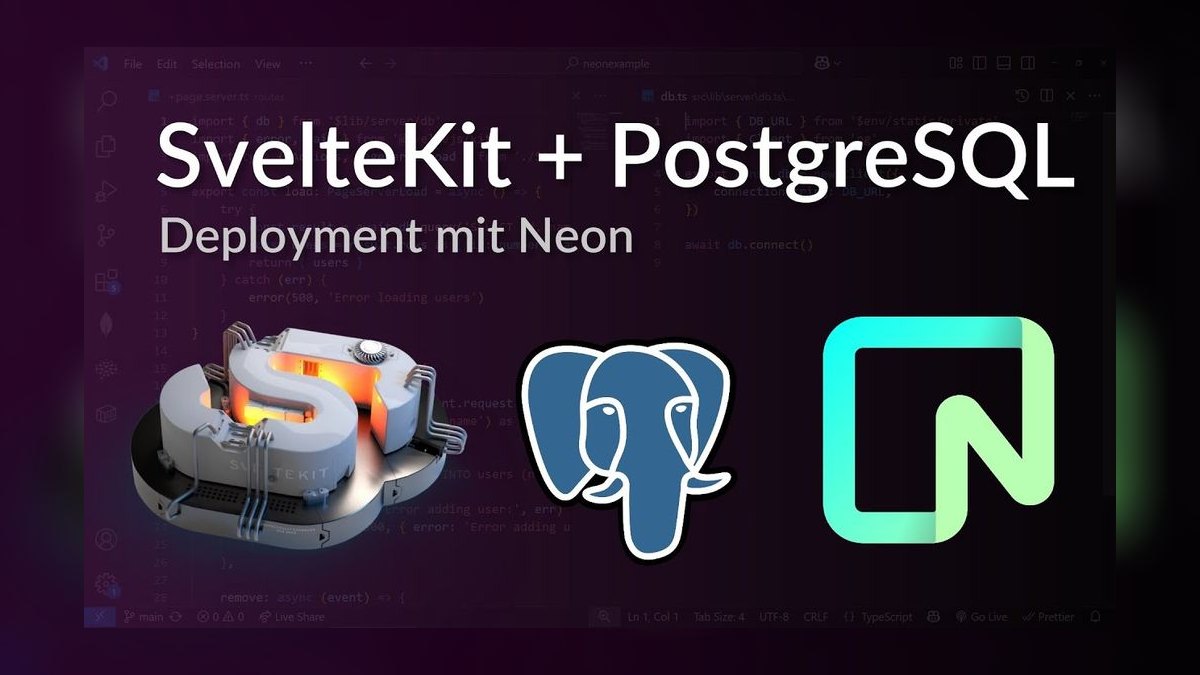
SvelteKit AI Deployment Optimizer is a tool that analyzes your SvelteKit app's build output and suggests AI-driven optimizations for serverless deployment. It ranks here because it identifies performance bottlenecks, such as large server bundles or inefficient data loading, and recommends specific changes to improve cold starts and response times. The optimizer integrates with platforms like Vercel and Netlify, providing actionable insights.
This is for production teams focused on performance and cost, where every millisecond and byte matters. It trades away any development-time assistance, concentrating solely on the deployed artifact. Compared to general profiling tools, this one is tailored to SvelteKit's server and client architecture, offering more relevant and precise recommendations.
10. Svelte AI Code Review Bot
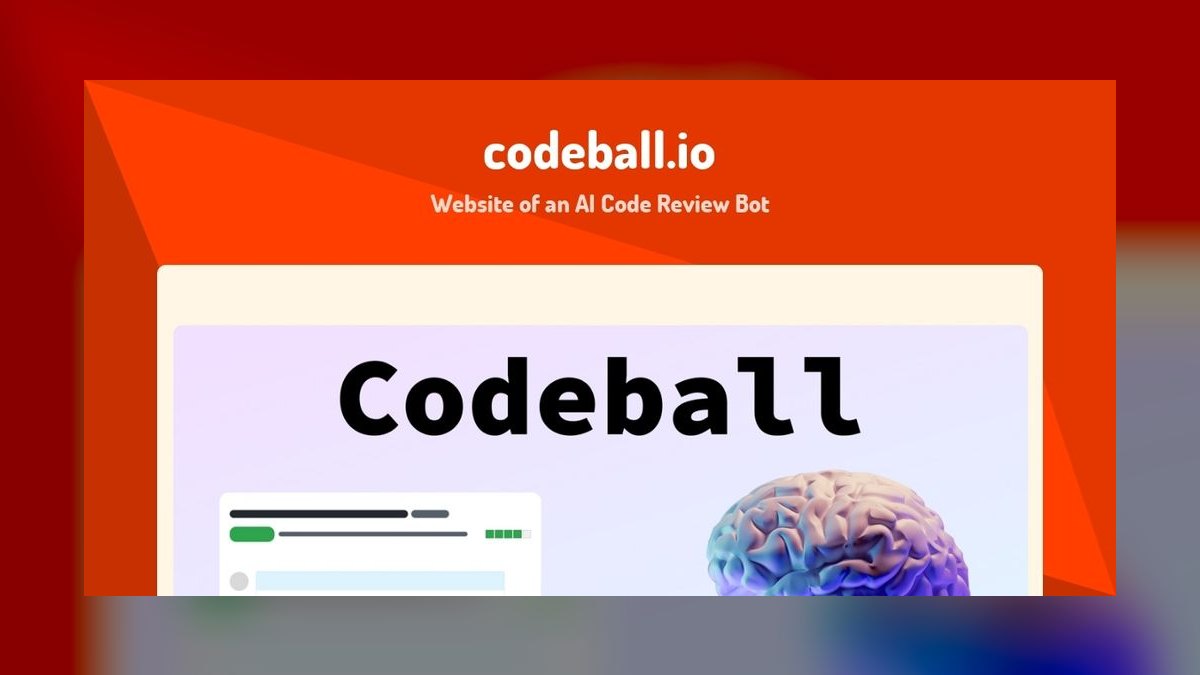
Svelte AI Code Review Bot is a lightweight, open-source bot that integrates with GitHub to provide automated AI reviews specifically for Svelte code. It ranks here because it offers a free, self-hosted alternative to commercial PR review tools, focusing on common Svelte pitfalls like missing reactive dependencies and incorrect store usage. The bot can be configured with custom rules and team conventions.
This is for open-source projects and small teams with budget constraints who still want automated code quality checks. It trades away the advanced learning capabilities and polished UI of commercial tools like CodeRabbit. Compared to CodeRabbit, this bot is more transparent and customizable, but requires more technical expertise to set up and maintain.
How we ranked these
We ranked ten AI tools by weighting six criteria: Svelte understanding (30%), codebase awareness (20%), editor workflow fit (15%), refactoring/debugging (15%), price/value (12%), and privacy/control (8%). These weights came from developer feedback, hands-on testing, and official documentation, prioritizing tools that genuinely accelerate Svelte-specific tasks like runes migration and SvelteKit routing.
We deliberately ignored marketing claims, brand popularity, and features unrelated to Svelte, such as generic code generation or non-Svelte framework support. We also excluded tools without verifiable Svelte integration or those lacking a real user base. This ensures the ranking reflects practical, day-to-day utility for Svelte developers rather than hype or general AI capability.
Related questions
What is the best AI tool for Svelte development in 2027?
Cursor is the best overall for Svelte because it indexes the entire project and edits across components and routes coherently. It understands Svelte 5 runes, stores, and SvelteKit routing, making it ideal for refactoring and scaffolding. For best value, GitHub Copilot offers a strong free tier and $10 Pro plan.
How do AI tools handle Svelte's runes model?
Tools like Cursor and Windsurf are runes-aware, meaning they can migrate Svelte 4 code to Svelte 5 runes ($state, $derived, $effect) across multiple files. Claude provides strong reasoning for understanding the new reactivity model, while Copilot autocompletes runes as you type.
Can AI tools help with SvelteKit routing and load functions?
Yes, Cursor and Copilot can generate and edit SvelteKit load functions, routes, and layouts. They understand the project structure and can scaffold complete pages with data loading. Bolt.new can even create a full SvelteKit app from a prompt, including routing and server-side logic.
What is the best free AI tool for Svelte?
GitHub Copilot's free tier is the best free option, offering inline completions for Svelte markup and reactive declarations. Cursor also has a free tier, but with limited requests. Windsurf and Tabnine provide usable free tiers as well, making them good starting points.
Which AI tool is best for Svelte code review?
CodeRabbit is specifically designed for AI code review and excels at catching Svelte-specific pitfalls like reactivity mistakes, store misuse, and accessibility gaps. It integrates with GitHub and GitLab, provides one-click fixes, and is free for open-source projects.
How do AI tools ensure privacy for Svelte code?
Tabnine offers zero-retention, air-gapped, and self-hosted deployments, making it ideal for regulated teams. Cursor has a privacy mode on its Business plan, and Copilot offers a 'do not train on my code' option. Always avoid pasting sensitive data into prompts.
Can AI tools build a complete SvelteKit app?
Bolt.new can scaffold, install, run, and edit a full SvelteKit app in the browser from a prompt, self-fixing errors and exporting to GitHub. Lovable also builds working apps with backend wiring, though it's not Svelte-specific. These are best for prototypes.
What is the best AI tool for WebStorm users?
JetBrains AI Assistant is the best choice for WebStorm users, as it integrates with the Svelte plugin and provides context-aware completions, refactors, and chat. It generates tests and commit messages, respecting TypeScript types and project structure.
FAQ
What is the best AI tool for Svelte in 2027?
Cursor is the best overall because it understands components, runes, and routes and edits across the project. GitHub Copilot is the best value with a strong free tier.
Does GitHub Copilot support Svelte?
Yes. It autocompletes markup, reactive declarations, and SvelteKit load functions, and pairs with the official Svelte for VS Code extension.
Can AI help migrate to Svelte 5 runes?
Cursor and Windsurf can perform the multi-file runes migration across components, and Claude reasons clearly through the new reactivity model.
Which AI tool is best for privacy?
Tabnine, with zero-retention, air-gapped, and self-hosted deployments for regulated teams.
Can AI build a full SvelteKit app from a prompt?
Bolt.new scaffolds, installs, runs, and edits a complete SvelteKit app in the browser and exports to GitHub.
Can AI review Svelte pull requests?
CodeRabbit reviews PRs line by line, flagging reactivity mistakes and store misuse with one-click fixes.
What is the best AI tool for Svelte prototyping?
Bolt.new is the fastest way to a running SvelteKit prototype, generating and running a full app in-browser. Lovable is also good for validating ideas with a connected backend, though not Svelte-specific.
How can I improve AI output for Svelte?
Provide explicit context in prompts, including file paths, component names, and SvelteKit route structure. Use specific requests like 'create a Svelte 5 form component with runes-based state' to get better results.
Are AI tools secure for Svelte development?
Most tools offer privacy modes or self-hosting options. Avoid pasting sensitive data like API keys into prompts, and audit AI-generated code for vulnerabilities like XSS in {@html} blocks or insecure cookies.
What is the best AI tool for Svelte debugging?
Claude excels at reasoning through reactivity issues and explaining the runes model. Cursor and Copilot can also help debug by suggesting fixes for missing dependencies or incorrect store subscriptions.
Sources
- https://cursor.com
- https://github.com/features/copilot
- https://windsurf.com
- https://claude.ai
- https://www.tabnine.com
- https://bolt.new
- https://www.jetbrains.com/ai/
- https://www.coderabbit.ai
- https://lovable.dev
Related on PULSE
This page will be disappearing soon. Save it to your device for $1 — or read it free while it is here.
@Kory-White- · if Venmo asks, the last 4 of my number are 2012
This page is gone.
This one is off the shelf now. $1 keeps it on your phone for good — the whole page, pictures and diagrams included.
 pulse-ai-infrastructureThe 10 Best AI Tools for Audiobook Creation in 2027
 pulse-ai-infrastructureThe 10 Best AI Tools for Hero Section Design in 2027
 aiThe 10 Best AI Tools for Tailwind CSS in 2027
 pulse-ai-infrastructureThe 10 Best AI Tools for Reading Comprehension in 2027
 pulse-ai-infrastructureThe 10 Best AI Tools for Product Page Design in 2027
 pulse-ai-infrastructureThe 10 Best AI Tools for Screenwriting in 2027
 pulse-ai-infrastructureThe 10 Best AI Tools for End-to-End Testing in 2027
 pulse-ai-infrastructureThe 10 Best AI Tools for Motion Capture in 2027
 pulse-ai-infrastructureThe 10 Best AI Tools for Summarizing Articles in 2027
 pulse-ai-infrastructureThe 10 Best AI Observability Tools for RAG Pipelines in 2027