


Water and Fire Damage Restoration Sales — 60-Min Training
Quality
Certified

A 60-minute water and fire damage restoration sales training teaches reps one field ritual: stop the damage before discussing price, film the scope walk room by room, capture carrier and deductible details honestly, and secure a signed work authorization before leaving. Equipment running on the first visit is the real close.
The 2 a.m. call that gets lost in the driveway
Picture the call that comes in at 2:14 a.m. A supply line under a second-floor bathroom vanity let go sometime around midnight. The homeowner woke to the sound of water hitting the kitchen island one floor below. By the time your rep pulls up, there is standing water across roughly 900 square feet of engineered hardwood, the drywall is wicking, and the homeowner is standing in the driveway in a bathrobe holding a phone with two other restoration companies' numbers already dialed.
This is the moment the entire training exists to fix. Most reps handle it badly in a predictable way. They introduce the company. They mention certifications. They walk the house with a clipboard, go back to the truck, and produce a number. They say "I'll email you the estimate tonight and call you tomorrow." They drive away. And somewhere between 11 p.m. and dawn, a second truck arrives, sets three air movers, and the job is gone — not because that company was better, cheaper, or more certified, but because their equipment is humming in the hallway and yours is still in the box.
Run the training with that scene on the whiteboard, because it isolates the actual variable. The homeowner in that driveway is not evaluating vendors. They are in an acute stress state, making a decision under conditions where they cannot assess technical competence and would not know what to do with an Xactimate line item if you handed them one. What they can assess is whether the person in front of them is calm, whether that person has a plan, and whether the water is still spreading. Speed and composure are the only signals they can read at 2 a.m.

There is a hard clock underneath the emotional one. ANSI/IICRC S500, the professional standard for water damage restoration, treats the first 24 to 48 hours as the window in which a Category 1 loss stays Category 1. Past roughly 48 to 72 hours in a warm, wet, unventilated structure, microbial amplification becomes a realistic concern, and the loss reclassifies. That reclassification is not paperwork — it changes the scope from dry-in-place to demolition, containment, and remediation. The same burst supply line becomes a fundamentally different job.
So the training's opening frame is a sentence reps should be able to repeat back: restoration is not a sale, it is a rescue that happens to require a signature. Everything downstream in the 60 minutes — the door approach, the scope walk, the insurance conversation, the objection handling — is engineering toward one outcome, which is that the drying equipment runs before your rep leaves the property.
Spend five minutes here and no more. The scenario's job is to make every rep in the room feel the driveway, not to be discussed.
Sequencing the first ninety minutes on site
The mechanism that separates a signed job from a lost one is sequencing. Reps who lose jobs are usually doing all the right activities in the wrong order — typically pricing before mitigating, and measuring before stopping.
Teach the sequence as five gates, each with a clear exit condition, and drill it for about fifteen minutes with reps role-playing in pairs.
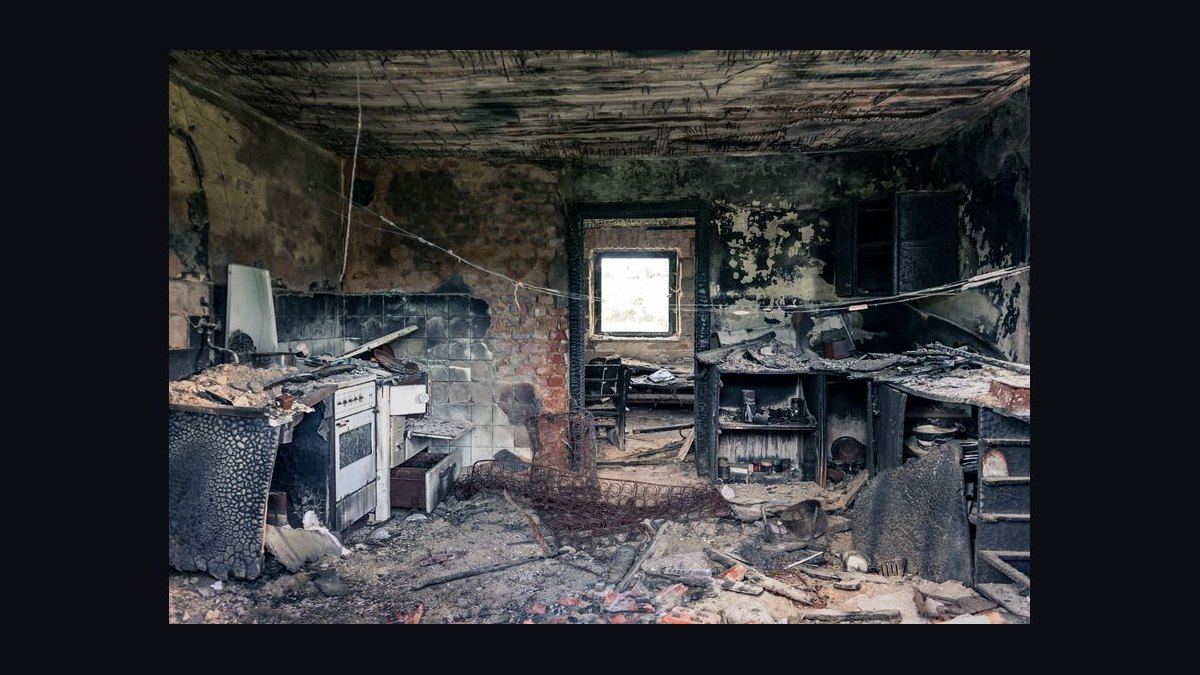
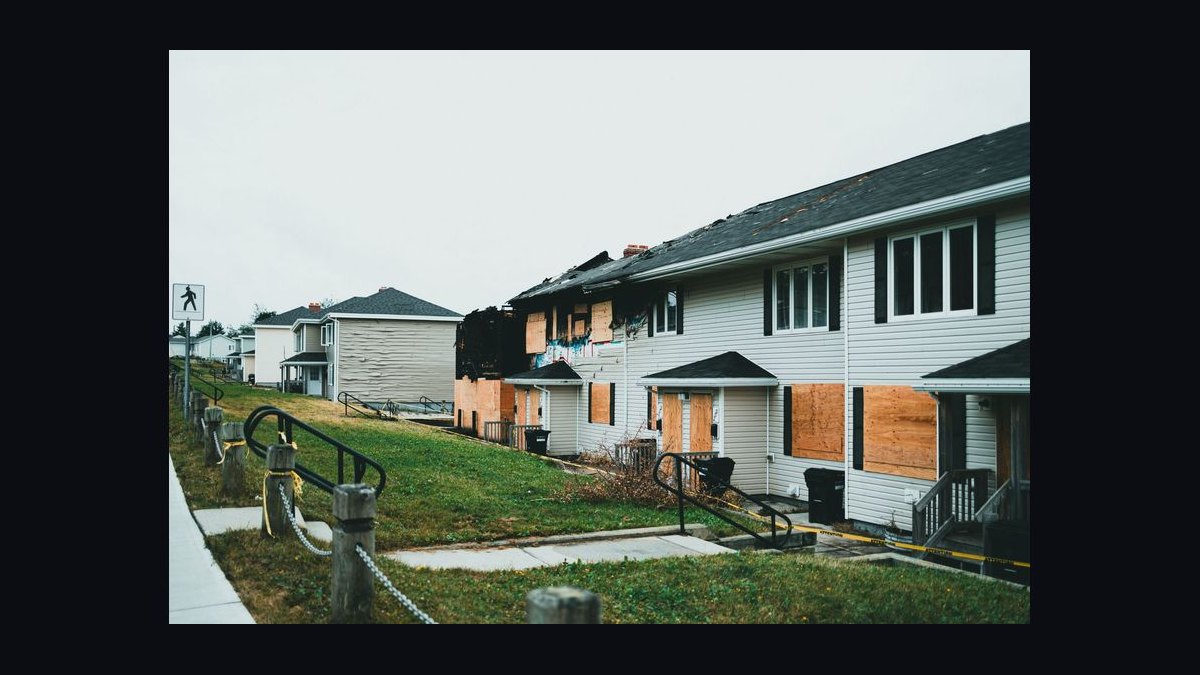
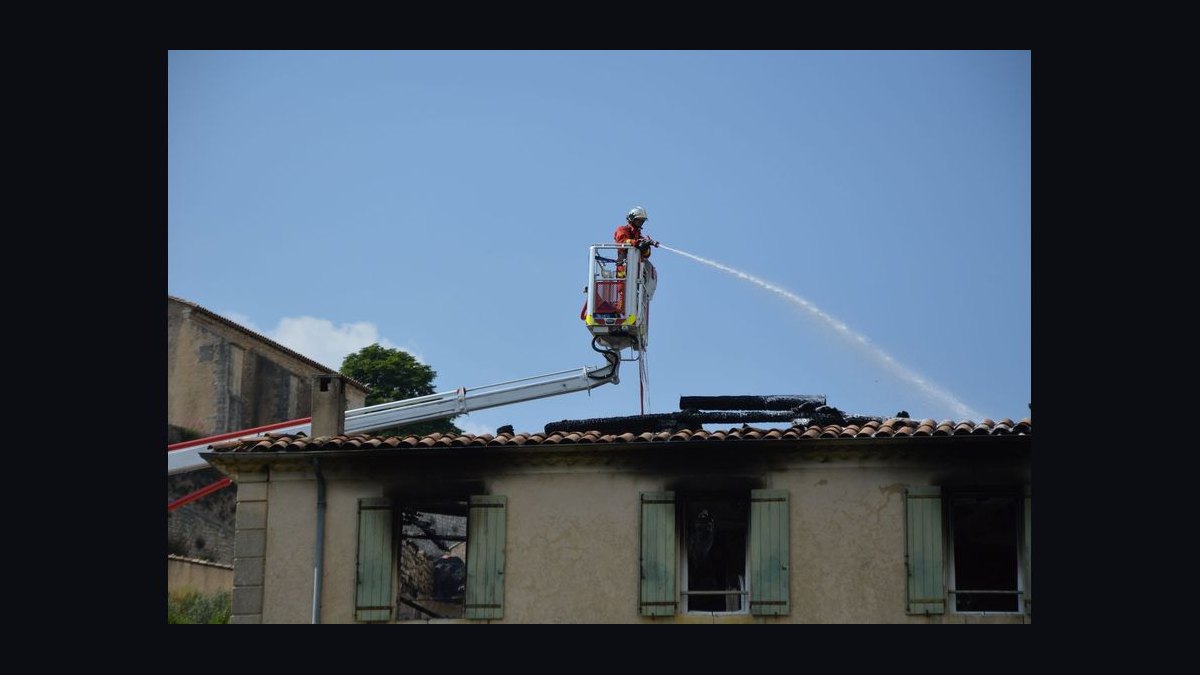
Gate one — make safe, stop the source. Before any conversation, the rep addresses active hazards. On a water loss that means locating and shutting the supply, checking whether standing water has reached outlets or a panel, and calling for a licensed electrician or the utility if it has. On a fire loss it means confirming the structure has been released by the fire department, watching for compromised flooring and stair treads, and assessing whether a board-up or temporary roof tarp is needed before weather or theft compounds the claim. The exit condition is simple: nothing is actively getting worse.
Gate two — the empathy open. The first ninety seconds set the relationship. The rep leads with the human and then immediately with a concrete next action, because concreteness is what reads as competence to a frightened person. Something structurally like: "I'm sorry — this is a rough one. Let's get it stopped before it gets worse. Can I take a look at where it started?" Note what is absent. No company history, no certification recital, no brochure. The rep names one specific thing they will do in the next twenty minutes and then does it.
Gate three — document the scope on camera. The rep walks every affected room narrating into a phone camera, showing moisture meter readings on screen, noting materials and wicking heights, and photographing the source. This serves two purposes at once: it builds the file the adjuster will actually read, and it lets the homeowner watch their own case being built. A homeowner who watches you document for fifteen minutes has a very different sense of who you are than one who watched you scribble on a clipboard.

Gate four — set the insurance frame. Capture carrier, policy number, claim number if one exists, and deductible amount, writing them down in front of the homeowner. Explain the flow in one breath: we mitigate now, we document it in the format your adjuster works from, we bill the carrier directly, and your out-of-pocket on covered scope is your deductible. That is the entire explanation. Reps who say more than this are usually promising something they do not control.
Gate five — authorization and equipment. Present the work authorization and the direct payment authorization, let the homeowner actually read them, answer questions, and then set equipment on the same visit. Not tomorrow. Not after the estimate is approved. The exit condition for gate five is air movers running and a dehumidifier pulling.
The reason to teach it as gates rather than a script is that the order is what matters and the wording is not. A rep who improvises the words but holds the sequence will close. A rep who recites perfect language but prices before mitigating will lose to the next truck.
One coaching point worth ten minutes of the block: the "mitigate before you measure" rule has a policy basis, and reps should be able to invoke it without sounding like they are quoting fine print. Standard homeowners policies impose a duty on the insured to take reasonable steps to prevent further damage after a loss. A rep can say, accurately and gently, "your policy expects the damage to be stopped promptly — let's not give the carrier any reason to argue about it later." That reframes the rep from someone selling a service to someone helping the homeowner meet an obligation they already have. It is the single highest-leverage line in the visit, and it only works if the rep delivers it as information rather than as pressure.
What the numbers actually look like
Reps close on urgency, but urgency built on invented figures collapses the first time a homeowner checks. Build the urgency case on the structure of restoration economics, which is durable, and let reps fill in their own market's real numbers from their own completed jobs.
Here is the shape to teach, using ranges reps should validate against their own last twenty invoices rather than memorizing.
The mitigation-versus-remediation gap. A residential water loss caught same day and dried in place typically involves a handful of air movers, one or two dehumidifiers depending on the affected cubic footage, antimicrobial application on affected materials, and three to four days of drying with daily moisture readings. Its invoice sits in the low thousands. The same loss left sitting past the microbial-amplification window becomes a containment-and-demolition job: barriers, negative air, removal of affected drywall and insulation, cabinet and flooring replacement, post-remediation verification. That invoice is commonly several multiples of the mitigation number. The exact figures vary enormously by region, square footage, materials, and category — which is precisely why the rep should be citing their own company's job history rather than a national average they cannot defend.
Have every rep pull three real jobs from the last quarter before the session: one mitigated same day, one delayed, one fire loss. Write the three invoice totals on the whiteboard. Those numbers are more persuasive than anything a trainer can supply, because the rep can say "I dried a house on your street last month" and mean it.
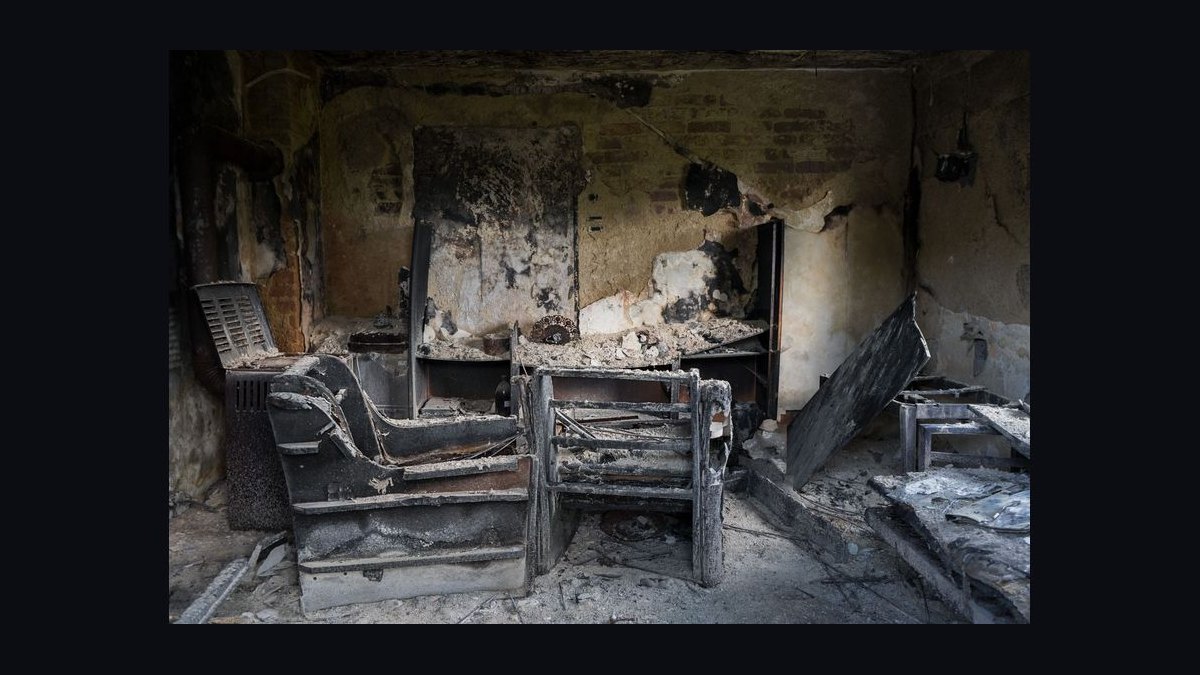
Fire and smoke economics differ structurally. A fire loss is rarely one job. It is emergency board-up and stabilization, then structural cleaning and soot removal, then odor remediation, then contents cleaning and often pack-out and storage, then reconstruction. Each of those is separately scoped, and the contents portion frequently surprises homeowners who assumed the visible char was the whole problem. ANSI/IICRC S700 covers the professional standard for fire and smoke damage restoration and is the reference reps should be able to name. The training point: on a fire loss the rep's first-visit deliverable is usually stabilization and a documented scope, not a total, because the total genuinely does not exist yet.
Close-rate structure. The pattern worth teaching is directional rather than numeric: same-visit authorizations close at a dramatically higher rate than come-back-tomorrow quotes, because the come-back-tomorrow window is exactly when competitors set equipment. Have the sales manager pull the company's own split — authorizations signed on first visit versus those signed on a return visit — from the CRM before the meeting. Nearly every restoration company that runs this analysis finds the gap is large. Showing reps their own company's number is the point of the exercise; a borrowed statistic is not.
Deductible arithmetic. The homeowner's silent question is always "what do I pay?" Reps should be able to answer it plainly: on covered scope, the deductible, which the homeowner already agreed to when they bought the policy. Reps should know how to read the declarations page for a flat deductible versus a percentage-of-dwelling-coverage deductible, because on a wind or named-storm loss the percentage version can be many times larger than the homeowner expects and discovering it at invoice time destroys the relationship. Fifteen seconds of asking "do you know if yours is a flat amount or a percentage?" during gate four prevents a fight three weeks later.
Estimating basis. Xactimate, from Verisk, is the estimating platform most carriers and adjusters work from, with regional price lists that update periodically. When a rep says "I estimate in Xactimate using the same regional price list your adjuster uses," that is a verifiable statement about method, and it reframes a price objection from "you're expensive" to "we're both reading the same list." That is the correct use of the tool in a sales conversation — as a shared reference, not as a shield.
Close this fifteen-minute block by having each rep state, out loud, the deductible disclosure they will use on their next job. It should take under ten seconds and contain no hedging.
Trade-offs the rep is actually making

Every decision at the door is a trade-off, and reps handle them better when they have been named rather than discovered under stress.
Sign fast versus scope thoroughly. Rushing the authorization to beat a competitor produces signed jobs with under-documented scope, which surface later as denied line items and awkward conversations about who pays. Documenting exhaustively before presenting anything produces beautiful files on jobs that went to someone else. The resolution is not a midpoint — it is a reordering. Set equipment on a documented emergency scope, then complete detailed documentation while the equipment runs. Mitigation authorization and full scope agreement do not have to happen in the same breath.
Advocate versus adjuster. Reps are tempted to tell homeowners what is covered because it is reassuring and it closes. It is also outside their authority and it creates a liability the company eats when the adjuster disagrees. The workable position is to promise process with total confidence and outcome not at all: "I will document this the way your adjuster needs to see it, and I will be here when they inspect." Reps can be maximally confident about their own work and appropriately silent about someone else's decision. The Restoration Industry Association's code of ethics is directly on point about representing oneself accurately and not misrepresenting the insurance relationship.
Price transparency versus scope reality. Homeowners want a number and reps want to give one. But restoration scope legitimately changes when walls open and moisture maps come back, so a first-visit total is either a guess that will be revised upward — which reads as a bait-and-switch even when it is honest — or a number padded enough to be safe, which loses the job. The trade is to be completely transparent about the mechanism (documented estimate, adjuster-readable format, deductible disclosed now) while declining to fabricate a total that does not yet exist.
Chase versus move on. When a competitor's equipment is already running, the job is realistically theirs. Reps who spend the 72-hour window trying to displace an existing mitigation are burning the exact hours when other losses in the same storm event are still unclaimed. Teaching reps to disengage quickly is counterintuitive and worth explicit permission from the sales manager.
Run this block for about ten minutes, and run it as a discussion rather than a lecture. Experienced reps in the room will have opinions about the chase-versus-move-on trade in particular, and those opinions are worth surfacing because they encode local market knowledge the trainer does not have.
The six ways reps lose jobs they should have won
Close the session with fifteen minutes on failure modes. Read each aloud, slowly, and have reps identify which one they committed most recently. That admission is what makes the list stick.
Talking price instead of stopping water. The most common and most expensive error. A rep who spends the first ten minutes on pricing has communicated that the transaction matters more than the damage. Fix: the first specific thing out of the rep's mouth is a mitigation action with a time attached.
Promising coverage. "Don't worry, insurance covers everything" is the sentence that generates the most downstream conflict in restoration. The rep does not control the adjuster, and when a line item is denied the homeowner remembers the promise, not the caveat. Say "covered scope," never "this is covered." Say "I'll document it for your adjuster," never "they'll approve it."
Offering to absorb the deductible. Waiving, rebating, or "eating" a homeowner's deductible is prohibited in many states and is an ethics violation under RIA's code regardless of jurisdiction. It is also a terrible sales instinct, because the homeowner who accepts it now knows the company plays loose with the carrier. Disclose the deductible plainly and let it be a non-event.
Leaving without setting equipment. A signed authorization with no equipment running is not a job — it is a document a homeowner can and will disregard when the next truck arrives with fans. If the rep cannot set equipment on the first visit for a legitimate reason, they should name exactly when equipment arrives, with a time, and confirm it by text before they leave the driveway.
Skipping or rushing the film. Undocumented damage is functionally denied damage. Reps who photograph the finished mitigation but not the pre-existing condition have removed their own evidence. The camera runs during the walk, before anything is moved or extracted, and the footage goes to the homeowner the same night — which doubles as the strongest follow-up touch available.
Trashing the competitor. "The other guys will rip you off" reads as insecurity to a homeowner who is already unsure who to trust. The confident move is to describe your own standard of work and stop talking. If a competing scope is genuinely deficient, describe the deficiency technically and neutrally — improper drying leaving elevated moisture behind wall cavities is a factual claim; "they're crooks" is not.
Send each rep out with three written commitments taped to the truck dash: I mitigate before I measure, I film every scope walk and send the photos before I leave, and I disclose the deductible out loud without being asked. Those three behaviors are what the entire 60 minutes is trying to install, and a sales manager can audit all three from the job file without ever riding along.
Related questions
How long should the training actually run?
Sixty minutes, split roughly 5/15/15/10/15 across scenario, sequence drill, numbers, trade-offs, and pitfalls. Longer sessions lose field reps who have active jobs. Run it monthly rather than quarterly so new hires get it within their first four weeks.
Should office staff attend the restoration sales training?

Yes for the insurance and deductible sections. The person answering the emergency line sets the first expectation about cost and timing, and a mismatch between what the phone said and what the rep says at the door costs credibility immediately.
What should reps bring to every first visit?
Moisture meter, charged phone with storage free for filming, work authorization and direct payment authorization forms, and enough equipment on the truck to set an initial dry-out. Reps who have to leave to fetch equipment frequently return to a competitor's fans.
How do you coach a rep who keeps losing same-night jobs?
Pull three of their lost jobs and check one thing: did equipment run on the first visit? In most cases it did not. Fix the sequence before working on language — the wording is almost never the actual failure.
Does this training change for commercial losses?
The sequence holds, but the decision-maker changes. On commercial work you are usually dealing with a property manager or facilities lead who needs business-interruption framing and a written scope for an owner, so the same-visit authorization often becomes a same-visit emergency-mitigation authorization with full scope following.
FAQ
What if the homeowner hasn't filed a claim yet?
Emergency mitigation can generally begin before a claim number exists, because the policy already obligates the insured to prevent further damage. Capture the carrier and policy number, encourage the homeowner to call the claim line while you document, and note the time the loss was discovered. Do not wait for a claim number to stop water from spreading.

Should reps give a total cost on the first visit?
No. Restoration scope legitimately changes as materials are opened and moisture mapping completes, so a first-visit total is either a guess or padding. Commit instead to a documented estimate in the format the adjuster works from, the specific mitigation steps happening today, and an honest deductible disclosure.
Is it legal to cover a homeowner's deductible?
No, in many states it is expressly prohibited, and it violates RIA's code of ethics generally. Beyond the legal exposure, it signals to the homeowner that the company is comfortable misrepresenting things to a carrier — which is not a reputation that survives a neighborhood full of storm losses.
What should a rep do when a competitor's equipment is already running?
Disengage politely and redeploy. Equipment on site functions as the real contract, and the hours spent trying to displace an active mitigation are the same hours other unclaimed losses in the area are still open. Leave a card, note the address, and move.
How do you handle a homeowner who wants to dry it themselves?
Respect the instinct, then give them the specific risk: incomplete drying leaves elevated moisture behind wall cavities and under flooring, and damage discovered months later is frequently characterized as a maintenance issue rather than a covered loss. Offer a documented moisture inspection in 48 hours so they have a record either way.
What's the single biggest mistake new restoration reps make?
Talking about price before the damage stops. The homeowner is not evaluating cost in the first ten minutes — they are evaluating whether someone competent has arrived. Set the equipment, then have the money conversation, and both go better.
Sources
- IICRC — ANSI/IICRC S500 Standard for Professional Water Damage Restoration: https://www.iicrc.org/page/IICRCS500
- IICRC — ANSI/IICRC S700 Standard for Professional Fire and Smoke Damage Restoration: https://www.iicrc.org/page/S700
- Restoration Industry Association: https://www.restorationindustry.org/
- Verisk / Xactimate estimating platform: https://www.verisk.com/insurance/products/xactimate/
- EPA — A Brief Guide to Mold, Moisture and Your Home: https://www.epa.gov/mold/brief-guide-mold-moisture-and-your-home
- EPA — Mold Remediation in Schools and Commercial Buildings: https://www.epa.gov/mold/mold-remediation-schools-and-commercial-buildings
- NFPA — NFPA 921, Guide for Fire and Explosion Investigations: https://www.nfpa.org/codes-and-standards/nfpa-921-standard-development/921
- CDC — Mold Cleanup and Remediation Guidance: https://www.cdc.gov/mold/
- FEMA — Dealing with Flood Damage and Cleanup: https://www.ready.gov/floods
- National Association of Insurance Commissioners — Homeowners Insurance Consumer Resources: https://content.naic.org/consumer/homeowners-insurance.htm
Related on PULSE
- Water Treatment and Softener In-Home Sales — 60-Min Training
- Sales Demo Best Practices: Agenda and Script for a Peer-Led Training Workshop
- Emotional Intelligence in Sales: Guided Discussion Template for Team Meetings
- Selling with Stories: Narrative Structure Template for a 45-Minute Sales Workshop
- Building a Sales Mentorship Program: Template for a Department-Wide Kickoff
- Sales Forecasting Accuracy: Template for a Team Meeting Focused on Data Hygiene
This page will be disappearing soon. Save it to your device for $1 — or read it free while it is here.
@Kory-White- · if Venmo asks, the last 4 of my number are 2012
This page is gone.
This one is off the shelf now. $1 keeps it on your phone for good — the whole page, pictures and diagrams included.
 sales-trainingJunk Removal On-Site Quoting — 60-Min Training
 sales-trainingMoving Company Estimate Selling — 60-Min Training
 sales-trainingFence Installation Sales — 60-Min Training
 sales-trainingKitchen and Bath Remodel In-Home Sales — 60-Min Training
 sales-trainingTree Service Estimate Selling — 60-Min Training
 sales-trainingHome Standby Generator Sales — 60-Min Training
 sales-trainingPool and Spa Installation Sales — 60-Min Training
 sales-trainingSeptic Service and Install Sales — 60-Min Training
 sales-trainingGarage Door Installation Sales — 60-Min Training
 sales-trainingCommercial Electrical Project Selling — 60-Min Training