
Top 10 Public Universities in Texas in 2027
 Curated byKory White · Fractional CRO · Maryland
 PULSEKNOWLEDGE LIBRARY
The Best Overall public university in Texas is the University of Texas at Austin (UT Austin), where in-state tuition runs about $11,700/yr, the six-year graduation rate exceeds 88%, and flagship programs in business (McCombs), engineering (Cockrell), and computer science routinely rank in the national top 10. The Best Value pick is the University of Texas at Dallas (UT Dallas), a fast-rising public research university with in-state tuition near $14,500/yr, strong merit aid, and elite outcomes in computer science, engineering, and business that produce among the best starting salaries per tuition dollar in the state. This list is built for Texas families and students comparing where to apply, covering flagships, fast-rising research schools, and accessible regional universities across the state. Every pick uses real, publicly reported data from U.S. News, NCES, and each university.
How We Ranked the Top 10
We weighted each university against what Texas students and families actually weigh — academic strength, graduation and career outcomes, and whether the price justifies the result. We drew on published figures from U.S. News Best Colleges, NCES (College Navigator), Niche, the Texas Higher Education Coordinating Board, and each university's reported data. The weighting:
- Academic performance and reputation — 25%
- Graduation and career outcomes — 20%
- Value and cost (in-state tuition, aid) — 15%
- Faculty and research resources — 15%
- Environment and safety — 15%
- Programs and student fit — 10%
A university that posts a famous name but graduates few on time drops; so does one that is cheap but offers thin outcomes. The winners balance all six.
1. University of Texas at Austin 🏆 BEST OVERALL

Type: Public flagship research university | Tuition: ~$11,700/yr (in-state) | Best for: High-achieving students wanting a top-10 program
The University of Texas at Austin is the state's flagship and the clear best overall public option. Enrolling roughly 52,000 students, UT Austin posts a six-year graduation rate above 88% and an acceptance rate near 30%, with admitted classes increasingly drawn from the top 6% of Texas high schools under automatic admission. Its McCombs School of Business, Cockrell School of Engineering, and Department of Computer Science all rank in the national top 10, and the university is an elite research institution with billions in endowment support. The student-faculty ratio is about 18:1, and Austin's tech and finance employers feed one of the strongest graduate-hiring pipelines in the South.
Pros:
- Top-10 national programs in business, engineering, and CS
- 88%+ six-year graduation rate
- In-state tuition near $11,700 for flagship quality
- Elite research funding and Austin employer pipeline
Cons:
- Increasingly competitive admission for popular majors
- Large class sizes in early core courses
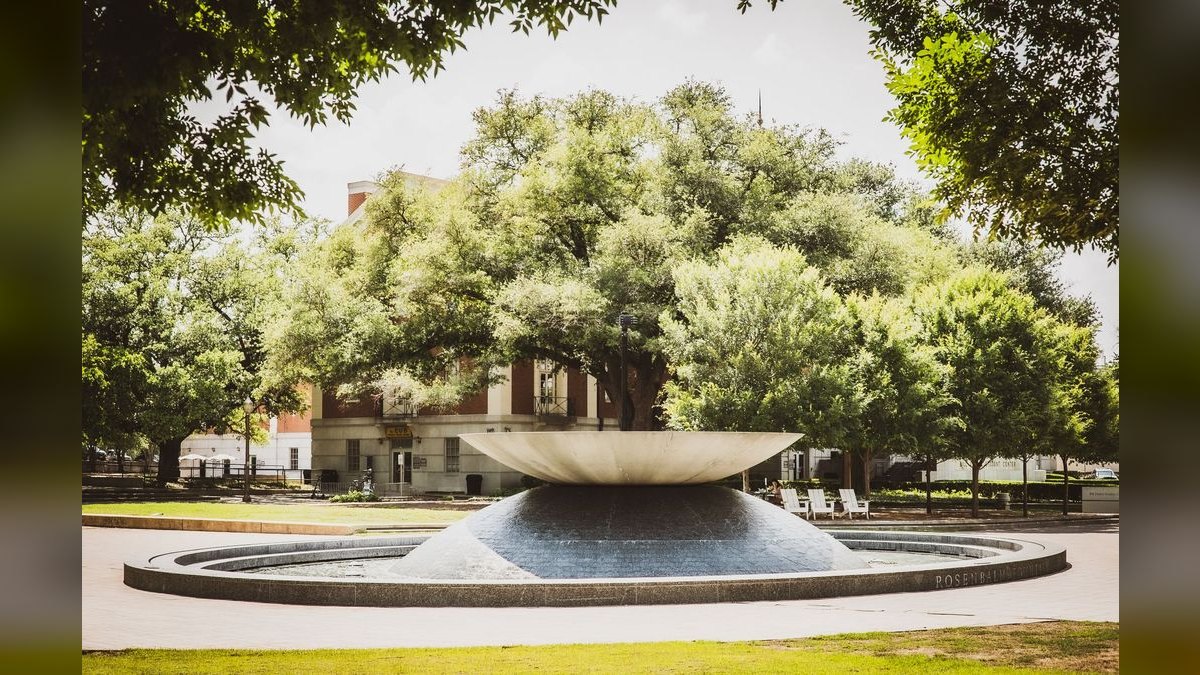
Verdict: UT Austin is the clear best overall — flagship academics, top-10 programs, and strong outcomes at in-state pricing.
2. Texas A&M University

Type: Public flagship research university | Tuition: ~$13,200/yr (in-state) | Best for: Students wanting engineering strength and a tight-knit network
Texas A&M University in College Station is the state's other flagship and one of the largest universities in the country, enrolling about 74,000 students. A&M posts a six-year graduation rate near 85%, a powerful engineering college (one of the largest and best-funded nationally), and renowned programs in agriculture, business, and the sciences. Its famously loyal Aggie network is a real career asset, and the university is a top public research institution. With a student-faculty ratio around 18:1 and in-state tuition near $13,200, A&M pairs flagship resources with one of the strongest alumni pipelines in the country.
Pros:
- One of the nation's largest, best-funded engineering colleges
- 85%+ graduation rate with strong career outcomes
- Exceptionally loyal and useful Aggie alumni network
- Flagship research resources at in-state pricing
Cons:
- Very large scale can feel impersonal early on
- College Station is a smaller college-town market
Verdict: Texas A&M is the engineering-and-network flagship — elite resources plus an alumni base that pays off for decades.
3. University of Texas at Dallas 💎 BEST VALUE

Type: Public research university | Tuition: ~$14,500/yr (in-state) | Best for: STEM and business students chasing outcomes per dollar
The University of Texas at Dallas is the best value among Texas publics — a fast-rising research university where strong merit aid and elite STEM outcomes produce some of the highest starting-salary-to-tuition ratios in the state. Enrolling about 31,000 students, UT Dallas posts a six-year graduation rate near 75% and is nationally respected in computer science, engineering (Jonsson School), and the Naveen Jindal School of Management. Its location in the Dallas tech corridor feeds graduates directly into Texas Instruments, AT&T, and finance employers. With a student-faculty ratio around 24:1 and generous Academic Excellence Scholarships that cut sticker price sharply, UT Dallas delivers outsized outcomes for the money.

Pros:
- Elite CS, engineering, and business outcomes
- Generous merit scholarships that lower net cost
- Direct pipeline into the Dallas tech corridor
- Best starting-salary-per-tuition-dollar among Texas publics
Cons:
- Commuter-heavy campus with a quieter social scene
- Larger STEM lecture sections in early years
Verdict: UT Dallas is the value champion — top STEM and business outcomes with merit aid that makes the price hard to beat.
4. Texas Tech University

Type: Public research university | Tuition: ~$11,700/yr (in-state) | Best for: West Texas students wanting broad programs and a true campus
Texas Tech University in Lubbock is a major public research institution enrolling about 41,000 students with one of the most affordable in-state tuitions on this list near $11,700. Tech posts a six-year graduation rate near 65% and offers respected programs in engineering, business, agriculture, and health sciences, with its own medical school in the system. The student-faculty ratio runs about 20:1, and the university anchors a genuine large-campus experience with strong athletics and school spirit. For students across West Texas and beyond, Tech combines breadth, affordability, and a complete college-town setting.
Pros:
- Among the lowest in-state tuition on the list
- Broad programs including engineering, ag, and health
- True large-campus experience with strong athletics
- Affiliated medical and law schools in the system
Cons:
- Graduation rate trails the flagships
- Lubbock's remote location deters some students
Verdict: Texas Tech is the affordable all-rounder — broad programs and a full campus experience at a low in-state price.

5. University of Houston

Type: Public research university | Tuition: ~$10,800/yr (in-state) | Best for: Houston students wanting research access and city employers
The University of Houston is a major public research university in the nation's fourth-largest city, enrolling about 47,000 students with in-state tuition near $10,800 — among the lowest here. UH posts a six-year graduation rate near 64% and is nationally noted for petroleum and engineering, business (Bauer), and a top-ranked hospitality program. Its Tier One research designation and a student-faculty ratio around 22:1 pair with unmatched access to Houston's energy, medical, and aerospace employers. For students who want to study and recruit in a major metro without leaving the city, UH is a strong, affordable choice.
Pros:
- Low in-state tuition near $10,800
- Tier One research status in a major employer hub
- Strong engineering, business, and hospitality programs
- Direct access to Houston energy and medical recruiters
Cons:
- Commuter-heavy with a developing residential scene
- Graduation rate trails the state flagships
Verdict: University of Houston is the big-city value pick — research access and major employers at a low in-state price.
6. University of Texas at San Antonio

Type: Public research university | Tuition: ~$9,800/yr (in-state) | Best for: San Antonio students wanting affordable research and cyber programs
The University of Texas at San Antonio (UTSA) enrolls about 34,000 students and offers one of the lowest in-state tuitions on this list near $9,800. UTSA posts a six-year graduation rate near 55% and has built national strength in cybersecurity, data science, and engineering, earning recognition as a top program for cyber. With a student-faculty ratio around 25:1 and a designation as a Hispanic-Serving Institution and emerging research university, UTSA pairs affordability with rising academic momentum. Its San Antonio location connects students to military, cybersecurity, and healthcare employers.
Pros:
- Among the lowest in-state tuition at ~$9,800
- Nationally recognized cybersecurity and data programs
- Rising research designation and momentum
- Strong ties to San Antonio cyber and military employers

Cons:
- Six-year graduation rate near 55% needs improvement
- Larger class sizes in core courses
Verdict: UTSA is the affordable cyber pick — low tuition with genuinely strong cybersecurity and data-science programs.
7. Texas State University

Type: Public university | Tuition: ~$10,900/yr (in-state) | Best for: Central Texas students wanting a vibrant campus near Austin
Texas State University in San Marcos enrolls about 38,000 students between Austin and San Antonio, with in-state tuition near $10,900. Texas State posts a six-year graduation rate near 58% and is well regarded in business (McCoy), education, and mass communication, plus a respected geography and environmental program. The student-faculty ratio runs about 20:1, and its scenic San Marcos campus and proximity to Austin's job market make it a popular choice for students who want a lively traditional campus without flagship-level competition for admission.
Pros:
- Vibrant traditional campus between Austin and San Antonio
- Strong business, education, and communication programs
- Affordable in-state tuition near $10,900
- Easy access to the Austin job market
Cons:
- Graduation rate trails the research flagships
- Fewer top-ranked STEM offerings
Verdict: Texas State is the campus-life value pick — a lively setting near Austin with solid programs and accessible admission.
8. University of Texas at Arlington


Type: Public research university | Tuition: ~$11,000/yr (in-state) | Best for: DFW students wanting research access and strong nursing
The University of Texas at Arlington (UTA) sits in the heart of the Dallas-Fort Worth metroplex, enrolling about 41,000 students with in-state tuition near $11,000. UTA posts a six-year graduation rate near 55% and is nationally known for its College of Nursing — one of the largest producers of BSN graduates in the country — plus solid engineering and business programs. With a student-faculty ratio around 26:1 and a research-university designation, UTA gives DFW students affordable access to research and a deep regional employer network, especially in healthcare and aerospace.
Pros:
- One of the nation's largest, well-regarded nursing programs
- Central DFW location with strong employer access
- Affordable in-state tuition near $11,000
- Research-university resources and engineering programs
Cons:
- Commuter-heavy campus with limited residential life
- Graduation rate near 55% lags the flagships
Verdict: UT Arlington is the DFW healthcare pick — elite nursing and affordable research access in the metroplex.
9. University of North Texas

Type: Public research university | Tuition: ~$11,500/yr (in-state) | Best for: Denton-area students wanting strong arts and business programs
The University of North Texas (UNT) in Denton enrolls about 46,000 students with in-state tuition near $11,500 and a six-year graduation rate near 58%. UNT is nationally renowned for its College of Music — one of the most respected in the country — alongside strong business (G. Brint Ryan College), hospitality, and emerging research programs. With a student-faculty ratio around 26:1 and a Tier One research push, UNT pairs a creative, large-campus identity with affordability. Its Denton location keeps students close to the DFW job market while offering a distinct college-town culture.
Pros:
- Nationally elite College of Music
- Strong business and hospitality programs
- Affordable in-state tuition near $11,500
- Distinct Denton college-town culture near DFW
Cons:
- Graduation rate trails the research flagships
- Larger early class sizes in popular majors

Verdict: UNT is the creative-campus value pick — a top music school and solid business programs at an affordable price.
10. University of Texas at El Paso

Type: Public research university | Tuition: ~$9,200/yr (in-state) | Best for: West Texas and border students wanting affordable research access
The University of Texas at El Paso (UTEP) enrolls about 24,000 students and offers the lowest in-state tuition on this list near $9,200. UTEP posts a six-year graduation rate near 45% but stands out as a national leader in access and social mobility, regularly cited for moving first-generation and Hispanic students into strong careers. It carries a research-university designation with respected engineering and health-sciences programs and a student-faculty ratio around 23:1. For border-region and West Texas students, UTEP delivers affordable research-university access and one of the best mobility records in the country.
Pros:
- Lowest in-state tuition on the list at ~$9,200
- National leader in student access and social mobility
- Research designation with engineering and health programs
- Strong fit for first-generation and border students
Cons:
- Six-year graduation rate near 45% is the lowest here
- Smaller national employer footprint than metro schools
Verdict: UTEP is the access-and-affordability pick — the lowest tuition and a top mobility record for first-generation students.
Which One's Right for You?
What to Look For When Choosing a Public University
- Graduation and outcomes, not just rank — A university's six-year graduation rate and post-grad salary data predict your result better than a name. UT Austin and A&M lead Texas on completion.
- Net price, not sticker price — Compare in-state tuition after merit aid. Schools like UT Dallas and UTEP can cost far less than the published figure once scholarships apply.
- Program strength over brand — A top program at a "value" school often beats an average major at a flagship. UNT's music, UTA's nursing, and UTSA's cybersecurity are national-caliber.
- Location and employer pipeline — Where the campus sits shapes internships and hiring. Houston, Dallas, and DFW schools plug into major metro employers.
- Fit and campus type — A commuter research school feels different from a traditional college town. Match Texas Tech or Texas State's campus life versus UT Dallas or UTA's commuter profile to what you want.
- Class size and support — Lower student-faculty ratios and strong advising drive completion, especially for first-generation students.
What matters less than marketing implies: glossy rankings positions, dorm amenities, and athletic prestige. Graduation rates, net price, program strength, and employer access shape your degree's value far more than a brochure.
FAQ
What is the best public university in Texas? The University of Texas at Austin earns our top spot — a flagship with top-10 national programs in business, engineering, and computer science, a graduation rate above 88%, and in-state tuition near $11,700.
What is the best-value public university in Texas? UT Dallas offers the best outcomes per dollar — elite CS, engineering, and business programs plus generous merit scholarships that produce among the highest starting-salary-to-tuition ratios in the state.
Which Texas public university is cheapest for in-state students? UTEP has the lowest published in-state tuition near $9,200/yr, followed closely by UTSA near $9,800, with both pairing affordability with research-university designation.
Which Texas public has the best engineering program? Both UT Austin's Cockrell School and Texas A&M's engineering college rank among the nation's best, with UT Dallas's Jonsson School a strong, value-focused third.
Which Texas public has the highest graduation rate? UT Austin leads with a six-year graduation rate above 88%, followed by Texas A&M near 85% — both well ahead of the regional universities.
Are the regional Texas publics worth it over the flagships? Yes, for the right student. Schools like UT Dallas, UTA, and UNT offer national-caliber programs (CS, nursing, music) at lower net cost, especially with merit aid, and strong metro employer access.
Bottom Line
For Texas students, the University of Texas at Austin is our Best Overall public university — a flagship with top-10 national programs, an 88%+ graduation rate, and in-state tuition near $11,700. The Best Value is UT Dallas, which delivers elite STEM and business outcomes with merit aid that produces the best starting-salary-per-dollar among Texas publics. If your priorities lean toward the lowest tuition, big-city employer access, a vibrant traditional campus, or a specific national-caliber program, use the decision tree above to route toward UTEP, Houston, Texas Tech, or UNT. Choose on graduation rates, net price, and program strength — not rankings prestige — and your degree will pay off.
Related on PULSE
- [Top 10 Public High Schools in Texas in 2027](/knowledge/sc0022)
- [Top 10 Nursing Programs in Texas in 2027](/knowledge/sc0394)
- [Top 10 Community Colleges in Texas in 2027](/knowledge/sc0339)
- [Top 10 Charter Schools in Texas in 2027](/knowledge/sc0328)
- [Top 10 Private Colleges in Texas in 2027](/knowledge/sc0063)
- [Top 10 Public Universities in Michigan in 2027](/knowledge/sc0347)
Sources
- U.S. News — Best Colleges in Texas
- Niche — Best Public Universities in Texas
- NCES — College Navigator
- Texas Higher Education Coordinating Board
- College Board — BigFuture college search
- University of Texas at Austin — tuition and admissions
- Texas A&M University — cost and academics
- University of Texas at Dallas — scholarships and programs
- University of Houston — tuition and research
- University of Texas at El Paso — affordability and mobility
*Public universities in Texas review — best public universities Texas, rankings, ratings, review 2027, and a review of the top public colleges in Texas for students and families.*
People also search for: best public universities in texas · top public universities in texas · top rated public universities in texas · top ranked public universities in texas · highest rated public universities in texas · public universities in texas reviews
@Kory-White- · if Venmo asks, the last 4 of my number are 2012
 pulse-moviesTop 10 Movies on Netflix 2027
 pulse-moviesTop 10 Movies on Max 2027
 pulse-moviesTop 10 Fantasy Movies of All Time in 2027
 pulse-moviesTop 10 Documentaries of All Time in 2027
 pulse-moviesTop 10 Superhero Movies of All Time in 2027
 pulse-moviesTop 10 Romance Movies of All Time in 2027
 pulse-moviesTop 10 Westerns of All Time in 2027
 pulse-moviesTop 10 Musical Movies of All Time in 2027
 pulse-moviesTop 10 Thriller Movies of All Time in 2027
 pulse-moviesTop 10 Crime Movies of All Time in 2027