
Top 10 Universities for Clinical Psychology in 2027
 Curated byKory White · Fractional CRO · Maryland
 PULSEKNOWLEDGE LIBRARY
The Best Overall university for clinical psychology is UCLA, whose PhD program is built on the clinical-science model and routinely posts an acceptance rate near 3% alongside near-universal internship match rates and full funding for admitted students.
The Best Value pick is the University of Wisconsin–Madison, a fully funded PhD clinical-science program at a public research university that delivers top-tier research training and licensure outcomes without the private-tuition premium — the best outcomes-per-dollar option on this list.
This ranking is built for students aiming at the doctoral, research-oriented path in clinical psychology — the PhD (not PsyD) route that emphasizes the clinical-science model, full funding, faculty-mentored research, and careers spanning academia, research, and licensed clinical practice. Every pick below uses real, publicly reported program data on funding, accreditation, and training emphasis.
How We Ranked the Top 10
We weighted each program against what doctoral applicants in clinical psychology actually prioritize: research strength, funding, accreditation, and placement. We leaned on published figures from U.S. News, the American Psychological Association (APA), the Psychological Clinical Science Accreditation System (PCSAS), NCES, and each program's official student-admissions outcome data. The weighting:
- Research strength and clinical-science emphasis — 25%
- Internship match and licensure outcomes — 20%
- Funding and value — 15%
- Faculty and mentorship resources — 15%
- Accreditation and program reputation — 15%
- Specialization fit and breadth — 10%
A program with a famous name but weak funding or thin match rates drops fast. The winners pair rigorous clinical-science research training with full funding and strong placement.
1. University of California, Los Angeles (UCLA) 🏆 BEST OVERALL

Type: Public (R1 research university) | Tuition: Fully funded PhD (stipend + tuition remission) | Best for: Students pursuing the elite clinical-science PhD path
UCLA's Clinical Psychology PhD is consistently ranked the strongest in the country and is anchored in the clinical-science model, accredited by both the APA and PCSAS. The program enrolls a tiny cohort each year from thousands of applicants — an acceptance rate near 3% — and provides full funding through fellowships, research assistantships, and teaching assistantships.
Students train in faculty research labs spanning child psychopathology, health psychology, adult mood and anxiety disorders, and minority mental health, and the program reports internship match rates near 100%. Graduates populate top academic, research, and clinical positions nationwide.
Pros:
- Top-ranked clinical-science PhD with APA and PCSAS accreditation
- Full funding with stipend and tuition remission
- Near-100% APA internship match rate
- Deep faculty research breadth across specializations
Cons:
- Acceptance rate near 3% makes admission extremely competitive
- Heavy research expectations leave little room for a part-time path
Verdict: UCLA is the gold standard — the most complete clinical-science PhD, fully funded, with elite research and placement.
2. University of California, Berkeley

Type: Public (R1 research university) | Tuition: Fully funded PhD | Best for: Students wanting research-intensive training in a clinical-science department
Berkeley's Clinical Science PhD sits within a top-ranked psychology department and is APA- and PCSAS-accredited, with an unambiguous focus on producing clinical scientists. Cohorts are small, funding is guaranteed for admitted students through fellowships and assistantships, and faculty lead influential labs in emotion, mood disorders, cognition, and developmental psychopathology. The program emphasizes hypothesis-driven research alongside evidence-based clinical training, and its graduates frequently land tenure-track and research-scientist roles.
Berkeley's broader research ecosystem and Bay Area clinical placements add depth.
Pros:
- PCSAS-accredited clinical-science training model
- Guaranteed funding for admitted doctoral students
- Influential faculty labs in emotion and mood research
- Strong placement into academic and research careers
Cons:
- Extremely selective with very small cohorts
- High Bay Area cost of living stretches stipends
Verdict: A premier clinical-science PhD for research-driven applicants who want elite faculty and a strong academic pipeline.
3. University of North Carolina at Chapel Hill (UNC)

Type: Public (R1 research university) | Tuition: Fully funded PhD | Best for: Students focused on clinical-science research with broad specialization options
UNC Chapel Hill's Clinical Psychology PhD is APA-accredited and grounded in the clinical-science model, with strong reputations in child and family, health, and adult psychopathology. The program guarantees full funding for admitted students and pairs research apprenticeship with supervised clinical training through campus and community placements. UNC reports strong internship match and licensure outcomes, and its faculty are active in major federally funded research.
The collegial Research Triangle setting gives students access to additional clinical and research sites.
Pros:
- APA-accredited clinical-science PhD
- Full funding for admitted doctoral students
- Strengths in child, family, and health psychology
- Strong internship match and licensure outcomes
Cons:
- Competitive admissions with limited annual slots
- Research-first model is not built for clinical-only goals
Verdict: A top public clinical-science program with broad specialization depth and reliable funding and placement.
4. University of Wisconsin–Madison 💎 BEST VALUE

Type: Public (R1 research university) | Tuition: Fully funded PhD | Best for: Students seeking elite clinical-science training at a public-university cost
Wisconsin's Clinical Psychology PhD is APA- and PCSAS-accredited and a national leader in the clinical-science model, with faculty doing influential work in affective science, mood and anxiety disorders, and child psychopathology. Every admitted student receives full funding — stipend plus tuition remission — through assistantships and fellowships, and the program reports strong internship match and licensure rates.
Because it delivers research training and outcomes on par with the most elite programs while carrying public-university costs and full funding, Wisconsin offers the best outcomes-per-dollar on this list.
Pros:
- Fully funded PCSAS-accredited clinical-science PhD
- Influential faculty in affective and mood-disorder research
- Strong internship match and licensure outcomes
- Public-university value with elite-level training
Cons:
- Cold-climate Midwest location is not for everyone
- Highly competitive, research-heavy admissions
Verdict: The value champion — top-tier clinical-science training and outcomes, fully funded, without a private-tuition premium.
5. University of Minnesota

Type: Public (R1 research university) | Tuition: Fully funded PhD | Best for: Students drawn to quantitative and clinical-science research traditions
The University of Minnesota's Clinical Psychology PhD has a storied research history and is APA- and PCSAS-accredited, with deep strengths in personality, psychopathology, and quantitative methods. The program provides full funding to admitted students and is known for rigorous training in assessment, measurement, and evidence-based intervention. Minnesota faculty lead major research on externalizing disorders, addiction, and behavior genetics, and graduates are well prepared for academic, research, and clinical careers.
The Twin Cities offer abundant clinical placement sites.
Pros:
- PCSAS-accredited with a strong quantitative tradition
- Full funding for admitted students
- Deep research in psychopathology and behavior genetics
- Rigorous assessment and methods training
Cons:
- Quantitative emphasis may not suit every applicant
- Very competitive, research-intensive admissions
Verdict: A historic clinical-science powerhouse, ideal for students who value quantitative rigor and psychopathology research.
6. Stony Brook University

Type: Public (R1 research university) | Tuition: Fully funded PhD | Best for: Students who want a small, research-intensive clinical-science cohort
Stony Brook's Clinical Psychology PhD is a founding standard-bearer of the clinical-science movement, APA- and PCSAS-accredited, with faculty influential in mood disorders, child and adolescent psychopathology, and emotion research. The program admits small cohorts, provides full funding, and emphasizes early, hands-on research immersion alongside evidence-based clinical training. Stony Brook reports strong internship match outcomes, and its proximity to New York City expands clinical and research opportunities.
The program's culture is intensely mentorship-driven.
Pros:
- Founding clinical-science program, PCSAS-accredited
- Full funding with small, mentored cohorts
- Strengths in mood and child psychopathology research
- Proximity to New York City clinical sites
Cons:
- Small cohort size limits available mentors
- Heavy research focus is not for clinical-only applicants
Verdict: A clinical-science pioneer offering intimate, research-immersed training with strong placement.
7. University of Washington

Type: Public (R1 research university) | Tuition: Fully funded PhD | Best for: Students interested in evidence-based intervention and behavioral science
The University of Washington's Clinical Psychology PhD is APA-accredited and known for leadership in evidence-based interventions, including roots in dialectical behavior therapy and behavioral approaches. The program provides full funding and trains students in research and supervised clinical work across Seattle's many medical and community settings. Faculty strengths include emotion regulation, suicide prevention, and child clinical psychology, and graduates move into academic, medical-center, and clinical roles. Strong VA and hospital affiliations broaden placement options.
Pros:
- Leader in evidence-based intervention research
- Full funding for admitted doctoral students
- Strong medical-center and VA clinical affiliations
- Faculty depth in emotion regulation and child clinical
Cons:
- High Seattle cost of living
- Highly selective with limited annual admissions
Verdict: A standout for students focused on evidence-based intervention and applied clinical-science research.
8. Pennsylvania State University

Type: Public (R1 research university) | Tuition: Fully funded PhD | Best for: Students wanting developmental and child-focused clinical-science training
Penn State's Clinical Psychology PhD is APA-accredited and grounded in the clinical-science model, with particular strength in child, developmental, and family psychopathology. The program offers full funding through assistantships and fellowships, and its faculty conduct federally funded research on child development, prevention science, and adolescent mental health. Students train across research labs and supervised clinical placements, and the program reports strong internship match outcomes.
Penn State's prevention-research infrastructure is a notable asset for developmentally focused applicants.
Pros:
- Strong child, developmental, and prevention-science focus
- Full funding for admitted students
- Federally funded faculty research labs
- Solid internship match outcomes
Cons:
- Rural central-Pennsylvania setting
- Developmental emphasis narrows fit for some applicants
Verdict: An excellent clinical-science PhD for students centered on child, developmental, and prevention research.
9. Indiana University Bloomington
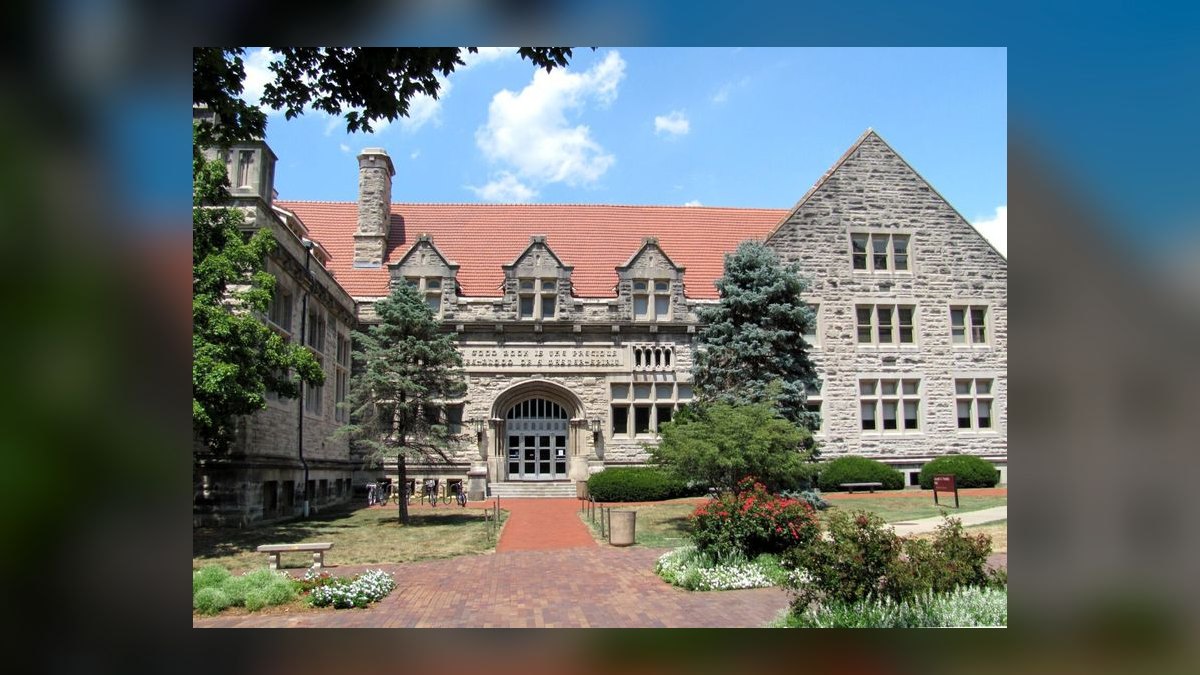
Type: Public (R1 research university) | Tuition: Fully funded PhD | Best for: Students interested in addiction, externalizing, and quantitative research
Indiana University's Clinical Science PhD is APA- and PCSAS-accredited and explicitly organized around training clinical scientists, with research strengths in addiction, externalizing disorders, and quantitative methods. The program provides full funding to admitted students and integrates research apprenticeship with supervised clinical training. IU faculty lead influential work on substance use and behavior genetics, and graduates are prepared for academic and research-scientist careers. The program's clear clinical-science identity appeals to research-first applicants.
Pros:
- PCSAS-accredited clinical-science PhD
- Full funding for admitted students
- Leading research in addiction and externalizing disorders
- Strong quantitative and methods training
Cons:
- Narrow research-first identity limits clinical-only fit
- Competitive, small-cohort admissions
Verdict: A focused clinical-science program ideal for applicants drawn to addiction, externalizing, and quantitative research.
10. University of Pittsburgh

Type: Public (R1 research university) | Tuition: Fully funded PhD | Best for: Students wanting clinical research tied to a major medical center
The University of Pittsburgh's Clinical Psychology PhD is APA-accredited and benefits from close ties to one of the nation's leading academic medical centers, giving students research and clinical access in mood disorders, child and adolescent psychopathology, and health psychology. The program offers full funding and trains students alongside psychiatry and medical research, producing strong internship match and licensure outcomes. Faculty conduct major NIH-funded research, and the medical-center environment supports translational, clinically applied science.
It is an ideal home for students who want research embedded in healthcare.
Pros:
- Strong ties to a top academic medical center
- Full funding for admitted doctoral students
- NIH-funded mood and child psychopathology research
- Strong internship match and licensure outcomes
Cons:
- Medical-center focus narrows program identity
- Competitive admissions with small cohorts
Verdict: A strong choice for students who want clinical research integrated with a leading medical center.
Which One's Right for You?
What to Look For When Choosing a Clinical Psychology PhD
- PhD vs PsyD and the clinical-science model — The PhD path emphasizes research and is typically fully funded; the clinical-science model (often PCSAS-accredited) trains researchers who also practice. Confirm the program's training model matches your goals.
- Funding — Top clinical-science PhDs provide full funding with stipend and tuition remission. A program asking you to pay sticker tuition is a red flag for the research path.
- APA and PCSAS accreditation — APA accreditation is essential for licensure; PCSAS signals a rigorous clinical-science orientation. Verify both on the program's site.
- Internship match and licensure outcomes — Check published APA internship match rates and licensure data in each program's student-admissions outcomes table.
- Faculty research fit — Admission is mentor-driven. Identify faculty whose labs match your interests before applying, since fit often outweighs overall ranking.
- Specialization depth — Programs differ sharply by focus, from child and developmental to addiction, mood, and health psychology. Match the program to your research aim.
What matters less than marketing implies: glossy facilities, a school's overall name recognition, and small movements in published rankings. Funding, accreditation, match rates, and faculty fit shape your training and your career far more.
FAQ
Which university has the best clinical psychology program? UCLA earns our top spot for its top-ranked, fully funded clinical-science PhD, dual APA and PCSAS accreditation, near-100% internship match, and deep faculty research breadth.
What is the best value clinical psychology PhD program? The University of Wisconsin–Madison offers elite, fully funded clinical-science training and outcomes at a public-university cost, making it the best outcomes-per-dollar option on this list.
Is a PhD or PsyD better for clinical psychology? The PhD emphasizes research, is usually fully funded, and suits students aiming at academic, research, or research-informed clinical careers. The PsyD is more practice-focused and often self-funded. This list ranks the research-oriented PhD path.
What is the clinical-science model in clinical psychology? The clinical-science model trains psychologists to integrate rigorous research with evidence-based clinical practice. Programs accredited by PCSAS, such as UCLA, Wisconsin, and Stony Brook, are built on this model.
Are clinical psychology PhD programs funded? Top clinical-science PhD programs provide full funding — a stipend plus tuition remission — through fellowships, research assistantships, and teaching assistantships. Every program on this list funds admitted students.
Why is accreditation important for clinical psychology programs? APA accreditation is generally required for licensure as a psychologist, and PCSAS accreditation signals a strong clinical-science research orientation. Always confirm a program holds the accreditation your career path requires.
Bottom Line
For students pursuing the doctoral, research-oriented path in clinical psychology, UCLA is our Best Overall — a top-ranked, fully funded clinical-science PhD with dual APA and PCSAS accreditation, near-perfect internship match, and elite faculty research. The University of Wisconsin–Madison is our Best Value, delivering top-tier clinical-science training and outcomes at a public-university cost with full funding.
If your priority is child and developmental research, addiction and quantitative methods, evidence-based intervention, or medical-center-embedded science, use the decision tree above to route yourself to UNC, Penn State, Minnesota, Indiana, Washington, Pittsburgh, Stony Brook, or Berkeley instead. Choose on funding, accreditation, match rates, and faculty fit — not overall name recognition — and your doctoral training will set up the career you want.
Related on PULSE
- [Top 10 Universities for Industrial-Organizational Psychology in 2027](/knowledge/sc0042)
- [Top 10 Universities for Sports Psychology in 2027](/knowledge/sc0036)
- [Top 10 Universities for Forensic Psychology in 2027](/knowledge/sc0030)
- [Top 10 Universities for Psychology in 2027](/knowledge/sc0018)
- [Top 10 Universities for Pre-Med Students in 2027](/knowledge/sc0380)
- [Top 10 Historically Black Colleges and Universities in the Southeast in 2027](/knowledge/sc0404)
Sources
- U.S. News — Best Clinical Psychology PhD Programs
- American Psychological Association (APA) — accredited programs
- PCSAS — accredited clinical-science programs
- NCES — College Navigator graduate program data
- UCLA — Clinical Psychology PhD program
- UC Berkeley — Clinical Science PhD program
- University of Wisconsin–Madison — Clinical Psychology Program
- University of Minnesota — Clinical Psychology Program
- Stony Brook University — Clinical Psychology PhD
- University of Washington — Clinical Psychology Program
*Clinical psychology programs review — best clinical psychology PhD programs, rankings, ratings, and a review of the top clinical-science universities for students.*
People also search for: best universities for clinical psychology · top universities for clinical psychology · top rated universities for clinical psychology · top ranked universities for clinical psychology · highest rated universities for clinical psychology · universities for clinical psychology reviews
@Kory-White- · if Venmo asks, the last 4 of my number are 2012
 pulse-moviesTop 10 Movies on Netflix 2027
 pulse-moviesTop 10 Movies on Max 2027
 pulse-moviesTop 10 Fantasy Movies of All Time in 2027
 pulse-moviesTop 10 Documentaries of All Time in 2027
 pulse-moviesTop 10 Superhero Movies of All Time in 2027
 pulse-moviesTop 10 Romance Movies of All Time in 2027
 pulse-moviesTop 10 Westerns of All Time in 2027
 pulse-moviesTop 10 Musical Movies of All Time in 2027
 pulse-moviesTop 10 Thriller Movies of All Time in 2027
 pulse-moviesTop 10 Crime Movies of All Time in 2027