
Top 10 Colleges with the Best ROI in 2027
 Curated byKory White · Fractional CRO · Maryland
 PULSEKNOWLEDGE LIBRARY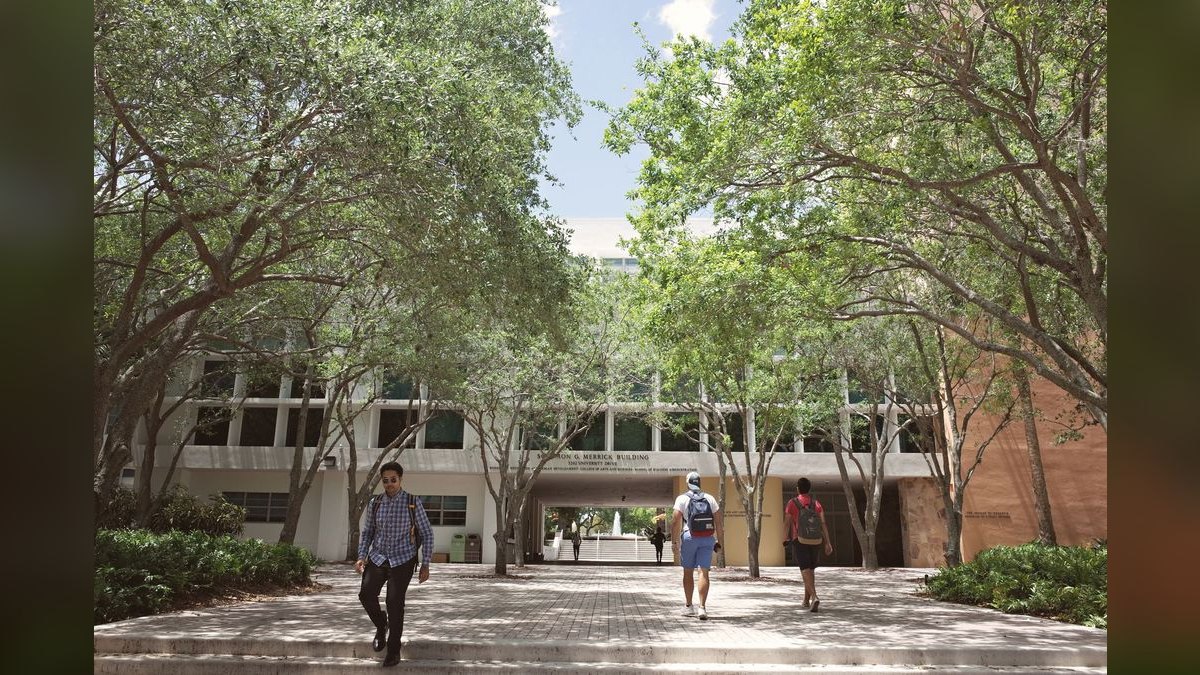
The Best Overall college for return on investment is the Massachusetts Institute of Technology (MIT), which posts some of the highest long-term net present values in the country according to Georgetown University Center on Education and the Workforce (CEW) and PayScale data, driven by elite STEM earnings that quickly outrun its cost. The Best Value pick is the SUNY Maritime College, where graduates earn licensed-mariner and engineering salaries that rival private-school outcomes while paying public State University of New York tuition — the strongest lifetime-earnings-versus-cost ratio on the list. This guide is built for students and families weighing where a degree actually pays back, and it covers U.S. colleges nationwide ranked on lifetime earnings measured against total cost of attendance. Picks use real, publicly reported figures from PayScale, Georgetown CEW, and the federal College Scorecard.
How We Ranked the Top 10
We weighted each college not on prestige or selectivity but on the dollars-and-cents question families ask: how much do graduates earn relative to what the degree costs? We leaned on published data from PayScale's College ROI Report, the Georgetown CEW net-present-value studies, and the U.S. Department of Education's College Scorecard. The weighting:
- Lifetime / long-term net earnings — 25%
- Mid-career and early-career salary outcomes — 20%
- Value and total cost of attendance — 15%
- Faculty, programs, and career resources — 15%
- Graduation rate and student outcomes — 15%
- Program fit and major mix — 10%
A school with sky-high earnings but a sky-high price can still trail a cheaper public college with strong outcomes. The winners maximize earnings net of cost, which is what ROI actually measures.
1. Massachusetts Institute of Technology (MIT) 🏆 BEST OVERALL
Type: Private (nonprofit research university) | Tuition: ~$61,000/yr (need-based aid is generous) | Best for: STEM students chasing the highest long-run net payoff
Located in Cambridge, Massachusetts, MIT enrolls roughly 4,600 undergraduates and posts a 40-year net present value above $2 million in Georgetown CEW rankings — among the very highest in the nation. PayScale data regularly shows MIT graduates with 20-year net ROI exceeding $1.4 million even at full sticker price, and the figure climbs sharply once need-based aid is applied. The concentration of computer science, engineering, and quantitative majors funnels graduates into high-paying technology and finance roles, with median early-career pay among the top handful of any U.S. college. A 94%+ graduation rate means students actually finish and capture that earnings premium.
Pros:
- 40-year net present value above $2 million per Georgetown CEW
- Median early-career pay among the nation's highest
- Generous need-based aid sharply lowers real cost
- STEM-heavy major mix funnels grads to top-paying roles
Cons:
- Full sticker price near $61,000/yr is steep without aid
- Extremely competitive admissions and academic intensity
Verdict: MIT wins on raw long-run net value — the strongest earnings-after-cost outcome among elite universities.
2. California Institute of Technology (Caltech)
Type: Private (nonprofit research university) | Tuition: ~$63,000/yr (strong need-based aid) | Best for: Hard-science and engineering students who want maximum earnings density
Caltech, in Pasadena, California, is tiny — around 1,000 undergraduates — and almost entirely focused on science and engineering, which gives it one of the highest per-graduate earnings densities anywhere. PayScale's ROI reports place Caltech alumni near the top nationally, with 20-year net returns frequently above $1.5 million at full price. The minuscule student body and roughly 3:1 student-faculty ratio mean unusual research access and mentorship. Graduates flow into engineering, data science, and research roles that command premium salaries, and a high graduation rate ensures most students capture that payoff.
Pros:
- Top-tier per-graduate earnings driven by STEM focus
- 20-year net ROI frequently above $1.5 million
- Roughly 3:1 student-faculty ratio and deep research access
- Strong need-based aid lowers effective cost
Cons:
- Brutally rigorous workload not suited to every student
- Narrow major mix limits non-STEM options
Verdict: A near-perfect earnings machine for hard-science students — elite ROI in an intensely focused setting.
3. Stanford University
Type: Private (nonprofit research university) | Tuition: ~$62,000/yr (generous aid) | Best for: Students who want elite ROI across STEM, business, and beyond
Stanford University, in Stanford, California, pairs a broad academic range with Silicon Valley proximity, producing strong ROI across engineering, computer science, and entrepreneurship. PayScale and Georgetown CEW data place Stanford's long-term net present value above $1.9 million, with median early-career pay near the top nationally. Roughly 7,800 undergraduates benefit from a powerful alumni and venture network that routinely funnels graduates into high-growth tech and finance roles. Generous need-based aid means many families pay far below sticker, and a graduation rate above 94% ensures students finish and capture the premium.
Pros:
- Long-term net present value near $1.9 million
- Silicon Valley network drives high-paying placements
- Strong ROI across STEM, business, and humanities
- Generous aid lowers real cost for most families
Cons:
- Sticker price above $62,000/yr without aid
- Among the most selective admissions in the country
Verdict: Elite ROI with breadth — the top pick for students who want big earnings beyond pure engineering.
4. SUNY Maritime College 💎 BEST VALUE
Type: Public (State University of New York) | Tuition: ~$8,000/yr (NY resident); ~$18,000/yr (out-of-state) | Best for: Students who want private-school earnings at public tuition
SUNY Maritime College, in the Bronx, New York, is the value standout: graduates earn licensed-mariner and marine-engineering salaries that rival or beat private-school outcomes while paying State University of New York public tuition. PayScale ROI reports have repeatedly ranked Maritime among the highest-ROI public colleges in the nation, with strong 20-year net returns built on low cost and high starting pay — newly licensed engineers and deck officers often start near or above $80,000–$90,000. With roughly 1,500 undergraduates and a structured regimental program, the school sends graduates straight into shipping, energy, and engineering careers. The earnings-to-cost ratio is the best here.
Pros:
- Private-level earnings at public SUNY tuition
- Licensed-mariner and engineering grads start near $80K–$90K
- Repeatedly ranked among the highest-ROI public colleges
- Direct pipeline into shipping, energy, and engineering
Cons:
- Regimented, structured program is not for everyone
- Narrow career focus on maritime and engineering fields
Verdict: The clear value champion — the best lifetime-earnings-versus-cost ratio on the list by a wide margin.
5. Harvey Mudd College
Type: Private (liberal-arts college) | Tuition: ~$66,000/yr (need-based aid available) | Best for: STEM students who want top earnings from a small liberal-arts college
Harvey Mudd College, in Claremont, California, is a STEM-focused liberal-arts college whose graduates post some of the highest mid-career salaries of any undergraduate institution in PayScale's data — frequently among the top three nationally for mid-career pay. With only about 900 students, Mudd delivers intensive engineering, computer science, and math training with close faculty contact. The high sticker price is offset by exceptional earnings: mid-career median pay often exceeds $160,000, keeping net ROI strong despite the cost. A graduation rate above 90% means students capture that earnings power.
Pros:
- Among the highest mid-career salaries of any U.S. college
- Intensive STEM training at a small liberal-arts college
- Close faculty contact with roughly 900 students
- Strong net ROI despite a high sticker price
Cons:
- Highest sticker tuition on this list at ~$66,000/yr
- Demanding STEM core is academically intense
Verdict: A small-college earnings powerhouse — elite mid-career pay justifies the premium for STEM students.
6. Stevens Institute of Technology
Type: Private (technological research university) | Tuition: ~$60,000/yr (merit and need aid available) | Best for: Engineering and tech students who want strong outcomes near New York City
Stevens Institute of Technology, in Hoboken, New Jersey, sits directly across the Hudson from Manhattan, giving its engineering and computer-science graduates immediate access to one of the largest job markets in the world. PayScale ROI reports place Stevens among the top private colleges for return on investment, with strong 20-year net returns built on high starting salaries in engineering, finance technology, and data fields. Roughly 4,000 undergraduates benefit from a co-op and internship culture that converts directly into employment. A graduation rate near 90% and strong early-career pay anchor the ROI case.
Pros:
- Among the top private colleges for ROI per PayScale
- Hoboken location next to the NYC job market
- Strong co-op and internship-to-employment pipeline
- High starting salaries in engineering and fintech
Cons:
- Private tuition near $60,000/yr before aid
- STEM and tech focus limits non-technical majors

Verdict: A high-ROI tech school with an unbeatable location — strong for engineers who want NYC-market access.
7. Georgia Institute of Technology (Georgia Tech)
Type: Public (research university) | Tuition: ~$11,000/yr (GA resident); ~$32,000/yr (out-of-state) | Best for: Engineering students who want elite outcomes at public-school cost
Georgia Tech, in Atlanta, Georgia, is one of the best ROI stories in public higher education: top-ranked engineering and computing programs at in-state tuition near $11,000. PayScale and Georgetown CEW data show Georgia Tech graduates earning private-school-level salaries — median early-career pay well above the national average — while resident families pay a fraction of private cost. With roughly 18,000 undergraduates and deep recruiting ties to technology and engineering employers, the school produces strong net ROI especially for Georgia residents. A graduation rate above 90% rounds out the outcome.
Pros:
- Elite engineering and computing outcomes at public tuition
- In-state tuition near $11,000 drives outstanding net ROI
- Private-school-level early-career salaries
- Deep recruiting ties to tech and engineering employers
Cons:
- Out-of-state tuition near $32,000 narrows the value gap
- Large class sizes in popular intro courses
Verdict: The top public-engineering ROI pick — exceptional value, especially for Georgia residents.
8. Colorado School of Mines
Type: Public (engineering and applied-science university) | Tuition: ~$22,000/yr (CO resident); ~$43,000/yr (out-of-state) | Best for: Engineering students targeting energy, mining, and resource careers
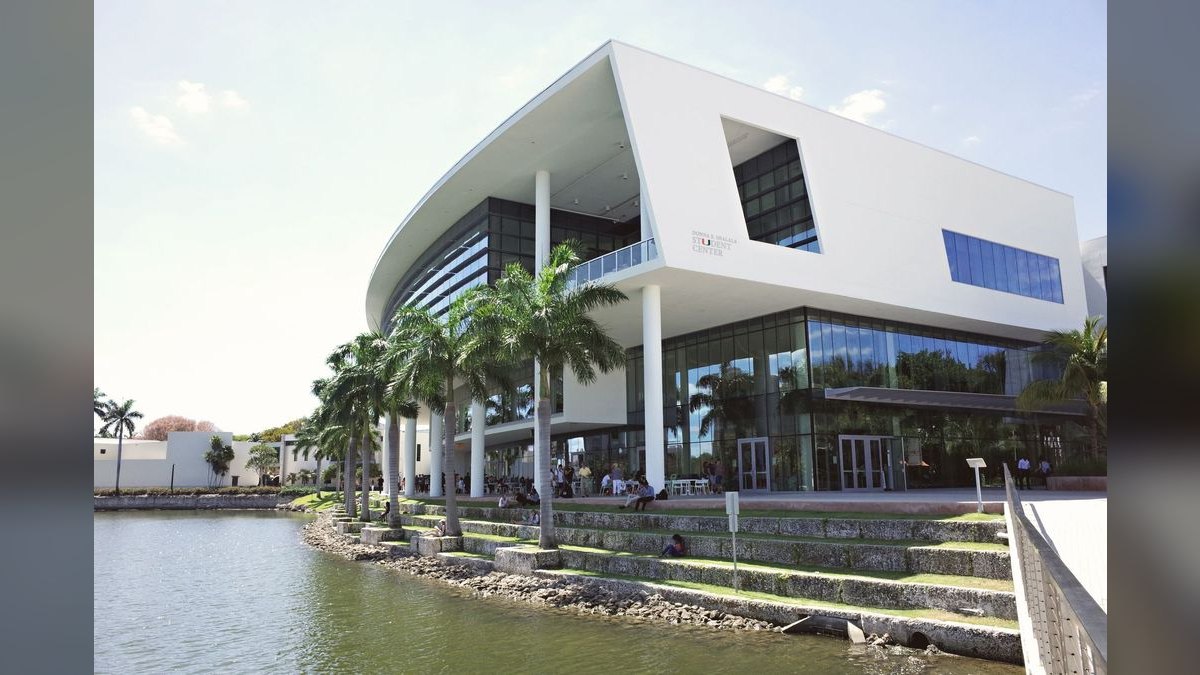
The Colorado School of Mines, in Golden, Colorado, specializes in engineering and applied earth sciences, channeling graduates into high-paying energy, petroleum, mining, and civil-engineering careers. PayScale ROI data consistently ranks Mines among the highest-ROI public universities in the country, with strong early- and mid-career salaries that reflect demand for resource and engineering talent. Roughly 5,800 undergraduates train in a rigorous, focused curriculum, and resident tuition near $22,000 keeps net cost reasonable relative to outcomes. A graduation rate above 80% and high starting pay anchor the ROI.
Pros:
- Among the highest-ROI public universities nationally
- Strong salaries in energy, mining, and civil engineering
- Focused, rigorous applied-science curriculum
- Reasonable resident tuition relative to outcomes
Cons:
- Out-of-state tuition near $43,000 weakens the value case
- Specialized focus limits non-engineering paths
Verdict: A specialized ROI standout — excellent for students set on energy and resource engineering careers.
9. Princeton University
Type: Private (Ivy League research university) | Tuition: ~$62,000/yr (among the most generous aid in the country) | Best for: Students who want elite outcomes with minimal debt
Princeton University, in Princeton, New Jersey, pairs elite earnings outcomes with one of the most generous financial-aid programs in higher education — many families pay little or nothing, and the school has long emphasized grants over loans. That aid structure makes Princeton's net ROI exceptional, because graduates capture high earnings with minimal debt. Georgetown CEW data places Princeton's long-term net present value among the top private universities, and a graduation rate above 95% ensures students finish. Roughly 5,600 undergraduates benefit from a powerful alumni network feeding finance, consulting, and technology careers.
Pros:
- One of the most generous financial-aid programs nationwide
- High earnings captured with minimal student debt
- Long-term net present value among top private universities
- Powerful alumni network in finance and consulting
Cons:
- Sticker price near $62,000/yr before aid
- Single-digit admit rate makes entry extremely difficult
Verdict: Elite ROI through aid — minimal debt plus high earnings make Princeton a low-risk, high-return choice.

10. Babson College
Type: Private (business-focused college) | Tuition: ~$58,000/yr (merit and need aid available) | Best for: Entrepreneurship and business students who want strong salary outcomes
Babson College, in Wellesley, Massachusetts, is the rare business-only school that posts strong ROI through its singular focus on entrepreneurship and management. PayScale data shows Babson graduates with mid-career salaries well above the national average, reflecting placements into finance, consulting, and founder roles. With roughly 2,500 undergraduates, the school delivers an intensive, applied business curriculum and a network built around real-world venture creation. While not a STEM school, Babson's focused outcomes and strong early-career pay keep its net ROI competitive with technical institutions.
Pros:
- Strong mid-career salaries from a business-only focus
- Top reputation in entrepreneurship and management
- Applied curriculum built around real venture creation
- Solid placements into finance, consulting, and startups
Cons:
- Private tuition near $58,000/yr before aid
- Business-only focus limits academic breadth
Verdict: The entrepreneurship ROI pick — strong business outcomes for students set on finance or founding a company.
Decision Flowchart
What to Look For When Choosing a High-ROI College
- Earnings net of cost — True ROI is lifetime earnings minus total cost, not raw salary; a cheaper public college can out-return a pricey private one. Check PayScale and Georgetown CEW net figures.
- Real financial aid, not sticker price — Schools like MIT, Stanford, and Princeton offer generous need-based aid; compare net price calculators, not published tuition.
- Major mix matters — STEM, engineering, and business majors drive most high-ROI outcomes; a school's program lineup shapes graduate earnings more than its name.
- Graduation rate — You only capture the earnings premium if you finish; favor schools with high four- and six-year graduation rates.
- Use the College Scorecard — The federal College Scorecard reports median earnings and debt by school and major; verify outcomes there before committing.
- Resident vs non-resident tuition — For public standouts like Georgia Tech and SUNY Maritime, in-state rates transform the ROI; weigh residency carefully.
What matters less than marketing implies: glossy rankings, campus amenities, and prestige for its own sake. Median earnings, net cost, debt at graduation, and graduation rate determine your real return far more than a school's reputation alone.
FAQ
Which college has the best ROI overall? MIT earns our top spot with a 40-year net present value above $2 million per Georgetown CEW, driven by elite STEM earnings that quickly outrun its cost, especially once need-based aid is applied.
What is the best-value college for ROI? SUNY Maritime College is our best value: graduates earn private-level salaries in licensed-mariner and engineering roles while paying public SUNY tuition, producing the strongest lifetime-earnings-versus-cost ratio on the list.
Do public colleges have better ROI than private ones? Often, yes — public standouts like Georgia Tech, SUNY Maritime, and Colorado School of Mines deliver elite earnings at far lower in-state cost, which can beat pricier private schools on net ROI.
How is college ROI actually measured? ROI compares lifetime or 20-to-40-year net earnings against total cost of attendance, using sources like PayScale's College ROI Report, the Georgetown CEW, and the federal College Scorecard — not raw salary alone.
Does financial aid change a college's ROI? Significantly. Schools like Princeton, MIT, and Stanford offer generous need-based aid that lowers real cost far below sticker, sharply improving net ROI for families who qualify.
Which majors drive the highest ROI? Engineering, computer science, and quantitative business majors consistently produce the highest earnings relative to cost, which is why STEM-focused schools dominate ROI rankings.
Bottom Line
For maximizing return on investment, MIT is our Best Overall college — its 40-year net present value above $2 million reflects elite STEM earnings that outpace its cost, especially with generous aid. SUNY Maritime College is our Best Value, delivering private-level earnings at public SUNY tuition for the strongest lifetime-earnings-versus-cost ratio on the list. If your priorities lean toward a specific field, public-school cost, or minimal debt through aid, use the decision tree above to route yourself to Georgia Tech, Harvey Mudd, Colorado School of Mines, or Princeton instead. Judge schools on earnings net of cost, debt at graduation, and graduation rate — not prestige — and your degree will pay back for decades.
Related on PULSE
- [Top 10 Historically Black Colleges and Universities in the Southeast in 2027](/knowledge/sc0404)
- [Top 10 Small Colleges in Vermont in 2027](/knowledge/sc0405)
- [Top 10 Agricultural Colleges in the Midwest in 2027](/knowledge/sc0403)
- [Top 10 Liberal Arts Colleges in New England in 2027](/knowledge/sc0389)
- [Top 10 Best Colleges for Return on Investment in 2027](/knowledge/sc0383)
- [Top 10 Best Colleges for Financial Aid in 2027](/knowledge/sc0382)
Sources
- PayScale — College ROI Report
- Georgetown University Center on Education and the Workforce (CEW)
- U.S. Department of Education — College Scorecard
- U.S. News — Best Colleges rankings and value guides
- Massachusetts Institute of Technology (MIT)
- California Institute of Technology (Caltech)
- SUNY Maritime College
- Georgia Institute of Technology
- Colorado School of Mines
- Princeton University — Financial Aid
*Best ROI colleges review — best return-on-investment colleges, rankings, ratings, review 2027, and a review of the top colleges for lifetime earnings versus cost.*
People also search for: best colleges with the best roi · top colleges with the best roi · top rated colleges with the best roi · top ranked colleges with the best roi · highest rated colleges with the best roi · colleges with the best roi reviews
@Kory-White- · if Venmo asks, the last 4 of my number are 2012
 pulse-moviesTop 10 Movies on Max 2027
 pulse-moviesTop 10 Movies on Netflix 2027
 pulse-moviesTop 10 Fantasy Movies of All Time in 2027
 pulse-moviesTop 10 Documentaries of All Time in 2027
 pulse-moviesTop 10 Superhero Movies of All Time in 2027
 pulse-moviesTop 10 Romance Movies of All Time in 2027
 pulse-moviesTop 10 Westerns of All Time in 2027
 pulse-moviesTop 10 Musical Movies of All Time in 2027
 pulse-moviesTop 10 Thriller Movies of All Time in 2027
 pulse-moviesTop 10 Crime Movies of All Time in 2027