
Top 10 Private Colleges in Illinois in 2027
 Curated byKory White · Fractional CRO · Maryland
 PULSEKNOWLEDGE LIBRARY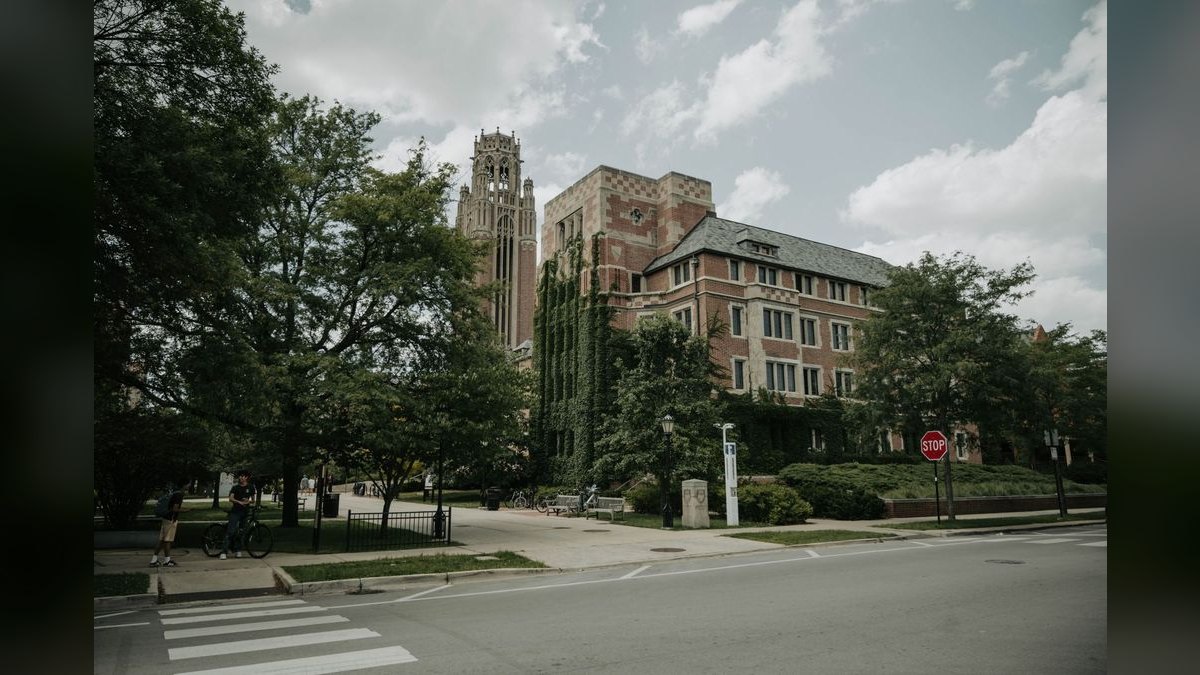
The Best Overall private college in Illinois is the University of Chicago, with an acceptance rate near 5%, a median SAT around 1540, and a four-year graduation rate above 90% that places it among the most academically demanding institutions in the country. The Best Value pick is Illinois Institute of Technology (Illinois Tech), where generous merit aid and strong early-career salaries for engineering and computing graduates deliver the strongest outcomes-per-dollar of any private on this list. This ranking is built for families and students weighing private four-year options across the state of Illinois — from the research powerhouses of Chicago and Evanston to the strong liberal-arts colleges downstate. Every pick uses real, publicly reported data from federal sources, College Board, and the institutions themselves.
How We Ranked the Top 10
We weighted each college against the priorities families consistently rank highest when comparing private schools. We drew on published figures from U.S. News, Niche, the National Center for Education Statistics (NCES) and its College Scorecard, the College Board, and each school's own Common Data Set. A college that posts elite test scores but graduates few students on time, or charges a fortune with thin aid, drops fast. The winners balance all six.
1. University of Chicago 🏆 BEST OVERALL
Type: Private (nonprofit, research) | Tuition: $66,939/yr | Best for: Intellectually intense students aiming at top graduate programs
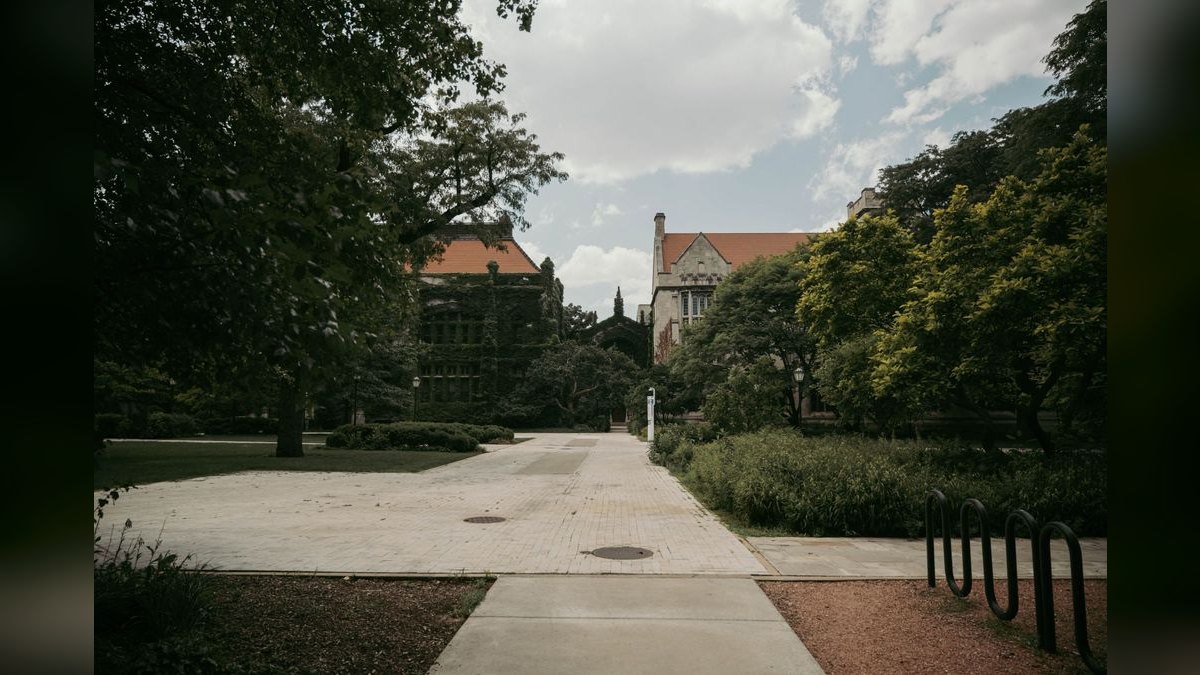
Located in the Hyde Park neighborhood on Chicago's South Side, the University of Chicago enrolls roughly 7,500 undergraduates and is among the most selective institutions in the nation, with an acceptance rate near 5%. Admitted students post a median SAT around 1540 and an ACT range of 34–35. The school is test-optional but draws exceptionally strong applicants. Its four-year graduation rate sits above 90%, the student-faculty ratio is about 5:1, and the Core Curriculum is famous for rigor across the humanities and sciences. UChicago has produced dozens of Nobel laureates, anchors world-class economics and physics, and sends graduates to elite law, medical, and PhD programs at very high rates. Need-based aid is strong, and the No Barriers program eliminates loans for many families.
Pros:
- Acceptance rate near 5% and median SAT around 1540
- Four-year graduation rate above 90%
- No Barriers aid program replaces loans for qualifying families
- Outstanding placement into graduate and professional schools
Cons:
- Sticker tuition near $67,000 before aid
- Famously demanding workload is not for everyone
Verdict: The most academically powerful private in Illinois, with elite selectivity, outcomes, and aid — the clear Best Overall.
2. Northwestern University
Type: Private (nonprofit, research) | Tuition: $65,997/yr | Best for: Students who want top academics plus Big Ten spirit and pre-professional depth
In Evanston, just north of Chicago along Lake Michigan, Northwestern University enrolls about 8,800 undergraduates and pairs research-university breadth with strong undergraduate teaching. Its acceptance rate runs near 7%, with a median SAT around 1520 and an ACT range of 34–35. The six-year graduation rate exceeds 95%, and the student-faculty ratio is about 6:1. Northwestern is a national leader in journalism (Medill), engineering (McCormick), theater, and economics, and its co-op and internship pipelines into Chicago feed strong post-grad outcomes. The university meets full demonstrated need for admitted students.
Pros:
- Six-year graduation rate above 95%
- Top-ranked journalism, theater, and engineering programs
- Meets full demonstrated financial need
- Big Ten athletics and vibrant campus near Chicago
Cons:
- Quarter system runs at a fast pace
- Cost of attendance approaches $90,000 before aid
Verdict: A top-tier private with exceptional pre-professional programs — second only to UChicago on this list.
3. Illinois Institute of Technology 💎 BEST VALUE
Type: Private (nonprofit, STEM-focused) | Tuition: $52,332/yr | Best for: Engineering, computing, and architecture students who want strong ROI
Illinois Tech, on Chicago's near South Side in the Bronzeville area, enrolls about 3,000 undergraduates and delivers the best outcomes-per-dollar of any private here. The acceptance rate is around 60%, making it far more attainable than the top two, yet median SAT scores sit near 1330 and merit aid is generous — most students pay well below sticker. Graduates in engineering, computer science, and architecture post strong early-career salaries, among the highest relative to net price in the state. The campus features a celebrated Mies van der Rohe architectural core, a student-faculty ratio near 11:1, and deep co-op ties to Chicago employers.
Pros:
- Strong early-career salaries for STEM grads
- Generous merit aid pushes net price well below sticker
- Strong co-op pipeline into Chicago engineering and tech firms
- Acceptance rate around 60% makes it genuinely accessible
Cons:
- Smaller campus social scene than big universities
- Limited offerings outside STEM and architecture
Verdict: The best outcomes-per-dollar private in Illinois — our Best Value for STEM-bound students.
4. Loyola University Chicago
Type: Private (nonprofit, Catholic/Jesuit) | Tuition: $52,832/yr | Best for: Students drawn to health sciences, nursing, and a values-driven Jesuit education
Loyola University Chicago enrolls about 12,000 undergraduates across a lakeside Rogers Park campus and a downtown Water Tower campus. The acceptance rate is around 80%, with a median SAT near 1240 and an ACT range of 25–31. Loyola is a regional leader in nursing, biology, and pre-health, with strong placement into the Stritch School of Medicine and area hospitals. The six-year graduation rate is about 75%, the student-faculty ratio is roughly 14:1, and the Jesuit emphasis on service and ethics shapes campus life. Aid packages are solid, and the urban location offers extensive clinical and internship access.
Pros:
- Strong nursing and pre-health pipelines into Chicago hospitals
- Two campuses including a downtown Water Tower location
- Jesuit service mission with strong community engagement
- Six-year graduation rate around 75%
Cons:
- Less selective, so peer academic profile varies
- High urban cost of living for students
Verdict: A standout for health sciences and mission-driven students seeking a Catholic, urban campus.
5. DePaul University
Type: Private (nonprofit, Catholic/Vincentian) | Tuition: $45,118/yr | Best for: Business, theater, and computing students who want Chicago access at a lower private price
The largest Catholic university in the country, DePaul University enrolls about 14,000 undergraduates across its Lincoln Park and Loop campuses. The acceptance rate is around 70%, with a median SAT near 1170 and an ACT range of 23–29. DePaul shines in business (Driehaus College of Business), theater (The Theatre School), and computing, and its co-op and internship programs leverage downtown employers heavily. The six-year graduation rate is about 73%, and the student-faculty ratio is roughly 15:1. Tuition is among the lowest of the four-year privates here, and merit aid is widely available.
Pros:
- Lowest four-year private tuition on this list at $45,118
- Top theater and business programs with Loop campus access
- Strong internship pipeline into downtown Chicago firms
- Generous merit aid availability
Cons:
- Large size can feel impersonal for some students
- Graduation rate trails the top-ranked privates
Verdict: The value-minded urban choice for business, theater, and computing in the heart of Chicago.
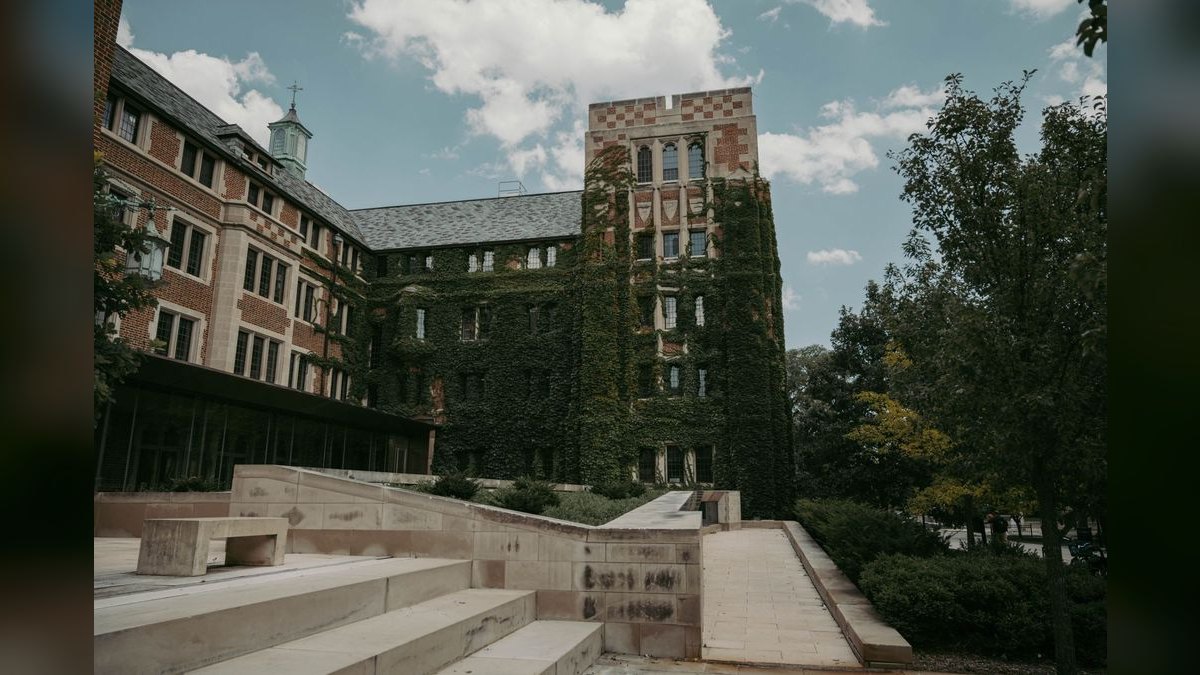
6. Wheaton College
Type: Private (nonprofit, Christian liberal arts) | Tuition: $45,920/yr | Best for: Academically strong students seeking a Christian liberal-arts community
In the western suburb of Wheaton, DuPage County, Wheaton College enrolls about 2,300 undergraduates and is one of the strongest evangelical Christian liberal-arts colleges in the nation. The acceptance rate is around 85%, but admitted students are academically strong, with a median SAT near 1330 and an ACT range of 27–32. The six-year graduation rate exceeds 85%, and the student-faculty ratio is about 10:1. Wheaton is known for rigorous academics, a strong music conservatory, and high placement into graduate and seminary programs. Its Honor Code and faith-integrated curriculum define the experience.
Pros:
- Six-year graduation rate above 85%
- Strong academics with a median SAT near 1330
- Respected conservatory of music and humanities programs
- Tight-knit Christian community with a small student-faculty ratio
Cons:
- Faith-based community covenant is not a fit for everyone
- Limited urban access in a suburban setting
Verdict: The premier Christian liberal-arts college in Illinois — excellent for students seeking faith and rigor together.
7. Lake Forest College
Type: Private (nonprofit, liberal arts) | Tuition: $54,884/yr | Best for: Students who want a small liberal-arts college with Chicago internship access
Lake Forest College, in the affluent North Shore suburb of Lake Forest, enrolls about 1,600 undergraduates on a wooded campus roughly 30 miles from downtown Chicago. The acceptance rate is around 55%, with a median SAT near 1230 and an ACT range of 25–30. The college emphasizes small classes, with a student-faculty ratio near 11:1, and runs a strong internship program that places students in Chicago finance, business, and nonprofit roles. The six-year graduation rate is about 70%, and the school is known for personalized advising and undergraduate research.
Pros:
- Small classes with an 11:1 student-faculty ratio
- Internship program tapping Chicago employers
- Personalized advising and undergraduate research
- Scenic North Shore campus near Lake Michigan
Cons:
- Higher sticker tuition relative to graduation outcomes
- Smaller breadth of majors than larger universities
Verdict: A solid small liberal-arts option for students who want individual attention plus Chicago-area internships.
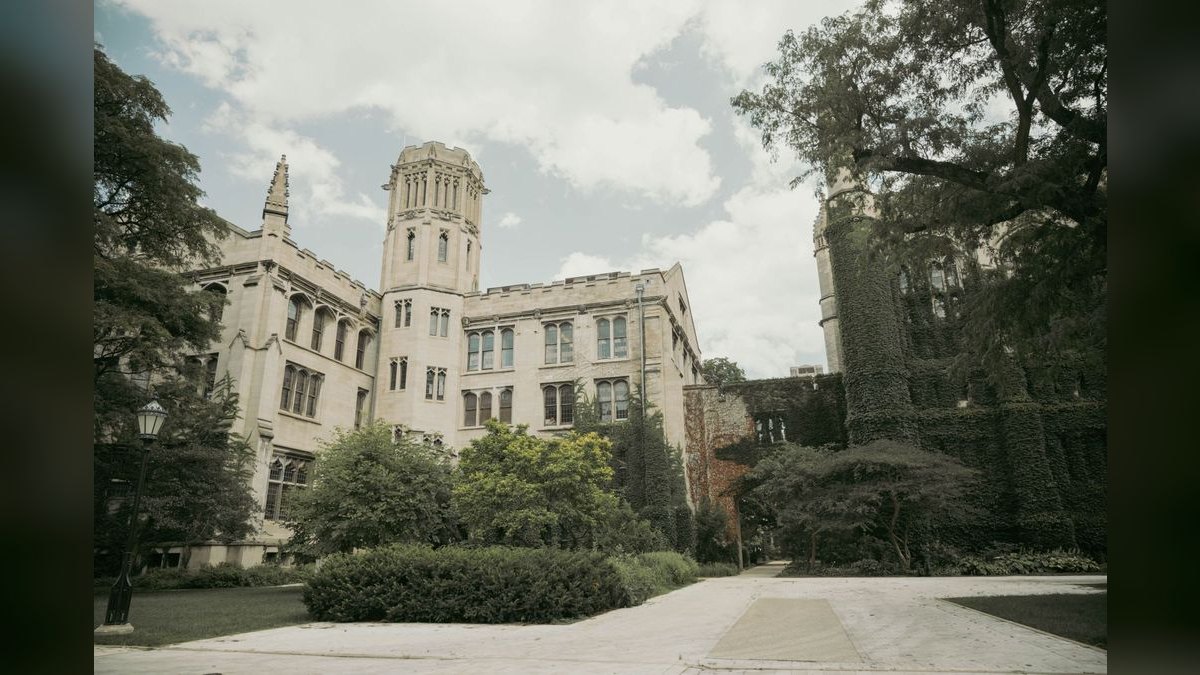
8. Illinois Wesleyan University
Type: Private (nonprofit, liberal arts) | Tuition: $56,000/yr | Best for: Pre-professional liberal-arts students wanting strong outcomes downstate
In Bloomington, McLean County, Illinois Wesleyan University enrolls about 1,600 undergraduates and blends liberal-arts breadth with strong pre-professional tracks. The acceptance rate is around 60%, with a median SAT near 1250 and an ACT range of 25–31. The six-year graduation rate is about 80%, well above many peers, and the student-faculty ratio is roughly 11:1. The university is known for nursing, business, music, and the sciences, with strong placement into health and professional programs. Merit aid is generous, lowering net price meaningfully below the listed tuition.
Pros:
- Six-year graduation rate around 80%
- Strong nursing, business, and music programs
- Generous merit aid lowers net price substantially
- Small classes with an 11:1 ratio
Cons:
- Downstate location is farther from major-city internships
- High sticker price before aid
Verdict: A strong downstate liberal-arts pick with high graduation rates and excellent pre-professional tracks.
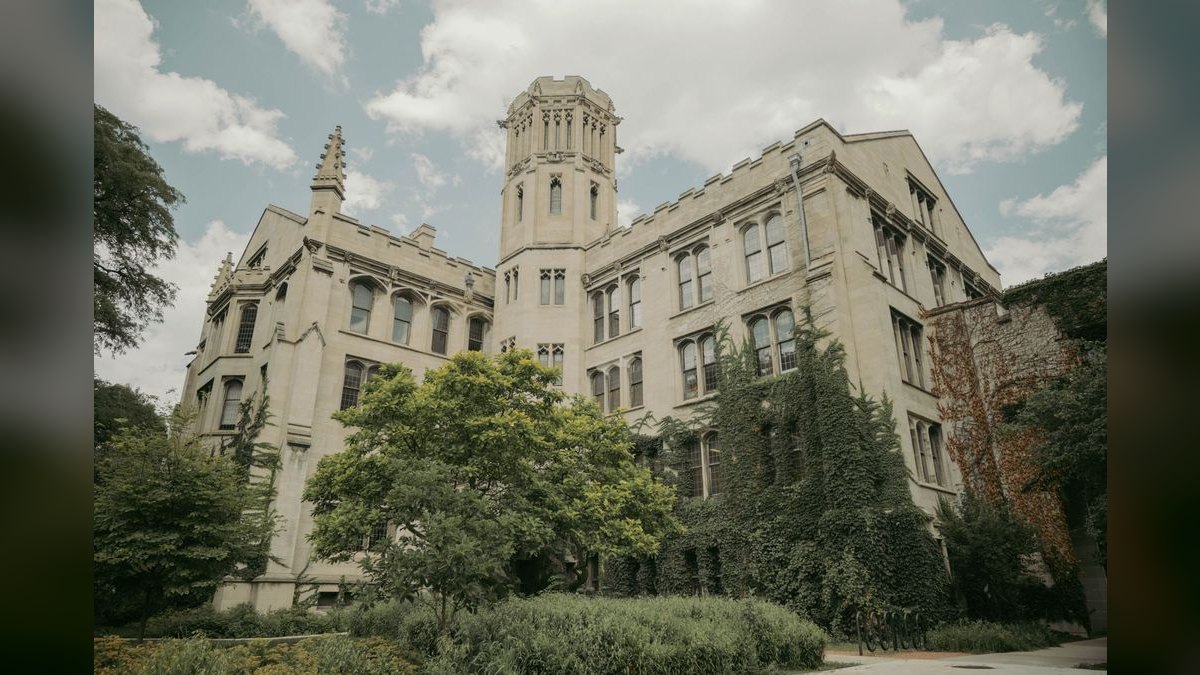
9. Bradley University
Type: Private (nonprofit, comprehensive) | Tuition: $40,440/yr | Best for: Engineering, nursing, and business students who want career-focused programs at a moderate price
Bradley University, in Peoria, Peoria County, enrolls about 4,000 undergraduates and combines professional programs with liberal-arts foundations. The acceptance rate is around 75%, with a median SAT near 1170 and an ACT range of 22–29. Bradley is strong in engineering, nursing, business, and game design, and its Caterpillar and regional employer ties support internships and co-ops. The six-year graduation rate is about 75%, and the student-faculty ratio is roughly 12:1. Tuition is among the most moderate of the four-year privates here, with broad merit aid.
Pros:
- Moderate tuition at $40,440 with broad merit aid
- Strong engineering, nursing, and game-design programs
- Regional employer ties supporting internships
- Six-year graduation rate around 75%
Cons:
- Peoria location offers fewer big-city opportunities
- Mid-tier selectivity and test profile
Verdict: A career-focused, moderately priced private — strong for engineering, nursing, and business students.
10. Knox College
Type: Private (nonprofit, liberal arts) | Tuition: $54,150/yr | Best for: Students who want a historic, discussion-driven liberal-arts college
Knox College, in Galesburg, Knox County, enrolls about 1,000 undergraduates at one of the oldest liberal-arts colleges in the Midwest, founded in 1837 and a stop on the Lincoln–Douglas debates. The acceptance rate is around 70%, with a median SAT near 1230 and an ACT range of 24–30. Knox emphasizes a discussion-based, writing-intensive curriculum, a student-faculty ratio near 11:1, and strong undergraduate research and study-abroad participation. The six-year graduation rate is about 70%, and generous merit and need-based aid bring net price well below sticker for most students.
Pros:
- Historic, discussion-driven liberal-arts experience
- Strong undergraduate research and study-abroad rates
- Generous merit and need-based aid lower net price
- Small 11:1 student-faculty ratio
Cons:
- Rural Galesburg setting limits internship access
- Smallest enrollment means fewer course sections
Verdict: A historic, intellectually serious liberal-arts college — ideal for students who thrive in small, discussion-based classes.
Which One's Right for You?
What to Look For When Choosing a Private College
- Net price, not sticker price — Use each school's net price calculator and the federal College Scorecard; generous merit and need-based aid can cut a $60,000 sticker nearly in half.
- Graduation and retention rates — A high four- and six-year graduation rate signals students finish on time, saving a full year of cost; UChicago and Northwestern lead, but several smaller colleges post strong figures too.
- Post-grad outcomes by major — Check median early-career salary and employment rates for your intended field, not the school average; Illinois Tech's STEM ROI is a clear example.
- Selectivity vs. fit — A lower acceptance rate is not automatically better; the right academic match and support matter more than prestige.
- Faculty access and class size — A low student-faculty ratio and small classes mean more mentorship, which liberal-arts colleges like Knox and Lake Forest emphasize.
- Campus environment and safety — Review Clery Act crime data and visit if possible; urban, suburban, and rural campuses offer very different experiences.
What matters less than marketing implies: glossy brochures, climbing walls, and ranking jumps of a few spots. Aid generosity, graduation rates, and outcomes in your specific major affect your family's finances and your future far more than amenities.
FAQ
Which private college in Illinois is the best overall? The University of Chicago ranks first for its acceptance rate near 5%, median SAT around 1540, four-year graduation rate above 90%, and outstanding placement into graduate and professional programs.
Which private college in Illinois is the best value? Illinois Institute of Technology offers the strongest outcomes-per-dollar, with strong early-career salaries for STEM graduates and generous merit aid that pushes net price well below sticker.
What is the cheapest private four-year college on this list? Bradley University has the lowest listed tuition at $40,440/yr, with broad merit aid that can lower net price further, followed closely by DePaul University at $45,118/yr.
Which Illinois private colleges are best for engineering? Illinois Institute of Technology leads for engineering and computing ROI, with Bradley University offering strong, career-focused engineering programs at a more moderate price.
Do these private colleges offer good financial aid? Yes. University of Chicago (No Barriers) and Northwestern meet full demonstrated need, while Illinois Tech, DePaul, Illinois Wesleyan, and Knox offer generous merit aid that substantially reduces net price for most students.
Which small liberal-arts college in Illinois is strongest? Wheaton College posts the highest graduation rate among the small colleges here (above 85%), while Illinois Wesleyan (around 80%) and Knox College offer strong discussion-based, pre-professional alternatives.
Bottom Line
For families comparing private colleges in Illinois, the University of Chicago is our Best Overall — its 5% acceptance rate, median SAT around 1540, and 90%-plus four-year graduation rate make it the most academically powerful private in the state, with aid to match. Illinois Institute of Technology is our Best Value, delivering strong early-career salaries and generous merit aid for the strongest outcomes-per-dollar. If your priorities lean toward pre-professional depth, health sciences, lower cost, or a small liberal-arts community, use the decision tree above to route yourself to Northwestern, Loyola, DePaul, Wheaton, or Knox instead. Choose on net price, graduation rate, and outcomes in your major — not prestige alone — and your investment will pay off.
Related on PULSE
- [Top 10 Catholic High Schools in Illinois in 2027](/knowledge/sc0330)
- [Top 10 Public Universities in Illinois in 2027](/knowledge/sc0240)
- [Top 10 Public High Schools in Illinois in 2027](/knowledge/sc0025)
- [Top 10 Private Colleges in Kansas in 2027](/knowledge/sc0276)
- [Top 10 Private Colleges in Maryland in 2027](/knowledge/sc0309)
- [Top 10 Private Colleges in Maine in 2027](/knowledge/sc0306)
Sources
- U.S. News — Best Colleges in Illinois
- Niche — Best Private Colleges in Illinois
- NCES College Navigator — institutional data
- College Scorecard — net price and outcomes
- College Board — Big Future college search
- University of Chicago — admissions and aid
- Northwestern University — undergraduate admissions
- Illinois Institute of Technology — admissions
- DePaul University — cost and aid
- Wheaton College — admissions and financial aid
*Private colleges in Illinois review — best private colleges Illinois, rankings, ratings, review 2027, and a review of the top picks for families and students.*
People also search for: best private colleges in illinois · top private colleges in illinois · top rated private colleges in illinois · top ranked private colleges in illinois · highest rated private colleges in illinois · private colleges in illinois reviews
@Kory-White- · if Venmo asks, the last 4 of my number are 2012
 pulse-moviesTop 10 Movies on Netflix 2027
 pulse-moviesTop 10 Movies on Max 2027
 pulse-moviesTop 10 Fantasy Movies of All Time in 2027
 pulse-moviesTop 10 Documentaries of All Time in 2027
 pulse-moviesTop 10 Superhero Movies of All Time in 2027
 pulse-moviesTop 10 Romance Movies of All Time in 2027
 pulse-moviesTop 10 Westerns of All Time in 2027
 pulse-moviesTop 10 Musical Movies of All Time in 2027
 pulse-moviesTop 10 Thriller Movies of All Time in 2027
 pulse-moviesTop 10 Crime Movies of All Time in 2027