
Top 10 Private Colleges in Ohio in 2027
 Curated byKory White · Fractional CRO · Maryland
 PULSEKNOWLEDGE LIBRARY
The Best Overall private college in Ohio is Case Western Reserve University in Cleveland, where a roughly 84% six-year graduation rate and nationally ranked engineering, nursing, and pre-med programs deliver the strongest research outcomes of any private school in the state.
The Best Value pick is the University of Dayton, where a sticker tuition near $50,000/yr is heavily discounted by generous merit aid and a transparent four-year tuition guarantee, producing some of the best outcomes-per-dollar among Ohio privates for the 84%+ of students who graduate. This list is built for Ohio families and students comparing private institutions — from elite research universities to top-tier liberal arts colleges.
Every pick uses real, publicly reported data on enrollment, admissions, graduation rates, and cost.
How We Ranked the Top 10
We weighted each college against the priorities Ohio families and students say matter most when choosing a private school, drawing on published figures from U.S. News, Niche, the National Center for Education Statistics (NCES), the College Board, and each campus. The weighting:
- Academic performance — 25%
- College & post-grad outcomes — 20%
- Value & cost — 15%
- Teachers & resources — 15%
- Environment & safety — 15%
- Extracurriculars & fit — 10%
A college that posts strong admissions stats but graduates few students, or charges a high sticker without aid, drops fast. The winners balance all six.
1. Case Western Reserve University 🏆 BEST OVERALL

Type: Private research university | Tuition: $66,000/yr before aid | Best for: STEM, pre-med, and research-driven students
Case Western Reserve University (CWRU) in Cleveland is the state's premier private research university, enrolling about 12,000 students across undergraduate and graduate programs. It admits roughly 30% of applicants, with a middle 50% SAT of 1380–1520 and ACT of 32–35. CWRU's engineering, nursing, biomedical, and pre-med programs rank among the best in the country, anchored by its location next to the Cleveland Clinic and University Hospitals for unmatched clinical and research access. The six-year graduation rate sits near 84%, and the 8:1 student-faculty ratio supports deep undergraduate research. Generous need- and merit-based aid brings the net price well below sticker for many families.
Pros:
- Nationally ranked engineering, nursing, and pre-med programs
- Direct research access to Cleveland Clinic and University Hospitals
- Low 8:1 student-faculty ratio for a research university
- ~84% graduation rate with strong aid offsetting sticker price
Cons:
- High sticker tuition before financial aid
- Rigorous, research-intensive academic culture
Verdict: Case Western wins on outcomes — the strongest private research university in Ohio for STEM, pre-med, and research-bound students.
2. Oberlin College

Type: Private liberal arts college & conservatory | Tuition: $66,000/yr before aid | Best for: Liberal-arts and music students who want a distinctive intellectual community
Oberlin College in Oberlin, southwest of Cleveland, is one of the most renowned liberal arts colleges in the country and home to the world-class Oberlin Conservatory of Music. It enrolls about 3,000 students, admits roughly 35%, and posts a middle 50% SAT around 1330–1500. Oberlin's dual identity — a top liberal arts college joined to an elite conservatory — is rare and lets students pursue a five-year double-degree across both. The six-year graduation rate sits near 86%, and the 9:1 student-faculty ratio keeps classes small. Oberlin is known for sending a high share of graduates to PhD programs and the arts.
Pros:
- World-class conservatory paired with a top liberal arts college
- ~86% graduation rate with strong PhD placement
- Small 9:1 student-faculty ratio and seminar-style classes
- Distinctive double-degree program across college and conservatory
Cons:
- High sticker price and a small, rural town setting
- Niche culture that won't fit every student
Verdict: Oberlin is the arts-and-ideas pick — unmatched for students who want elite music or a deeply intellectual liberal-arts experience.
3. Kenyon College

Type: Private liberal arts college | Tuition: $70,000/yr before aid | Best for: Writers and humanities students who want a classic residential college
Kenyon College in Gambier, in central Ohio, is one of the nation's most respected liberal arts colleges, especially celebrated for English and creative writing — it publishes the prestigious Kenyon Review literary magazine. It enrolls about 1,900 students, admits roughly 34%, and reports a middle 50% SAT near 1340–1500. Kenyon's hilltop, fully residential campus delivers a tight-knit community, and its six-year graduation rate sits near 90%, among the highest in the state. With a 9:1 student-faculty ratio and seminar-driven teaching, it is built for students who thrive on discussion and writing across the humanities and sciences alike.
Pros:
- Nationally renowned English and creative-writing program
- ~90% graduation rate, among the highest in Ohio
- Fully residential hilltop campus and close community
- Small 9:1 student-faculty ratio and seminar teaching
Cons:
- High sticker price and a very small rural town
- Limited pre-professional and engineering offerings
Verdict: Kenyon is the writer's college — an elite, intimate liberal-arts choice for humanities and creative students.
4. Denison University
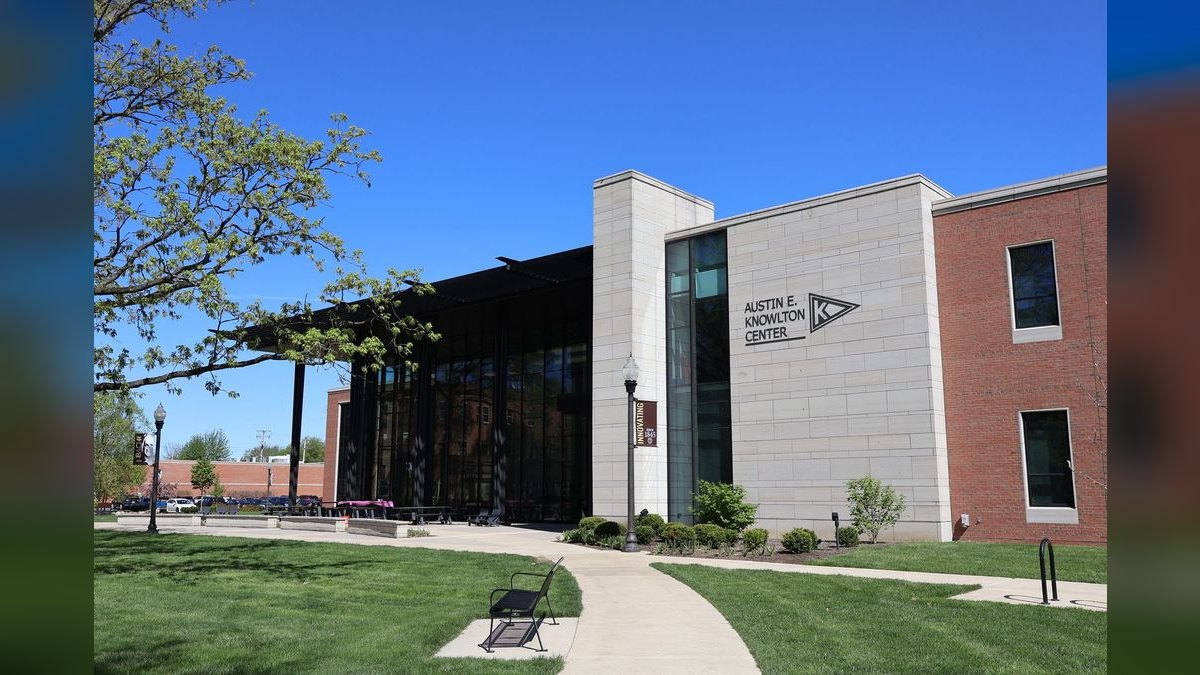
Type: Private liberal arts college | Tuition: $68,000/yr before aid | Best for: Liberal-arts students who want strong outcomes and generous merit aid
Denison University in Granville, near Columbus, is a leading liberal arts college enrolling about 2,400 students. It admits roughly 30%, with a middle 50% SAT near 1310–1480, and posts a six-year graduation rate around 84%. Denison is known for generous merit scholarships that meaningfully lower net cost, plus strong programs in the sciences, economics, and the arts and a robust internship and career-services operation. The 9:1 student-faculty ratio and a scenic hilltop campus 30 minutes from Columbus give students both a residential community and access to a state capital's employers and internships.
Pros:
- Generous merit aid that lowers net cost substantially
- ~84% graduation rate with strong career-services support
- Close to Columbus for internships and employers
- Small 9:1 student-faculty ratio and residential campus
Cons:
- High sticker price before scholarships
- Small-town Granville setting
Verdict: Denison is the merit-aid value play — a strong liberal arts college whose scholarships make elite outcomes affordable.
5. College of Wooster

Type: Private liberal arts college | Tuition: $60,000/yr before aid | Best for: Students who want mentored undergraduate research
The College of Wooster in Wooster, in northeast Ohio, enrolls about 2,000 students and is nationally distinctive for its required senior Independent Study (I.S.) — a year-long, faculty-mentored research or creative project that every student completes. It admits roughly 55% of applicants and posts a six-year graduation rate near 78%. Wooster's mentored-research model gives undergraduates a thesis experience usually reserved for graduate students, and its 11:1 student-faculty ratio supports close advising.
With strong merit aid and a tight residential community, it is a standout for students who want to produce original work before they graduate.
Pros:
- Signature senior Independent Study research project for every student
- Strong mentored-research and advising culture
- More accessible admissions than the most selective privates
- Generous merit aid and residential community
Cons:
- Lower graduation rate than the most selective peers
- Smaller national name recognition
Verdict: Wooster is the research-mentorship pick — ideal for students who want a true thesis and close faculty guidance.
6. Xavier University 💎 BEST VALUE

Type: Private Jesuit Catholic university | Tuition: $48,000/yr before aid | Best for: Pre-professional students who want strong outcomes at a lower net cost
Xavier University in Cincinnati is a private Jesuit Catholic institution enrolling about 7,000 students, and it delivers some of the best outcomes-per-dollar among Ohio privates. It admits roughly 80% of applicants, making it more accessible, yet posts a strong six-year graduation rate near 78%. The Williams College of Business and respected nursing, health-sciences, and education programs feed directly into Cincinnati's employer base, and the lower sticker combined with heavy merit aid keeps net cost down. The 11:1 student-faculty ratio and a values-driven Jesuit education round out a practical, career-focused package that competes well on price.
Pros:
- Lower sticker tuition than peers plus strong merit aid
- ~78% graduation rate with solid pre-professional outcomes
- Strong business, nursing, and health-sciences programs
- Accessible admissions and a Cincinnati employer pipeline
Cons:
- Less national research profile than CWRU
- Catholic-affiliation culture won't suit every student
Verdict: Xavier is the value champion — a practical, career-focused private with strong outcomes at the best net cost on this list.
7. University of Dayton
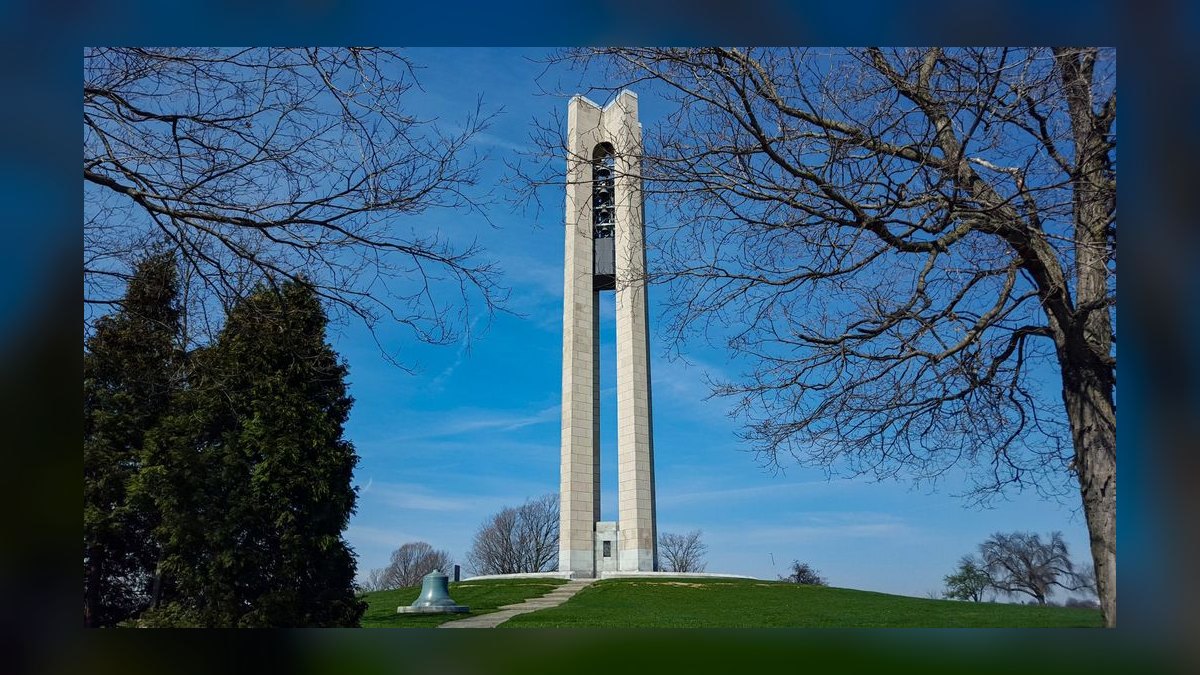
Type: Private Catholic / Marianist research university | Tuition: $50,000/yr before aid | Best for: Engineering and business students who want a transparent four-year cost
The University of Dayton (UD) in Dayton is a private Marianist research university enrolling about 11,000 students, known for strong engineering, business, and education programs and a vibrant residential community. It admits roughly 75% of applicants and posts a six-year graduation rate near 80%. UD is notable for its four-year transparent tuition plan, which locks in the net cost of attendance so families can plan with no surprise increases — a genuine value differentiator.
Its School of Engineering and the University of Dayton Research Institute give undergraduates real research and co-op access, and the 14:1 student-faculty ratio supports a hands-on, applied education.
Pros:
- Transparent four-year net-tuition plan with no surprise hikes
- Strong engineering and a major research institute
- ~80% graduation rate and lively residential community
- Accessible admissions and substantial merit aid
Cons:
- Larger classes than the small liberal arts colleges
- Higher sticker than Xavier before aid
Verdict: Dayton is the planning-friendly pick — strong applied programs and a four-year cost guarantee that families can budget around.
8. Ohio Wesleyan University
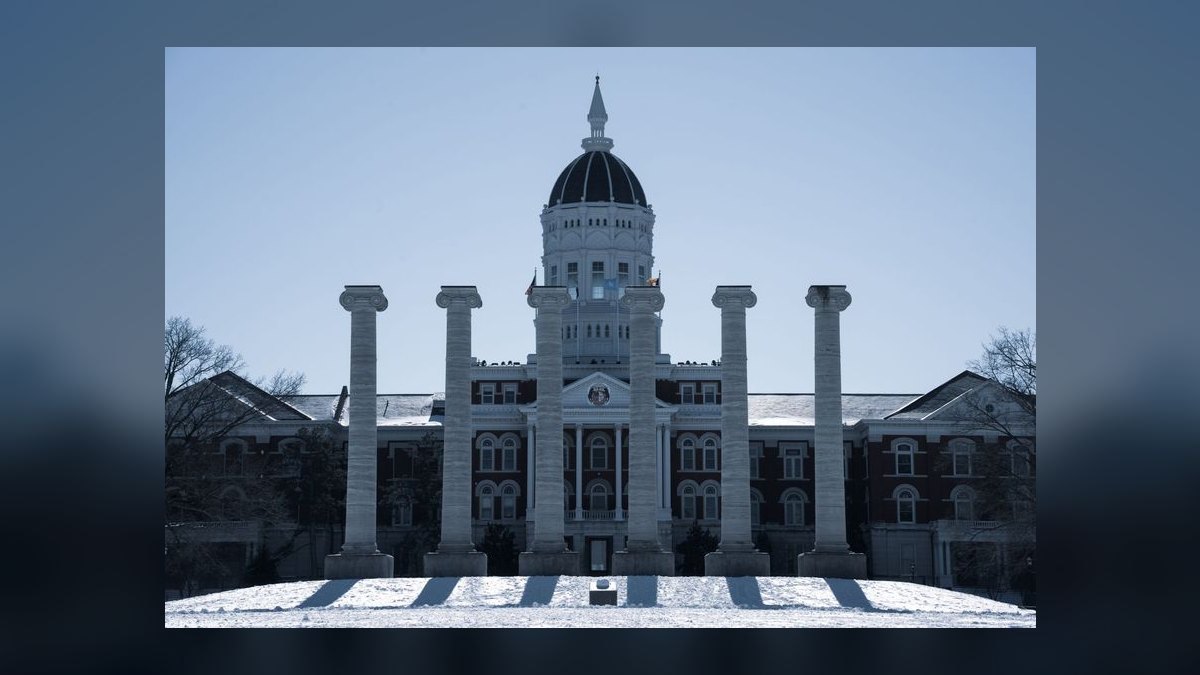
Type: Private liberal arts university | Tuition: $56,000/yr before aid | Best for: Liberal-arts students who want hands-on experiential learning
Ohio Wesleyan University (OWU) in Delaware, just north of Columbus, is a private liberal arts university enrolling about 1,500 students. It admits roughly 70% of applicants and emphasizes experiential learning through its OWU Connection program, which funds student travel, research, and internships worldwide. The six-year graduation rate sits near 70%, and the 11:1 student-faculty ratio keeps classes small and mentorship close. Strong programs in the sciences, business, and pre-health, combined with proximity to Columbus and generous merit aid, make OWU a practical liberal-arts option for students who want funded, real-world experience built into the degree.
Pros:
- Funded experiential learning through the OWU Connection
- Close to Columbus for internships and employers
- Small 11:1 student-faculty ratio and strong mentorship
- Generous merit aid lowering net cost
Cons:
- Lower graduation rate than the most selective peers
- Smaller national profile
Verdict: Ohio Wesleyan is the experiential pick — best for students who want funded research, travel, and internships built into a liberal-arts degree.
9. Baldwin Wallace University
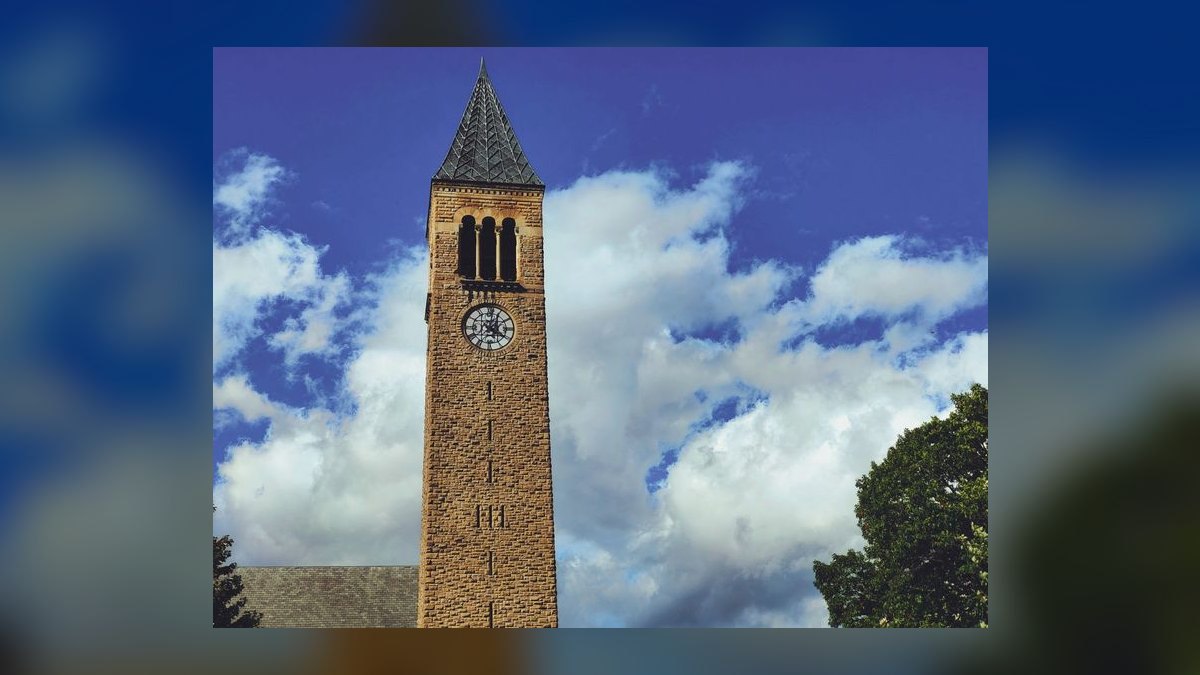
Type: Private university | Tuition: $40,000/yr before aid | Best for: Pre-professional and music-theater students who want affordable private education
Baldwin Wallace University (BW) in Berea, a Cleveland suburb, enrolls about 3,500 students and offers one of the lowest sticker prices among Ohio privates. It admits roughly 75% of applicants and is especially well known for its nationally regarded music-theater conservatory alongside strong business, education, and pre-health programs. With a six-year graduation rate near 70% and a 13:1 student-faculty ratio, BW blends a small-college feel with metro-Cleveland access. Its lower sticker plus solid merit aid make it one of the most affordable private four-year options in the state for career-focused and performing-arts students alike.
Pros:
- One of the lowest private sticker prices in Ohio
- Nationally regarded music-theater conservatory
- Metro-Cleveland location for internships
- Solid business, education, and pre-health programs
Cons:
- Lower graduation rate than the most selective peers
- Less research depth than larger universities
Verdict: Baldwin Wallace is the affordable-private pick — strong music-theater and pre-professional programs at a low sticker price.
10. John Carroll University

Type: Private Jesuit Catholic university | Tuition: $48,000/yr before aid | Best for: Business and pre-professional students who want a values-driven Jesuit education
John Carroll University (JCU) in University Heights, a Cleveland suburb, is a private Jesuit Catholic university enrolling about 3,000 students. It admits roughly 80% of applicants and posts a six-year graduation rate near 75%. JCU is strongest in business, accounting, communications, and the sciences, with its Boler College of Business holding the AACSB accreditation that marks top business schools. The 13:1 student-faculty ratio keeps classes mid-sized, and a strong alumni network in northeast Ohio aids job placement. Heavy merit aid lowers the net cost, and the Jesuit emphasis on service and ethics shapes a close, values-driven campus.
Pros:
- AACSB-accredited Boler College of Business
- Strong northeast-Ohio alumni network for placement
- ~75% graduation rate with values-driven Jesuit education
- Substantial merit aid lowering net cost
Cons:
- Smaller national profile than CWRU
- Catholic-affiliation culture won't suit every student
Verdict: John Carroll is the business-and-values pick — a solid Jesuit university with strong placement in the Cleveland market.
Which One's Right for You?
What to Look For When Choosing a Private College
- Net price, not sticker — Private sticker tuition is rarely what families pay. Compare net price after merit and need-based aid; Xavier, Dayton, Denison, and Baldwin Wallace discount heavily.
- Graduation and outcomes data — A college's six-year graduation rate and post-grad placement predict your odds of finishing and launching a career; Kenyon, Oberlin, and Case Western lead here.
- Program fit over name — Match the school to your goal: Kenyon for writing, Oberlin for music, Case Western for STEM, Wooster for mentored research, Xavier or Dayton for pre-professional value.
- Class size and faculty access — Compare student-faculty ratios; the liberal arts colleges here all sit near 9:1 to 11:1 for close mentorship.
- Cost transparency — Ask whether the school offers a fixed or four-year tuition plan; Dayton's transparent plan lets families budget the full degree.
- Campus type and location — Decide between a rural residential college (Kenyon, Oberlin, Denison) and a metro university (Case Western, Xavier, John Carroll) with internship access.
What matters less than marketing implies: high sticker prices, glossy facilities, and raw selectivity. Net cost, graduation rate, and program fit shape your degree and your debt far more than a headline number.
FAQ
Which private college in Ohio is the best overall? Case Western Reserve University earns our top spot, with nationally ranked engineering, nursing, and pre-med programs, a ~84% six-year graduation rate, and direct research access to the Cleveland Clinic and University Hospitals.
What is the best-value private college in Ohio? Xavier University is our value pick: a lower sticker than its peers combined with strong merit aid and a ~78% graduation rate produces excellent outcomes-per-dollar, with the University of Dayton's transparent four-year tuition plan a close runner-up.
Which Ohio private college is best for liberal arts? Kenyon College (English and writing), Oberlin College (music and ideas), and Denison University (sciences and merit aid) are the top liberal arts choices, all with graduation rates of roughly 84–90%.
Which private college is best for music or performing arts? Oberlin College is home to a world-class conservatory, while Baldwin Wallace University offers a nationally regarded music-theater program at a much lower sticker price.
Do Ohio private colleges offer enough financial aid to be affordable? Yes. Most privates here discount the sticker heavily through merit and need-based aid; schools like Denison, Xavier, Dayton, and Baldwin Wallace are known for generous merit awards that bring net cost well below the published figure.
Which private college offers the most undergraduate research? The College of Wooster requires every student to complete a year-long faculty-mentored Independent Study project, giving undergraduates a thesis experience usually reserved for graduate students.
Bottom Line
For Ohio families and students, Case Western Reserve University is our Best Overall private college — its top-ranked STEM and health programs, ~84% graduation rate, and Cleveland research access lead the state. Xavier University is our Best Value, pairing a lower sticker with strong merit aid and solid outcomes, with the University of Dayton's transparent four-year tuition plan close behind.
If your priority is elite liberal arts, music, mentored research, or a values-driven Jesuit education, use the decision tree above to route yourself to Kenyon, Oberlin, Wooster, John Carroll, or another strong private. Choose on net cost, graduation rate, and program fit — not sticker price or prestige — and you will get the most from your degree.
Related on PULSE
- [Top 10 Community Colleges in Ohio in 2027](/knowledge/sc0362)
- [Top 10 Public Universities in Ohio in 2027](/knowledge/sc0346)
- [Top 10 Public Universities in Ohio in 2027](/knowledge/sc0052)
- [Top 10 Public High Schools in Ohio in 2027](/knowledge/sc0027)
- [Top 10 Private Colleges in Kansas in 2027](/knowledge/sc0276)
- [Top 10 Private Colleges in Maryland in 2027](/knowledge/sc0309)
Sources
- U.S. News — Best Colleges in Ohio rankings
- Niche — Top Private Colleges in Ohio
- NCES College Navigator — Ohio institutions
- College Board — BigFuture college search
- Case Western Reserve University — admissions and facts
- Oberlin College & Conservatory — facts and figures
- Kenyon College — admissions and outcomes
- University of Dayton — tuition and value
- Xavier University — admissions and aid
- GreatSchools — Ohio education resources
*Private colleges in Ohio review — best private colleges Ohio, rankings, ratings, and a review of the top picks for families and students.*
People also search for: best private colleges in ohio · top private colleges in ohio · top rated private colleges in ohio · top ranked private colleges in ohio · highest rated private colleges in ohio · private colleges in ohio reviews
@Kory-White- · if Venmo asks, the last 4 of my number are 2012
 pulse-moviesTop 10 Movies on Netflix 2027
 pulse-moviesTop 10 Movies on Max 2027
 pulse-moviesTop 10 Fantasy Movies of All Time in 2027
 pulse-moviesTop 10 Documentaries of All Time in 2027
 pulse-moviesTop 10 Superhero Movies of All Time in 2027
 pulse-moviesTop 10 Romance Movies of All Time in 2027
 pulse-moviesTop 10 Westerns of All Time in 2027
 pulse-moviesTop 10 Musical Movies of All Time in 2027
 pulse-moviesTop 10 Thriller Movies of All Time in 2027
 pulse-moviesTop 10 Crime Movies of All Time in 2027