
Top 10 Universities for Audio Engineering in 2027
 Curated byKory White · Fractional CRO · Maryland
 PULSEKNOWLEDGE LIBRARY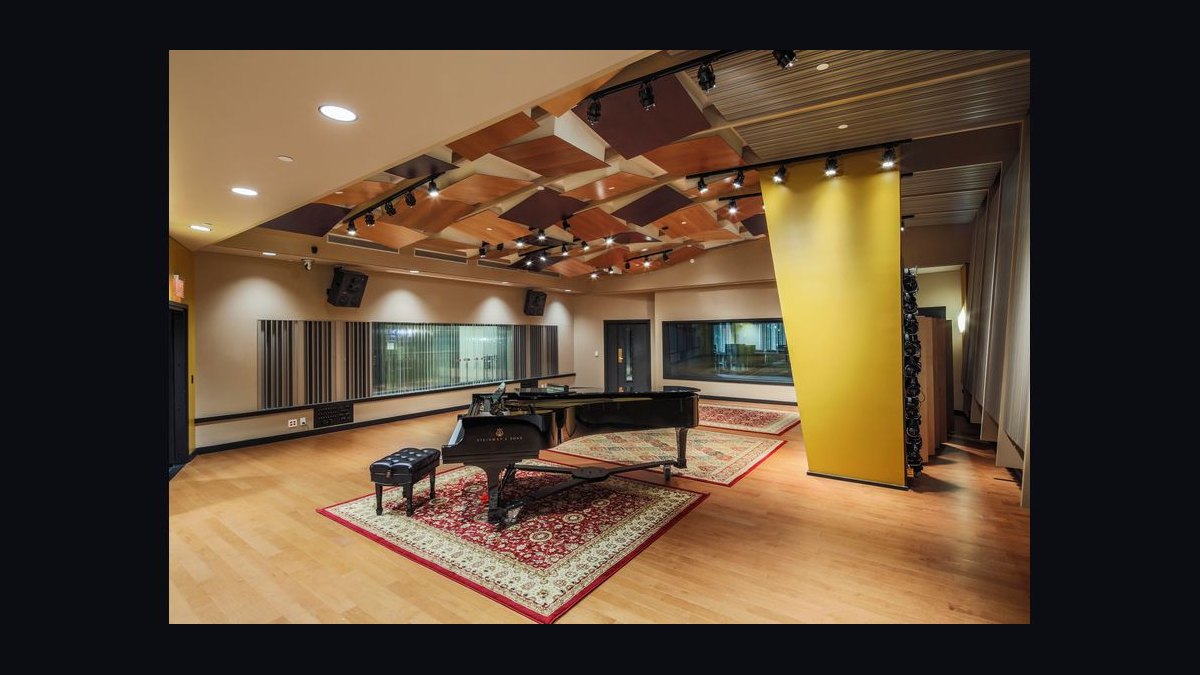
.jpg)
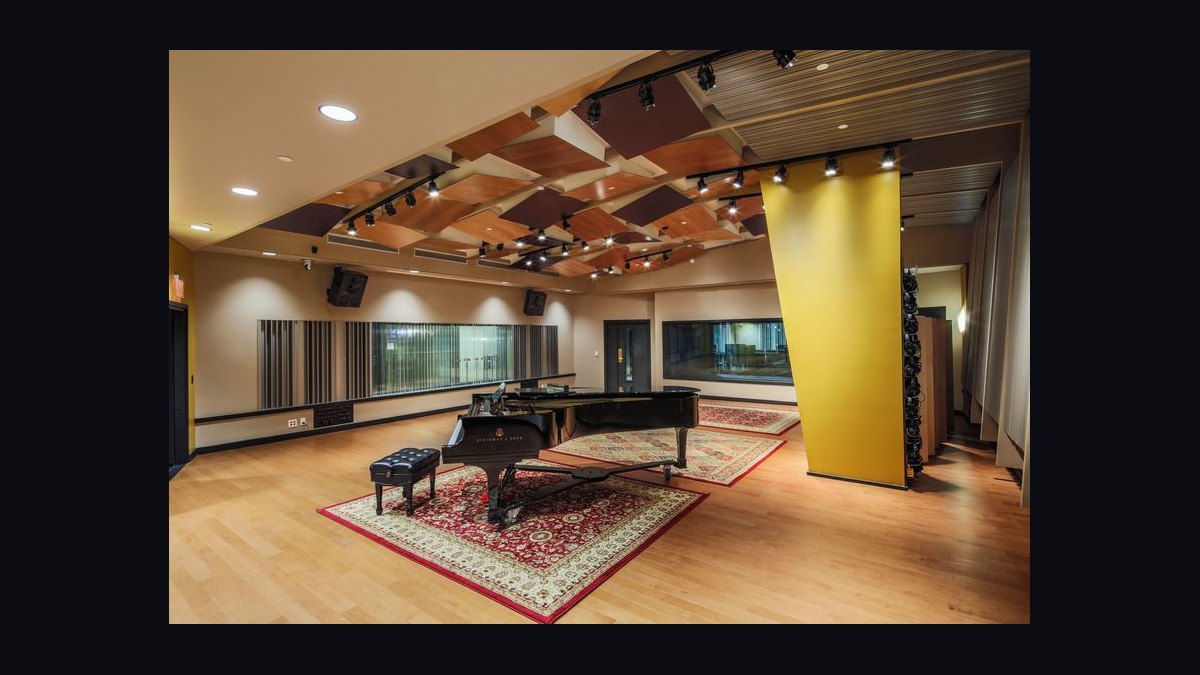
Read the full article free — or download it for $1 and it’s yours forever.The Best Overall school for audio engineering is Berklee College of Music in Boston, where the Music Production and Engineering (MP&E) program runs more than a dozen working studios and feeds graduates directly into film, game, and record-label rooms — a placement record few rivals match.
The Best Value pick is the University of Miami's Frost School of Music, whose Music Engineering Technology (MUE) degree blends a real electrical-engineering core with studio time at a private-university price that, after Frost's generous merit aid, frequently lands below sticker and beats most specialty conservatories on outcomes-per-dollar.
This list is built for students and families weighing where to study recording, mixing, mastering, live sound, and audio software — whether the goal is a music-business studio career or an engineering-grade technical path. Every pick below uses real, publicly reported program data, tuition figures, and industry-placement information.
How We Ranked the Top 10
We weighted each program against what students and hiring studios say matters most, drawing on published data from U.S. News, Niche, College Board, NCES, Hollywood Reporter music-school rankings, and individual school and department pages. The weighting:
- Studio facilities and equipment — 25%
- Industry placement and alumni network — 20%
- Faculty and curriculum depth — 15%
- Value and cost after aid — 15%
- Location and industry access — 15%
- Reputation and selectivity — 10%
A program with famous alumni but no studio time, or great gear in a town with no industry, drops fast. The winners balance rooms, teachers, jobs, and price.
1. Berklee College of Music 🏆 BEST OVERALL
Type: Private (non-profit, music college) | Tuition: $48,920/yr | Best for: Students who want the deepest studio access and the strongest music-industry pipeline
The Music Production and Engineering major at Berklee in Boston, Massachusetts is the benchmark for hands-on recording education. The college enrolls roughly 7,000 students and operates 15-plus studios, including large-format SSL and Neve consoles, scoring stages, and a dedicated mastering suite. MP&E students log heavy console time from year one, build a portfolio of real sessions, and study under faculty who hold Grammy and platinum credits.
Alumni — including producers and engineers behind chart and film work — give Berklee one of the densest professional networks in audio, and its Boston-to-LA-to-NYC alumni chain drives strong placement into labels, post houses, and live-sound companies.
Pros:
- 15-plus working studios with SSL, Neve, and analog consoles
- Deepest industry alumni network of any audio program
- Grammy- and platinum-credited faculty
- Boston location with built-in scoring and post-production access
Cons:
- High sticker price and limited need-based aid
- Intensely competitive console-time scheduling
Verdict: Berklee wins on rooms, teachers, and connections — the complete package for a serious studio career.
2. New York University — Steinhardt (Music Technology)
Type: Private (research university) | Tuition: $60,438/yr | Best for: Students who want a research-grade music-tech degree in the middle of the industry
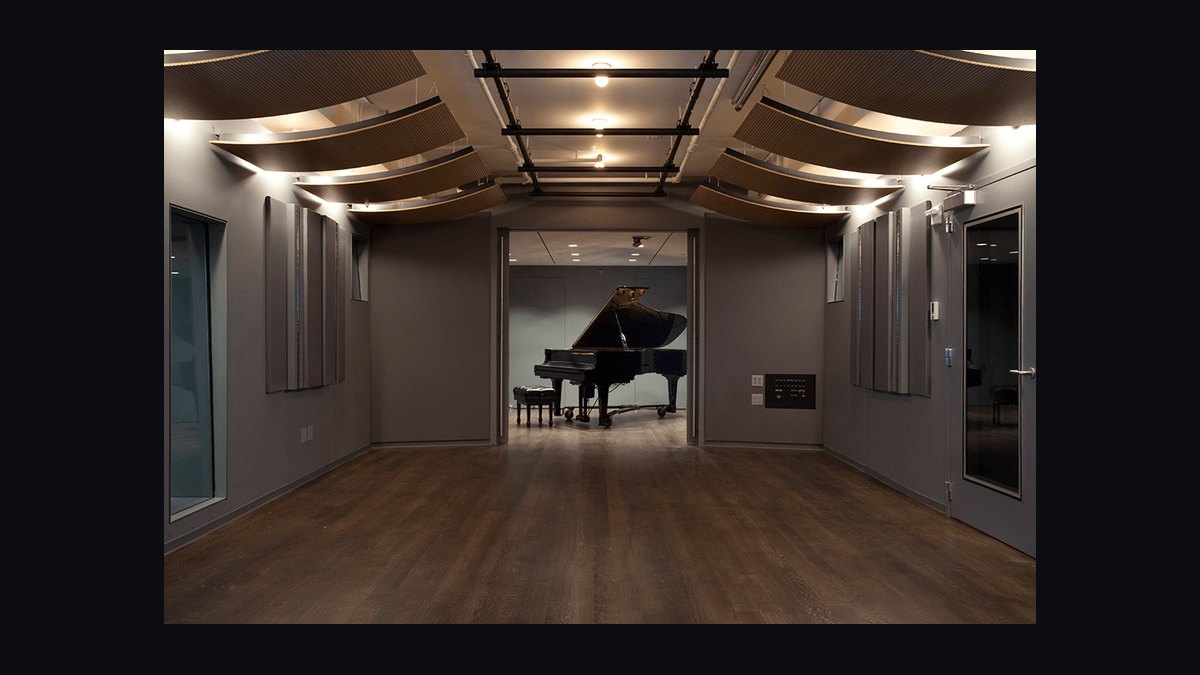
The Music Technology program at NYU Steinhardt in New York City pairs rigorous coursework in acoustics, signal processing, and DSP with hands-on recording in the James L. Dolan Music Recording Studio, one of the finest teaching studios in the country. NYU enrolls more than 50,000 students university-wide, and music-tech majors tap immersive-audio labs, immersive Dolby Atmos rooms, and a faculty active in research and commercial work.
Being blocks from Manhattan's studios, broadcasters, and post houses gives students internship access that few campuses can rival, and graduates spread across recording, immersive audio, and audio-software development.
Pros:
- Research-grade curriculum in DSP, acoustics, and signal processing
- Dolan Studio and Dolby Atmos immersive-audio facilities
- Manhattan location with elite internship access
- Strong path into audio-software and immersive-audio careers
Cons:
- One of the highest tuitions on this list
- Heavier theory load than studio-only programs
Verdict: A technical, research-driven program in the country's media capital — ideal for the engineering-minded student.
3. University of Miami — Frost School of Music 💎 BEST VALUE
Type: Private (research university) | Tuition: $59,926/yr (before merit aid) | Best for: Students who want a real engineering degree plus studio chops at the best price after aid
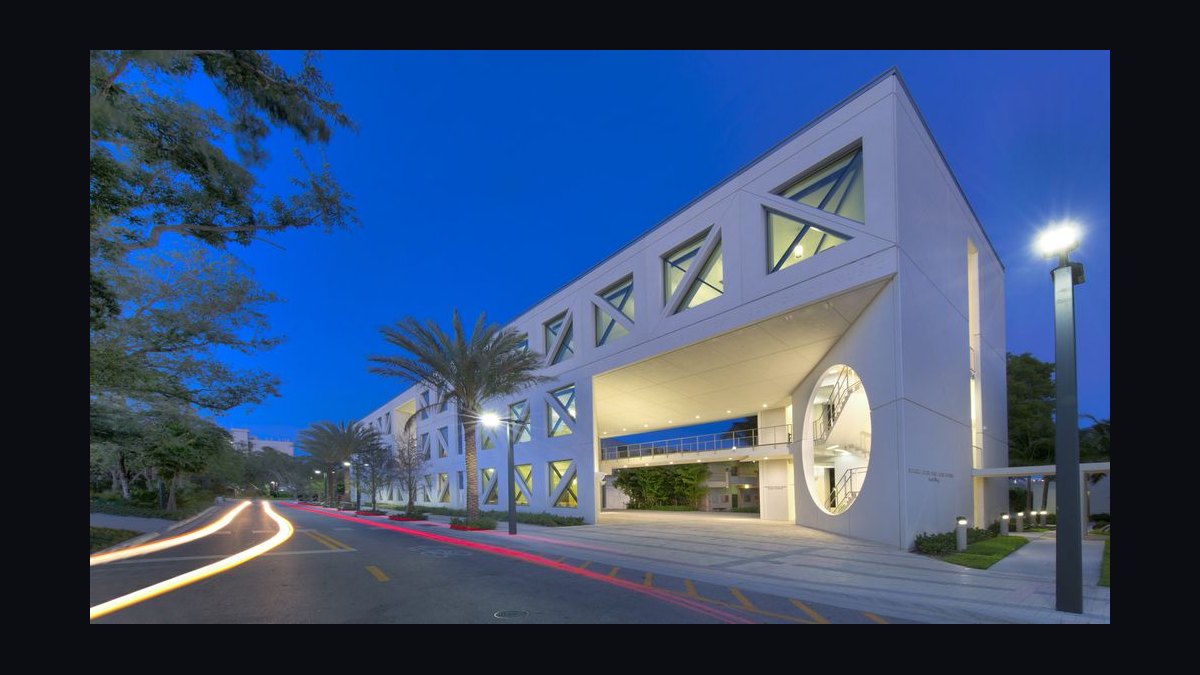
The Music Engineering Technology degree at Frost in Coral Gables, Florida is one of the few audio programs accredited as a true engineering path, blending electrical-engineering coursework with recording, acoustics, and audio-software design. Students work in multiple studios with large-format consoles and an active research arm, and Frost's well-known merit-scholarship policy frequently cuts the net price well below sticker — pushing it to the front on outcomes-per-dollar.
The MUE pipeline places graduates into audio hardware and software firms, broadcast, and recording, giving the degree unusually broad career range.
Pros:
- Accredited engineering-grade audio degree, not just production
- Strong merit aid that often lowers net price sharply
- Studio time plus circuit-level and software training
- Broad placement into audio hardware, software, and recording
Cons:
- Math-and-physics load is heavier than arts-focused peers
- Miami summer climate and commuter logistics for some
Verdict: The best outcomes-per-dollar pick — an engineering degree with studio skills at a frequently discounted net price.
4. University of Southern California — Thornton School of Music
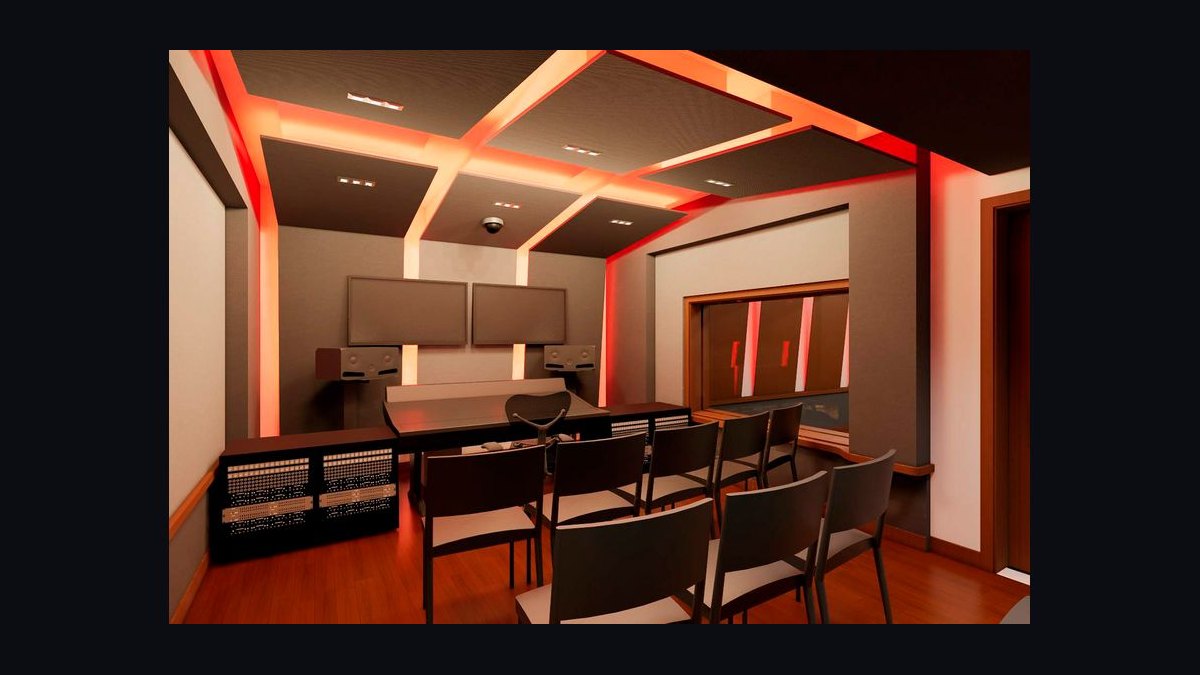
Type: Private (research university) | Tuition: $69,904/yr | Best for: Students who want studio and screen-scoring access in the heart of the entertainment industry
The Music Production and screen-scoring tracks at USC Thornton in Los Angeles, California put students inside the global entertainment hub. Thornton's facilities include recording studios and access to USC's renowned scoring stage, and proximity to Hollywood post houses, film studios, and record labels makes internships and session work unusually attainable. USC enrolls about 48,000 students university-wide, and the music-production faculty includes working film, TV, and record professionals.
Graduates funnel into film scoring, game audio, and studio engineering at a rate driven by LA's industry density.
Pros:
- Los Angeles location with direct film, TV, and label access
- Renowned scoring stage and recording facilities
- Faculty of working entertainment-industry professionals
- Exceptional internship and session-work opportunities
Cons:
- Highest tuition on this list
- Highly selective admissions
Verdict: The screen-scoring and entertainment-industry pick — unmatched if your goal is film, TV, or game audio in LA.
5. Belmont University — Mike Curb College

Type: Private (university) | Tuition: $43,150/yr | Best for: Students who want Nashville's studio scene and an audio-engineering technology degree
The Audio Engineering Technology program at Belmont in Nashville, Tennessee sits inside Music City, giving students daily proximity to one of the world's busiest studio markets. Belmont enrolls roughly 9,000 students and runs the Ocean Way Nashville historic studio as a teaching facility, alongside additional control rooms and consoles.
The curriculum combines recording, live sound, and music business, and Nashville's dense network of studios, labels, and touring companies produces strong internship and placement pipelines for graduates targeting commercial recording and live production.
Pros:
- Teaching access to the historic Ocean Way Nashville studio
- Nashville's dense studio, label, and touring job market
- Audio-tech degree blending recording, live sound, and business
- Lower tuition than the coastal private peers
Cons:
- Smaller research footprint than NYU or Frost
- Curriculum leans commercial over deep engineering theory
Verdict: The Nashville pick — a strong, affordable studio program embedded in a real recording economy.
6. Indiana University — Jacobs School of Music
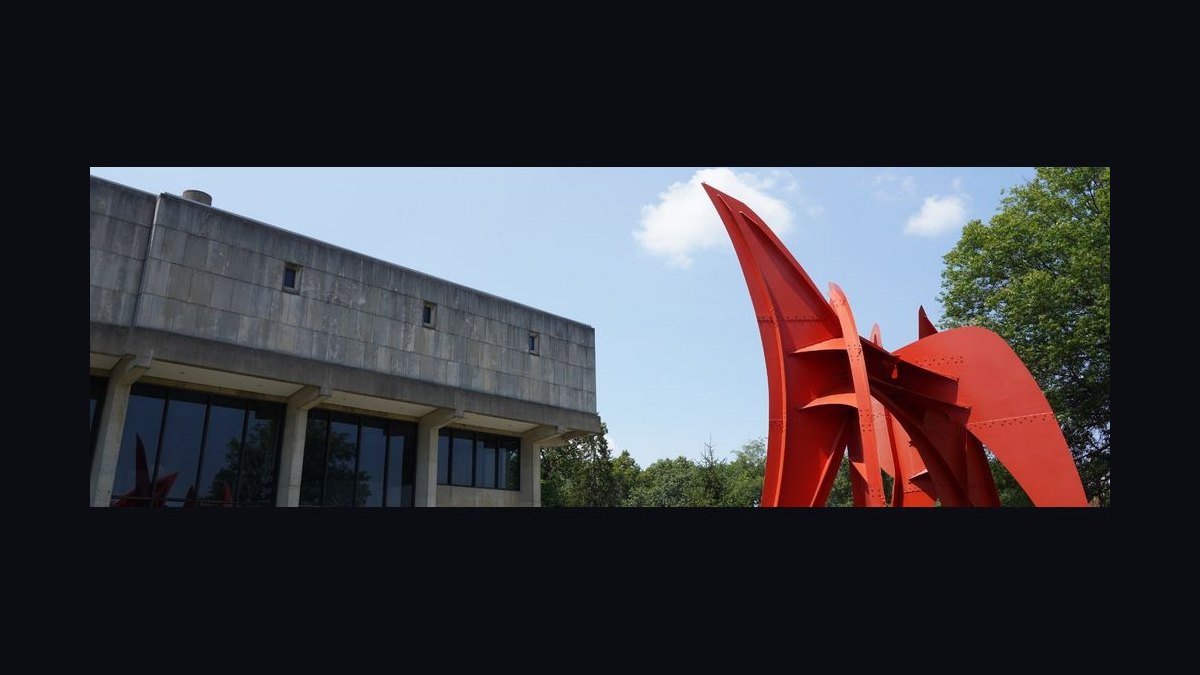
Type: Public (flagship research university) | Tuition: $11,790/yr (in-state) / $40,560/yr (out-of-state) | Best for: Students who want a top recording-arts program at public-university prices
The Recording Arts program at the Jacobs School of Music in Bloomington, Indiana is among the most respected at any public institution, known for classical and acoustic recording excellence. Jacobs operates multiple studios and recording facilities supporting one of the largest music schools in the country, with frequent live ensemble sessions giving students constant real-recording reps.
In-state tuition near $11,790 makes it a standout value, and the program's reputation for acoustic and orchestral recording places graduates into classical labels, broadcast, and live capture.
Pros:
- Elite recording-arts reputation at a public price
- Constant live classical and ensemble recording reps
- Low in-state tuition and strong out-of-state value
- Excellent grounding in acoustic and orchestral capture
Cons:
- Less focused on commercial pop and hip-hop production
- Bloomington is far from major industry markets
Verdict: The value-and-prestige public pick — superb for acoustic and classical recording at a fraction of private cost.
7. Full Sail University
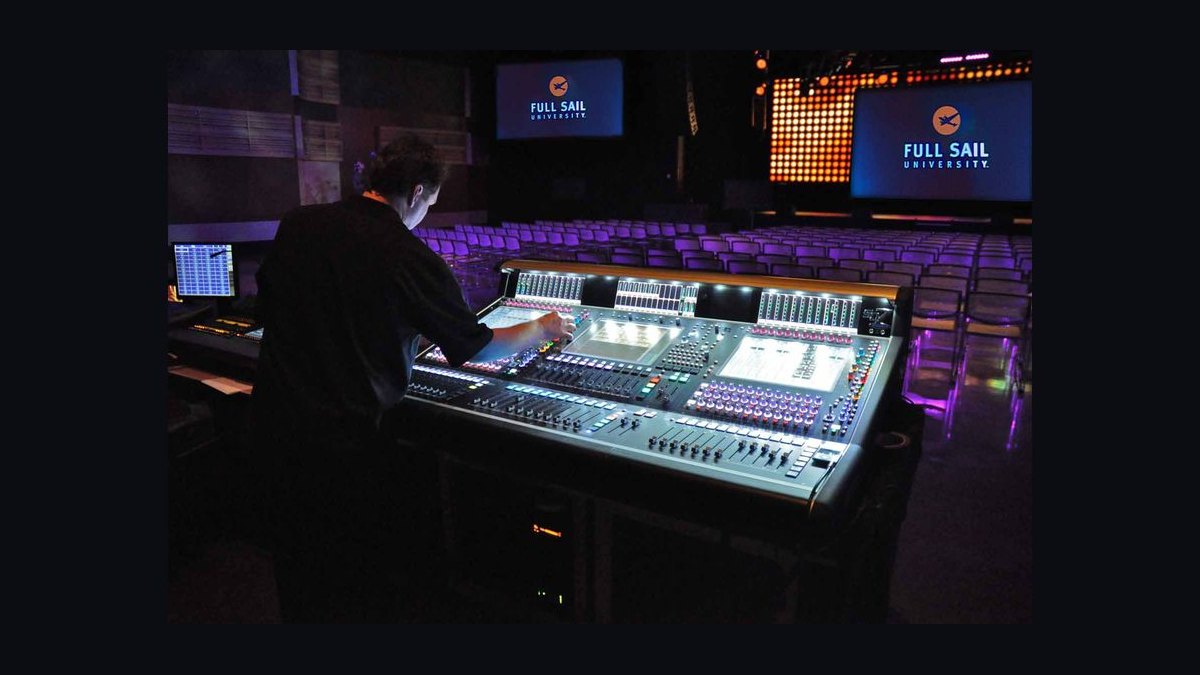
Type: Private (for-profit, media university) | Tuition: $28,000–$36,000 total program (accelerated) | Best for: Students who want fast, gear-heavy training and an industry-aligned schedule
The Recording Arts and Audio Production degrees at Full Sail in Winter Park, Florida run on an accelerated, around-the-clock model built to mirror studio and post-production work hours. Full Sail invests heavily in gear and large facilities, giving students extensive hands-on time with consoles, live rooms, and post suites across recording, game audio, and show production.
The fast-track format compresses a degree into far less calendar time, and the school's industry-aligned curriculum and large alumni base support placement into post houses, live production, and game studios.
Pros:
- Accelerated format finishes a degree faster
- Heavy investment in consoles, live rooms, and post suites
- Tracks for recording, game audio, and show production
- Industry-aligned schedule mirroring real studio hours
Cons:
- For-profit model warrants careful cost-and-outcome review
- Intense pace leaves little room for broad academics
Verdict: The fast-track, gear-first pick — strong for students who want speed and hands-on volume over a traditional campus.
8. Drexel University
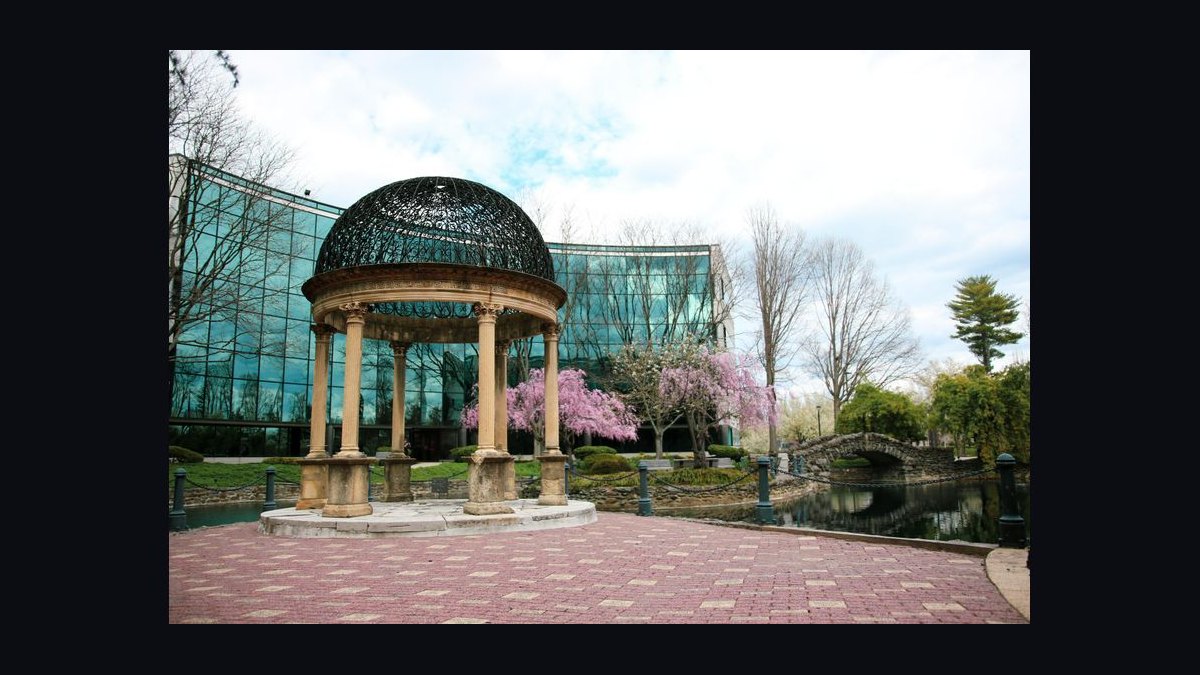
Type: Private (research university, co-op model) | Tuition: $62,712/yr | Best for: Students who want paid co-op experience built into an audio degree
The Music Industry and audio-production programs at Drexel in Philadelphia, Pennsylvania are anchored by the university's signature co-op model, which places students in paid, full-time industry roles for stretches of the degree. Drexel runs the student-staffed MAD Dragon recording and label operations, giving real production and release experience, plus studios and audio-software coursework.
The co-op pipeline routes students into labels, post houses, and audio-tech firms with résumé-ready experience, and Philadelphia's proximity to New York adds market access.
Pros:
- Paid co-op work experience embedded in the degree
- Student-run MAD Dragon studio and record label
- Strong music-industry and audio-software curriculum
- Philadelphia base with quick New York access
Cons:
- High tuition and a longer five-year co-op timeline
- Production facilities smaller than dedicated music colleges
Verdict: The co-op pick — graduate with paid industry experience already on your résumé.
9. SAE Institute (US campuses)
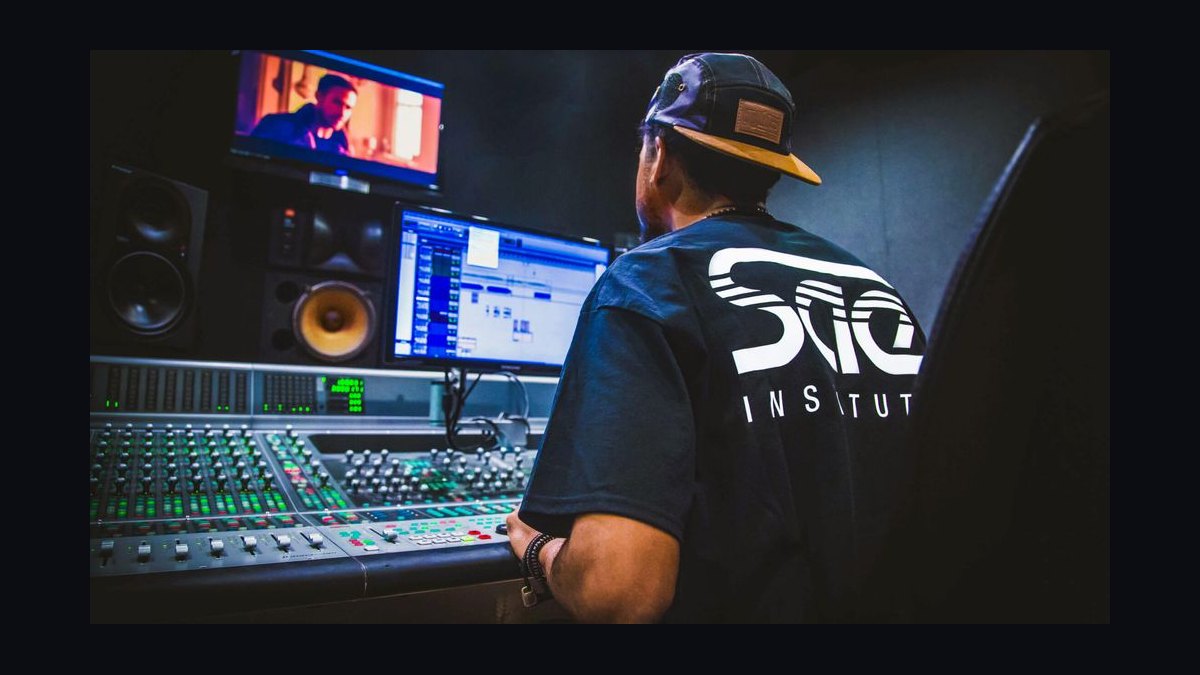
Type: Private (for-profit, specialized audio institute) | Tuition: $24,000–$34,000 total program | Best for: Students who want a focused, shorter audio diploma with global brand recognition
SAE Institute, with US campuses in cities including Nashville, Tennessee, runs one of the world's most recognized specialized audio-technology curricula, focused tightly on recording, mixing, electronic music, and live sound. SAE keeps class sizes small and gives students substantial console and studio time relative to program length, with a globally known brand that travels across the international audio industry. The shorter, focused format and lower total cost make it a practical route for students who want to enter studio or live-sound work quickly without a four-year commitment.
Pros:
- Globally recognized specialized audio brand
- Tight focus on recording, mixing, and live sound
- Substantial studio time relative to program length
- Lower total cost and shorter timeline than four-year degrees
Cons:
- For-profit; verify accreditation and credit transferability
- Narrow curriculum with limited broad academics
Verdict: The focused, faster pick — efficient for students set on audio work who want a recognized credential quickly.
10. McNally Smith / Independent Audio Schools (e.g., Los Angeles Recording School)

Type: Private (specialized recording school) | Tuition: $20,000–$33,000 total program | Best for: Students who want an alternative, studio-only path outside the university system
Independent recording schools — historically exemplified by the former McNally Smith model and today by programs such as the Los Angeles Recording School in Los Angeles, California — focus entirely on practical studio and live-sound training with no general-education overhead. These schools concentrate spending on consoles, control rooms, and instructor session time, and many sit inside industry markets that supply internships and entry-level work.
For students certain they want studio engineering and who learn best by doing, an alternative school can deliver focused reps faster and cheaper than a traditional degree.
Pros:
- Studio-only curriculum with no general-education filler
- Spending concentrated on consoles and control rooms
- Often located inside active industry markets
- Lower total cost and quicker entry to the field
Cons:
- Accreditation and credit transfer vary widely — verify carefully
- No traditional degree or campus experience
Verdict: The alternative-path pick — best for hands-on learners certain about a studio career who want focused, lower-cost training.
Which One's Right for You?
What to Look For When Choosing an Audio Engineering Program
- Real console and studio hours — Ask how many studios exist, what consoles they run, and how early and often students get hands-on time. Rooms you can actually book beat brochure photos.
- Industry location and internships — Programs in Boston, LA, NYC, Nashville, or Miami offer internship and session access that isolated campuses cannot match.
- Placement and alumni network — Request real placement data and alumni credits. A dense, working network drives first jobs in a credit-based field.
- Engineering vs production focus — Decide whether you want an accredited engineering path (Frost) or a production-and-business path (Belmont, Berklee), because the math load and career range differ sharply.
- Net price after aid — Compare net cost, not sticker. Public Jacobs and aid-heavy Frost can beat conservatory pricing dramatically.
- Accreditation and credit transfer — For for-profit and independent schools, verify accreditation and whether credits transfer before enrolling.
What matters less than marketing implies: glossy gear lists, celebrity guest lectures, and rankings hype. What moves careers is bookable studio time, a working alumni network, internship access, and net price.
FAQ
Which school is best for audio engineering overall? Berklee College of Music earns our top spot for its 15-plus studios, Grammy-credited faculty, and the densest industry alumni network in audio production, making it the most complete path to a studio career.
What is the best value audio engineering program? The University of Miami's Frost School is our value pick because its Music Engineering Technology degree pairs accredited engineering training with studio time, and its strong merit aid frequently lowers the net price well below sticker.
Do I need a degree to be an audio engineer? No degree is legally required, but structured programs provide studio hours, mentorship, and an alumni network that speed entry. Focused schools like SAE or independent recording schools offer shorter, lower-cost routes for hands-on learners.
Which schools are best for film and game audio? USC Thornton in Los Angeles and NYU Steinhardt in New York lead for screen scoring, game audio, and immersive-audio work thanks to their facilities and proximity to entertainment and media employers.
Which audio program is the cheapest good option? Indiana University's Jacobs School offers an elite recording-arts reputation at roughly $11,790/yr in-state, the best blend of prestige and low cost among four-year programs here.
Is a for-profit audio school worth it? It can be, if you verify accreditation, credit transferability, and real placement outcomes first. Schools like Full Sail and SAE invest heavily in gear and offer faster timelines, which suits students set on hands-on studio work.
Bottom Line
For students chasing an audio-engineering career, Berklee College of Music is our Best Overall pick — its 15-plus studios, working faculty, and unmatched alumni network give it the strongest studio and placement pipeline in the field. The University of Miami's Frost School is our Best Value, pairing an accredited engineering-grade degree with studio time at a net price its merit aid frequently discounts below sticker.
If your priority is film and game audio, paid co-op, a specific industry city, or the lowest total cost, use the decision tree above to route yourself to USC Thornton, Drexel, Belmont, Indiana, or a focused independent school instead. Choose on bookable studio hours, industry access, and net price — not brochure gear lists — and the degree will pay off.
Related on PULSE
- [Top 10 Universities for Chemical Engineering in 2027](/knowledge/sc0187)
- [Top 10 Universities for Electrical Engineering in 2027](/knowledge/sc0181)
- [Top 10 Universities for Biomedical Engineering in 2027](/knowledge/sc0193)
- [Top 10 Universities for Civil Engineering in 2027](/knowledge/sc0175)
- [Top 10 Universities for Aerospace Engineering in 2027](/knowledge/sc0163)
- [Top 10 Universities for Mechanical Engineering in 2027](/knowledge/sc0169)
Sources
- U.S. News — Best Colleges and music program rankings
- Niche — college reviews and student data
- College Board — BigFuture college search and cost data
- NCES — National Center for Education Statistics College Navigator
- Berklee College of Music — Music Production and Engineering
- NYU Steinhardt — Music Technology program
- Frost School of Music — Music Engineering Technology
- USC Thornton School of Music — Music Production
- Belmont University — Audio Engineering Technology
- Full Sail University — Recording Arts
*Audio engineering universities review — best audio engineering schools, rankings, ratings, and a review of the top recording and music-production programs for students and families.*
People also search for: best universities for audio engineering · top universities for audio engineering · top rated universities for audio engineering · top ranked universities for audio engineering · highest rated universities for audio engineering · universities for audio engineering reviews
@Kory-White- · if Venmo asks, the last 4 of my number are 2012
 pulse-moviesTop 10 Movies on Netflix 2027
 pulse-moviesTop 10 Movies on Max 2027
 pulse-moviesTop 10 Fantasy Movies of All Time in 2027
 pulse-moviesTop 10 Documentaries of All Time in 2027
 pulse-moviesTop 10 Superhero Movies of All Time in 2027
 pulse-moviesTop 10 Romance Movies of All Time in 2027
 pulse-moviesTop 10 Westerns of All Time in 2027
 pulse-moviesTop 10 Musical Movies of All Time in 2027
 pulse-moviesTop 10 Thriller Movies of All Time in 2027
 pulse-moviesTop 10 Crime Movies of All Time in 2027