
Top 10 Universities for Viticulture and Enology in 2027
 Curated byKory White · Fractional CRO · Maryland
 PULSEKNOWLEDGE LIBRARY
The Best Overall university for viticulture and enology is the University of California, Davis, whose Department of Viticulture and Enology is the world's leading wine-science program, with its own teaching vineyard, a research winery, and a graduate record that fills winemaking and grape-growing roles across Napa, Sonoma, and global wine regions.
The Best Value pick is Washington State University, where an in-state Viticulture and Enology B.S. runs roughly $12,300/yr while granting hands-on access to vineyards and a research winery in the heart of Washington's wine country. This list is built for students and families choosing where to study grape growing and winemaking in the United States, balancing program depth and vineyard access against real cost. Every pick below uses real, publicly reported tuition, program, and facility data.
How We Ranked the Top 10
We weighted each program against what aspiring winemakers and viticulturists actually need, drawing on published data from U.S. News, Niche, NCES (National Center for Education Statistics), College Board, the American Society for Enology and Viticulture (ASEV), and individual department pages. The weighting:
- Academic and research strength — 25%
- Career and industry outcomes — 20%
- Value and cost — 15%
- Vineyards, research winery, and facilities — 15%
- Wine-region access and partnerships — 15%
- Program fit and culture — 10%
A program near famous vineyards but thin on research, or strong on theory but lacking a teaching winery, drops fast. The winners balance all six.
1. University of California, Davis 🏆 BEST OVERALL

Type: Public | Tuition: $14,648/yr (in-state) | Best for: Students chasing the world's deepest wine-science program
UC Davis in Davis, California, enrolls roughly 40,000 students and houses the globally dominant Department of Viticulture and Enology. Its resources are unmatched: a dedicated teaching and research vineyard, the LEED-Platinum Robert Mondavi Institute research winery and brewery, and a faculty that has shaped modern winemaking science for decades. Graduates fill winemaking and grape-growing roles across Napa, Sonoma, and wine regions worldwide, and the program's research on rootstocks, fermentation, and climate adaptation sets industry standards. In-state tuition near $14,648/yr makes the world's top wine-science education attainable for California families.
Pros:
- World's leading wine-science department with global influence
- Robert Mondavi Institute research winery and teaching vineyard
- Graduates fill roles across Napa, Sonoma, and beyond
- In-state tuition near $14,648/yr for the top program anywhere
Cons:
- Highly competitive admission into the major
- Out-of-state tuition climbs well above the in-state rate
Verdict: UC Davis wins outright — no program matches its vineyards, research winery, and global winemaking influence.
2. Cornell University

Type: Private (Ivy / land-grant) | Tuition: $20,950/yr (in-state, contract college) | Best for: Students who want Ivy-level research and cool-climate viticulture
Cornell University in Ithaca, New York, enrolls about 26,000 students and runs a premier Viticulture and Enology program through its land-grant College of Agriculture and Life Sciences, with a major presence at Cornell AgriTech in Geneva in the Finger Lakes wine region. The program is the national leader in cool-climate viticulture, grape breeding, and disease research, and its proximity to the Finger Lakes gives students direct vineyard and winery access. As a contract college, in-state students pay a reduced rate near $20,950/yr. Graduates lead winemaking and viticulture across the East Coast and cool-climate regions worldwide.
Pros:
- National leader in cool-climate viticulture and grape breeding
- Cornell AgriTech and Finger Lakes vineyard access
- Ivy-level research and land-grant resources
- Reduced in-state contract-college tuition near $20,950/yr
Cons:
- Out-of-state and private tuition runs much higher
- Cold Ithaca climate limits year-round vineyard work
Verdict: Cornell is the cool-climate research leader — best for East Coast and cool-region winemaking with Ivy resources.
3. Washington State University 💎 BEST VALUE

Type: Public (land-grant) | Tuition: $12,300/yr (in-state) | Best for: Value-focused students who want hands-on vineyard and winery access
Washington State University in Pullman, Washington (with a Tri-Cities wine-science center in Richland), enrolls roughly 30,000 students and runs a respected Viticulture and Enology B.S. at the heart of the nation's second-largest wine state. The Ste. Michelle Wine Estates WSU Wine Science Center gives students a modern research winery, and partnerships across Washington's vineyards provide real harvest experience. In-state tuition near $12,300/yr delivers outcomes-per-dollar that rival far pricier programs, making WSU the value leader. Graduates staff wineries across the Pacific Northwest and beyond.
Pros:
- In-state tuition near $12,300/yr for elite vineyard access
- Ste. Michelle Wine Science Center research winery
- Located in the nation's second-largest wine state
- Strong harvest internships across Washington vineyards
Cons:
- Out-of-state tuition raises the cost considerably
- Pullman campus is far from major coastal hubs
Verdict: Washington State is the value champion — a modern research winery and real vineyard access at an unbeatable in-state price.
4. Oregon State University

Type: Public (land-grant) | Tuition: $13,200/yr (in-state) | Best for: Students drawn to Pinot Noir and Willamette Valley winemaking
Oregon State University in Corvallis, Oregon, enrolls roughly 34,000 students and offers a strong Viticulture and Enology program through its College of Agricultural Sciences, anchored by access to the famed Willamette Valley Pinot Noir region. The program runs a research vineyard and winery, and its Oregon Wine Research Institute coordinates cutting research on cool-climate grape growing and fermentation. In-state tuition near $13,200/yr keeps the degree affordable, and proximity to one of the world's premier Pinot Noir regions gives students unmatched exposure to cool-climate winemaking.
Pros:
- Willamette Valley Pinot Noir region access
- Oregon Wine Research Institute and research vineyard
- In-state tuition near $13,200/yr stays affordable
- Strong cool-climate fermentation and grape research
Cons:
- Out-of-state tuition climbs above the in-state rate
- Program is smaller than UC Davis or Cornell
Verdict: Oregon State is the Pinot Noir pick — ideal for students focused on cool-climate, Willamette Valley winemaking.
5. California Polytechnic State University, San Luis Obispo

Type: Public | Tuition: $10,194/yr (in-state) | Best for: Hands-on students who want a learn-by-doing wine program
Cal Poly SLO in San Luis Obispo, California, enrolls roughly 22,000 students and runs a Wine and Viticulture B.S. built on its signature Learn by Doing philosophy, set among the vineyards of California's Central Coast. Students work in a campus vineyard and a bonded teaching winery, producing and selling wine under guidance. The program blends viticulture, enology, and wine business, preparing graduates for production and management roles. In-state tuition near $10,194/yr is the lowest among the top programs here, making Cal Poly an exceptional outcomes-per-dollar choice for hands-on learners.
Pros:
- Learn-by-doing model with a bonded teaching winery
- Central Coast vineyard immersion
- Lowest in-state tuition near $10,194/yr among top picks
- Combines viticulture, enology, and wine business
Cons:
- Less research-intensive than UC Davis or Cornell
- Out-of-state tuition raises the total cost
Verdict: Cal Poly is the hands-on value pick — a bonded teaching winery and Central Coast vineyards at the lowest in-state price.
6. Texas A&M University

Type: Public (land-grant) | Tuition: $13,239/yr (in-state) | Best for: Students focused on warm-climate and emerging-region viticulture
Texas A&M University in College Station, Texas, enrolls roughly 74,000 students and offers viticulture and enology coursework and certificates through its Department of Horticultural Sciences and AgriLife Extension, supporting the rapidly growing Texas wine industry. The program emphasizes warm-climate grape growing, disease management, and the practical viticulture skills needed in emerging regions like the Texas High Plains. In-state tuition near $13,239/yr keeps it affordable, and AgriLife's statewide vineyard research gives students exposure to one of the fastest-growing U.S. wine sectors.
Pros:
- Strong warm-climate and emerging-region viticulture focus
- AgriLife Extension statewide vineyard research
- In-state tuition near $13,239/yr keeps cost low
- Ties to a fast-growing Texas wine industry
Cons:
- Enology offerings are narrower than dedicated wine programs
- Less prestige in coastal wine circles than UC Davis
Verdict: Texas A&M is the warm-climate pick — best for students aiming at emerging Sun Belt wine regions.
7. California State University, Fresno (Fresno State)

Type: Public | Tuition: $6,891/yr (in-state) | Best for: Students who want a fully commercial, student-run winery
Fresno State in Fresno, California, enrolls roughly 25,000 students and runs a distinctive Viticulture and Enology program home to the first bonded, fully commercial winery on a U.S. university campus. Students grow grapes in the campus vineyard and produce, bottle, and sell award-winning wine commercially, gaining end-to-end production experience rare at the undergraduate level. Set in the agricultural heart of California's San Joaquin Valley, the program is intensely practical. In-state tuition near $6,891/yr is by far the lowest here, making Fresno State an extraordinary value for hands-on winemaking.
Pros:
- First bonded commercial winery on a U.S. campus
- Students produce and sell award-winning wine commercially
- Lowest tuition on this list near $6,891/yr in-state
- San Joaquin Valley agricultural immersion
Cons:
- Less research output than UC Davis or Cornell
- San Joaquin Valley heat differs from premium coastal regions
Verdict: Fresno State is the commercial-winery value pick — unmatched end-to-end production experience at the lowest tuition here.
8. Virginia Tech
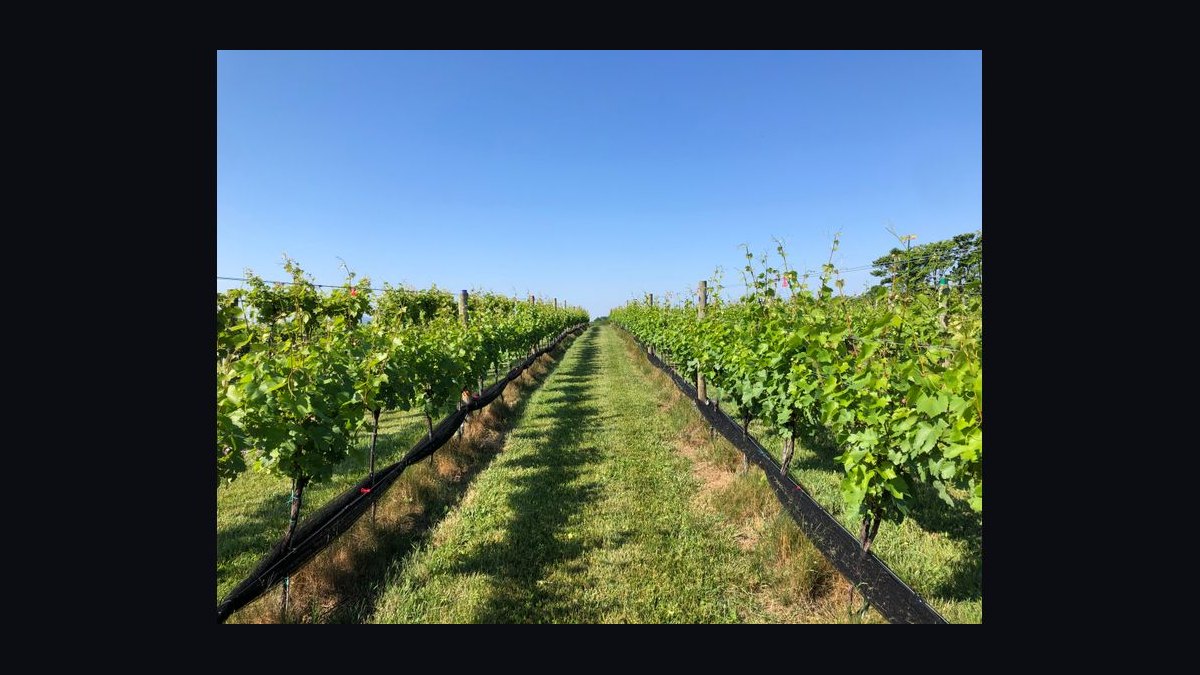
Type: Public (land-grant) | Tuition: $15,948/yr (in-state) | Best for: Students interested in East Coast and mid-Atlantic viticulture
Virginia Tech in Blacksburg, Virginia, enrolls roughly 38,000 students and supports viticulture and enology through its School of Plant and Environmental Sciences and the Alson H. Smith Jr. Agricultural Research and Extension Center, serving Virginia's growing wine industry. The program emphasizes mid-Atlantic grape growing, disease pressure unique to humid East Coast climates, and applied vineyard research. In-state tuition near $15,948/yr keeps the degree affordable for Virginia families, and the state's expanding wine sector offers internship and career pathways close to home.
Pros:
- Mid-Atlantic and humid-climate viticulture expertise
- Agricultural Research and Extension Center vineyard work
- In-state tuition near $15,948/yr stays affordable
- Ties to Virginia's fast-growing wine industry
Cons:
- Enology facilities are smaller than West Coast leaders
- Out-of-state tuition raises the cost
Verdict: Virginia Tech is the East Coast pick — strong for students targeting mid-Atlantic and humid-climate winemaking.
9. Michigan State University
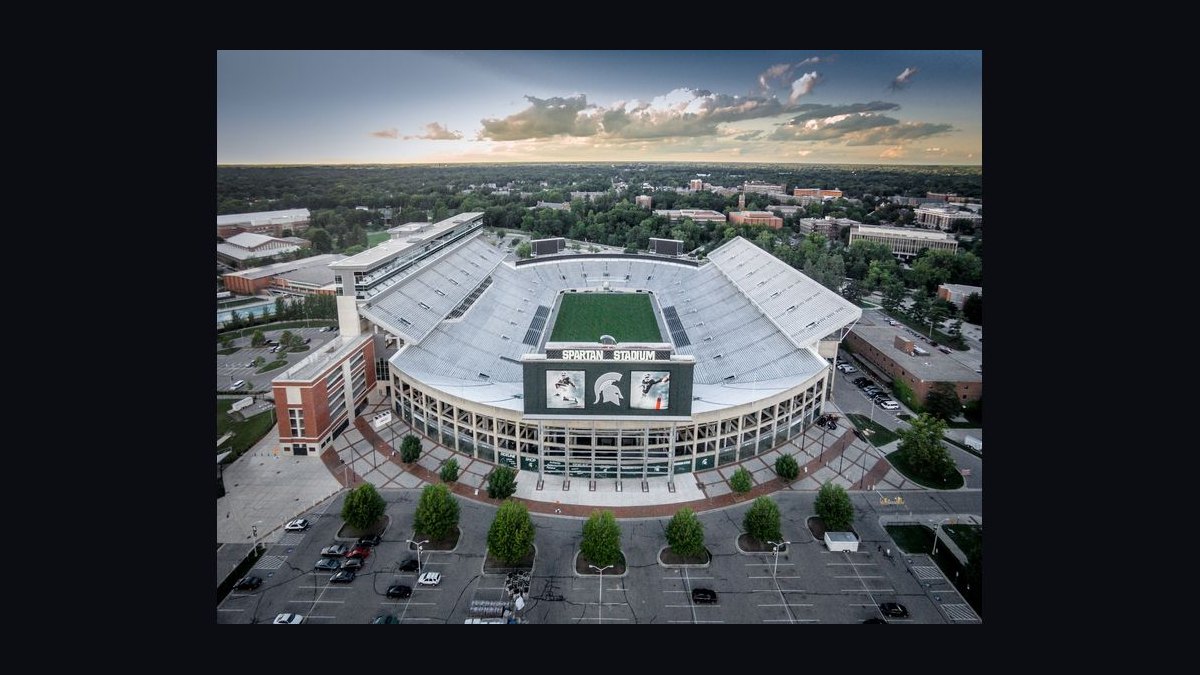
Type: Public (land-grant) | Tuition: $16,800/yr (in-state) | Best for: Students focused on cold-climate viticulture and Great Lakes wine
Michigan State University in East Lansing, Michigan, enrolls roughly 51,000 students and offers viticulture and enology coursework through its Department of Horticulture, supporting Michigan's cold-climate wine regions along Lake Michigan. The program specializes in cold-hardy grape varieties, winter survival, and the viticulture challenges unique to the Great Lakes, backed by extension research and vineyard trials. In-state tuition near $16,800/yr is reasonable, and graduates serve the growing Midwest and cold-climate wine sector that few programs address directly.
Pros:
- Cold-climate and cold-hardy grape variety expertise
- Great Lakes wine-region vineyard trials and extension
- Serves an underserved Midwest wine sector
- In-state tuition near $16,800/yr is reasonable
Cons:
- Smaller enology focus than dedicated wine schools
- Short growing season limits hands-on vineyard time
Verdict: Michigan State is the cold-climate pick — best for students targeting Great Lakes and cold-hardy viticulture.
10. Missouri State University
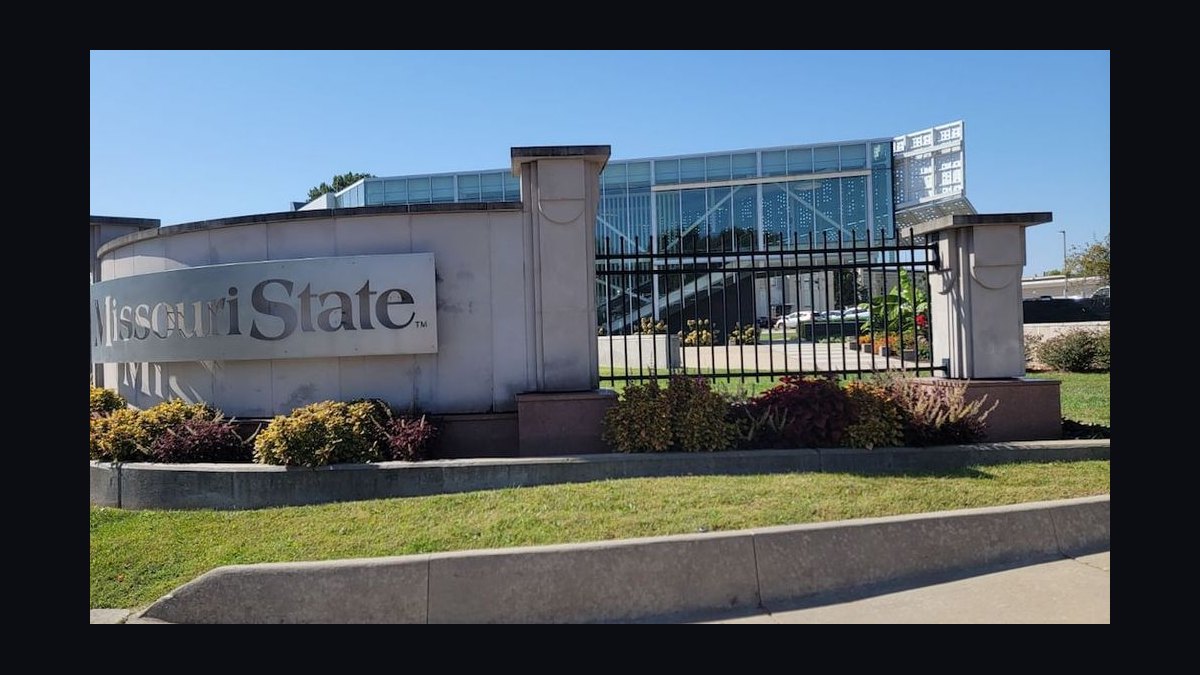
Type: Public | Tuition: $8,030/yr (in-state) | Best for: Students who want an affordable Midwest wine program
Missouri State University, through its Darr College of Agriculture and the Mountain Grove campus (home to the Missouri State Fruit Experiment Station and Grape and Wine Institute), enrolls roughly 23,000 students and offers a viticulture and enology pathway rooted in Missouri's historic wine country. The program emphasizes Norton and other regionally adapted grapes, applied vineyard research, and winery operations suited to the Midwest. In-state tuition near $8,030/yr is among the lowest here, and the dedicated research station gives students real vineyard and production exposure in an affordable package.
Pros:
- Grape and Wine Institute and Fruit Experiment Station access
- Focus on Norton and regionally adapted Midwest grapes
- Low in-state tuition near $8,030/yr
- Rooted in Missouri's historic wine country
Cons:
- Smaller national profile than UC Davis or Cornell
- Fewer large-scale research facilities than top programs
Verdict: Missouri State is the affordable Midwest pick — a dedicated wine research station and regional focus at a low price.
Which One's Right for You?
What to Look For When Choosing a Viticulture and Enology Program
- Teaching vineyard and research winery — Confirm the school has its own vineyard and a bonded or research winery. UC Davis, Washington State, Cal Poly, and Fresno State give students real grape-to-bottle production experience.
- Wine-region access — Proximity to working vineyards shapes internships and harvest jobs. Programs near Napa, the Willamette Valley, the Finger Lakes, or Washington's wine country offer richer real-world exposure.
- Climate specialization — Match the program to where you want to work. Cool-climate (Cornell, Oregon State), warm-climate (Texas A&M), and cold-climate (Michigan State) programs each train for different regions.
- Research versus hands-on focus — UC Davis and Cornell lead on science and research, while Cal Poly and Fresno State emphasize learn-by-doing production. Decide which fits your goals.
- Cost and value — In-state public programs like Fresno State, Missouri State, and Washington State deliver real vineyard access for a fraction of private tuition. Weigh total cost against facilities.
- Industry partnerships and internships — Look for harvest internships, extension ties, and alumni networks that place graduates into wineries after school.
What matters less than marketing implies: a school's overall prestige ranking, campus aesthetics, and headline enrollment. Whether you get hands in a real vineyard and winery, and how close you are to working wine regions, affect your career far more.
FAQ
Which university is the best overall for viticulture and enology? UC Davis earns our top spot as the world's leading wine-science program, with its Robert Mondavi Institute research winery, teaching vineyard, and graduates filling roles across Napa, Sonoma, and global wine regions.
What is the best value viticulture and enology program? Washington State University is our value leader, offering a modern research winery and real vineyard access in the nation's second-largest wine state for in-state tuition near $12,300/yr.
Which school has a student-run commercial winery? Fresno State is home to the first bonded, fully commercial winery on a U.S. university campus, where students produce, bottle, and sell award-winning wine for genuine end-to-end experience.
Which programs are best for cool-climate winemaking? Cornell leads on cool-climate viticulture from the Finger Lakes, and Oregon State offers immersion in the Willamette Valley Pinot Noir region — both ideal for cool-region winemaking careers.
Do I need to be in California to study winemaking? No. Strong programs exist nationwide: Cornell in New York, Washington State and Oregon State in the Pacific Northwest, Texas A&M for warm climates, and Michigan State for cold-climate grapes all serve their regions well.
How important is vineyard and winery access versus classroom study? Hands-on vineyard and winery work is central to winemaking. The best programs pair coursework with real grape growing and fermentation, so prioritize schools with a teaching vineyard and a bonded or research winery.
Bottom Line
For viticulture and enology, UC Davis is our Best Overall — the world's leading wine-science department, with a research winery, teaching vineyard, and graduates across global wine regions, all at in-state tuition near $14,648/yr. Washington State University, at in-state tuition near $12,300/yr, is our Best Value, delivering a modern research winery and real vineyard access in major wine country.
If your priorities lean toward cool-climate research, hands-on commercial production, or affordable Midwest study, use the decision tree above to route yourself to Cornell, Oregon State, Cal Poly, Fresno State, or Missouri State instead. Choose on vineyard access, winery facilities, and total cost — not prestige headlines — and your harvest experience will carry your career.
Related on PULSE
- [Top 10 Universities for Pre-Med Students in 2027](/knowledge/sc0380)
- [Top 10 Historically Black Colleges and Universities in the Southeast in 2027](/knowledge/sc0404)
- [Top 10 Universities for Pre-Law Students in 2027](/knowledge/sc0381)
- [Top 10 Universities for Business Analytics in 2027](/knowledge/sc0379)
- [Top 10 Best Historically Black Colleges and Universities in 2027](/knowledge/sc0378)
- [Top 10 Public Universities in Michigan in 2027](/knowledge/sc0347)
Sources
- U.S. News — Best Colleges and agriculture program rankings
- Niche — Best Colleges for Agricultural Sciences
- NCES — College Navigator tuition and enrollment data
- College Board — BigFuture college search
- ASEV — American Society for Enology and Viticulture
- UC Davis — Department of Viticulture and Enology
- Cornell — Viticulture and Enology / Cornell AgriTech
- Washington State University — Viticulture and Enology
- Oregon State University — Oregon Wine Research Institute
- Cal Poly SLO — Wine and Viticulture
*Viticulture and enology programs review — best winemaking and viticulture colleges, rankings, ratings, review 2027, and a review of the top wine-science universities for students and families.*
People also search for: best universities for viticulture and enology · top universities for viticulture and enology · top rated universities for viticulture and enology · top ranked universities for viticulture and enology · highest rated universities for viticulture and enology · universities for viticulture and enology reviews
@Kory-White- · if Venmo asks, the last 4 of my number are 2012
 pulse-moviesTop 10 Movies on Max 2027
 pulse-moviesTop 10 Movies on Netflix 2027
 pulse-moviesTop 10 Fantasy Movies of All Time in 2027
 pulse-moviesTop 10 Documentaries of All Time in 2027
 pulse-moviesTop 10 Superhero Movies of All Time in 2027
 pulse-moviesTop 10 Romance Movies of All Time in 2027
 pulse-moviesTop 10 Westerns of All Time in 2027
 pulse-moviesTop 10 Musical Movies of All Time in 2027
 pulse-moviesTop 10 Thriller Movies of All Time in 2027
 pulse-moviesTop 10 Crime Movies of All Time in 2027