
Top 10 Universities for Agricultural Science in 2027
 Curated byKory White · Fractional CRO · Maryland
 PULSEKNOWLEDGE LIBRARY
The Best Overall university for agricultural science is the University of California, Davis, whose College of Agricultural and Environmental Sciences is ranked the #1 agriculture program in the world by several global subject rankings, backed by enormous research funding and land-grant breadth. The Best Value pick is Iowa State University, a flagship land-grant in the heart of the Corn Belt where in-state tuition near $9,300/yr delivers elite agronomy and ag-engineering training at a low cost. This list is built for students and families choosing where to study crop science, animal science, agronomy, food science, and agricultural economics, weighing research strength, land-grant resources, career outcomes, and total cost. Every pick uses real, publicly reported figures from U.S. News, NCES, and university sources.
How We Ranked the Top 10
We weighted each program against what agricultural science students and employers actually value, drawing on published data from U.S. News & World Report, the QS World University Rankings (Agriculture & Forestry), NCES College Navigator, the USDA National Institute of Food and Agriculture (NIFA), College Board, and university college-of-agriculture pages. The weighting:
- Academic performance and program rank — 25%
- Research output and funding — 20%
- Value and cost — 15%
- Land-grant resources, farms, and extension — 15%
- Career outcomes and industry ties — 15%
- Environment, location, and student fit — 10%
A famous name with thin research, or strong labs with weak placement, drops fast. The winners pair top research with the land-grant farms, extension networks, and recruiting that turn coursework into careers.
1. University of California, Davis 🏆 BEST OVERALL

Type: Public (land-grant) | Tuition: $14,654/yr (in-state) / $46,686/yr (out-of-state) | Best for: Students who want the world's top-ranked agriculture program
In Davis, California, UC Davis enrolls about 40,000 students and runs the College of Agricultural and Environmental Sciences, repeatedly ranked the #1 agriculture and forestry program globally by QS. The university admits roughly 42% of applicants with a middle SAT range near 1170–1430. As a land-grant institution, Davis operates extensive research farms, vineyards, and the world-leading viticulture and enology program, plus powerhouse departments in plant sciences, animal science, food science, and agricultural economics. The college draws enormous USDA NIFA and NSF funding, and its location in California's Central Valley — the most productive agricultural region in the country — gives students direct ties to growers, food companies, and ag-tech firms.
Pros:
- Ranked #1 in the world for agriculture by QS
- Land-grant research farms plus elite viticulture and food science
- Massive USDA, NSF, and industry research funding
- Central Valley location at the heart of U.S. agriculture
Cons:
- Out-of-state tuition is high at over $46,000/yr
- Large university can feel impersonal in early courses

Verdict: UC Davis wins on research, ranking, and land-grant breadth — the most complete agricultural science program in the world.
2. Cornell University

Type: Private (with state-supported land-grant college) | Tuition: $45,070/yr (NY residents, CALS) / $71,170/yr (private rate) | Best for: Students who want Ivy League research with land-grant agriculture
In Ithaca, New York, Cornell enrolls about 26,000 students and houses the College of Agriculture and Life Sciences (CALS) — a unique state-supported land-grant college inside an Ivy League university. Cornell admits roughly 7% of applicants, with a middle SAT range near 1470–1560. CALS is consistently ranked among the top agriculture programs worldwide, with leading departments in plant breeding, entomology, animal science, food science, and applied economics. New York residents enrolled in CALS pay a reduced statutory tuition, a meaningful value advantage. The college operates research farms and a strong Cooperative Extension network statewide, and its graduates place into top research, food-industry, and policy roles.
Pros:
- Ivy League research strength with a land-grant ag college
- Reduced statutory tuition for New York residents
- World-leading plant breeding and applied economics programs
- Strong Cooperative Extension and research farm network
Cons:
- Private (non-resident) tuition exceeds $71,000/yr
- Highly selective admission
Verdict: The Ivy land-grant pick — elite research and farms, with real tuition savings for New York students.
3. Wageningen-style research strength: Texas A&M University

Type: Public (land-grant) | Tuition: $13,239/yr (in-state) / $40,087/yr (out-of-state) | Best for: Students who want a huge land-grant with deep agriculture roots
While the Netherlands' Wageningen University tops global agriculture rankings, the strongest U.S. equivalent for that research-and-extension model is Texas A&M University in College Station, Texas. Enrolling more than 74,000 students, A&M runs the College of Agriculture and Life Sciences and the vast Texas A&M AgriLife research and extension system — one of the largest agricultural research enterprises in the nation. A&M admits about 63% of applicants with a middle SAT band near 1180–1390. Its strengths span animal science, soil and crop sciences, entomology, poultry science, and agricultural economics, supported by extensive research farms across Texas and deep ties to ranching, row-crop, and food-industry employers.

Pros:
- Texas A&M AgriLife — one of the largest ag research systems in the U.S.
- Broad land-grant strength across animal, crop, and soil science
- Extensive statewide research farms and extension network
- Affordable in-state tuition for the program scale
Cons:
- Out-of-state tuition climbs above $40,000/yr
- Very large classes early in the program
Verdict: The land-grant powerhouse — A&M's AgriLife system delivers Wageningen-style research and extension at U.S. public-school cost.
4. Purdue University

Type: Public (land-grant) | Tuition: $9,992/yr (in-state) / $28,794/yr (out-of-state) | Best for: Students wanting top agronomy and agricultural engineering in the Corn Belt
Purdue, in West Lafayette, Indiana, enrolls about 51,000 students and runs the College of Agriculture, consistently ranked among the top agriculture programs in the world. Purdue admits roughly 53% of applicants with a middle SAT range near 1190–1440. As an Indiana land-grant, Purdue is a leader in agronomy, agricultural and biological engineering, plant breeding, and agricultural economics, with strong USDA-funded research and a famous frozen tuition policy that has held rates flat for over a decade. Its Corn Belt location gives students direct access to row-crop agriculture, seed companies, and major ag-machinery employers like John Deere and Corteva.
Pros:
- Top-ranked agronomy and agricultural engineering programs
- Long tuition freeze keeps costs among the lowest
- Corn Belt access to seed, machinery, and crop employers
- Strong USDA-funded research and modern facilities
Cons:
- Out-of-state tuition higher than in-state Corn Belt peers
- Large engineering-heavy campus culture
Verdict: The Corn Belt engineering pick — elite agronomy and ag-engineering at a frozen, low tuition.

5. Iowa State University 💎 BEST VALUE

Type: Public (land-grant) | Tuition: $9,320/yr (in-state) / $26,108/yr (out-of-state) | Best for: Students wanting flagship land-grant agriculture at the lowest cost
Iowa State, in Ames, Iowa, enrolls about 30,000 students and runs the College of Agriculture and Life Sciences, one of the original land-grant institutions and a perennial top program. ISU admits roughly 88% of applicants with a middle SAT range near 1010–1280. Sitting in the center of the Corn Belt, Iowa State offers exceptional strength in agronomy, animal science, agricultural engineering, and agricultural business, supported by extensive research farms and the renowned Iowa State Extension network. With in-state tuition near $9,300 and low out-of-state rates, ISU delivers elite agricultural training at the best price on this list.
Pros:
- Lowest in-state tuition among the top programs at $9,320
- Original land-grant with deep agronomy and animal science strength
- Center-of-the-Corn-Belt research farms and extension
- Strong recruiting into seed, livestock, and ag-business employers
Cons:
- General university rank trails the most selective peers
- Less name recognition outside agriculture
Verdict: The value champion — flagship land-grant agriculture at the lowest tuition on the list.
6. University of Wisconsin–Madison

Type: Public (land-grant) | Tuition: $11,205/yr (in-state) / $40,603/yr (out-of-state) | Best for: Students wanting top dairy, food science, and soil research
UW–Madison, in Madison, Wisconsin, enrolls about 50,000 students and runs the College of Agricultural and Life Sciences (CALS), a top-tier land-grant program. Madison admits roughly 49% of applicants with a middle SAT range near 1330–1480. Wisconsin is historically the nation's dairy research leader, with standout departments in dairy science, food science, soil science, and agronomy, supported by USDA funding and the famous Babcock dairy and food research traditions. The university's extensive research stations and extension network and ties to the food and dairy industries give students strong applied experience and recruiting.
Pros:
- National leader in dairy and food science research
- Strong soil science and agronomy departments
- Extensive research stations and extension network
- Reasonable in-state tuition for the research quality

Cons:
- Out-of-state tuition exceeds $40,000/yr
- Cold-climate location limits some field seasons
Verdict: The dairy and food-science leader — best for students drawn to dairy, food, and soil research.
7. University of Illinois Urbana-Champaign

Type: Public (land-grant) | Tuition: $17,138/yr (in-state, ACES) / $36,068/yr (out-of-state) | Best for: Students wanting crop science and agricultural economics in prime farmland
Illinois, in Urbana-Champaign, enrolls about 56,000 students and runs the College of Agricultural, Consumer and Environmental Sciences (ACES), a top land-grant program set amid some of the most productive farmland in the world. Illinois admits roughly 45% of applicants with a middle SAT range near 1230–1480. ACES is especially strong in crop sciences, agricultural and consumer economics, and animal sciences, with major USDA-funded research and the renowned Morrow Plots, the oldest continuous agricultural experiment field in the Americas. The program's location in central Illinois gives students direct ties to row-crop agriculture and ag-business employers.
Pros:
- Elite crop science and agricultural economics programs
- Home of the historic Morrow Plots research field
- Located in prime central-Illinois farmland
- Strong USDA research funding and recruiting
Cons:
- In-state ACES tuition higher than Corn Belt peers
- Large campus can feel sprawling
Verdict: The crop-science and ag-econ pick — top research set in the nation's best farmland.
8. Michigan State University


Type: Public (land-grant) | Tuition: $16,634/yr (in-state) / $42,427/yr (out-of-state) | Best for: Students wanting the pioneering land-grant with broad agriculture
Michigan State, in East Lansing, Michigan, enrolls about 51,000 students and runs the College of Agriculture and Natural Resources (CANR). MSU is the pioneer land-grant university — the model for the 1862 Morrill Act system — and admits roughly 83% of applicants with a middle SAT range near 1100–1320. CANR offers wide-ranging strength in crop and soil sciences, animal science, horticulture, food science, and agricultural economics, supported by extensive AgBioResearch farms and MSU Extension across Michigan's diverse agriculture. The program's breadth and applied research make it a strong, accessible choice for students across many agricultural fields.
Pros:
- Founding land-grant university with deep agricultural tradition
- Broad strength across crop, animal, and horticulture sciences
- Extensive AgBioResearch farms and statewide extension
- Accessible admission for a top program
Cons:
- Out-of-state tuition exceeds $42,000/yr
- General rank trails the most selective peers
Verdict: The original land-grant — broad, applied agriculture for students who value tradition and access.
9. University of Florida

Type: Public (land-grant) | Tuition: $6,381/yr (in-state) / $28,659/yr (out-of-state) | Best for: Students wanting subtropical agriculture at very low in-state cost
The University of Florida, in Gainesville, Florida, enrolls about 55,000 students and runs the Institute of Food and Agricultural Sciences (IFAS) — a vast research, teaching, and extension enterprise. UF admits roughly 23% of applicants with a middle SAT range near 1330–1470. IFAS is a leader in subtropical and specialty crop research, horticulture, animal science, food science, and agricultural economics, with research stations spread across Florida's climate zones and one of the strongest extension networks in the country. With in-state tuition near $6,400, among the lowest of any flagship, UF offers exceptional value for students focused on warm-climate and specialty agriculture.
Pros:
- Among the lowest in-state tuition of any flagship at $6,381
- IFAS leadership in subtropical and specialty crop research
- Statewide research stations and strong extension
- Strong horticulture and food science programs
Cons:
- Subtropical focus less suited to row-crop interests
- Out-of-state tuition rises toward $28,000/yr
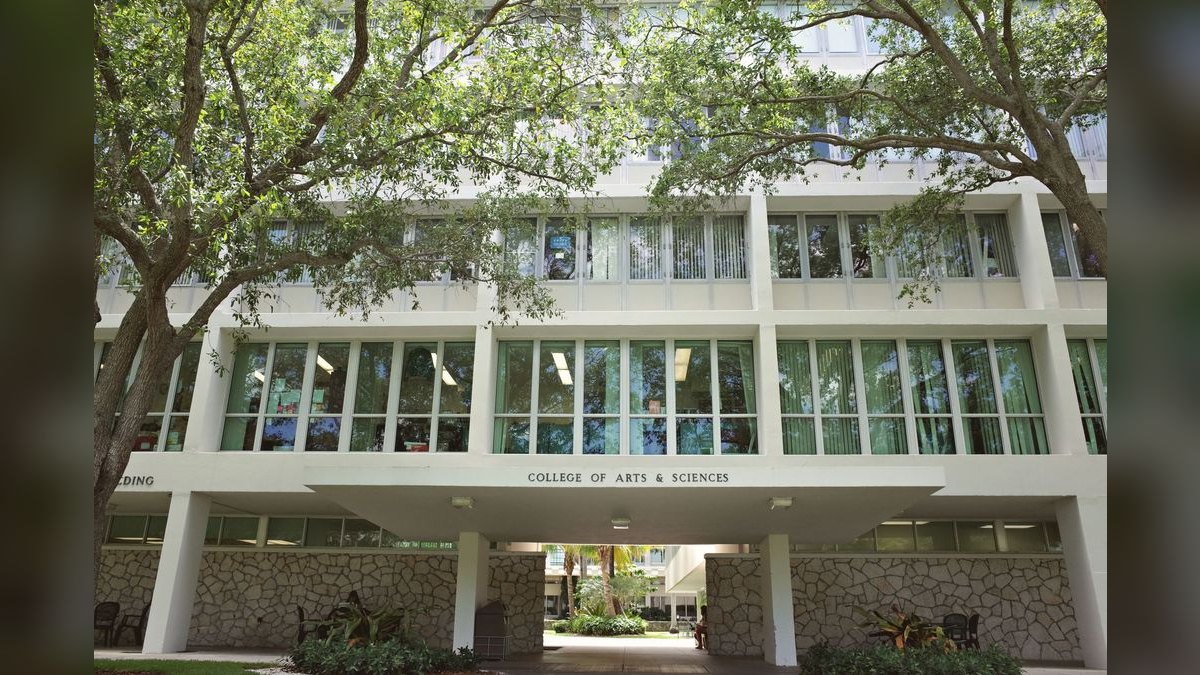
Verdict: The specialty-crop value play — exceptional in-state cost and strong subtropical agriculture research.
10. North Carolina State University

Type: Public (land-grant) | Tuition: $9,131/yr (in-state) / $31,809/yr (out-of-state) | Best for: Students wanting ag biotech, animal science, and agricultural engineering
NC State, in Raleigh, North Carolina, enrolls about 38,000 students and runs the College of Agriculture and Life Sciences (CALS), a strong land-grant program with deep biotechnology ties. NC State admits roughly 47% of applicants with a middle SAT range near 1260–1420. CALS excels in agricultural and biological engineering, animal science, crop and soil sciences, and plant biotechnology, supported by research stations statewide and proximity to the Research Triangle's agricultural-biotech industry. With low in-state tuition and strong recruiting into food, biotech, and crop-science employers, NC State rounds out a list of top land-grant programs.
Pros:
- Strong agricultural and biological engineering and biotech
- Research Triangle ties to ag-biotech industry
- Statewide research stations and extension network
- Low in-state tuition at $9,131
Cons:
- Out-of-state tuition exceeds $31,000/yr
- Less national name recognition in agriculture
Verdict: The ag-biotech and engineering pick — strong applied research with Research Triangle industry access.
Which One's Right for You?
What to Look For When Choosing an Agricultural Science Program
- Land-grant status and research farms — The strongest programs are land-grant universities with on-campus research farms, experiment stations, and extension networks that turn classroom science into field experience.
- Program-specific strength — Match the school to your focus: UC Davis for viticulture, Wisconsin for dairy, Purdue and Iowa State for agronomy and ag-engineering, NC State for biotech.
- USDA and NSF research funding — High USDA NIFA and NSF funding signals active labs, graduate research, and undergraduate research opportunities.
- Location and regional agriculture — Corn Belt schools suit row-crop and livestock interests; California and Florida suit specialty and subtropical crops; pick the region that matches your goals.
- Total cost vs. outcomes — Compare in-state tuition with placement; many flagship land-grants like Iowa State, Florida, and NC State deliver elite training at very low cost.
- Extension and industry ties — Strong Cooperative Extension programs and employer recruiting into seed, food, livestock, and ag-tech companies drive real career outcomes.
What matters less than marketing implies: overall university rankings, campus amenities, and athletics reputation. For agricultural science, the specific department's research, land-grant farms, extension network, and regional industry ties shape your education and career far more than a school's general brand.
FAQ
Which university is best overall for agricultural science? UC Davis earns our top spot, ranked the #1 agriculture program in the world by QS, with massive research funding, elite viticulture and food science, and full land-grant farm and extension resources.
What is the best value agricultural science program? Iowa State University offers flagship land-grant agriculture at in-state tuition near $9,300/yr, the best outcomes-per-dollar on this list, with the University of Florida close behind on cost.
Why are land-grant universities so strong in agriculture? Land-grant institutions were chartered under the Morrill Act specifically to advance agriculture, so they operate research farms, experiment stations, and Cooperative Extension networks that give students hands-on field training other schools lack.
Which schools are best for a specific agriculture focus? UC Davis leads viticulture and food science, Wisconsin leads dairy, Purdue and Iowa State lead agronomy and ag-engineering, Illinois leads crop science and ag-economics, and NC State leads ag-biotech.
Do agricultural science majors have good career prospects? Yes — graduates place into seed and crop-science companies, livestock and food producers, ag-machinery firms, USDA and extension roles, and agricultural biotechnology, with strong demand for agronomists, food scientists, and ag engineers.
Is the University of Florida really cheaper than other top programs? Yes — UF's in-state tuition near $6,400 is among the lowest of any U.S. flagship, while its IFAS institute still delivers top-tier subtropical and specialty-crop research and extension.
Bottom Line
For agricultural science, UC Davis is our Best Overall — the world's #1-ranked program, with elite research, land-grant farms, and unmatched breadth from viticulture to animal science. Iowa State University is our Best Value, pairing flagship land-grant agriculture with in-state tuition near $9,300/yr. If your priorities lean toward Ivy League research, dairy, crop science, ag-biotech, or subtropical specialty crops, use the decision tree above to route yourself to Cornell, Wisconsin, Illinois, NC State, or Florida instead. Choose on the department's research strength, land-grant resources, and regional industry ties — not general university brand — and you will graduate ready to lead in agriculture.
Related on PULSE
- [Top 10 Agricultural Colleges in the Midwest in 2027](/knowledge/sc0403)
- [Top 10 Universities for Environmental Science in 2027](/knowledge/sc0334)
- [Top 10 Universities for Political Science in 2027](/knowledge/sc0229)
- [Top 10 Universities for Data Science in 2027](/knowledge/sc0145)
- [Top 10 Universities for Actuarial Science in 2027](/knowledge/sc0097)
- [Top 10 Universities for Forensic Science in 2027](/knowledge/sc0095)
Sources
- U.S. News — Best Colleges for Agricultural Sciences
- QS World University Rankings — Agriculture & Forestry
- NCES College Navigator — enrollment and tuition data
- USDA National Institute of Food and Agriculture (NIFA)
- College Board — admissions and test-score data
- UC Davis College of Agricultural and Environmental Sciences
- Cornell College of Agriculture and Life Sciences (CALS)
- Iowa State College of Agriculture and Life Sciences
- Purdue College of Agriculture
- University of Florida IFAS
*Agricultural science universities review — best agricultural science schools, rankings, ratings, review 2027, and a review of the top university picks for students and families.*
People also search for: best universities for agricultural science · top universities for agricultural science · top rated universities for agricultural science · top ranked universities for agricultural science · highest rated universities for agricultural science · universities for agricultural science reviews
@Kory-White- · if Venmo asks, the last 4 of my number are 2012
 pulse-moviesTop 10 Movies on Netflix 2027
 pulse-moviesTop 10 Movies on Max 2027
 pulse-moviesTop 10 Fantasy Movies of All Time in 2027
 pulse-moviesTop 10 Documentaries of All Time in 2027
 pulse-moviesTop 10 Superhero Movies of All Time in 2027
 pulse-moviesTop 10 Romance Movies of All Time in 2027
 pulse-moviesTop 10 Westerns of All Time in 2027
 pulse-moviesTop 10 Musical Movies of All Time in 2027
 pulse-moviesTop 10 Thriller Movies of All Time in 2027
 pulse-moviesTop 10 Crime Movies of All Time in 2027