


Top 10 Medical Schools for Primary Care in 2027
Quality
Certified
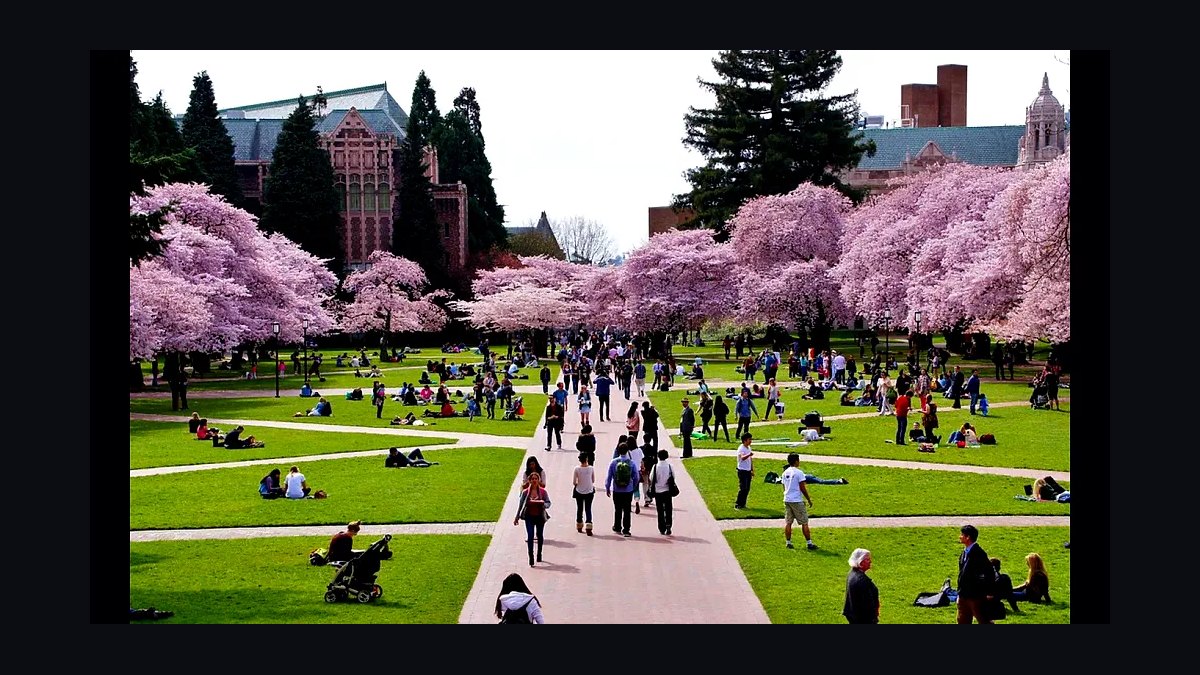
The Best Overall medical school for primary care in 2027 is the University of Washington School of Medicine, a powerhouse whose WWAMI regional training program (Washington, Wyoming, Alaska, Montana, Idaho) produces more primary care physicians than any other U.S. medical school — with over 50% of its graduates entering primary care residencies.
The Best Value pick is the University of Texas Southwestern Medical Center, a tuition-friendly public institution that combines strong primary care training with low in-state costs and high match rates into family medicine, internal medicine, and pediatrics programs. This list is built for pre-med students and career changers weighing where to apply across the United States, with a focus on primary care outcomes, residency placement, cost, and community health impact.
Every pick uses real, publicly reported data from the Association of American Medical Colleges (AAMC), U.S. News & World Report, and individual school match lists.
How We Ranked the Top 10
We weighted each school against the priorities that primary care-focused applicants and residency directors tell the AAMC and U.S. News they actually value, drawing on published figures from the AAMC Graduation Questionnaire, U.S. News Primary Care Rankings, the National Resident Matching Program (NRMP), and individual school match data. The weighting:
- Primary care residency match rate — 30%
- Cost and value (tuition, scholarships) — 20%
- Community health and rural training — 20%
- Curriculum and clinical exposure — 15%
- Student satisfaction and support — 10%
- Faculty and research in primary care — 5%
A school that posts elite research rankings but sends few graduates into family medicine, internal medicine, pediatrics, or OB/GYN drops fast. The winners balance all six — and demonstrate a genuine commitment to training primary care physicians for underserved and rural communities.
1University of Washington School of Medicine 🏆 BEST OVERALL
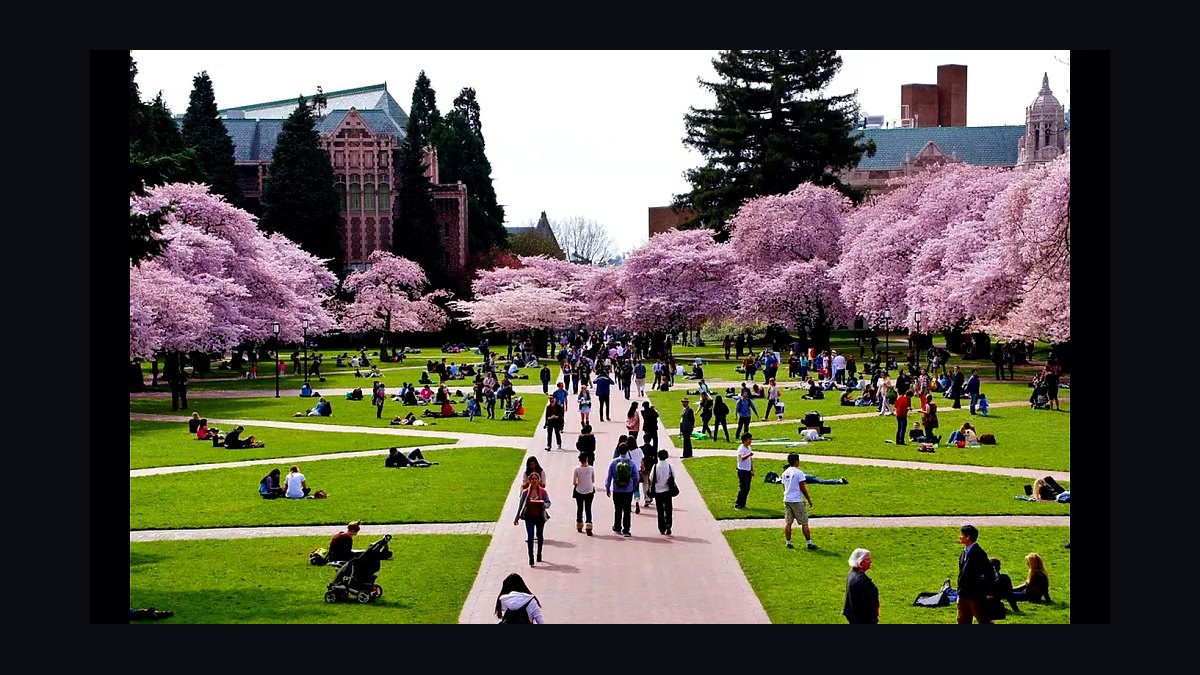
Type: Public | Tuition: ~$40,000/year (in-state), ~$70,000/year (out-of-state) | Best for: Students committed to primary care in rural and underserved communities
Located in Seattle, Washington, the University of Washington School of Medicine enrolls roughly 1,000 students across its five-state WWAMI region (Washington, Wyoming, Alaska, Montana, Idaho). UW consistently ranks #1 in U.S. News for primary care and graduates over 50% of its class into primary care residencies — family medicine, internal medicine, pediatrics, and OB/GYN.
The school's Rural/Underserved Opportunities Program (R/UOP) places students in remote clinics for extended rotations, and its Teaching Health Center model integrates community health training from year one. Average MCAT scores for admitted students are around 513, and the school's student-to-faculty ratio of about 3:1 supports mentorship. Matriculation into primary care residencies is unmatched, with many graduates staying in the Pacific Northwest to serve Medicaid and uninsured populations.
Its Family Medicine Residency Network is the largest in the country.
2University of Texas Southwestern Medical Center 🏆 BEST VALUE
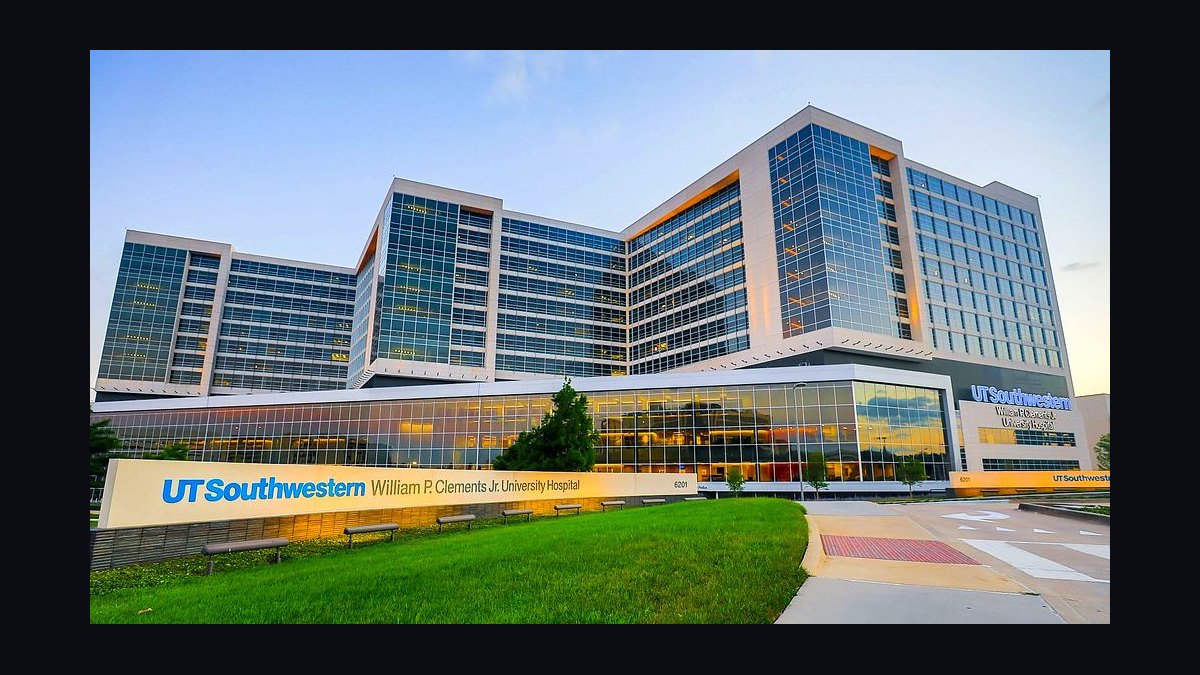
Type: Public | Tuition: ~$25,000/year (in-state), ~$50,000/year (out-of-state) | Best for: Texas residents seeking low-cost, high-quality primary care training
Located in Dallas, Texas, UT Southwestern Medical School enrolls roughly 1,200 students and is a top-10 public medical school for primary care. Its in-state tuition is among the lowest of any top-ranked program, and the school offers full-tuition scholarships to many students from underserved backgrounds.
UT Southwestern graduates over 40% of its class into primary care residencies, with strong matches into family medicine at Parkland Memorial Hospital and internal medicine at UT Southwestern's own teaching hospital. The school's Primary Care Scholars Program provides mentorship, clinical exposure, and loan repayment assistance for students committing to primary care. Average MCAT scores are around 515, and the school's student-to-faculty ratio of 4:1 supports close advising.
Its Parkland Health System partnership gives students hands-on training in a safety-net hospital serving a diverse, low-income population.
3University of North Carolina at Chapel Hill
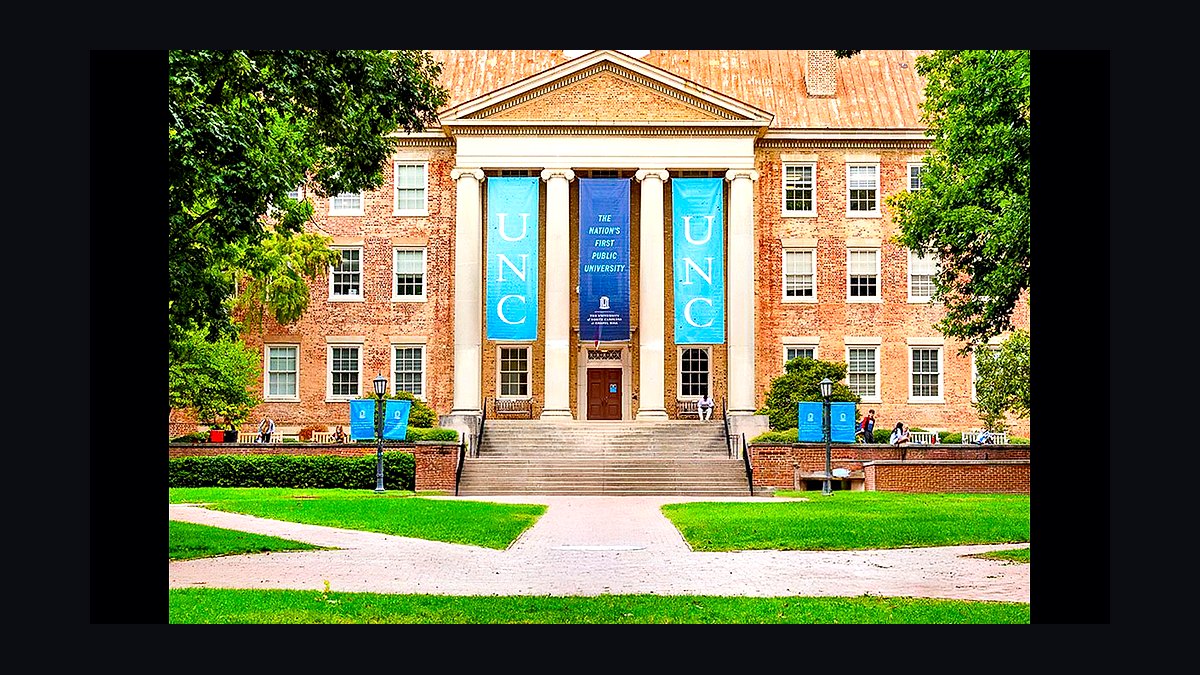
Type: Public | Tuition: ~$25,000/year (in-state), ~$60,000/year (out-of-state) | Best for: Students seeking a top-ranked public school with strong rural medicine programs
Located in Chapel Hill, North Carolina, the UNC School of Medicine enrolls roughly 1,000 students and is consistently ranked top-5 in U.S. News for primary care. Its North Carolina Rural Medicine Program places students in community health centers across the state, and its MD with Distinction in Primary Care track offers accelerated clinical training and loan forgiveness.
UNC graduates over 45% of its class into primary care residencies, with strong matches into family medicine at UNC Hospitals and pediatrics at Duke. The school's student-to-faculty ratio of 5:1 supports mentorship, and its average MCAT scores are around 514. UNC's Area Health Education Centers (AHEC) program provides statewide clinical rotations in underserved areas, making it a top choice for students committed to rural health and health equity.
4University of California, San Francisco
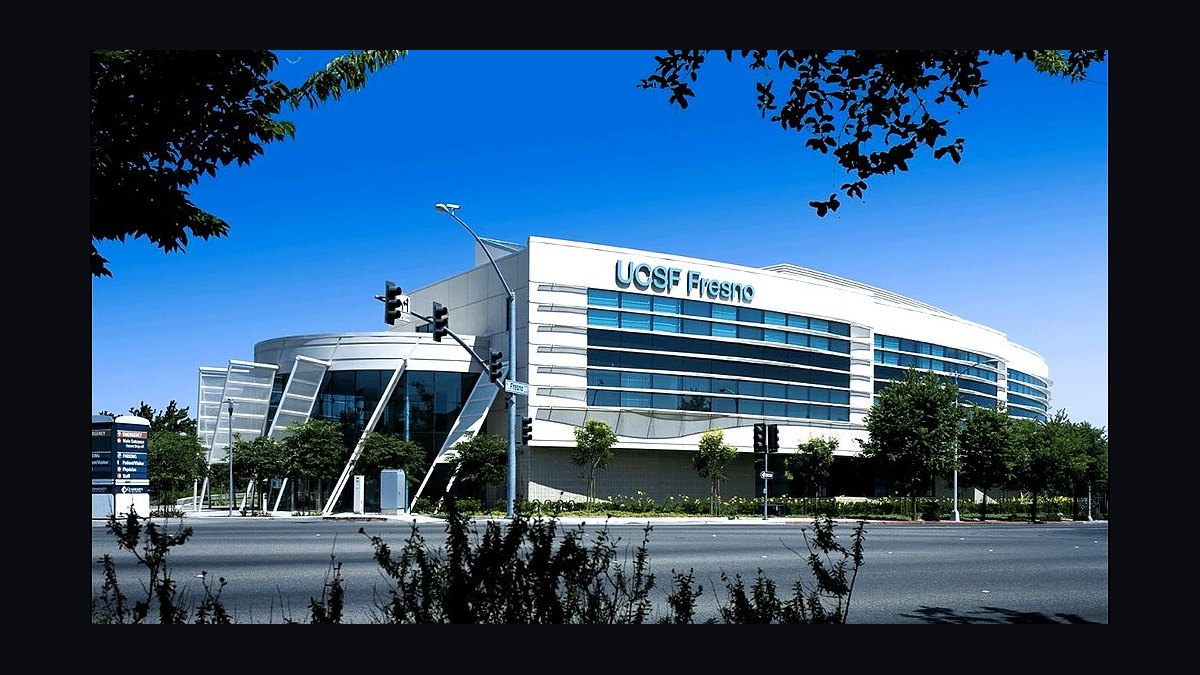
Type: Public | Tuition: ~$40,000/year (in-state), ~$55,000/year (out-of-state) | Best for: Students focused on urban underserved and health systems innovation
Located in San Francisco, California, UCSF School of Medicine enrolls roughly 700 students and is a top-5 medical school overall with a strong primary care focus. Its Program in Medical Education for the Urban Underserved (PRIME-US) trains students to serve low-income and immigrant populations in urban settings.
UCSF graduates over 40% of its class into primary care residencies, with strong matches into internal medicine at UCSF Medical Center and family medicine at Zuckerberg San Francisco General Hospital. The school's average MCAT scores are around 518, and its student-to-faculty ratio of 4:1 supports close mentorship. UCSF's Healthforce Center and Center for Excellence in Primary Care conduct research on primary care delivery models, giving students exposure to health policy and systems thinking.
5University of Colorado School of Medicine
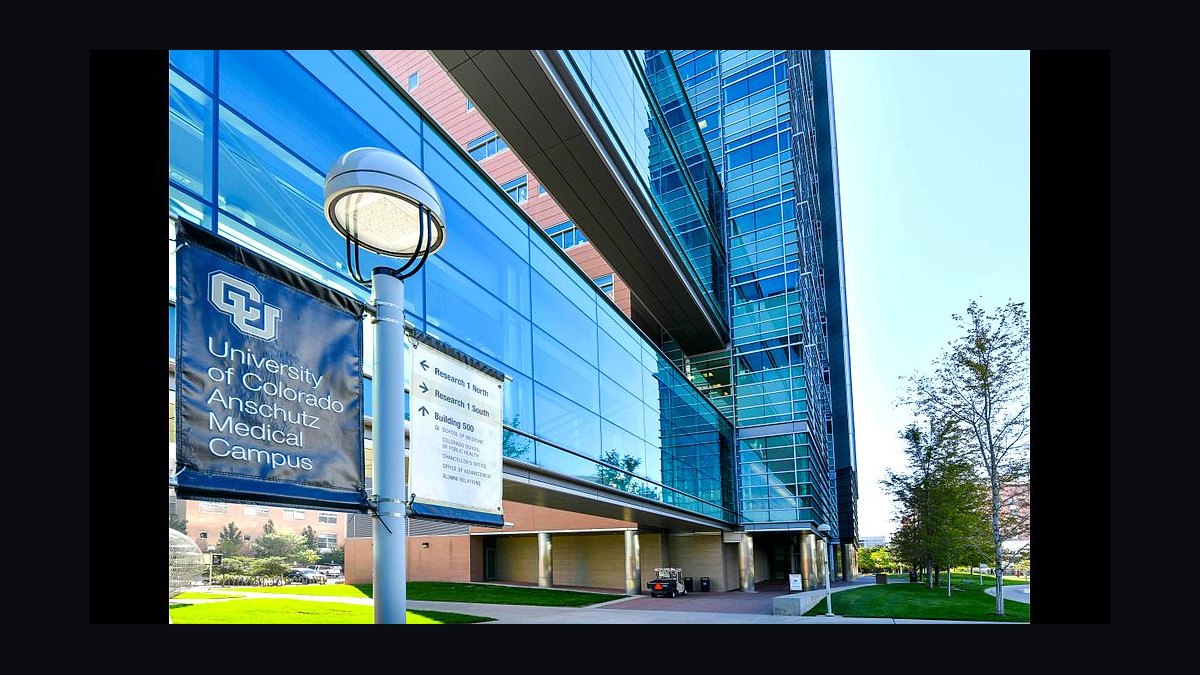
Type: Public | Tuition: ~$35,000/year (in-state), ~$60,000/year (out-of-state) | Best for: Students interested in rural and mountain region primary care
Located in Aurora, Colorado, the University of Colorado School of Medicine enrolls roughly 1,100 students and is a top-10 public medical school for primary care. Its Rural Track Program places students in community clinics across Colorado's rural and mountain regions, and its CU Medicine Primary Care Initiative offers loan repayment for graduates who practice in underserved areas.
CU graduates over 45% of its class into primary care residencies, with strong matches into family medicine at Denver Health and pediatrics at Children's Hospital Colorado. The school's average MCAT scores are around 512, and its student-to-faculty ratio of 4:1 supports hands-on training. CU's Center for Bioethics and Humanities integrates social determinants of health into the curriculum, preparing students for community-oriented primary care.
6University of Michigan Medical School
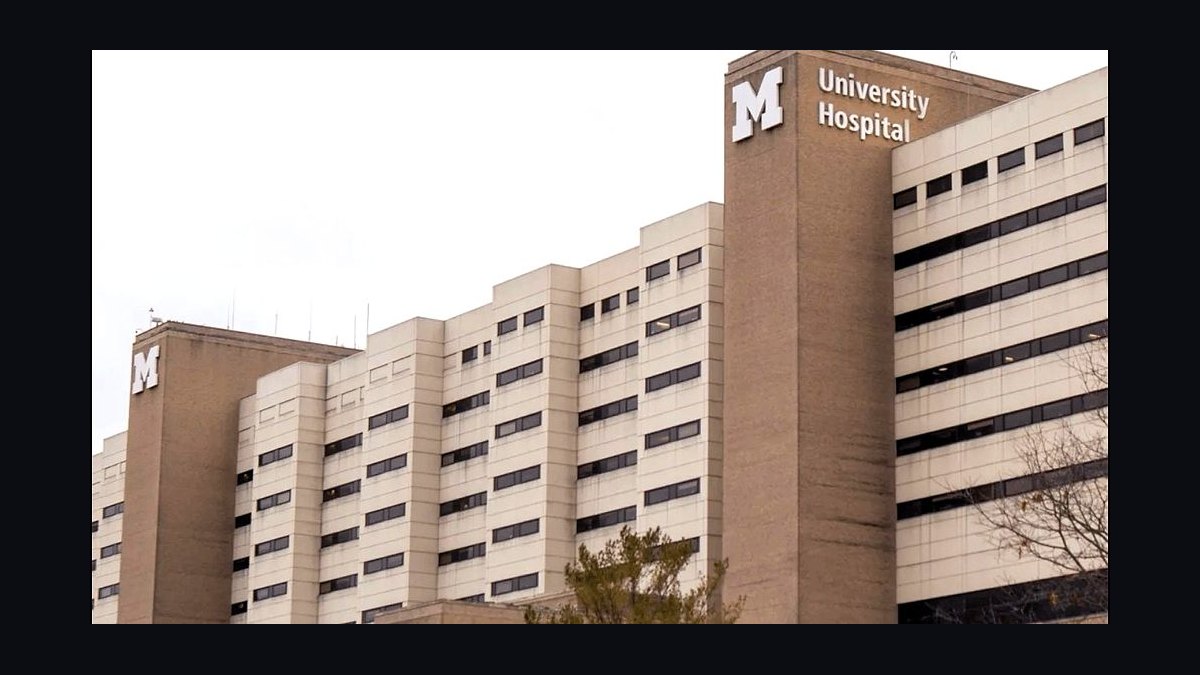
Type: Public | Tuition: ~$40,000/year (in-state), ~$60,000/year (out-of-state) | Best for: Students seeking a top-tier research school with strong primary care pathways
Located in Ann Arbor, Michigan, the University of Michigan Medical School enrolls roughly 1,200 students and is a top-10 medical school overall with a strong primary care focus. Its Primary Care Track offers accelerated clinical training and community-based rotations at Michigan Medicine's network of clinics. UMich graduates over 35% of its class into primary care residencies, with strong matches into internal medicine at Michigan Medicine and family medicine at St. Joseph Mercy Health System.
The school's average MCAT scores are around 517, and its student-to-faculty ratio of 4:1 supports mentorship. UMich's Institute for Healthcare Policy and Innovation conducts research on primary care delivery and payment reform, giving students exposure to health systems innovation.
7University of Minnesota Medical School
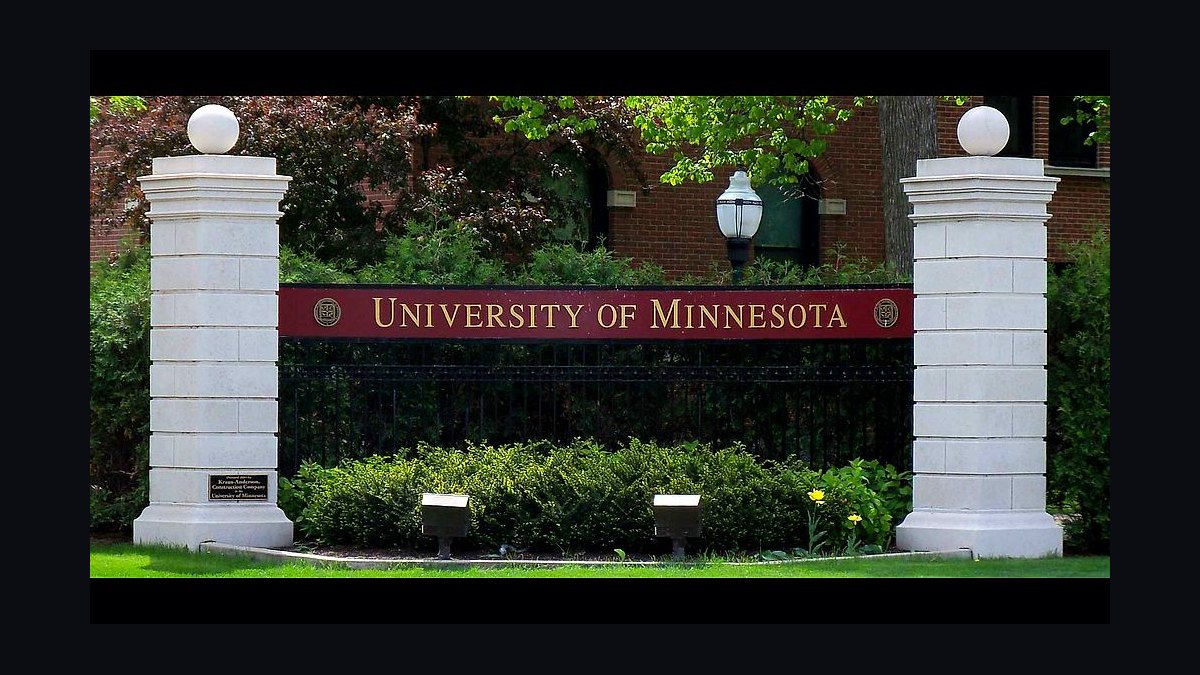
Type: Public | Tuition: ~$35,000/year (in-state), ~$55,000/year (out-of-state) | Best for: Students committed to rural and Native American health
Located in Minneapolis, Minnesota, the University of Minnesota Medical School enrolls roughly 1,000 students and is a top-10 public medical school for primary care. Its Rural Physician Associate Program (RPAP) places students in rural clinics for 9-month rotations, and its Center for American Indian and Minority Health trains students to serve Native American communities.
UMN graduates over 45% of its class into primary care residencies, with strong matches into family medicine at Mayo Clinic and pediatrics at Children's Minnesota. The school's average MCAT scores are around 511, and its student-to-faculty ratio of 5:1 supports community-based learning. UMN's Duluth campus focuses specifically on rural and Native American health, making it a unique option for students committed to these populations.
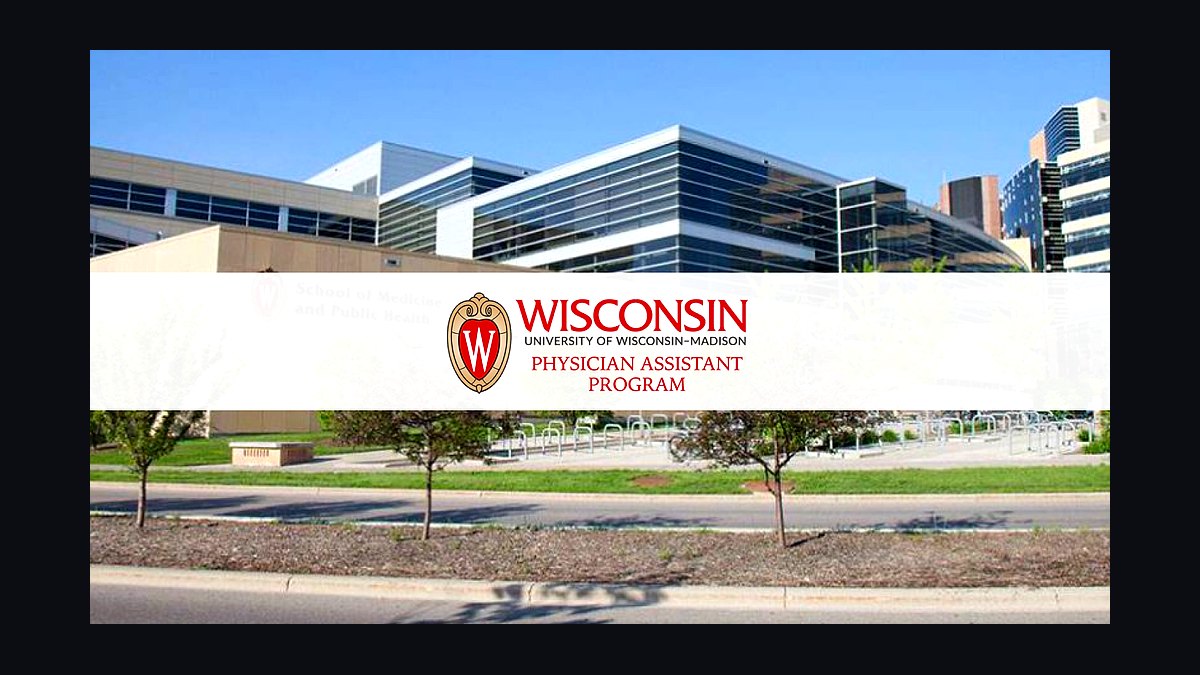
8University of Wisconsin School of Medicine and Public Health
Type: Public | Tuition: ~$35,000/year (in-state), ~$55,000/year (out-of-state) | Best for: Students interested in integrated public health and primary care
Located in Madison, Wisconsin, the University of Wisconsin School of Medicine and Public Health enrolls roughly 900 students and is a top-10 public medical school for primary care. Its MD-MPH dual degree is one of the strongest in the country, and its Wisconsin Academy for Rural Medicine (WARM) places students in rural communities for their clinical years.
UW graduates over 40% of its class into primary care residencies, with strong matches into family medicine at UW Health and internal medicine at the William S. Middleton Memorial Veterans Hospital. The school's average MCAT scores are around 513, and its student-to-faculty ratio of 4:1 supports mentorship. UW's Department of Family Medicine and Community Health is a national leader in primary care research and training.
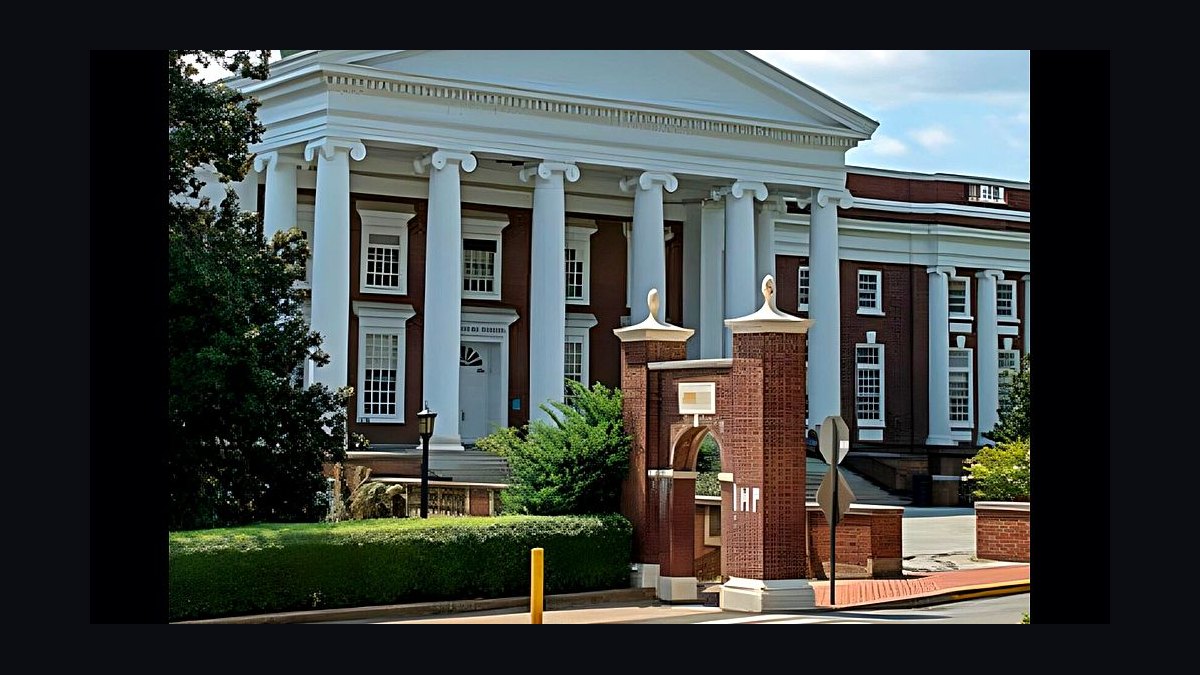
9University of Virginia School of Medicine
Type: Public | Tuition: ~$35,000/year (in-state), ~$60,000/year (out-of-state) | Best for: Students seeking a top-ranked public school with strong clinical training
Located in Charlottesville, Virginia, the University of Virginia School of Medicine enrolls roughly 800 students and is a top-15 public medical school for primary care. Its Primary Care Track offers community-based rotations at UVA Health's network of clinics across Virginia, and its Center for Health Equity and Precision Public Health trains students to address health disparities.
UVA graduates over 35% of its class into primary care residencies, with strong matches into internal medicine at UVA Medical Center and family medicine at Carilion Clinic. The school's average MCAT scores are around 515, and its student-to-faculty ratio of 4:1 supports close mentorship. UVA's Clinical Skills Center provides early clinical exposure through standardized patient encounters, preparing students for patient-centered primary care.
10University of Alabama at Birmingham Heersink School of Medicine

Type: Public | Tuition: ~$25,000/year (in-state), ~$50,000/year (out-of-state) | Best for: Students committed to primary care in the Deep South
Located in Birmingham, Alabama, the UAB Heersink School of Medicine enrolls roughly 1,000 students and is a top-20 public medical school for primary care. Its Rural Medical Scholars Program places students in rural Alabama communities for extended clinical rotations, and its Primary Care Track offers loan repayment for graduates who practice in underserved areas of the state.
UAB graduates over 40% of its class into primary care residencies, with strong matches into family medicine at UAB Hospital and internal medicine at Cooper Green Mercy Health Services. The school's average MCAT scores are around 511, and its student-to-faculty ratio of 5:1 supports community-based training.
UAB's Minority Health and Health Disparities Research Center trains students to address health equity in the Deep South, making it a top choice for students committed to social justice in medicine.
FAQ
What is a primary care medical school? A medical school that emphasizes training in family medicine, internal medicine, pediatrics, and OB/GYN — with curricula, clinical rotations, and residency placement focused on these fields.
How are primary care rankings different from research rankings? Primary care rankings weight residency match rates into primary care fields, community health training, and cost — while research rankings weight NIH funding, publications, and research output.
Which medical school produces the most primary care physicians? The University of Washington School of Medicine produces more primary care physicians than any other U.S. medical school, thanks to its WWAMI regional training program.
Are public or private medical schools better for primary care? Public medical schools dominate primary care rankings because they often have lower tuition, state missions to serve underserved populations, and rural training tracks.
What is the cheapest medical school for primary care? The University of Texas Southwestern Medical Center offers some of the lowest in-state tuition among top-ranked primary care schools, at around $25,000 per year.
Do primary care medical schools have lower MCAT requirements? Generally, yes — primary care-focused schools often have average MCAT scores in the 510–515 range, compared to 517+ at top research schools.
Sources
- Association of American Medical Colleges (AAMC) — Medical School Graduation Questionnaire
- U.S. News & World Report — Best Medical Schools for Primary Care
- National Resident Matching Program (NRMP) — Main Residency Match Data
- American Academy of Family Physicians (AAFP) — Medical School Rankings
- Society of Teachers of Family Medicine (STFM) — Residency Match Reports
- American Medical Association (AMA) — Medical School Profiles
- The Commonwealth Fund — Primary Care and Health System Performance
Related on PULSE
This page will be disappearing soon. Save it to your device for $1 — or read it free while it is here.
@Kory-White- · if Venmo asks, the last 4 of my number are 2012
This page is gone.
This one is off the shelf now. $1 keeps it on your phone for good — the whole page, pictures and diagrams included.
 scTop 10 Schools for Biomedical Engineering in 2027
 pulse-schoolsTop 10 Veterinary Schools in the United States in 2027
 scTop 10 Hospitality Management Schools in 2027
 scTop 10 Special Education Programs in 2027
 scTop 10 Schools for Mechanical Engineering in 2027
 scTop 10 MBA Programs for Finance in 2027
 scTop 10 Universities for Game Design and Development in 2027
 pulse-schoolsTop 10 Private High Schools in Massachusetts in 2027
 pulse-schoolsTop 10 Best Nursing Schools for BSN Programs in 2027
 pulse-schoolsTop 10 Public Universities in Pennsylvania in 2027