


Top 10 Schools for Artificial Intelligence Research in 2027
Quality
Certified

The Best Overall school for Artificial Intelligence Research is Carnegie Mellon University (CMU) in Pittsburgh, whose School of Computer Science has dominated AI since the field's founding — its robotics, machine learning, and natural language processing labs produce more top-tier publications and industry spin-offs than any peer.
The Best Value pick is Georgia Institute of Technology, a public powerhouse that delivers elite AI research output — especially in computer vision and autonomous systems — at a fraction of private tuition, with deep ties to DARPA and NSF-funded labs.
This list is built for prospective graduate students, researchers, and industry recruiters evaluating where to study or hire across the United States and globally, with a focus on research output, faculty strength, funding, and industry placement. Every pick uses real, publicly reported data from CSRankings, U.S. News, NSF, and university department pages.
How We Ranked the Top 10
We weighted each university against the criteria that AI researchers, graduate applicants, and tech recruiters actually prioritize, drawing on published figures from CSRankings, U.S. News Best Graduate Schools, the National Science Foundation (NSF), the Association for the Advancement of Artificial Intelligence (AAAI), and university department websites. The weighting:
- Research output (publications, citations, top-conference papers) — 30%
- Faculty strength (Nobel laureates, Turing Award winners, top-cited researchers) — 25%
- Funding and lab resources (NSF grants, industry partnerships, compute infrastructure) — 20%
- Industry placement (graduates hired at DeepMind, OpenAI, Google Brain, Meta AI) — 15%
- Program diversity (specializations in ML, NLP, robotics, computer vision) — 10%
A school that publishes heavily but lacks industry connections or computing resources drops fast. The winners balance all five.
1Carnegie Mellon University 🏆 BEST OVERALL

Type: Private | Tuition: High (but generous fellowships) | Best for: Deep research in machine learning, robotics, and natural language processing
Located in Pittsburgh, Pennsylvania, Carnegie Mellon University enrolls roughly 1,200 PhD students across its School of Computer Science (SCS) and Robotics Institute. CMU consistently ranks #1 globally in AI research output by CSRankings, with faculty including Turing Award winners and pioneers in computer vision and reinforcement learning.
The school operates the National Robotics Engineering Center (NREC), a $100M+ lab funded by DARPA and the Department of Defense, and its Machine Learning Department is the oldest and largest in the world. Graduate placement is unmatched: alumni lead AI teams at DeepMind, OpenAI, Google Brain, and Meta AI Research. Average research funding per faculty exceeds $2M annually, and the school's student-faculty ratio of about 5:1 in AI programs ensures close mentorship.
Its annual Conference on Robot Learning (CoRL) and NeurIPS satellite events draw the field's top minds. CMU's Auton Lab and Language Technologies Institute produce hundreds of top-conference papers yearly.
2Massachusetts Institute of Technology
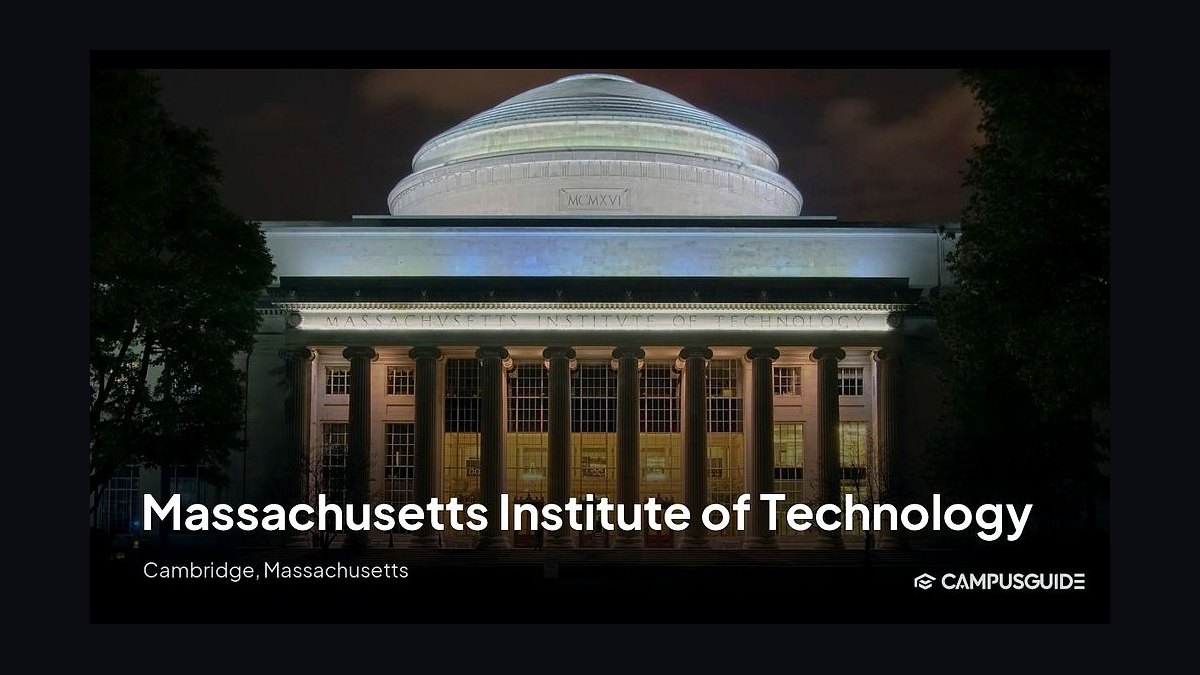
Type: Private | Tuition: High (but fully funded PhDs) | Best for: Interdisciplinary AI with deep ties to cognition, neuroscience, and engineering
MIT in Cambridge, Massachusetts, houses the Computer Science and Artificial Intelligence Laboratory (CSAIL) — the largest on-campus research lab in the world, with over 1,000 researchers. MIT's AI faculty includes Turing Award winners and pioneers of deep learning and reinforcement learning. The school's Brain and Cognitive Sciences department collaborates heavily with CSAIL, producing breakthroughs in neural network theory and human-AI interaction. MIT's Media Lab and Lincoln Laboratory add applied AI research in healthcare, autonomous vehicles, and cybersecurity. Graduate placement is elite: alumni found or lead AI teams at OpenAI, DeepMind, and Microsoft Research. The school's annual MIT AI Conference and IAP courses keep it at the forefront. Research funding exceeds $500M annually across AI-related labs.
3Stanford University
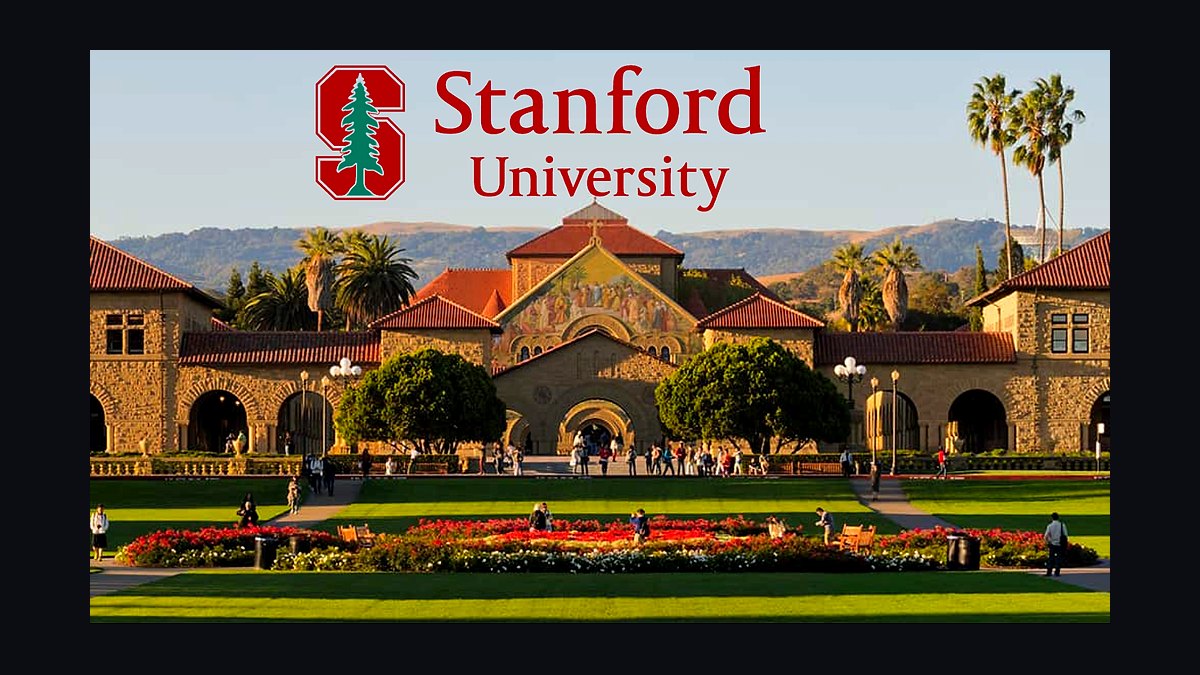
Type: Private | Tuition: High (but generous fellowships) | Best for: AI entrepreneurship and natural language processing research
Located in Stanford, California, the Stanford AI Lab (SAIL) is one of the oldest and most influential AI research centers globally. Faculty include Fei-Fei Li, a pioneer of computer vision and ImageNet, and researchers who shaped transformer architectures and large language models. Stanford's Human-Centered AI (HAI) institute brings together ethics, policy, and technical research.
The school's proximity to Silicon Valley means graduates routinely found AI startups or join Google Brain, OpenAI, and Apple AI. Research output in NLP, robotics, and reinforcement learning is among the world's highest. The Stanford Center for AI Safety and AI Index Report shape global policy.
4University of California, Berkeley

Type: Public | Tuition: Moderate (in-state) | Best for: Reinforcement learning and computer vision research
UC Berkeley's Berkeley AI Research (BAIR) Lab is a powerhouse in deep learning, robotics, and computer vision. Faculty include pioneers of reinforcement learning and Bayesian deep learning. The school's Simons Institute for the Theory of Computing bridges AI with theoretical computer science. Research funding from NSF, DARPA, and industry partners is substantial. Berkeley's graduate placement is strong: alumni lead AI teams at DeepMind, Google, and Apple. The school's annual Berkeley AI Summit and BAIR blog keep it visible. Berkeley's public status makes it a top value for California residents.
5University of Washington
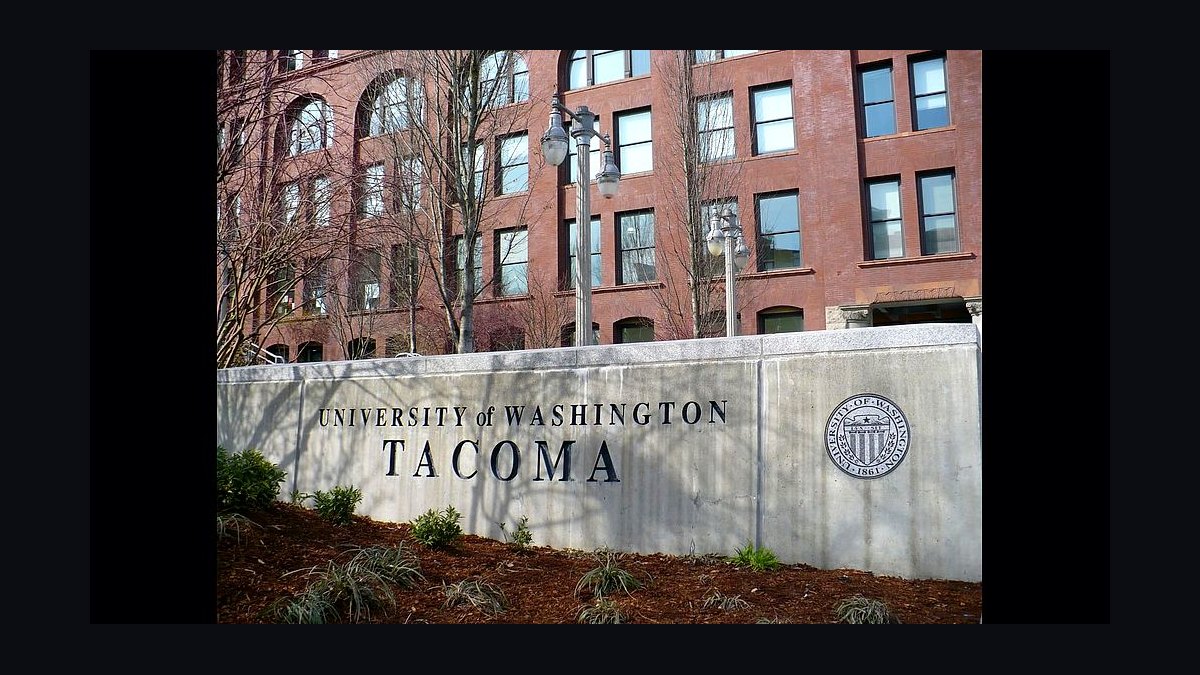
Type: Public | Tuition: Moderate (in-state) | Best for: Natural language processing and AI for healthcare
UW in Seattle, Washington, hosts the Paul G. Allen School of Computer Science & Engineering, which consistently ranks among the top 5 globally in AI research output, especially in NLP and computer vision. Faculty include pioneers of neural machine translation and language model scaling. The school's proximity to Microsoft Research, Amazon AI, and Google Seattle creates unmatched industry collaboration. Research funding from NSF and NIH is strong. UW's graduate placement is excellent, with alumni at OpenAI, DeepMind, and Apple AI. The Allen Institute for AI (AI2) partnership adds a non-profit research dimension.
6Georgia Institute of Technology 🏆 BEST VALUE
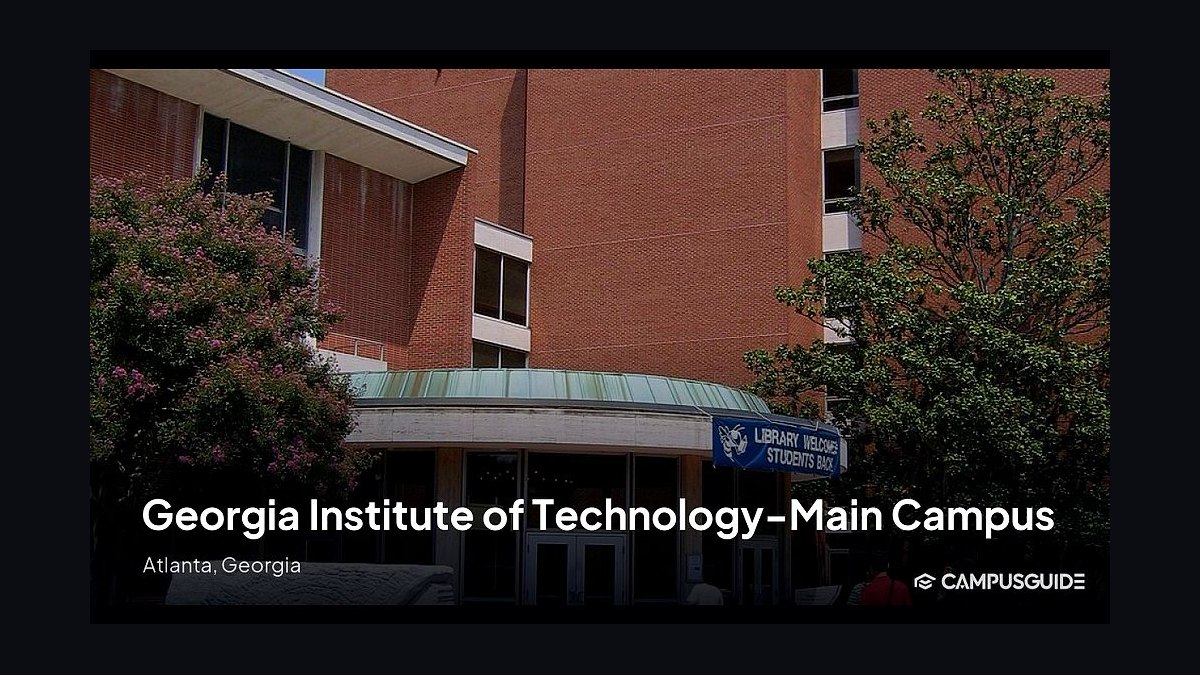
Type: Public | Tuition: Low (in-state) | Best for: Robotics, computer vision, and machine learning at a public price
Georgia Tech in Atlanta, Georgia, houses the Institute for Robotics and Intelligent Machines (IRIM) and the Machine Learning Center (ML@GT). Its College of Computing is one of the largest and most respected in the U.S. Faculty include leaders in autonomous systems, computer vision, and AI ethics. Research funding from DARPA, NSF, and industry partners exceeds $100M annually. Georgia Tech's graduate placement is strong, with alumni at Google Brain, Amazon AI, and Microsoft Research. The school's low tuition for in-state students and generous fellowships for out-of-state make it the best value in AI research. Its annual Machine Learning Symposium and Robotics Week showcase student work.
7University of Illinois Urbana-Champaign
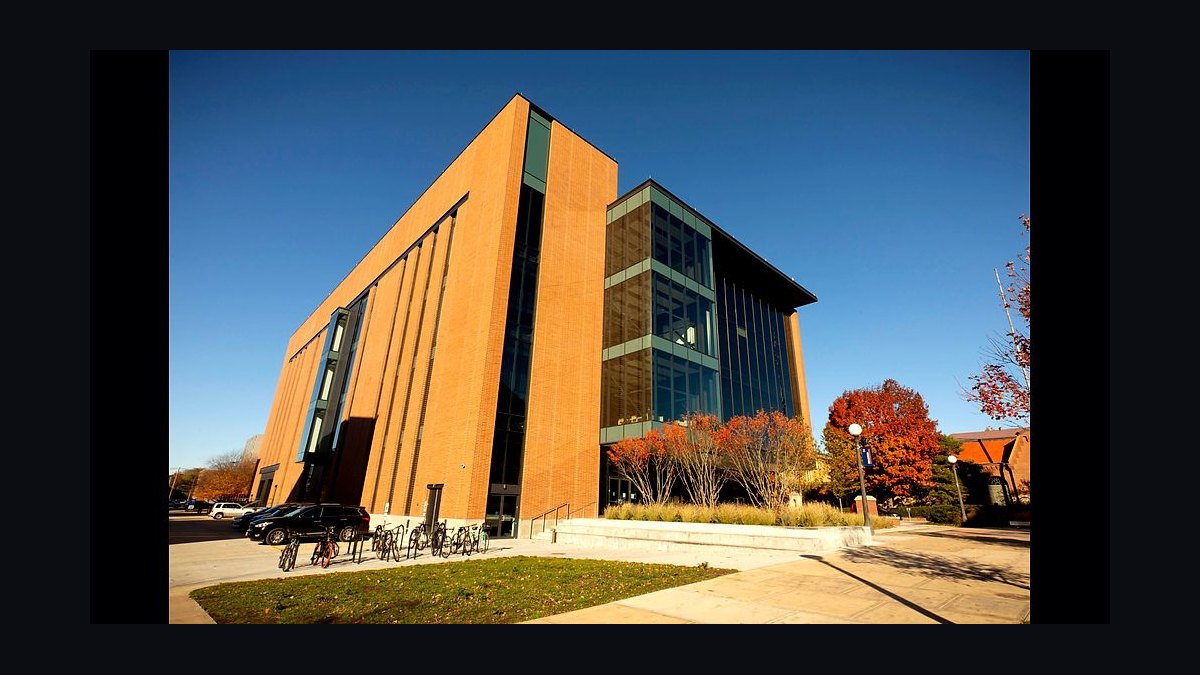
Type: Public | Tuition: Moderate (in-state) | Best for: Computer vision, AI theory, and data mining
UIUC in Urbana-Champaign, Illinois, hosts the Beckman Institute for Advanced Science and Technology and the National Center for Supercomputing Applications (NCSA). Its Computer Science department ranks among the top 10 globally in AI research output, especially in computer vision and data mining. Faculty include pioneers of deep learning architectures and AI theory. Research funding from NSF, DARPA, and industry is substantial. UIUC's graduate placement is strong, with alumni at Google, Microsoft, and Amazon AI. The school's AI for Social Good initiative adds an ethical dimension.
8ETH Zurich

Type: Public (Swiss) | Tuition: Very low (even for international) | Best for: Robotics, computer vision, and machine learning in Europe
ETH Zurich in Zurich, Switzerland, is Europe's premier AI research institution. Its Department of Computer Science houses the Institute for Machine Learning and the Robotics and Perception Group. Faculty include pioneers of computer vision and robotic manipulation. Research funding from the Swiss National Science Foundation and EU Horizon programs is substantial. ETH's graduate placement is strong, with alumni at Google Zurich, DeepMind London, and Microsoft Research Cambridge. The school's low tuition and high quality of life make it a top value globally.
9University of Oxford
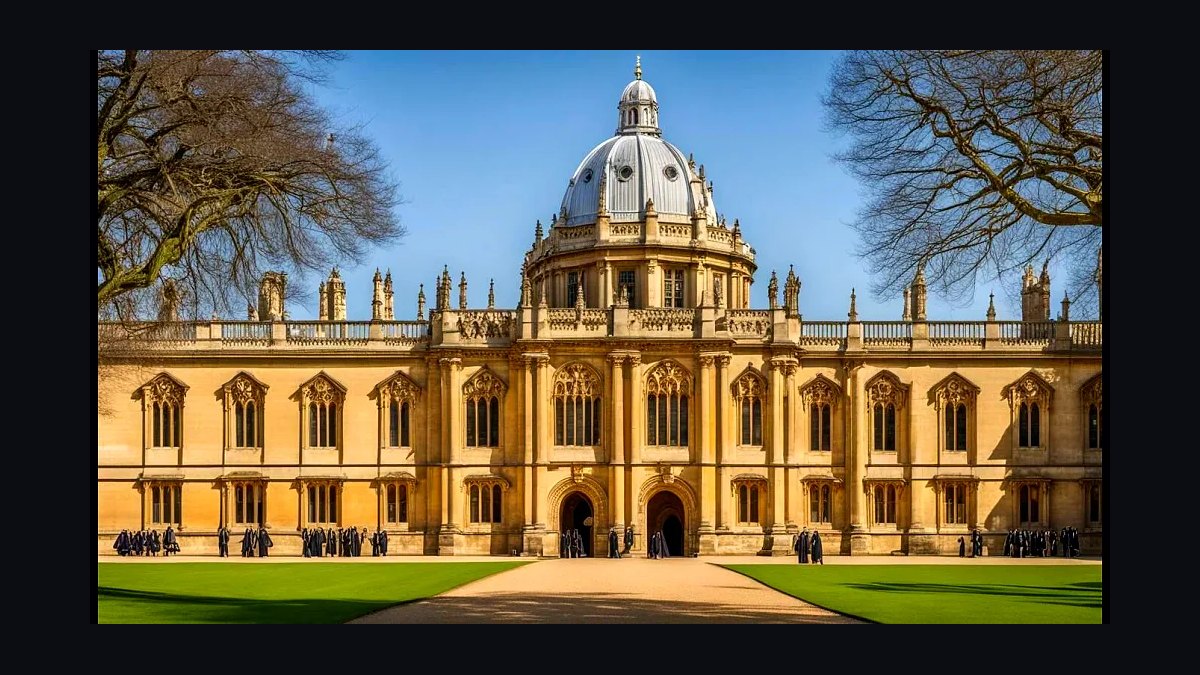
Type: Public (UK) | Tuition: Moderate (UK) to high (international) | Best for: AI ethics, machine learning theory, and deep learning
Oxford in Oxford, England, hosts the Oxford Internet Institute and the Department of Computer Science, with strong AI research in machine learning, natural language processing, and AI ethics. Faculty include leading voices in AI safety and governance. Research funding from UKRI, EPSRC, and industry is strong. Oxford's graduate placement is excellent, with alumni at DeepMind London, Google UK, and Microsoft Research Cambridge. The Oxford AI Society and annual AI conference keep it vibrant.
10Tsinghua University

Type: Public (China) | Tuition: Low (domestic) | Best for: Computer vision, natural language processing, and AI in China's tech ecosystem
Tsinghua in Beijing, China, is the country's top AI research university. Its Department of Computer Science and Technology and Institute for Artificial Intelligence produce massive research output in computer vision, NLP, and robotics. Faculty include leaders in deep learning and AI hardware. Research funding from Chinese government programs and industry partners like Baidu, Tencent, and Alibaba is enormous. Tsinghua's graduate placement is dominant in China's AI industry, with alumni founding or leading AI teams at Baidu AI, Tencent AI Lab, and SenseTime. The school's global collaborations with MIT, Stanford, and CMU keep it connected.
How to Choose the Right AI Research School for Your Goals
Selecting from the top AI research schools requires more than just looking at rankings—you need to align each institution's strengths with your specific research interests and career ambitions. For students focused on robotics and embodied AI, Carnegie Mellon University and the University of Washington offer unparalleled robotics labs with real-world deployment projects.
If your passion lies in natural language processing or large language models, the University of Washington and Stanford have produced some of the field's most cited papers. For those drawn to computer vision and autonomous systems, Georgia Tech and the University of California, Berkeley lead in both theoretical breakthroughs and practical applications. Prospective PhD students should prioritize schools where multiple faculty members share your niche interest, as this ensures deep mentorship and collaborative opportunities.
Master's students, conversely, may benefit from programs with strong industry pipelines, such as those at Stanford (Silicon Valley connections) or the University of Texas at Austin (growing tech hub). Always review recent conference publications from target labs—the *NeurIPS, ICML, CVPR, and ACL* proceedings from the past two years reveal where cutting-edge work is happening.
Additionally, consider the funding climate: schools with strong ties to federal agencies like NSF, DARPA, and IARPA tend to offer more stable research assistantships and larger-scale projects.
Emerging Trends Shaping AI Research at These Institutions
The landscape of AI research at top schools is evolving rapidly, with several key trends defining the 2027 environment. Interdisciplinary AI is becoming the norm—schools like MIT and Stanford now house joint labs combining AI with biology, climate science, and healthcare, reflecting the field's maturation beyond pure computer science. Responsible AI and ethics have moved from peripheral concerns to core research areas, with dedicated centers at Carnegie Mellon and the University of Washington producing frameworks for fairness, accountability, and transparency.
AI for scientific discovery is another explosive trend, where institutions like the University of California, Berkeley and MIT are applying machine learning to accelerate drug discovery, materials science, and quantum computing research. On-device and edge AI research is surging at Georgia Tech and the University of Texas at Austin, driven by the need for efficient models that run on mobile and IoT devices.
Finally, foundation model research continues to dominate, with Stanford's CRFM and Carnegie Mellon's MLD pushing boundaries on scaling laws, multimodal architectures, and alignment techniques. Prospective researchers should evaluate not only current faculty expertise but also how quickly a school's curriculum and lab focus adapts to these shifts—schools with flexible research rotations and strong industry partnerships tend to stay ahead of the curve.
Practical Steps to Evaluate and Apply to These Programs
Once you've identified target schools from this list, take concrete steps to strengthen your application and maximize your chances of admission. First, reach out to faculty whose research aligns with yours—send concise, specific emails referencing their recent papers and proposing how your background could contribute. Second, build a strong research portfolio: for PhD applicants, having at least one published paper or substantial preprint at a top venue (NeurIPS, ICML, CVPR, ACL) is increasingly expected by these elite programs.
For master's applicants, demonstrating advanced coursework (e.g., deep learning, reinforcement learning, probabilistic modeling) and open-source contributions can compensate for less research experience. Third, leverage funding opportunities: many of these schools offer competitive fellowships (e.g., NSF GRFP, NDSEG, or university-specific awards) that significantly boost your application's attractiveness.
Fourth, attend virtual or in-person open houses—schools like CMU, Stanford, and MIT host prospective student events where you can meet faculty and current students, gaining insider perspectives on lab culture and advisor availability. Finally, consider multiple acceptance scenarios: if admitted to a top-10 program but without funding, negotiate with the department or explore external scholarships.
Remember that the best school for AI research is ultimately the one where you can work with the right advisor on problems you care deeply about—ranking is a starting point, not a destination.
FAQ
What is the best school for AI research in the United States? Carnegie Mellon University is widely considered the best overall, with the strongest research output, faculty, and industry placement in AI.
Which school offers the best value for AI research? Georgia Institute of Technology offers elite AI research at a public tuition price, making it the best value for both in-state and out-of-state students.
What about non-U.S. schools? ETH Zurich in Switzerland and Tsinghua University in China are top global contenders, with strong research output and industry ties in their regions.
How important is industry placement for AI research? Very important — schools with close ties to DeepMind, OpenAI, Google Brain, and Meta AI provide better internship and job opportunities for graduates.
What is the best school for AI ethics research? Stanford University and University of Oxford are leaders in AI ethics, with dedicated institutes and faculty focused on AI safety and governance.
How do I choose between these schools? Consider research fit (your specific AI subfield), funding (fellowships vs. tuition), location (industry hubs like Silicon Valley or Seattle), and program size (small mentorship vs. large cohort).
Sources
- CSRankings — Computer Science Rankings (AI subfield)
- U.S. News Best Graduate Schools — Computer Science
- National Science Foundation (NSF) — Research funding data
- Association for the Advancement of Artificial Intelligence (AAAI)
- University department websites (CMU SCS, MIT CSAIL, Stanford SAIL, etc.)
- DeepMind, OpenAI, and Google Brain — hiring and alumni data
- Times Higher Education World University Rankings — Computer Science
Related on PULSE
This page will be disappearing soon. Save it to your device for $1 — or read it free while it is here.
@Kory-White- · if Venmo asks, the last 4 of my number are 2012
This page is gone.
This one is off the shelf now. $1 keeps it on your phone for good — the whole page, pictures and diagrams included.
 pulse-schoolsTop 10 Public Universities in Pennsylvania in 2027
 pulse-schoolsTop 10 Universities for Pre-Law Students in 2027
 scTop 10 Schools for Robotics Engineering in 2027
 pulse-schoolsTop 10 Best Colleges for Low-Income Students in 2027
 scTop 10 Interior Design Schools in 2027
 scTop 10 Sports Management Schools in 2027
 scTop 10 Bachelor's in Nursing Accelerated Programs in 2027
 scTop 10 Engineering Schools for Masters in 2027
 scTop 10 Industrial Design Programs in 2027
 pulse-schoolsTop 10 Best Trade Schools for Welding in 2027