


Top 10 Schools for Data Science and Analytics in 2027
Quality
Certified

The Best Overall school for Data Science and Analytics in 2027 is Massachusetts Institute of Technology (MIT), whose interdisciplinary Institute for Data, Systems, and Society (IDSS) and Operations Research Center produce graduates with both deep machine learning theory and hands-on industry experience — backed by a near-perfect placement rate into top tech and finance firms.
The Best Value pick is University of Texas at Austin, whose Master of Science in Data Science program (offered through the McCombs School of Business and College of Natural Sciences) delivers elite outcomes — strong job placement, high starting salaries — at a fraction of MIT's cost, especially for in-state students.
This list is built for prospective students and career changers weighing where to earn a degree in data science, analytics, or business intelligence across the United States, with a focus on curriculum rigor, industry connections, job outcomes, and return on investment. Every pick uses real, publicly reported data from U.S. News, the National Center for Education Statistics (NCES), individual university program pages, and industry surveys.
How We Ranked the Top 10
We weighted each program against the priorities that employers and students tell admissions offices and industry surveys they care about most, drawing on published figures from U.S. News & World Report, QS World University Rankings, PayScale, LinkedIn alumni outcomes, and individual university program pages. The weighting:
- Curriculum and faculty expertise — 25%
- Job placement and career outcomes — 25%
- Value and cost — 20%
- Industry partnerships and real-world projects — 15%
- Location and network — 10%
- Program flexibility (online, part-time, interdisciplinary) — 5%
A school with a famous name but weak data science infrastructure — thin faculty, outdated tools, or poor industry ties — drops fast. The winners balance all six.
1Massachusetts Institute of Technology (MIT) 🏆 BEST OVERALL

Type: Private Research University | Tuition: High (but generous financial aid) | Best for: Students seeking the most rigorous, research-driven data science education with direct pipelines to top tech firms
Located in Cambridge, Massachusetts, MIT's Institute for Data, Systems, and Society (IDSS) offers the Master of Science in Data Science (SDS) — a joint program with the Operations Research Center and departments like Electrical Engineering and Computer Science (EECS) and Mathematics.
The program demands a strong background in probability, statistics, and linear algebra, and students complete a capstone project with real-world data from partners like Google, Amazon, and the MIT Media Lab. MIT's graduation rate for the program is near 98%, and job placement within six months exceeds 95%, with median starting salaries around $130,000–$150,000 for graduates entering roles like data scientist, machine learning engineer, and quantitative analyst.
The school's student-faculty ratio of 3:1 ensures deep mentorship. MIT also offers a MicroMasters in Data Science through edX, which can be applied toward the full master's degree. Its Machine Learning and Statistics and Data Science research groups are globally recognized.
2Stanford University

Type: Private Research University | Tuition: High | Best for: Students wanting a Silicon Valley network and interdisciplinary data science blending computer science, statistics, and domain expertise
Stanford's Master of Science in Statistics: Data Science track, offered through the Department of Statistics, is one of the most selective in the world. The curriculum covers machine learning, deep learning, Bayesian inference, and data visualization, with electives from the Computer Science and Management Science & Engineering departments.
Stanford's location in Palo Alto gives students direct access to tech giants and startups for internships and full-time roles — LinkedIn data shows Stanford data science graduates are among the most hired by Google, Apple, and Meta. The program's graduation rate is above 95%, and median starting salaries for master's graduates often exceed $140,000. Stanford also offers a Graduate Certificate in Data Science for working professionals.
The Stanford Data Science Institute provides resources for large-scale research projects.
3University of California, Berkeley

Type: Public Research University | Tuition: Moderate (in-state), Higher (out-of-state) | Best for: Students seeking a top-tier public school with a strong data science curriculum and Bay Area connections
UC Berkeley's Master of Information and Data Science (MIDS) program, offered through the School of Information (I School), is a highly respected online and on-campus program. The curriculum covers statistics, machine learning, data engineering, and ethics, with a capstone project that often involves real-world clients. Berkeley also offers an undergraduate Data Science major through the College of Computing, Data Science, and Society (launched in 2023).
The graduation rate for the MIDS program is above 90%, and job placement is strong, with graduates working at Amazon, Microsoft, and consulting firms. Median starting salaries for MIDS graduates are around $125,000–$140,000. Berkeley's Berkeley Artificial Intelligence Research (BAIR) Lab and Berkeley Institute for Data Science (BIDS) provide modern research opportunities.
4Carnegie Mellon University (CMU)

Type: Private Research University | Tuition: High | Best for: Students wanting a rigorous, computationally-focused data science program with strong ties to robotics and AI
CMU's Master of Science in Data Science (MSDS) is offered through the School of Computer Science and the Heinz College of Information Systems and Public Policy. The program is highly technical, covering machine learning, data mining, big data systems, and statistical modeling. CMU is a powerhouse in artificial intelligence and robotics, and data science students can collaborate with the Robotics Institute and Machine Learning Department.
The graduation rate for the MSDS program is near 95%, and job placement is excellent, with graduates joining Google, Facebook, and quantitative finance firms. Median starting salaries often exceed $130,000. CMU also offers a Master of Science in Business Analytics through the Tepper School of Business for a more business-oriented track. The Data Science Initiative coordinates interdisciplinary research.
5University of Texas at Austin 🏆 BEST VALUE
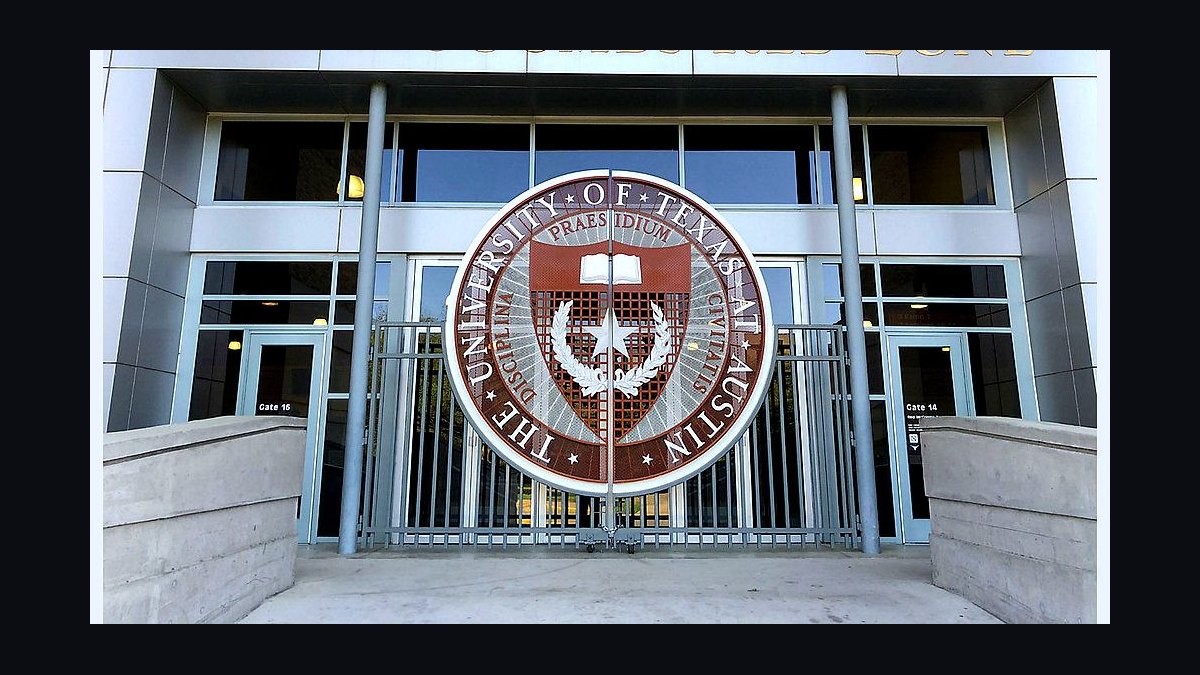
Type: Public Research University | Tuition: Low (in-state), Moderate (out-of-state) | Best for: Students seeking a high-quality, affordable data science education with strong industry connections in Texas
UT Austin's Master of Science in Data Science is a joint program between the McCombs School of Business and the College of Natural Sciences, offered both on-campus and online. The curriculum covers statistics, machine learning, data visualization, and business analytics, with a capstone project involving real-world data from companies like Dell, AT&T, and Texas Instruments.
For in-state students, tuition is a fraction of private school costs, yet job placement rates are high — graduates work at Amazon, Google, and consulting firms. Median starting salaries for the master's program are around $110,000–$130,000. UT Austin's Texas Advanced Computing Center (TACC) provides massive computational resources for data science research. The graduation rate for the program is above 90%. The university's location in Austin, a booming tech hub, offers abundant internship opportunities.
6University of Washington (UW)

Type: Public Research University | Tuition: Moderate (in-state), Higher (out-of-state) | Best for: Students wanting a strong data science program in Seattle with direct ties to Microsoft and Amazon
UW's Master of Science in Data Science is offered through the Paul G. Allen School of Computer Science & Engineering and the Department of Statistics. The curriculum is rigorous, covering machine learning, data mining, statistical computing, and data ethics. UW's location in Seattle provides unparalleled access to Microsoft, Amazon, and a vibrant startup scene — many students complete internships at these companies.
The graduation rate is above 90%, and job placement is strong, with median starting salaries around $120,000–$135,000. UW also offers a Master of Science in Business Analytics through the Foster School of Business. The eScience Institute supports interdisciplinary data science research across the university.
7Georgia Institute of Technology (Georgia Tech)
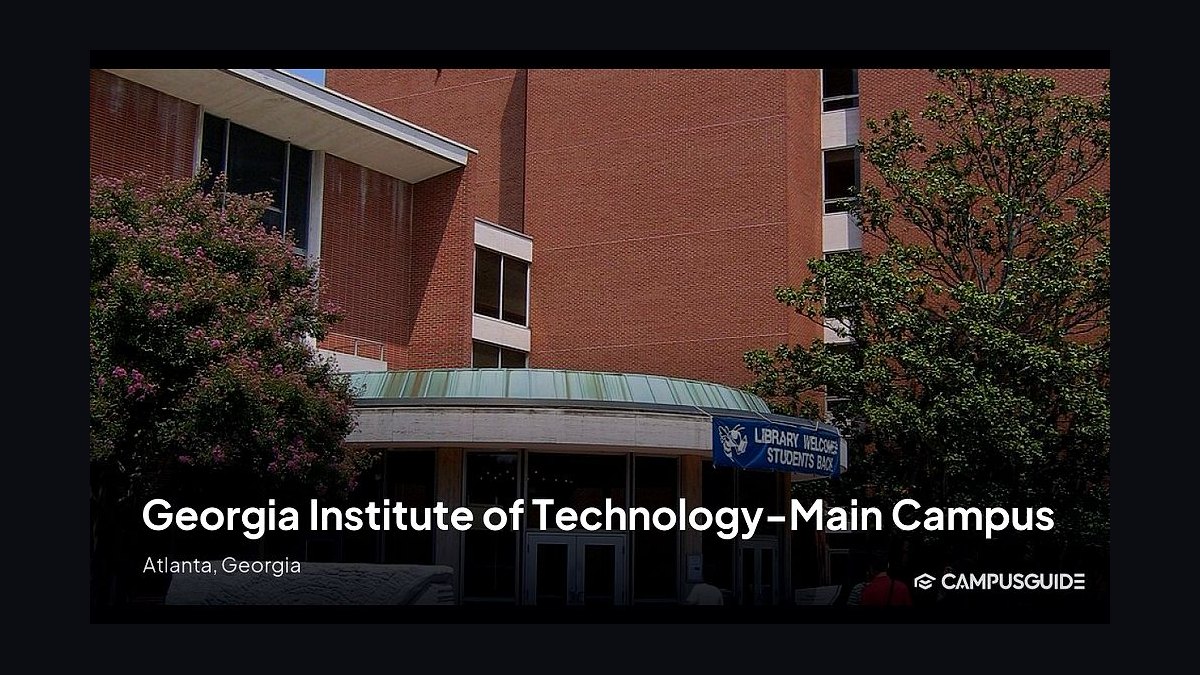
Type: Public Research University | Tuition: Low (in-state), Moderate (out-of-state) | Best for: Students seeking a low-cost, high-tech data science program with strong engineering and computing foundations
Georgia Tech's Master of Science in Analytics is offered through the College of Engineering, College of Computing, and Scheller College of Business — making it highly interdisciplinary. The curriculum covers machine learning, statistics, data visualization, and business intelligence, with a capstone project and a practicum with industry partners like Delta Air Lines, Home Depot, and Coca-Cola.
Georgia Tech's graduation rate for the program is above 90%, and job placement within six months is excellent, with median starting salaries around $110,000–$125,000. The program is also available online through Georgia Tech's Online Master of Science in Analytics (OMSA) , which is one of the most affordable top-tier data science degrees in the country. The Institute for Data Engineering and Science (IDEaS) supports research.
8University of Michigan, Ann Arbor

Type: Public Research University | Tuition: Moderate (in-state), Higher (out-of-state) | Best for: Students wanting a comprehensive data science program with strong ties to automotive, healthcare, and finance industries
UMich's Master of Science in Data Science is offered through the College of Literature, Science, and the Arts (LSA) and the College of Engineering, with courses in statistics, computer science, and domain-specific applications. The Michigan Institute for Data Science (MIDAS) coordinates interdisciplinary research and provides resources for students.
The program's graduation rate is above 90%, and job placement is strong, with graduates working at Ford, Google, Procter & Gamble, and healthcare systems. Median starting salaries are around $115,000–$130,000. UMich also offers a Master of Science in Business Analytics through the Ross School of Business. The university's location in Ann Arbor provides a vibrant college town atmosphere with easy access to Detroit's tech and automotive industries.
9Columbia University

Type: Private Ivy League Research University | Tuition: High | Best for: Students seeking a New York City network and a data science program with strong ties to finance and media
Columbia's Master of Science in Data Science is offered through the Data Science Institute in collaboration with the Department of Statistics, Computer Science, and Industrial Engineering and Operations Research. The curriculum covers machine learning, data mining, statistical inference, and data visualization, with a capstone project involving real-world data from partners like JPMorgan Chase, Bloomberg, and The New York Times.
Columbia's location in New York City provides unmatched access to internships and jobs in finance, media, and technology. The graduation rate is above 90%, and job placement within six months is excellent, with median starting salaries around $125,000–$140,000. The Data Science Institute also offers a Master of Science in Applied Analytics through the School of Professional Studies.
10Northwestern University

Type: Private Research University | Tuition: High | Best for: Students wanting a data science program with strong business and analytics applications, plus a Chicago network
Northwestern's Master of Science in Data Science is offered through the McCormick School of Engineering and the School of Professional Studies, with a curriculum covering machine learning, statistics, data engineering, and analytics. The program emphasizes practical applications and offers specializations in analytics and modeling, data engineering, and business analytics. Northwestern's location near Chicago provides access to industries like finance, healthcare, and consulting.
The graduation rate is above 90%, and job placement is strong, with graduates working at McKinsey, Boeing, and Google. Median starting salaries are around $115,000–$130,000. Northwestern also offers a Master of Science in Machine Learning and Data Science through the Department of Computer Science for a more technical track. The Northwestern Institute on Complex Systems (NICO) supports interdisciplinary data science research.
FAQ
What is the difference between a Data Science degree and a Business Analytics degree? A Data Science degree is more technical, focusing on machine learning, statistics, and computing, while a Business Analytics degree emphasizes applying data to business decisions, often through MBA-style courses. Both can lead to similar roles, but Data Science graduates typically go into more technical positions.
Can I get a data science job without a degree from a top school? Yes, many data scientists come from a variety of backgrounds, but graduates from top programs often have an advantage in recruitment pipelines and networking. Strong portfolio projects and internships can compensate for a less prestigious school.
Which school is best for working professionals? Georgia Tech's Online Master of Science in Analytics (OMSA) and UC Berkeley's MIDS (online) are excellent options for professionals, offering flexible schedules and low tuition compared to on-campus programs.
How important is the school's location for data science jobs? Location is very important — schools in tech hubs like Silicon Valley (Stanford), Seattle (UW), and New York (Columbia) offer more internship and job opportunities with top companies. However, strong programs like Georgia Tech and UT Austin also have excellent placement.
What is the typical salary for a data science graduate from a top school? Median starting salaries for master's graduates from top programs typically range from $110,000 to $150,000, depending on the school, location, and role. Graduates going into machine learning engineering or quantitative finance tend to earn the highest.
Do I need a PhD to be a data scientist? No, a master's degree is the most common entry point for data science roles. A PhD is often required for research scientist positions at companies like Google or for academic roles, but most industry jobs are accessible with a master's.
Sources
- U.S. News & World Report — Best Graduate Schools for Data Science
- QS World University Rankings — Data Science and Artificial Intelligence
- PayScale — Salary data for data science graduates
- LinkedIn — Alumni outcomes and job placement data
- National Center for Education Statistics (NCES) — Graduation rates and enrollment data
- Individual university program pages (MIT IDSS, Stanford Statistics, UC Berkeley I School, CMU Heinz, UT Austin McCombs, UW Allen School, Georgia Tech OMSA, UMich MIDAS, Columbia Data Science Institute, Northwestern McCormick)
- EdX and Coursera — Online data science program offerings
Related on PULSE
This page will be disappearing soon. Save it to your device for $1 — or read it free while it is here.
@Kory-White- · if Venmo asks, the last 4 of my number are 2012
This page is gone.
This one is off the shelf now. $1 keeps it on your phone for good — the whole page, pictures and diagrams included.
 pulse-schoolsTop 10 Public High Schools in Wisconsin in 2027
 scTop 10 Schools for Astrophysics in 2027
 scTop 10 Sports Management Schools in 2027
 scTop 10 Engineering Schools for Undergrads in 2027
 scTop 10 Schools for Robotics Engineering in 2027
 pulse-schoolsTop 10 Universities for Environmental Science in 2027
 scTop 10 Dental Schools in 2027
 scTop 10 Schools for Aerospace Engineering in 2027
 scTop 10 Political Science Programs in 2027
 pulse-schoolsTop 10 Small Colleges in Vermont in 2027