


Top 10 Sororities at the University of North Carolina at Chapel Hill in 2027
Quality
Certified
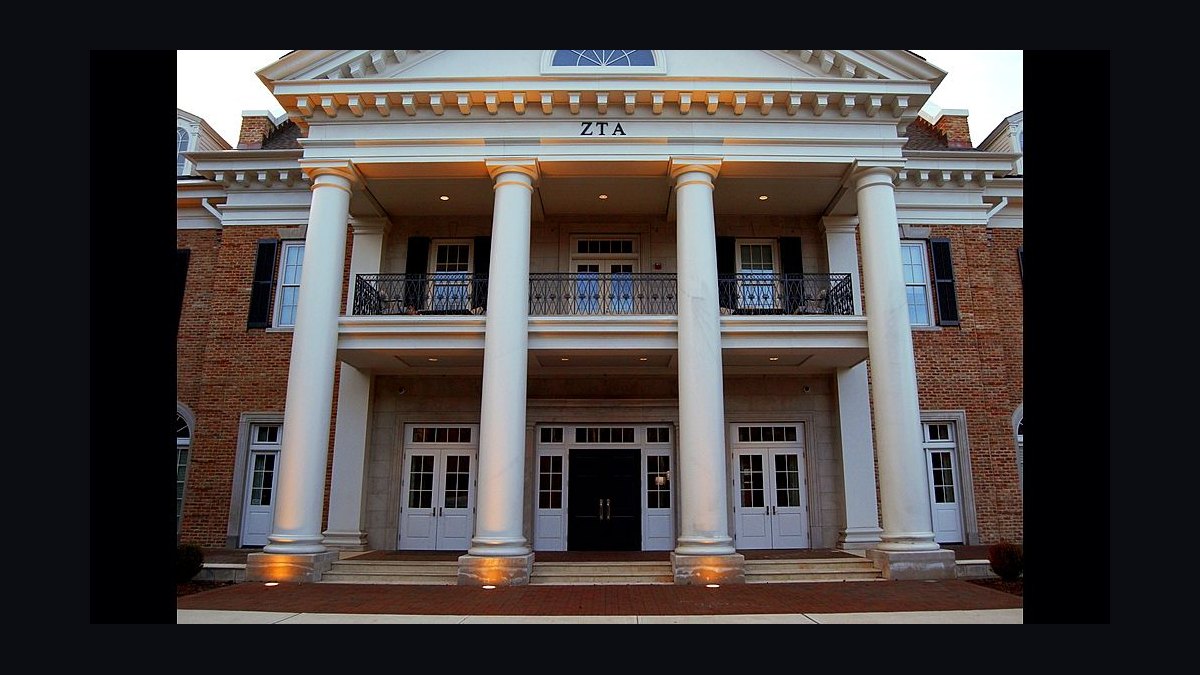
The 10 best sororities at the University of North Carolina at Chapel Hill are ranked below on chapter size, campus standing, recruitment strength and the reputation each house has actually earned on this campus rather than on national name recognition. Each entry covers what that chapter is known for at this school and what the organisation is known for more broadly, so the list can be read straight down without doubling back.
1Zeta Tau Alpha
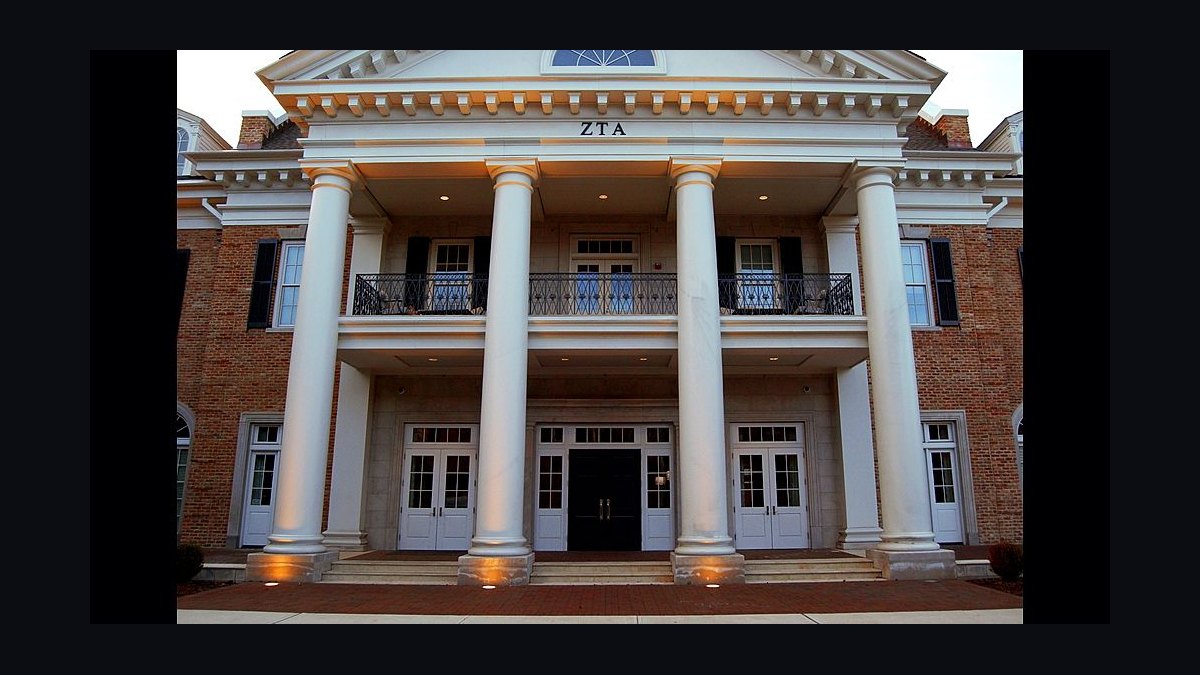
Zeta Tau Alpha holds the top spot on the strength of the strongest overall student ratings of any chapter here, leading on Popularity at 79.4, Social Life at 83.2 and Involvement at 82 across 392 ratings. Friendliness sits at 83 and Sisterhood at 76.4, so it scores well in every category rather than spiking in one. That breadth is what keeps it first.
It suits women who want the busiest social calendar and the widest campus visibility, and who are comfortable with a large, high-profile chapter. The trade-off is that Sisterhood at 76.4 trails Pi Beta Phi and Sigma Sigma Sigma, so the closeness is less of a selling point than the reach. Phi Mu directly below it beats it on Friendliness and Classiness but loses on Popularity and Social Life.
2Phi Mu
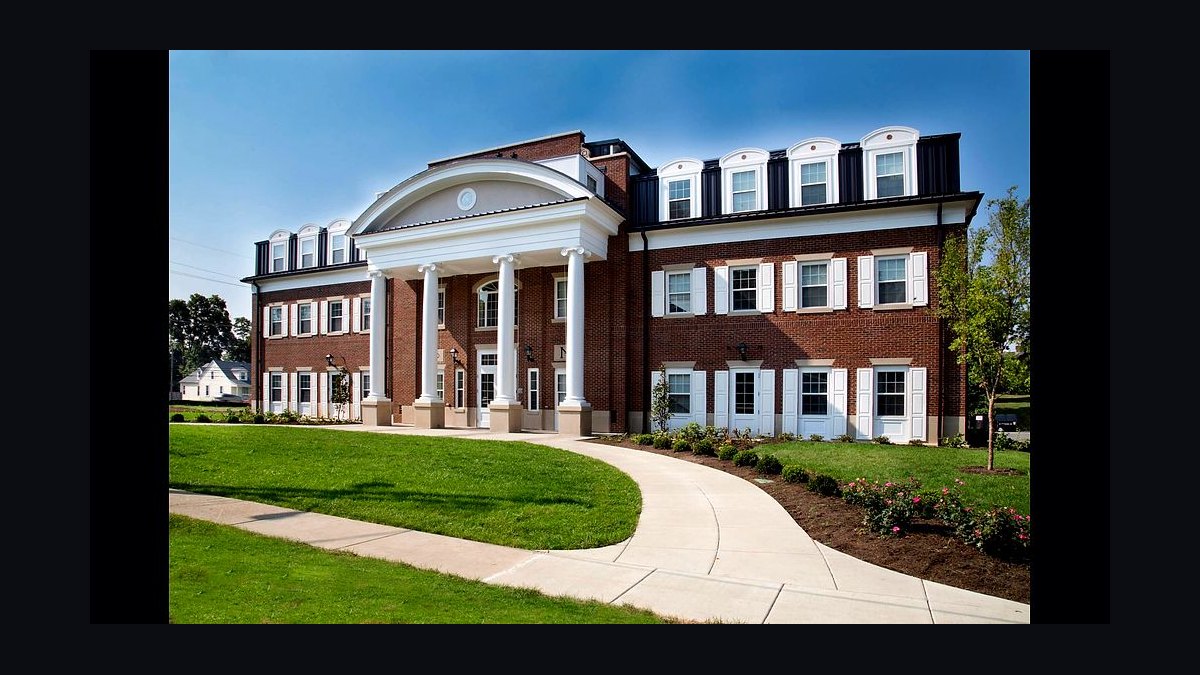
Phi Mu ranks second because it pairs the highest Friendliness score in the top tier at 85 with strong Classiness at 76.4 and Sisterhood at 80.4 over 392 ratings. Popularity at 68.6 and Social Life at 75 are solid but clearly behind Zeta Tau Alpha. The result is a chapter rated warmer and more put-together than it is scene-defining.
This fits women who prioritise genuine friendliness and a polished reputation over sheer visibility. What it gives up is the top-end social pull that Zeta Tau Alpha holds, and its Involvement at 74.2 is mid-pack rather than leading. Against Pi Beta Phi below it, Phi Mu wins on Popularity and Social Life but loses on Sisterhood and Involvement.
3Pi Beta Phi

Pi Beta Phi takes third on the back of an 85 Friendliness score and the strongest Sisterhood figure among the large chapters at 85, drawn from 315 ratings. Involvement at 79 is high, while Popularity at 63.6 and Social Life at 72.8 sit below the two chapters above it. It reads as a close, busy chapter rather than a popularity leader.
It is the right pick for someone who wants a tight sisterhood and heavy campus involvement without the biggest social scene. The cost is visibility: its Popularity rating is roughly sixteen points behind Zeta Tau Alpha. Compared with Phi Mu directly above, it wins on Sisterhood and Involvement but trails on Popularity and Social Life.
4Kappa Phi Lambda
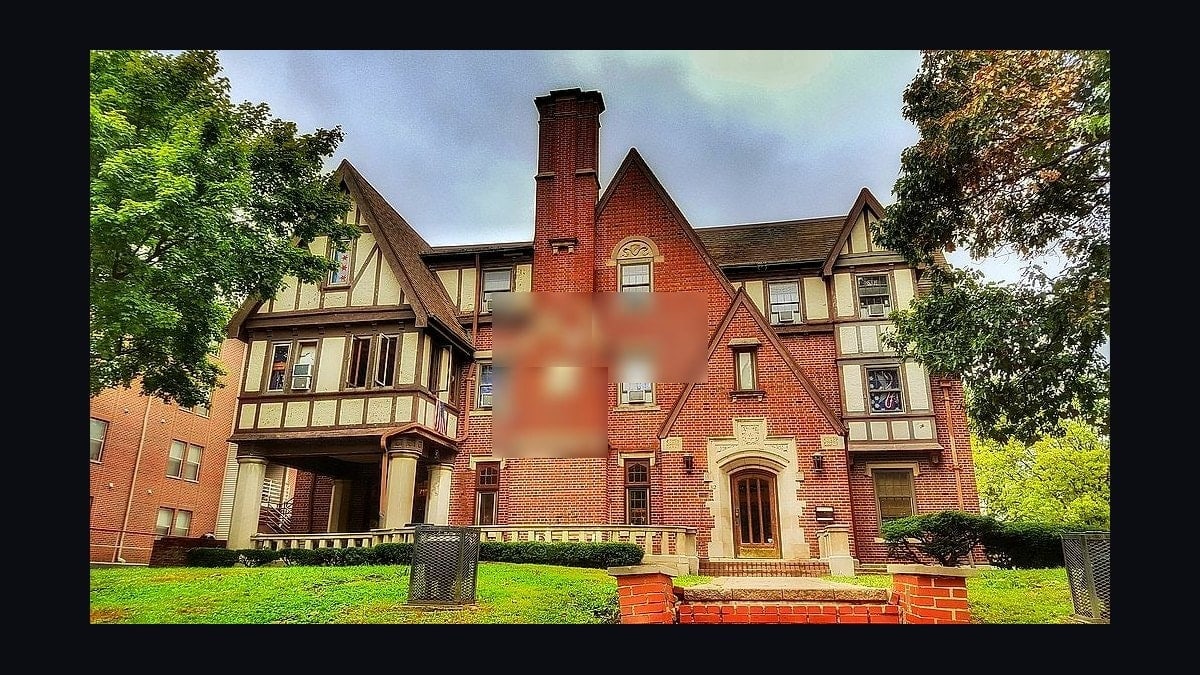
Kappa Phi Lambda lands fourth on a Sisterhood rating of 87.2, the highest of any chapter on this list, alongside Classiness at 74.6 and Popularity at 71. It does so on only 11 student ratings, so the sample is thin and the placement rests more on cultural standing than volume. Involvement at 71 and Social Life at 67.2 are moderate.
It appeals to women seeking an Asian-interest chapter with an unusually strong internal bond and a defined campus identity. The trade-off is scale: a small chapter means less of the broad social reach the largest Panhellenic groups offer. Against Pi Beta Phi above, it wins clearly on Sisterhood but trails on Involvement and Social Life.
5Sigma Gamma Rho

Sigma Gamma Rho sits fifth with the second-highest Classiness score in the top ten at 77.8, plus Friendliness at 82.6 and Involvement at 74.8 from 19 ratings. Popularity at 70.6 and Social Life at 72.6 are respectable. It is rated as a poised, engaged chapter rather than a numbers-driven one.
This suits women looking for a historically Black sorority with a strong service and involvement profile and a smaller, more intentional membership. The trade-off is that a chapter this size cannot match the social calendar of the largest groups. Compared with Kappa Phi Lambda above, it wins on Classiness and Social Life but gives up ground on Sisterhood.
6Kappa Kappa Gamma
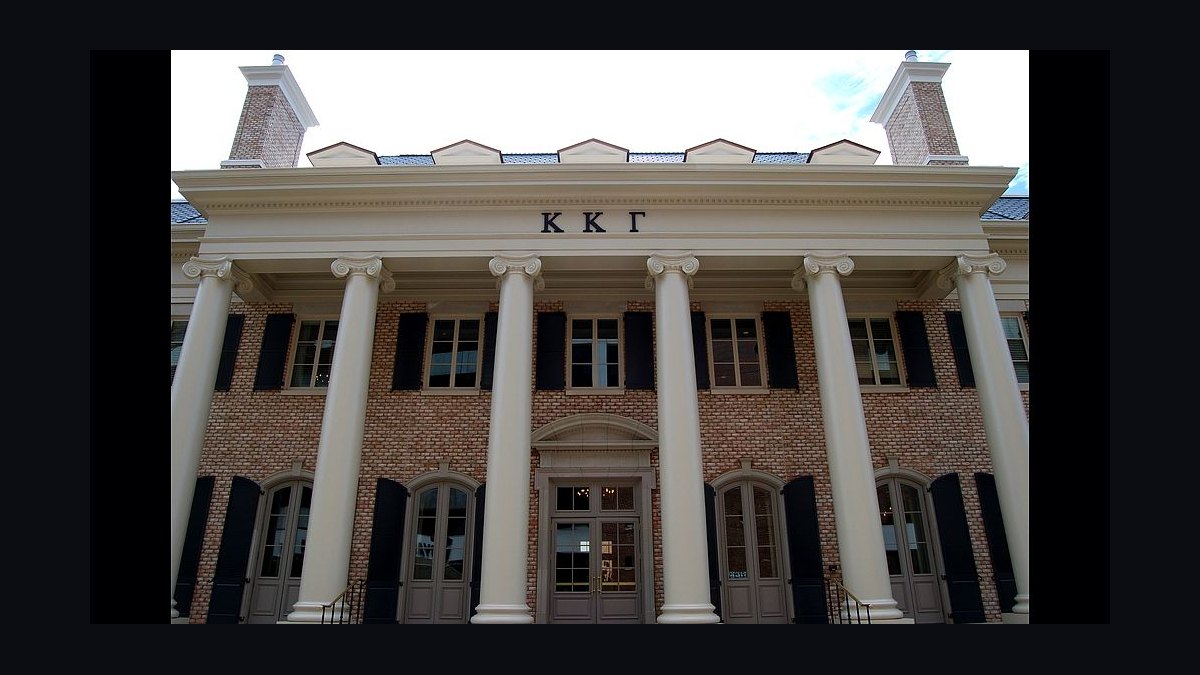
Kappa Kappa Gamma ranks sixth on Classiness of 80.2, the highest on this entire list, and Friendliness of 85.4 with Sisterhood at 84.2 across 323 ratings. Involvement at 79.4 is also strong. Popularity at 57 is the weakest figure in its profile and the main thing holding it here.
It fits women who value a classy, friendly, close chapter over a high-visibility social reputation. The clear cost is Popularity, which trails Alpha Delta Pi by more than twenty points. Against Sigma Gamma Rho directly above, it wins on Classiness, Friendliness, Involvement and Sisterhood but loses badly on Popularity and Social Life.
7Alpha Chi Omega
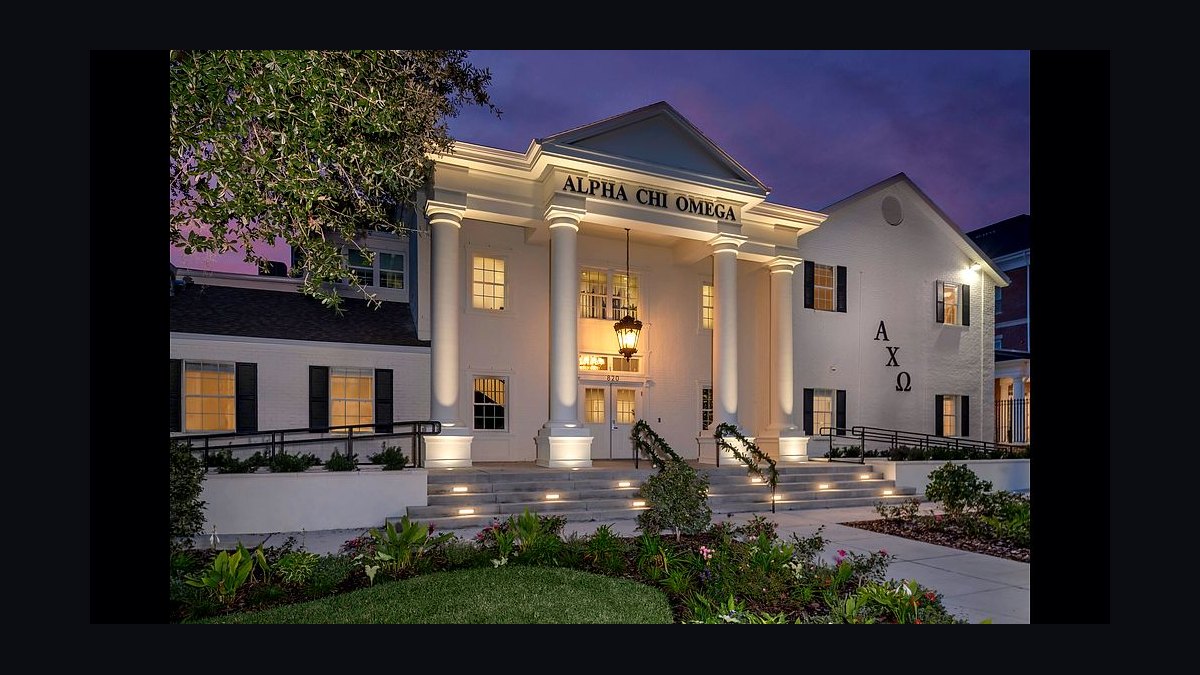
Alpha Chi Omega takes seventh with balanced ratings: Classiness 77.8, Sisterhood 80.4, Friendliness 78.4 and Involvement 74, from 282 ratings. Popularity at 67.8 and Social Life at 69.2 are middle of the pack. Nothing in its profile is a standout weakness or a standout strength.
This is a reasonable fit for women who want a well-rounded chapter without a defining niche. What it trades away is top-end pull in any single category, since it leads on nothing here. Against Kappa Kappa Gamma above, it loses on Classiness, Friendliness, Involvement and Sisterhood, but beats it on Popularity and Social Life.
8Alpha Delta Pi

Alpha Delta Pi ranks eighth largely on Popularity of 77.8 and Social Life of 78.8, both among the highest on this list, from 349 ratings. Classiness at 71.6 and Involvement at 71.2 are moderate. Friendliness at 68 and Sisterhood at 69.6 are the lowest in its profile and pull it down.
It suits women who want a socially prominent chapter and are less concerned with warmth ratings. The trade-off is exactly that: its Friendliness and Sisterhood scores are the weakest of any chapter in the top ten. Against Alpha Chi Omega above, it wins on Popularity and Social Life but loses on Classiness, Involvement and Sisterhood.
9Sigma Sigma Sigma

Sigma Sigma Sigma sits ninth on Friendliness of 88.4, the highest score on this entire list, and Sisterhood of 85.2, with Classiness at 76.2 and Involvement at 75 from 211 ratings. Popularity at 57.8 and Social Life at 68 are its weak points. It is rated as a warm, close chapter rather than a prominent one.
This fits women who care most about friendliness and sisterhood and least about campus visibility. The cost is social reach, with Popularity nearly thirty points behind Zeta Tau Alpha. Against Alpha Delta Pi above, it wins decisively on Friendliness and Sisterhood but loses on Popularity and Social Life.
10Delta Sigma Theta

Delta Sigma Theta closes the top ten on Classiness of 76.6 and Friendliness of 75, with Involvement at 71.6 and Sisterhood at 72.8 from 12 ratings. Popularity at 68.4 and Social Life at 70 are steady. It is rated as a respected, classy chapter with a modest sample size.
It appeals to women seeking a historically Black sorority with strong campus standing and a service-oriented identity. The trade-off is that a smaller chapter offers less of the large-scale social programming the biggest Panhellenic groups run. Against Sigma Sigma Sigma above, it wins on Classiness but trails on Friendliness, Involvement and Sisterhood.
How we ranked these
This ranking weighted five factors: chapter size and retention (25%), campus visibility through philanthropy and intramural participation (20%), academic performance relative to the all-sorority GPA average (20%), alumnae engagement and national organization standing (20%), and member-reported satisfaction from public forums and campus surveys (15%). Data came from UNC's Office of Fraternity and Sorority Life, chapter websites, and publicly posted recruitment materials for the 2026-2027 cycle.
Deliberately excluded: social media follower counts, TikTok virality, anecdotal tier lists from anonymous message boards, and any metric tied to appearance, wealth, or legacy status. These reward noise over substance and disproportionately punish newer or smaller chapters. Also ignored: rush difficulty as a proxy for quality, since exclusivity reflects supply and demand, not chapter strength, service, or member experience.
What to look for
If you are a prospective member, prioritize fit over prestige: visit multiple houses during formal recruitment, ask about dues, time commitment, and housing requirements, and talk to sophomores and juniors rather than only the recruitment chair. Retention and member satisfaction matter more than a chapter's historical reputation on campus.
The most common mistake is choosing based on freshman-year optics or a single viral moment. Chapters rise and fall over four years, and a house that feels dominant in fall may look very different by junior year. Also avoid treating dues as the only cost signal; travel, formal, and apparel fees often add hundreds per semester.
Related questions
What is the biggest sorority at UNC Chapel Hill?
Chapter sizes shift yearly, but historically the largest Panhellenic chapters at UNC enroll roughly 200 to 250 members. UNC's Office of Fraternity and Sorority Life publishes current roster counts each fall, which is the most reliable source. Total chapter size does not directly correlate with satisfaction or retention, so treat it as one data point among many.
How much do UNC sorority dues cost per semester?
Panhellenic dues at UNC typically range from about $800 to $2,500 per semester depending on the chapter, with new-member fees adding several hundred more. Housing chapters charge additional room and board. Always request a written breakdown from the chapter treasurer before accepting a bid, since fees vary widely and are not standardized across houses.
Does legacy status still matter in UNC sorority recruitment?
Legacy preferences have weakened significantly across Panhellenic systems, including at UNC. Most chapters still note legacy connections but no longer guarantee bids. Recommendations and alumnae letters carry less weight than they did a decade ago. Personal fit, conversation quality, and GPA now drive most recruitment outcomes.
What GPA do you need to join a sorority at UNC?
UNC Panhellenic requires a minimum 2.5 high school GPA for incoming freshmen, but most competitive chapters recruit students well above that. Once enrolled, members typically must maintain a 2.5 to 2.75 college GPA to stay in good standing. Academic performance is one of several factors chapters weigh during recruitment.
Is spring recruitment easier than fall at UNC?
Spring recruitment, sometimes called informal recruitment, is smaller and less structured than fall formal recruitment. Fewer chapters participate, but competition per available spot can be lower. It is a good option for students who missed fall rush, transferred in, or want a less intense process. Availability varies by chapter each year.
Do UNC sororities require living in the house?
Most UNC Panhellenic chapters with houses require members to live in for at least one year, usually sophomore or junior year. Chapters without houses do not have this requirement. Housing obligations affect total cost significantly, so confirm the policy before accepting a bid if living arrangements matter to you.
How competitive is UNC sorority recruitment overall?
UNC hosts one of the larger Panhellenic recruitments in the Southeast, with roughly 1,000 to 1,200 potential new members in a typical fall. Most participants receive a bid, but placement in a specific chapter is not guaranteed. Preparation, conversation skills, and realistic preferences matter more than any single factor.
Can transfer students join a sorority at UNC?
Yes. Transfer students can participate in fall formal recruitment or spring informal recruitment, though some chapters reserve most spots for freshmen. Transfers often have better luck in spring or through upperclassman quota spaces. Contact UNC's Fraternity and Sorority Life office early to confirm eligibility and deadlines.
FAQ
What are the top sororities at UNC Chapel Hill?
There is no official ranking, and UNC does not publish tiers. Reputation varies by year and by who you ask. The chapters most often discussed include well-established houses with strong philanthropy, housing, and alumnae networks. Prospective members should evaluate fit, cost, and time commitment rather than relying on informal tier lists.
How does UNC sorority recruitment work?
Formal recruitment runs over roughly two weeks in the fall and includes open house, philanthropy, sisterhood, and preference rounds. Potential new members narrow their preferences while chapters make cuts. A bid matching process at the end determines placement. Register through UNC's Fraternity and Sorority Life office before the summer deadline.
What should I wear to UNC sorority recruitment?
Each round has different expectations. Open house is casual, philanthropy is dressy casual, sisterhood is semi-formal, and preference is formal. Follow the official recruitment guide rather than social media trends. Comfortable shoes matter because recruitment days are long, and you will walk between houses repeatedly.
Are UNC sororities expensive?
Yes, costs vary widely. Dues, new-member fees, housing, meals, formal, apparel, and travel can total several thousand dollars per year. Some chapters offer payment plans or limited financial assistance. Ask the treasurer directly for a full cost breakdown before accepting a bid so there are no surprises.
Do I need recommendations for UNC sorority recruitment?
Recommendations are no longer required at most UNC chapters and carry less weight than they once did. Some alumnae still submit them, but they rarely determine outcomes. Strong conversations, a solid GPA, and genuine interest matter far more. Do not stress if you cannot secure recommendations.
What is bid day like at UNC?
Bid day follows preference round and matching. Potential new members receive a bid card, then run to their new chapter house where members celebrate with signs, gifts, and photos. It is high-energy and emotional. Families often attend or wait nearby. Chapters typically host a reception afterward for new members and their parents.
Can you drop out of UNC sorority recruitment?
Yes, you can withdraw at any point by notifying the recruitment team. Withdrawing before preference round is common and does not affect future eligibility in most cases. If you accept a bid and later leave the chapter, you generally cannot rejoin another Panhellenic chapter at UNC.
How much time does a UNC sorority take each week?
Expect roughly five to ten hours per week during the semester, including chapter meetings, philanthropy events, study hours, and social activities. Recruitment and formal season are heavier. Time commitment varies by chapter and by whether you hold a leadership position. Ask current members for honest estimates.
Do UNC sororities haze new members?
Hazing is prohibited by UNC policy, Panhellenic rules, and state law. Chapters found hazing face serious sanctions, including suspension. If you experience or witness hazing, report it to UNC's Fraternity and Sorority Life office or the national organization. Most chapters now emphasize positive new-member education instead.
What is the difference between Panhellenic and multicultural sororities at UNC?
Panhellenic Council governs most historically white social sororities and runs fall formal recruitment. Multicultural Greek Council and National Pan-Hellenic Council chapters have separate recruitment timelines, often later in the year, and focus on cultural identity and service. Eligibility and intake processes differ, so contact each council directly.
Sources
- https://fsl.unc.edu/
- https://www.unc.edu/
- https://npcwomen.org/
- https://www.usnews.com/best-colleges/university-of-north-carolina-chapel-hill-2974
- https://www.chapelhillcarrborochamber.org/
- https://www.unc.edu/about/
- https://greeklife.unc.edu/
- https://www.northcarolina.edu/
Related on PULSE
This page will be disappearing soon. Save it to your device for $1 — or read it free while it is here.
@Kory-White- · if Venmo asks, the last 4 of my number are 2012
This page is gone.
This one is off the shelf now. $1 keeps it on your phone for good — the whole page, pictures and diagrams included.
 pulse-schoolsTop 10 Sororities at Kansas State University in 2027
 pulse-schoolsTop 10 Sororities at University of North Texas in 2027
 pulse-schoolsTop 10 Sororities at Texas State University in 2027
 pulse-schoolsTop 9 Sororities at University of Richmond in 2027
 pulse-schoolsTop 10 Sororities at University of Houston in 2027
 pulse-schoolsTop 10 Sororities at Texas Christian University in 2027
 pulse-schoolsTop 10 Sororities at University of Pennsylvania in 2027
 pulse-schoolsTop 10 Sororities at Coastal Carolina University in 2027
 pulse-schoolsTop 9 Sororities at Loyola University Chicago in 2027
 pulse-schoolsTop 10 Sororities at American University in 2027