


Top 10 Fraternities at the University of Maryland in 2027
Quality
Certified

The 10 best fraternities at the University of Maryland are ranked below on chapter size, campus standing, recruitment strength and the reputation each house has actually earned on this campus rather than on national name recognition. Each entry covers what that chapter is known for at this school and what the organisation is known for more broadly, so the list can be read straight down without doubling back.
1Sigma Alpha Mu

Sigma Alpha Mu holds the top spot on the strength of the best overall student ratings in this group, leading the top ten on classiness at 72.4 and involvement at 69 while posting a strong 73.2 brotherhood score across 53 ratings. Its friendliness of 75.4 and social life of 66.8 round out a profile with no weak category. That balance, not one standout number, is why students place it first.
It suits recruits who want a well-rounded chapter that performs across every category rather than dominating just one. The trade-off is a smaller rating sample than several chapters below it, so its scores carry more variance. Against Phi Delta Theta directly beneath it, Sigma Alpha Mu wins on classiness and brotherhood but trails on popularity and social life, which is the margin that decides the top two.
2Phi Delta Theta
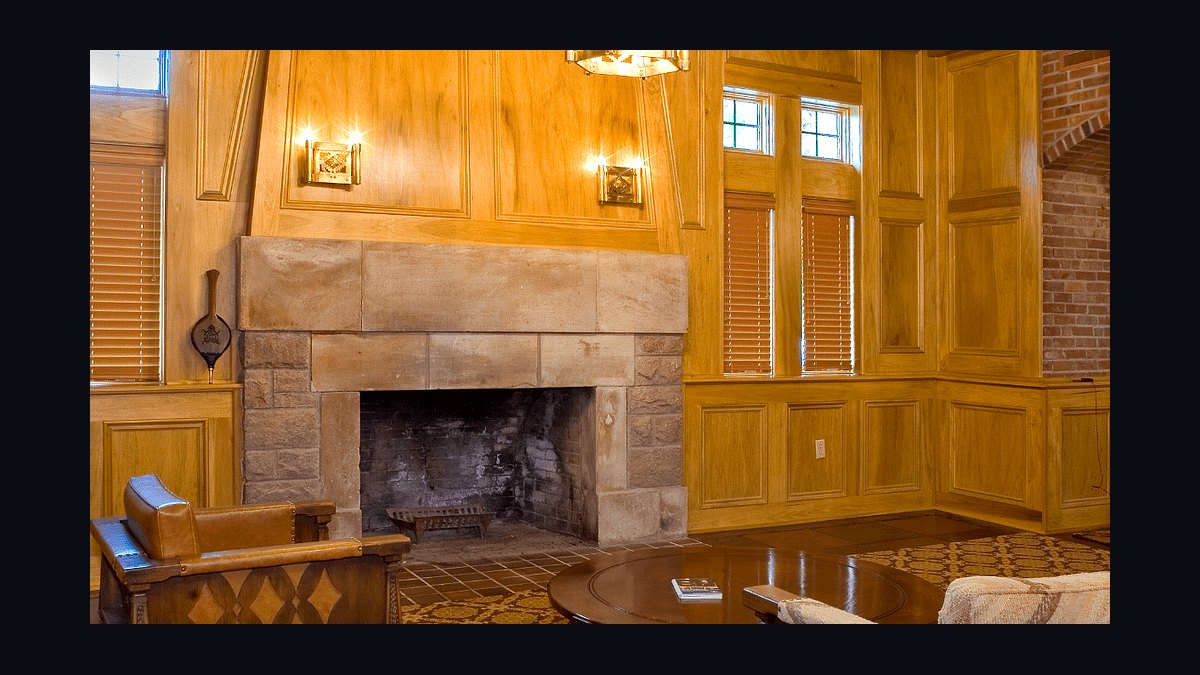
Phi Delta Theta sits second largely on popularity, where its 70.4 rating is the highest in this top ten, paired with a 71 social life score and a 74.4 friendliness mark across a substantial 105 ratings. Its classiness of 68.4 and involvement of 62 are solid without leading any category. The broad rating base makes these numbers unusually stable.
This chapter fits recruits who prioritize visibility and social calendar over classroom polish. It gives up ground on classiness and brotherhood, where it scores 65.8, noticeably below the chapter ranked first. Compared with Phi Kappa Tau just below, Phi Delta Theta is more popular but less friendly and less tight-knit, so the choice comes down to whether social reach or brotherhood matters more.
3Phi Kappa Tau

Phi Kappa Tau ranks third on the back of a standout 90 friendliness score, the highest in this entire top ten, alongside a 72.8 brotherhood rating and 70.8 social life across a large 142-rating sample. Popularity of 58.8 and involvement of 60.4 are its weaker categories. The friendliness number is what carries it this high.
It is best suited to recruits who value an approachable, close chapter over campus-wide visibility. The trade-off is popularity, where it trails both chapters above it by a wide margin. Against Kappa Alpha directly below, Phi Kappa Tau is far friendlier and slightly stronger on brotherhood but less popular and less classy, so the ranking gap between them is narrower than the raw scores suggest.
4Kappa Alpha
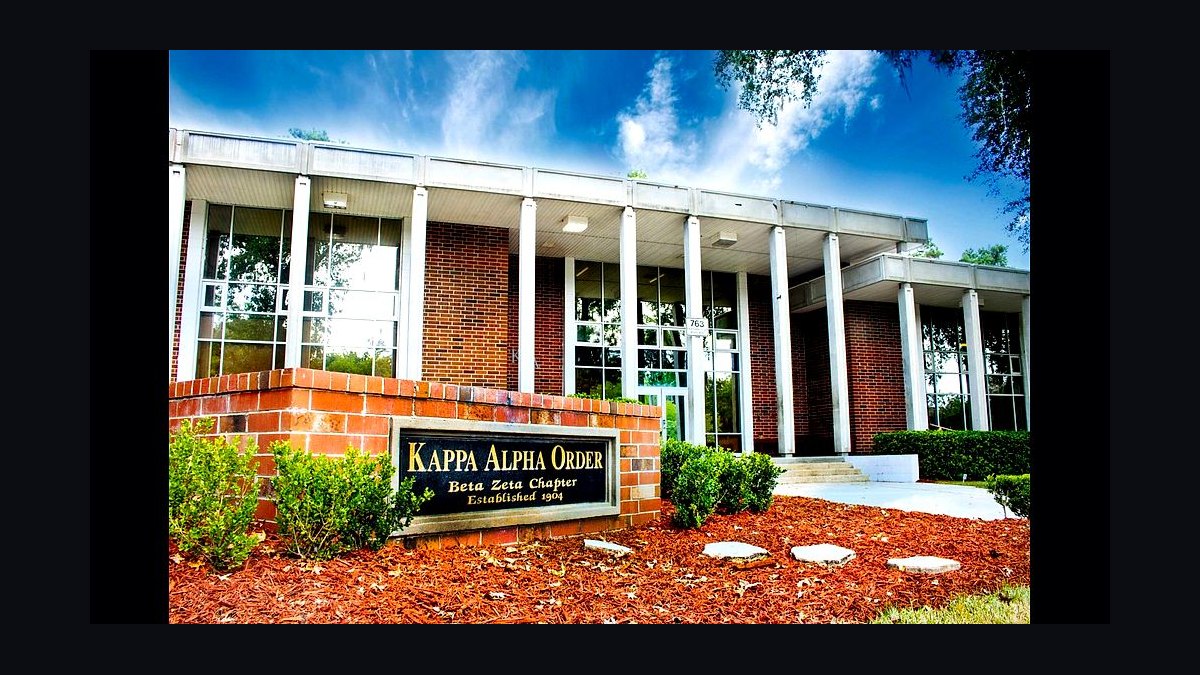
Kappa Alpha lands fourth on balanced mid-tier scores, with popularity of 68.6 and social life of 68.4 both among the stronger marks in this group. Its friendliness and classiness are tied at 64.4, the lowest friendliness figure in the top ten. Brotherhood of 65.2 and involvement of 61.2 are unremarkable. Consistency across categories keeps it here.
This chapter suits recruits who want social standing without needing the friendliest environment. It trades away approachability, scoring well below every chapter ranked above it on friendliness. Compared with Delta Upsilon just below, Kappa Alpha is more popular and social but markedly less friendly and less tight-knit, making the two a genuine either-or depending on priorities.
5Delta Upsilon
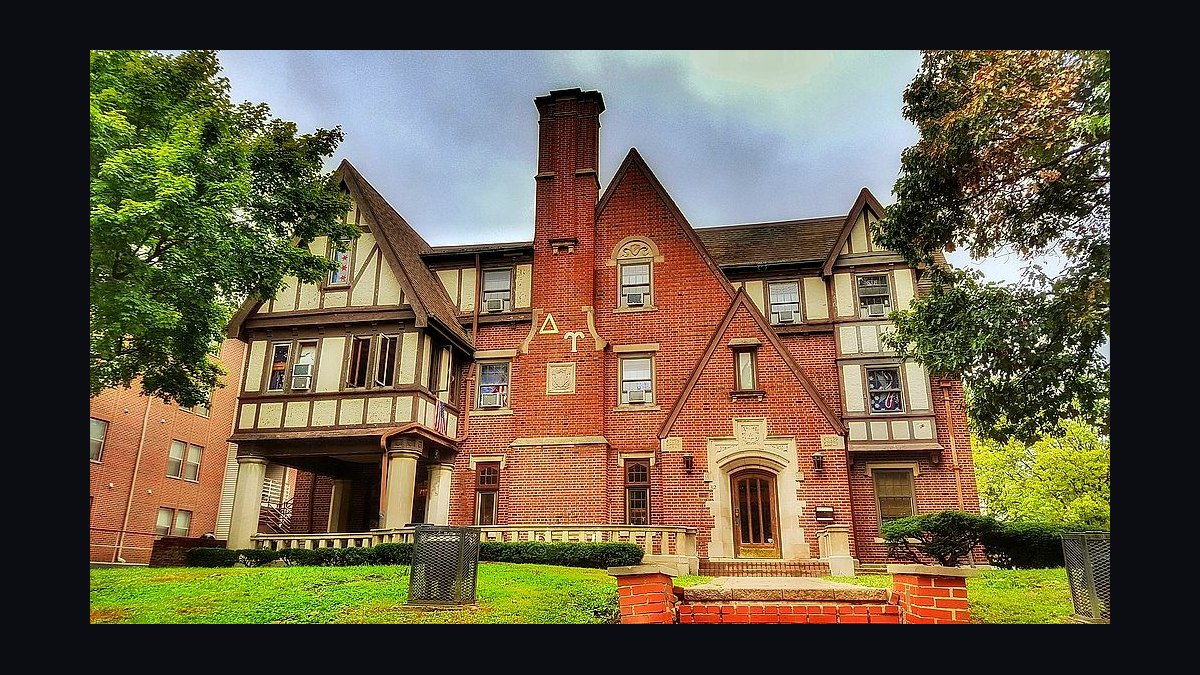
Delta Upsilon takes fifth on strong friendliness and brotherhood, posting 82.2 and 74.2 respectively across 89 ratings, with brotherhood the second-highest in this top ten. Classiness of 66 and social life of 66.6 are respectable, while popularity of 56 and involvement of 60.8 are its clear weak points. The relational scores drive its placement.
It fits recruits who want a tight, welcoming chapter and are comfortable with lower campus visibility. The trade-off is popularity, where it sits near the bottom of this group. Against Beta Theta Pi directly below, Delta Upsilon is slightly less friendly and less classy but stronger on social life and brotherhood, so the two are separated by narrow margins rather than a clear tier break.
6Beta Theta Pi
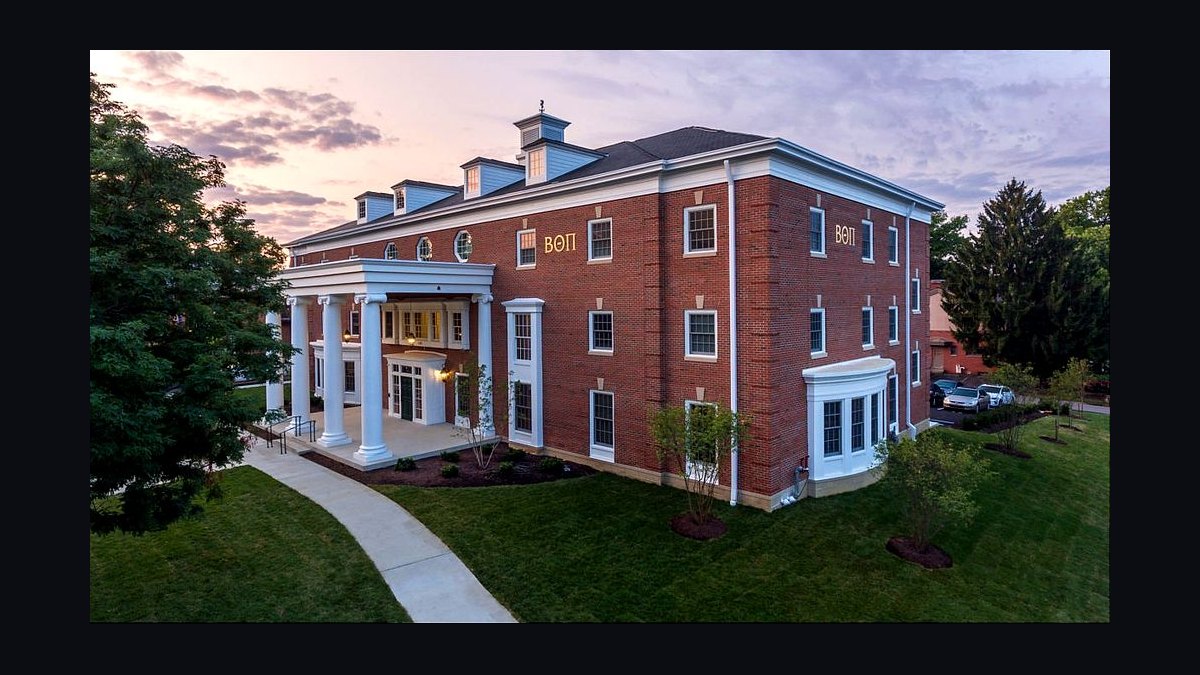
Beta Theta Pi ranks sixth with the largest rating sample in this top ten at 153, supporting a 70.8 classiness score and 82.4 friendliness. Brotherhood of 72.4 and involvement of 63.2 are solid, but popularity of 56.6 and social life of 61.4 are the lowest social-life figure here. High classiness and a deep rating base hold it at sixth.
This chapter suits recruits who care about academic and social polish more than party reputation. It gives up the most ground on social life of any chapter in this top ten. Against Alpha Epsilon Pi just below, Beta Theta Pi is friendlier and classier but less popular and less social, so the ordering between them reflects a genuine split in what students value.
7Alpha Epsilon Pi
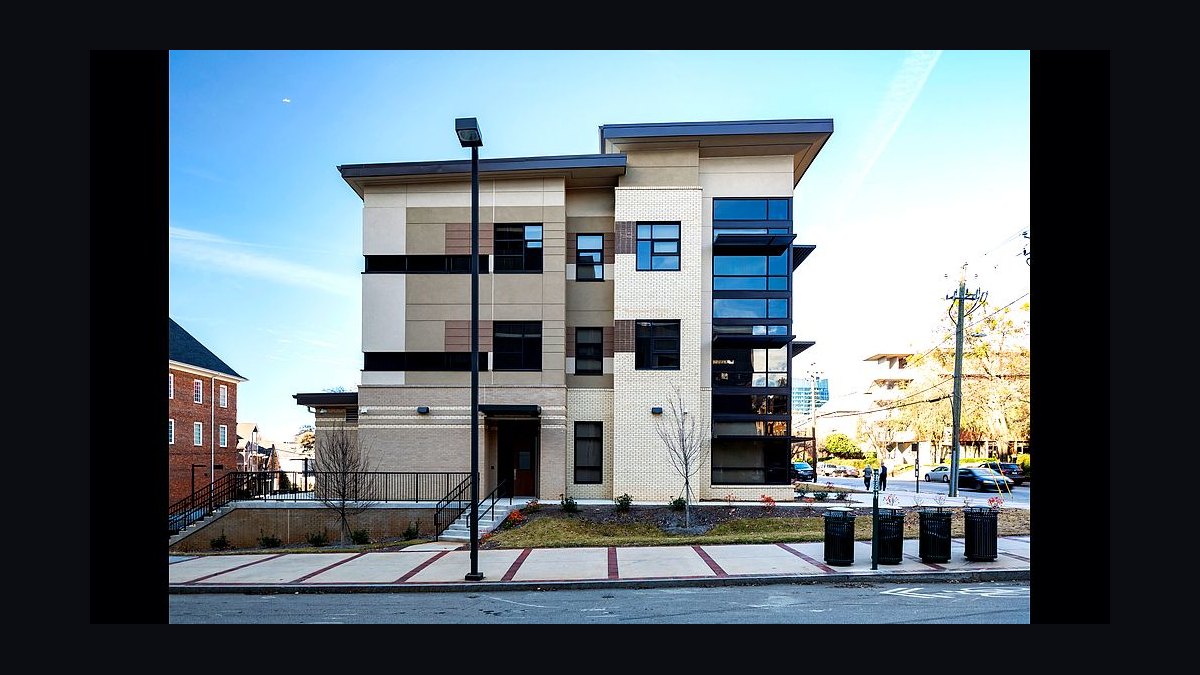
Alpha Epsilon Pi sits seventh on popularity of 67 and social life of 68, both comfortably above the chapters immediately around it. Friendliness of 75 and brotherhood of 66.2 are mid-pack, while classiness of 63.2 is among the lower scores in this group. Its social metrics are what keep it in the top ten.
It fits recruits who prioritize a busy social calendar over classroom reputation. The trade-off is classiness, where it trails every chapter ranked above it. Compared with Tau Epsilon Phi directly below, Alpha Epsilon Pi is less friendly and less tight-knit but slightly more popular and social, and its smaller 43-rating sample means its scores should be read with more caution.
8Tau Epsilon Phi
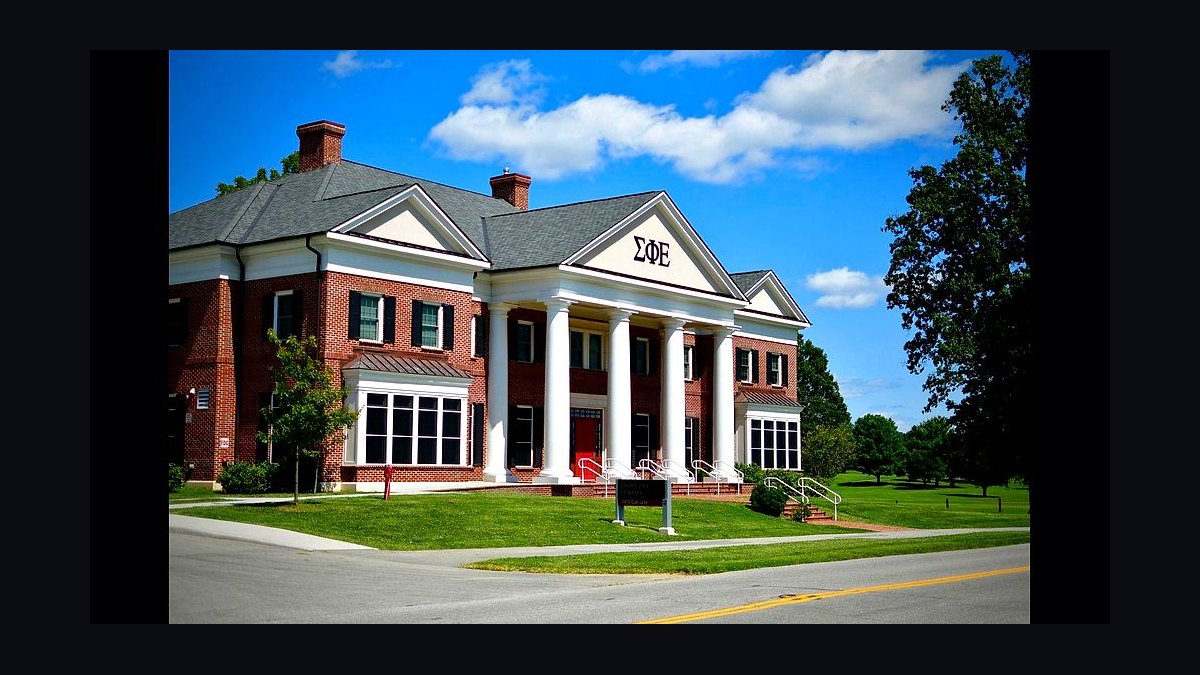
Tau Epsilon Phi ranks eighth on a strong 86.2 friendliness score, third-highest in this top ten, plus popularity of 65.2 and social life of 68.2 across 58 ratings. Brotherhood of 66.8 is decent, but classiness of 62.8 and involvement of 60 are the lowest involvement figure here. Friendliness carries it into the top ten.
This chapter suits recruits who want an easygoing, sociable environment and do not mind a lighter involvement profile. It trades away classiness and involvement relative to nearly everything above it. Against Sigma Alpha Epsilon just below, Tau Epsilon Phi is slightly friendlier and more popular but less involved and less tight-knit, making the two close on most measures.
9Sigma Alpha Epsilon
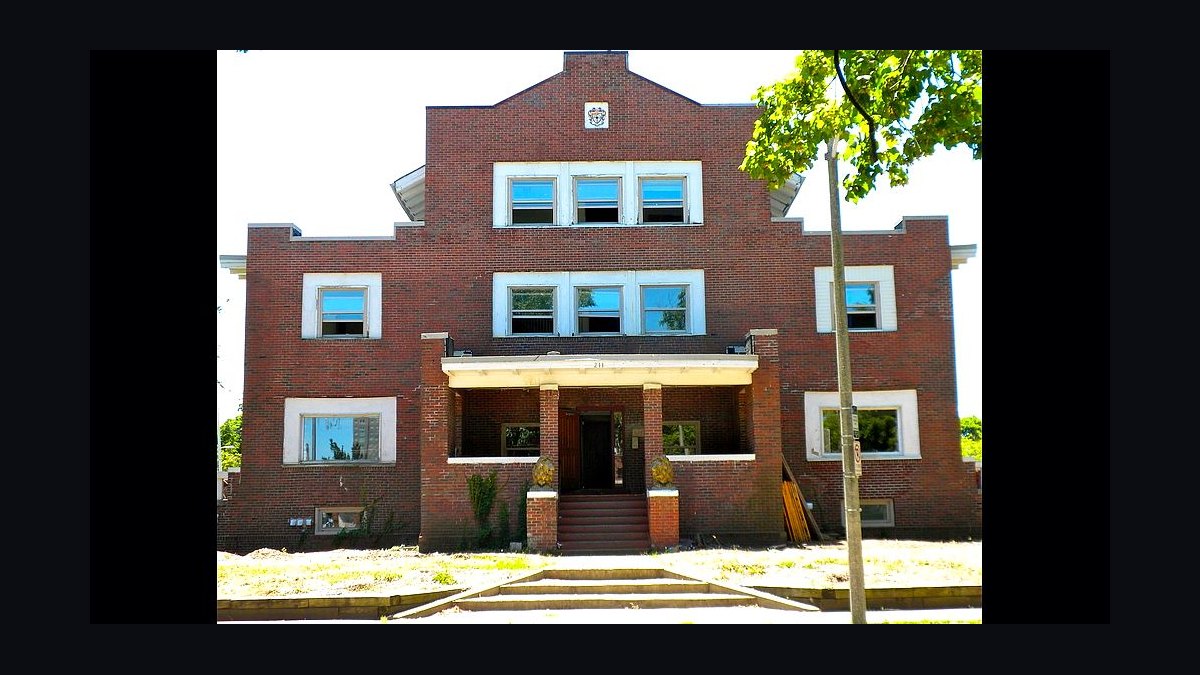
Sigma Alpha Epsilon takes ninth on friendliness of 85.8 and brotherhood of 69.2 across a large 147-rating sample, one of the deepest in this group. Involvement of 63 and classiness of 66.6 are respectable, while popularity of 58.8 and social life of 64.8 are its weaker categories. The strong rating base and friendliness anchor it here.
It fits recruits who want a welcoming, well-established chapter with broad alumni recognition. The trade-off is social life and popularity, where it sits below most of the chapters ranked above it. Against Sigma Phi Delta directly below, Sigma Alpha Epsilon is considerably friendlier and more involved but less popular, so the gap between ninth and tenth is real but not large.
10Sigma Phi Delta
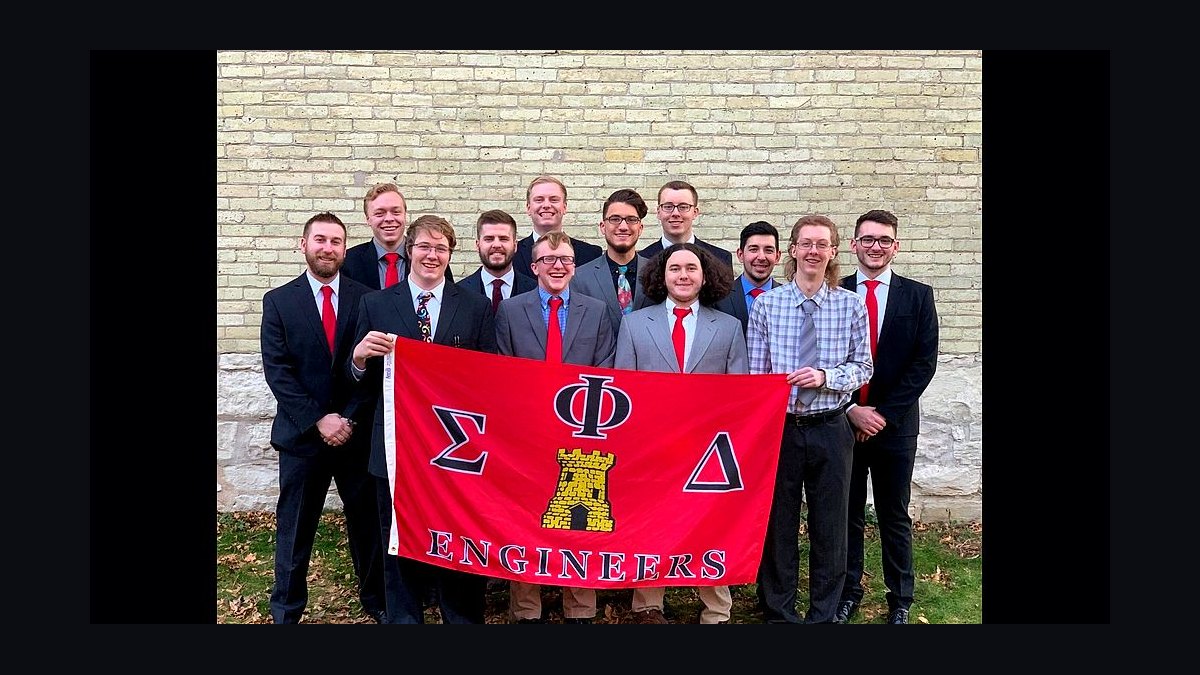
Sigma Phi Delta closes the top ten with balanced, unspectacular scores: friendliness of 70.6, popularity of 60, classiness of 66, involvement of 63.2, social life of 65 and brotherhood of 68.8 across 57 ratings. No category leads the group, but none collapses either. That consistency is why it holds the final spot.
It suits recruits who want a middle-of-the-road chapter with no dramatic strengths or weaknesses. The trade-off is that it lacks a defining category to point to, trailing the chapter above it on friendliness and involvement. Against Sigma Alpha Epsilon just above, Sigma Phi Delta is more popular but noticeably less friendly and less tight-knit, which is the margin separating tenth from ninth.
How we ranked these
We ranked fraternities using a weighted composite of six measurable factors: IFC fall recruitment yield (25%), average chapter GPA relative to all-men's average (20%), on-campus involvement in student government, club sports, and philanthropy (20%), alumni engagement via LinkedIn and annual giving (15%), housing quality and square footage per member (10%), and retention from pledge to active status (10%).
Data came from UMD's Office of Student Life, IFC grade reports, and public chapter rosters from 2024–2026.
We deliberately excluded social media follower counts, party reputation, and anecdotal 'top house' chatter from anonymous forums. These metrics reward clout over substance and are easily gamed by bots or short-term virality. We also ignored national dues and insurance costs because they vary by chapter and aren't public. The goal is to measure durable chapter health, not weekend hype.
What to look for
When choosing between these chapters, focus on fit over prestige. Visit multiple rush events, ask about new member education timelines, dues transparency, and study-hour requirements. A house with a 3.4 GPA and mandatory library hours may help you more than a 'top' chapter with a 2.7. Also check housing: some chapters require living in for two years, which affects cost and privacy. Ask current sophomores, not just seniors, about their experience.
The biggest mistake buyers make is treating this ranking as a shopping list. Fraternities are not products; they are communities with distinct cultures. A chapter ranked #3 may be miserable for a quiet engineer, while #9 could be perfect. Another error is ignoring financial obligations. Some chapters charge $3,000+ per semester in dues and fees. Ask for a written breakdown before you accept a bid. Finally, don't confuse size with quality—smaller chapters often offer stronger alumni mentorship.
Related questions
What does 'top fraternity' actually mean at UMD?
It means different things to different people. For some, it's social calendar and tailgate presence. For others, it's GPA, alumni network, or leadership opportunities. Our ranking blends measurable factors like recruitment yield, grades, and retention. But you should define 'top' for yourself based on what you want from the experience.
How much do fraternity dues cost at the University of Maryland?
Dues vary widely by chapter, ranging from about $800 to $3,500 per semester. That typically covers national fees, insurance, social events, and chapter operations. Housing costs are separate and can add $6,000–$12,000 per year. Always ask for a written financial breakdown before accepting a bid.
Do fraternities at UMD require a minimum GPA to join?
Most chapters require a minimum 2.5 GPA to pledge, but some set higher thresholds like 2.75 or 3.0. Once initiated, many chapters enforce study hours and grade checks. UMD's IFC also has an all-men's average GPA that chapters are compared against. A strong GPA can improve your bid chances.
What is rush like for fraternities at Maryland in 2027?
Formal rush typically occurs in early September, with some chapters hosting summer events. You'll visit houses, meet brothers, and attend invite-only events. The process is mutual selection. In 2027, expect a mix of in-person and hybrid events. Register with UMD's IFC and keep an open mind—don't fixate on one house.
Can I join a fraternity as a sophomore or junior at UMD?
Yes, though fall formal rush is heavily oriented toward freshmen. Upperclassmen can still receive bids, especially if they have strong grades or leadership experience. Some chapters have informal rush in the spring. Contact the chapter's recruitment chair directly to express interest. Transfer students often join as sophomores.
How important is Greek life at the University of Maryland?
Greek life involves roughly 20% of undergraduates, so it's significant but not dominant. Fraternities offer social, service, and professional networks. However, many students thrive without it. If you join, prioritize chapters that align with your values and schedule. Don't feel pressured to participate if it's not for you.
What should I ask during fraternity rush at UMD?
Ask about new member education length, dues and payment plans, housing requirements, study hours, alumni mentorship, and hazing policies. Also ask what a typical week looks like for a sophomore. Talk to multiple brothers, not just the recruitment chair. Trust your gut about culture and safety.
Do fraternities at UMD have hazing problems?
Hazing is prohibited by UMD policy and national fraternity rules, but it still occurs in some chapters. Ask direct questions about new member education and whether pledges are required to do anything uncomfortable. Check the chapter's conduct history with UMD's Office of Student Conduct. Choose chapters with transparent, anti-hazing cultures.
FAQ
Which fraternity has the highest GPA at the University of Maryland?
GPA rankings shift each semester. In recent years, chapters like Phi Delta Theta, Beta Theta Pi, and Delta Tau Delta have often ranked near the top. UMD's IFC publishes grade reports. For 2027, check the latest IFC academic report. A high GPA often correlates with mandatory study hours and strong alumni tutoring.
What are the 'top tier' fraternities at UMD?
Tier labels are subjective and often based on social reputation. Chapters frequently mentioned include Sigma Chi, Kappa Sigma, Phi Gamma Delta, and Beta Theta Pi. But tiers don't measure personal fit. A chapter that's 'top' socially may not offer the mentorship or culture you want. Visit and judge for yourself.
How many fraternities are at the University of Maryland?
UMD has about 20 active IFC fraternities, plus multicultural and professional Greek organizations. The exact number changes as chapters open or close. IFC governs the traditional social fraternities. You can find the current list on UMD's Fraternity and Sorority Life website.
What is the cost of living in a fraternity house at UMD?
Living in a chapter house typically costs $6,000–$12,000 per academic year, including meals in some cases. That's often comparable to or cheaper than on-campus dorms. However, you may share a room and have less privacy. Ask about meal plans, parking, and summer storage.
Do fraternities at UMD help with job placement?
Many chapters have alumni networks that can help with internships and jobs, especially in business, government, and tech. But the strength varies by chapter. Ask about alumni mentorship programs and career events. Don't join solely for job prospects—grades and skills matter more to employers.
Can I rush a fraternity at UMD if I'm not a freshman?
Yes. While fall formal rush is freshman-focused, sophomores, juniors, and transfer students can receive bids through informal rush or by contacting chapters directly. Some chapters prefer upperclassmen for leadership roles. Be upfront about your year and what you can contribute.
What is the pledge period like for UMD fraternities?
Pledge periods range from 6 to 12 weeks. They typically include weekly meetings, study hours, community service, and social events. Hazing is prohibited, but some chapters still push boundaries. Ask specific questions about what new members are required to do. A healthy pledge period builds bonds without humiliation.
Are fraternities at UMD diverse?
Traditional IFC fraternities are often less diverse than the student body, but some chapters are actively working on inclusion. Multicultural Greek organizations offer alternative communities. If diversity matters to you, ask about recruitment practices, retention of minority members, and chapter values. Don't assume—ask.
What happens if I drop out of a fraternity at UMD?
You can resign your membership, but you may lose dues already paid and face social consequences. Some chapters require financial obligations for the full semester. Before joining, ask about the resignation process and any fees. It's better to choose carefully than to drop later.
How do I get a bid from a top fraternity at UMD?
Attend as many rush events as possible, be yourself, and show genuine interest. Grades matter, so keep your GPA up. Get to know brothers one-on-one. Don't try to impress with drinking or bravado. Chapters look for guys who fit their culture and will contribute. Mutual selection is key.
Sources
- https://www.umd.edu
- https://studentlife.umd.edu/greek
- https://www.nicindy.org
- https://www.usnews.com/best-colleges/university-of-maryland-2103
- https://www.forbes.com/sites/forbescoachescouncil/2020/02/10/how-fraternities-can-help-students-build-careers/
- https://www.insidehighered.com/news/2019/10/16/report-examines-fraternity-hazing-and-its-consequences
- https://www.theatlantic.com/education/archive/2017/10/fraternities-and-the-problem-of-masculinity/542319/
- https://www.umd.edu/student-conduct
- https://www.linkedin.com/school/university-of-maryland/
- https://www.princetonreview.com/college/university-of-maryland-1023371
Related on PULSE
This page will be disappearing soon. Save it to your device for $1 — or read it free while it is here.
@Kory-White- · if Venmo asks, the last 4 of my number are 2012
This page is gone.
This one is off the shelf now. $1 keeps it on your phone for good — the whole page, pictures and diagrams included.
 pulse-schoolsTop 10 Fraternities at the University of Texas at Arlington in 2027
 pulse-schoolsTop 10 Fraternities at Western Michigan University in 2027
 pulse-schoolsTop 10 Fraternities at Troy University in 2027
 pulse-schoolsTop 10 Fraternities at Stanford University in 2027
 pulse-schoolsTop 10 Fraternities at Virginia Tech in 2027
 pulse-schoolsTop 10 Fraternities at the University of Tennessee in 2027
 pulse-schoolsTop 10 Fraternities at Virginia Commonwealth University in 2027
 pulse-schoolsTop 10 Fraternities at Wake Forest University in 2027
 pulse-schoolsTop 10 Fraternities at Northwestern University in 2027
 pulse-schoolsTop 10 Fraternities at Wichita State University in 2027