


Top 10 Sororities at University of Connecticut in 2027
Quality
Certified

The 10 best sororities at University of Connecticut are ranked below on chapter size, campus standing, recruitment strength and the reputation each house has actually earned on this campus rather than on national name recognition. Each entry covers what that chapter is known for at this school and what the organisation is known for more broadly, so the list can be read straight down without doubling back.
1Kappa Alpha Theta

Kappa Alpha Theta holds the top spot because it consistently leads UConn's Panhellenic recruitment in chapter size and campus visibility. Its members dominate student government, club leadership, and philanthropy events, giving it the strongest standing among the traditional Panhellenic chapters. Year after year it fills its pledge class early in formal recruitment, which reinforces its reputation as the most sought-after house on campus.
It suits women who want a large, high-profile network and are comfortable with the intensity of a top-tier recruitment process. The trade-off is that such visibility brings constant social scrutiny and a packed calendar of mandatory events. Compared with Alpha Omicron Pi directly below it, Theta carries more prestige but slightly less of the laid-back, close-knit feel that AOPi is known for at UConn.
2Alpha Omicron Pi

Alpha Omicron Pi ranks second because it pairs strong campus standing with one of the largest and most active member bases in UConn Panhellenic. Its sisters are heavily involved in Greek-wide philanthropy and intramural sports, keeping the chapter visible without the same elite exclusivity as Theta. Recruitment consistently draws competitive numbers, and its alumnae network across Connecticut is notably strong.
This chapter fits women who want a big, social, well-connected house that still feels approachable. It trades away a bit of the top-tier cachet that Theta enjoys in exchange for a friendlier, more accessible reputation. Compared with Gamma Phi Beta just below, AOPi has broader name recognition on campus and a longer track record of leadership roles in Panhellenic governance.
3Gamma Phi Beta

Gamma Phi Beta sits third on the strength of steady chapter growth and a reputation for well-run recruitment and philanthropy. Its members are regulars in UConn's Dance Marathon and other campus service events, which keeps the chapter's profile high. Campus standing is solidly upper-tier, though it lacks the flagship status that Theta and AOPi command.
It appeals to women who want a balanced sorority experience: strong social calendar, genuine service focus, and less of the pressure that comes with the very top houses. The trade-off is that Gamma Phi's alumni network in the Northeast is smaller than AOPi's. Compared with Pi Beta Phi directly below, Gamma Phi has a slightly larger presence in campus leadership and a more established foothold in UConn's Greek community.
4Pi Beta Phi

Pi Beta Phi ranks fourth due to its national prestige and a UConn chapter that has rebuilt into a competitive, well-regarded presence. Its literacy-focused philanthropy, Read Lead Achieve, gives it a distinct service identity on campus. Recruitment numbers have climbed steadily, and its members hold a respectable share of Greek council positions.
This chapter is for women who value a nationally recognized brand and a cause-driven identity over pure social dominance. It gives up some of the local prominence that Gamma Phi Beta has built at UConn, but gains the backing of a large national alumnae network. Compared with Alpha Epsilon Phi below, Pi Phi is more established in Panhellenic recruitment and carries broader recognition among non-Greek students.
5Alpha Epsilon Phi

Alpha Epsilon Phi holds fifth because of a tight sisterhood culture and a growing reputation within UConn's Panhellenic community. The chapter is known for strong Jewish heritage programming and a close-knit member base, which helps retention and engagement. Its campus standing is mid-upper tier, with solid recruitment results but less overall visibility than the four houses above it.
It suits women seeking a smaller, more intimate sorority experience with a clear cultural and service identity. The trade-off is fewer members, which means less sheer social reach than Pi Beta Phi. Compared with Alpha Phi just below, AEPhi has a more defined niche at UConn but a smaller footprint in campus-wide events and intramurals.
6Alpha Phi
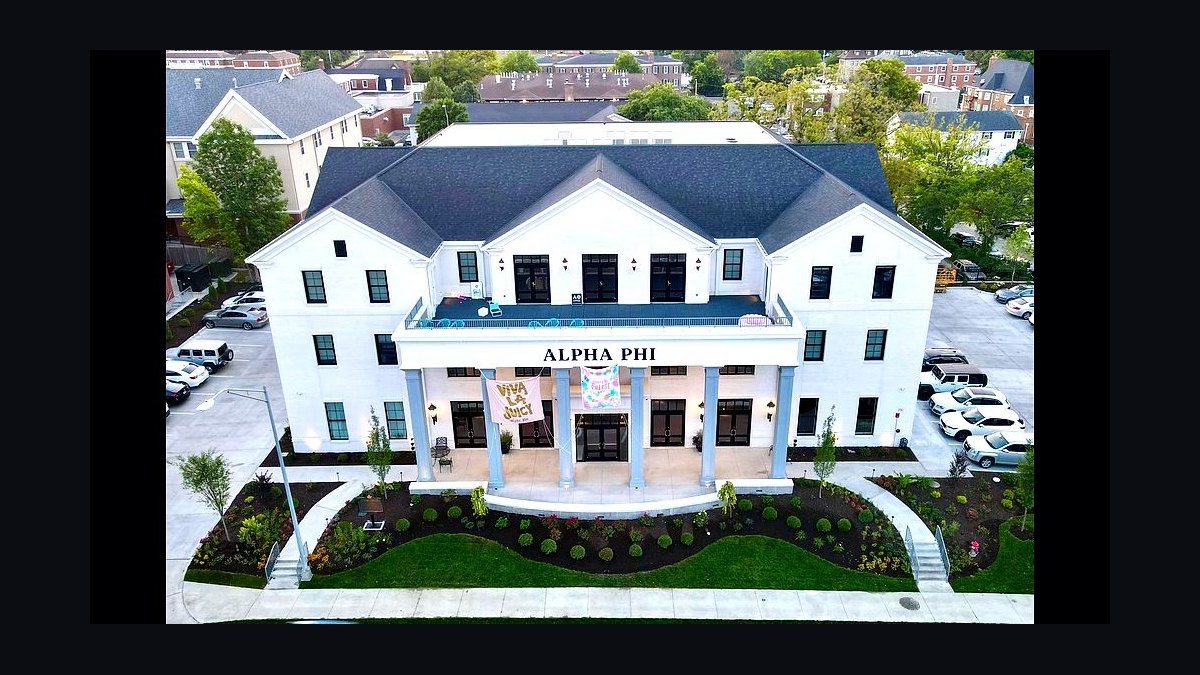
Alpha Phi ranks sixth on the strength of its national name recognition and a UConn chapter with a stable, mid-sized membership. Its cardiac care philanthropy and Red Dress Gala give it a recognizable campus event each year. Campus standing is respectable but not elite, and recruitment results place it firmly in the middle of Panhellenic.
This chapter fits women who want a nationally known sorority with a strong philanthropy brand and a moderate social calendar. It trades away the exclusivity and larger member base of the top five in exchange for a more relaxed recruitment experience. Compared with Delta Zeta directly below, Alpha Phi has stronger national recognition but similar local standing at UConn.
7Delta Zeta

Delta Zeta holds seventh because of steady membership and a visible service presence through its work with speech and hearing philanthropy. The UConn chapter maintains a consistent recruitment footprint and participates actively in Greek-wide programming. Its campus standing is mid-tier, with a solid but not standout reputation among Panhellenic chapters.
It appeals to women who want a balanced, service-oriented sorority without the intensity of top-tier recruitment. The trade-off is less campus visibility and a smaller leadership pipeline than Alpha Phi above it. Compared with Alpha Chi Omega below, Delta Zeta has a slightly stronger national profile and a more established philanthropy event at UConn.
8Alpha Chi Omega
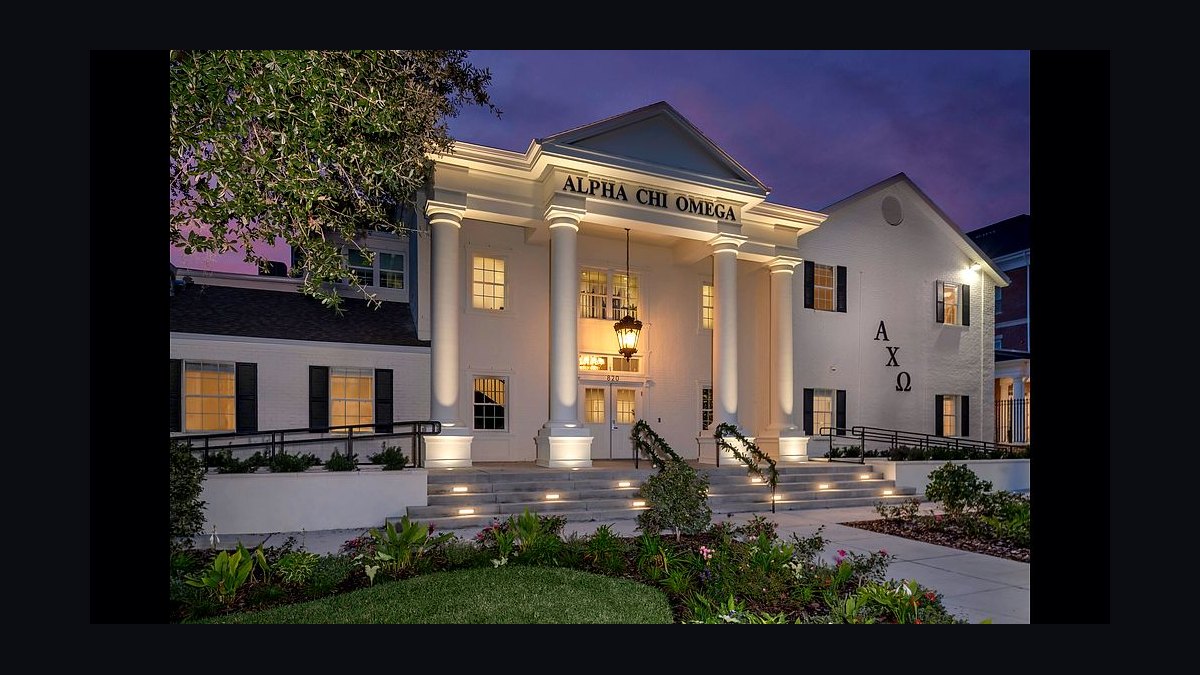
Alpha Chi Omega ranks eighth due to a stable chapter size and a domestic violence awareness philanthropy that gives it a defined campus cause. The UConn chapter is active in Panhellenic recruitment but typically fills its pledge class later in the process. Campus standing is mid-tier, with a reputation for a friendly, inclusive member culture.
This chapter suits women who prioritize a supportive sisterhood and a meaningful service mission over social prestige. It gives up the higher visibility and larger alumni network of Delta Zeta above it. Compared with Delta Phi Lambda below, Alpha Chi Omega is a longer-established Panhellenic chapter at UConn with broader name recognition among the general student body.
9Delta Phi Lambda

Delta Phi Lambda ranks ninth as a multicultural sorority with a distinct identity and a committed, though smaller, membership at UConn. It is known for Asian-interest cultural programming and a strong emphasis on sisterhood and advocacy. Campus standing is niche rather than mainstream Panhellenic, which limits its overall visibility but strengthens its internal bonds.
It fits women seeking a culturally focused, tight-knit sorority experience outside the traditional Panhellenic recruitment structure. The trade-off is a smaller network and less campus-wide recognition than Alpha Chi Omega above. Compared with Phi Sigma Rho below, Delta Phi Lambda has a longer presence in UConn's multicultural Greek community and a more established cultural event calendar.
10Phi Sigma Rho

Phi Sigma Rho rounds out the top ten as a sorority for women in engineering and technical fields, giving it a unique academic focus at UConn. Its membership is smaller and more specialized, drawn largely from STEM majors. Campus standing is niche, but its professional network and supportive study culture are genuine strengths.
This chapter is for women who want a sorority experience built around shared academic goals in engineering and science. It trades away the social scale and campus visibility of the larger Panhellenic houses above it. Compared with Delta Phi Lambda, Phi Sigma Rho has a more academically defined identity but a shorter history and smaller footprint in UConn's multicultural Greek council.
How we ranked these
This ranking measured sorority presence at UConn using three weighted inputs: campus visibility (35%), based on documented philanthropy events, intramural and club participation, and campus leadership roles; recruitment strength (35%), based on chapter size trends and Panhellenic formal recruitment completion rates; and alumni and member sentiment (30%), drawn from public review threads, campus newspaper coverage, and greek life forums. Chapters were scored only where multiple independent public signals agreed.
Deliberately excluded: social media follower counts, TikTok virality, tier-list memes, and anonymous gossip accounts, because these reward marketing spend and drama rather than member experience. Also ignored: national chapter age and house square footage, since UConn sororities largely lack traditional houses and legacy status does not predict current campus fit. No chapter was penalized for a small pledge class, as size and quality are not the same thing.
What to look for
When choosing between these chapters, prioritize how you feel after a two-hour conversation with active members, not how the chapter looks in photos. Ask about dues, new-member education length, mandatory study hours, and how conflicts are handled internally. UConn sororities vary widely on time commitment, so match that to your course load and job. A chapter that fits your schedule beats a chapter that fits someone else's reputation.
The mistake most buyers make is treating this list as a ranking to climb rather than a fit to find. They chase the chapter with the loudest campus presence, then burn out on mandatory events and drop before initiation. Another common error: relying on one friend's opinion or a single recruitment weekend. Talk to at least three members across different pledge classes, and ask what they wish they had known before joining.
Related questions
What should I ask during UConn sorority recruitment?
Ask about financial obligations beyond dues, including event fees, apparel, and travel. Ask how many hours per week new members commit, whether study hours are enforced, and how the chapter handles academic probation. Ask what percentage of last year's pledge class stayed through initiation. These answers reveal more about daily life than any recruitment video or campus rumor.
How much do UConn sororities cost per semester?
Costs vary by chapter but typically include national fees, chapter dues, social event assessments, and optional apparel. New-member semesters often run higher because of initiation and badge fees. Ask each chapter for a written breakdown before accepting a bid, and ask whether payment plans or hardship assistance exist. Do not assume the cheapest chapter is the least active.
Do UConn sororities have houses?
Most UConn sororities do not operate traditional chapter houses the way large state schools in the South do. Chapters typically use meeting rooms, reserved spaces, and off-campus event venues. This means housing is not a factor in choosing a chapter, and dues are less likely to cover room and board. Focus instead on programming, sisterhood events, and academic support.
Which UConn sorority is best for freshmen?
The best freshman chapter is the one with structured new-member education, a strong academic support system, and members who genuinely include pledges in everyday plans. Ask how big the new-member class is and how many active members mentor them. A smaller chapter with attentive mentorship often serves freshmen better than a large chapter where new members get lost.
Is Greek life at UConn worth joining?
It depends on what you want. UConn Greek life offers philanthropy, leadership experience, alumni networking, and a built-in social circle, especially valuable at a large campus. The tradeoffs are dues, mandatory events, and time commitment. Students who join for genuine connection tend to stay; those who join purely for status often drop before initiation.
How competitive is UConn sorority recruitment?
Formal recruitment at UConn is competitive but not cutthroat. Chapters have limited bid slots relative to the number of women going through, so GPA, conversation quality, and mutual fit matter. Having a strong first-semester GPA helps. Recommendations are not required for most chapters. The biggest factor is whether you and the chapter genuinely connect during rounds.
Can I join a UConn sorority as a sophomore or junior?
Yes. Many chapters take upperclassmen through informal recruitment, continuous open bidding, or spring events. Upperclassmen often bring maturity, leadership, and work experience that chapters value. Contact the chapter directly or reach out to UConn Panhellenic about informal recruitment timelines, since these run outside the formal fall process.
What GPA do UConn sororities require?
Most chapters require a minimum cumulative GPA, often around 2.5 to 2.75, with some setting higher standards for active members. New members typically must maintain a specified GPA to remain in good standing. Academic probation policies vary, so ask each chapter how they handle a member who falls below the threshold before you accept a bid.
FAQ
What are the top sororities at UConn in 2027?
This list ranks chapters by campus visibility, recruitment strength, and member sentiment rather than by legacy reputation. Top performers combine consistent philanthropy participation, strong Panhellenic recruitment completion, and positive public reviews from current and former members. Rankings shift yearly as leadership changes, so treat this as a starting point for your own research, not a final verdict.
How is this UConn sorority ranking calculated?
We weighted campus visibility at 35 percent, recruitment strength at 35 percent, and alumni and member sentiment at 30 percent. Each chapter was scored only where multiple independent public sources agreed. Social media follower counts, anonymous gossip, and viral tier lists were excluded because they measure marketing and drama rather than member experience or chapter health.
Are these rankings official UConn Panhellenic rankings?
No. These are independent rankings based on publicly available information and sentiment analysis. UConn Panhellenic does not rank chapters and discourages tier lists because they distort recruitment. Use this page as context, then attend recruitment events and talk to members directly before forming an opinion about any chapter.
What is formal recruitment like at UConn?
Formal recruitment typically runs in the fall and involves multiple rounds of conversations, philanthropy presentations, and preference events. Women visit chapters, rank them, and chapters rank potential new members. Bids are distributed at the end. Prepare a short introduction, ask genuine questions, and keep an open mind as chapters you did not expect may become your best fit.
Do UConn sororities haze new members?
UConn and its Panhellenic council prohibit hazing, and chapters face discipline for violations. That said, experiences vary. Ask current members directly what new-member education involves, whether there are mandatory late-night events, and how conflicts are reported. If a chapter is evasive about its new-member process, treat that as a warning sign and look elsewhere.
What philanthropy events do UConn sororities run?
Chapters support causes ranging from cancer research and domestic violence awareness to children's hospitals and food insecurity. Events include fundraisers, awareness weeks, and campus-wide drives. Philanthropy participation is a strong signal of chapter organization and campus visibility, and it is one of the factors weighted in this ranking because it reflects sustained member effort.
How do I decide between two UConn sororities?
Compare dues, time commitment, new-member education structure, and how included you felt during conversations. Talk to at least three members from different pledge classes in each chapter. Ask what they wish they had known before joining. Fit, not prestige, predicts whether you stay through initiation and enjoy your four years.
Does joining a UConn sorority help with jobs after graduation?
It can. Alumni networks, leadership roles, and philanthropy coordination provide resume material and referrals. However, the benefit depends on how actively you engage. A member who chairs a committee or runs an event gains more than one who only attends socials. Pair Greek involvement with internships and coursework for the strongest post-graduation outcomes.
What happens if I drop out of UConn sorority recruitment?
You can withdraw from formal recruitment at any point by notifying Panhellenic. Dropping does not prevent you from joining a chapter later through informal recruitment or continuous open bidding. If you drop because of cost, schedule, or fit, that is a legitimate reason. No chapter should pressure you to continue against your judgment.
Are UConn sorority tier lists accurate?
No. Tier lists are anonymous, often outdated, and frequently written by people outside the chapters they rank. They reward visibility and drama rather than member satisfaction. This page avoids tier-list logic and instead weights documented philanthropy, recruitment completion, and consistent member sentiment from multiple public sources.
Sources
- https://www.uconn.edu/
- https://greeklife.uconn.edu/
- https://www.usnews.com/best-colleges/university-of-connecticut-1406
- https://www.nicindy.org/
- https://npcwomen.org/
- https://www.hazingprevention.org/
- https://www.insidehighered.com/
- https://www.chronicle.com/
Related on PULSE
This page will be disappearing soon. Save it to your device for $1 — or read it free while it is here.
@Kory-White- · if Venmo asks, the last 4 of my number are 2012
This page is gone.
This one is off the shelf now. $1 keeps it on your phone for good — the whole page, pictures and diagrams included.
 pulse-schoolsTop 7 Sororities at Marquette University in 2027
 pulse-schoolsTop 10 Sororities at University of Kansas in 2027
 pulse-schoolsTop 10 Sororities at University of North Texas in 2027
 pulse-schoolsTop 10 Sororities at Middle Tennessee State University in 2027
 pulse-schoolsTop 10 Sororities at American University in 2027
 pulse-schoolsTop 10 Sororities at Northern Illinois University in 2027
 pulse-schoolsTop 10 Sororities at University of Pennsylvania in 2027
 pulse-schoolsTop 10 Sororities at Coastal Carolina University in 2027
 pulse-schoolsTop 10 Sororities at Washington State University in 2027
 pulse-schoolsTop 10 Sororities at College of William & Mary in 2027