


Skill Drill: Follow-Up Cadence for Healthcare Sales
Quality
Certified
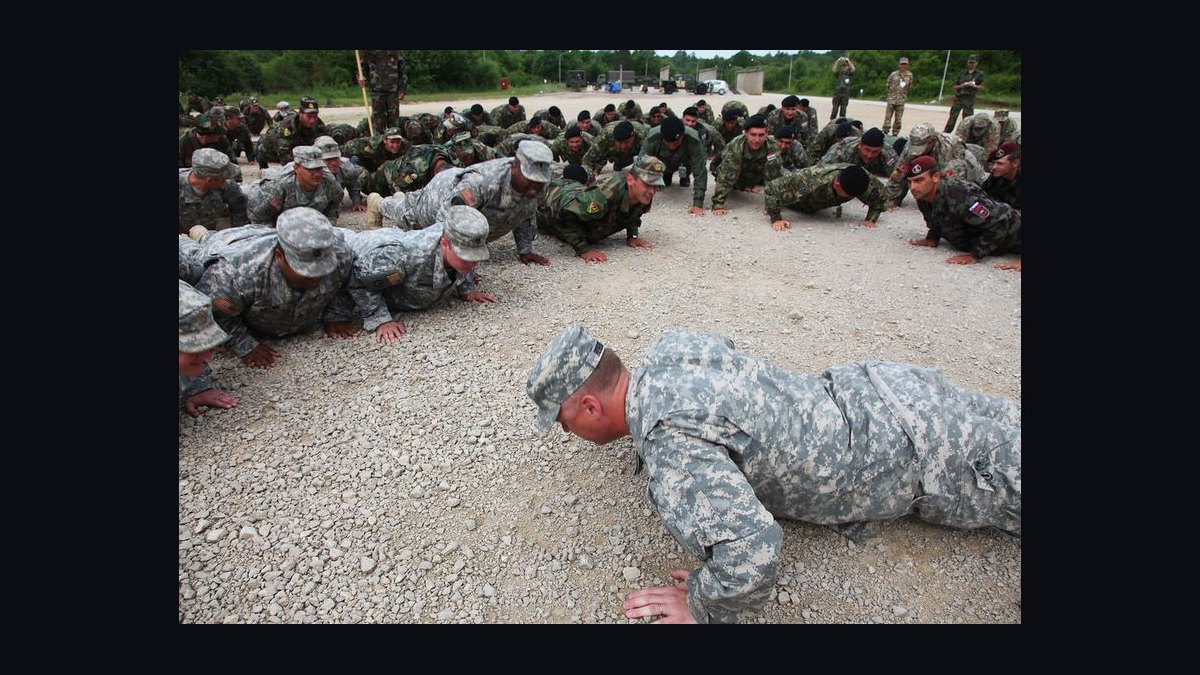
A Follow-Up Cadence skill drill for Healthcare Sales trains reps to run a disciplined, multi-touch sequence across committee buyers, long approval cycles, and clinician schedules. Teams of 4–10 reps map the buying committee, build an eight-touch value-led Cadence per persona, and pressure-test each touch against silence, gatekeeper blocks, and committee delays. Reps leave with a written sequence, a value reason for every Follow, and the reflex to never "just check in."
The two cadence models compared: high-touch committee sequencing vs. low-touch nurture
The core design decision in this Skill drill is which of two Cadence models a rep should run against a given Healthcare opportunity. They are not competing philosophies so much as two gears, and the drill teaches reps to pick the right gear and to shift between them deliberately rather than by default.
Model A — High-touch committee sequencing. This is an eight-touch, multi-threaded sequence spread across at least two channels over roughly 30 days, with a distinct value-add attached to every touch and a named persona behind each one. It assumes the deal is live, the committee is engaged, and momentum is the scarce resource. Touches land on a schedule that respects the value analysis committee calendar, and the rep is deliberately threading three or four personas in parallel rather than hammering one contact. The output is a grid: Day, Channel, Persona, Value-Add Reason. Nothing in the grid is allowed to reduce to "following up."
Model B — Low-touch long-term nurture. This is a slower, lighter sequence — typically one value-led touch every three to six weeks — aimed at accounts that have gone quiet, deals parked behind a budget cycle, or committees that will not reconvene for a quarter. The goal is not to advance a deal this month; it is to stay useful and stay visible without burning the relationship. A mailed clinical reprint, a reimbursement update, or a peer-facility case study every few weeks keeps the rep in the buyer's mental file without generating the "why is this person emailing me again" reaction.
The failure mode the drill exists to kill is using Model A's volume with Model B's substance — eight touches that all say "just checking in." That combination is worse than either model run well, because it burns the relationship *and* fails to advance the deal. A rep who sends eight vague touches to a Director of Nursing has not been persistent; they have trained that buyer to filter them.
A second dimension the drill forces reps to confront is single-threaded vs. multi-threaded. A single-threaded cadence follows up with one contact — usually whoever answered the phone first — while a five-person committee decides. A multi-threaded Cadence builds at least one touch stream per persona. In Healthcare, single-threading is the quiet killer: the contact goes on leave, gets reassigned, or simply is not in the room when the decision is made, and the deal dies with no warning. The drill's rule is blunt: if you cannot name the other three people on the committee and say when each hears from you, you do not have a Cadence — you have a hope.
Finally, the drill distinguishes value-led touches from status-check touches at the level of the individual message. A value-led touch gives the recipient something: a peer benchmark, a cost-per-case comparison, a clinical study, a reimbursement change, an in-service training plan, a conference data summary. A status-check touch asks the recipient for something: an update, a decision, a reply. The eight-touch grid is only as good as the value column, and the drill's peer review step exists specifically to red-line any touch where the value column is empty.
How to decide between them
The choice between high-touch sequencing and low-touch nurture is not a matter of rep preference or deal size alone. It is driven by three signals: whether the committee is actively meeting, whether the rep has a live internal champion, and how much time remains before the next decision gate. The drill teaches a short decision tree so reps stop defaulting to "send another email" when the situation calls for a channel switch, a champion re-arm, or a graceful step back.

The tree encodes a few hard-won rules. First, the committee calendar is the spine: if the value analysis committee meets the third Tuesday of the month, the rep's strongest evidence touch should land the week before, not the week after. Second, silence is a signal to change *both* channel and value-add — not to send a fourth email with different wording. Third, the transition from high-touch to nurture is not a failure state; it is the correct move after eight value-led touches with no reply, and it preserves the relationship for the next budget cycle. Reps who treat nurture as "giving up" tend to keep hammering and get blocked at the supply-chain gate.
Concrete numbers behind each option
The drill is deliberately numeric, because vague cadence advice produces vague cadence behavior. These are the working numbers the drill uses; they are training defaults a manager can tune to their own cycle length, not universal laws.
Sequence length and spacing. Model A runs eight touches over 30 days. A common spacing that survives real Healthcare calendars is Day 0, Day 2, Day 5, Day 9, Day 14, Day 19, Day 24, and Day 30 — front-loaded early, then widening as the rep moves from the post-meeting thank-you into evidence touches. Model B runs one touch every three to six weeks, which works out to roughly eight to seventeen touches across a twelve-month cycle. That sounds like a lot until you remember that Healthcare sales cycles routinely run six to twelve months, and a committee that meets monthly will only convene six to twelve times in that window.

Channel mix. The drill's default is a minimum of two channels per sequence and a channel switch every two to three touches. A workable eight-touch distribution is: three emails, two calls or voicemails, one LinkedIn message, one direct-mail piece (a clinical reprint or case study), and one final email offering to close the loop. The point of the switch is mechanical, not stylistic — eight identical emails from the same sender get filtered, and a mailed reprint arrives in a different context entirely.
Committee size. A single decision in a hospital system can involve a Director of Nursing, a VP of Supply Chain, a physician champion, a value analysis committee, and often a Chief Medical Information Officer. The drill's default is to build a primary Cadence for the three most influential personas — typically the economic buyer, the user buyer, and the coach — and add touches for the technical buyer as needed. Teams working accounts with five or more personas should not try to write five full sequences in one session; they should write three well and note where the fourth and fifth get their touches.
Reply-rate expectations. The drill does not promise a specific reply rate, because it varies enormously by segment and offer. What it does track is three movement numbers over a 30-day window: average touches per opportunity before it stalls, reply rate on follow-up touches, and the percentage of stalled deals re-engaged. All three should move in the right direction when the Cadence is disciplined. A rep whose reply rate on touch four is identical to touch one is usually sending the same message in a different font.

Time budget. The full drill runs 45 to 60 minutes with 4 to 10 reps. The compressed versions are 5 minutes (rewrite one "just checking in" email as a value-led touch), 30 minutes (committee mapping plus the eight-touch grid, skipping the pressure test), and 60 minutes (all rounds plus a second persona sequence and peer red-lining). A team running the drill monthly as a full session plus the 5-minute rewrite before every dedicated follow-up block gets roughly twelve reinforcement cycles a year.
Compliance thresholds. Any touch involving a meal, gift, or payment to a clinician can trigger Sunshine Act reporting and AdvaMed Code limits. The drill's working rule is that informational, value-led touches — a study, a benchmark, a reimbursement update — clear the bar, while anything involving hospitality gets routed through the compliance team before it is sent. Reps should know their own organization's thresholds, because they vary by system and by state.
Implementation details and sequencing
Running the drill well is mostly about sequencing the rounds so reps build the cadence before they defend it. The drill has five rounds, and the order matters: mapping first, building second, pressure-testing third, adapting fourth, and reviewing fifth. Skipping the mapping round produces eight-touch grids aimed at "the account" rather than at people, which is the exact failure the drill is designed to prevent.

Round 1 — Map the committee. Pairs take one real account and answer four questions: who signs, who uses, who can block, and who is helping you inside. The drill maps these to four buyer roles — economic buyer (often VP of Supply Chain or CFO), user buyer (Director of Nursing, floor clinicians), technical buyer (biomed, IT, or the value analysis committee), and coach (the physician champion who advocates internally). Each role gets a different reason to engage. The economic buyer cares about cost-per-case, contract terms, and standardization. The user buyer cares about workflow disruption, patient safety, and staff training time. The technical buyer evaluates clinical evidence and specifications. The coach needs ammunition to make the internal case stronger. The round is not finished until every rep can name all four roles for one real account.
Round 2 — Challenge the mapping. Pairs challenge each other on the mapping: "Who signs, who uses, who can block, and who's helping you inside?" The leader reads the framing aloud: you do not Follow up with "the account," you Follow up with people, and each one needs a different reason to talk. This round surfaces the accounts where the rep has been single-threading without realizing it.
Round 3 — Build the eight-touch grid. Reps fill a blank grid with Day, Channel, Persona, and Value-Add Reason for all eight touches. Pairs swap grids and red-line any touch that reduces to "checking in." The leader's prompt is specific: "Read me touch number four. If the value-add is 'see if you had questions,' cross it out and replace it. A real touch sounds like: 'Sharing the cost-per-case data from a 280-bed system that switched last quarter — it's relevant to your committee's March review.' That's a reason to reply." The banned-phrase card taped to each table — "just checking in," "circling back," "following up," "touching base," "any update?" — is the enforcement mechanism.

Round 4 — Pressure test. Reps deliver touches 1, 4, and 7 aloud while the partner plays the buyer and responds with one of three real obstacles: silence, a gatekeeper block, or a committee delay. The rep must adapt without sliding into "just following up." For silence, the rep changes channel and value-add: "I'll stop emailing — mailing you the 280-bed case study so it's on your desk before the March committee. If it's useful, I'm one call away." For the gatekeeper block, the rep sends what was requested but keeps the champion warm through a different channel. For the committee delay, the rep lands the strongest evidence touch the week before each monthly meeting and keeps the physician champion armed to advocate inside the room.
Round 5 — Adapt and review. Reps build a second Cadence for a different persona so they leave with two complete sequences, then peer-review each other's full grids. For teams of 2–3 reps, use one trio with the leader playing the buyer. For teams of 10 or more, split into two groups with two leaders, each focused on a different persona.
The most common mistakes the drill corrects are worth naming explicitly, because coaches see them repeatedly. The "just checking in" touch is the single most destructive pattern; the coach cue is "What would make them open this? If you can't answer, it's not a touch." Single-threading is second; the cue is "Name the other three people on this committee — when does each hear from you?" Same-channel repetition is third; the cue is "Where does email stop working and a call, a mailed reprint, or LinkedIn start?" Ignoring the committee calendar is fourth; the cue is "When does the value analysis committee meet, and is your best touch landing the week before?" No next step is fifth; the cue is "What's the specific date you proposed, and did they confirm it?" Compliance blind spots are sixth; the cue is "Does this touch involve a meal or gift? If so, does it clear the Sunshine Act and AdvaMed Code before you send it?"

The distinction between persistence and nagging runs through all five rounds. Persistence delivers a new value-add every time. Nagging repeats the same ask. If the buyer can predict the touch, it is nagging. If they learn something new, it is persistence. That single test, applied to every row of the grid, is what makes the Skill drill stick after the session ends.
Related questions
How many touches should a Healthcare sales Cadence include?
Eight is the working floor for a live opportunity, spread over roughly 30 days. Long committee cycles often need more, so extend across the committee's monthly meeting rhythm and add a touch stream for each persona on the buying committee.
What channels work best for Healthcare sales Follow-up?
A mix of email, phone, LinkedIn, and direct mail. Mailed clinical reprints or peer-reviewed studies break through where email fails. Switch channels every two to three touches so you are not filtered as spam.
How do you handle a Healthcare buyer who never replies?
Change both the channel and the value-add, not just the wording. A mailed clinical reprint or a referral from a peer facility breaks through where a fourth email will not. After eight value-led touches with no reply, move to long-term nurture.
What compliance rules affect Healthcare sales Follow-up?

The Sunshine Act and AdvaMed Code limit meals, gifts, and payments to clinicians. Keep touches informational and value-led. Route anything involving hospitality through your compliance team before sending.
How do you measure whether the Cadence worked?
Track three numbers over 30 days: average touches per opportunity before it stalls, reply rate on Follow-up touches, and the percentage of stalled deals re-engaged. All three should improve with a disciplined Cadence.
FAQ
How often should we run this Skill drill? Monthly as a full 45–60 minute session, plus the 5-minute rewrite drill before any dedicated Follow-up block. New reps should run it weekly during onboarding to build the reflex of value-led Follow-up.
What if the buyer never replies at all? Change both the channel and the value-add, not just the wording. A mailed clinical reprint or a peer-facility referral breaks through where a fourth email will not. After eight value-led touches with no reply, move the deal to long-term nurture rather than burning the relationship.
How do we handle the value analysis committee delay? Treat the committee calendar as the spine of the Cadence. Land your strongest evidence touch the week before each monthly meeting, and keep the physician champion armed to advocate inside the room.

Are there compliance limits on Follow-up in Healthcare? Yes. Outreach involving meals, gifts, or payments to clinicians can trigger the Sunshine Act and the AdvaMed Code. Keep touches informational and value-led; route anything involving hospitality through your compliance team first.
How do we measure if it worked? Track three numbers over 30 days: average touches per opportunity before it stalls, reply rate on Follow-up touches, and the percentage of stalled deals re-engaged. All three should improve with a disciplined Cadence.
What is the difference between persistence and nagging? Persistence delivers a new value-add every time. Nagging repeats the same ask. If the buyer can predict your touch, you are nagging. If they learn something new, you are persisting.
How do we handle a gatekeeper who blocks access? Send the requested information but keep the champion warm through alternate channels like LinkedIn or a call at a different time. Never abandon the champion entirely while complying with the gatekeeper's process.
What if the buying committee has five or more personas? Build a primary Cadence for the three most influential personas: the economic buyer, the user buyer, and the coach. Add touches for the technical buyer as needed. Focus on the personas who can advance or block the deal.
Sources
- Open Payments / Sunshine Act — CMS
- AdvaMed Code of Ethics
- The Sandler Selling System — Sandler Training
- Strategic Selling and Buyer Roles — Miller Heiman / Korn Ferry
- SPIN Selling — Huthwaite International
- Sales Persistence Research — RAIN Group
- Follow-Up and Cadence Data — Gong Labs
- Association for Talent Development (ATD)
- The Challenger Sale — Gartner
Related on PULSE
- Skill Drill: Follow-Up Cadence for Roofing
- Skill Drill: Running Effective Meetings for Healthcare Sales
- Skill Drill: Active Listening for Healthcare Sales
- Skill Drill: Follow-Up Cadence for IT Managed Services
- Skill Drill: Running One-on-Ones for Pharmaceutical Sales
- Skill Drill: Coaching Reps for Medical Device Sales
This page will be disappearing soon. Save it to your device for $1 — or read it free while it is here.
@Kory-White- · if Venmo asks, the last 4 of my number are 2012
This page is gone.
This one is off the shelf now. $1 keeps it on your phone for good — the whole page, pictures and diagrams included.
 pulse-skillsSkill Drill: Building Rapport for Telecom
 pulse-skillsSkill Drill: Setting Expectations for SaaS Sales
 pulse-skillsSkill Drill: Closing Techniques for Telecom
 pulse-skillsSkill Drill: Coaching Reps for Medical Device Sales
 pulse-skillsSkill Drill: Conflict Resolution for Insurance Sales
 pulse-skillsSkill Drill: Upselling and Cross-Selling for B2B Distribution
 pulse-skillsSkill Drill: Running One-on-Ones for Pharmaceutical Sales
 pulse-skillsSkill Drill: Giving Feedback for Steel and Metals
 pulse-skillsSkill Drill: Objection Handling for B2B Distribution
 pulse-skillsSkill Drill: Handling Gatekeepers for Steel and Metals