
Skill Drill: Running Effective Meetings for Manufacturing
 Curated byKory White · Fractional CRO · Maryland
 PULSEKNOWLEDGE LIBRARY
Running effective meetings in manufacturing requires a repeatable structure that forces problems into owned, dated actions before the room breaks up. A shift handoff, production stand-up, quality review, or continuous-improvement huddle can be transformed from a time-wasting status update into a decision-producing engine by applying the EOS Level 10 Meeting agenda combined with the Amazon 6-pager discipline of silent reading before discussion. This skill drill trains a plant manager, value-stream lead, or shift supervisor to facilitate a 45-minute session (compressible to 5, extendable to 60) with a team of 4–12, ensuring every meeting ends with a clear action tracker instead of rehashed problems.
The core challenge in manufacturing meetings is that they devolve into complaint sessions without producing decisions. A morning production meeting in a metal-fab or injection-molding plant often runs 50 minutes, covers the same OEE shortfall it covered yesterday, and breaks up with no owner assigned to the downtime on press line 3. The Gemba walk turns into a standing complaint session. Tier 1, 2, and 3 huddles bleed into each other because nobody enforces the agenda or the clock. This drill directly addresses those failures by teaching teams to identify root issues rather than symptoms, discuss them against a timer, and solve them with an owner and due date. By the end of the session, the team walks away able to run a meeting against a fixed agenda, surface and rank issues, and assign every action an owner and a due date—built on the EOS Level 10 Meeting structure and the Amazon 6-pager discipline.
Why Manufacturing Meetings Fail Without Structure
The cost of unstructured manufacturing meetings is concrete: a supervisor in a plant running 20 people at a loaded rate of roughly $45/hour burns about $750 in labor on a single bloated hour-long meeting. That's before the cost of the decision that didn't get made, which shows up as a repeat reject or another shift of unplanned downtime. The bottleneck isn't that people don't care about throughput, scrap, or safety. It's that the meeting has no structure that forces a problem to become an owned, dated action before the room breaks up.
Two named methodologies fix this. The EOS Level 10 Meeting (from Gino Wickman's *Traction*, EOS Worldwide) gives a fixed weekly agenda—segue, scorecard, rock review, headlines, then the heart of it: IDS (Identify, Discuss, Solve) on a prioritized issues list, ending with a to-do list and a rating. The Amazon 6-pager discipline (Jeff Bezos's narrative-memo practice that replaced PowerPoint) gives the manufacturing analog: bring the data written down—the shift report, the Pareto of defects, the downtime log—and read it silently first, so the meeting argues about a decision, not about what happened. We'll also use Lean daily management / Tiered huddles (the Toyota Production System tradition, codified by firms like the Lean Enterprise Institute) as the manufacturing frame the agenda lives inside.
How the EOS Level 10 Meeting Works in Manufacturing
The Level 10 Meeting agenda is designed to produce decisions in exactly one hour, but it can be compressed for daily huddles. For manufacturing, the agenda adapts as follows:

- Segue (5 min): Start with a personal check-in—"good news" or a quick personal win—to build team cohesion. This is often skipped in manufacturing but is critical for shift teams that may have interpersonal friction.
- Scorecard (5 min): Review the top 5–10 metrics for the shift or value stream: OEE, first-pass yield, safety incidents, on-time delivery, downtime. The scorecard is not discussed unless a metric is red (off target).
- Rock Review (5 min): Check progress on the team's top 3–7 priorities (rocks) for the quarter. Each rock has an owner and a due date. If a rock is off track, it goes to the issues list.
- Headlines (5 min): Quick status updates—customer feedback, maintenance alerts, staffing changes. Headlines are not discussed; they are either good news or parking-lot items for the issues list.
- IDS (Identify, Discuss, Solve) (30 min): This is the core of the meeting. The team identifies the top issues from the scorecard, rocks, and headlines. Each issue is discussed for a maximum of 4–5 minutes, then solved with an action, owner, and due date. The facilitator keeps the discussion focused and cuts tangents.
- To-Dos (5 min): Review the action tracker from the previous meeting. Confirm each action is complete or update the due date.
- Rating (5 min): Each person rates the meeting 1–10 on whether it produced owned actions. Anything under 8 gets one concrete fix named for next time.
This structure ensures that the meeting produces decisions, not talk. In manufacturing, the IDS section is where the real value lives: it forces teams to identify root issues (not symptoms), discuss them briefly, and solve them with an owner and a date. For example, "Line 3 ran 60% OEE" is a symptom. "The changeover on line 3 has no standard work" is the issue. The IDS process surfaces that root cause and assigns someone to create standard work by a specific date.
The Amazon 6-Pager for Manufacturing Meetings
Jeff Bezos eliminated PowerPoint at Amazon because slides let people bluff. Instead, meetings start with a 4–6 page narrative memo that everyone reads silently for the first 20–30 minutes. The manufacturing analog is simpler: hand out a one-page shift report with the raw data—downtime log, defect Pareto, staffing note—and give the team 4 minutes of silent reading before any discussion begins. This ensures everyone argues from the same data set, not from memory or opinion. The silent reading also levels the playing field for quieter team members who process information more slowly or are less comfortable speaking first.

This process, when applied to a shift handoff or quality review, transforms the meeting from a rehash of what happened into a decision-making session. The team argues about what to do, not about what happened, because the data is already on the table. The discipline of silent reading also builds trust: it signals that the leader values data over opinion and that every voice has an equal chance to process the information before speaking.
Round 1: Diagnose a Bad Meeting (6 min)
Don't start by teaching the agenda. Start by naming the pain. Read this aloud to the team:
> "Think about our last production meeting. How long did it run, and how many decisions came out of it with a name and a date attached? If the honest answer is 'fifty minutes and zero,' that's normal—and that's what we're fixing. By the end of today every meeting we run ends with owned, dated actions or it doesn't end."

Put two columns on the board: "What our meetings do now" and "What a good meeting produces." Let the team fill the left column fast—re-hashing, no owners, runs long, same issue daily. Then introduce the two tools: the Level 10 agenda for structure, and the Amazon 6-pager rule—read the data before you discuss it.
What good looks like: the team admits, out loud, that their current meeting produces talk, not decisions. The contrast is visible on the board. This diagnostic step is critical because it creates a felt need for change. Without it, the team may resist the new structure as "just another corporate process." By naming the pain first, you build buy-in for the solution.
Round 2: Read Before You Talk (7 min)
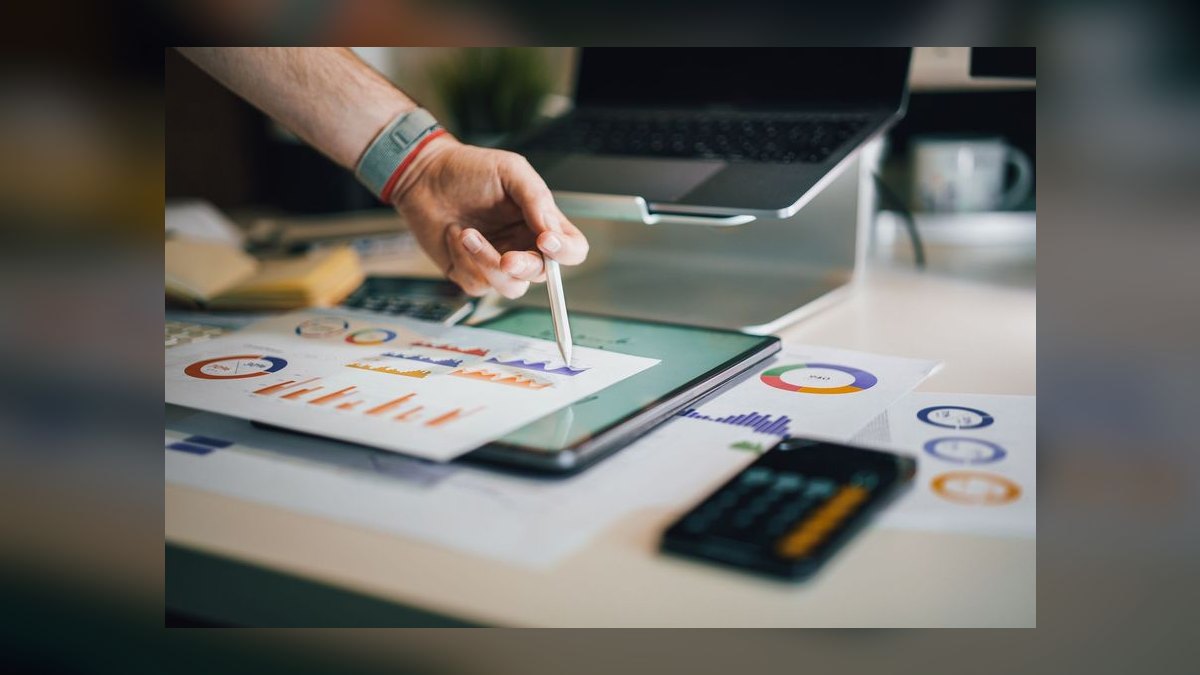
This is the Amazon move, translated to the floor. Hand out the real one-page shift report. Set the timer for 4 minutes of silent reading—no talking, everyone reads the downtime log, the defect Pareto, the staffing note. This feels strange the first time; that's the point.

Read this aloud before the silence:
> "Bezos killed PowerPoint at Amazon because slides let people bluff. Everyone reads the memo in the room, in silence, first. We're doing the manufacturing version—read the shift report cold so when we talk, we argue about what to DO, not about what happened."
After 4 minutes, ask each person to silently write the single most important issue on the page. Then collect them. You now have a raw issues list—the input to IDS.
What good looks like: real silence, then a list of issues that's mostly consistent across the team—which tells you the data spoke clearly. Where they diverge, you've found the issue worth discussing first. This round also reveals who is paying attention to the data and who is jumping to conclusions. The silent reading discipline is the single most impactful change you can make to a manufacturing meeting; it prevents the most common failure mode of arguing about what happened instead of what to do.
Round 3: Run the Reps: IDS (15 min)
This is the heart of the Level 10 Meeting and the heart of the drill. Put the collected issues on the board. Run IDS out loud as a team, with a rotating facilitator:
- Identify: the team votes the issues list down to the top three by impact. Coach: "Identify the root issue, not the symptom. 'Line 3 ran 60% OEE' is a symptom. 'The changeover on line 3 has no standard work' might be the issue."
- Discuss: spend the discussion only on issue #1 first. Set a 4-minute timer per issue. The facilitator keeps the room on the actual problem and cuts re-hashing with one line: "We've identified it—what do we DO?"
- Solve: every issue closes with an entry on the Action / Owner / Due tracker. No owner, no due date, it's not solved.
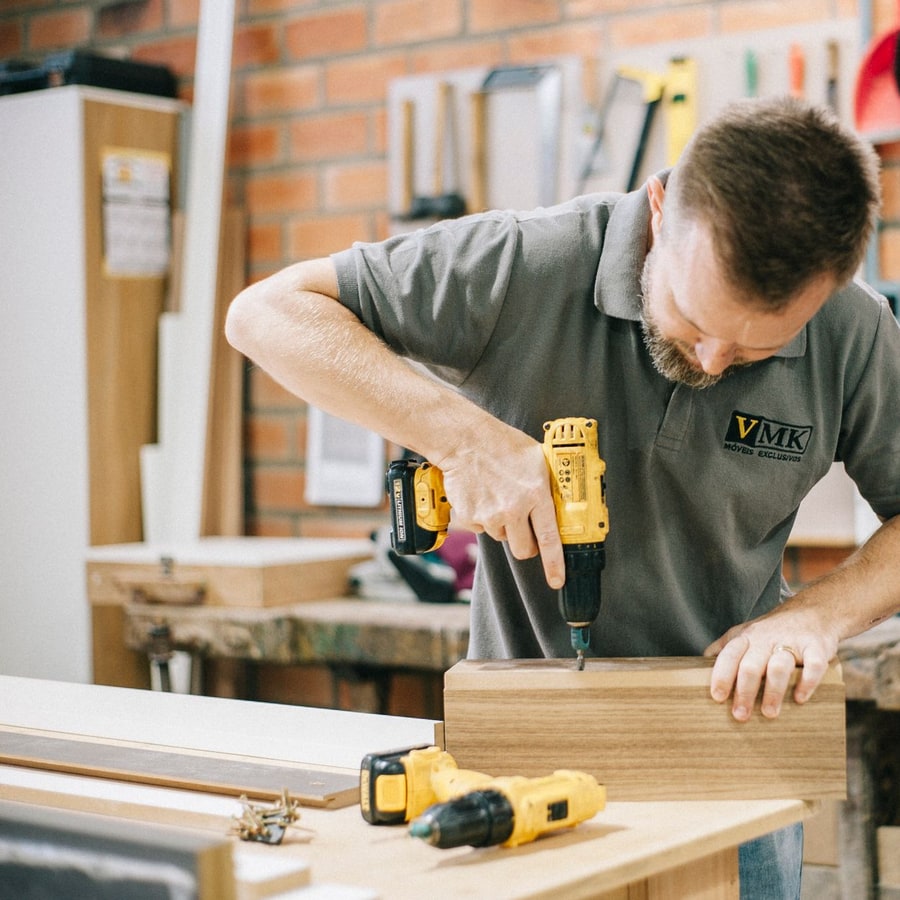
Rotate the facilitator after each issue so three different people practice running the clock and forcing the solve. The leader coaches from the side, not the chair.
What good looks like: three issues become three rows on the tracker, each with a real name and a real date. Discussion on each issue does not exceed its timer. The facilitator successfully cuts at least one re-hash. This round builds the muscle memory of the IDS process. After three reps, the team understands that the meeting is not about talking—it's about producing decisions.
For more on facilitating IDS in a manufacturing context, see Skill Drill: Running One-on-Ones for Manufacturing.

Round 4: Pressure Test the Clock (9 min)
Now break the meeting on purpose so they learn to recover. Re-run one IDS cycle, but the leader (and a couple of planted teammates) deliberately do what real crews do—drift to a tangent ("well that reminds me, maintenance never…"), re-litigate yesterday's reject, or try to solve an issue with no data. The facilitator's job is to use named recovery lines:
> "That's a new issue—parking it on the list, back to this one." > "We don't have the data to solve that here. Action: pull the downtime log by tomorrow, owner is ___." > "We've discussed it. Decision or park it—clock's at one minute."
Give the room two "tangent" tokens to throw when someone drifts; the facilitator must catch it and redirect. This is where the discipline gets muscle memory.

What good looks like: the facilitator parks tangents instead of chasing them, converts a data-less argument into an action ("go get the number"), and brings the cycle in on time despite the noise. This round is the hardest but most important because it simulates the real pressure of a manufacturing floor where distractions are constant. The facilitator learns that the clock is their best tool for forcing decisions.
Round 5: Debrief & Lock It In (8 min)
Read the completed Action / Owner / Due tracker back to the room, out loud, name by name and date by date. That readout IS the deliverable—it proves the meeting produced decisions. Then ask the team two questions: "What's the standing agenda we'll use every day starting tomorrow?" and "Who keeps the timer?"
Agree on a meeting rating (the Level 10 close): everyone scores the meeting 1–10 on whether it produced owned actions. Anything under 8 gets one concrete fix named for next time.

What good looks like: a tracker with real owners and dates, an agreed standing agenda posted at the tier board, a named timekeeper, and a meeting rating with a fix if it's under 8. The debrief also reinforces that the meeting structure is not a one-time exercise—it's the new standard. The team should commit to using the same agenda for the next 30 days and then re-drill quarterly.
For a deeper dive on building meeting discipline in a team, see Skill Drill: Running One-on-Ones for Automotive Dealerships.
Scaling It: 5-Minute, 30-Minute, and 60-Minute Versions
- 5-minute version (start of a real huddle): Skip the diagnosis. Hand out today's actual shift report, 2 minutes silent read, run IDS on the single biggest issue, assign one owner and one date, done. This becomes the permanent shape of the daily huddle.
- 30-minute version: Round 1 (diagnose), Round 2 (silent read), Round 3 (one full IDS round with rotation). Cut the pressure test. Two-minute debrief and rating.
- 60-minute version: Full sequence, plus a second pressure-test round and a clinic where every person facilitates one issue and gets 30 seconds of peer coaching. End by building the team's permanent agenda card and assigning the standing facilitator rotation.

The key insight is that the 5-minute version is the most important for manufacturing because it's the one that will be used daily. The 60-minute version is for training and quarterly refreshers. The 30-minute version is for weekly team meetings. All three versions preserve the core discipline: silent read, IDS, and action tracker.
Common Mistakes & Coaching Cues
- Solving the symptom, not the issue. Coach: "60% OEE is the symptom. Make them name the actual root before anyone proposes a fix."
- No silent read—straight to talking. Coach: skip the Amazon read step and the meeting will argue about what happened instead of what to do. Protect the silence.
- Leaving an issue without an owner or a date. Coach: "Action / Owner / Due—if any column is blank, it's not solved, keep the cycle open."
- The leader facilitates every time. Coach: rotate the chair so the skill spreads. A meeting that only works when one person runs it is a single point of failure.
- Letting discussion run past the timer. Coach: the clock is the tool that forces the solve. "Decision or park it" at one minute left.
- Re-hashing yesterday's issues. Coach: scorecard and headlines are for status; IDS is for new decisions. Catch the re-hash with "we covered that—what's the action?"
- Not using the meeting rating. Coach: the rating is the feedback loop that improves the meeting. If the rating is below 8, the team must name one fix for next time.
For more coaching cues on running effective meetings in sales contexts, see Skill Drill: Running Effective Meetings for Healthcare Sales.
Related questions
How do you handle a team member who dominates the discussion?
Use the silent reading step to give everyone time to think, then call on quieter members first during IDS. The facilitator can also use a talking-stick rule or a time limit per person to distribute airtime.
What if the team has too many issues to discuss in one meeting?
Use the voting step in IDS to rank the top three issues by impact. Park the rest on a backlog list for the next meeting. This prevents the meeting from running long and ensures the most critical issues get solved.
Can this work for a quality review meeting that involves engineers and operators?
Yes. The silent reading step ensures everyone starts from the same data, which is critical when engineers and operators may have different perspectives. The IDS process forces both groups to identify the root issue together.
How do you keep the meeting rating honest?
The rating is anonymous (people write it on a card) and the facilitator reads the average aloud. The team agrees on one fix for any rating below 8. This creates a continuous improvement loop for the meeting itself.
What if the shift handoff only has two people?
The same process works with two people: silent read, identify the top issue, discuss briefly, assign an owner and a due date. The structure is more important than the group size.
FAQ
How long does it take to learn this meeting structure? Most teams can run a solid first meeting after a single 45-minute drill. Full fluency—where the agenda feels natural and decisions happen without prompting—usually takes 3 to 5 practice sessions over a few weeks.
Do we need any special tools or software to run these meetings? No. A whiteboard, a paper agenda, or a shared document works fine. The method relies on a fixed agenda and disciplined timekeeping, not on any particular app or platform.
Can this work for a shift handoff that only has 5 minutes? Yes. The core sequence—check-in, review metrics, identify top issues, assign actions—can be compressed into 5 minutes by skipping discussion and focusing only on what changed and what needs to happen next.
What if someone on the team isn’t comfortable speaking up? The fixed agenda and written prep (like the Amazon 6-pager approach) give everyone a chance to think before talking. The facilitator can also call on each person briefly, which often draws out quieter members more than an open discussion.
How do we handle disagreements about which issue is most important? Use a quick voting or ranking method—each person gets one or two votes, and the team tackles the top-ranked issue first. This keeps the meeting moving and avoids lengthy debates about priority.
What’s the biggest mistake new facilitators make? Letting one topic eat up the entire time. The fix is strict timekeeping: set a timer for each agenda item and move on when it rings, even if the issue isn’t fully resolved. Unfinished items get added to the next meeting’s list.
How do we ensure the action tracker gets used? Post the tracker on the tier board and review it at the start of every meeting. The facilitator calls out each owner by name and asks for an update. This creates accountability without shame.
Can this structure work for a continuous-improvement huddle? Yes. The IDS process is designed for continuous improvement. The team identifies a problem (e.g., a safety near-miss or a quality defect), discusses root causes, and assigns a countermeasure with an owner and a date.
Sources
- EOS Level 10 Meeting — EOS Worldwide
- Traction (Gino Wickman) — Traction Library
- Amazon's 6-pager narrative memo — Jeff Bezos shareholder letter (2017)
- Lean daily management & tiered huddles — Lean Enterprise Institute
- HBR: How to Design an Agenda for an Effective Meeting
- HBR: Stop the Meeting Madness
- ATD — Association for Talent Development
- Toyota Production System Guide — Lean Enterprise Institute
- EOS Worldwide — The Level 10 Meeting Agenda
Related on PULSE
- [Skill Drill: Running Effective Meetings for Healthcare Sales](/knowledge/sk0098)
- [Skill Drill: Running Effective Meetings for Automotive Dealerships](/knowledge/sk0064)
- [Skill Drill: Running One-on-Ones for Manufacturing](/knowledge/sk0059)
- [Skill Drill: Conflict Resolution for Furniture Manufacturing](/knowledge/sk0060)
- [Skill Drill: Onboarding New Hires for Furniture Manufacturing](/knowledge/sk0031)
- [Skill Drill: Running One-on-Ones for Pharmaceutical Sales](/knowledge/sk0025)
@Kory-White- · if Venmo asks, the last 4 of my number are 2012
 pulse-skillsSkill Drill: Handling Price Increase Conversations for Waste and Recycling Services in 2027
 pulse-skillsSkill Drill: Active Listening for Automotive Dealerships
 pulse-skillsSkill Drill: Cold Calling for Commercial Real Estate
 pulse-skillsSkill Drill: Discovery Questions for Medical Device Sales
 pulse-skillsSkill Drill: Relationship Selling for Furniture Manufacturing
 pulse-skillsSkill Drill: Product Demos for HVAC
 pulse-skillsSkill Drill: Handling Rejection for Pharmaceutical Sales
 pulse-skillsSkill Drill: Delegation for SaaS Sales
 pulse-skillsSkill Drill: Storytelling for Building Materials
 pulse-skillsSkill Drill: Discovery Questions for Logistics and Freight