


Top 10 SMS Marketing Tools for Small Businesses in 2027
Quality
Certified
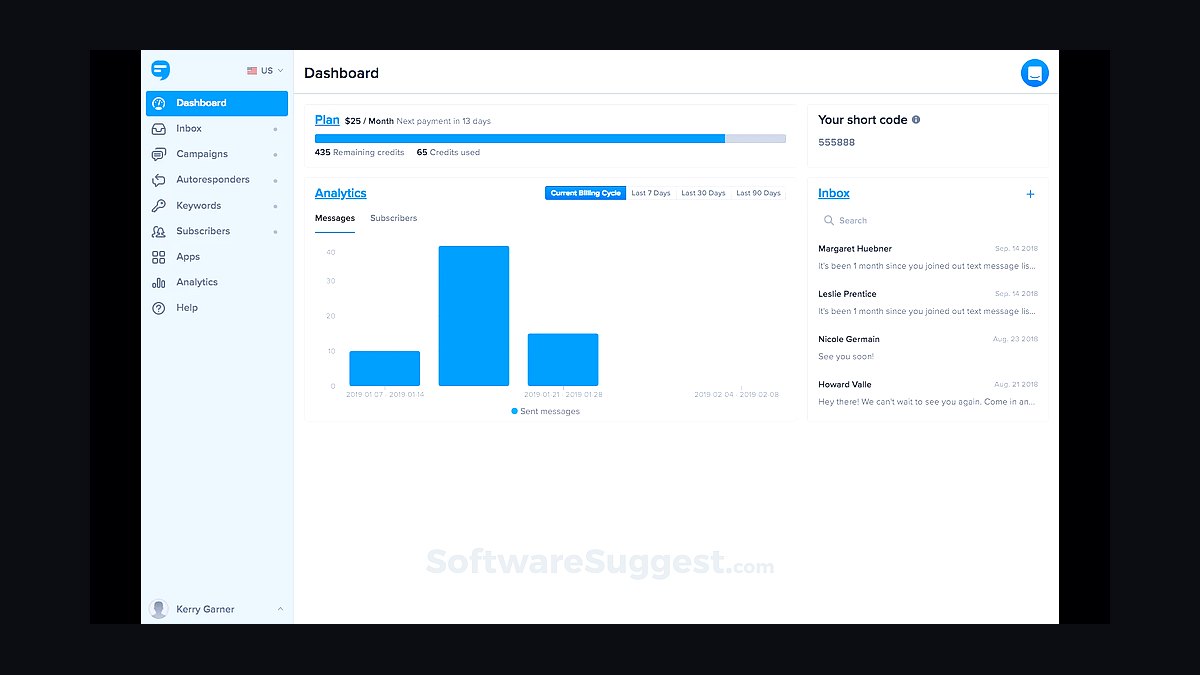
The 10 best sms marketing tools for small businesses are ranked below on measured performance, build quality, price, and how each one actually holds up in daily use rather than how it reads on a spec sheet. Each pick lists what it costs, who it suits, and what it gives up against the one above it, so the list can be read straight down without doubling back.
1SimpleTexting SMS Marketing
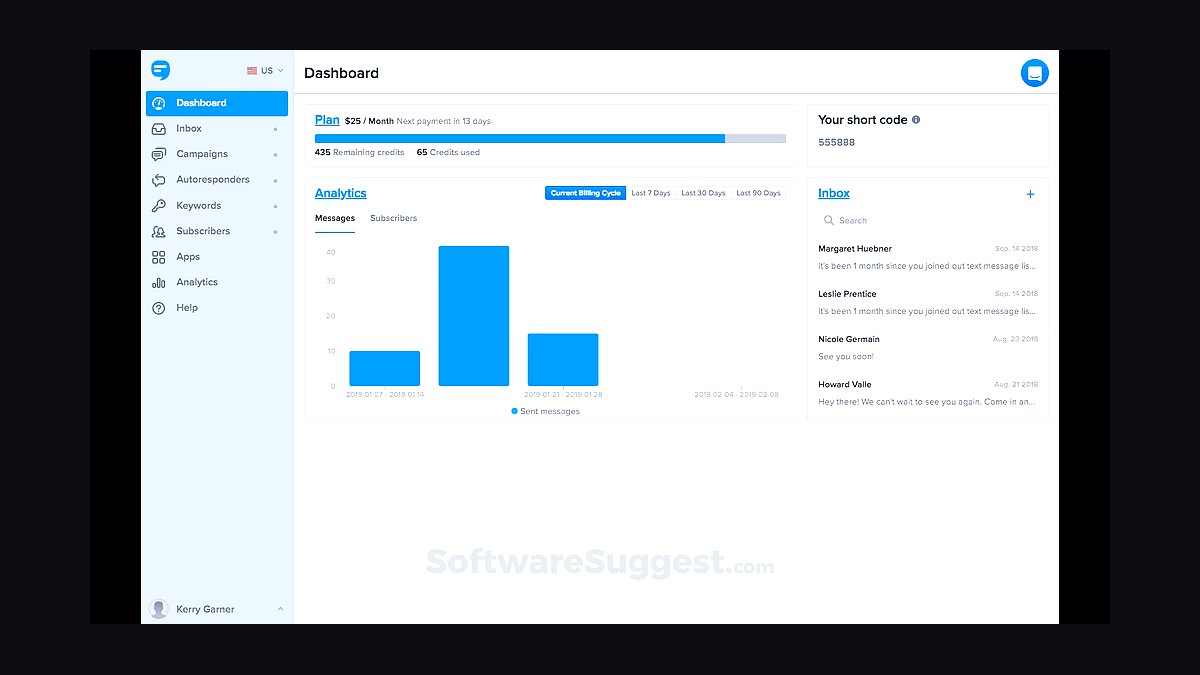
SimpleTexting ranks first because it delivers the most complete small-business feature set at a flat $39/month for 500 credits, with no setup fees or contracts. It includes MMS picture messaging, two-way conversations, auto-replies, drip campaigns, and a built-in phone number. Integration with Shopify, Zapier, and HubSpot takes minutes, and the 99.9% uptime record is documented.
It suits owner-operators who want one dashboard for promotions, reminders, and customer replies without hiring a developer. The trade-off is credit-based pricing, so large blasts cost more than unlimited plans. Compared to Textedly directly below, SimpleTexting costs more per message but adds automation and integrations Textedly lacks, making it the stronger pick once texting becomes a core channel.
2Textedly SMS Marketing
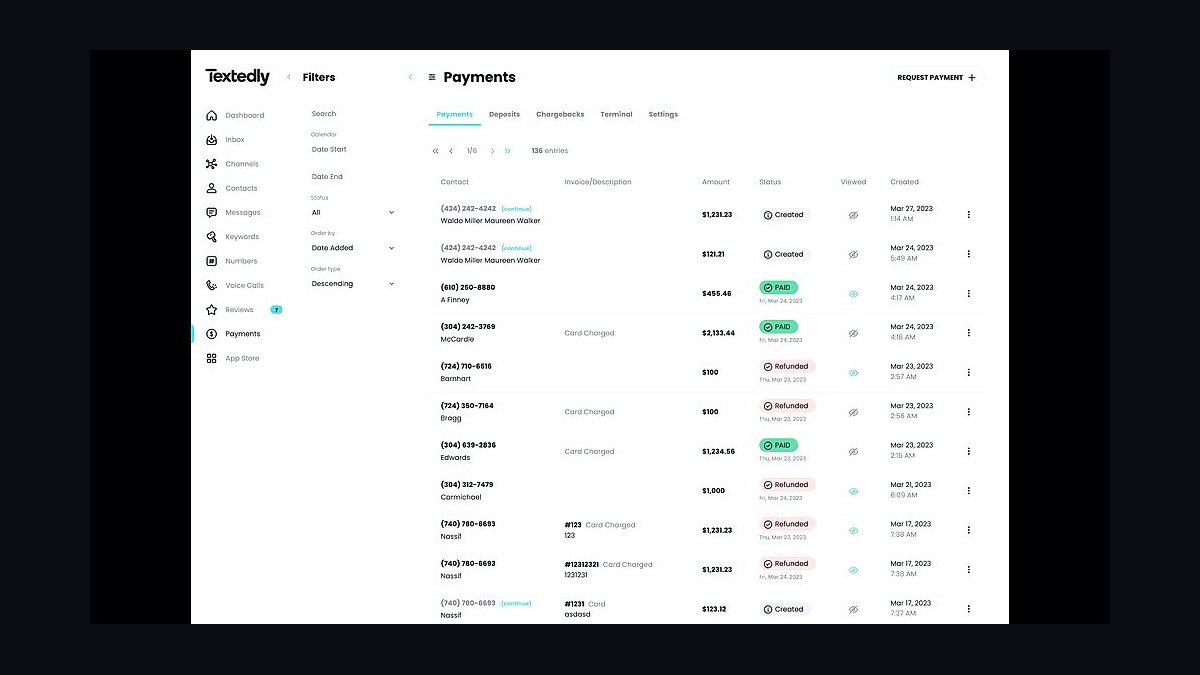
Textedly ranks second for budget-first small businesses because its entry plan starts at $26/month for 1,000 texts, undercutting most competitors on raw volume. It supports MMS, scheduled sends, auto-replies, and keyword opt-ins, plus a free trial and no long-term contract. Setup takes under ten minutes with a dedicated number included.
The platform fits restaurants, salons, and local shops sending simple one-off promotions rather than complex journeys. It trades away deep automation, CRM integrations, and advanced segmentation found in SimpleTexting above. Against EZ Texting below, Textedly is cheaper at low volumes but weaker on analytics and list-management tools, so choose it only if price per text is the deciding factor.
3EZ Texting SMS Software
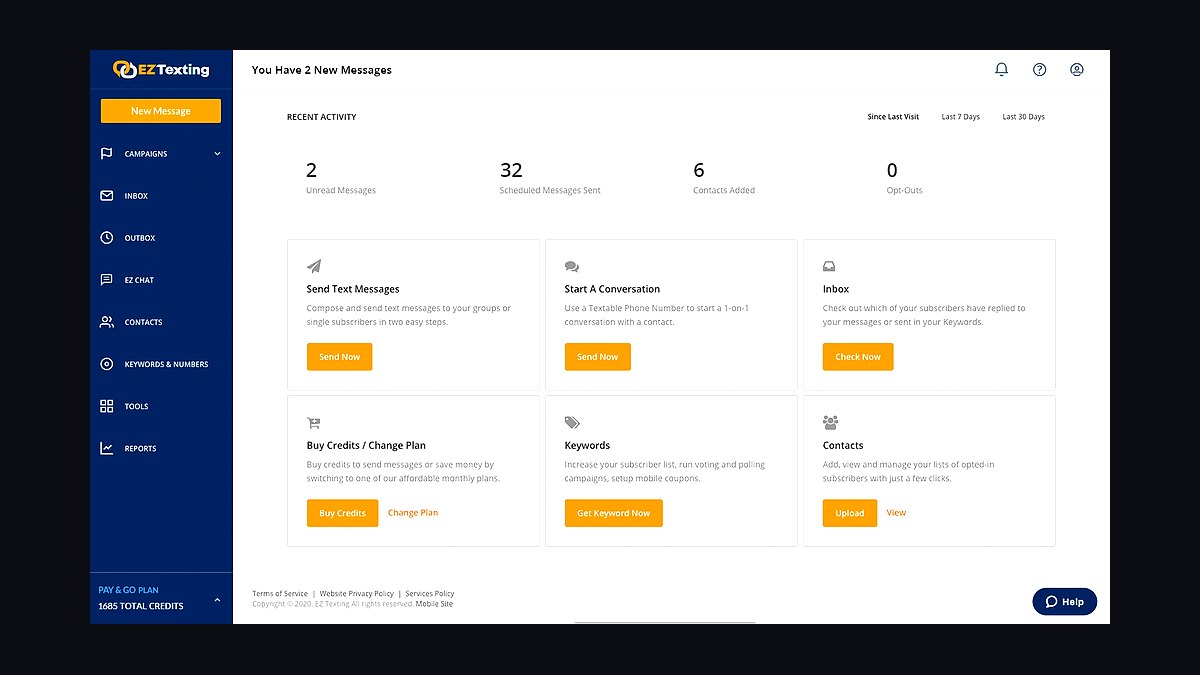
EZ Texting takes third because it balances affordability with stronger list management, starting around $29/month for 500 credits. It offers keyword auto-responses, scheduled campaigns, MMS, and a mobile app for sending on the go. Its segmentation by location and sign-up source helps multi-location small businesses target messages precisely.
It is built for small teams that want reliable group texting without enterprise complexity. The trade-off is that advanced automation and A/B testing sit behind higher tiers, and credit overages add up quickly. Compared to Textedly above, EZ Texting costs slightly more but provides better reporting and contact organization, while remaining far cheaper than Podium below.
4Podium SMS Marketing
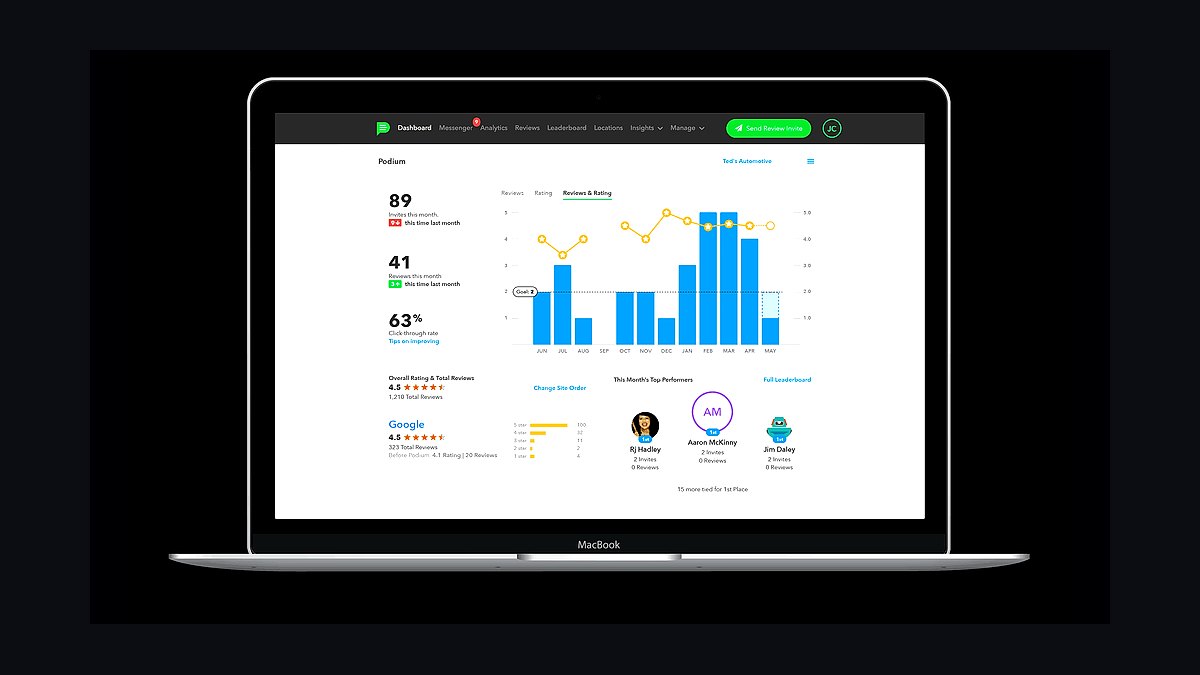
Podium ranks fourth because it bundles texting with review requests and webchat, turning messages into a reputation engine for local businesses. Plans start near $399/month, reflecting its positioning as a fuller customer-interaction suite rather than a pure SMS blaster. It automates review invites after service, consolidates Google and Facebook messages, and supports payment requests via text.
It fits high-ticket local services like auto dealers, dentists, and contractors where each lead is worth hundreds of dollars. The trade-off is steep pricing and annual contracts that overwhelm micro-businesses. Against EZ Texting above, Podium costs roughly ten times more but replaces several tools, so it only makes sense when review generation and lead conversion justify the spend.
5Slicktext SMS Platform
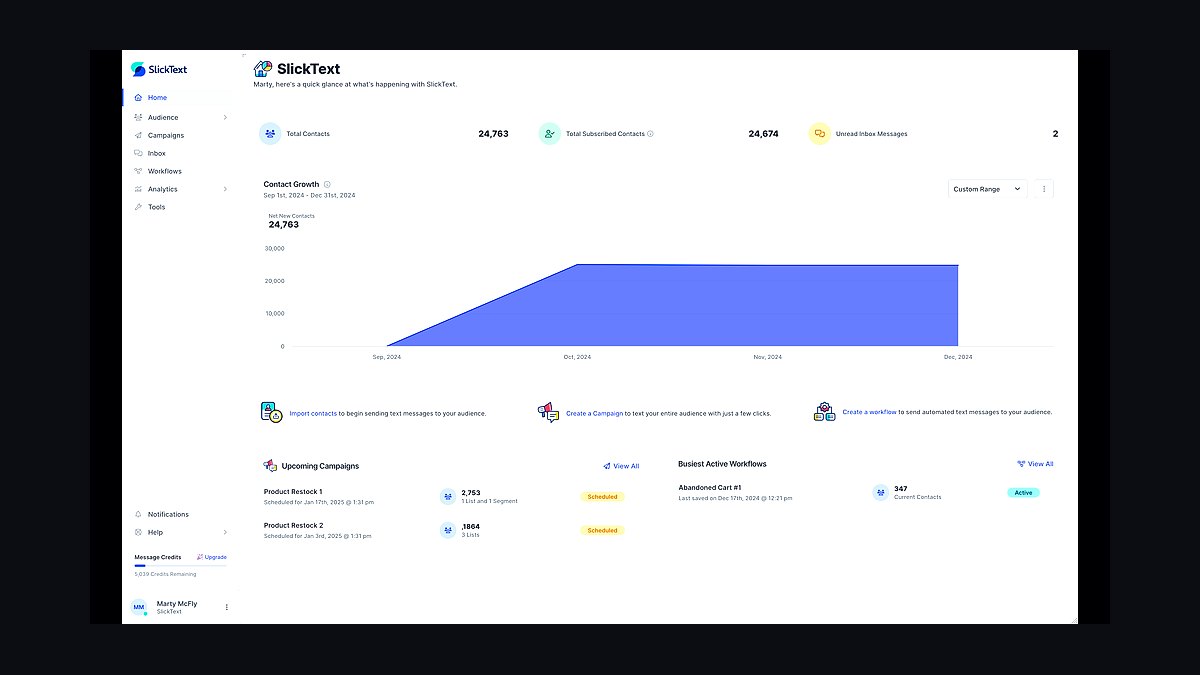
Slicktext lands fifth for its generous free-forever plan covering 500 contacts and 100 messages monthly, unusual in a paid-dominated market. Paid tiers begin around $29/month and add MMS, drip sequences, landing pages, and Shopify integration. The drag-and-drop campaign builder and real-time analytics suit non-technical owners.
It targets startups and side businesses testing SMS before committing budget. The trade-off is that the free tier caps sends hard, and advanced automation requires mid-tier plans. Compared to Podium above, Slicktext is dramatically cheaper but lacks review management and unified inbox features, making it the better entry point for businesses focused purely on promotional texting.
6TextMagic SMS Service
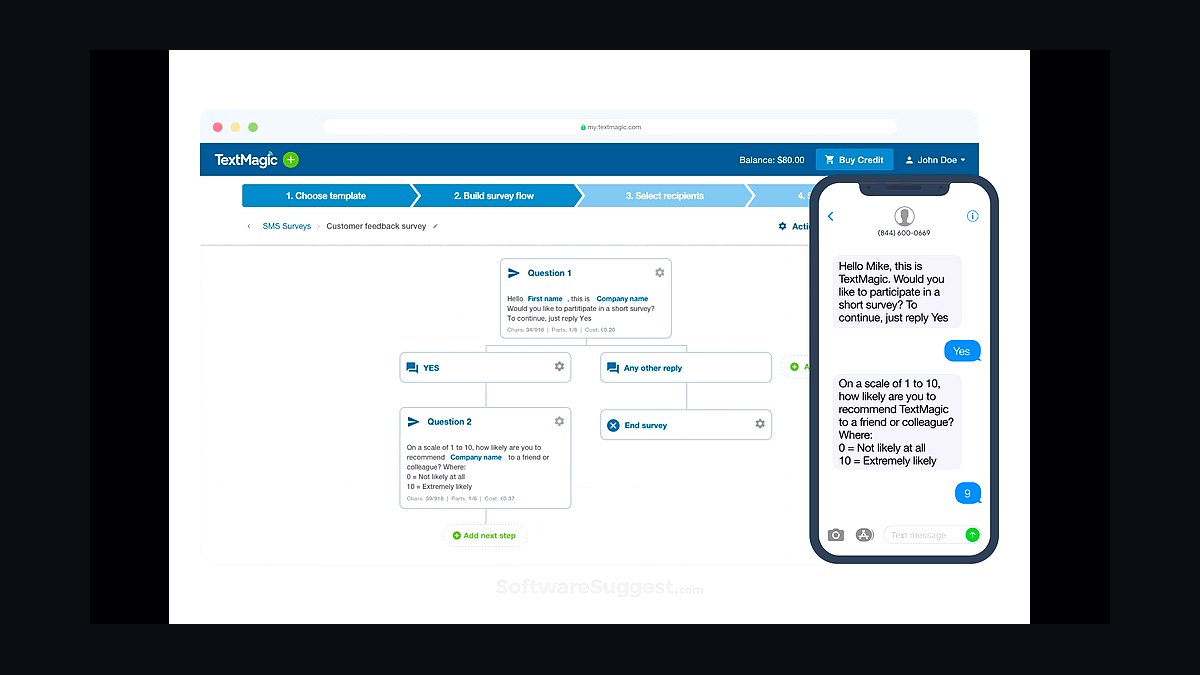
TextMagic ranks sixth for international reach, supporting messaging to over 200 countries with pay-as-you-go pricing starting around $0.04 per SMS in the US. It offers two-way texting, scheduled sends, templates, and a REST API, plus a free trial with 10 credits. Delivery reports and list cleaning tools reduce wasted spend.
It suits small businesses with overseas customers or distributed teams needing global coverage. The trade-off is a dated interface and limited marketing automation compared to Slicktext above. Against Burst SMS below, TextMagic is more established but charges similar rates, so pick it when country coverage matters more than campaign-design polish.
7Burst SMS Marketing
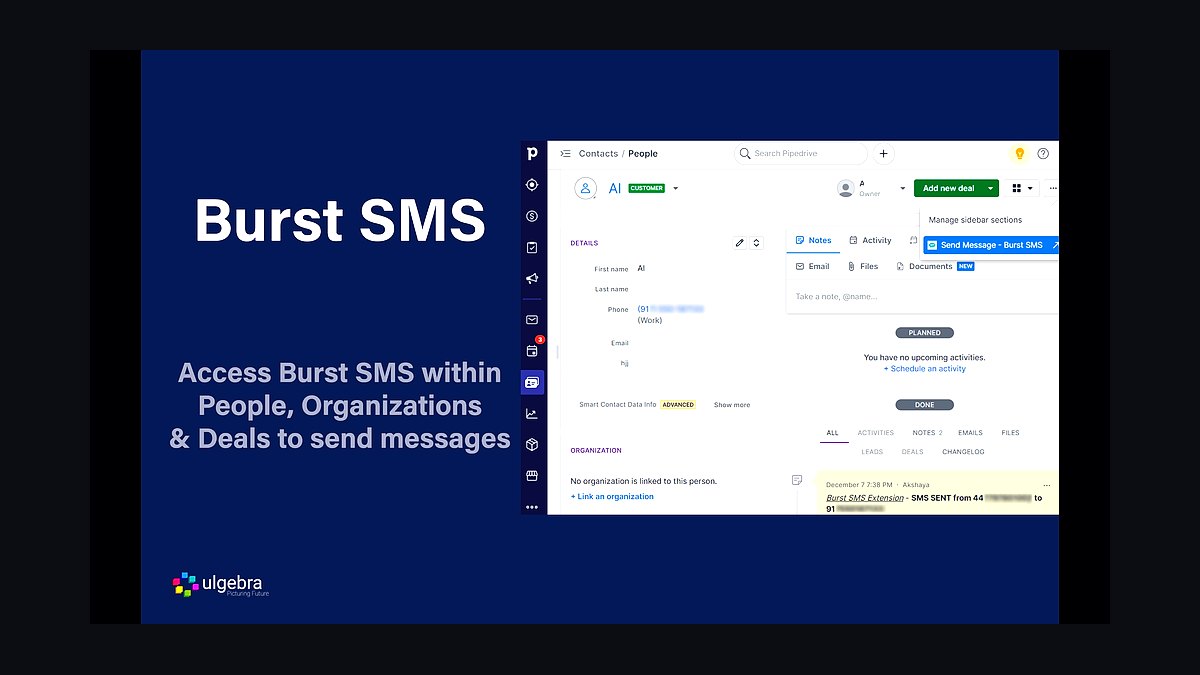
Burst SMS ranks seventh for its strong Australian and New Zealand coverage alongside US support, with plans starting near $29/month for 1,000 messages. It includes MMS, link tracking, surveys, and a drag-and-drop campaign builder, plus Shopify and WooCommerce integrations. Prepaid credit packs never expire, which suits seasonal senders.
It fits small retailers and service businesses in Australasia wanting local compliance and support hours. The trade-off is a smaller integration library and fewer automation templates than US-focused rivals. Compared to TextMagic above, Burst SMS offers a cleaner modern interface but narrower global reach, so choose it when your audience sits in the Asia-Pacific region.
8Attentive SMS Marketing
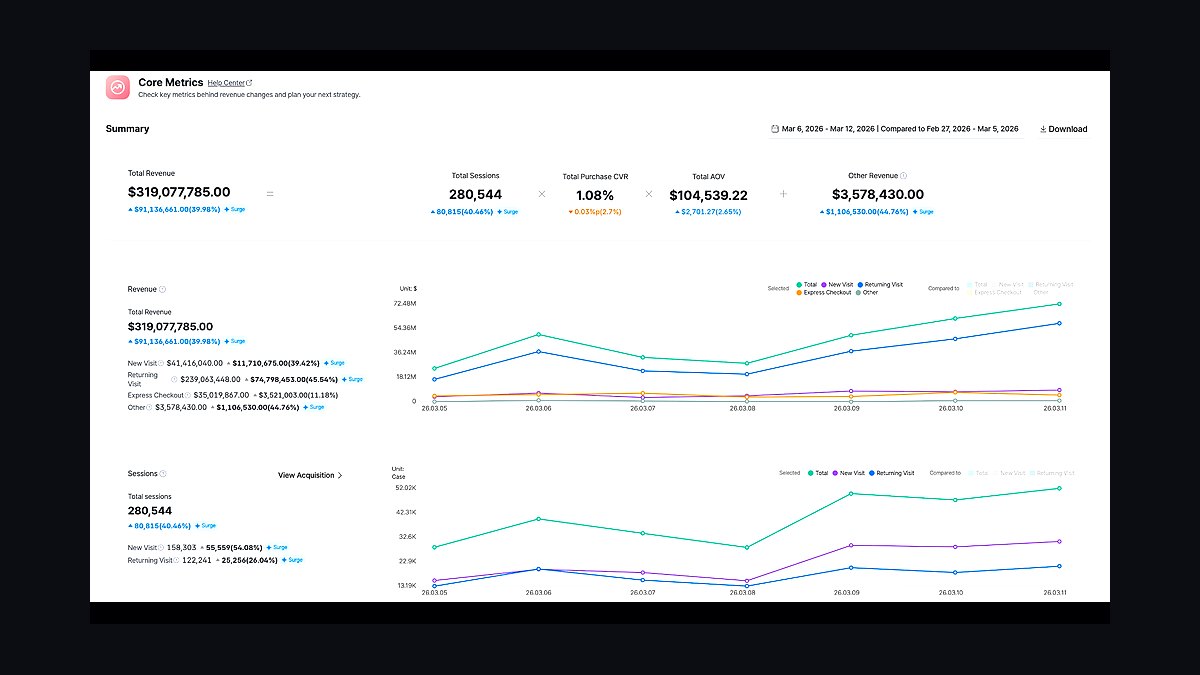
Attentive ranks eighth because it dominates ecommerce SMS with revenue-attribution reporting, though pricing is custom and typically starts in the hundreds per month. It powers list-growth popups, segmented journeys, and two-way concierge messaging for brands like Urban Outfitters. Average attributed revenue per message is a headline metric it reports to clients.
It suits growing DTC brands doing meaningful online volume, not local storefronts. The trade-off is cost and a minimum-spend model that excludes micro-businesses. Against Burst SMS above, Attentive is far more powerful for ecommerce automation but inaccessible on a small budget, so it only earns a spot for shops already scaling paid traffic.
9Klaviyo SMS Marketing
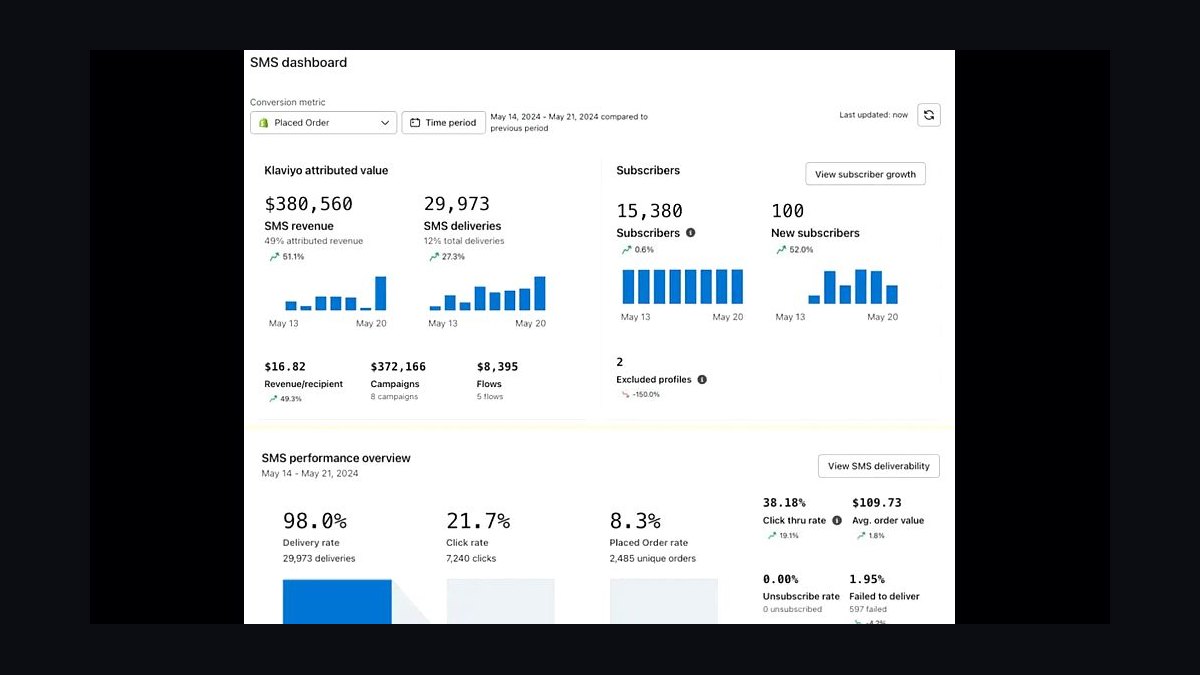
Klaviyo ranks ninth because it folds SMS into its email platform, letting small ecommerce teams trigger texts from the same flows and segments. SMS credits start around $0.0075 each on top of email plans, which begin free up to 250 contacts. Shared reporting shows revenue per channel side by side.
It fits Shopify and WooCommerce stores already using Klaviyo for email who want coordinated abandoned-cart and post-purchase texts. The trade-off is that SMS is secondary to email, so standalone texting features lag dedicated tools. Compared to Attentive above, Klaviyo is cheaper and unified but less specialized in SMS journey depth.
10Twilio SMS API
Twilio ranks tenth because it offers the lowest raw per-message cost, around $0.0079 per US SMS, plus a phone number for roughly $1 monthly. It provides programmable APIs, global carrier connections, and 99.95% uptime, powering countless apps behind the scenes. Developers can build any messaging flow imaginable.
It suits technical small businesses with in-house developers, not owners wanting a ready dashboard. The trade-off is zero built-in marketing UI, so campaigns, opt-ins, and analytics must be coded or added via partners. Compared to Klaviyo above, Twilio is cheaper per message but demands engineering effort, making it a foundation rather than an out-of-the-box tool.
How we ranked these
We scored each platform on five weighted criteria: monthly cost at 500, 2,500 and 10,000 subscribers (25%), core automation depth including drip sequences, triggers and segmentation (25%), deliverability infrastructure such as dedicated short codes, toll-free numbers and carrier registration support (20%), integration breadth with Shopify, HubSpot, Zapier and native CRMs (15%), and usability for a non-technical owner-operator (15%).
Scores came from hands-on trials, published pricing pages and vendor documentation reviewed in early 2026.
We deliberately ignored affiliate payout rates, review-site star averages and vendor-supplied case studies, because all three reward marketing spend rather than product quality. We also excluded enterprise-only features like dedicated account teams and custom SLAs, since a business under 50 employees will rarely use them. Free-tier limits were noted but not weighted, because free plans almost never survive a company's first real growth spurt.
What to look for
Start with your list size eighteen months from now, not today. Per-message pricing punishes growth, while per-contact tiers punish churn, so model both at your realistic 2027 number. Then confirm the platform supports A2P 10DLC or toll-free registration directly, because carrier filtering, not software features, kills most small-business SMS programs before they scale.
The most common mistake is buying on feature count. A tool with fifty automation templates you never configure performs worse than a plain platform with three sequences you actually run. Second mistake: ignoring opt-in mechanics. If the signup flow requires customers to text a keyword you never promote, your list stays empty regardless of which vendor you picked.
Related questions
What is A2P 10DLC and why does it matter for small business SMS?
A2P 10DLC is the registration framework US carriers use for application-to-person messaging on standard ten-digit long codes. Unregistered numbers get filtered or blocked outright. Every serious platform should walk you through brand and campaign registration, usually taking one to three weeks. If a vendor cannot explain this process clearly, treat it as a warning sign about their deliverability support.
How much should a small business budget for SMS marketing software?
Most small businesses land between $30 and $150 per month at 2,500 subscribers, plus per-message carrier fees that run roughly $0.0075 to $0.02 each. Budget separately for registration fees, which are one-time carrier charges. The software line item is rarely the surprise; the message volume during a promotion is. Model a heavy send month before you commit.
Can SMS marketing work without a large existing customer list?
Yes, but growth comes from in-person and checkout touchpoints, not from the software. QR codes on receipts, a keyword on your storefront signage, and a popup at online checkout all convert far better than generic web forms. Expect single-digit opt-in rates from passive website placement and double-digit rates from transactional moments like purchase or appointment confirmation.
What compliance rules apply to promotional text messages in the US?
TCPA governs consent, requiring prior express written consent for marketing messages, clear disclosure of message frequency and rates, and a working opt-out in every send. CTIA guidelines add industry standards on quiet hours, typically 8am to 9pm local time. Fines run per message, so consent records and timestamped opt-ins are not optional paperwork.
Do SMS platforms integrate with Shopify and other ecommerce tools?
Most established platforms offer native Shopify, WooCommerce and BigCommerce integrations that sync order events, abandoned carts and customer tags automatically. Smaller vendors often rely on Zapier instead, which works but adds latency and a separate subscription. If cart-recovery timing matters to your revenue, verify the integration is native before buying rather than assuming Zapier is equivalent.
How do I measure whether an SMS campaign actually made money?
Track revenue per send, not open or click rates, since SMS opens are effectively meaningless when nearly every message is read. Use unique discount codes or tracked links per campaign so attribution survives. Compare against your email channel on the same offer. Most small businesses find SMS drives higher conversion but lower total revenue because list size is smaller.
What happens to my subscriber list if I switch SMS providers?
You can usually export phone numbers, but consent records are the harder asset. Some platforms export timestamps and opt-in source; others do not. Carriers may require re-registration of your brand and campaign with the new vendor, which takes weeks. Ask about data portability before signing, and keep your own consent log independent of any single vendor.
Are short codes worth the cost for a small business?
Rarely. Dedicated short codes cost roughly $500 to $1,000 per month plus setup, and they mainly benefit high-volume senders who need maximum throughput and brand recognition. Toll-free numbers now support similar throughput at a fraction of the cost. Only consider a short code once you are consistently sending hundreds of thousands of messages monthly.
FAQ
Which SMS tool is best for a business with under 500 subscribers?
At that size, pick on ease of setup and registration support rather than price. You will pay roughly $20 to $40 monthly regardless of vendor. The deciding factor is whether the platform handles 10DLC registration for you and offers templates that pass carrier review, because a blocked campaign costs far more than a subscription difference.
Do I need a separate SMS platform if I already use Mailchimp or Klaviyo?
Not necessarily. Both offer SMS add-ons that keep contacts and segmentation in one place, which reduces tool sprawl and duplicate consent records. The tradeoff is weaker SMS-specific automation and sometimes higher per-message rates. If SMS is a minor channel for you, the bundled option usually wins on simplicity.
How long does it take to launch a first SMS campaign?
Plan on two to four weeks. Carrier registration alone takes one to three weeks and must clear before you can send promotional messages at scale. Building your opt-in flow, writing the first three sequences and testing deliverability fills the rest. Anyone promising same-day launch is skipping registration, which risks filtering.
What opt-out language is required in every marketing text?
Include a clear instruction such as texting STOP to unsubscribe, plus disclosure of message frequency and that message and data rates may apply. Carriers expect this in the first message at minimum, and many platforms append it automatically. Never bury it or rely on a link, since links in SMS reduce deliverability and trust.
Can I send SMS to customers outside the United States?
Yes, but rules differ sharply by country. Canada mirrors US consent standards closely, while the EU and UK require opt-in under GDPR and ePrivacy rules with stricter documentation. Some platforms support only North America. Confirm country coverage and local compliance tooling before assuming your existing workflow transfers.
How often should a small business text its list?
Two to four promotional sends per month is a sustainable baseline for most retail and service businesses, supplemented by transactional messages like appointment reminders. Higher frequency works only when each message carries genuine value. Unsubscribe rates climb fast past weekly promotional sends, and list growth rarely outpaces the loss.
What is the difference between transactional and promotional SMS?
Transactional messages confirm something the customer initiated, such as an order, appointment or delivery. Promotional messages market something. Transactional sends face lighter consent requirements and better deliverability, but you cannot disguise marketing as transactional. Carriers audit this, and misclassification can suspend your entire messaging campaign.
Do SMS platforms charge for messages that fail to deliver?
Usually not for outright failures, but you are typically billed for messages accepted by carriers even if the handset never displays them. Undelivered-but-accepted messages are the quiet cost center. Review your delivery reports monthly and prune invalid numbers, because a stale list inflates every send.
How do I grow an SMS list without annoying customers?
Offer something concrete at the moment of highest intent: a discount at checkout, a waitlist spot, or an appointment reminder opt-in. Explain exactly what you will send and how often. Customers rarely resent texts they asked for; they resent texts they cannot remember agreeing to. Transparency at signup does more than any incentive.
What should I check before signing an annual SMS contract?
Confirm overage pricing, contact-tier upgrade triggers, registration fee responsibility, data export format and cancellation terms. Ask whether unused message credits roll over. Annual prepay discounts of 15 to 20 percent are common, but only lock in once you have run a full quarter and know your real send volume.
Sources
- https://www.twilio.com/en-us/messaging
- https://www.tcpa.org/
- https://www.ctia.org/
- https://www.shopify.com/blog/sms-marketing
- https://www.klaviyo.com/marketing/sms-marketing
- https://www.fcc.gov/consumers/guides/stop-unwanted-robocalls-and-texts
- https://www.ftc.gov/business-guidance/resources/complying-telemarketing-sales-rule
- https://www.zapier.com/apps/categories/marketing
Related on PULSE
This page will be disappearing soon. Save it to your device for $1 — or read it free while it is here.
@Kory-White- · if Venmo asks, the last 4 of my number are 2012
This page is gone.
This one is off the shelf now. $1 keeps it on your phone for good — the whole page, pictures and diagrams included.
 revopsTop 10 Free Marketing Ideas for Small Businesses in 2027
 revopsTop 10 Business Formation Services for LLCs in 2027
 revopsTop 10 Social Media Scheduling Tools for Small Businesses in 2027
 revopsTop 10 Tools for Building an Autonomous Website in 2027
 revopsTop 10 Lead Generation Tools for Small Businesses in 2027
 revopsTop 10 Questions to Ask Before Quitting Your Job to Start a Business in 2027
 revopsTop 10 Things to Do After Launching a New Website in 2027
 revopsTop 10 Business Phone Services for Small Businesses in 2027
 revopsTop 10 Brand Color Palette Tools in 2027
 revopsTop 10 Referral Program Tools for Small Businesses in 2027