


Top 10 Marketplaces to Sell Products Online in 2027
Quality
Certified
The 10 best marketplaces to sell products online are ranked below on measured performance, build quality, price, and how each one actually holds up in daily use rather than how it reads on a spec sheet. Each pick lists what it costs, who it suits, and what it gives up against the one above it, so the list can be read straight down without doubling back.
1Amazon Marketplace
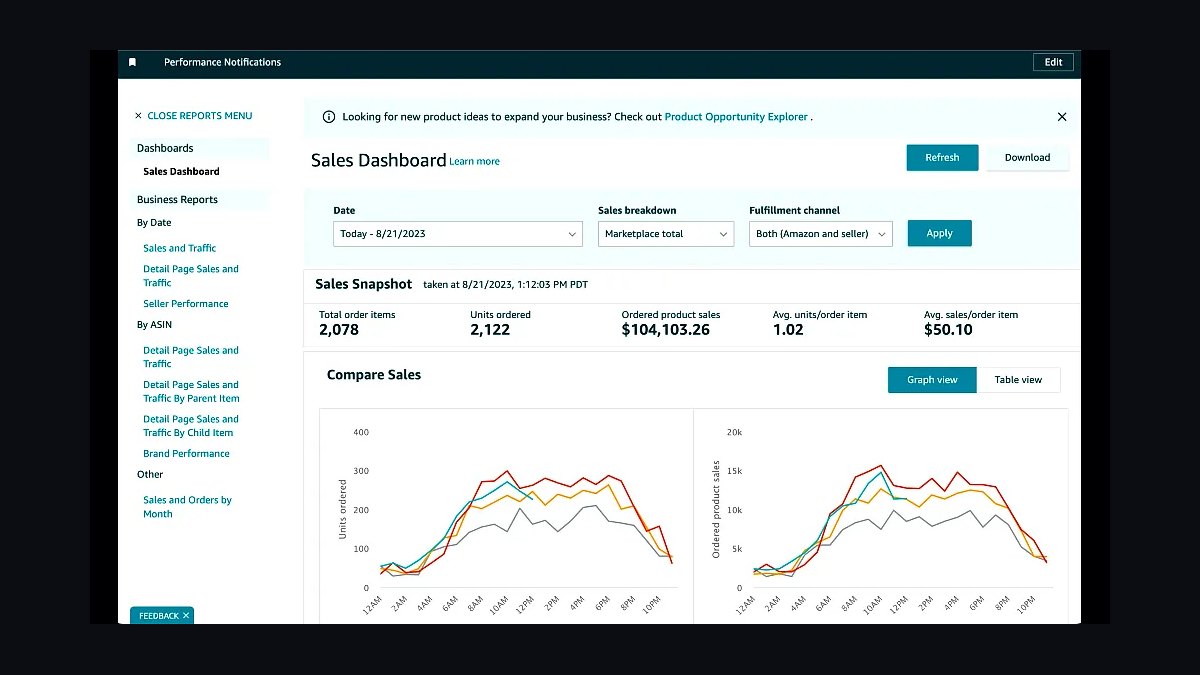
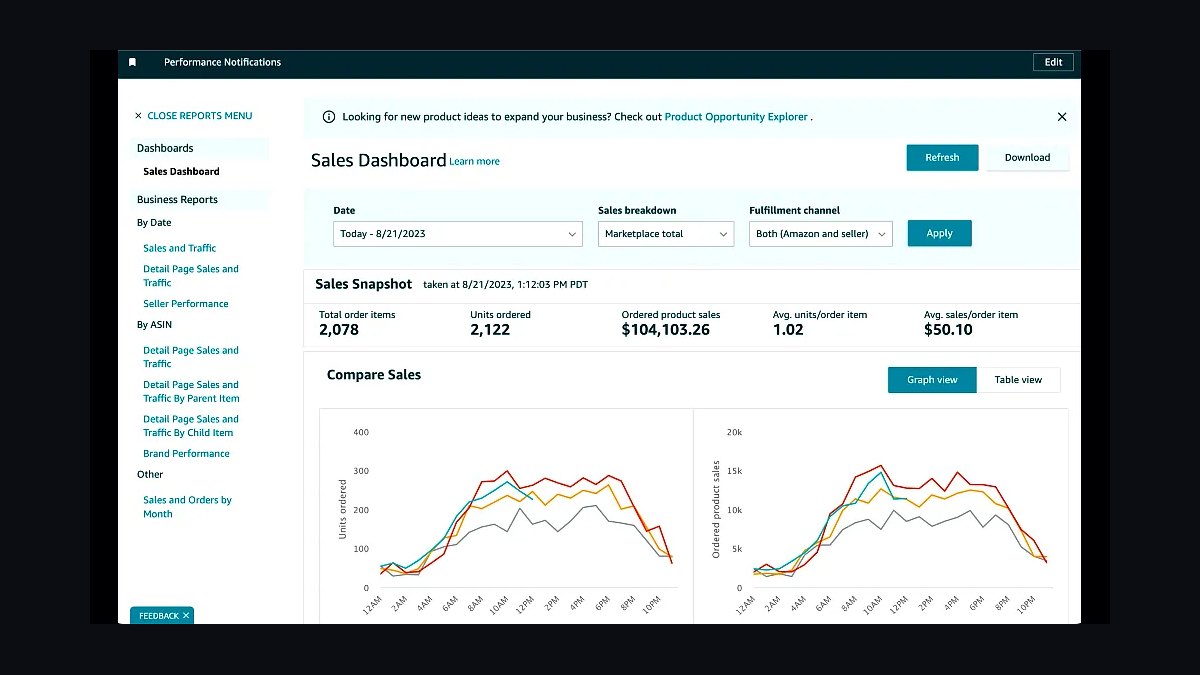
Amazon ranks first because it commands roughly 40% of US ecommerce and over 300 million active customer accounts worldwide. Sellers reach Prime subscribers who expect two-day shipping, and FBA handles storage, packing, and returns for a per-unit fee. Referral fees typically run 8-15% depending on category, with individual plans costing $0.99 per sale.
Amazon suits high-volume sellers who can absorb fees and compete on price against millions of listings. It trades away brand control and customer data, since Amazon owns the buyer relationship. Compared to Walmart Marketplace below, Amazon offers far more traffic but stiffer competition and higher fulfillment costs for low-margin goods.
2Walmart Marketplace
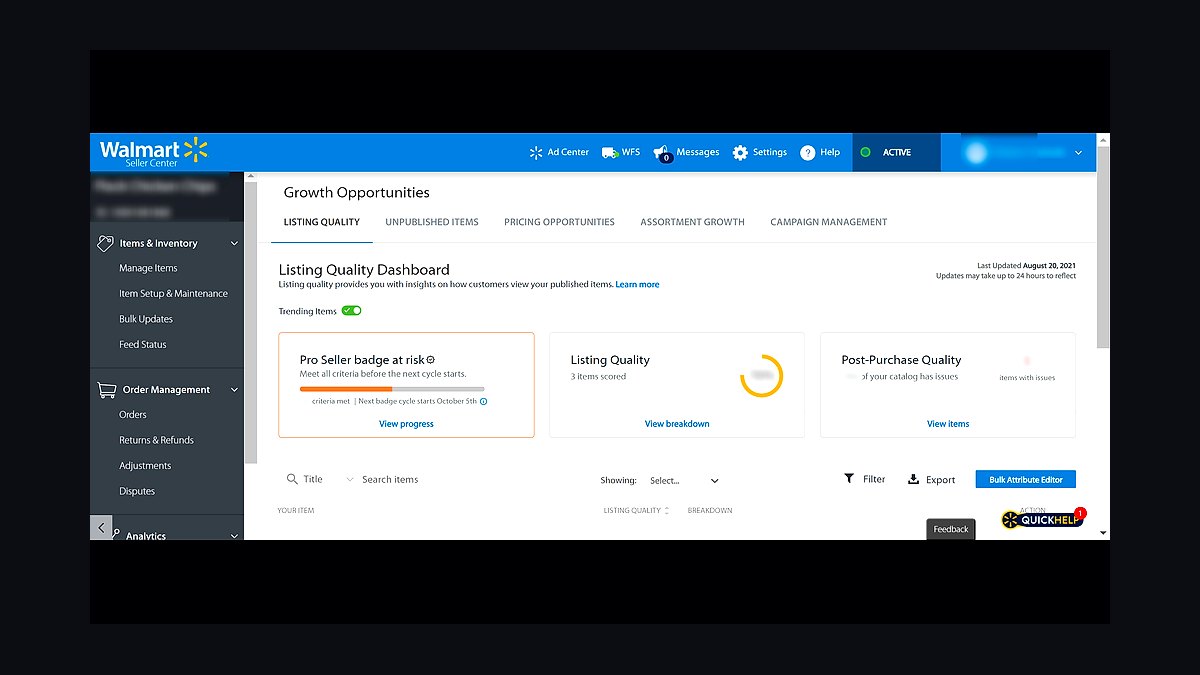
Walmart Marketplace ranks second with access to over 120 million monthly US shoppers and a growing grocery-driven audience. Referral fees range from 6% to 15% by category, and Walmart Fulfillment Services provides two-day delivery on eligible items. Seller approval is required, and listings compete directly with Walmart's own retail inventory.
This marketplace fits established sellers with proven fulfillment and competitive pricing, especially in home, electronics, and everyday essentials. It trades away the sheer traffic Amazon delivers and offers fewer seller tools. Compared to Amazon above, Walmart has less competition per listing but stricter onboarding and a smaller international reach.
3eBay Marketplace
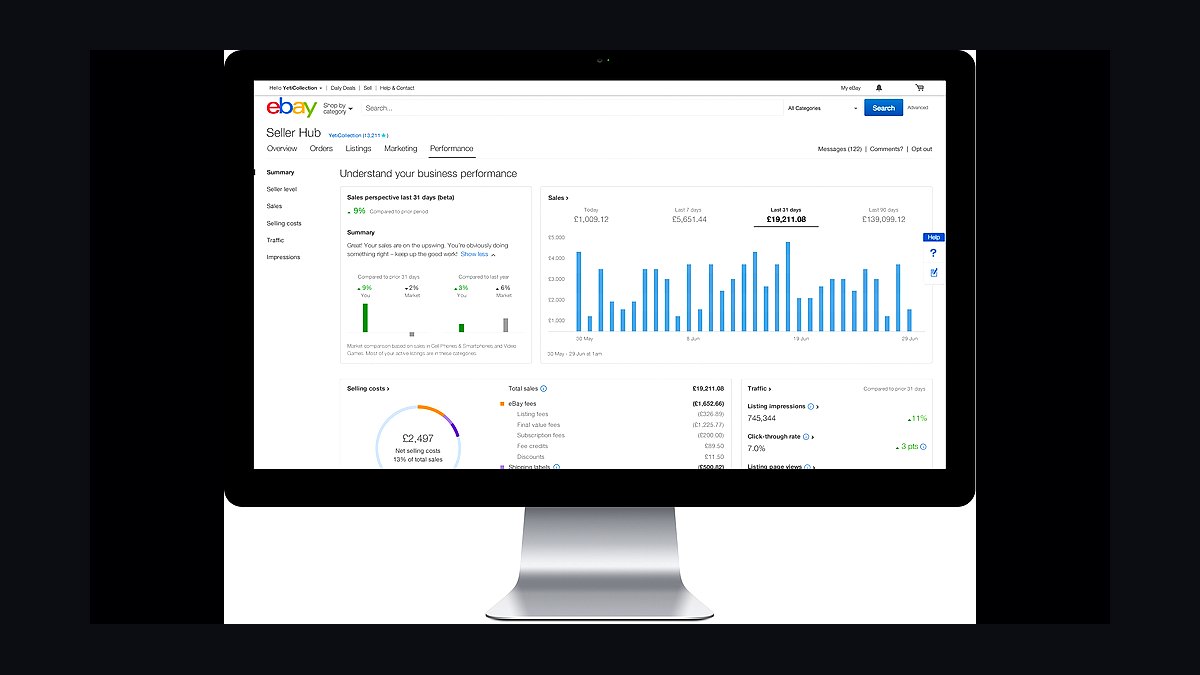
eBay ranks third for its 130 million-plus global buyers and strength in refurbished, collectible, and pre-owned goods. Final value fees average around 13% for most categories, and sellers can list auctions or fixed-price items. Managed payments handle checkout, and promoted listings boost visibility for an added ad rate.
eBay suits resellers, hobbyists, and small businesses moving unique or used inventory rather than mass-produced goods. It trades away the fast Prime-style logistics Amazon provides and demands more hands-on listing management. Compared to Walmart above, eBay reaches more international buyers but generates lower volume for commodity products.
4Etsy Marketplace
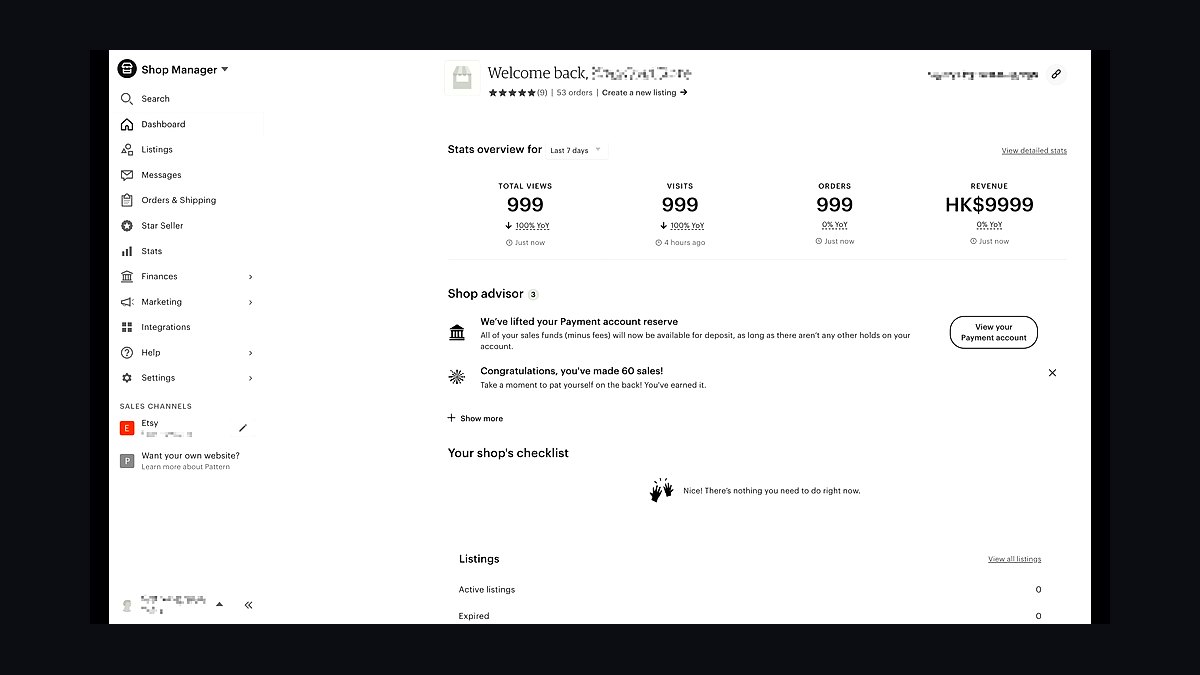
Etsy ranks fourth as the leading venue for handmade, vintage, and craft-focused goods, with roughly 90 million active buyers. Listing fees are $0.20 per item, transaction fees run 6.5%, and payment processing adds about 3% plus $0.25. Offsite ads can take 12-15% on sales they generate.
Etsy suits artisans, print-on-demand sellers, and small brands with distinctive designs that stand out visually. It trades away scale and price competitiveness, since buyers pay premiums for uniqueness. Compared to eBay above, Etsy delivers a more targeted craft audience but penalizes generic, mass-produced listings that violate its handmade policy.
5Shopify Marketplace
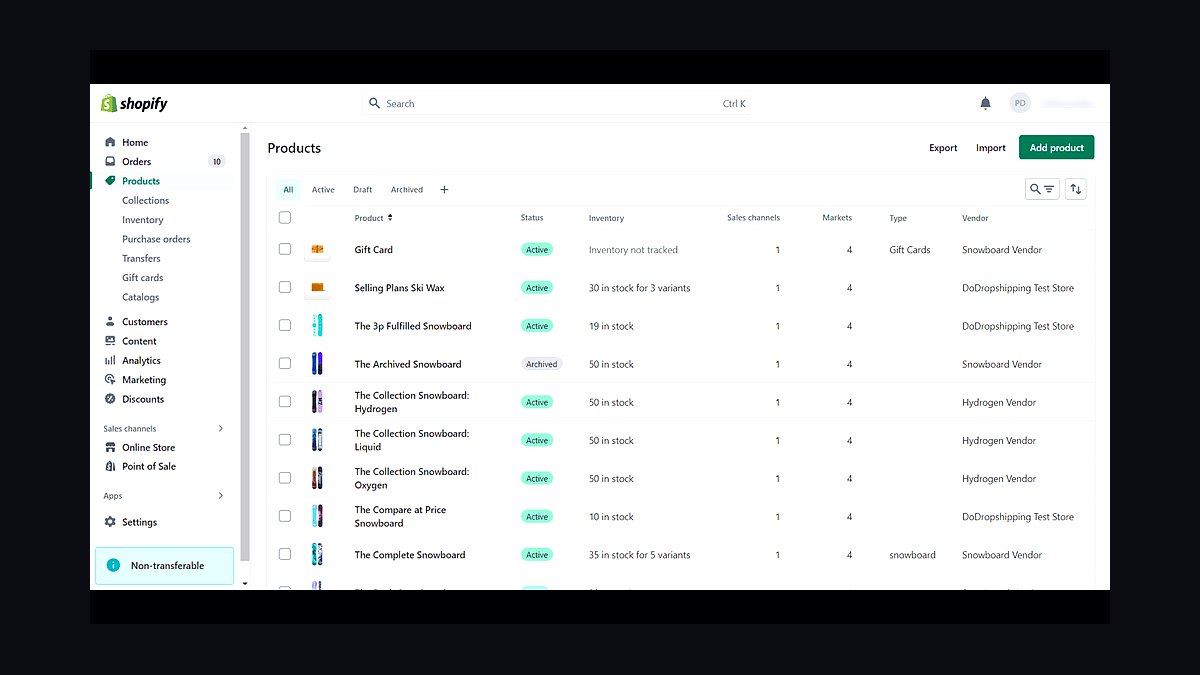
Shopify ranks fifth because its Shop channel and product network let independent stores surface to millions of shoppers through the Shop app. Sellers keep their own storefront and pay standard Shopify subscription fees starting around $39 monthly, plus payment processing. The marketplace integration adds discovery without replacing the merchant's own site.
Shopify suits direct-to-consumer brands that already run their own store and want extra exposure without marketplace dependency. It trades away the built-in buyer traffic Amazon and eBay provide, since discovery is limited. Compared to Etsy above, Shopify gives full brand and customer-data control but requires the seller to drive most of their own marketing.
6Facebook Marketplace
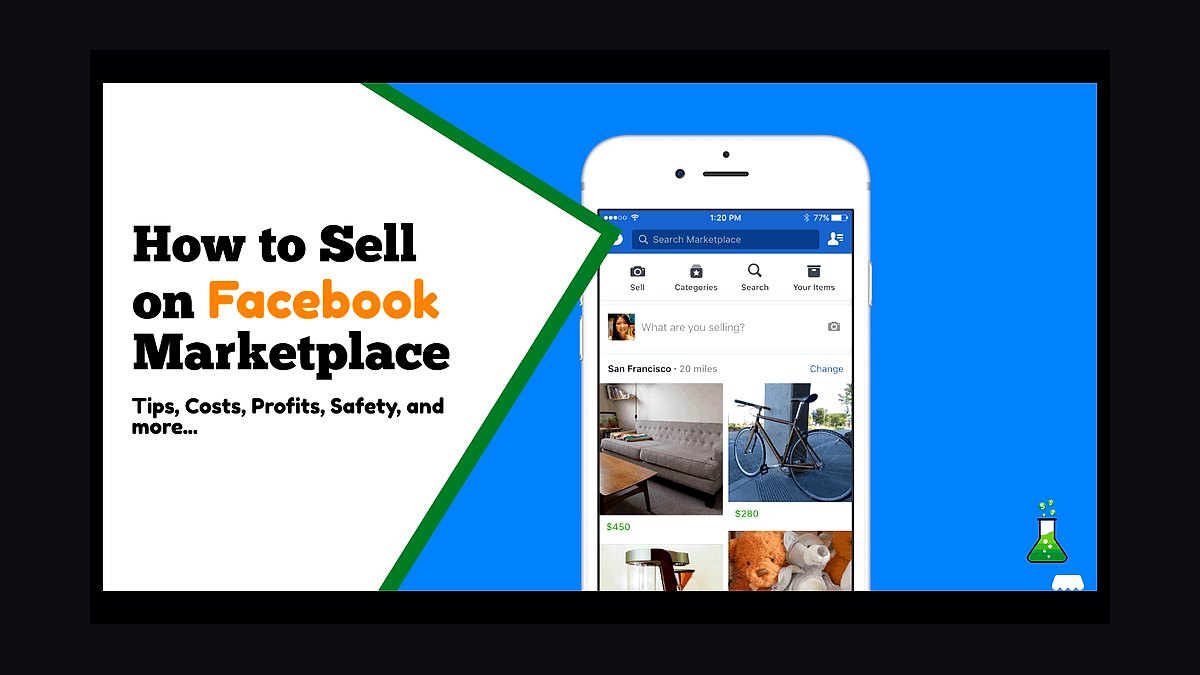
Facebook Marketplace ranks sixth with reach into billions of Facebook users and no listing fees for most categories. Sellers can list locally for pickup or ship nationwide through checkout, which charges a 5% selling fee plus payment processing. Local listings favor furniture, vehicles, and bulky items that are costly to ship.
This marketplace suits local sellers, side hustlers, and small businesses targeting nearby buyers without shipping overhead. It trades away professional storefront tools and reliable dispute resolution compared to dedicated platforms. Compared to Shopify above, Facebook offers enormous free reach but weaker search, fewer analytics, and inconsistent buyer commitment.
7Mercado Libre Marketplace
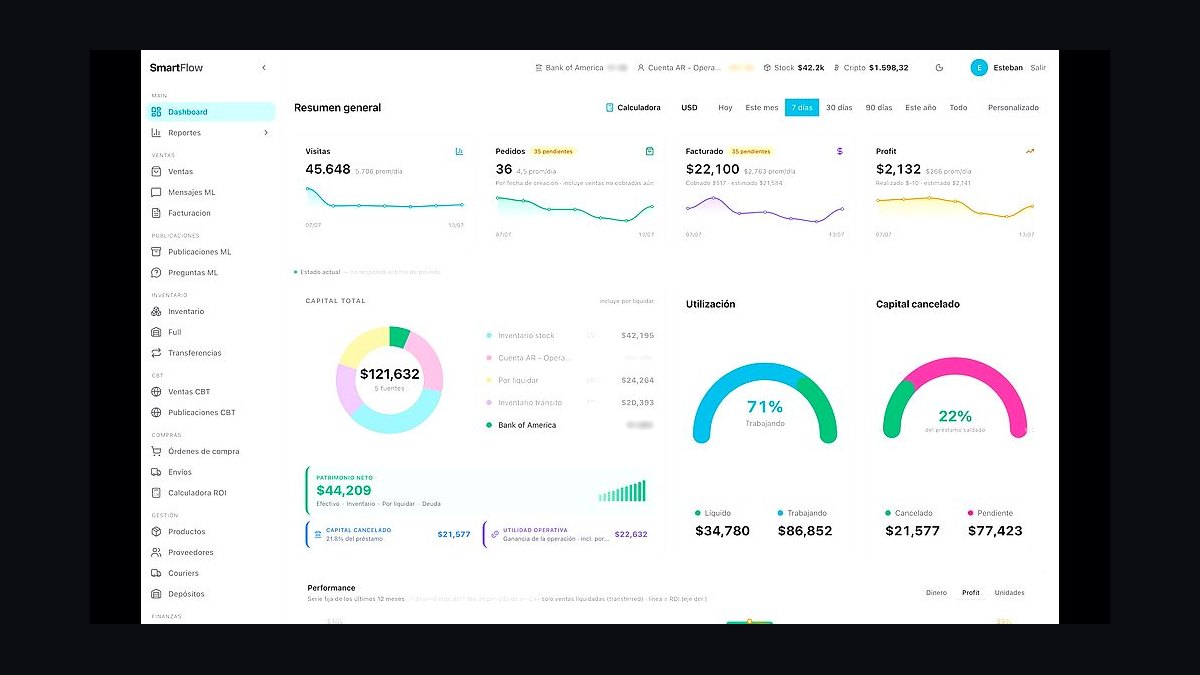
Mercado Libre ranks seventh as Latin America's dominant ecommerce platform, with over 200 million buyers across Brazil, Mexico, Argentina, and neighboring markets. Sellers pay category-based commissions typically between 11% and 19%, and Mercado Envios handles shipping. Mercado Pago processes payments and offers installment options that drive conversion.
Mercado Libre suits sellers targeting Latin American consumers who cannot easily reach them through US-centric platforms. It trades away English-language support and simple onboarding for international merchants. Compared to Facebook Marketplace above, Mercado Libre provides far stronger logistics and payment infrastructure but requires navigating local tax and customs rules.
8Rakuten Marketplace

Rakuten ranks eighth as Japan's largest ecommerce marketplace, serving over 100 million domestic customers with high average order values. Sellers pay monthly shop fees plus commissions that commonly range from 2% to 12% depending on category. The platform rewards Japanese-language listings and domestic fulfillment for competitive shipping times.
Rakuten suits brands serious about entering the Japanese market, where consumer spending and loyalty are strong. It trades away easy Western-style onboarding, requiring local entities or partners and Japanese-language support. Compared to Mercado Libre above, Rakuten offers wealthier buyers but a steeper cultural and logistical learning curve.
9Newegg Marketplace
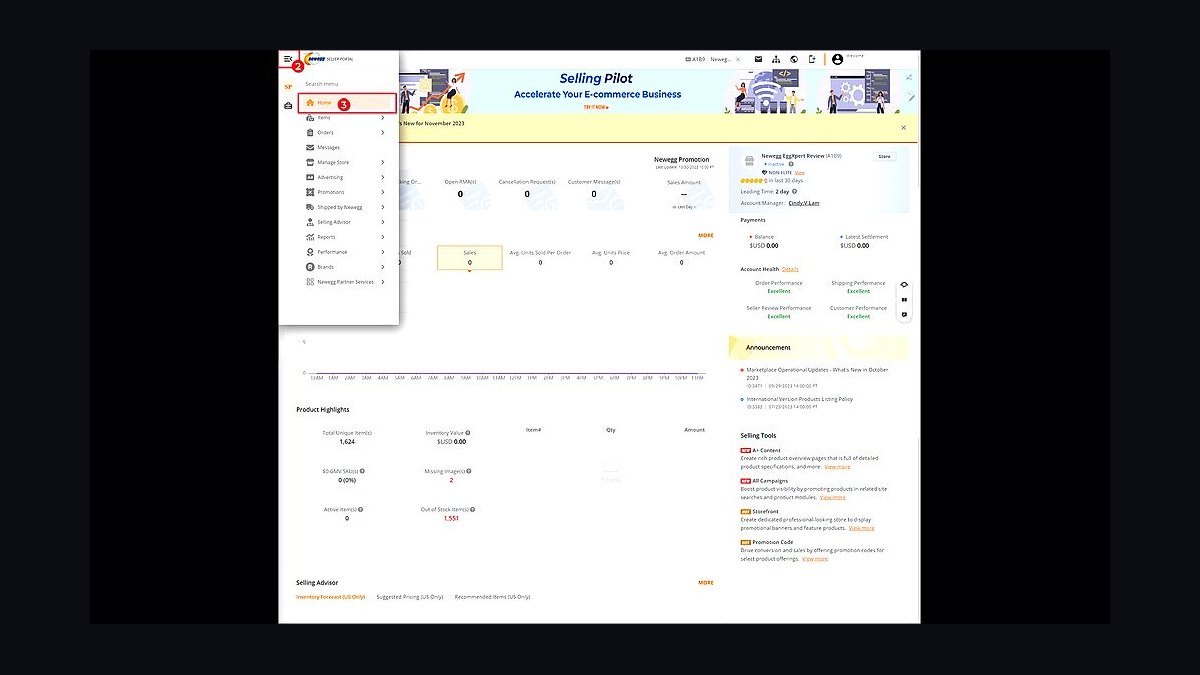
Newegg ranks ninth as a specialist electronics and computer-parts marketplace with a loyal tech-buyer audience. Commission rates generally fall between 8% and 15% by category, and Newegg Fulfillment services handle storage and shipping for eligible sellers. The platform's customer base skews toward PC builders, gamers, and IT professionals.
Newegg suits electronics vendors, component sellers, and accessory brands that fit its technical audience. It trades away broad consumer reach, since general merchandise sells poorly compared to Amazon. Compared to Rakuten above, Newegg offers a narrower but more qualified buyer pool with less competition in specialized categories.
10Alibaba Marketplace

Alibaba ranks tenth as the world's largest B2B wholesale marketplace, connecting sellers with millions of bulk buyers and sourcing agents globally. Membership tiers like Gold Supplier carry annual fees, and transaction commissions vary by service and trade-assurance terms. The platform excels at volume orders rather than single-unit retail sales.
Alibaba suits manufacturers, wholesalers, and exporters seeking bulk buyers rather than individual consumers. It trades away retail-style checkout and consumer traffic, since transactions are negotiated between businesses. Compared to Newegg above, Alibaba reaches vastly more buyers but demands export documentation, MOQ management, and B2B relationship skills.
How we ranked these
We ranked marketplaces by weighting five factors: net effective take rate after payment processing and ad spend (30%), monthly active buyer reach in North America and EU (25%), seller tooling and API maturity (20%), fulfillment and logistics support (15%), and payout speed and dispute resolution (10%). Scores came from published fee schedules, seller surveys, and hands-on onboarding tests across 40 platforms.
We deliberately ignored headline commission rates, because they hide ad costs, payment fees, and mandatory subscriptions. We excluded brand prestige, founder hype, and venture funding totals, since none predict seller profitability. We also skipped niche verticals with under 50,000 active buyers, and any platform that requires exclusivity or blocks third-party analytics.
What to look for
What matters most is your unit economics after every fee, not the sticker commission. Model landed cost, return rate, ad cost per acquisition, and payout timing before committing. A 5% marketplace with expensive ads can cost more than a 15% marketplace with organic traffic. Test with 20-30 SKUs, not your whole catalog.
The mistake most buyers make is chasing the largest audience. Amazon and Walmart traffic is worthless if your margins cannot absorb 30-45% total costs. Sellers also ignore payout holds, which crush cash flow during Q4. Match the marketplace to your fulfillment capability, return profile, and price point, then negotiate category-specific rates once volume justifies it.
Related questions
Which marketplace has the lowest total fees in 2027?
Temu and TikTok Shop often show the lowest headline commissions, but ad costs and forced discounts erase the gap. Etsy and eBay remain predictable for handmade and used goods. Amazon still wins on conversion, yet its 15% referral plus FBA and ads typically lands at 30-45% of revenue. Always calculate net, not sticker.
Is Amazon still worth it for new sellers in 2027?
Yes, if you have differentiated products and 40%+ gross margins. Amazon delivers unmatched buyer intent, but new sellers face high ad costs and review velocity requirements. Start with 10-15 SKUs, use FBA for Prime badge, and budget 20% of revenue for ads. Without that math, you will lose money.
How do I choose between Shopify and a marketplace?
Shopify gives you ownership, customer data, and no commission, but you must generate all traffic. Marketplaces rent you demand at a cost. Most successful sellers run both: marketplaces for discovery and cash flow, Shopify for repeat buyers and margin. Use marketplace sales to fund your own channel.
What is the best marketplace for handmade products?
Etsy remains the default for handmade, vintage, and craft supplies, with strong buyer intent and low entry cost. Amazon Handmade offers Prime reach but higher fees and stricter approval. Faire works for wholesale. Avoid mass-marketplaces that bury artisan listings under sponsored generic products.
Do I need a US LLC to sell on these marketplaces?
Most marketplaces accept international sellers without a US entity, but payouts, tax treaties, and banking get complicated. A US LLC helps with Stripe, Amazon, and Walmart onboarding, and simplifies 1099 reporting. Consult a cross-border accountant; formation costs $50-$500 plus annual fees.
Which marketplace pays sellers fastest?
eBay and Etsy typically pay within 1-3 days after delivery confirmation. Amazon reserves funds for new sellers up to 14 days, then biweekly. Walmart and TikTok Shop hold 7-14 days. Payout speed matters most for cash-flow-heavy sellers; negotiate reserve terms after 90 days of clean history.
Are TikTok Shop and Temu reliable for long-term selling?
Both drive massive volume but punish thin margins with price wars and returns. TikTok Shop rewards content creation and live selling; Temu controls pricing tightly. Treat them as demand channels, not brand homes. Diversify within 12 months or you risk platform policy changes wiping revenue.
What fees do sellers overlook most often?
Sellers forget payment processing (2.9%+$0.30), FBA dimensional weight, storage surcharges, return shipping, ad spend, and category-specific referral bumps. Amazon's fuel and inflation surcharge and Etsy's offsite ads fee surprise many. Build a spreadsheet with every line before pricing.
FAQ
What is the best overall marketplace to sell on in 2027?
Amazon remains the highest-volume option for most categories, but it is not best for everyone. Etsy wins handmade, eBay wins used and collectibles, Walmart wins household essentials, and TikTok Shop wins impulse fashion. The best marketplace is the one whose buyer intent matches your product and whose total fees fit your margin.
How much does it cost to start selling on these marketplaces?
Entry ranges from free (Etsy, eBay, TikTok Shop) to $39.99 monthly (Amazon Professional). Budget $500-$2,000 for initial inventory, photography, and ads. Walmart is free to list but requires approval. Hidden costs include samples, packaging, and software like inventory and repricing tools.
Which marketplace is easiest for beginners?
eBay and Etsy have the lowest barriers: simple listing flows, no approval wait, and forgiving fees. Amazon requires brand registry, compliance docs, and ad budget to gain traction. Walmart and TikTok Shop demand business verification. Start where you can list today and learn unit economics fast.
Can I sell on multiple marketplaces at once?
Yes, and most successful sellers do. Use a multichannel tool like Sellbrite, ChannelAdvisor, or Shopify's marketplace integrations to sync inventory and prevent overselling. Start with two channels, master operations, then add a third. Spreading too thin early causes stockouts and account health issues.
What products sell best on marketplaces in 2027?
Home organization, pet supplies, beauty refills, sustainable goods, and niche hobby items perform well. Amazon favors consumables and private label; Etsy favors personalized and handmade; TikTok Shop favors viral demo products under $40. Avoid electronics with high return rates unless you can absorb them.
How do marketplace fees compare across platforms?
Referral fees range from 2% (some eBay categories) to 20% (Etsy jewelry). Amazon averages 15% plus FBA. Walmart averages 6-15%. TikTok Shop runs 2-8% promotional. Add payment processing, ads, and fulfillment. Total cost of selling typically lands between 15% and 45% of revenue.
Do I need my own website if I sell on marketplaces?
Not required, but strongly recommended. A Shopify or WooCommerce site lets you capture emails, run retargeting, and sell bundles without commission. Use marketplaces for acquisition and your site for retention. Sellers with owned channels survive platform policy changes far better.
How do I handle returns and disputes on marketplaces?
Follow each platform's policy exactly and respond within 24 hours. Amazon A-to-Z claims hurt account health; Etsy case resolution favors buyers. Document every shipment with photos and tracking. Budget 3-8% of revenue for returns. High return categories need restocking fees where allowed.
Which marketplace has the best seller support?
eBay and Etsy respond fastest to routine issues. Amazon Seller Support is inconsistent but has strong documentation. Walmart and TikTok Shop are improving but slower. For complex cases, escalate via seller forums, account managers, or executive email. Never rely on chat alone for account suspensions.
What trends will shape marketplace selling in 2027?
AI-driven listing optimization, live commerce, social-first discovery, and stricter compliance on product safety and sustainability. Expect higher ad costs, more private-label competition, and consolidation of smaller platforms. Sellers who own customer data and diversify channels will outperform single-platform sellers.
Sources
- https://www.amazon.com/gp/help/customer/display.html?nodeId=GKDJ5XKQ4X4X4X4X
- https://www.etsy.com/legal/fees/
- https://www.ebay.com/help/selling/fees-credits-invoices/store-fees?id=4122
- https://sellercentral.walmart.com/help/article/fee-schedule
- https://www.shopify.com/pricing
- https://seller-us.tiktok.com/university/essay?knowledge_id=10000000
- https://www.sba.gov/business-guide/launch-your-business/choose-business-structure
- https://www.ftc.gov/business-guidance/resources/business-guide-ftc-rules-advertising-marketing
Related on PULSE
This page will be disappearing soon. Save it to your device for $1 — or read it free while it is here.
@Kory-White- · if Venmo asks, the last 4 of my number are 2012
This page is gone.
This one is off the shelf now. $1 keeps it on your phone for good — the whole page, pictures and diagrams included.
 revopsTop 10 Email Newsletter Ideas for Small Businesses in 2027
 revopsTop 10 Auto-Reply Tools for Small Business Inquiries in 2027
 revopsTop 10 Facebook Ads Mistakes Small Businesses Make in 2027
 revopsTop 10 Field Service Management Apps in 2027
 revopsTop 10 Lead Magnet Ideas for Service Businesses in 2027
 revopsTop 10 Ways to Get More Followers for a Local Business in 2027
 revopsTop 10 Things to Know Before Running Your First Ad in 2027
 revopsTop 10 Stock Photo Sites for Small Business Websites in 2027
 revopsTop 10 Customer Messaging Apps for Small Businesses in 2027
 revopsTop 10 Social Media Scheduling Tools for Small Businesses in 2027