
Martin Luther King Jr.’s I Have a Dream (1963) — Key Passages and Lessons
 Curated byKory White · Fractional CRO · Maryland
 PULSEKNOWLEDGE LIBRARY
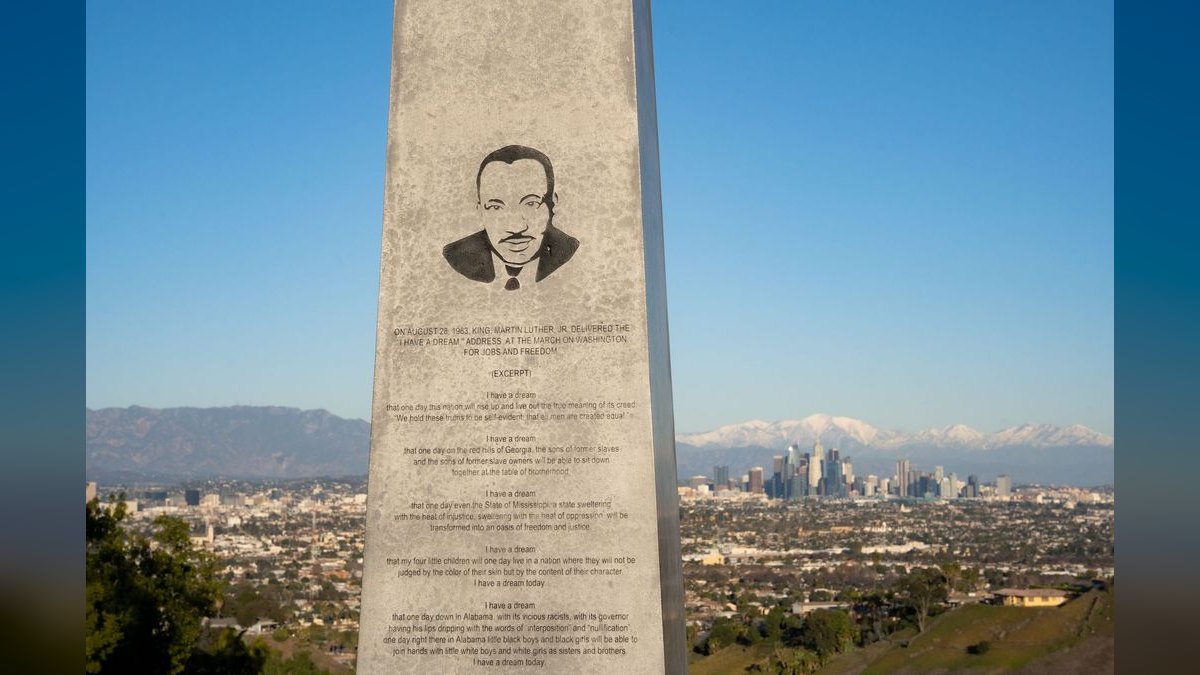
Martin Luther King Jr.’s “I Have a Dream” speech, delivered during the March on Washington in 1963, contains key passages such as the repeated “I have a dream” refrain envisioning racial equality and the call for justice “now” rather than gradualism. Its enduring lessons include the power of nonviolent protest, the moral urgency of civil rights, and the use of vivid, inclusive imagery to unite diverse audiences around a shared future. The speech remains one of the most studied and quoted pieces of American oratory, offering timeless principles for persuasive communication and social change.
On August 28, 1963, the Reverend Dr. Martin Luther King Jr. stood on the steps of the Lincoln Memorial in Washington, D.C., and addressed roughly 250,000 people gathered for the March on Washington for Jobs and Freedom. The crowd had come to press a stalled Congress on civil rights and economic justice, and King was the final speaker on a long, hot afternoon. He spoke for about seventeen minutes (~1,600 words). The portion that gave the speech its name — the soaring "I have a dream" refrain — was not in his prepared text at all. Partway through, the gospel singer Mahalia Jackson called out from behind him, "Tell them about the dream, Martin," and King set his manuscript aside and began to improvise from a passage he had used in earlier sermons. The result became one of the most studied pieces of American oratory ever delivered. Understanding the key passages and lessons of this speech provides a roadmap for anyone seeking to communicate with moral clarity and emotional power.
What Are the Key Passages in King’s “I Have a Dream” Speech?
The speech is structured around a series of distinct passages that build from historical context to a visionary conclusion. King opens by invoking Lincoln and the Emancipation Proclamation, then turns to the gap between America’s founding promise and its present reality, using the metaphor of a check returned for insufficient funds. He warns against both complacency and bitterness, insisting the struggle be conducted on the "high plane of dignity and discipline" — nonviolence as moral force. The improvised refrain that names the speech begins with the repeated phrase "I have a dream," organizing a cascade of specific images, including his hope for his children to be judged by character rather than skin color. He closes by braiding together a patriotic hymn, the geography of the whole nation, and an old spiritual — ending not on a policy demand but on a shared exclamation of arrival: "Free at last! Free at last! Thank God Almighty, we are free at last!"
Each passage serves a distinct rhetorical purpose. The "bad check" metaphor frames the demand for justice as a legitimate claim on America’s promises, not a radical request. The call for dignity and discipline reinforces nonviolent resistance as the movement’s core strategy. The dream passage provides a hopeful vision that transcends immediate grievances, while the "free at last" conclusion offers a moment of collective catharsis. Together, these passages create an emotional arc from indictment to aspiration, making the speech both a critique and a celebration. For a deeper analysis of the speech’s structure, see Martin Luther King Jr.’s “I Have a Dream” Speech: Rhetorical Analysis.
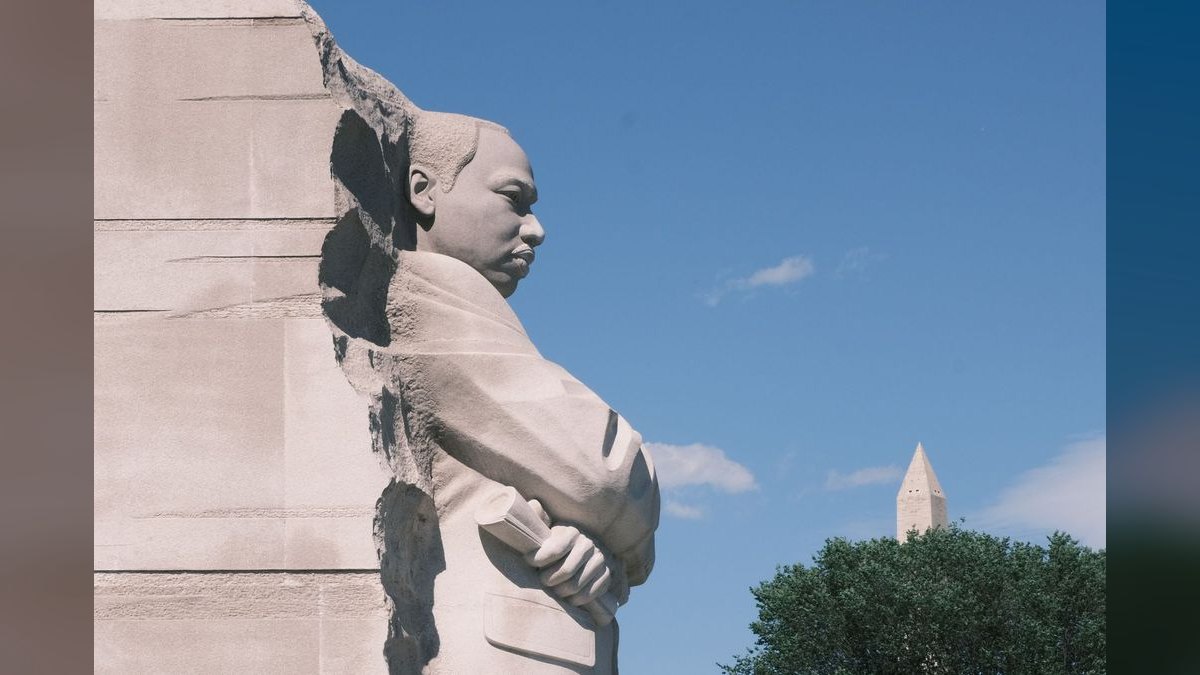
How Did the Historical Context Shape the Speech’s Message?
The March on Washington for Jobs and Freedom occurred at a critical juncture in the civil rights movement. The Birmingham campaign earlier that year had drawn national attention through images of police violence against peaceful protesters, including children. President John F. Kennedy had proposed a civil rights bill, but it faced fierce opposition in Congress. King’s speech needed to accomplish several goals simultaneously: maintain pressure on lawmakers, inspire the crowd of 250,000, reassure moderate white Americans, and articulate the movement’s moral urgency without alienating potential allies. The historical context explains why King emphasized both the "fierce urgency of now" and the dream of racial harmony — he was speaking to multiple audiences with competing expectations.
The speech also reflected King’s evolving philosophy. By 1963, he had moved beyond a narrow focus on desegregation toward a broader critique of economic inequality, as seen in the March’s official demands for jobs and fair wages. The "bad check" metaphor directly addressed economic justice, linking racial discrimination to poverty and unemployment. At the same time, King’s references to "My Country, ’Tis of Thee" and the Declaration of Independence positioned the civil rights struggle as a fulfillment of American ideals rather than a rejection of them. This strategic framing helped build a broad coalition of support, including labor unions, religious organizations, and civil rights groups. For more on the March’s broader context, see The March on Washington for Jobs and Freedom: Historical Context.
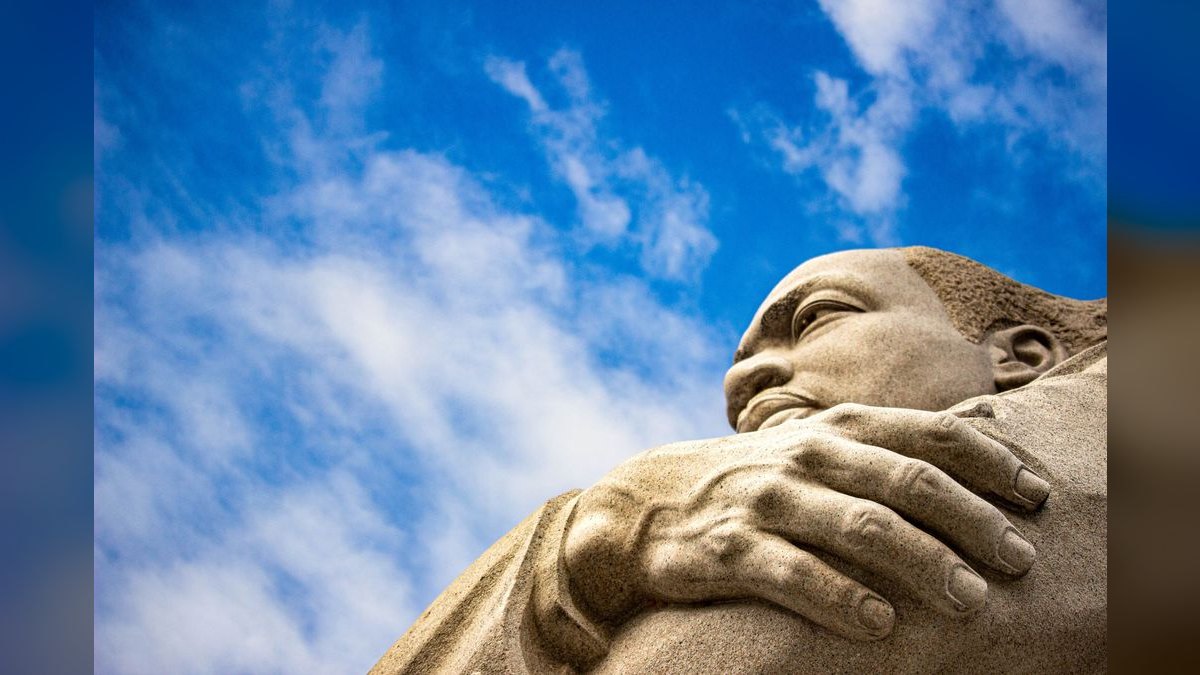
What Rhetorical Devices Make the Speech So Effective?
King’s “I Have a Dream” is a masterclass in rhetorical technique, blending devices that amplify emotional resonance and memorability. One of the most prominent is anaphora — the repetition of a phrase at the beginning of successive clauses. The iconic “I have a dream” refrain appears eight times, each iteration building intensity and unifying the crowd around a shared vision. Similarly, “Now is the time” and “Let freedom ring” create rhythmic urgency. King also employs antithesis, juxtaposing opposites to highlight injustice: “The Negro lives on a lonely island of poverty in the midst of a vast ocean of material prosperity.” This contrast forces listeners to confront the gap between America’s ideals and its reality. Another device is allusion — King draws on the Declaration of Independence ("unalienable rights"), the Emancipation Proclamation ("a great beacon light of hope"), and the Bible (Amos 5:24: "justice rolls down like waters"). These references anchor his message in shared cultural and moral touchstones, making it feel both timeless and urgent.
Finally, metaphor pervades the speech: “the bank of justice is bankrupt,” “the quicksands of racial injustice,” “the solid rock of brotherhood.” These vivid images translate abstract concepts into tangible, emotional experiences. Understanding these devices helps readers appreciate why the speech remains one of the most quoted in history — it was crafted, not just spoken. The combination of anaphora, antithesis, allusion, and metaphor creates a layered texture that rewards repeated listening and analysis. King’s ability to weave these devices seamlessly into a natural, preacherly delivery is what elevates the speech from mere rhetoric to art.
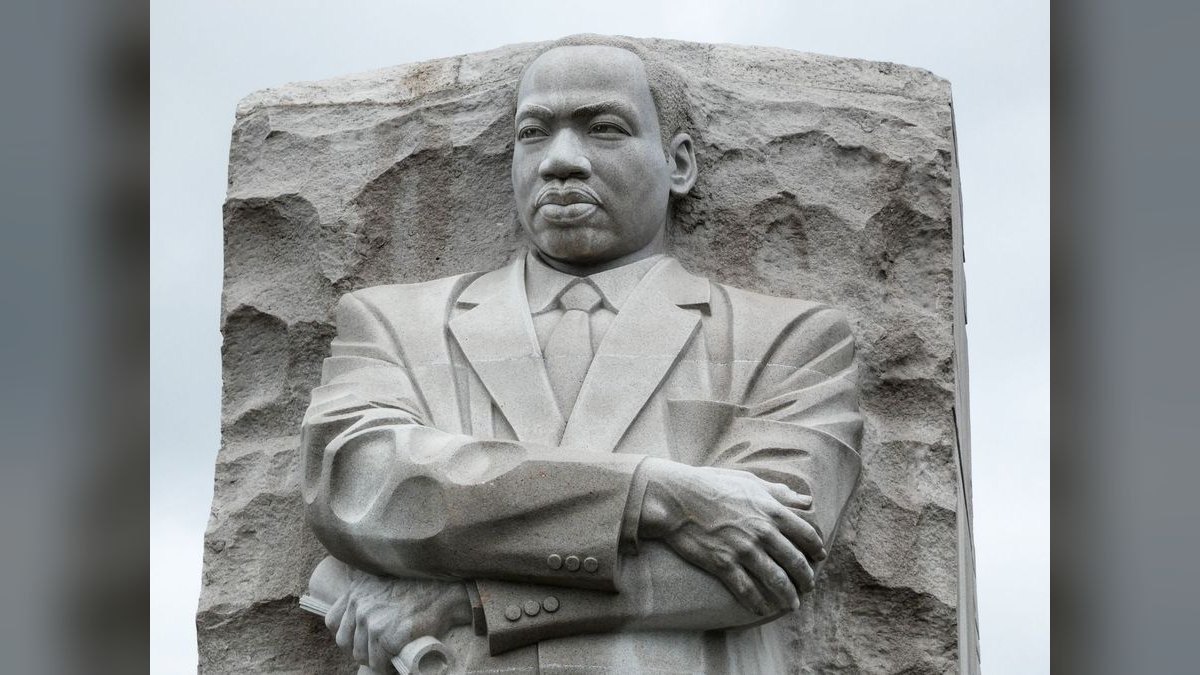
What Lessons Can Modern Communicators Learn from the Speech?
King’s “I Have a Dream” is not just a historical artifact — it contains actionable principles for anyone working toward justice, equality, or social change. First, ground your vision in shared values. King didn’t demand reparations or revolution; he called on America to live up to its founding promises. When advocating for a cause, frame it as fulfilling existing commitments — whether in a company’s mission statement, a community’s values, or a nation’s laws. Second, use repetition to make your message stick. Whether you’re writing a speech, a fundraising appeal, or a social media campaign, identify one core idea and repeat it in varied forms. Third, balance critique with hope. King spent much of the speech describing the "fierce urgency of now" — the pain of segregation and poverty — but he never left his audience in despair. He always pivoted to a dream. In any movement, people need to see both the problem and the possibility.
Fourth, build bridges, not walls. King spoke to a diverse audience — Black and white, religious and secular, Northern and Southern — and used language that invited everyone into the struggle. Avoid alienating potential allies with jargon or blame. Finally, remember that words must lead to action. King’s speech was followed by marches, sit-ins, voter registration drives, and legislative battles. To apply his lesson, pair your rhetoric with concrete steps: a petition, a meeting with policymakers, a community event. The dream only becomes real when it is lived. For a guide on applying these principles in business communication, see How to Use Rhetorical Devices in Business Presentations.
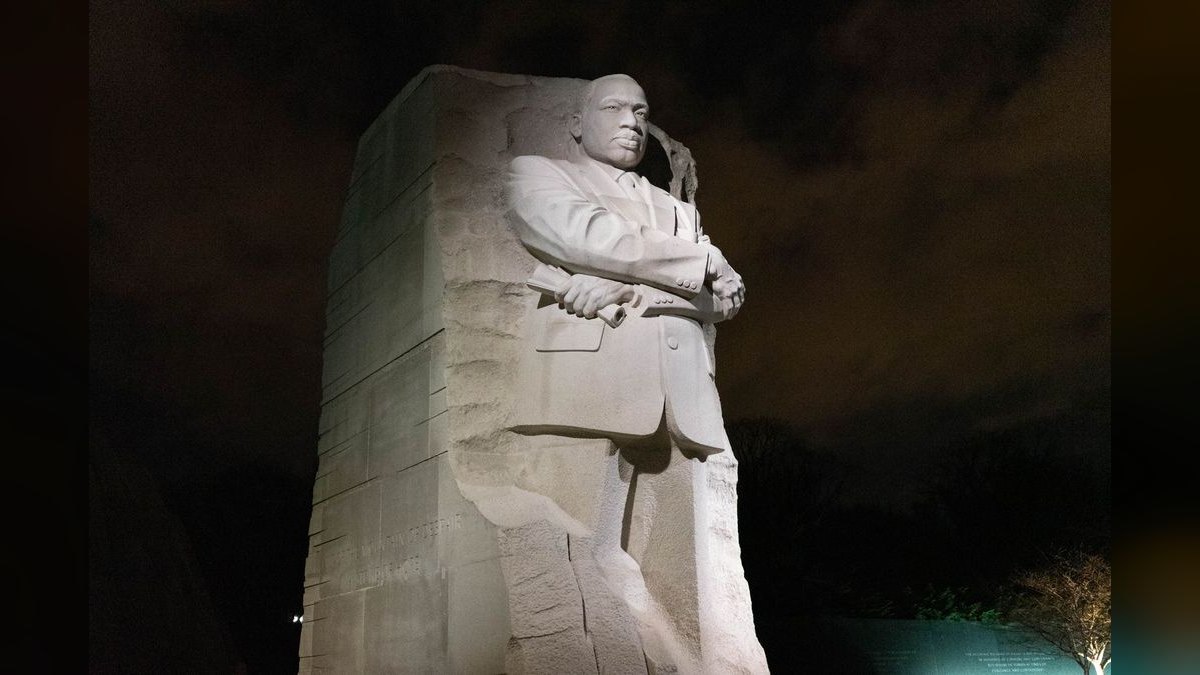
How Has the Speech’s Legacy Evolved Over Time?
The immediate aftermath of the March on Washington was mixed. President John F. Kennedy, who had watched the speech on television, reportedly remarked, “He’s damn good.” The event pressured Congress to pass the Civil Rights Act of 1964, though the bill’s passage was far from guaranteed — it faced a 75-day filibuster in the Senate before finally passing. King’s speech, with its moral clarity and call for nonviolent action, helped shift public opinion and provided a powerful counterweight to segregationist arguments. In the longer term, the speech became a foundational text for the civil rights movement and beyond. It is now studied in schools worldwide, quoted by activists from South Africa to Myanmar, and referenced in countless protests for racial and social justice.
However, critics note that the speech’s legacy has sometimes been sanitized, with its radical economic demands (like a “bad check” from the government) downplayed in favor of a more comfortable, aspirational message. King himself grew more outspoken against poverty and the Vietnam War in the years after 1963, yet the dream speech remains his most enduring public image. For modern readers, the speech offers a lesson in how moral suasion can catalyze change — but also a reminder that speeches alone do not dismantle systems of oppression; sustained organizing and legislation are equally essential. The speech’s continued relevance is evident in its use by contemporary movements, from Black Lives Matter to climate justice protests, demonstrating its adaptable power.
Related questions
What was the immediate political impact of King’s speech?
The speech helped build momentum for the Civil Rights Act of 1964, which passed after a 75-day Senate filibuster and was signed into law by President Lyndon B. Johnson.
How did King’s use of metaphor strengthen the speech?
Metaphors like the “bad check” and “bank of justice” made abstract concepts of injustice tangible and emotionally resonant, helping listeners grasp the moral urgency of the movement.
Why did King improvise the “I have a dream” refrain?
Gospel singer Mahalia Jackson urged King to “tell them about the dream,” leading him to depart from his prepared text and deliver a passage he had used in earlier sermons.
What makes the speech’s structure effective?
King moves from historical context to indictment to vision, creating an emotional arc that balances critique with hope, and ends with a climactic, memorable line.
How is the speech used by modern movements?
Activists for racial justice, immigrant rights, and climate action frequently quote or adapt the “I have a dream” refrain to frame their causes as part of a broader struggle for equality.
FAQ
What is the main message of Martin Luther King Jr.’s “I Have a Dream” speech? The speech calls for an end to racism and for civil and economic rights for Black Americans. King emphasizes unity, nonviolent protest, and the dream of a future where people are judged by character, not skin color.
Why is the “I Have a Dream” speech so famous? Its powerful repetition of the “I have a dream” refrain, delivered with King’s stirring oratory, made it an iconic moment of the civil rights movement. The speech’s biblical cadences and vision of racial harmony continue to resonate globally.
What are the most quoted passages from the speech? The “I have a dream” sequence and the line “free at last, free at last, thank God Almighty, we are free at last” are among the most famous. Other key passages include “the fierce urgency of now” and the metaphor of cashing a “promissory note” for justice.
Was the speech delivered exactly as written? King largely followed his prepared text, but he improvised the “I have a dream” refrain after gospel singer Mahalia Jackson urged him to “tell them about the dream.” That spontaneous addition became the speech’s defining moment.
How long did the speech last, and where was it given? The speech lasted about 16 minutes and was delivered on August 28, 1963, from the steps of the Lincoln Memorial in Washington, D.C. It was the climax of the March on Washington for Jobs and Freedom.
What lessons can we learn from the speech today? The speech teaches the power of nonviolent protest, the importance of hope in the face of injustice, and the need to keep striving for equality. It reminds us that change requires both moral clarity and persistent action.
How did King’s religious background influence the speech? King’s training as a Baptist minister shaped the speech’s cadences, use of scripture, and call-and-response structure. His references to Amos, Isaiah, and the spiritual “Free at Last” rooted the message in the Black church tradition.
What role did the March on Washington play in the speech’s impact? The massive, peaceful gathering of 250,000 people provided a powerful visual backdrop, demonstrating widespread support for civil rights and amplifying the speech’s moral authority.
How has the speech been criticized or reinterpreted? Some critics argue the speech’s legacy has been sanitized, with its radical economic demands downplayed. Others note that King’s later, more radical critiques of capitalism and militarism are often overlooked in favor of the dream narrative.
Can the speech’s rhetorical techniques be applied to modern business communication? Yes. Techniques like anaphora, metaphor, and the turn from grievance to vision are highly effective in presentations, pitches, and internal communications, helping leaders inspire action and build alignment.
Sources
- National Archives — “I Have a Dream” Transcript and Historical Context
- The King Center — Official Repository of MLK Writings and Speeches
- Library of Congress — March on Washington Primary Documents
- Stanford University’s MLK Research and Education Institute — Scholarly Analysis
- PBS — Educational Resources on the Civil Rights Movement
- The New York Times — Retrospective on the March on Washington
- American Rhetoric — Full Text and Audio of “I Have a Dream”
- History.com — “I Have a Dream” Speech Analysis
- NPR — How Mahalia Jackson Prompted the Dream Refrain
Related on PULSE
- [What Makes Martin Luther King Jr.’s “I Have a Dream” a Great Speech](/knowledge/sp0231)
- [JFK’s Ich bin ein Berliner (1963) — Key Passages and Lessons](/knowledge/sp0032)
- [Steve Jobs’s Stanford Commencement (2005) — Key Passages and Lessons](/knowledge/sp0021)
- [Barbara Jordan’s 1976 DNC Keynote — Key Passages and Lessons](/knowledge/sp0018)
- [Demosthenes’ The Third Philippic — Key Passages and Lessons](/knowledge/sp0026)
- [Mark Antony’s Funeral Oration (Shakespeare) — Key Passages and Lessons](/knowledge/sp0028)
@Kory-White- · if Venmo asks, the last 4 of my number are 2012
 pulse-moviesTop 10 Movies on Netflix 2027
 pulse-moviesTop 10 Movies on Max 2027
 pulse-moviesTop 10 Fantasy Movies of All Time in 2027
 pulse-moviesTop 10 Documentaries of All Time in 2027
 pulse-moviesTop 10 Superhero Movies of All Time in 2027
 pulse-moviesTop 10 Romance Movies of All Time in 2027
 pulse-moviesTop 10 Westerns of All Time in 2027
 pulse-moviesTop 10 Musical Movies of All Time in 2027
 pulse-moviesTop 10 Thriller Movies of All Time in 2027
 pulse-moviesTop 10 Crime Movies of All Time in 2027