
A Funny-but-Warm Best Man Speech
 Curated byKory White · Fractional CRO · Maryland
 PULSEKNOWLEDGE LIBRARY
A funny-but-warm best man speech requires a deliberate structure that opens with lighthearted humor, transitions through genuine anecdotes, and closes with a heartfelt toast honoring the couple. The ideal balance is roughly 70% humor to 30% sincerity, with a clear turning point that signals the shift from roast to tribute. Successful speeches run 3–5 minutes, avoid embarrassing or inside jokes that exclude the room, and end with a single, memorable line that ties the humor to the couple's future together. The key is to make the groom feel celebrated, not targeted, and to make the bride feel welcomed into the story.
The magic of a funny-but-warm best man speech lives in the ratio—roughly 70% humor to 30% genuine sentiment. Start with your strongest laugh (a clean, universally funny anecdote), then weave in a sincere observation about the groom or the couple. End each humorous beat with a soft landing: a nod to how that silly habit reveals a deeper quality. For example, if you joke about the groom’s disastrous cooking, follow it with how he never gave up trying to make you a decent meal—showing his stubborn loyalty. This structure keeps the room engaged without veering into stand-up or eulogy territory. Practice the transitions aloud; the pause between a punchline and a heartfelt line is where the warmth lands.
How Do You Structure a Best Man Speech That Balances Humor and Heart?
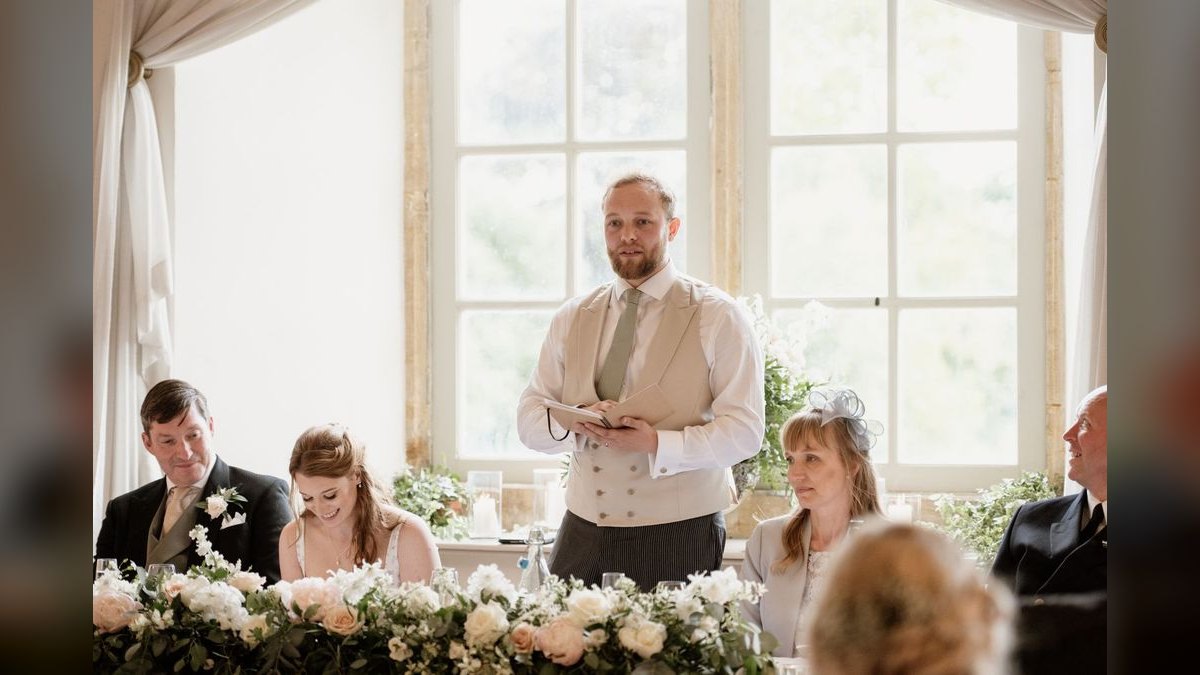
The most effective structure for a funny-but-warm best man speech follows a clear three-act arc: setup, turn, and payoff. The setup occupies the first 60–90 seconds and should contain your strongest, cleanest joke—something that gets the room laughing immediately and signals the tone is playful. For example, open with a self-deprecating line about your own nervousness or a universally relatable observation about the groom's quirks. Avoid any reference to exes, embarrassing family stories, or private moments that would make the groom's parents uncomfortable. The turn happens when you pivot to the bride: a simple line like "But then [bride] happened" works because it signals the shift from roast to tribute. This is the hinge of the entire speech; deliver it with a pause so the room understands the mood is changing. The payoff is the warm conclusion—two to three sentences of genuine praise for the groom's character and a toast that ties your earlier humor to a sincere wish for the couple's future.
For pacing, aim for two to three genuine laughs from the crowd, not a constant barrage. If a joke falls flat, don't acknowledge it; simply pivot to your next line with a smile. The warm sections should be delivered with eye contact toward the groom and bride, not your notes. A glass of water nearby helps if nerves dry your throat—avoid alcohol beforehand to stay sharp. Practice the entire speech aloud at least five times, and record yourself to catch rushed transitions. The pause after the turn is critical—it's where the audience registers the emotional change.

What Are the Best Techniques for Writing Funny Anecdotes Without Being Mean?
Avoid inside jokes that exclude half the room by using the "inside-out" method: take a personal story and frame it so everyone gets the humor. Describe the setting, the characters, and the absurdity without relying on names or references only the wedding party knows. For instance, instead of “Remember when Dave got locked in the bathroom at Jake’s party?” say “Picture this: a bachelor party, a bathroom door with a faulty lock, and our groom trapped inside for twenty minutes—serenading us through the keyhole with his best wedding playlist.” The laughter comes from the universal image, not the private memory. Then pivot to warmth: “But that’s Dave—he’ll find a way to make even a stuck door feel like a celebration. And that’s exactly the energy he brings to his marriage.”
The golden rule for roasting is that the humor should embarrass the groom for two seconds and make him likable forever. Never reach for anything cruel, an ex, or something he'd be hurt to hear in front of family. Stick to harmless quirks—his obsession with a TV show, his terrible cooking, his inability to parallel park. If the joke would sting if told at a family dinner, cut it. The warmth must always outweigh the tease. For more on structuring your speech's narrative arc, see our guide on how to structure a best man speech.
How Do You Customize the Tone for Different Groom Personalities?
Tailor the humor-to-heart ratio to the groom's character. For an extroverted, jokey groom, lean harder into funny stories (70% humor, 30% heart). For a quieter, more reserved groom, reverse that—lead with warmth and use only one or two gentle jokes. If the couple has a shared hobby (hiking, gaming, cooking), weave a brief reference into your toast. Avoid inside jokes that exclude more than half the room; instead, choose universal anecdotes that highlight the groom's quirks (like his obsession with bad puns or his inability to cook pasta). The goal is to make the couple feel seen, not just roasted.
For a groom who is notoriously competitive, you might joke about his fantasy football obsession and how the bride is the only person who can beat him at anything. For a groom who is overly sentimental, keep the roast light and lean into a heartfelt story about how he cried at a movie. The key is to match the material to the man—never force a joke that doesn't feel authentic to your friendship. If you're unsure, ask the best man's partner or a close mutual friend for a second opinion on whether a story is funny without being hurtful.
What Delivery Techniques Make a Best Man Speech Land Effectively?
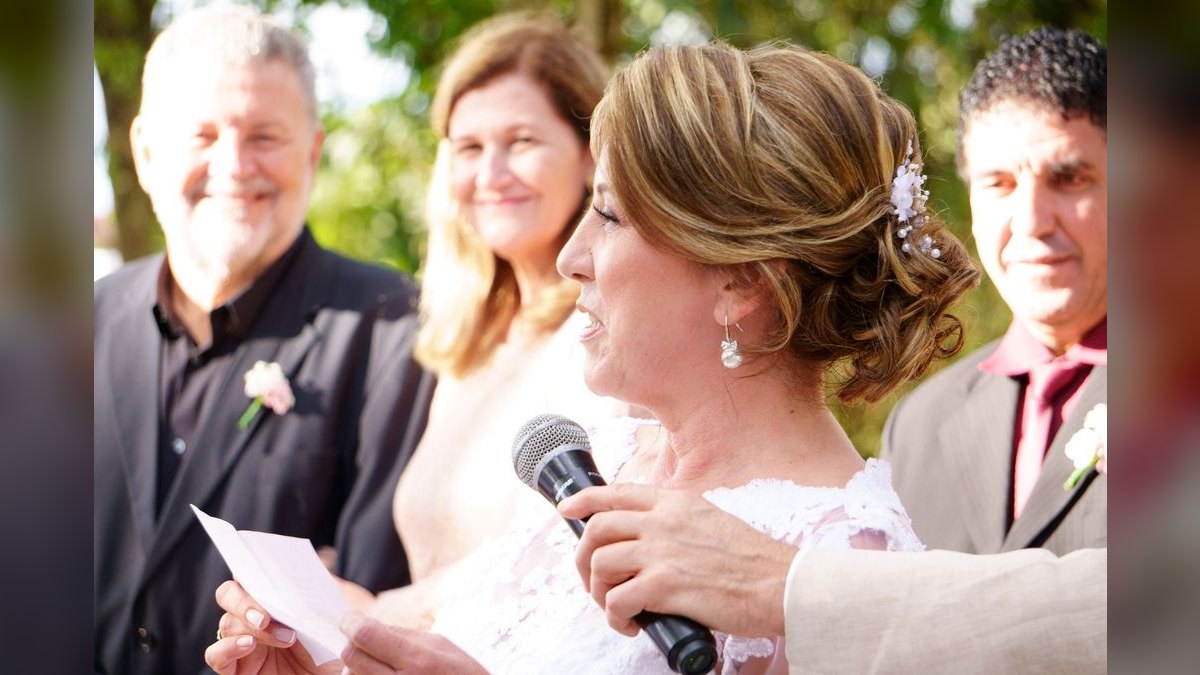
A funny-but-warm speech lives or dies on pacing. Speak slowly—especially during punchlines—and pause after jokes to let laughter settle before moving to sincere moments. Practice in front of a mirror or record yourself to catch rushed transitions. Aim for two to three genuine laughs from the crowd, not a constant barrage. If a joke falls flat, don't acknowledge it; simply pivot to your next line with a smile. The warm sections should be delivered with eye contact toward the groom and bride, not your notes. A glass of water nearby helps if nerves dry your throat—avoid alcohol beforehand to stay sharp.
For handling nerves, memorize your opening line cold—once you nail the first 10 seconds, confidence builds. If you forget a section, skip it; the audience won't know what you planned. For technical glitches (dead mic, no spotlight), wait calmly and repeat your last sentence when ready. If the groom tears up or the bride laughs unexpectedly, pause and acknowledge it with a simple "I knew that would get you"—it adds warmth and buys you a moment to regroup. Keep a backup copy of your speech on your phone, but don't read from it unless absolutely necessary. For more on effective delivery, see our analysis of what makes Theodore Roosevelt's "The Man in the Arena" a great speech.
How Do You Write a Closing Toast That Is Both Funny and Memorable?
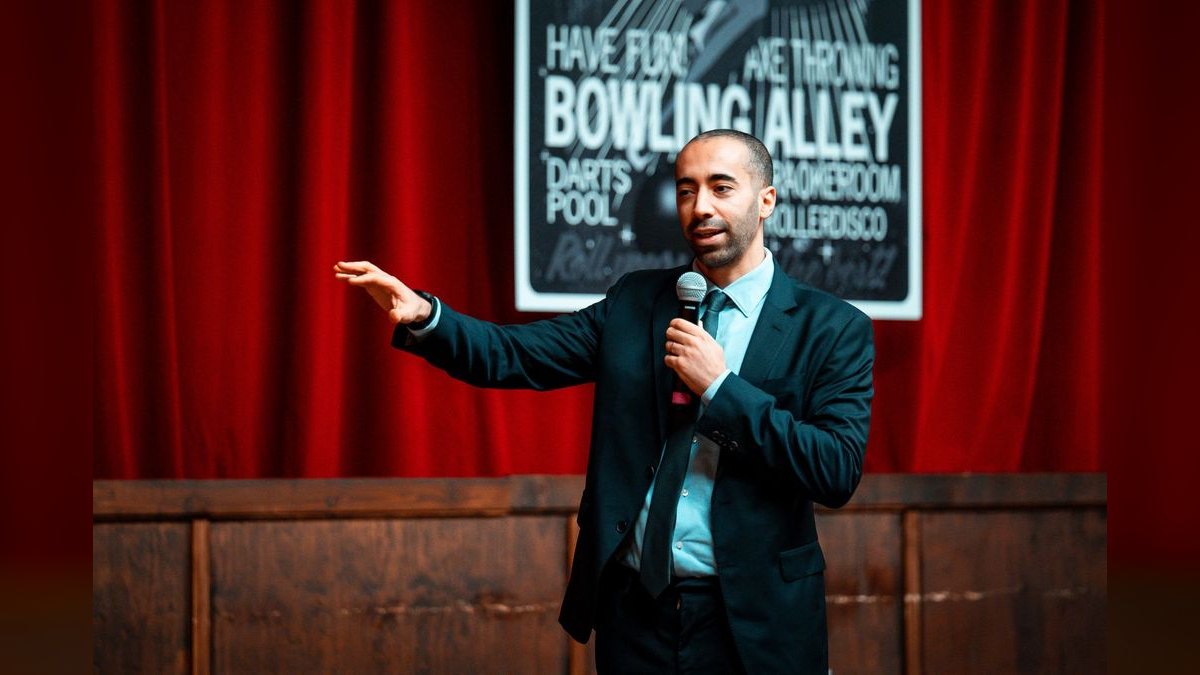
End your speech with a toast that's both funny and tender—a single line that ties your theme together. Avoid clichés like “to a lifetime of happiness.” Instead, craft a line that references your earlier humor. If you joked about the groom’s obsession with spreadsheets, close with: “To Dave and Sarah—may your love story never need a pivot table, and may every argument end with a shared dessert.” Deliver it with eye contact to the couple, then raise your glass. The room will remember that line long after the champagne is gone. Keep it under ten seconds—brevity gives it weight. Practice it until it feels natural, not rehearsed. The best closing toasts sound like the most obvious thing you could say, even though you spent an hour perfecting it.
For a groom who loves bad puns, try: "To [groom] and [bride]—may your love be as strong as his puns are weak." For a groom who is notoriously late, close with: "To [groom] and [bride]—may they always arrive at happiness on time." The key is specificity: the line should feel like it could only belong to this couple. For more inspiration, see our sample wedding speech for a best man.

Related questions
How long should a best man speech be?
Aim for 3 to 5 minutes when spoken, roughly 400–600 words. This is long enough to land laughs and a heartfelt moment but short enough to keep the room engaged. Rehearse to ensure you stay within this window.
What should you avoid in a best man speech?
Avoid inside jokes, references to exes, embarrassing childhood stories, anything about the groom's past relationships, and jokes about the bride's appearance. Never mention the groom's nervousness or financial habits. Keep all humor respectful.
Should you include the bride in the speech?
Yes, absolutely. Praise her warmly and specifically—say something genuine about how she brings out the best in the groom or how she's made him happier. This shows respect and makes the speech feel complete, not just a buddy tribute.
How do you handle a joke that falls flat?
Don't acknowledge it. Simply pause briefly, smile, and move to your next line with confidence. The audience will follow your lead. Never apologize or explain the joke—that makes the moment worse.
Is it okay to use notes during the speech?
Yes, but keep them on a single index card with bullet points, not full sentences. Hold it at chest level and glance at it naturally between lines. Reading from a phone or paper sheet looks amateurish and distances you from the audience.
What if you get emotional during the speech?
That's fine—guests find genuine emotion endearing. Pause, take a breath, and continue. If you need a moment, say "Sorry, I just love this guy" to buy time. The room will be on your side.
FAQ
What is the best way to open a best man speech? Open with a self-deprecating joke about your own nervousness or a clean, universal observation about the groom. For example: "I'm [name], and I've had the honor of being [groom]'s best friend for [years]—long enough to know all his secrets and kind enough to keep most of them tonight." This establishes a playful tone without targeting anyone.
How do you transition from humor to heartfelt moments? Use a pivot line like "But then [bride] happened" followed by a deliberate pause. This signals the tonal shift. Then deliver a sincere observation about how the groom has changed since meeting her. The pause is where the audience registers the change—practice it until it feels natural.
Can you use a prop during the speech? Yes, but sparingly. A single prop—like a childhood photo or a funny trophy—can land well if it's relevant to your story. However, avoid anything that distracts from your words or requires complex setup. The prop should illustrate, not dominate.
How much should you practice the speech? Practice aloud at least 5–7 times, ideally in front of a friend. Record yourself to catch rushed transitions or unclear phrases. On the day, do one quiet run-through in the bathroom before the reception. Confidence comes from preparation.
What if the groom or bride cry during the speech? That's a good sign—it means your heartfelt section landed. Pause briefly, smile, and say something simple like "I knew that would get you." Then continue. The room will appreciate the genuine emotion.
Should you mention the best man's own relationship? Only if it's relevant and adds to the story. For example, "My wife has been telling me for years that I need to be more like [groom], and she was right." This can be a warm nod to your own growth, but keep it brief—the focus should remain on the couple.
Sources
- Toastmasters International - Speechwriting for Special Occasions
- The Emily Post Institute - Wedding Speech Etiquette
- The New York Times "Vows" Section - Wedding Speech Anecdotes
- TED Talks - Humor and Storytelling Techniques
- The Spruce - Balancing Humor and Sincerity in Wedding Toasts
- American Rhetoric - Rhetorical Devices and Delivery
Related on PULSE
- [How to Structure a Best Man Speech](/knowledge/sp0258)
- [A Wedding Speech for a Man of Honor](/knowledge/sp0110)
- [What Makes Theodore Roosevelt’s “The Man in the Arena” a Great Speech](/knowledge/sp0242)
- [A Wedding Speech for a Best Man](/knowledge/sp0103)
- [A Warm Welcome Speech for a New Employee](/knowledge/sp0052)
@Kory-White- · if Venmo asks, the last 4 of my number are 2012
 pulse-moviesTop 10 Movies on Netflix 2027
 pulse-moviesTop 10 Movies on Max 2027
 pulse-moviesTop 10 Fantasy Movies of All Time in 2027
 pulse-moviesTop 10 Documentaries of All Time in 2027
 pulse-moviesTop 10 Superhero Movies of All Time in 2027
 pulse-moviesTop 10 Romance Movies of All Time in 2027
 pulse-moviesTop 10 Westerns of All Time in 2027
 pulse-moviesTop 10 Musical Movies of All Time in 2027
 pulse-moviesTop 10 Thriller Movies of All Time in 2027
 pulse-moviesTop 10 Crime Movies of All Time in 2027