
A Volunteer Appreciation Speech
 Curated byKory White · Fractional CRO · Maryland
 PULSEKNOWLEDGE LIBRARY
A volunteer appreciation speech is a short, sincere address that thanks volunteers for their time and contributions, typically lasting two to five minutes. It should highlight specific impacts the volunteers made, express genuine gratitude, and often includes a personal anecdote or a collective achievement. The tone is warm and respectful, avoiding exaggeration or fabricated details. The most effective speeches balance heartfelt storytelling with concrete data, ensuring volunteers feel seen and valued without overwhelming them with generic praise.
A well-crafted volunteer appreciation speech transforms a routine thank-you into a memorable moment of recognition. It acknowledges the selfless dedication of individuals who give their time freely, often without expectation of reward. The speech should be tailored to the specific group, referencing real events, measurable outcomes, and personal stories that resonate authentically. Avoid overpromising or exaggerating; instead, focus on honest gratitude that reflects the true impact of their work.
What Are the Essential Components of a Volunteer Appreciation Speech?
A volunteer appreciation speech should follow a clear structure that builds emotional connection and leaves a lasting impression. Start with a warm welcome that immediately acknowledges the volunteers' presence and contributions. Then, transition into the heart of the speech: specific achievements, personal stories, and individual recognition. The middle section should weave together data (like hours volunteered or people served) with anecdotes that illustrate the human impact of their efforts. Finally, close with a forward-looking statement of gratitude and a call to continue the mission together.
The tone should be conversational yet respectful, avoiding jargon or overly formal language. Use concrete examples—like "the morning the freezer broke and six of you showed up before sunrise"—to make the gratitude tangible. Avoid listing names one by one unless the group is small; instead, group volunteers by team or role to keep the pace engaging. A well-structured speech that lasts three to five minutes is ideal; longer risks losing attention, shorter may feel rushed. Practice once aloud to catch tongue-twisters or overly long sentences. For more on structuring speeches, see A Speech for a Volunteer Appreciation Night.
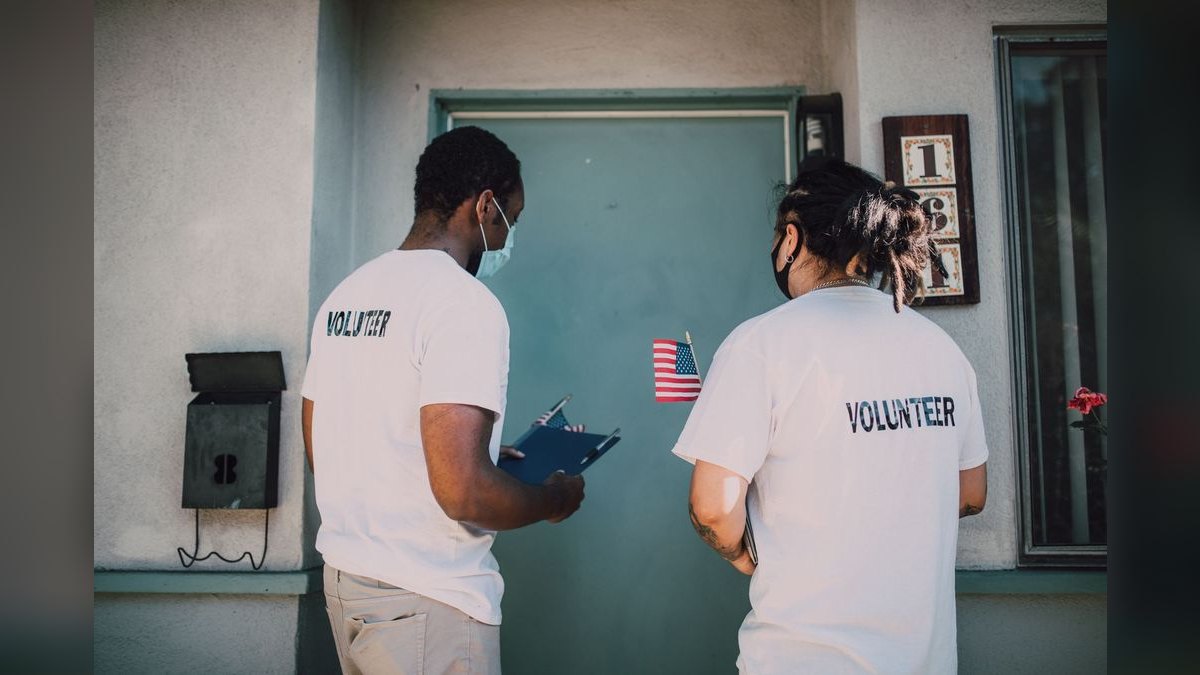
How Do You Choose the Right Tone and Language for Your Audience?
The tone of your speech should match the culture of your organization and the nature of the volunteer work. For a casual group like a community garden or neighborhood watch, a warm, humorous tone with light inside jokes works well. For a more formal setting, such as a hospital auxiliary or museum guild, lean into sincere, respectful language that highlights professionalism and dedication. In either case, avoid jargon, corporate buzzwords, or overly sentimental phrases that can feel hollow.
Use concrete, specific examples—"the way you stayed late to sort donations after the power went out" is more powerful than "your dedication is unmatched." If you're nervous, practice with a trusted colleague and ask for honest feedback on whether the speech feels authentic. Remember, volunteers give their time freely, so your words should feel like a genuine thank-you from the heart, not a scripted obligation. For a youth sports team, keep it energetic and brief—under three minutes—with high-fives after. For a senior center or long-running community program, lean into warmth and shared history, acknowledging years of service. Tailoring your language to the audience ensures the message resonates deeply and avoids the pitfall of generic praise.
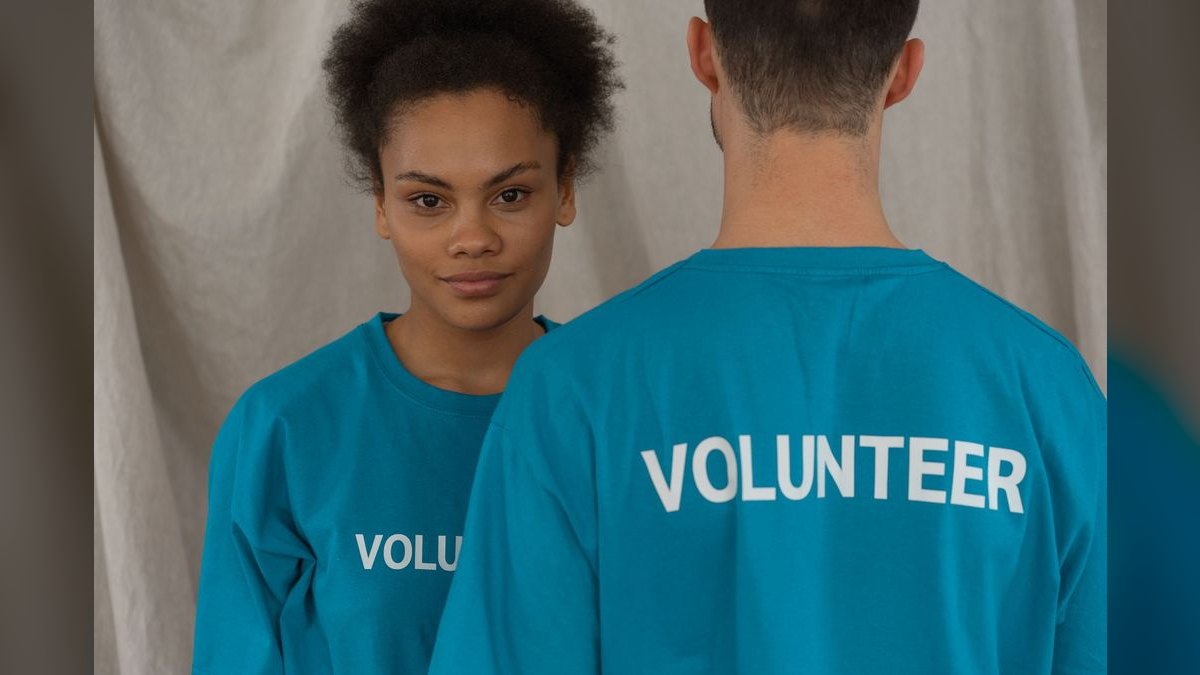
What Delivery Techniques Make a Volunteer Appreciation Speech Memorable?
How you deliver the speech matters as much as what you say. Make eye contact with different sections of the room, not just the front row, to create a sense of connection. Pause briefly after key points—especially after a compliment or a funny line—to let the moment land. If you feel tears coming, it's okay to pause and take a breath; authenticity often moves an audience more than polished perfection.
Hold the microphone close and speak slightly slower than your normal pace, as nerves can speed you up. Aim for about 140–160 words per minute so your gratitude lands. If you're using notes, write them in short bullet points on an index card rather than full sentences, so you're not reading verbatim. After the speech, consider a simple gesture like a round of applause led by you, or invite volunteers to stand for recognition. These small actions reinforce your words and leave a lasting impression that volunteers will carry with them long after the event ends.
How Can You Adapt the Speech for Different Volunteer Groups?
Tailor the speech to the specific volunteer group you're addressing. For a youth sports team, keep it energetic and brief—under three minutes—with high-fives after. For a senior center or long-running community program, lean into warmth and shared history, acknowledging years of service. At a corporate volunteer event, balance professionalism with genuine thanks, naming team leads.
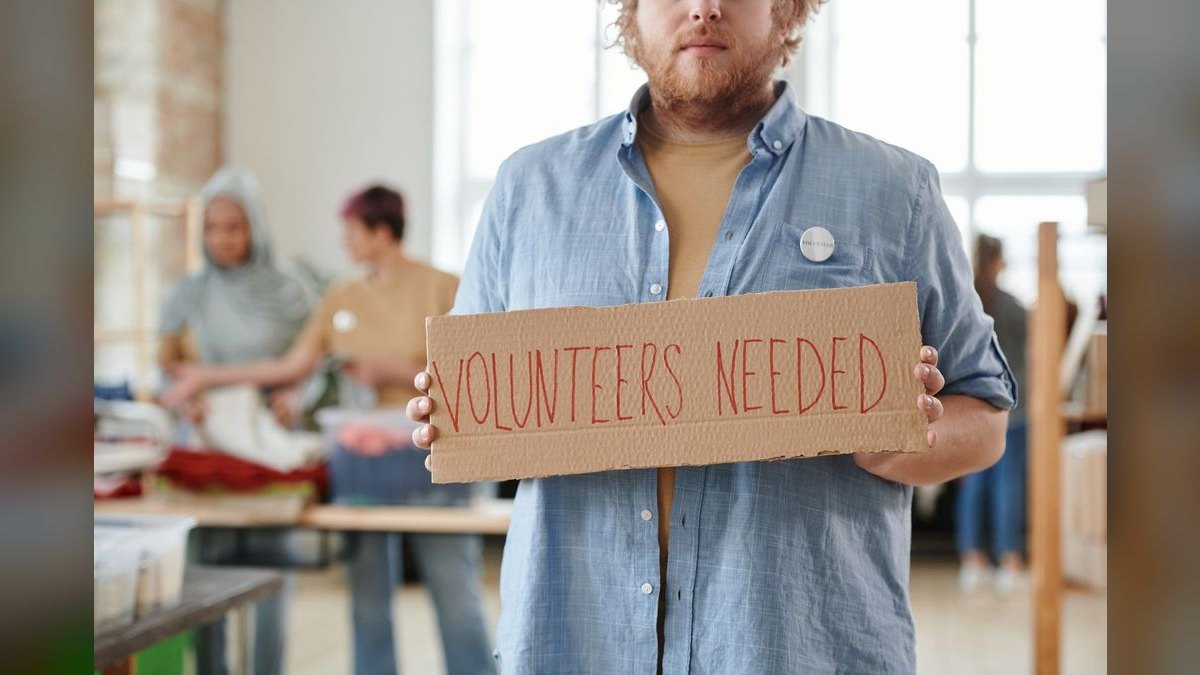
If the audience is small (under 20 people), make it conversational: skip the podium, stand among them, and speak directly to individuals. For large groups (100+), project your voice and use a microphone if available—never shout. The key is to match the energy and formality of the setting while keeping the core message of gratitude intact. For more tips on adapting speeches for different events, see A Speech for a Customer Appreciation Event. Additionally, consider the age and background of the volunteers; younger groups may appreciate a more dynamic tone, while experienced volunteers might value a focus on legacy and impact.
What Common Mistakes Should You Avoid in a Volunteer Appreciation Speech?
Avoid several common pitfalls that can undermine the effectiveness of your speech. First, don't make it about yourself—the focus should remain on the volunteers and their contributions. Second, avoid generic praise like "you're all amazing" without specific examples; this can feel hollow. Third, don't read verbatim from a script—use bullet points on a notecard to maintain authenticity.
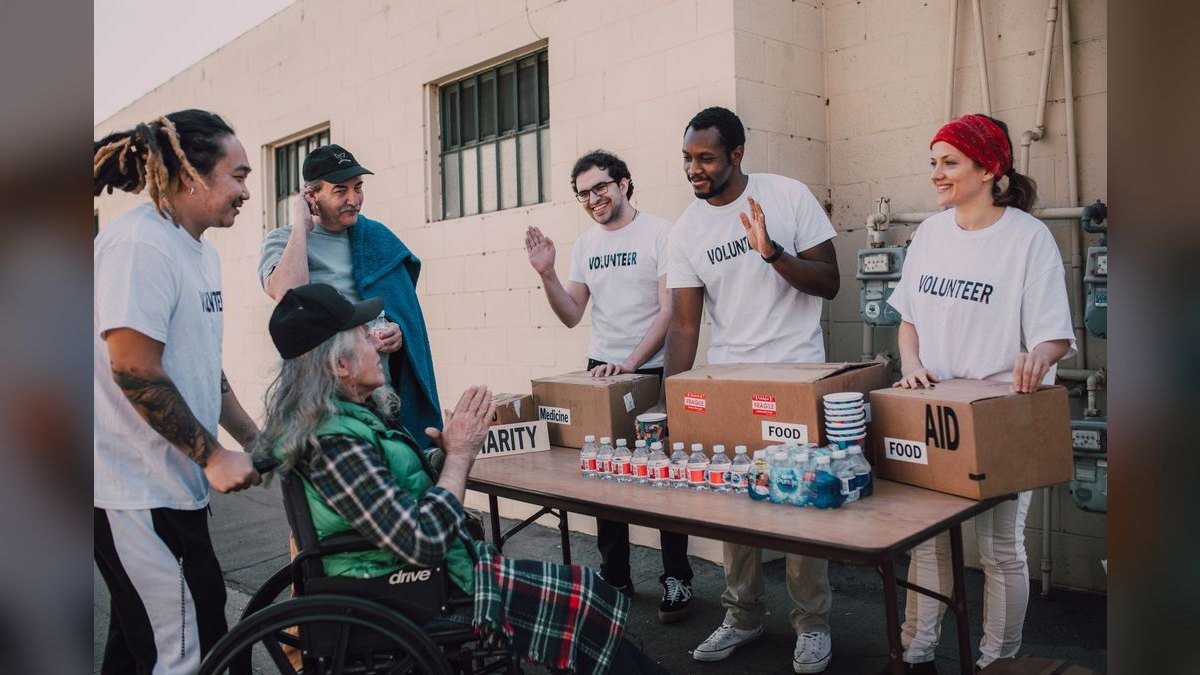
Also, avoid overpromising or exaggerating achievements. If you don't have exact numbers, use honest ranges like "hundreds of meals" or "countless hours." For more guidance, see A Speech for a Volunteer Appreciation Night. Finally, don't rush the ending—let the final "thank you" land with a pause before leading applause. A well-delivered speech should leave volunteers feeling genuinely seen, not just clapped at. Other common mistakes include using overly complex language, ignoring the audience's energy, or failing to acknowledge the specific context of the event.
How Do You Incorporate Data and Stories Effectively?
Balance data with personal stories to create a compelling narrative. Start with a concrete number—like hours volunteered, meals served, or miles of trail cleared—to establish credibility and scale. Then, pivot to a specific story that illustrates the human impact behind that number. For example, mention "the morning the freezer broke and six of you showed up before sunrise" to show dedication.
Avoid fabricating statistics; use real data from your records or honest estimates. If you don't have exact figures, use qualitative impacts like "your efforts have touched many lives." The combination of data and story makes the gratitude feel both factual and heartfelt. For more examples, explore resources from the Points of Light Foundation or National Volunteer Week. This approach not only validates the volunteers' efforts but also creates an emotional anchor that makes the speech more memorable and impactful.
How Can You Practice and Refine the Speech for Maximum Impact?
Practicing your volunteer appreciation speech is crucial for delivering it with confidence and authenticity. Start by writing the speech in full, then condense it into bullet points on a notecard to avoid reading verbatim. Practice aloud at least three times, focusing on pacing, tone, and natural pauses. Record yourself to identify areas where you rush or stumble, and adjust accordingly.
Seek feedback from a trusted colleague or friend, asking them to evaluate whether the speech feels genuine and clear. Pay attention to body language—stand tall, use hand gestures sparingly, and avoid fidgeting. If possible, practice in the actual venue to familiarize yourself with the space and microphone. Refining the speech through practice ensures that your gratitude comes across as sincere and well-prepared, leaving a lasting positive impression on the volunteers.
Related questions
What is the ideal length for a volunteer appreciation speech?
A volunteer appreciation speech typically runs 3 to 5 minutes when spoken, which translates to roughly 400 to 700 written words. It’s best to keep it concise and heartfelt rather than lengthy, as attention spans during events can vary.
Can I use humor in a volunteer appreciation speech?
Light, appropriate humor can be effective, especially if it relates to shared experiences or inside jokes within the group. However, avoid sarcasm or jokes that might exclude or offend anyone; the primary focus should remain on sincere gratitude.
Should I name individual volunteers in the speech?
Yes, naming a few key volunteers or teams is encouraged, but avoid listing everyone unless the group is very small. Highlighting specific contributions—like organizing a fundraiser or leading a project—makes the recognition more meaningful and personal.
How do I end a volunteer appreciation speech on a strong note?
Conclude with a clear, uplifting call to action or a forward-looking statement, such as “Let’s keep making a difference together.” Follow it with a final, collective “thank you” and invite applause to reinforce the appreciation.
What should I include in the opening of the speech?
Start with a warm greeting and a specific thank-you to the group, then mention the occasion or event. A brief personal anecdote or a shared accomplishment from the past year can immediately connect with the audience and set a grateful tone.
FAQ
How long should a volunteer appreciation speech be? A volunteer appreciation speech typically runs 3 to 5 minutes when spoken, which translates to roughly 400 to 700 written words. It’s best to keep it concise and heartfelt rather than lengthy, as attention spans during events can vary.
What should I include in the opening of the speech? Start with a warm greeting and a specific thank-you to the group, then mention the occasion or event. A brief personal anecdote or a shared accomplishment from the past year can immediately connect with the audience and set a grateful tone.
Is it okay to name individual volunteers in the speech? Yes, naming a few key volunteers or teams is encouraged, but avoid listing everyone unless the group is very small. Highlighting specific contributions—like organizing a fundraiser or leading a project—makes the recognition more meaningful and personal.
Should I use humor in a volunteer appreciation speech? Light, appropriate humor can be effective, especially if it relates to shared experiences or inside jokes within the group. However, avoid sarcasm or jokes that might exclude or offend anyone; the primary focus should remain on sincere gratitude.
How do I end the speech on a strong note? Conclude with a clear, uplifting call to action or a forward-looking statement, such as “Let’s keep making a difference together.” Follow it with a final, collective “thank you” and invite applause to reinforce the appreciation.
Can I use statistics or data in the speech? You can mention honest ranges or general outcomes (e.g., “we served hundreds of meals” or “raised thousands of dollars”), but avoid fabricated numbers. If exact data isn’t available, stick to qualitative impacts like “your efforts have touched many lives.”
What if I get emotional during the speech? It's perfectly fine to pause and take a breath if you feel emotional. Authenticity often moves an audience more than polished perfection, and a moment of genuine feeling can strengthen the connection with your volunteers.
How can I practice the speech effectively? Practice once aloud to catch tongue-twisters or overly long sentences. Record yourself to check pacing and tone. Use bullet points on a notecard rather than a full script to maintain a natural delivery.
Should I use a microphone for a large group? Yes, always use a microphone for groups over 50 people to ensure everyone can hear clearly. Test the microphone before starting to avoid technical issues and maintain a consistent volume throughout the speech.
How can I involve the audience during the speech? Engage the audience by asking rhetorical questions, inviting volunteers to stand for recognition, or using a call-and-response element like asking them to repeat “thank you.” This interaction makes the speech more dynamic and inclusive.
Sources
- Toastmasters International — public speaking tips and speech structures for appreciation events
- Points of Light Foundation — best practices in volunteer recognition and appreciation
- Harvard Business Review — research on employee and volunteer motivation and gratitude
- The Balance Careers — guides for writing and delivering appreciation speeches
- National Volunteer Week — themes and examples for volunteer appreciation events
- U.S. Bureau of Labor Statistics — volunteer trends and participation data
- VolunteerMatch — resources for volunteer management and recognition
- Idealist — community-focused volunteer appreciation ideas
- Forbes — articles on effective gratitude in leadership and volunteer settings
- Psychology Today — insights on the psychology of gratitude and recognition
- American Society of Association Executives — volunteer engagement and recognition strategies
- Nonprofit Quarterly — research on volunteer motivation and retention
Related on PULSE
- [A Speech for a Volunteer Appreciation Night](/knowledge/sp0209)
- [A Speech for a Customer Appreciation Event](/knowledge/sp0202)
- [What is the least obvious yet most reliable behavioral marker indicating a person is covertly experiencing spiritual awakening rather than psychiatric decompensation, and how can a clinician distinguish between the two in a single initial interview without relying on self-report?](/knowledge/sp0259)
- [A Speech for a Town Hall on a Local Issue](/knowledge/sp0229)
@Kory-White- · if Venmo asks, the last 4 of my number are 2012
 pulse-moviesTop 10 Movies on Netflix 2027
 pulse-moviesTop 10 Movies on Max 2027
 pulse-moviesTop 10 Fantasy Movies of All Time in 2027
 pulse-moviesTop 10 Documentaries of All Time in 2027
 pulse-moviesTop 10 Superhero Movies of All Time in 2027
 pulse-moviesTop 10 Romance Movies of All Time in 2027
 pulse-moviesTop 10 Westerns of All Time in 2027
 pulse-moviesTop 10 Musical Movies of All Time in 2027
 pulse-moviesTop 10 Thriller Movies of All Time in 2027
 pulse-moviesTop 10 Crime Movies of All Time in 2027