
A Speech for a Championship Celebration
 Curated byKory White · Fractional CRO · Maryland
 PULSEKNOWLEDGE LIBRARY
Quality
Certified
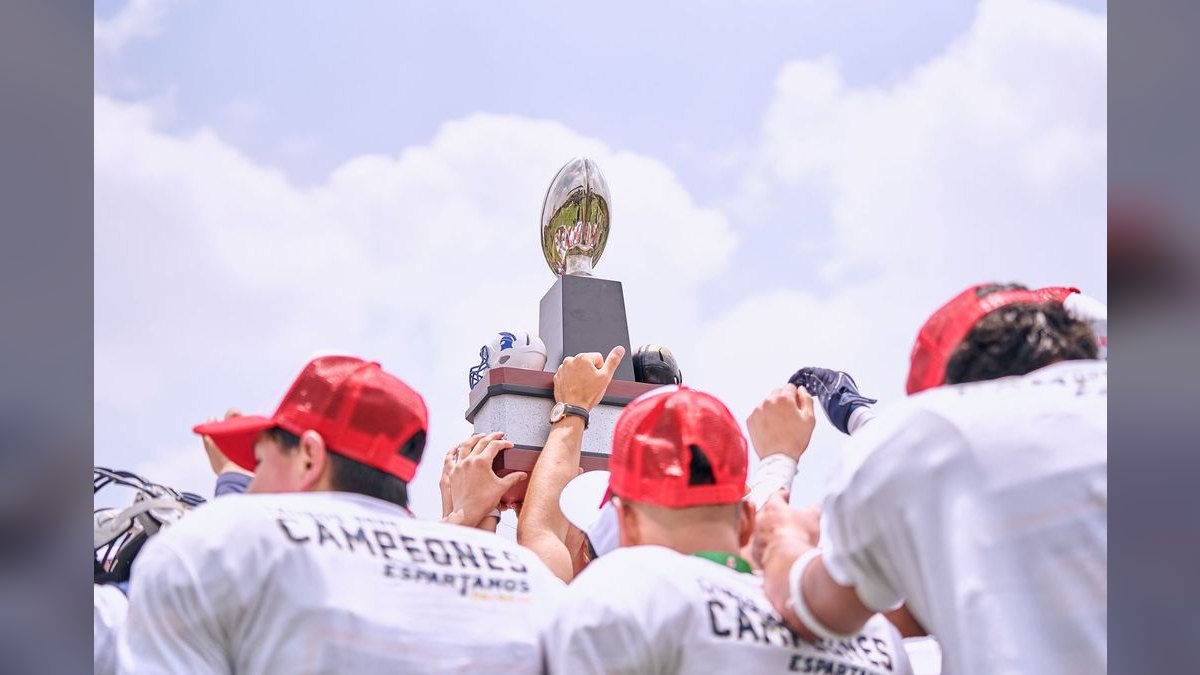
A championship celebration speech should directly acknowledge the team's collective effort first, then thank key supporters like coaches, staff, and fans. It typically highlights a defining moment or struggle overcome during the season, keeping the tone grateful and energetic rather than boastful. The closing should rally everyone to savor the win while looking forward to future challenges. By structuring your words around a clear emotional arc and tailoring delivery to the audience, you transform a simple thank-you into a memorable moment that honors the season's journey. This comprehensive framework—from drafted script to delivery techniques—ensures your speech lands with authenticity and impact, creating a lasting memory for everyone involved.
What is the three-act narrative structure for a championship speech?
A championship speech that resonates follows a three-act narrative mirroring the season itself: the struggle, the turning point, and the victory. Act one acknowledges the hardship—specific losses, injuries, or doubts that tested the team. For example, referencing “the night we lost by twenty” or “that brutal overtime in January” creates shared emotional ground. Act two shifts to resilience, naming the moment the team chose to fight back—a player’s standout performance, a tactical adjustment, or a team meeting that reignited commitment. Act three celebrates the payoff: the final buzzer, trophy lift, or collective triumph. This structure works because humans value what we’ve fought for more than what came easily. Spend roughly 20% of your speech on the struggle, 30% on the turning point, and 50% on celebration. Adjust based on your team’s personality—an underdog story needs more struggle time, while a dominant season can lean heavier into joy. Using this narrative arc ensures your speech has a clear beginning, middle, and end, making it easier for the audience to follow and feel emotionally invested.
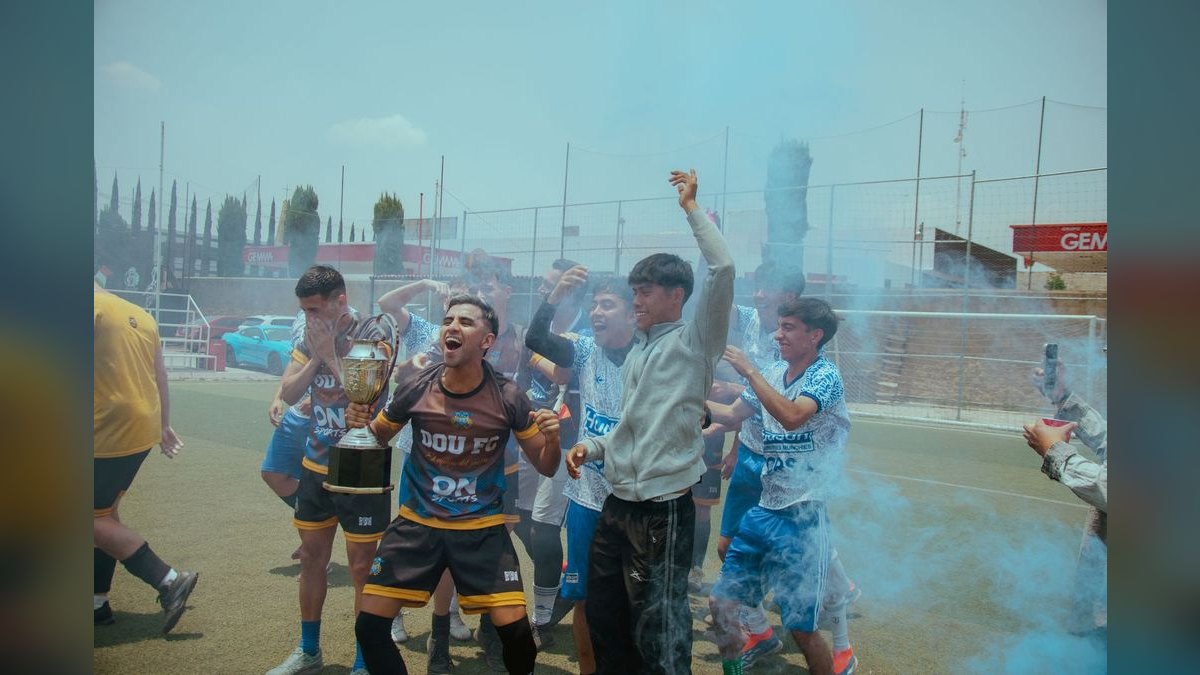
What specific gratitude should you include in a championship speech?
The body of your speech should weave three core elements: specific gratitude, a defining team moment, and a forward-looking call. Start by naming individuals who rarely get recognized—the assistant coach who ran extra drills, the trainer who taped ankles daily, or the parent who drove the team bus. Specificity transforms generic thanks into genuine connection. For instance, instead of saying “thank you to the coaching staff,” say “thank you to Coach Miller for staying late every night to work on our free throws.” This level of detail shows you paid attention and truly appreciate their contributions. Next, anchor the speech with one vivid moment that encapsulates the season’s heart. This might be a player diving for a loose ball, a bench player’s energy in practice, or a comeback win that proved the team’s character. Finally, close the body by looking ahead: “Tomorrow we stay humble and hungry, but tonight we celebrate.” This balances pride with humility, reminding everyone that the championship is a milestone, not a finish line. Avoid listing every win or stat—focus on emotional touchpoints that make the room feel the journey. For more on crafting gratitude, see A Team Win Celebration Speech.
How do you tailor a championship speech to different audiences and settings?
The same speech that electrifies a high school gymnasium will feel flat in a professional arena. For youth or high school teams, keep sentences short and concrete—use specific plays, player names, and inside jokes that kids remember. Avoid abstract concepts like “legacy” or “tradition.” For college or semi-pro teams, layer in emotional depth by referencing early-morning practices, sacrifice of social events, and collective grind. Use team inside jokes sparingly to avoid alienating parents or administrators. For professional or elite amateur teams, keep it concise and professional—focus on respect for the opponent, gratitude for support staff, and a forward-looking mindset. The setting also dictates tone: a locker-room speech can be raw and loud; a banquet speech requires polish and named tributes; a parade speech demands brevity (90 seconds max) with a memorable closing line. Rehearse three times out loud to find natural pauses and adjust pacing. If nervous, memorize the opening and closing lines—the middle can be more conversational. For guidance on a different setting, see A Speech for a Project Wrap Celebration.

What delivery techniques make a championship speech memorable?
Delivery transforms good words into a great moment. Start with voice projection—speak from your diaphragm, not your throat. A common mistake is speaking too fast from nervous energy; consciously slow down by 20% compared to normal conversation. Pause for two full seconds after key lines like “We are champions.” Those silences feel long to you but land perfectly with the audience. Vary volume: start conversational, build to a crescendo describing the victory, then drop to a quieter, sincere tone when thanking specific people. Use open body language—stand with feet shoulder-width apart, avoid crossed arms or hands in pockets. Make eye contact with different sections of the room, not just the trophy or notes. If holding a microphone, keep it two finger-widths from your mouth, pointed at your chin. For larger crowds, use broader gestures—point to the crowd, raise the trophy, or clap to engage applause. Timing is critical: aim for 2 to 5 minutes. Under 2 minutes feels rushed; over 5 loses energy. Practice with a timer. If you get emotional, let it show—authentic emotion connects more than perfect delivery. Have a backup plan: if you can’t speak through tears, hand the mic to a teammate or coach. For more on delivery, see A Promotion Celebration Toast for a Teammate.

How do you handle nerves and unexpected moments during a championship speech?
Nerves are normal—even seasoned speakers feel them. Combat anxiety by practicing the speech aloud three times beforehand, focusing on the message rather than perfection. Take a deep breath before starting, and make eye contact with a few friendly faces in the crowd. If your voice cracks or you lose your place, pause and smile. The audience is on your side—they want you to succeed. If the crowd is louder than expected during your opening, wait for them to quiet down rather than shouting over them. If you forget a line, skip it and move to the next point; no one knows your script. If you tear up and can’t speak, hand the microphone to a teammate or coach to continue. These moments of vulnerability often become the most memorable parts of the speech. One practical tip: keep your notes on a single index card with bullet points—not a full script. This allows flexibility and prevents you from reading word-for-word, which can feel stiff. Remember, the goal isn’t a flawless performance—it’s a genuine moment that everyone in the room remembers. For tips on handling emotions, see A Graduation Speech for a PhD Defense Celebration.

What are common mistakes to avoid in a championship speech?
Avoid these pitfalls to keep your speech impactful. First, don’t make it about yourself—the championship belongs to the team, coaches, staff, and fans. Use “we” and “us” far more than “I” or “me.” Second, avoid listing every game or stat. The audience doesn’t need a recap—they lived it. Focus on one or two emotional touchpoints. Third, don’t rush through gratitude. Take time to name individuals specifically; a generic “thank you to everyone” feels hollow. Fourth, steer clear of negativity—don’t criticize opponents, referees, or past seasons. Keep the tone grateful and celebratory. Fifth, avoid inside jokes that exclude parts of the audience (like parents or administrators). If you use humor, keep it light and inclusive. Sixth, don’t read word-for-word from a script—it kills energy. Use bullet points on a card as cues. Seventh, avoid speaking too long. Watch the room for signs of waning attention—if people start shifting or checking phones, wrap up quickly. Finally, don’t forget to raise the trophy or glass at the end—it’s the visual climax that seals the moment.
Related questions
What is the ideal length for a championship celebration speech?
Aim for 2 to 5 minutes—enough time to thank key people, share a defining moment, and rally the room without losing attention. Under 2 minutes feels rushed; over 5 minutes loses energy.
Who should deliver the championship speech?
Typically the head coach, team captain, or a standout player. The speaker should authentically represent the journey and avoid multiple speakers unless it’s a quick handoff.
Can you use humor in a championship speech?
Yes, but keep it light and inclusive. A quick, self-deprecating joke or funny team memory connects with the audience. Avoid anything that might embarrass or alienate anyone.
Should you memorize the speech or use notes?
Notes are fine—keep them brief on a single index card with bullet points. Memorizing works if comfortable, but notes help if you get emotional or distracted. Never read word-for-word.
How do you handle a speech when you’re emotional?
Let it show—authentic emotion connects more than perfect delivery. If you can’t speak, hand the mic to a teammate or coach. Practice deep breathing beforehand to stay grounded.
FAQ
How long should a championship celebration speech be? Aim for 2 to 5 minutes. That’s enough time to thank key people, share a memorable moment, and fire up the crowd without losing their attention. Shorter is usually better than longer.
Who should give the speech? Typically the head coach, team captain, or a standout player. The speaker should be someone who can speak authentically about the journey and represent the whole team. Avoid having multiple speakers unless it’s a quick handoff.
What should I include in the speech? Start with gratitude to teammates, coaches, staff, and fans. Then highlight one or two defining moments from the season—like a tough win or a comeback. End with a unifying call to celebrate together and carry the spirit forward.
How do I handle nerves when speaking to a big crowd? Practice the speech aloud a few times beforehand, and focus on the message rather than perfection. Take a deep breath before starting, and make eye contact with a few friendly faces in the crowd. It’s okay to pause or ad-lib a little.
Should I use notes or memorize the speech? Notes are fine—just keep them brief on a card or phone. Memorizing can work if you’re comfortable, but having bullet points helps you stay on track if you get emotional or distracted. Don’t read word-for-word; it can feel stiff.
Can I include humor or inside jokes? Yes, but keep it light and inclusive. A quick, self-deprecating joke or a funny team memory can connect with the audience. Avoid anything that might alienate or embarrass anyone—this is a celebration for everyone involved.
What if I forget part of the speech? Skip it and move to the next point. No one knows your script. Pause, smile, and continue. The audience is on your side—they want you to succeed.
How do I close the speech effectively? End on a high note with volume and energy. Raise the trophy or glass, and call for a cheer. A strong closing line like “We are champions—let’s hear it!” seals the moment.
How can I make the speech more personal? Include a specific, heartfelt story about a teammate or coach that captures the team’s spirit. Personal anecdotes create emotional connection and make the speech memorable.
What if the crowd is not paying attention? Pause, make eye contact, and raise your voice slightly. Use a gesture or call to action to refocus their attention. Keep the speech concise and engaging.
Sources
- National Speech & Debate Association
- Toastmasters International
- American Psychological Association
- Harvard Business Review
- ESPN
- The New York Times
- Forbes
- The Art of Manliness
- Psychology Today
Related on PULSE
This page will be disappearing soon. Save it to your device for $1 — or read it free while it is here.
@Kory-White- · if Venmo asks, the last 4 of my number are 2012
This page is gone.
This one is off the shelf now. $1 keeps it on your phone for good — the whole page, pictures and diagrams included.
 pulse-speechesA Speech for an IPO Celebration
 pulse-speechesA Toast for a 60th Birthday
 pulse-speechesA Speech for a Mentor Recognition
 pulse-speechesA Wedding Speech for a Surprise Wedding
 pulse-speechesHow to Practice a Speech So It Sounds Natural in 2027
 pulse-speechesA Speech for an Employee of the Year
 pulse-speechesA Speech for Accepting an Industry Award
 pulse-speechesA Toast for a Milestone Wedding Anniversary
 pulse-speechesA Graduation Speech for a Kindergarten Graduation
 pulse-speechesA Speech for a PTA Meeting