


A Retirement Speech vs. a Eulogy: Which Is the Right Farewell in 2027?
Quality
Certified
A Retirement Speech is the right Farewell when the person is alive and leaving a role; a Eulogy is the right Farewell when the person has died. They are not interchangeable. Both honor a working life, but one closes with a handshake and future plans, the other with grief, permanence, and past tense.
The two Farewell formats compared
The confusion between a Retirement Speech and a Eulogy is understandable. Both are ceremonial addresses delivered to an assembled audience, both summarize a person's contributions, and both draw on the same raw material: anecdotes, accomplishments, character traits, the odd inside joke. But they diverge on the single most important axis available, which is whether the subject is in the room and will hear every word.
A Retirement Speech is a Farewell to a role. The person continues. They will read the transcript, they may correct your version of events at the after-party, and they will still be a phone call away on Tuesday. That fact governs everything about the register. You can tease. You can reference the fight over the 2019 comp plan. You can make a promise ("we're keeping your desk chair"). The tense is present and future: what they built, what they're doing next, how the team carries the work forward. The emotional destination is warm celebration with an undertone of loss — the loss of a colleague's daily presence, not of a person.
A Eulogy is a Farewell to a person. There is no future tense available for the subject, only for the people left behind. The register shifts toward reverence, and the license to tease narrows sharply. Humor survives in a Eulogy, but only the affectionate kind, and only when it lands as evidence of love rather than as a roast. The tense is past and perfect: what they were, what they meant, what remains. The audience is grieving in real time and includes people who knew the deceased in completely different contexts than you did, which imposes a duty of care that a retirement audience simply does not carry.

Practical consequences of that split show up immediately. In a Retirement Speech you can address the honoree directly in second person for extended stretches — "Dave, you hired me when nobody else would." In a Eulogy, sustained second-person address to the deceased tends to read as performative unless it is a short, deliberate closing beat. In a Retirement Speech you can safely list unfinished business as a joke. In a Eulogy, unfinished business is one of the sharpest sources of pain in the room and should be handled only with intention.
There is a third category people conflate with both: the memorial tribute or "celebration of life" remarks, delivered weeks or months after a death, often at a workplace or professional association rather than a funeral. That format sits between the two. The acute grief has softened, the audience is more professionally weighted, and the material can lean harder on career accomplishment than a funeral Eulogy would. If you have been asked to speak at a company memorial for a long-tenured colleague, you are writing something closer to a Retirement Speech in structure and closer to a Eulogy in tone.
A fourth category is increasingly common in 2027: the Farewell for someone leaving involuntarily — a layoff, a restructuring, a forced exit dressed as a retirement. That Speech has its own rules, and the biggest one is that pretending it is a voluntary Retirement in front of a room that knows better destroys the speaker's credibility instantly. Name the circumstance honestly at a level of detail the honoree has authorized, then pivot entirely to the work and the person.
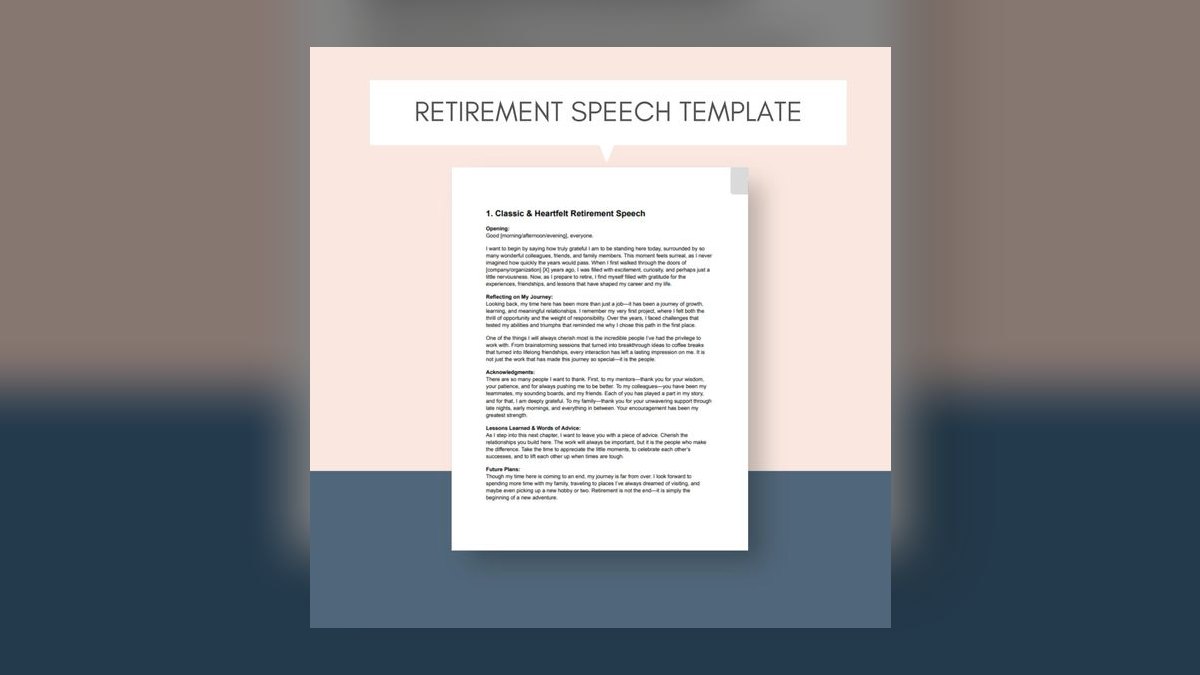
It helps to name the emotional contract each format signs with its audience. A Retirement Speech promises: we will celebrate you, we will embarrass you slightly, and we will send you off with warmth into something new. A Eulogy promises: we will hold this person accurately, we will not flinch from who they were, and we will give the room permission to grieve. Break either contract — roast too hard at a Retirement, sanitize too much at a Eulogy — and the audience feels it before they can articulate it.
One more distinction worth internalizing: a Retirement Speech is fundamentally about continuity. The team remains, the work remains, the relationship remains in a new form. A Eulogy is fundamentally about absence. The chair is empty, the phone number is disconnected, the future tense has been surgically removed. Every structural choice downstream — length, humor, tense, closing image — flows from whether you are writing continuity or absence.
How to decide which Farewell you are actually writing
Most people asking "Retirement Speech or Eulogy?" already know which one applies — the trigger event is unambiguous. The genuinely hard decisions sit downstream: what tone, what length, what stories, whose permission you need. Work through the decision in order rather than starting with a blank page and a search for "funny retirement speech openers."
Start with the trigger event and the subject's status. If the person is alive and leaving a job, it is a Retirement Speech. If the person has died, it is a Eulogy or a memorial tribute depending on setting and elapsed time. Everything else is a variation.
Then determine your standing. Are you the primary speaker or one of several? The primary speaker carries the narrative arc — the through-line of who this person was and what they meant. Secondary speakers should carry exactly one story and get out. The single most common failure in both formats is four people each delivering a full narrative arc, which turns a twenty-minute program into eighty minutes and drains the room. If you are third on a list of five, your job is one specific memory, told well, in three minutes.
Then confirm the audience composition. A Retirement Speech at an all-hands has a homogeneous audience who share context. A retirement dinner includes spouses, adult children, and retired former colleagues who left a decade ago — that audience needs a sentence of setup before any inside reference. A funeral Eulogy audience is the most heterogeneous of all: family, neighbors, childhood friends, work colleagues, members of a congregation, people who knew a version of the deceased you never met. Assume nothing is common knowledge.
Then check clearance. In a Retirement Speech, run any story involving a third party past that third party, and run anything about compensation, health, or the circumstances of departure past the honoree. In a Eulogy, run the outline past the closest surviving family member — not for editorial approval of your prose, but to catch landmines: an estranged sibling, a first marriage nobody discusses, the specific cause of death and whether the family wants it named.
One more decision point that people skip: whether a Speech is the right vehicle at all. For a colleague who genuinely hates being the center of attention, a short toast plus a bound book of written notes from the team often lands better than a podium address. For a death where you were not close to the deceased, declining to eulogize and instead reading a passage the family chose is a legitimate, generous option. Volunteering to speak because you feel obligated produces the flat, generic remarks everyone forgets.

Finally, calibrate for the calendar. In 2027, many organizations hold hybrid Farewell events where half the room is on a video call. That changes the Eulogy and Retirement Speech alike: you must speak more slowly, repeat visual cues verbally, and avoid references that only land for people physically present. A Retirement Speech delivered to a hybrid audience should include one line addressed explicitly to the remote attendees, and a Eulogy should never depend on a slideshow the remote audience cannot see.
Concrete numbers behind each format
Length is where most speakers go wrong, and the correct ranges are narrower than people expect. Spoken English runs roughly 130 to 150 words per minute when delivered at a comfortable ceremonial pace — slower than conversation, because you are pausing for reactions and letting lines land. Use 140 words per minute as your planning number and time yourself out loud, standing up, because reading silently at a desk will underestimate by 20 to 30 percent.
A Retirement Speech as primary speaker should run 5 to 8 minutes, which is roughly 700 to 1,100 words. Under 4 minutes reads as an afterthought for someone with a long tenure. Over 10 minutes and you are testing the room, especially at an event with food waiting. A secondary retirement toast is 2 to 3 minutes — 280 to 420 words — and should contain exactly one story, one characterization, and one forward-looking line.
A funeral Eulogy as primary speaker runs 3 to 5 minutes, which is 420 to 700 words. This surprises people, but funerals have tight liturgical and logistical constraints, multiple speakers, and an audience whose emotional capacity is finite. Many officiants will ask you directly to keep it under five. If you have been given a longer slot, confirm it rather than assuming. A secondary Eulogy or shared-reading contribution runs 1 to 2 minutes. A memorial-service tribute, freed from funeral timing pressure, can stretch to 6 to 8 minutes.
Structure targets differ too. A workable Retirement Speech allocates roughly: 15 percent opening and framing, 25 percent origin story of how you knew them, 35 percent the two or three defining anecdotes, 15 percent the character summary that ties the anecdotes together, and 10 percent the forward-looking close. That last 10 percent — the part about their next chapter — is what makes it a Retirement Speech rather than a premature Eulogy, and it is the part first-time speakers most often omit.
A Eulogy inverts some of that: roughly 10 percent opening and your relationship to the deceased, 20 percent who they were before you knew them (borrowed from family, this is what makes a Eulogy feel complete rather than partial), 40 percent two or three specific scenes, 20 percent what they taught or left behind, and 10 percent a closing image. Notice that a Eulogy needs pre-you material and a Retirement Speech generally does not — a retirement audience already knows the arc of the career.
Anecdote count is a hard constraint in both. Two to three specific scenes maximum. A specific scene means a time, a place, a piece of dialogue, and a small physical detail — "the January the server room flooded and Marcy showed up at 4 a.m. with a wet vac and a thermos of coffee she'd made for everyone but herself." Four or more anecdotes and none of them land, because the audience cannot hold that many discrete images. One anecdote plus generalities and the Speech feels thin.

Preparation time is genuinely nontrivial. A good Retirement Speech takes 3 to 5 hours across at least two sittings: an hour gathering material and calling two or three colleagues for stories you don't have, an hour drafting, a rest of at least a day, then an hour cutting and two or three timed read-throughs aloud. A Eulogy written under grief takes similar clock time but should be spread differently — draft early and badly, then revise, because the ability to speak the words without breaking down improves substantially with repetition. Read it aloud at least five times before the service; the fifth time is usually the first time you can get through it.
Two lines are worth memorizing cold in either format: the first sentence and the last sentence. If you know the opening by heart you survive the initial adrenaline, and if you know the closing by heart you can deliver it with your eyes up even if the page has gone blurry.
Budget for the physical script as well. Print at 14 to 16 point on single-sided pages, numbered, with paragraph breaks that match your breathing. Never use a phone as your only script — glare, timeouts, and notifications are real risks. Bring a backup copy. If you're likely to cry, plan a pause point: a designated sentence where you stop, breathe twice, and continue. Audiences are patient with silence and uncomfortable with someone fighting through a sentence they can't finish.
Implementation details and sequencing
The sequence that produces good remarks is not the sequence most people use. Most people start writing at the beginning. Better: gather first, find the through-line second, write the middle third, and write the opening last.
Gathering means collecting more raw material than you'll use. For a Retirement Speech, message three to five colleagues with a specific prompt — not "any stories about Dave?" but "what's a moment where Dave did something only Dave would do?" Specific prompts return usable scenes; open prompts return "he's a great guy." Pull two concrete career facts you can verify: the year they started, a project they led, a number they moved. Do not guess at figures. If you cannot verify that the region grew 40 percent under their leadership, say "they took a region nobody wanted and turned it into the one everybody did" — true, unfalsifiable, and better writing anyway.
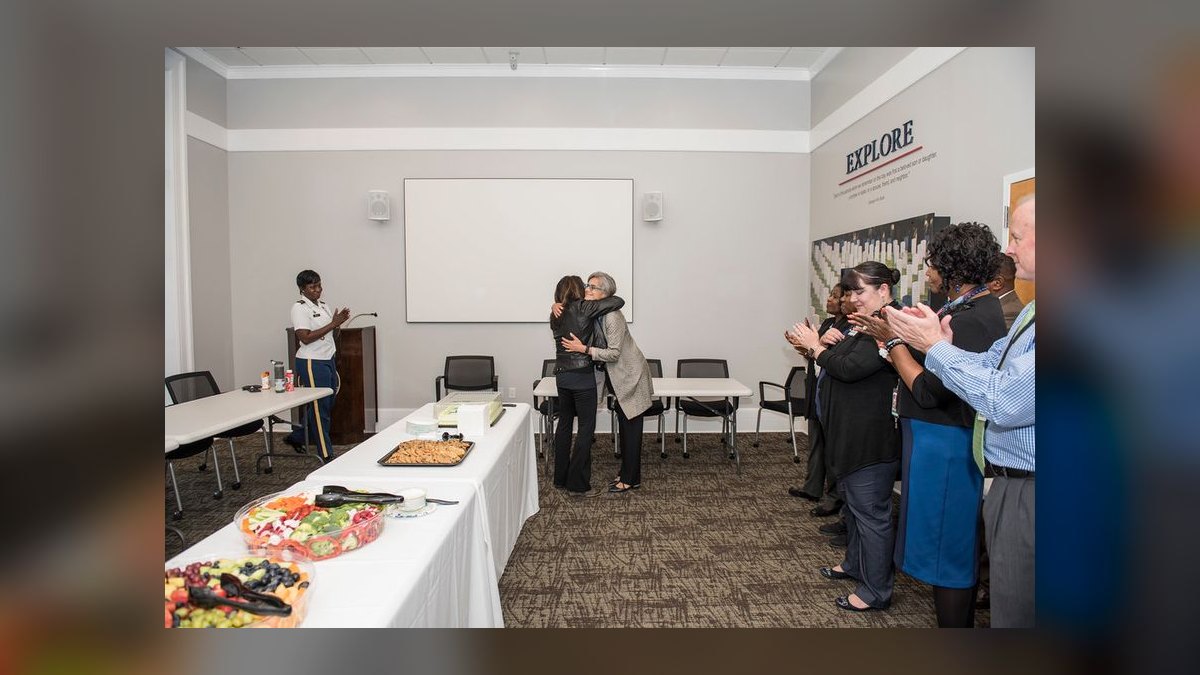
For a Eulogy, gathering means calling family. Ask the spouse, siblings, or adult children for one story from before your era, and ask explicitly what they would not want mentioned. That second question is the single highest-value thirty seconds in the whole process. It surfaces the estrangement, the illness, the business failure, the topic that would land like a dropped tray in a quiet room.
Finding the through-line is the actual craft step. Look at your gathered material and identify the one trait that explains all of it. Not three traits — one. "He was generous with time he didn't have." "She refused to let a bad process survive contact with her." Every anecdote you keep must be evidence for that trait; every anecdote that isn't gets cut no matter how much you like it. Speeches without a through-line feel like a list, and lists are forgettable.
Writing the middle first means drafting your anecdotes as scenes before you have any framing. Then the opening writes itself, because you know what you're introducing. The strongest openings in both formats are cold — start inside a moment, not with "I've been asked to say a few words." A Eulogy that begins "The first time I met Ruth she told me my report was wrong, and she was right" has already done more work than three sentences of throat-clearing.
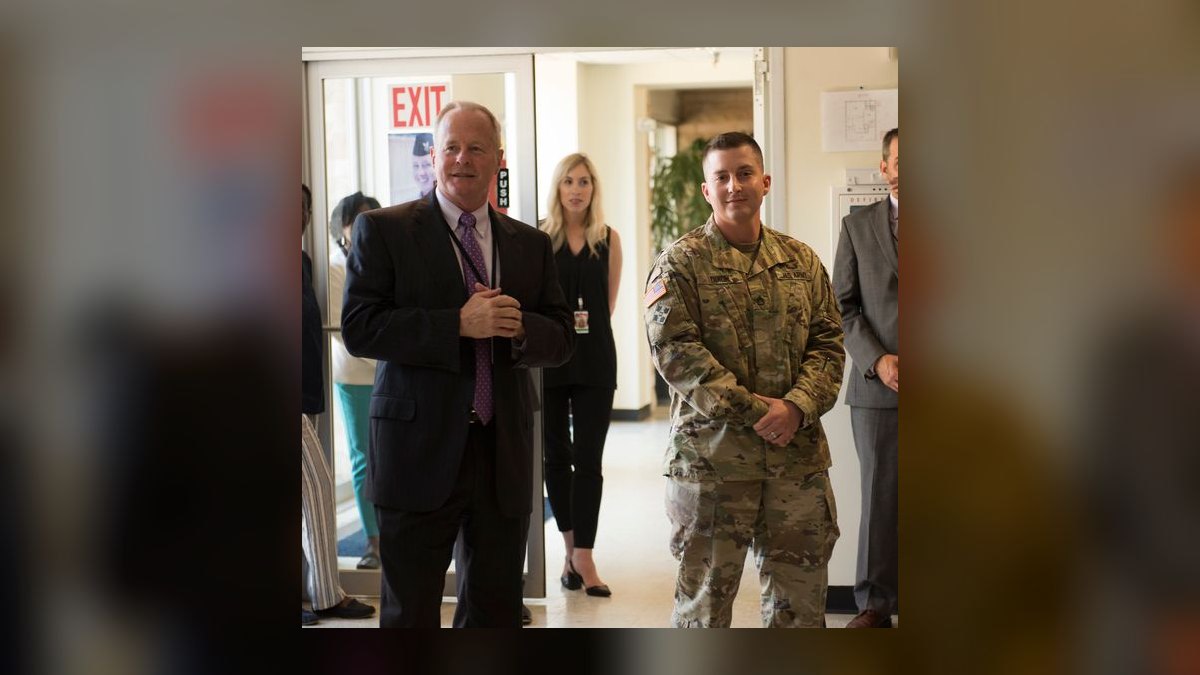
Delivery logistics matter more than people credit, and the failure modes are consistent and avoidable. In Retirement Speeches: making it about yourself (count your "I" versus their name and fix the ratio), the joke that only six people get with no setup, going long because you didn't time it, listing job titles chronologically instead of telling stories, and forgetting the future-facing close entirely so it lands like a Eulogy for a living person. In Eulogies: reading a résumé instead of drawing a portrait, sanitizing the person into someone unrecognizable, an unauthorized reference to the cause of death, and the humor that reads as a roast because you misjudged how raw the room is.
One cross-cutting rule: never write either format about a composite. If you didn't know the person well, say so plainly in the first line and speak only to what you did see. "I worked with Alan for eleven months, which is not long, but here is what I learned in eleven months" is honest and lands. Pretending to a closeness you didn't have is transparent to everyone who did.
Rehearsal should be done standing, in the room if possible, with the actual microphone. If the venue has a podium, practice resting your hands on it rather than clutching the script. If you will be on a stage with a screen behind you, know whether your script will be lit. Small logistical frictions — a too-low mic, a lectern light that goes off after ninety seconds — derail more Farewell remarks than stage fright does. Walk the room once beforehand and note where you will stand, where you will pause, and where the family or the honoree will be seated.
Related questions
How long should a Retirement Speech be?
Five to eight minutes as the primary speaker — roughly 700 to 1,100 words at a ceremonial pace of about 140 words per minute. Secondary toasts run two to three minutes with one story. Always time it aloud standing, not silently at a desk.
Can a Eulogy include humor?
Yes, when it's affectionate and serves as evidence of who the person was, not as a roast. Test each line against the most grief-stricken person in the room. If it only works for people who knew the professional version of the deceased, cut it.
What if the Retirement isn't voluntary?
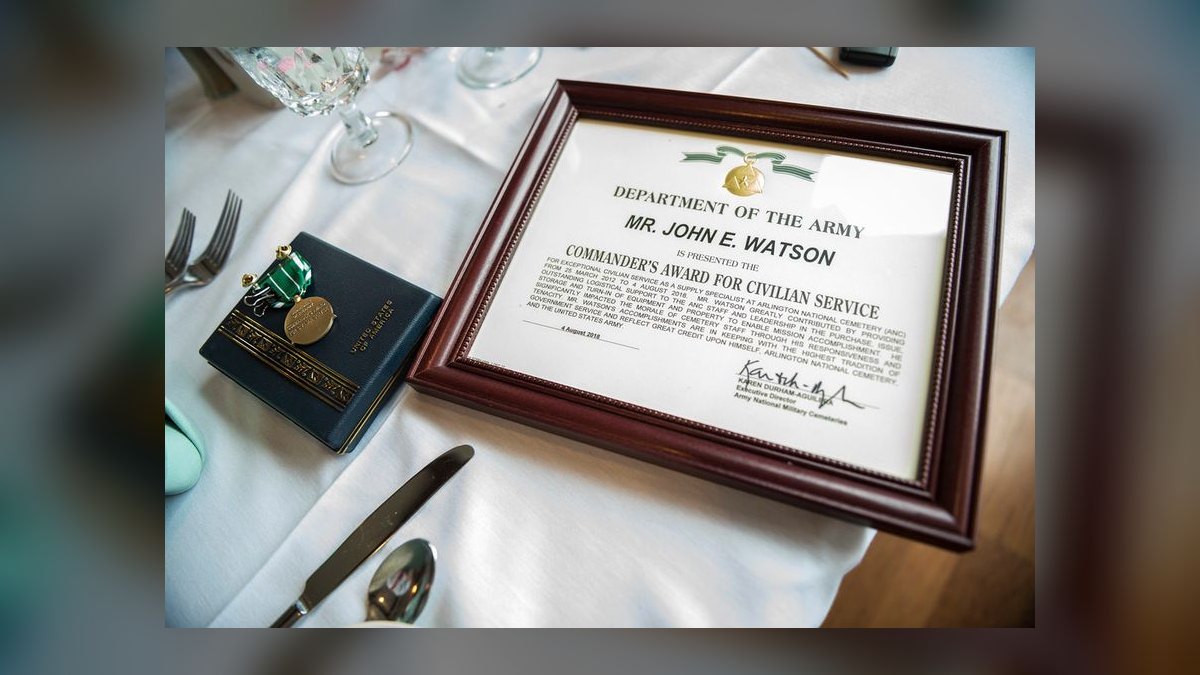
Name the circumstance honestly at the level of detail the departing person has authorized, then move entirely to the work and the character. Pretending a layoff is a happy Retirement in front of a room that knows better costs you credibility and embarrasses the honoree.
Should I write a Farewell Speech for a colleague who died?
If a workplace memorial is being held weeks or months after the death, yes — that format is career-weighted and softer than a funeral Eulogy. For the funeral itself, coordinate with family first; they may prefer colleagues attend rather than speak.
What do I do if I break down mid-Eulogy?
Stop, breathe twice, and continue. Plan a designated pause point in advance and mark it on your printed script. Audiences accept silence easily. Have a backup reader identified who can finish the page if you genuinely cannot.
FAQ
Is a Retirement Speech ever appropriate at a funeral?
No. The formats share raw material but not purpose. A Retirement Speech's structural close — the forward-looking passage about the honoree's next chapter — has no equivalent at a funeral, and delivering career-summary remarks at a service reads as tone-deaf. If a colleague dies near retirement, write a Eulogy or, better, contribute one story to a memorial held later.
Who should give the Retirement Speech?

Ideally the person with the longest meaningful working relationship, not the highest title. A direct manager of eighteen months delivering the primary remarks for a thirty-year employee produces exactly the generic Speech everyone dreads. Have the senior leader open with two minutes of framing, then hand the arc to someone who was actually there.
How do I gather stories without spoiling the surprise?
Use a small, discreet group and ask specific prompts by direct message rather than a broad email thread. Frame it as collecting notes for a card if you need cover. For most retirements the honoree knows a Speech is coming — the surprise is the content, not the event, so overprotecting the secret usually costs you better material.
Should either format include specific numbers or metrics?
Only verified ones, and sparingly. A single well-chosen number lands hard; three land as a performance review. Never estimate a figure to make a point sound bigger — someone in the room usually knows the real number, and being caught inflating undermines everything sincere you said before it.
What's the right way to end each format?
A Retirement Speech ends forward: name what's next for them, and what the team carries onward. A Eulogy ends with an image rather than a summary — a small, specific picture of the person that the audience takes with them. Both should end on a short sentence you have memorized cold.
Can I reuse a Eulogy structure for a memorial or celebration of life?
Largely yes, with two adjustments: the acute-grief guardrails relax, so humor and career detail can carry more weight, and the length can stretch to six to eight minutes because you aren't inside funeral timing constraints. Keep the through-line discipline and the two-to-three-scene limit regardless of setting.
Sources
- https://www.toastmasters.org/resources/public-speaking-tips
- https://hbr.org/2014/06/how-to-give-a-killer-presentation
- https://www.apa.org/topics/grief
- https://www.mayoclinic.org/healthy-lifestyle/end-of-life/in-depth/grief/art-20045340
- https://www.ssa.gov/benefits/retirement/
- https://www.bls.gov/news.release/tenure.nr0.htm
- https://www.nih.gov/health-information/emotional-wellness-toolkit
- https://www.mindtools.com/a3aai3i/public-speaking-skills
Related on PULSE
- How to run a team offsite that people actually remember
- What to say when a top performer resigns
- Building a knowledge-transfer plan before a long-tenured employee leaves
- How to structure an all-hands so the room stays awake
- Succession planning for roles nobody documented
This page will be disappearing soon. Save it to your device for $1 — or read it free while it is here.
@Kory-White- · if Venmo asks, the last 4 of my number are 2012
This page is gone.
This one is off the shelf now. $1 keeps it on your phone for good — the whole page, pictures and diagrams included.
 pulse-speechesAbraham Lincoln’s Farewell to Springfield (1861) — Text and Lessons
 pulse-speechesA Loving Eulogy for a Parent
 pulse-speechesWhat Makes Reagan's "Tear Down This Wall" a Great Speech in 2027
 pulse-speechesTheodore Roosevelt’s The Man in the Arena (1910) — Text and Why It Endures
 pulse-speechesA Wedding Speech for a Surprise Wedding
 pulse-recentHow to Spot a Wedding Speech Writing Scam Online in 2027
 pulse-speechesSteve Jobs’s Stanford Commencement (2005) — Key Passages and Lessons
 pulse-speechesA Retirement Speech for a Doctor
 pulse-speechesA Wedding Speech for a Small Backyard Wedding
 pulse-speechesHow to End a Speech Memorably in 2027