
What Does Business Professional Mean in 2027?
 Curated byKory White · Fractional CRO · Maryland
 PULSEKNOWLEDGE LIBRARY
Business professional in 2027 means a matched suit in a conservative neutral, a crisp dress shirt or blouse, polished leather shoes, and restrained accessories — worn on specific occasions rather than daily. It is now an event-driven code triggered by client meetings, board rooms, and interviews, not a five-day-a-week uniform.
The outcome you should expect when you get this right
The practical outcome of dressing correctly for a business professional setting is that nobody thinks about your clothes at all. That is the entire target. Business professional is a subtractive code — success is measured by the absence of distraction, not the presence of style. When a suit fits, when the shirt is pressed, when the shoes are polished and match the belt, the room's attention goes straight to what you say. When any one of those elements is off, attention leaks toward the flaw, and you spend the first few minutes of a meeting recovering ground you never needed to lose.
Expect three concrete effects. First, credibility transfer: in rooms where people do not yet know your work, appearance is the only signal available in the opening minutes, and a correctly executed conservative outfit borrows credibility from the institution the code represents. Second, reduced decision load: a wardrobe built around three neutral suits and a rotation of white and light-blue shirts removes a daily choice entirely — you stop deliberating and start executing. Third, longevity economics: a properly maintained wool suit worn once or twice a week lasts five to seven years, while the same suit worn daily and dry-cleaned every few weeks degrades in two.
What you should not expect is that the outfit does any persuasive work on its own. A sharp suit does not close a deal, win a hiring loop, or fix a bad forecast. It clears the runway. The failure mode people actually experience is not "underdressed and rejected" — it is "underdressed and quietly discounted," which is much harder to detect because nobody tells you. That asymmetry is why the conservative choice is usually correct: the downside of being slightly overdressed is a mild comment; the downside of being underdressed in a formal room is a silent tax on everything you say afterward.

There is also an adjacent outcome worth naming, because it is where dress code intersects with commercial work. In client-facing revenue roles — enterprise sales, consulting, corporate development, investor relations — the code is not about personal taste at all. It is about matching the buyer's environment. A rep calling on a regional bank, a law firm, or a manufacturing board is dressing to reduce friction in a room where formality is the norm. The same rep calling on a Series B software company in a converted warehouse creates friction by showing up in a three-piece suit. Both are errors of calibration, and both cost the same thing: a few minutes of the buyer's attention spent on you rather than the problem.
What drives that outcome: the forces that reshaped the code
Business professional did not soften by accident. Four forces pushed it from a daily uniform toward an occasion-based code, and understanding them tells you when the formal version still applies.
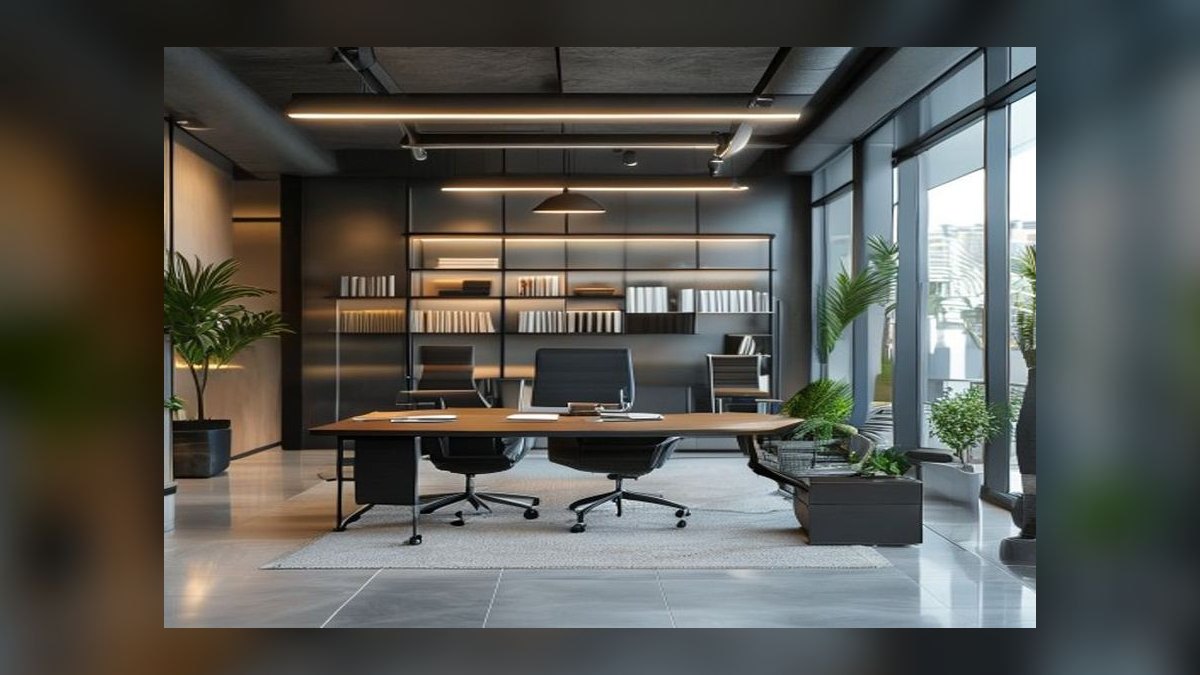
Hybrid work fragmented the week. When a meaningful share of work happens on video and in distributed teams, the number of days where a full suit is observed by anyone drops sharply. Organizations responded by defining formality by occasion rather than by calendar: client-facing days, board days, external presentations, recruiting. The downstream effect on wardrobes is real — professionals own fewer suits and spend more per suit, because each one is worn on higher-stakes days and needs to hold up under closer inspection.
Sector norms diverged and then hardened. Finance, law, insurance, government affairs, and much of healthcare administration held the traditional line. Technology, media, and early-stage anything moved decisively toward blazer-and-trousers or elevated casual. The result is that "business professional" now means measurably different things in different buildings in the same city, and the only reliable read is the specific room you are entering — not a national norm.
Gender-neutral policy language became standard. Modern dress codes increasingly describe an outcome ("tailored, conservative, polished") rather than prescribing garments by gender. In practice this means a suit, a blazer-and-trousers combination, a sheath-and-blazer, or a skirt-suit are all valid routes to the same result, and the evaluation is on fit and finish rather than on which specific garment you chose.
Fabric technology moved into suiting. Wrinkle-resistant high-twist wools, stain-resistant finishes, and stretch linings migrated from performance apparel into tailored clothing. The important constraint is that these features must be invisible. A suit that photographs shiny, drapes like plastic, or reads as athletic wear fails the code no matter how convenient it is on a flight.

The practical synthesis of all four forces is a single rule: dress one step above the most senior person expected in the room. If leadership wears suits, wear a suit. If leadership wears a blazer and open collar, a blazer with tailored trousers is correct and a full suit is mildly over. This rule survives sector differences because it indexes on observed behavior rather than on a policy document nobody has updated since 2019.
Benchmarks and realistic ranges
Specifics matter more than principles here, so here are the working numbers a practitioner can plan around.
The core suit rotation. Three suits cover essentially every business professional occasion: navy, charcoal, and mid-gray. Navy is the workhorse — correct for interviews, client meetings, and most external days. Charcoal reads as the most authoritative and is the right pick for board presentations and senior-leadership meetings. Mid-gray gives you a lighter option for spring and summer and for slightly less formal professional settings. Skip black as a business suit; it reads as formalwear and limits you. Quality off-the-rack in a half-canvassed construction generally runs a few hundred to roughly a thousand dollars per suit, with made-to-measure starting meaningfully above that. The construction test is simple: pinch the jacket's front panel between two fingers and feel for a floating third layer. Fused jackets bubble after a few years of cleaning; canvassed ones mold to you.
Shirts and blouses. Five to seven is the working number. Weight it toward white and light blue, with one subtle pattern — a micro-check or a fine stripe — for variety. Fabric matters more than brand: long-staple cotton and silk hold shape and resist the yellowing that makes cheap shirts look old after a season. Two-in-rotation is the minimum so nothing gets laundered to death.

Shoes. This is where people are actually judged, and where the spend is most justified. A cap-toe or plain-toe black oxford covers every formal occasion; a brown oxford or derby extends the range. For pumps, a closed-toe black in a two-to-three-inch heel plus one neutral pair covers nearly everything. Buy leather that can be resoled — a resoleable shoe amortizes over a decade, while a cemented synthetic creases visibly within a year and is unfixable.
Accessories. The reliable ceiling is about three visible accessories, each doing a job. For a tie-wearing look: silk, in foulard, stripe, or solid, in conservative colors — five to seven ties is plenty. Belt matches shoe color, always. One watch. For jewelry, one understated piece; stud earrings and a fine necklace both work, statement pieces do not.
Fit tolerances, which matter more than any price point. Jacket shoulder seam should sit at the edge of your shoulder, not past it. Show about a quarter to a half inch of shirt cuff below the jacket sleeve. Trousers should break slightly on the shoe — a small crease, not a puddle. Skirt hem at or just below the knee for a conservative read. A $400 suit tailored to these tolerances beats a $1,500 suit off the rack, every single time, and it is the highest-return money in the whole category.

Maintenance intervals. Dry clean suits sparingly — a couple of times per season, not per month — and steam or spot-clean between wears. Rest a suit two to three days between wears so the wool recovers. Use cedar shoe trees immediately after taking shoes off. Polish monthly. A steamer is the single best inexpensive tool in the category.
Seasonal ranges. Lightweight wool or wool-linen blends in the 9–10 ounce range handle summer without looking limp. Winter runs heavier, and a wool overcoat in charcoal or camel is the one outerwear investment that changes how the entire outfit reads on arrival.
Risks, edge cases, and failure modes
The predictable ways this goes wrong are worth cataloging, because most of them are avoidable with a five-minute check.
Mismatched separates presented as a suit. A navy jacket and navy trousers from different suits will not match — the dyes and the sheen differ, and it is obvious under office lighting. This is the single most common failure and reads as carelessness rather than as a deliberate choice.

The video-call wardrobe gap. Years of camera-framed meetings produced professionals with excellent shirt collections and no matching trousers. When an in-person formal meeting appears on short notice, the gap surfaces. The fix is to keep one complete, pressed, ready-to-wear outfit — suit, shirt, shoes, belt, tie or jewelry — permanently staged, so a same-day request never becomes a scramble.
Over-correcting into costume. Loud patterns, contrast collars, pocket square arrangements, or novelty accessories signal that you are thinking about clothes. In a conservative room, that is a cost. Restraint is the point of the code.
Fragrance and grooming. Heavy fragrance is the most-reported irritant in shared professional spaces and is the one element people rarely mention to your face. Keep it minimal or absent. Unpressed shirts, scuffed shoes, and visible lint undo good tailoring completely.

Climate and travel edge cases. In hot climates the code often holds even when comfort argues against it, which is what lighter-weight fabrics exist for — the answer is fabric weight, not abandoning the jacket. On travel days, a high-twist wool in a garment bag arrives usable; a linen blend does not. A wrinkled suit is worse than a well-fitting blazer and trousers.
Cross-cultural and cross-sector miscalibration. The same outfit reads as respectful in one setting and as posturing in another. When you have no read, ask the host directly. "What's the dress code?" is a normal, low-cost question that eliminates the entire risk category, and nobody has ever thought worse of someone for asking it.
Body-type and accessibility edge cases. Standard sizing fails a lot of people, and the correct answer is almost always tailoring rather than a different size. Sleeve length, trouser taper, jacket waist suppression, and skirt hem are all cheap alterations. For anyone using a mobility device, seated fit matters more than standing fit — jacket length and trouser rise should be evaluated sitting down, which most fittings never do.
The interview-specific edge case. Interviews are the one context where the conservative extreme is nearly always right regardless of the company's daily norm. Dark suit, white shirt, minimal accessories. Even at a company where the team wears hoodies, showing up polished for a final-round conversation is read as taking the process seriously — and the downside risk is close to zero.

A practical rollout plan
If you are building this from nothing, sequence it so that each purchase is usable immediately rather than waiting on a complete wardrobe.
Week one — audit and stage one complete outfit. Pull everything you own that could plausibly be business professional. Try it on. Anything that does not fit at the shoulder is unrecoverable; anything else is a tailoring candidate. Assemble one complete, correct outfit today, even if it is imperfect, and hang it staged. You now have coverage for any short-notice formal meeting.
Week two to four — buy navy and tailor it properly. One navy suit, half-canvassed if the budget allows, then immediately spend on alterations: sleeve length, trouser hem and taper, jacket waist. Budget for the tailoring as part of the suit cost, not as an afterthought. Add three shirts or blouses — two white, one light blue — and one pair of black oxfords or closed-toe pumps in resoleable leather.
Month two to three — add charcoal and the accessory layer. Charcoal is your authority suit. Add the belt matching your shoe color, one watch, and either a small set of conservative ties or one understated jewelry piece. Now you can run a full week of client-facing days without repeating.

Month four to six — add gray, outerwear, and seasonal fabric. Mid-gray extends warm-weather coverage. A wool overcoat in charcoal or camel handles cold-weather arrivals. If you travel, this is when a high-twist travel-friendly suit earns its place.
Ongoing — maintenance cadence. Shoe trees every time. Polish monthly. Steam between wears. Dry clean seasonally, not frequently. Reassess fit annually — bodies change, and a suit that fit two years ago may need waist or trouser work. Replace shirts when collars fray; nothing else on the outfit ages as visibly.
Calibration ritual before any high-stakes meeting. Ask the host or check recent photos of the team. Decide one step above the most senior expected attendee. Confirm the outfit is pressed and the shoes are clean the night before, not the morning of. This ritual takes under ten minutes and eliminates nearly every failure mode in the previous section.

Where the dress code touches commercial outcomes
It is worth being precise about the limits here, because this is where advice usually overreaches. Attire does not generate revenue. No suit has ever moved a deal from stage three to closed-won. What attire does is remove a small, avoidable source of friction in rooms where a buyer, a board, or an interview panel is forming a first read with almost no other information.
That effect is largest in three adjacent situations. In enterprise sales cycles with long approval chains, a rep is often meeting procurement, legal, and finance stakeholders who never see the product demo — for those people, the meeting *is* the impression. In advisory and consulting work, where the deliverable is judgment rather than a product, formality signals that the engagement is being taken seriously. In fundraising and investor relations, the room is explicitly evaluating whether the person in front of them can be put in front of *their* stakeholders.
The inverse matters too, and it is the more common error in modern go-to-market work. A field rep who shows up to a startup in a full three-piece suit has told the buyer they do not understand the buyer's world. The cost is the same as underdressing — a few minutes spent on the wrong subject. The discipline is not "always formal," it is "always calibrated," and calibration means doing a small amount of homework on the room before you get in it.
The practical version for anyone in a client-facing role: keep the full business professional kit ready, keep a blazer-and-trousers combination ready, and choose based on the specific account rather than on a personal default. That two-mode wardrobe covers the entire commercial range without owning twice as much.
Related questions
Is a tie still required for men in 2027?
In genuinely formal settings — law, finance, government affairs, board presentations, interviews — yes, a tie remains expected. In many corporate offices an open collar with a suit now passes. When you have no read, wear the tie; you can remove it in thirty seconds if the room is looser.
Can I wear a blazer and trousers instead of a matched suit?
For business casual, yes. For true business professional, no — the matched suit is the defining element. A blazer with contrasting trousers is a distinct, less formal code, and substituting it in a formal room is the most common miscalibration.
Are loafers acceptable for business professional?
Polished leather loafers pass in many modern offices for professional-but-not-formal days. For interviews, board meetings, and conservative-industry client meetings, oxfords or closed-toe pumps remain the safer choice. Condition matters more than style — scuffed loafers fail everywhere.
How many suits do I actually need?
Three: navy, charcoal, mid-gray. That covers interviews, client meetings, board days, and seasonal variation without repeating within a week. If your role requires formality only a handful of days a month, two — navy and charcoal — is genuinely sufficient.
What does business professional mean for video meetings?
The same standard from the shoulders up, plus a coherent full outfit if there is any chance of standing, screen-sharing from another room, or an unexpected in-person handoff. Solid colors read better on camera than fine patterns, which can shimmer.
FAQ
What does "business professional" mean in one sentence?
It means a matched suit in a conservative neutral, a pressed dress shirt or blouse, polished leather shoes, and minimal accessories — the most formal everyday workplace code, distinct from black-tie formalwear above it and business casual below it.
What is the difference between business professional and business casual?
Business professional requires a matched suit — jacket and trousers or skirt cut from the same cloth — with formal leather shoes. Business casual permits separates: a blazer with chinos, a dress without a jacket, loafers, and generally no tie. The matched suit is the dividing line.
Can women wear trousers rather than a skirt?
Yes. A tailored trouser suit is fully equivalent to a skirt suit under every modern dress code. The requirement is that the pieces match and are tailored, not which silhouette you choose. Navy, charcoal, and gray all read correctly.
Should I buy an expensive suit or a cheaper one and tailor it?
Tailor the cheaper one first. Fit dominates fabric in how an outfit reads. A moderately priced suit altered at shoulder, sleeve, waist, and hem outperforms a far more expensive suit worn straight off the rack, and the alteration cost is a small fraction of the price gap.
How do I know which version of the code a company actually uses?
Ask the recruiter, host, or your point of contact directly — it is a normal question. Failing that, look at recent photos from the company's own site or public posts, and default one step more formal than what you see. Being slightly over is a much cheaper error than being under.
Does dressing well actually affect business results?
Not directly. It removes friction in rooms where people are forming a first impression with limited information — buyer meetings, interviews, board presentations. Treat it as clearing a distraction, not as a driver of outcomes, and calibrate to the room rather than defaulting to maximum formality.
Sources
- https://www.shrm.org — Society for Human Resource Management, workplace dress code policy guidance
- https://hbr.org — Harvard Business Review, research and commentary on workplace norms and first impressions
- https://www.bls.gov — U.S. Bureau of Labor Statistics, occupational and industry employment data
- https://www.wsj.com — The Wall Street Journal, reporting on corporate dress code and workplace culture shifts
- https://www.gartner.com — Gartner, research on hybrid work and future-of-work policy
- https://www.gq.com — GQ, tailoring, fit, and menswear construction guidance
- https://www.pewresearch.org — Pew Research Center, survey data on remote and hybrid work in the U.S.
- https://www.mckinsey.com — McKinsey & Company, analysis of hybrid work adoption and workplace change
Related on PULSE
- [What Does Business Casual Mean in 2027?](/knowledge/sy0002)
- [What to Wear on a Business Trip in 2027](/knowledge/sy0378)
- [What to Wear to a Quarterly Business Review in 2027](/knowledge/sy0095)
- [How to Dress Business Casual in Summer in 2027](/knowledge/sy0081)
- [What to Wear to a Business Lunch in 2027](/knowledge/sy0080)
- [Top 10 Polo Shirts for Business Casual in 2027](/knowledge/sy0056)
@Kory-White- · if Venmo asks, the last 4 of my number are 2012
 pulse-styleWhat to Wear on Your First Day at a New Job in 2027
 pulse-styleWhat Should You Wear to a Work Sports Game in 2027?
 pulse-styleTop 10 Men’s Dress Shoes for Work in 2027
 pulse-styleWhat to Wear to a Client Meeting in 2027
 pulse-styleWhat to Wear to a Networking Event in 2027
 pulse-styleWhat Is Smart Casual in 2027?
 pulse-styleWhat to Wear for a Rainy Day in 2027
 pulse-styleTop 10 Dress Socks for Work in 2027
 syHow do you get started with Style in 2027?
 pulse-styleWhat are the most common mistakes in Style in 2027?