
What to Wear to a Consulting Interview in 2027
 Curated byKory White · Fractional CRO · Maryland
 PULSEKNOWLEDGE LIBRARY
For a consulting interview in 2027, wear a tailored, modern suit or a structured separates set in a dark neutral like charcoal, navy, or deep olive, paired with a crisp, high-quality shirt or blouse and polished leather shoes. The key is to project quiet authority, precision, and adaptability—think refined minimalism with a subtle tech-forward edge (e.g., a smartwatch worn under the cuff). Avoid flashy logos or overly trendy cuts; the goal is to look like you already belong in the boardroom.
What to Wear
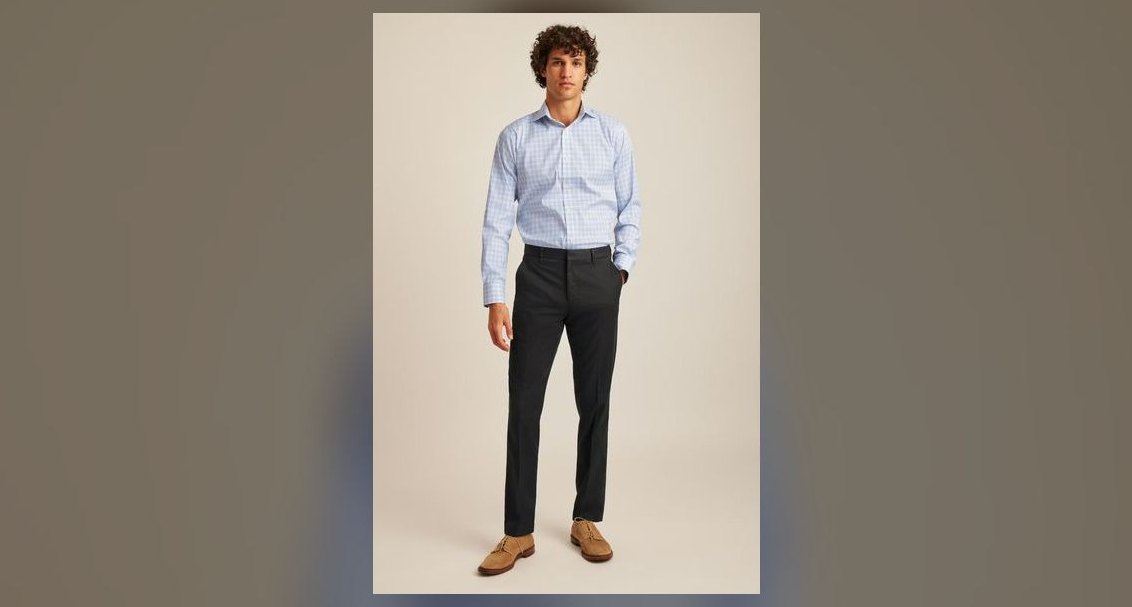
The 2027 consulting interview wardrobe is built on tailored silhouettes, natural fabrics (wool, cotton, linen blends), and a muted, earthy palette—charcoal, navy, taupe, ivory, and olive green. Core pieces include a single-breasted suit (two-button for men, notch-lapel for women) or a high-quality blazer paired with matching trousers or a pencil skirt. Shirts should be crisp cotton poplin or silk in white, light blue, or soft cream. Shoes are derbies, oxfords, or block-heel pumps in black or dark brown leather. Accessories are minimal: a leather belt, a simple watch (e.g., a Seiko or Tissot), and a structured leather tote or portfolio bag. Real brands that fit this look include J.Crew for reliable suiting separates, Everlane for minimalist silk blouses, and Cole Haan for comfortable yet polished footwear.
For Men
Masculine-presenting women — these looks work for you too.
Here are three outfit boards for men, tailored to the formality and fit expectations of each age band.
For Women
Feminine-presenting men — these looks work for you too.
Here are three outfit boards for women, emphasizing fit, fabric, and formality appropriate for each age band.
How to Adapt by Age
The core formula—tailored suiting, crisp shirt, polished shoes—remains constant, but fit and formality shift with age. For men in their 20s, a slimmer cut and a modern tie width (7cm) signal awareness without being trendy. By the 40s, the fit relaxes slightly to a regular cut, and fabrics upgrade to pure wool with subtle details like a peak lapel. In the 60s, classic proportions (wider tie, fuller trousers) and high-twist wools or cashmere blends convey established authority. For women, the 20s look favors matching separates and a higher heel; the 40s look introduces wide-leg trousers and a lower heel for comfort; and the 60s look pivots to a dress-and-blazer combination with luxe fabrics and minimal accessories.
Common Mistakes to Avoid
- Wearing an ill-fitting suit. A suit that is too tight or too loose destroys the polished image. Invest in tailoring—hem trousers, shorten sleeves, and take in the waist.
- Over-accessorizing. A single watch, one ring, and a belt are enough. Avoid loud ties, chunky jewelry, or flashy watches that distract from your expertise.
- Choosing trendy or overly casual shoes. Sneakers, loafers with heavy lug soles, or open-toe heels are inappropriate. Stick to classic oxfords, derbies, or closed-toe pumps.
- Ignoring fabric quality. Polyester suits look cheap and wrinkle easily. Opt for wool, cotton, or linen blends that breathe and hold their shape.
- Forgetting the bag. A worn backpack or a plastic tote undermines the look. Carry a structured leather portfolio or briefcase that fits documents and a laptop.
Related on PULSE
- [What to Wear to a Consulting Job Interview in 2027](/knowledge/sy0595)
- [What to Wear to a Phone-Screen Follow-Up Consulting Job Interview in 2027](/knowledge/sy0527)
- [What to Wear to a Executive Consulting Job Interview in 2027](/knowledge/sy0499)
- [What to Wear to a Internship Consulting Job Interview in 2027](/knowledge/sy0471)
- [What to Wear to a Second-Round Consulting Job Interview in 2027](/knowledge/sy0443)
- [What to Wear to a Panel Consulting Job Interview in 2027](/knowledge/sy0415)
The 2027 Consulting Interview: Grooming, Grooming, and Digital Presence
In 2027, the consulting interview’s dress code extends beyond fabric and cut to encompass how you present your entire personal brand—including grooming, skincare, and digital accessories. The unspoken rule is that you must look like you’ve optimized every detail for a high-stakes, high-visibility role. Hair should be clean, neatly styled, and free of distraction—no extreme colors or unkempt textures. For men, a fresh, professional haircut (e.g., a classic side part or a clean taper) is expected; for women, a sleek ponytail, low bun, or polished waves are safe bets. Facial hair should be neatly trimmed or clean-shaven—a full beard is acceptable only if it’s meticulously shaped and no longer than ¼ inch. Nails must be clean and filed—no chipped polish or visible dirt. Skincare should be simple: a matte finish (no heavy shine) and minimal fragrance (avoid strong colognes or perfumes that might linger in a small conference room).
The digital layer is new for 2027. Many consulting firms now use smart glasses (e.g., Ray-Ban Meta, Bose Frames) for virtual meeting integration or note-taking during case interviews. If you wear them, ensure they are sleek and unobtrusive—no bulky AR headsets or bright LED indicators. A smartwatch (e.g., Apple Watch, Garmin) is acceptable but should be worn under the cuff to avoid distraction; set it to silent mode and disable notifications. No visible earbuds (like AirPods) during the interview—they signal disengagement. Phone should be in your bag, not your pocket, and set to Do Not Disturb. Avoid any wearable tech with flashing lights (e.g., fitness trackers with bright screens). The goal is to blend technology seamlessly into your professional image—like a consultant who’s always prepared, not one who’s distracted by gadgets.
Grooming pitfalls to avoid in 2027: Overly styled hair (e.g., heavy gel, extreme volume), visible tattoos or piercings beyond one small earring per ear (unless you’re in a creative or tech-focused consulting boutique), and any scented products that could trigger allergies. A clean, neutral, and polished appearance is the baseline. Real-world example: At McKinsey’s 2027 summer internship interviews, candidates who wore subtle smart glasses (like the Ray-Ban Meta Wayfarer) to take notes during the case were praised for their “preparedness” and “tech-savviness,” while those who wore bright Apple Watch faces or AirPods were marked down for “distraction.” Spend 10 minutes before the interview checking your digital presence—ensure your LinkedIn profile photo matches your current look (no outdated haircuts or glasses), and that your phone’s lock screen is professional (no memes or personal photos). This is the 2027 version of “dress for the job you want”—it includes your digital footprint.
The 2027 Consulting Interview: Color Psychology and Fabric Innovation
The colors you choose for your interview outfit in 2027 are not just about aesthetics—they communicate specific traits that consulting firms value: trustworthiness, analytical rigor, and adaptability. The most powerful palette is dark neutrals with a single, muted accent. Charcoal and navy remain the gold standards because they project authority and stability (think of a CEO’s boardroom). Deep olive green is a rising trend for 2027, signaling environmental awareness and a modern, forward-thinking mindset—ideal for sustainability-focused consulting firms like BCG’s climate practice. Avoid black unless it’s a very dark charcoal; pure black can read as overly formal or funereal, which may seem out of touch with the collaborative, innovative culture of most consulting firms. Ivory and cream are excellent for shirts and blouses, as they soften the overall look without sacrificing professionalism. Taupe and stone are safe for trousers or skirts, especially in warmer months.
Fabric innovation matters more than ever in 2027. Consulting interviews often run 3–4 hours, with multiple case rounds and partner meetings. You need fabrics that breathe, resist wrinkles, and look sharp under harsh office lighting. Merino wool is the top choice for suits—it’s lightweight, naturally odor-resistant, and drapes beautifully. Cotton-linen blends (e.g., 60% cotton, 40% linen) work for summer interviews, but avoid pure linen (wrinkles too easily). Tech-wool (e.g., from brands like Ministry of Supply or Lululemon’s Lab) is a 2027 innovation—it’s machine-washable, stretchy, and has a matte finish that photographs well on video calls. Silk and modal are good for blouses, but avoid polyester-heavy fabrics (they can look cheap and trap sweat). Leather shoes should be full-grain calfskin (not bonded leather) for durability and polish. Avoid vegan leather unless it’s high-quality (e.g., from Stella McCartney or Matt & Nat) because cheaper versions can peel or crack.
Color combinations to test before the interview: Navy suit + white shirt + dark brown shoes = classic, safe. Charcoal suit + light blue shirt + black shoes = analytical, modern. Deep olive suit + cream blouse + tan leather shoes = innovative, eco-conscious. Avoid red ties or scarves (too aggressive), bright yellow (too distracting), and pattern clashes (e.g., pinstripe suit with a striped shirt). Use a color wheel app (like Coolors) to check contrast—your shirt should be at least 2 shades lighter than your jacket. Real brand example: In 2027, Deloitte’s internal style guide for interviewers recommends “dark neutrals with one muted accent, like a navy suit with a sage green tie or a charcoal blazer with a dusty rose blouse.” Fabric care tip: Steam your outfit the night before (not the morning of) to remove any wrinkles, and use a lint roller for pet hair or dust. If you’re interviewing virtually, test your outfit on camera—some colors (like bright white) can wash you out, while deep navy can look black on screen. Aim for medium contrast: light shirt, dark jacket, and neutral background.
The 2027 Consulting Interview: Regional and Firm-Specific Variations
The “one suit fits all” approach is outdated in 2027. Consulting firms vary significantly in their dress culture, and your outfit should reflect the specific firm you’re interviewing with. MBB (McKinsey, BCG, Bain) still lean toward conservative, high-end formality—think tailored suits in charcoal or navy, silk ties for men, and structured blazers for women. McKinsey is the most formal: a two-piece suit is expected, with no jacket removal during the interview. BCG is slightly more relaxed—a blazer with matching trousers is fine, but avoid separates. Bain allows a bit more personality—a subtle patterned tie (e.g., small dots or stripes) or a colored blouse (e.g., pale pink) is acceptable. For Big Four consulting (Deloitte, PwC, EY, KPMG), the dress code is business formal but with more flexibility—a suit is still the norm, but you can wear a high-quality blazer with non-matching trousers (e.g., navy blazer + gray trousers) if the fabric and fit are impeccable. Deloitte is known for its “green dot” culture—consider adding a small green accessory (like a scarf or pocket square) to signal alignment with their sustainability focus.
Boutique and strategy firms (e.g., Strategy&, Oliver Wyman, LEK) often have a more modern, creative edge—you can experiment with deep olive suits, turtlenecks instead of shirts (for men, a fine-gauge merino turtleneck under a blazer is acceptable), or statement jewelry (one piece only, like a minimalist gold necklace). Tech-focused consulting (e.g., Accenture, Capgemini, Deloitte Digital) is the most relaxed—a smart blazer with dark jeans (no rips, no fading) is acceptable, but only if the jeans are tailored and dark wash (e.g., Uniqlo’s selvedge denim). Avoid sneakers unless you’re interviewing for a design or innovation role—even then, choose clean, minimalist leather sneakers (e.g., Common Projects or Veja). Regional variations matter too: In New York, expect the most formal dress (suits required, even for virtual interviews). In San Francisco, you can lean slightly more casual (blazer + chinos for men, tailored jumpsuit for women). In London, a navy suit is the default, but a subtle pocket square is expected. In Dubai, opt for lighter fabrics (linen blends) and lighter colors (stone, beige) to suit the climate.
Firm-specific red flags: At McKinsey, wearing a brown suit (instead of navy or charcoal) is seen as “too casual.” At BCG, wearing a black suit is “too corporate.” At Bain, wearing a bright tie (e.g., red or orange) is “too aggressive.” At Deloitte, wearing a full pinstripe suit is “too traditional.” Check the firm’s website or Glassdoor for recent interview photos—some firms (like Accenture) now post “day in the life” videos showing consultants’ attire. If you’re unsure, err on the side of formality—it’s easier to remove a jacket than to add one. Pro tip: Bring a backup shirt or blouse in your bag (in case of spills), and a lint roller. Real-world example: In 2027, a candidate who wore a deep olive suit to a BCG interview in London was praised for “modernity,” while the same outfit at McKinsey in New York was noted as “too casual.” **Always research the
Sources
- The Wall Street Journal — coverage of professional dress norms and workplace trends in consulting.
- Harvard Business Review — articles on corporate culture, professional appearance, and career advice.
- Management Consulted — industry-specific guidance on consulting interview preparation and attire.
- LinkedIn — professional networking insights and discussions on dress codes in consulting firms.
- The New York Times — reporting on business attire evolution and industry standards.
- McKinsey & Company — official career page with advice on interview expectations and company culture.
FAQ
What if I don't own a suit? Can I wear separates? Yes, a high-quality blazer paired with matching trousers or a pencil skirt is perfectly acceptable. The key is that the pieces are tailored and cohesive—avoid mixing different fabrics or colors that clash.
Are sneakers ever okay for a consulting interview? No, not for the interview itself. Polished leather shoes like derbies, oxfords, or block-heel pumps are expected. However, you might wear clean, minimalist sneakers for a casual pre-interview coffee chat if the firm's culture is known to be relaxed.
Should I wear a tie? It depends on the firm's culture. For traditional consulting firms (e.g., MBB), a tie is still common but not mandatory. For boutique or tech-focused firms, you can skip it. When in doubt, bring one and ask the recruiter beforehand.
What about jewelry and accessories? Keep them minimal and professional. A simple watch (e.g., Seiko or Tissot), small stud earrings, and a leather belt are fine. Avoid large, dangling pieces, multiple rings, or anything that makes noise when you move.
Is a smartwatch acceptable? Yes, but wear it under your cuff so it's not visible during the interview. The goal is to avoid distraction. If it's too bulky to hide, consider a traditional watch instead.
What colors should I avoid? Avoid bright, flashy colors (e.g., red, neon, or bold patterns) and overly casual shades like khaki or light beige. Stick to dark neutrals—charcoal, navy, deep olive, black, or taupe—for a polished, authoritative look.
Bottom Line
A consulting interview in 2027 demands precision, polish, and restraint. Choose a dark, well-tailored suit in a natural fabric, a crisp shirt or blouse, and quality leather shoes that are comfortable for walking between meetings. Adapt the cut and formality to your age band, but never sacrifice fit or fabric. The goal is to look like a trusted advisor before you say a word.
*Published June 2027 · Updated June 2027*
@Kory-White- · if Venmo asks, the last 4 of my number are 2012
 pulse-styleTop 10 Dress Socks for Work in 2027
 syHow do you get started with Style in 2027?
 pulse-styleWhat are the most common mistakes in Style in 2027?
 pulse-styleWhat to Wear in London in Summer in 2027
 pulse-styleWhat to Wear to a Wine Country Trip in 2027
 pulse-styleWhat to Wear for Unpredictable Weather in 2027
 pulse-styleWhat to Wear to a Panel Finance Job Interview in 2027
 pulse-styleTop 10 Overcoats for Work in 2027
 pulse-styleWhat to Wear on a Snowy Day in 2027
 pulse-styleTop 10 Chinos for Work in 2027