

What to Wear to a Backyard Wedding in 2027
 Curated byKory White · Fractional CRO · Maryland
Quality
Certified

For a 2027 backyard wedding, wear elevated-casual clothing in breathable natural fabrics — linen, cotton, Tencel — cut for movement. Think a linen blazer with tailored trousers, or a midi dress in a warm neutral or soft pastel. Choose block heels, wedges, loafers or flats that won't sink into grass. Skip tuxedos, floor-length gowns, and white.
The outcome you should expect from a well-chosen backyard outfit
The measure of a good backyard wedding outfit is not how it photographs at 4 p.m. — it is how it holds up at 9 p.m. A correctly chosen outfit does four things at once: it reads as celebratory in a setting that has no architecture to do that work for it, it survives a temperature swing of fifteen to twenty-five degrees between the ceremony and the last dance, it lets you cross uneven lawn without a mincing walk, and it stays out of the couple's way visually.
That last point deserves more weight than it usually gets. A backyard has no aisle runner, no altar, no vaulted ceiling. The visual hierarchy of the event is carried almost entirely by what people are wearing. In a ballroom, a guest in a bright floor-length gown disappears into the architecture. On a half-acre of lawn with a wooden arbor, that same guest becomes the second-most-photographed person there. The practical translation: pick pieces that are interesting up close — texture, fabric, a good drape — and quiet from thirty feet away.
Expect to be outdoors longer than the invitation implies. Backyard weddings compress the ceremony, cocktail hour, dinner, and dancing into a single physical footprint, which means there is no lobby to retreat to, no coat check, no climate-controlled hallway between phases. You will be standing on grass for the ceremony, standing on grass or gravel for cocktails, sitting under a tent for dinner, and dancing on a temporary floor. Four surfaces, one pair of shoes.

The other expected outcome is a low-friction evening. Every accessory that requires active management — a clutch you have to hold, a hat that blows off, a wrap that slides — becomes a small tax you pay repeatedly over five hours. A crossbody bag, a hat with an interior sizing band, a jacket you can actually leave on the back of a chair: these are the difference between an outfit you enjoy and an outfit you manage. Practitioners who dress for outdoor events regularly converge on the same rule — every item should either stay on your body without thought, or fit inside the bag.
What drives that outcome
Four variables do most of the work, and they resolve in a fixed order. Getting the order wrong is how people end up in a beautiful dress and the wrong shoes.
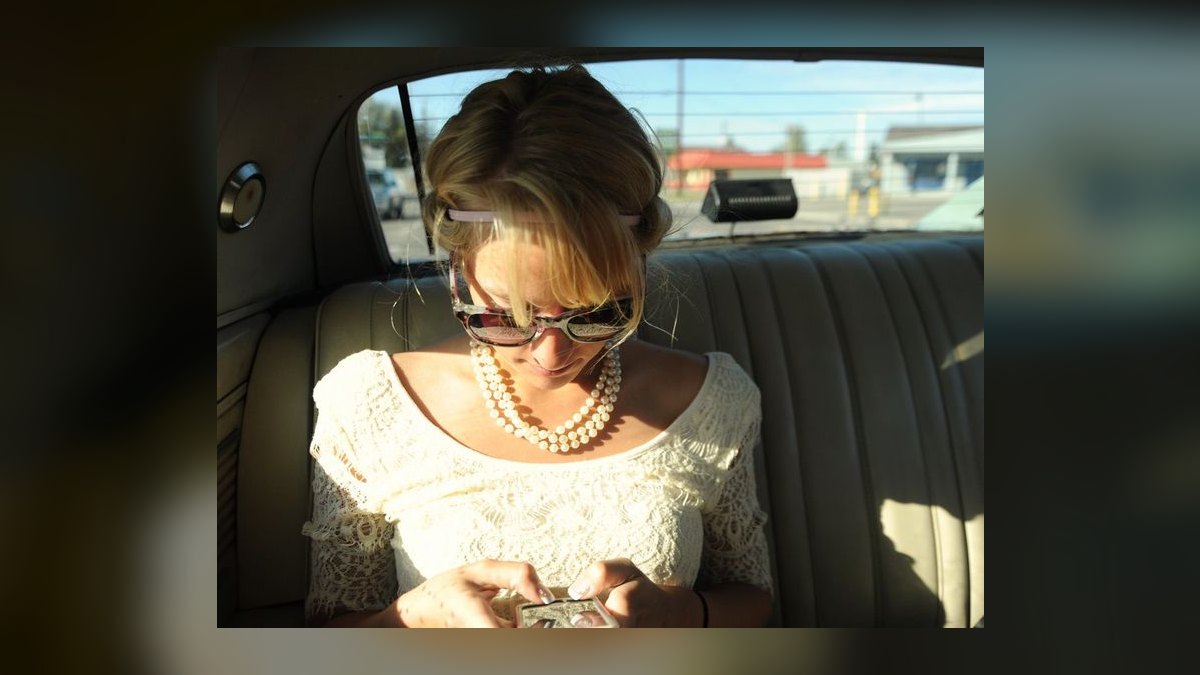
First, the stated dress code. "Garden party," "dressy casual," "cocktail," and "festive" are not synonyms. Garden party means a midi or knee-length dress and a sport coat with no tie. Dressy casual permits chinos and a button-down without a jacket. Cocktail, even in a backyard, pulls you toward a suit and a shorter but more structured dress. Festive gives you permission for pattern and color. If the invitation says nothing, look at how the couple has communicated everything else — a letterpress invitation and a hand-lettered website signal a higher floor than a text-message RSVP link.
Second, the season and the time. A 4 p.m. June ceremony and a 4 p.m. October ceremony are different events wearing the same clock. The June version peaks in heat during the ceremony and cools pleasantly; the October version starts comfortable and gets genuinely cold by dinner. Read the ceremony time backward from sunset: if the ceremony is within two hours of sunset, you are dressing for the evening, not the afternoon.
Third, the ground. Ask, or look at photos of the house. Manicured lawn, meadow grass, gravel drive, flagstone patio, and a rented dance floor all behave differently underfoot. Heel width matters more than heel height — a three-inch block heel is more stable on turf than a two-inch stiletto, because it distributes weight across a wider footprint instead of concentrating it into a point that acts like a tent stake.
Fourth, everything else. Color, pattern, jewelry, and layering are real decisions, but they are downstream. They can be adjusted late. Shoes and fabric weight cannot.
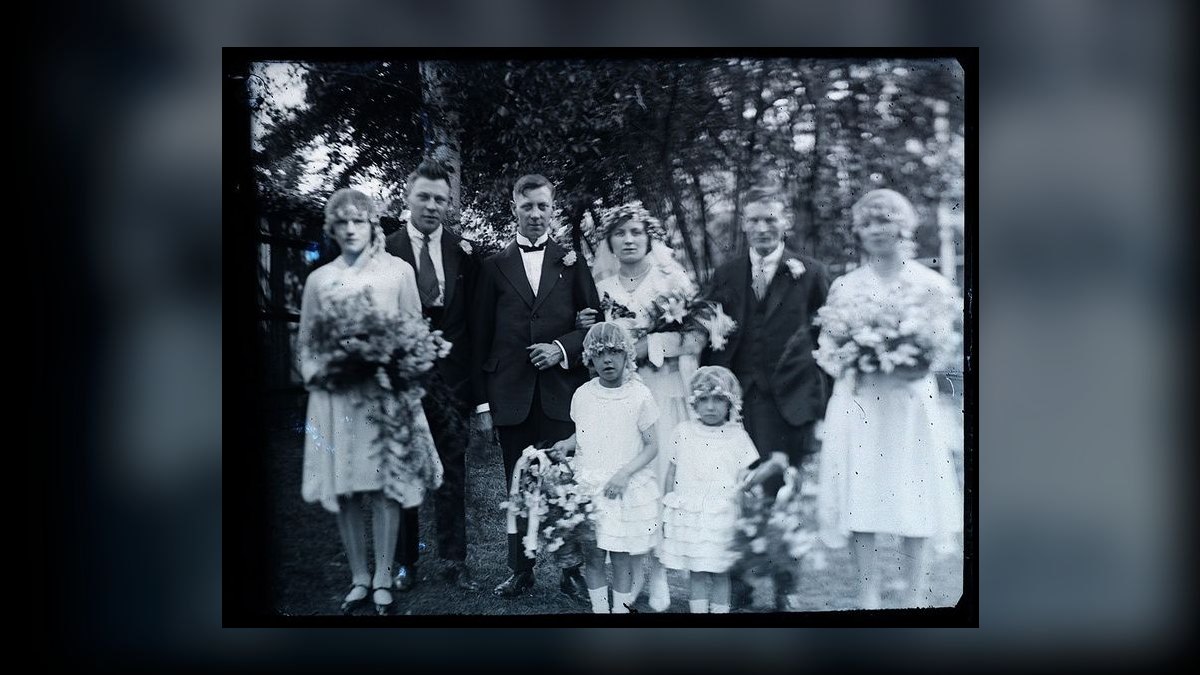
The reason this sequence matters is that each step constrains the next. Fabric weight is decided by season and time; silhouette is decided by dress code and fabric; footwear is decided by ground and silhouette. Working the other direction — falling in love with a pair of shoes and building outward — is how people arrive with satin heels at a meadow ceremony.
Benchmarks and realistic ranges
Budget. A complete, well-made backyard wedding outfit lands in three broad tiers. Around $150–$300 gets you a mall-and-mid-market build: a midi dress or linen shirt and chinos, a decent pair of block heels or loafers, and simple jewelry. Around $300–$600 buys better fabric and construction — a proper unlined linen blazer, a jumpsuit that holds its shape, leather rather than synthetic footwear. Above $600 you are buying tailoring, natural-fiber linings, and shoes that last a decade. The honest read is that the middle tier is where the visible return flattens; past that, you are buying longevity and fit rather than appearance in photos.
Fabric weight. Summer linen sits roughly in the 150–200 gsm range and breathes well; a linen-cotton blend around 200–250 gsm wrinkles less and drapes better if you dislike the rumpled look. Anything over about 300 gsm — most wool suiting, velvet, heavy twill — is a mistake for a daytime summer backyard event regardless of how good it looks indoors.
Heel geometry. A block heel with a base of at least 1.5 inches square distributes load well enough for most maintained lawns. Wedges perform even better because the entire sole bears weight. Stiletto tips under about half an inch concentrate enough pressure to sink into anything softer than dry compacted soil. Heel protector caps — small plastic covers that widen the tip — are inexpensive and genuinely work, but they are a patch, not a plan.
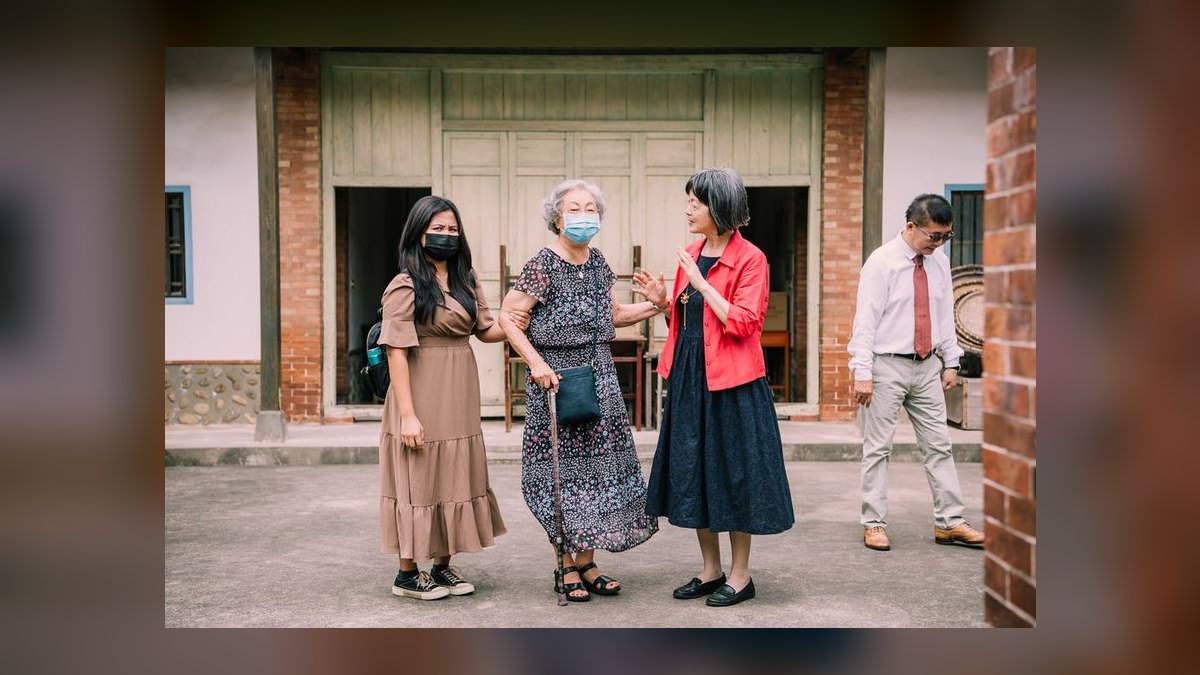
Temperature delta. Plan for a drop of roughly 15–25°F between late afternoon and late evening in most continental climates, more in dry or high-elevation regions where the swing can exceed 30°F. That range is why a layer is not optional. A wrap, an unlined blazer, or a fine-gauge knit adds meaningful warmth at almost no weight or bulk penalty.
Bag capacity. The realistic minimum load is a phone, a card, a lipstick or lip balm, a folded pair of flats or foldable shoes, insect repellent wipes, and a stain pen. That is a small crossbody or a structured straw tote — not a clutch.
How this scales up. These numbers hold for a fifty-guest backyard wedding and for a two-hundred-guest tented estate event. What changes as guest count rises is not the outfit calculus but the logistics around it: more people means more time queuing on grass, longer cocktail hours, and a greater chance the ceremony starts late. Every additional half hour outdoors amplifies the penalty for the wrong fabric and the wrong shoe. The same reasoning applies to adjacent outdoor occasions — vineyard weddings, barn receptions, rehearsal dinners on a patio, garden-party engagement parties, outdoor milestone birthdays. The venue label changes; the ground, the temperature swing, and the light are the same three constraints.
Risks, edge cases, and failure modes
Wearing white, or something that photographs as white. The obvious version of this rule is well known. The version that catches people is ivory, cream, champagne, pale blush that washes out in direct sun, and busy florals on a white ground. Direct midday sunlight blows out light colors far more than indoor lighting does — a dress that reads as soft beige in a store can read as white in a 1 p.m. outdoor photo. Test it: photograph the garment outdoors in bright light on your phone before committing.
Underestimating insects. This is the most common regret at backyard weddings and the least discussed. Grass at dusk means mosquitoes. Bare ankles and bare shoulders are exposed for five hours. Repellent wipes in the bag, applied discreetly before the sun drops, solve it. Citronella at the venue is a courtesy, not a guarantee.
Fabric that shows sweat. Silk, rayon, and light-colored synthetics show perspiration clearly and dry slowly. Linen, cotton poplin, and merino handle it far better. If you run warm, a patterned fabric or a mid-tone color is a hedge; solid pale blue and solid gray are the worst offenders.
The sun-exposure trap. An outdoor ceremony with no shade and a 2 p.m. start is a genuine sunburn risk, especially on the part in your hair, the back of the neck, and the tops of shoulders. Sunscreen before you dress, a hat if the dress code permits, and a seat on the shaded side if seating is open.
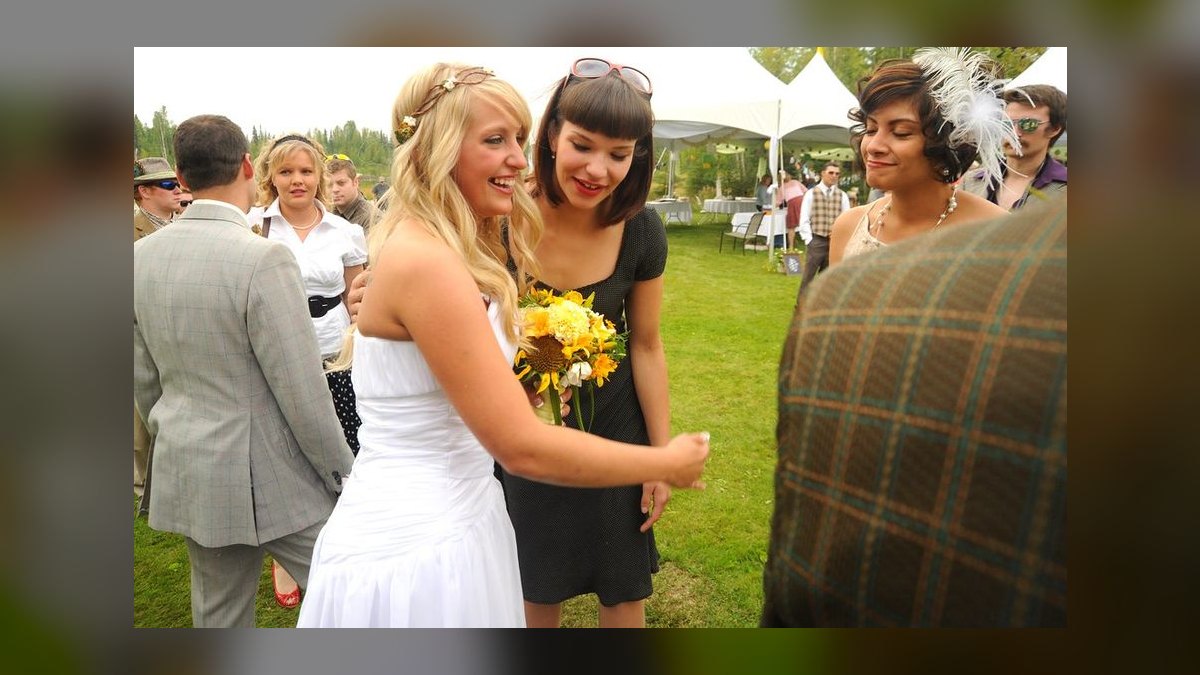
Shoes that fail in the last hour. New shoes at an outdoor wedding are a bad bet. Grass abrades leather soles, dew softens them, and a five-hour night in unbroken-in footwear ends badly. Wear them for two or three hours at home first. Bring a backup pair — foldable flats or clean minimal sneakers — in the bag or the car.
Wind. Backyards are open. A wide-brimmed hat with no interior band, a fully unstructured wrap dress, a lightweight skirt with no weight in the hem, and loose hair all behave differently in a 15 mph breeze than they do in a fitting room. A hat with a sizing band, a slip or a lined skirt, and hair secured are cheap insurance.
Rain. Backyard weddings rarely have a full indoor backup. A packable rain shell in a neutral color, folded in the bag or left in the car, is worth carrying. So is choosing a shoe you would not mind getting wet.
Overdressing relative to the couple. If the couple is in linen and barefoot on their own lawn, arriving in a three-piece suit is a misread of the room. The signal to watch is what the wedding party is wearing — if that information is available, it sets the ceiling.
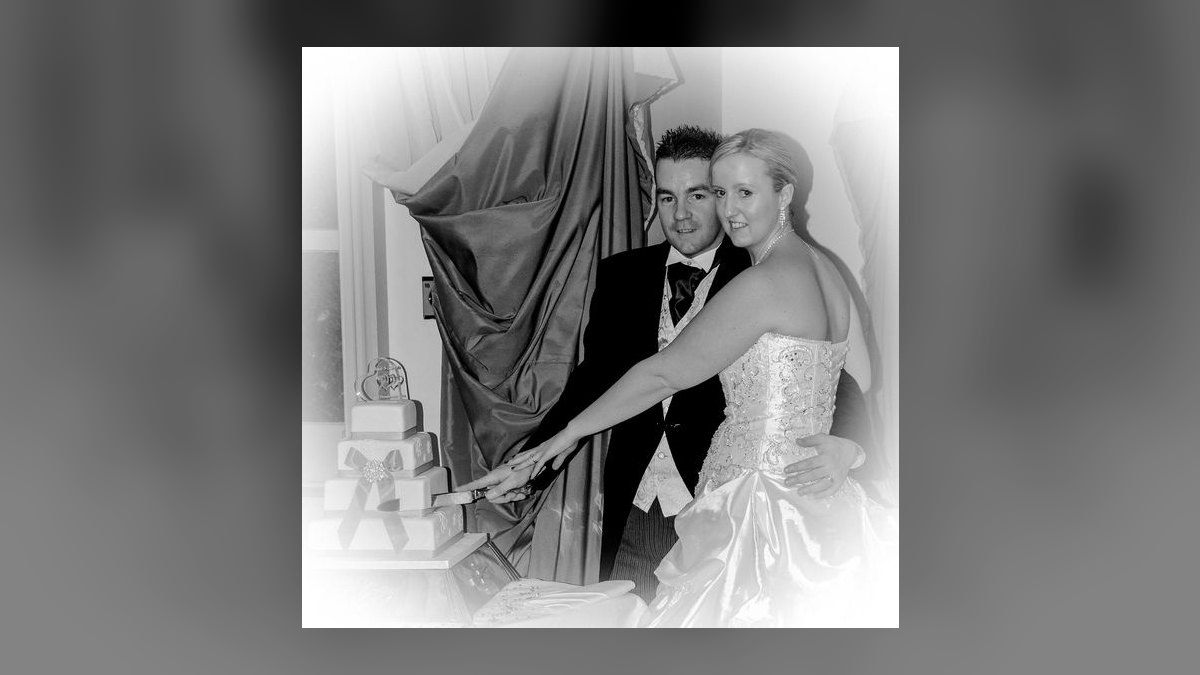
The commercial edge case. A backyard wedding is usually not a business event, but adjacent gatherings — a family business's anniversary party, a partner appreciation dinner on a patio, an outdoor client event where someone's revenue pipeline is quietly in the room — apply the same rules with one addition: you may need to be introduced to strangers who will form an impression in eight seconds. In that scenario, err half a step more polished than the venue demands. A blazer you can remove is the flexible answer; a blazer you cannot is a commitment.
A practical rollout plan
Treat this as a two-week runway, not an afternoon of shopping. The failure mode is deciding everything the night before, when the only variable you can still change is jewelry.
Two weeks out — gather constraints. Re-read the invitation and the wedding website. Note the stated dress code, the ceremony time, and the address. Look up sunset time for that date and location, and pull up the venue on a map's satellite view to see how much lawn, tree cover, and hard surface there is. If the couple posted photos of the space, look at what is underfoot.
Ten days out — shop the foundation. Buy or pull the shoes first, then the primary garment, then the layer. Ordering it this way prevents the classic mismatch. Check that the layer actually works with the garment's neckline and sleeve length — an unlined blazer over a puff sleeve does not close.
One week out — break in and pressure-test. Wear the shoes around the house for two to three hours on hard floors. Try the full outfit on and sit down in it, raise your arms, and walk up stairs. Photograph yourself outdoors in daylight to check the color under sun. If something needs tailoring — a hem, a sleeve, a waist — this is the last comfortable moment to send it out.
Three days out — check the forecast and build the bag. Now you know whether you are adding a heavier layer or subtracting one. Pack the bag: phone, card, lip balm, repellent wipes, stain pen, backup flats, a small portable charger, and a hair tie. Steam or press the garment; linen especially benefits from a steam the day before rather than the morning of.
Day of — dress in order. Sunscreen first, then garment, then shoes, then jewelry, then hat. Leave the layer and the backup shoes in the car if you are driving; the walk from the car to the backyard is usually short enough to retrieve them at sunset.
The reason to formalize this at all is that a backyard wedding removes the safety nets a venue normally provides. There is no coat check to hand a jacket to, no bathroom attendant with a stain pen, no indoor room to escape to when the sun is brutal. Every one of those services becomes something you carry or something you go without.
How the calculus shifts across adjacent occasions
The backyard wedding sits inside a family of outdoor events that share most of its constraints, and understanding the family makes any individual decision easier.
Vineyard and orchard weddings add gravel and dirt paths and often more walking between ceremony and reception sites. Shoes matter more; heel protectors are close to mandatory. Dust is a real factor on dark fabrics.
Barn and farm receptions typically combine an outdoor ceremony with an indoor-but-unconditioned reception. The temperature curve is different — the barn holds heat well past sunset — so a heavy layer can become dead weight. A fine-gauge knit beats a structured jacket.
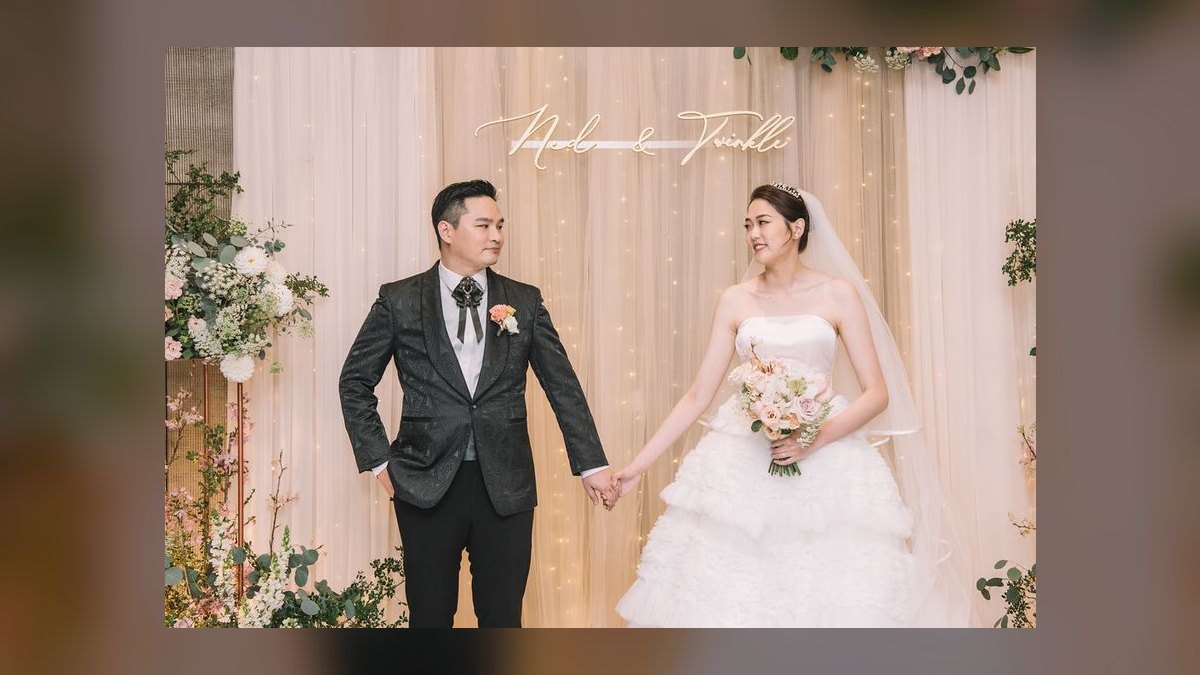
Beach weddings invert the footwear logic entirely: sand rewards flats, wedges, or bare feet, and punishes any heel. Salt air and wind are hard on hair and on unlined fabrics.
Rooftop and patio receptions are urban cousins with hard flat surfaces, which frees your shoe choice completely, but they run windier and cooler than ground level and offer almost no shade.
Rehearsal dinners and day-after brunches in backyards run one full notch more casual than the wedding itself. The common error is packing three formal outfits for a weekend that only needs one.
What generalizes across all of them: fabric weight is chosen by temperature and duration, footwear is chosen by ground surface, and the layer is chosen by the gap between peak heat and post-sunset cold. Learn those three and you can dress for any outdoor event on short notice — which is the actual, durable version of what you came here to learn about what to wear to a backyard wedding.
Related questions
Can men skip the jacket entirely at a backyard wedding?
Usually yes, if the dress code is garden party or dressy casual. A crisp button-down in linen or cotton poplin with tailored trousers reads as intentional. Bring the jacket and leave it in the car — you can add it if the room is more formal than expected.
Is a jumpsuit appropriate for a backyard wedding?
Yes. A well-cut wide-leg jumpsuit in linen or a linen blend is one of the strongest options for an outdoor wedding — it handles wind better than a skirt, moves well on grass, and reads as polished without being formal.
How do I keep linen from looking wrinkled all evening?
You mostly don't, and that's fine — soft creasing is inherent to linen and part of its appeal. To minimize it, choose a linen-cotton blend, steam rather than iron, and hang the garment rather than folding it in a bag.
What if the invitation says nothing about a dress code?
Default to garden party: a midi or knee-length dress, or a sport coat with an open-collar shirt and no tie. It sits comfortably in the middle and is easy to dress up with jewelry or down by removing the jacket on arrival.
Are sneakers ever acceptable?
Only when the invitation explicitly says casual, and only clean, minimal leather sneakers in white or a neutral — never athletic trainers. Paired with linen trousers or chinos, they read as a deliberate choice rather than an oversight.
FAQ
Can I wear jeans to a backyard wedding?
Generally no, unless the invitation specifically says casual. Even then, dark rinse with no distressing, paired with a blazer or a tucked button-down, is the floor. Linen trousers or chinos are a safer choice and are barely less comfortable.
What color should I avoid besides white?
Ivory, cream, champagne, and very pale blush all risk reading as bridal in direct sunlight. If the couple has published a palette for the wedding party, avoid matching it closely too — being mistaken for a bridesmaid all evening is its own kind of awkward.
Do I need a hat?
Not required, but useful for a daytime ceremony with no shade. Choose one with an interior sizing band so it stays on in wind, and take it off for the ceremony if you're seated where it blocks someone's view. A wide brim also complicates hugging, which happens constantly at weddings.
Should I bring a second pair of shoes?
If you're wearing any heel, yes. Foldable flats or clean minimal sneakers in the bag or the car cost almost nothing to carry and rescue the last two hours of the night. Many guests change once the dancing starts regardless of terrain.
How formal is "garden party" really?
Roughly one notch below cocktail. For women, a midi or knee-length dress in a print or soft color, with a block heel or wedge. For men, a sport coat and open-collar shirt with chinos or linen trousers, no tie. Floor-length gowns and dark business suits both overshoot it.
What should I carry, practically speaking?
Phone, payment card, lip balm, insect repellent wipes, a stain pen, a hair tie, a small portable charger, and backup flats if you're in heels. A small crossbody or a structured straw tote holds all of it and leaves your hands free for a drink and a plate.
Sources
- https://www.theknot.com/content/wedding-guest-attire-cheat-sheet
- https://www.brides.com/wedding-guest-attire-4801976
- https://www.vogue.com/article/what-to-wear-to-a-wedding
- https://www.marthastewart.com/7913745/wedding-guest-dress-code-guide
- https://www.gq.com/story/what-to-wear-to-a-wedding
- https://www.harpersbazaar.com/fashion/trends/
- https://www.realsimple.com/beauty-fashion/clothing/what-to-wear-wedding-guest
- https://www.cdc.gov/mosquitoes/prevention/index.html
Related on PULSE
- What to Wear as an Officiant to a Backyard Wedding in 2027
- What to Wear as a Maid of Honor to a Backyard Wedding in 2027
- What to Wear as a Best Man to a Backyard Wedding in 2027
- What to Wear to a Winter Backyard Wedding in 2027
- What to Wear as a Bridesmaid to a Backyard Wedding in 2027
- What to Wear as a Father of the Groom to a Backyard Wedding in 2027
This page will be disappearing soon. Save it to your device for $1 — or read it free while it is here.
@Kory-White- · if Venmo asks, the last 4 of my number are 2012
This page is gone.
This one is off the shelf now. $1 keeps it on your phone for good — the whole page, pictures and diagrams included.
 pulse-styleTop 10 Affordable Work Dress Brands in 2027
 pulse-styleHow to Style a Knit Vest for a Theater Show in 2027
 pulse-styleWhat to Wear on a Muggy Summer Night in 2027
 pulse-styleHow to Wear Lavender in Summer in 2027
 pulse-styleHow to Wear Maroon with Combat Boots in 2027
 pulse-styleHow to Style a Blazer in Fall in 2027
 pulse-styleHow to Style Wide-Leg Pants in Spring in 2027
 pulse-styleHow to Style White Sneakers for a Theater Show in 2027
 pulse-styleHow to Wear Cream with Cargo Pants in 2027
 pulse-styleHow to Wear Forest Green in Spring in 2027