

What to Wear to a Wedding as a Guest in 2027
 Curated byKory White · Fractional CRO · Maryland
Quality
Certified

For a 2027 wedding, follow the invitation's dress code first, then dress one notch above what you think is needed. Men: a tailored suit in linen, tropical wool, or hopsack. Women: a midi or maxi dress, a crepe jumpsuit, or a coordinated set. Skip white, ivory, denim, and sneakers.
What the 2027 wedding guest standard actually is, and why it matters
A wedding dress code is a coordination device. The couple is trying to make a hundred-odd people look like they belong in the same photographs, taken by the same photographer, in the same light, and hung on the same wall for forty years. When one guest shows up in athleisure and another in a floor-length gown, the group shots stop reading as one event. That is the whole reason the convention exists — not snobbery, not gatekeeping, just visual coherence at scale.
What has shifted heading into 2027 is not the rules but the tolerance band inside them. "Effortless elegance" is the phrase doing the heavy lifting: tailoring is still expected, but the tailoring is softer. Unstructured or lightly structured jackets have largely displaced the heavily padded, fused-canvas silhouette for daytime. Fabric and color now carry more of the signal than rigid formality does. A sand-colored unstructured linen blazer over a fine-knit navy polo reads as *dressed* in 2027 in a way it would not have in 2007, when the same outfit read as *underdressed businessman on vacation*.
The practical vocabulary of the moment: linen suit, midi dress, tailored blazer, silk blouse, loafers, block heel, satin clutch, cufflinks. Natural, breathable fabrics dominate — linen, tropical wool, silk crepe, cotton poplin, matte jersey. The palette leans muted earth tones (saffron, sage, dusty rose, camel, charcoal) with jewel tones (emerald, burgundy, midnight blue) as the punctuation. Accessories run to tan leather or polished silver rather than high-shine gold hardware everywhere.

Here is why any of this deserves twenty minutes of your attention rather than five. Weddings are one of the few remaining occasions where a broad cross-section of your professional and personal network sees you in person, dressed deliberately, over a multi-hour window with alcohol and a camera. The photographs circulate. People form impressions. If you sell for a living, run a team, or expect to ask any of these people for something later, the outfit is doing quiet work — not unlike how a company's brand does quiet work on revenue long before anyone signs anything. Nobody buys because your suit fit. Plenty of people revise their read on you because it didn't.
The upstream effect is worth naming too. Getting this decision right once, with pieces you actually own, means the next four weddings cost you almost nothing in money or decision fatigue. Getting it wrong means panic-buying at retail three days out, every time.
The step-by-step process from invitation to outfit
The single biggest failure mode is starting at the store. Start at the invitation instead and work forward. The sequence below takes about ninety minutes total, spread across two sittings, and it eliminates nearly every way this goes wrong.
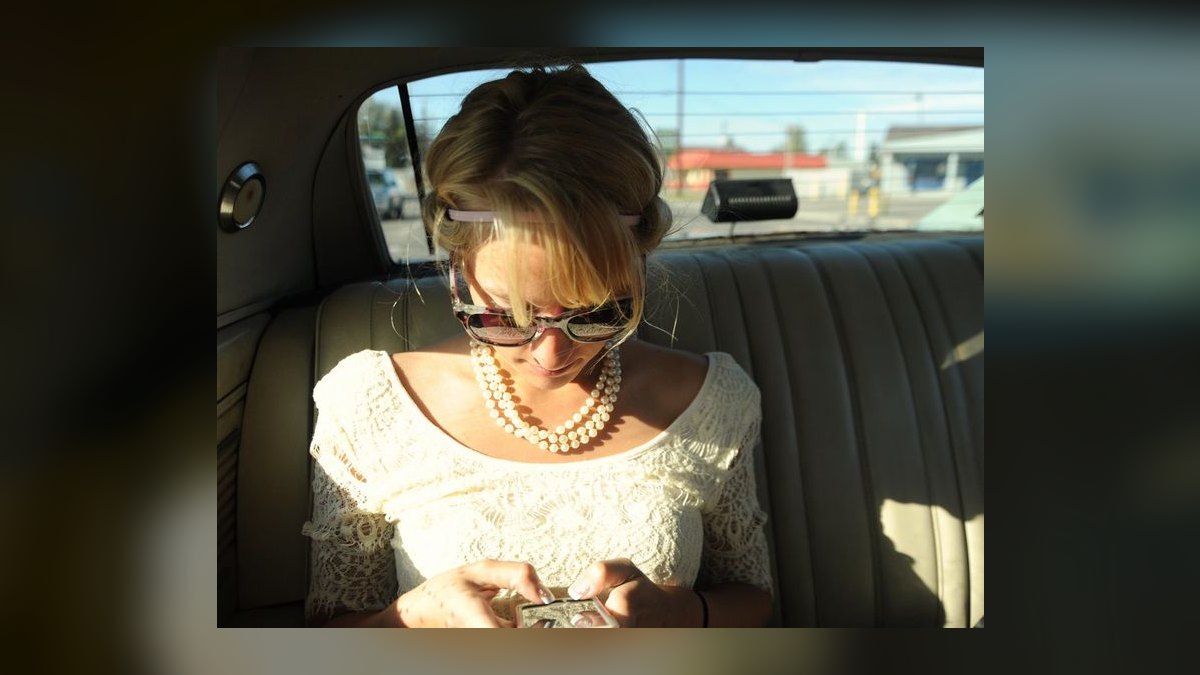
Step 1 — Read the stated dress code, literally. The invitation or wedding website will say one of: white tie, black tie, black tie optional / formal, cocktail / semi-formal, dressy casual, casual, or a themed instruction ("garden party attire," "beach formal," "wear something you'd dance in"). These are not interchangeable. Black tie means a tuxedo or a floor-length gown, full stop. Black tie optional means a tuxedo is welcome but a dark suit with a white shirt and silk tie is fully acceptable. Cocktail means a suit and a knee-to-midi dress. Dressy casual means a blazer without a tie, and a midi dress or an elevated separates combination.
Step 2 — Log the venue, the season, and the ceremony surface. A cathedral in November and a vineyard lawn in July are the same dress code with completely different execution. Write down three facts: indoor or outdoor, month, and what you'll be standing on for forty-five minutes. Grass and cobblestone eliminate stiletto heels outright — thin heels sink and catch. Sand eliminates most closed leather shoes. A drafty church in winter and a heated barn are opposite layering problems.
Step 3 — Shop your own closet first. Pull everything that could plausibly work and lay it out. Most people who think they own nothing actually own two-thirds of a good outfit and are missing a single connective piece — a blazer, a wrap, the right shoes.
Step 4 — Identify the one gap and fill it deliberately. Buy, borrow, or rent exactly one thing rather than assembling a whole outfit from zero.
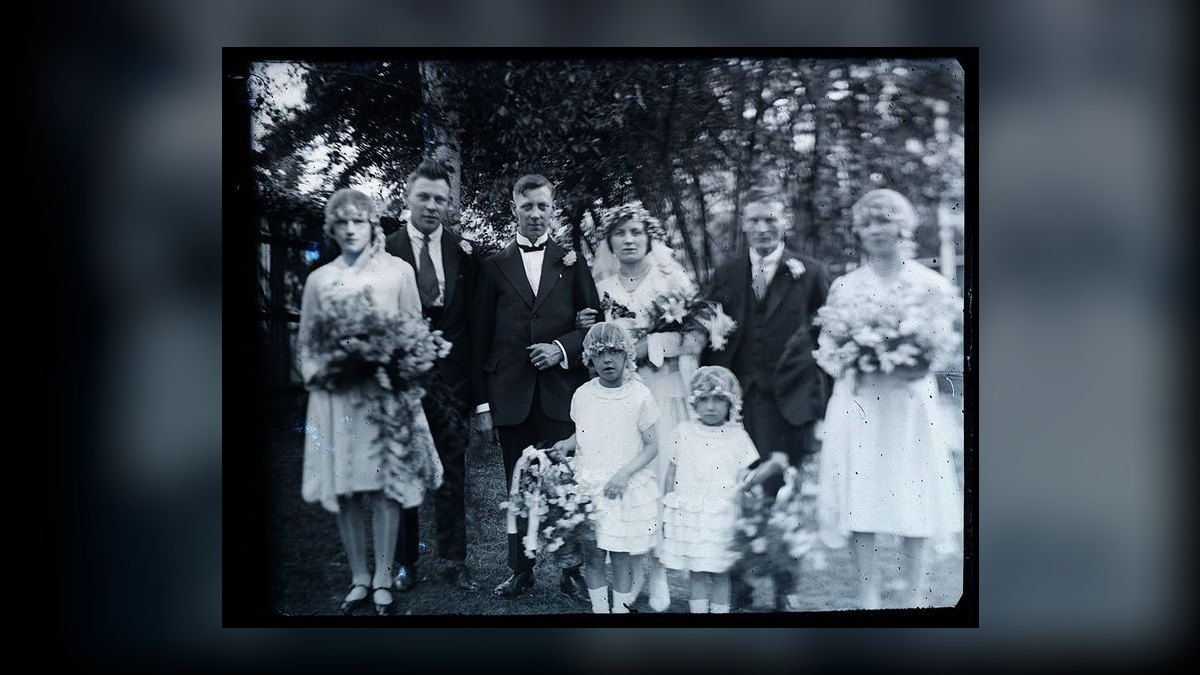
Step 5 — Book tailoring at least two weeks out. A sleeve shortened to show a quarter-inch of shirt cuff, trousers hemmed to a clean single break, a dress taken in at the waist. Basic alterations typically run $20–$60 per adjustment and matter more than the price of the garment.
Step 6 — Do a full dress rehearsal at home. Everything on at once, including shoes, bag, and jewelry, and then sit down, cross your legs, raise both arms overhead, and walk a flight of stairs. This is where you discover that the jacket won't close when seated or the slip rides.
Step 7 — Break in the shoes. Three to four hours of indoor wear minimum. New leather at a wedding is a guaranteed blister by the toast.
What a complete look costs, by budget tier and by decade
Real numbers, because "invest in quality" is useless advice without a figure attached. These are total-outfit ranges at mainstream retail in the mid-2020s, and they hold reasonably steady into 2027 outside of luxury.

Men, entry tier ($350–$700 all-in). An unstructured linen blazer in sand, a fine-knit cotton polo or an open-collar poplin shirt, pleated wide-leg trousers in ivory or stone, tan penny loafers with a rubber sole, and a woven leather belt in cognac at about 1.5 inches to match the shoes. J.Crew, Banana Republic, Uniqlo, and Cole Haan all sit in this band. This is the twenties-and-thirties default for daytime and garden weddings, and it photographs beautifully in natural light.
Men, mid tier ($600–$1,200). A single-breasted charcoal wool suit, two-button, notch lapel; a white cotton poplin spread-collar shirt; flat-front matching trousers; black polished cap-toe oxfords; a burgundy grenadine silk tie for texture without pattern; simple silver cufflinks if the shirt takes French cuffs. Suitsupply, Brooks Brothers, and Allen Edmonds populate this range. This covers cocktail through black-tie-optional and is the single most reusable thing in the category — it also works for funerals, interviews, and board meetings.
Men, upper tier ($800–$1,500). A midnight-blue double-breasted blazer with peak lapels, a light-blue linen-cotton shirt, light-gray pleated wool-blend trousers, dark brown burnished whole-cut oxfords, a white linen pocket square in a TV fold, and a dress watch on a brown leather strap. The double-breasted cut reads as confident rather than fussy on anyone who's grown into it, and it flatters a fuller frame better than a single-breasted jacket does.
Women, entry tier ($200–$500). A satin midi slip dress in dusty rose with a cowl neck and side slit, a cream lace bolero or cropped blazer for the ceremony, nude block-heel sandals at about 2.5 inches with an ankle strap, a mini satin crossbody in champagne on a chain strap, and medium gold hoops. Mango, Aritzia, Sam Edelman, and Kate Spade land here. The block heel is the load-bearing decision — it's the difference between dancing and sitting.
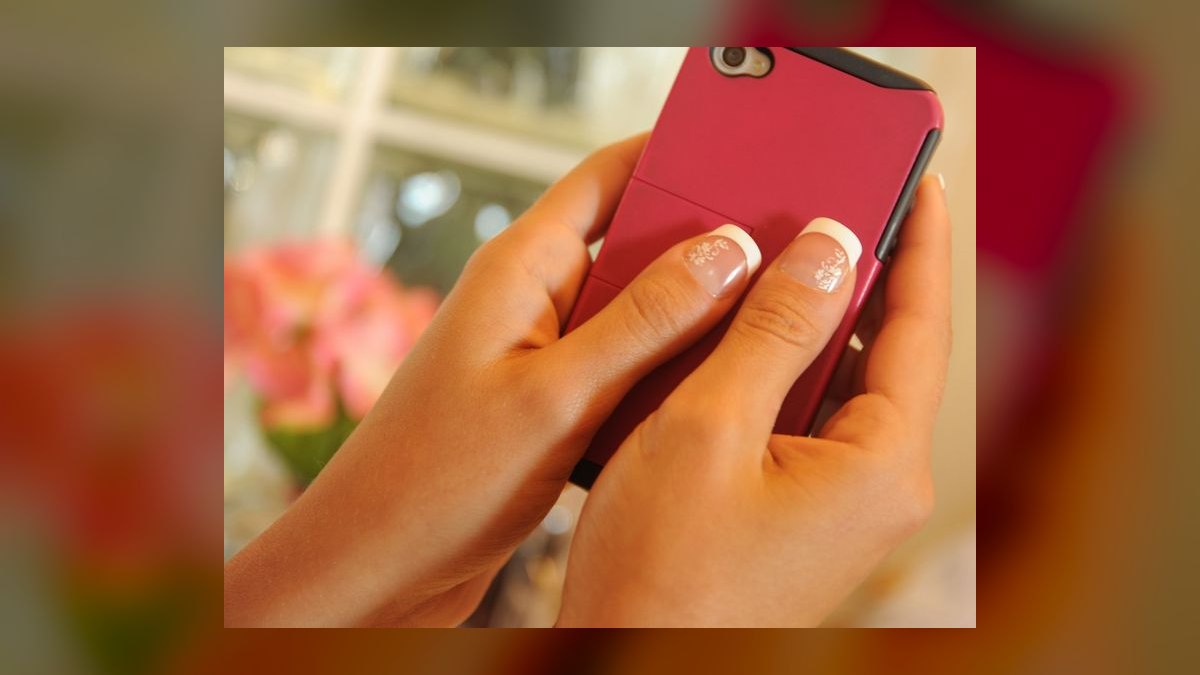
Women, mid tier ($400–$900). A sage-green silk crepe jumpsuit, wide-leg, V-neck, wrap waist; a navy longline structured blazer with peak lapels; nude pointed-toe leather pumps around 3 inches; a silver envelope clutch; 8mm pearl studs. Ann Taylor, J.Crew, Cole Haan, Loeffler Randall. A jumpsuit in a luxe fabric is fully formal-appropriate now and solves the hem-length question entirely.
Women, upper tier ($500–$1,200). A royal-blue or saffron A-line midi dress with a boat neck and three-quarter sleeves, an ivory lightweight cashmere or lace-trimmed cardigan, navy low-block-heel pumps at 1.5 inches, a structured tan leather tote or a beaded evening clutch, and a delicate 18-inch gold chain. Eileen Fisher, Naturalizer, Coach, Nordstrom. The A-line silhouette is the most universally flattering cut in the category and stays comfortable across a six-hour event.
How this shifts by decade. In your twenties, the look runs relaxed — unstructured jacket, wider trousers, shorter or slip-cut hems, lighter neutrals and pastels. By the forties, it consolidates around sophistication: structured blazers, jumpsuits, silk over satin, richer color. By the sixties, priority moves to comfort executed with authority — double-breasted blazers and classic oxfords for men, A-line dresses and 1.5-inch heels for women, and a palette that deepens into jewel tones and dark blues. Nobody in their sixties should be fighting a 4-inch heel to prove a point.
Where to spend and where not to. Spend on the shoes and one statement piece. Everything else can be mid-market and nobody will know. A $180 dress with $60 of tailoring beats an $800 dress off the rack every time.
The rental and secondhand lane. Rent the Runway, Nuuly, and The Black Tux rent designer pieces for a fraction of retail, which makes sense for a one-off formality level you'll never hit again. ThredUp, Poshmark, and The RealReal carry pre-loved silk dresses, tailored blazers, and quality leather shoes. Some couples now explicitly ask guests to re-wear or shop secondhand. If you buy new, buy pieces that come back: a camel blazer, a black jumpsuit, nude block heels. Brands with B Corp or Fair Trade certification — Patagonia, Eileen Fisher, People Tree, Kowtow among them — are the straightforward filter if production ethics matter to you.
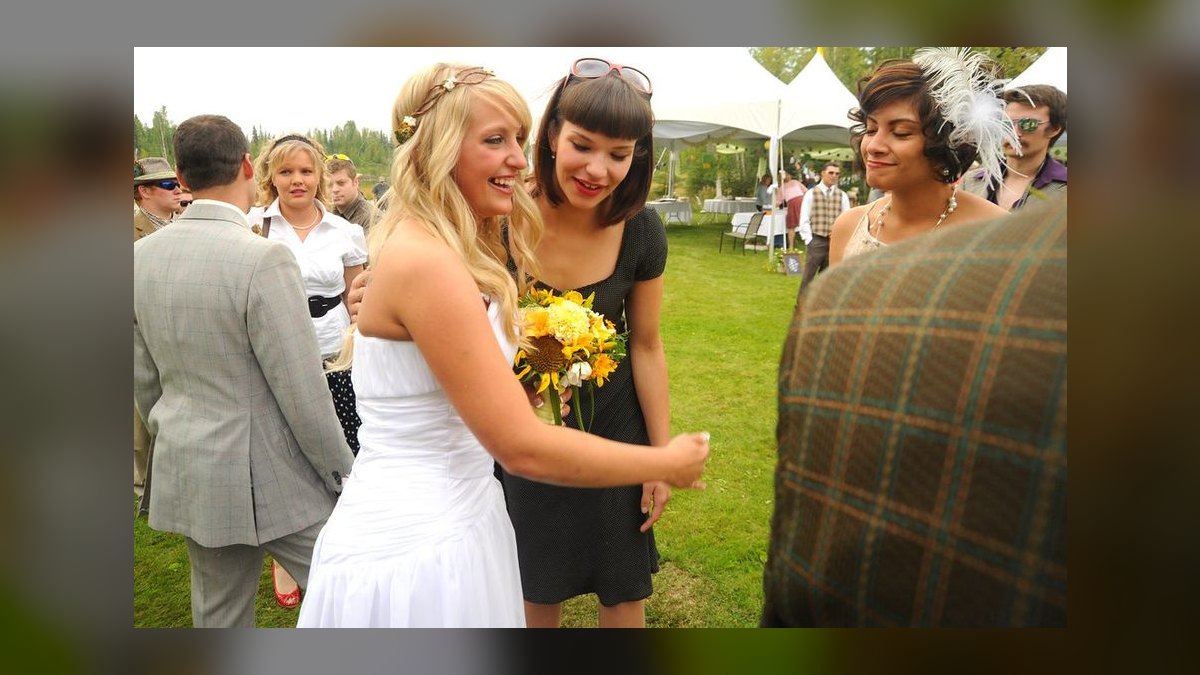
Season, weather, and the accessories that actually earn their place
Season changes execution far more than it changes the dress code. Treat accessories as functional first — a wrap that's also warm, a bag that's also carryable, a shoe that's also walkable.
Spring (March–May). Lightweight silk or cotton scarves double as a ceremony wrap when the temperature drops after sunset. Floral-embroidered clutches read seasonal without tipping into costume. Block-heel mules in pastel suede handle grass and cobblestone; a 2–3 inch heel with a rubber sole insert is the sweet spot. Rain is the risk — do not bring suede you'd mourn.
Summer (June–August). Statement earrings in gold or resin catch outdoor light and photograph well. A straw tote works for daytime; switch to a satin minaudière for evening. Men: a linen pocket square adds color at no thermal cost, and a linen or hopsack jacket breathes where a fused wool one does not. Sunglasses are fine for an outdoor ceremony but come off during vows. Bring a light shawl or jacket regardless — over-air-conditioned reception halls are a near-universal summer trap.
Fall (September–November). Layering carries the season. A cashmere or wool-blend wrap in camel or charcoal is warm and photographs as intentional. Leather gloves suit late-fall outdoor ceremonies. Velvet loafers or block-heel boots handle wet ground. Opaque tights in burgundy or navy modernize a midi dress. Open-toe after October only in a warm climate.
Winter (December–February). Heavier fabrics — cashmere, wool, velvet, faux fur. A faux-fur stole delivers glamour and warmth without the ethical question. Velvet clutches in emerald or ruby sit well against dark outfits. Men need a proper wool overcoat in charcoal or navy for the walk between venues; leather Chelsea boots can replace dress shoes in snow if the dress code allows. A statement brooch on a lapel is an underrated, inexpensive way to make a dark suit specific to you.
Universal 2027 note. A watch is now unremarkable at a wedding — the old etiquette against it (implying you're counting the minutes) has effectively lapsed. A minimalist leather-strap or clean metal-band piece is fine. What still reads badly is a fitness tracker with a rubber band under a dinner jacket.
Where guests get it wrong
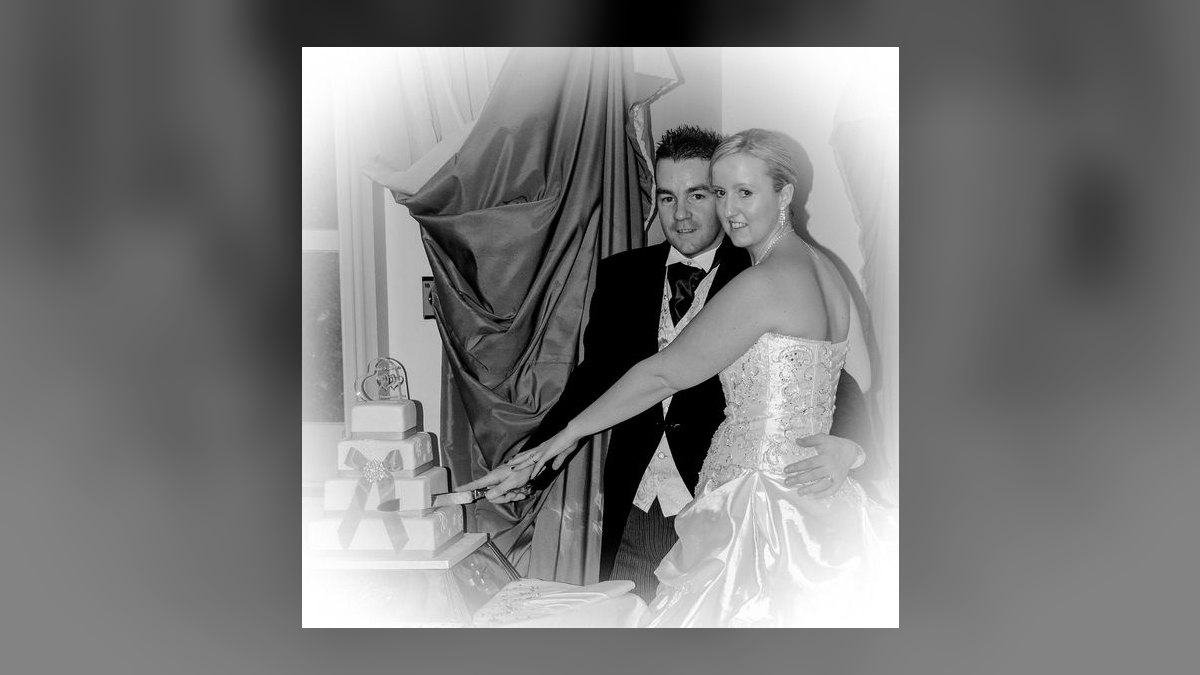
Wearing white, ivory, or cream. Still the cardinal error, and it extends further than people think — a cream dress, an all-ivory suit, a white lace top all photograph as white in a group shot. Even with explicit permission from the couple, choose something with a distinct pattern, texture, or color accent so there's no ambiguity in pictures.
Treating the dress code as a suggestion. A black-tie invitation is not an opening bid. Showing up in a linen suit signals you didn't read it or didn't care, and both readings are bad.
Over-accessorizing. Chunky necklace plus oversized earrings plus a bold cuff plus a patterned bag is four focal points competing for the same square foot. Pick one — a sculptural earring, a metallic clutch, a single cuff — and keep everything else quiet.
All-black for a daytime wedding. Not forbidden, but it reads funereal in bright light. Break it with a colored scarf, a printed blouse, or patterned shoes.
Shoes chosen for the mirror, not the night. Stilettos on grass sink. Brand-new leather blisters. A 4-inch heel that looks incredible at 5pm becomes a barefoot-in-the-parking-lot situation by 10pm. Block heel, wedge, or a dressy flat like a pointed-toe loafer.
Ignoring the venue. A beach wedding wants lightweight fabric and sandals you can carry; a cathedral wants coverage — shoulders covered, hem at or below the knee. Same dress code, opposite garments.
Dressing too casually. Denim, sneakers (unless explicitly invited), T-shirts, and athleisure are still out, even at a daytime garden ceremony. "Casual" on a wedding invitation means a sundress or a blazer without a tie, not what you'd wear to brunch.
Waiting until the week of. Tailoring queues, shipping delays, and the discovery that last year's suit no longer buttons all resolve badly at seventy-two hours' notice.
Not asking. If the dress code is ambiguous or the venue is unusual, ask the couple or someone in the wedding party. Nobody has ever been thought less of for wanting to get it right.
Decision framework: choosing when the invitation is vague
Most real-world cases aren't black tie. They're "cocktail attire" on a website with a photo of a barn, or no stated code at all. The framework below resolves those in about two minutes.
The governing heuristic: when uncertain, go one notch more formal than your instinct, and make the outfit removable in the dressy direction. A blazer you can take off, a tie you can pocket, a wrap you can drop over a chair. Being slightly overdressed is invisible; being underdressed is not.
Ceremony time is the strongest unstated signal. Before 4pm skews lighter fabrics, lighter colors, less shine. After 6pm skews darker, richer, and more formal. A 5pm ceremony is an evening wedding wearing a daytime hat — dress for evening.
Venue type is the second signal. Hotel ballroom, country club, or historic estate pushes formal. Vineyard, barn, backyard, or beach pushes down a notch and pushes hard toward practical footwear. A courthouse ceremony with a dinner after is really two dress codes — dress for the dinner.
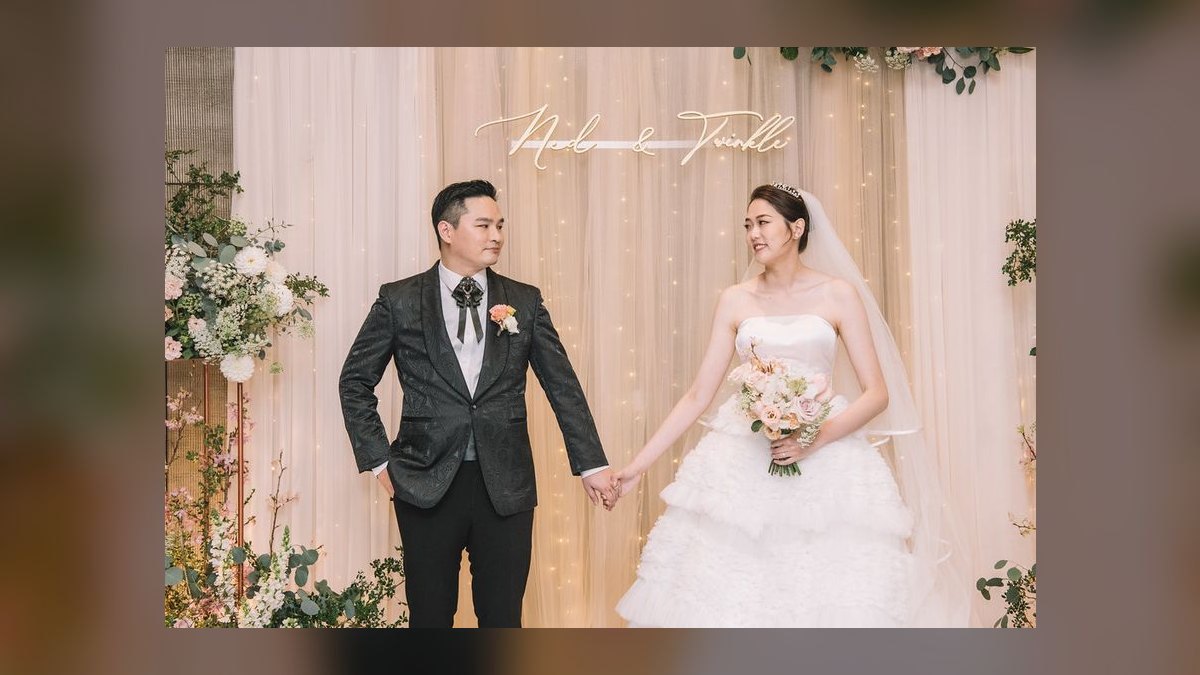
One more adjacent consideration: coordinate formality with your date rather than matching outfits. Matching reads costume; aligned formality and a compatible palette read intentional. If one of you is in a navy suit, a dusty rose or sage dress sits alongside it well. Two people at different formality levels in the same photograph is the thing that actually looks off.
Related questions
What do I wear to a wedding as a Guest when there's no dress code at all?
Default to cocktail. A dark suit without a tie for men, a midi dress or crepe jumpsuit for women. Check the venue photos on the wedding website, then dress one notch above what those photos suggest. You will never be criticized for it.
Can I re-wear the same outfit to multiple weddings?
Yes, with different guest lists. If the crowds overlap heavily, change the visible layer — swap the blazer, the tie, the shoes, or the jewelry. Photographs are the only real constraint, and a changed top layer reads as a different outfit.
Is a black dress acceptable in 2027?
Yes for evening and indoor weddings. For a daytime outdoor ceremony, black can read severe in bright light — break it up with color at the shoe, bag, or wrap, or choose charcoal, navy, or a deep jewel tone instead.
How much should I actually spend?
A complete, reusable outfit runs $350–$700 at entry and $600–$1,200 at mid tier. Rental cuts a one-off formal look to well under $200. Spend on shoes and tailoring; the rest can be mid-market without anyone noticing.
What if the wedding has a themed dress code?
Follow it, but interpret it toward elegance rather than costume. "Garden party" means florals and pastels in normal formalwear cuts, not a hat you can't see past. When a theme conflicts with comfort or coverage, honor the formality level and skip the gimmick.
FAQ
What if the invitation says "black tie optional" but I only own a dark suit?
A dark suit works for black tie optional — that's precisely what the "optional" is granting you. Push it as formal as it will go: crisp white shirt, silk tie or bow tie, polished black leather shoes, no visible logos. If the venue is genuinely upscale and the ceremony is evening, renting a tuxedo for $100–$200 is a reasonable upgrade.
Can I wear a jumpsuit to a formal wedding in 2027?
Yes. A jumpsuit in crepe, silk, or satin with a tailored fit is fully formal-appropriate and has been for several years. Accessorize it with a statement earring or cuff and a heel. Avoid cotton, jersey, and anything with a casual waistband — fabric is what separates a formal jumpsuit from a comfortable one.
Are floral prints still acceptable for a wedding Guest?
Yes, with a caveat about scale. The prevailing look favors larger, more abstract blooms in muted or jewel tones over dense, tiny, high-contrast patterns. Pair a floral midi dress with solid accessories and neutral shoes so the print stays the single focal point.
What shoes work for an outdoor ceremony on grass?
Block heels, wedges, and dressy flats such as pointed-toe loafers. Thin heels sink into turf and catch in cobblestone. Choose leather or suede that can take a little dirt, and if the ground is soft, consider heel caps — the small plastic covers that spread the load across the heel tip.
Is it acceptable to wear white if the bride says it's fine?
Technically yes, practically be careful. Even with permission, choose something with clear pattern, texture, or a color accent so that in a wide group photograph nobody has to squint to identify the bride. A full white dress is the one case to avoid regardless of what you've been told.
Do I need to coordinate my outfit with my partner's?
Coordinate formality, not clothing. Both at cocktail level, or both at black-tie level, with palettes that don't fight — navy suit alongside dusty rose or sage, for instance. Deliberately matching outfits reads as costume, while mismatched formality levels are the thing that genuinely looks wrong in photographs.
Sources
- https://www.theknot.com/content/wedding-guest-attire-cheat-sheet
- https://www.brides.com/wedding-guest-attire-dress-code-guide-5069440
- https://www.vogue.com/article/wedding-guest-dresses
- https://www.gq.com/story/what-to-wear-to-a-wedding
- https://emilypost.com/advice/attire-guide-dress-codes-from-casual-to-white-tie
- https://www.harpersbazaar.com/fashion/trends/
- https://www.marthastewart.com/7889458/wedding-guest-attire-dress-code-guide
- https://www.renttherunway.com/
- https://www.esquire.com/style/mens-fashion/
Related on PULSE
- What to Wear as a Guest to a Courthouse Wedding in 2027
- What to Wear as a Guest to a Backyard Wedding in 2027
- What to Wear as a Guest to a Destination Wedding in 2027
- What to Wear as a Guest to a Church Wedding in 2027
- What to Wear as a Guest to a Ballroom Wedding in 2027
- What to Wear as a Guest to a Lakeside Wedding in 2027
This page will be disappearing soon. Save it to your device for $1 — or read it free while it is here.
@Kory-White- · if Venmo asks, the last 4 of my number are 2012
This page is gone.
This one is off the shelf now. $1 keeps it on your phone for good — the whole page, pictures and diagrams included.
 pulse-styleHow to Wear Maroon with Combat Boots in 2027
 pulse-styleHow to Style a Maxi Dress for a First Date in 2027
 pulse-styleHow to Wear Forest Green in Spring in 2027
 pulse-styleHow to Wear Dusty Rose with a Bomber Jacket in 2027
 pulse-styleHow to Style Wide-Leg Pants in Spring in 2027
 pulse-styleWhat to Wear to a Second-Round Finance Job Interview in 2027
 pulse-styleHow to Style a Pleated Skirt for a Gala in 2027
 pulse-styleWhat to Wear to a Tennis Match in 2027
 pulse-styleWhat to Wear to a Bowling Night in 2027
 pulse-styleHow to Wear Slate Blue with Linen Pants in 2027