

What to Wear to a Daytime Wedding in 2027
 Curated byKory White · Fractional CRO · Maryland
Quality
Certified

For a daytime wedding in 2027, wear breathable natural fabrics in light or mid-tone colors: men in a linen or cotton-blend suit in sand, sage, or slate with an open-collar shirt; women in a knee-to-midi dress, tailored jumpsuit, or elegant separates. Choose block heels, flats, or loafers over stilettos. Skip black and skip white.
The outcome you should expect
The realistic outcome of dressing well for a daytime wedding is not that anyone compliments you — it is that nothing about your outfit competes for attention during a six-to-nine-hour day that starts in bright sun and often ends indoors under warm light. That is the actual bar. You want to look deliberate in the ceremony photos, stay physically comfortable through a cocktail hour spent standing on grass or gravel, and still be presentable when the light drops and the room warms up.
Expect a daytime wedding to run longer than the invitation implies. A ceremony called for 2 p.m. typically means arriving by 1:30, sitting or standing through a 20-to-40-minute service, then a 60-to-90-minute cocktail window, then a seated meal, then dancing. That is commonly seven hours in the same clothes and the same shoes. Anything that pinches at hour one will be intolerable by hour five. This is why the single highest-leverage decision is footwear, not the dress or the suit — a bad shoe choice degrades your entire experience in a way a slightly-off jacket color never will.

Expect temperature swings of 15 to 25 degrees Fahrenheit across the day for outdoor spring and summer weddings, and more in desert or mountain regions where the drop after sunset is severe. A linen jacket that feels heavy at 2 p.m. becomes the reason you can stay outside at 8 p.m. A sleeveless silk dress that is perfect at noon leaves you cold by dessert. Plan for both ends, which practically means one removable layer you actually like the look of — an unlined blazer, a fine-knit cardigan, a wrap in a color that reads as intentional rather than emergency.
Expect photography to be unforgiving in daylight. Direct midday sun exaggerates shine, wrinkles, sweat, and any fabric that is technically synthetic but marketed as "silk-like." It also blows out pure white and crushes pure black. Mid-tone and soft colors — dusty rose, sage, slate blue, camel, butter — hold detail in bright light far better than either extreme. That is the practical reason so much daytime wedding advice steers toward pastels and earth tones; it is a camera-behavior fact, not just a style convention.
Finally, expect to be judged on fit far more than on brand or price. A $180 machine-washable linen suit that has been tailored at the shoulders and hemmed to the right break reads better in every photo than an $800 suit off the rack that gaps at the collar. If you have one budget lever to pull, pull the tailoring lever. A local alteration on a jacket typically runs $40 to $90 for sleeves and sides; a dress hem runs $20 to $60. That is the best return on spend in this entire category.
What drives that outcome
Four inputs drive whether a daytime wedding outfit works, and they resolve in a strict order. Get them out of order and you will buy a beautiful garment that is wrong for the day.
The stated dress code comes first. The invitation language is not decorative. "Black tie optional" at 2 p.m. is rare but real and means a dark suit minimum. "Cocktail attire" in daylight means knee-length to midi for women and a suit without a tie for men — not a floor-length gown, not a tuxedo. "Garden party" means florals, light fabrics, and a flat or low-block shoe, with an explicit expectation that you will be standing on grass. "Semi-formal" and "dressy casual" both mean a jacket for men and a dress or elegant separates for women, with the second phrase permitting slightly more relaxed fabric. If no code is stated, default to smart casual with a jacket available, which is the safe middle in nearly every region.
The venue and surface come second. Grass, sand, gravel, cobblestone, and vineyard rows all destroy thin heels. Indoor venues — country clubs, hotel ballrooms, historic houses — are heel-safe but usually run air-conditioned and cold, which flips the layering calculus entirely. A church, temple, or mosque ceremony frequently carries a shoulder-covering expectation regardless of the reception's vibe, so the wrap or bolero stops being optional. Check whether the ceremony and reception are in the same place; a transition from lawn to ballroom is exactly the scenario where a second, lower shoe in a bag pays for itself.
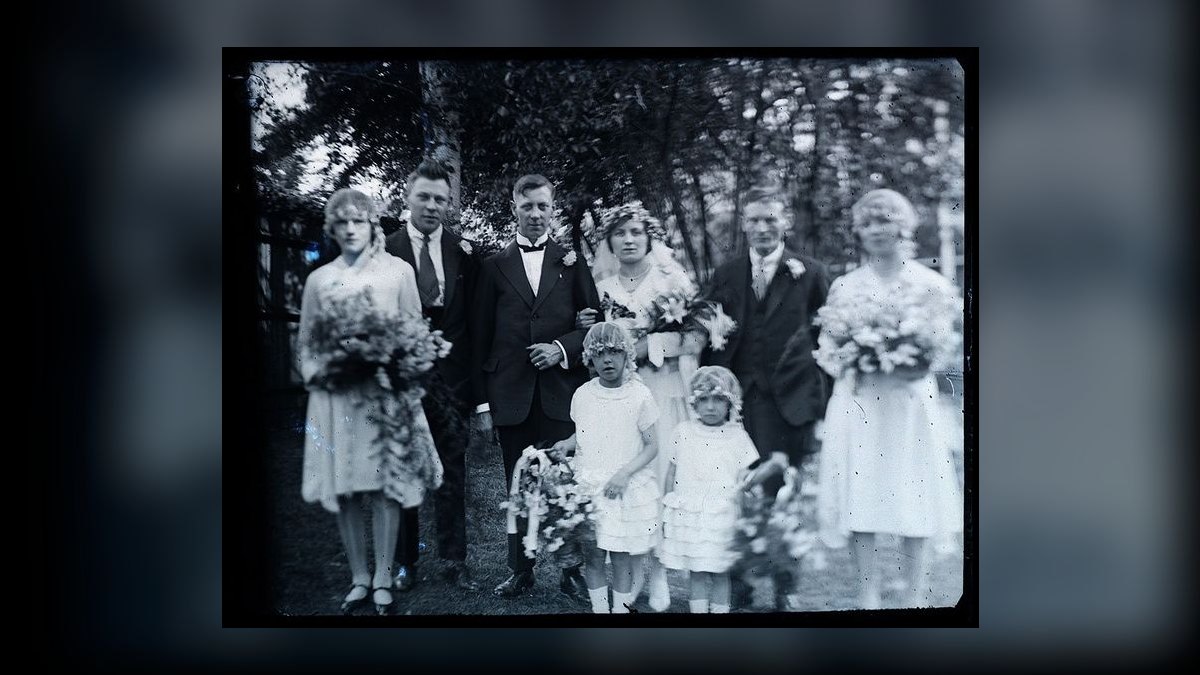
Season and time of day come third. A 10 a.m. brunch ceremony is meaningfully more casual than a 4 p.m. one, and the closer the reception creeps toward evening, the more you can lean into deeper tones and structured fabrics. A November daytime wedding permits charcoal, navy, and wool blends that would be punishing in July. Regional humidity matters more than the calendar — a June wedding in the Southeast is a different physical problem than a June wedding on the Northern California coast, where you will want a real layer and closed shoes.
Personal fit and comfort come last, and they override everything above when they conflict. If a code technically permits a heel you cannot walk in for seven hours, the code loses. Guests are not graded on suffering.
Benchmarks and realistic ranges
Useful budgets for a daytime wedding guest outfit cluster into three honest tiers, and the difference between them is mostly fabric quality and shoe construction, not appearance from ten feet away.
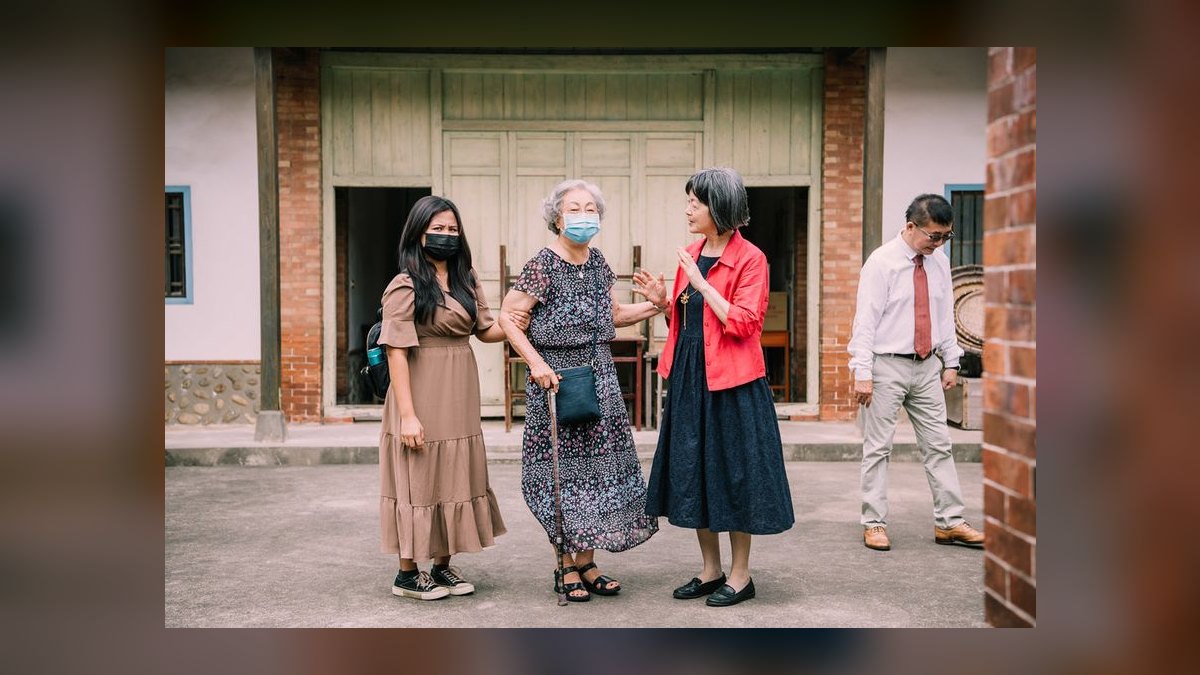
Entry tier, roughly $150 to $350 all-in. A machine-washable linen-cotton blend suit or a midi dress from a mainstream retailer, an existing pair of leather flats or loafers, and jewelry you already own. This tier works if — and only if — you spend $40 to $90 of it on alterations. Untailored budget clothing is where the tier fails visually; tailored budget clothing is nearly indistinguishable in photos from the tier above it.
Mid tier, roughly $400 to $900. Better fabric — real linen rather than a heavy blend, a cotton-silk or Tencel dress that drapes instead of clinging, an unstructured sport coat with patch pockets. Shoes at this level have leather insoles and a proper heel block, which is the actual comfort variable. A block-heel sandal or leather mule in the $80 to $175 range and a suede loafer or Derby in the $90 to $200 range are the workhorses.
Upper tier, roughly $1,000 and above. Wool-linen suiting, silk separates, half-canvassed jacket construction, and shoes that can be resoled. This tier makes sense if you attend several weddings a year and can amortize the pieces; for a single event it is a preference purchase, not a performance one.
Some ranges worth planning around regardless of tier. Expect to walk 3,000 to 8,000 steps at a wedding, much of it on uneven ground. Keep heel height at or under three inches for outdoor venues and prefer a block or wedge over a stiletto — surface area is what keeps you out of the lawn. Break new shoes in for at least four to six hours of household wear before the day. Budget 20 to 45 minutes of buffer for parking, walking from lot to venue, and finding your seat, because that walk is often the hardest thing your shoes do all day.
On color, the reliable daytime range for men is sand, stone, light and mid grey, olive, slate blue, and camel; navy is safe and versatile but reads slightly more formal, and charcoal or black should be reserved for cool-weather or explicitly formal daytime events. For women, dusty rose, sage, lavender, butter yellow, terracotta, powder blue, and soft coral all photograph cleanly. The two hard exclusions remain white, ivory, cream, and champagne — anything that could read as bridal in a photograph — and, in most Western contexts, all-black unless the code is formal or the couple has explicitly invited it. Regional and cultural exceptions are real; in many South Asian and East Asian celebrations, white carries funerary meaning and red is reserved for the couple, so ask rather than assume.
On timing, the pieces you actually need lead-time for are alterations and any special-order shoe. Two to three weeks before the event is the realistic floor for a tailor during spring and summer, which are peak wedding months; four weeks is safer. Buy or commit to the outfit five to six weeks out and you will never be the guest safety-pinning a hem in a parking lot.
Risks, edge cases, and failure modes
The failure modes here are predictable, which is what makes them avoidable.
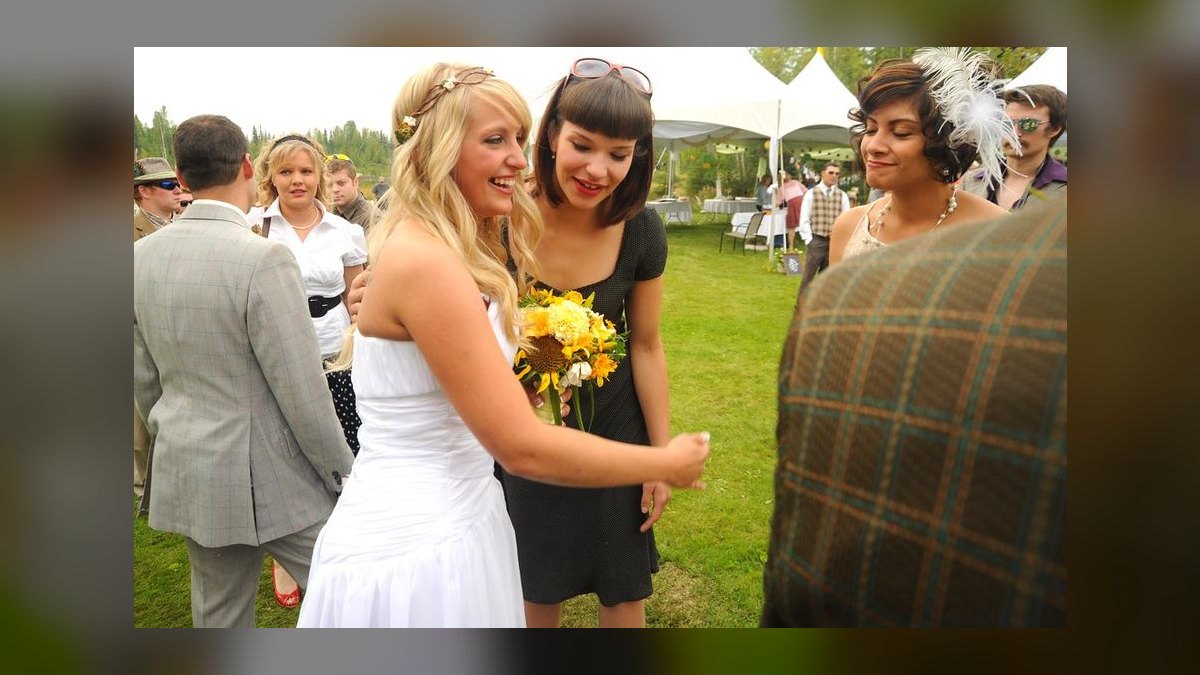
Wearing something that photographs as white. Champagne, ecru, oyster, and pale blush all shift under bright daylight and in-camera white balance. A dress that reads as pale peach in your bedroom can read as ivory in a sunlit outdoor ceremony photo. If a garment is within two shades of white, test it outdoors on your phone camera in midday sun before committing. The same caution applies to a cream linen suit, which is fine in most contexts but risky if the groom is also in cream.
Underestimating heat, then overcorrecting. The overcorrection is worse than the original problem. People skip the jacket entirely, arrive in a short-sleeve shirt, and are the only guest without a layer in every group photo. The better move is an unlined or quarter-lined jacket in linen or cotton-linen, which you can carry over your arm during the hot hours and put on for the ceremony and photos. Similarly, sleeveless dresses are fine; sleeveless with no wrap at a church ceremony is not.
Ignoring the ground. This is the most common physical failure. Stiletto heels sink into lawn, catch in cobblestone gaps, and are genuinely dangerous on vineyard gravel. Heel caps and grass protectors help marginally but do not solve it. If you have already bought the shoe, bring a foldable flat and switch after the ceremony — that is a legitimate strategy, not a defeat.
Dry-clean-only fabrics at an outdoor event. Grass, red wine, buttercream, and passed hors d'oeuvres are all in play. A dry-clean-only silk in a light color is a $40 gamble every time someone walks past you with a tray. Machine-washable linen, cotton, and Tencel lower the stakes considerably. Carry a stain pen and a small lint roller regardless — five dollars of insurance for a several-hundred-dollar outfit.
Over-accessorizing to compensate for an outfit you are unsure about. This reads immediately. If the base outfit is right, one or two considered pieces finish it — pearl studs and a thin chain, or a woven belt and a simple watch. Layered statement necklaces plus stacked bangles plus a bold bag is the visual equivalent of over-explaining.
Cultural and religious edge cases. Head covering may be required or expected at some ceremonies. Shoulder and knee coverage is standard in many houses of worship. Some traditions expect guests to remove shoes, which makes the state of your socks or hosiery suddenly relevant. When the couple's background differs from yours and the invitation gives no guidance, a short, direct message to a member of the wedding party is far better received than a wrong guess.
Weather contingency. Rain at an outdoor daytime wedding turns suede into a casualty and grass into mud. If the forecast is uncertain, choose leather over suede, and choose a hem that clears the ground. A compact umbrella in a neutral color is not a style failure; showing up soaked is.
The plus-one mismatch. You do not need to match a partner, but a large formality gap between two people arriving together looks accidental. Align on formality level and general palette family — both in earth tones, or both in cool tones — and let the specific garments differ.
A practical rollout plan
Treat this as a five-week sequence. It sounds like overkill until you have once tried to solve it in the final 48 hours.
Five to six weeks out. RSVP if you have not. Re-read the invitation and write down the exact dress-code phrase, the start time, and the venue name. Look the venue up and find photos — you are looking for one thing: what is under the guests' feet. Note whether ceremony and reception are in the same location. Check the historical average temperature for that date and region rather than the forecast, which is not yet meaningful.
Four to five weeks out. Shop or shop your closet. Decide the silhouette before the color: suit versus sport coat and trousers; dress versus jumpsuit versus separates. Buy one size up in structured pieces if you are between sizes — a tailor can take in far more easily than let out. Order shoes now so there is time to return them if the fit is wrong.
Three to four weeks out. Book the tailor. Bring the shoes you will actually wear to the fitting; trouser and hem length are meaningless without them. Ask specifically for sleeve length to show a quarter-inch of shirt cuff, a trouser break you have chosen deliberately, and a dress hem set to your shoe height. Begin breaking in the shoes for an hour or two at a time indoors.
Two weeks out. Pick up alterations and try the complete outfit on together — every piece, in daylight, in front of a mirror, with a photo taken on your phone. The phone photo is the honest check; mirrors flatter and cameras do not. Confirm undergarments work with the necklines and fabrics involved. Identify the removable layer and confirm it looks intentional rather than tacked on.
One week out. Assemble the small kit: stain pen, lint roller, safety pins, fashion tape, blister plasters, a spare pair of socks or foldable flats, sunscreen in a matte formulation, and a compact umbrella if rain is plausible. Protect suede with a spray at least 24 hours before wearing. Steam or press everything and hang it where it will not crease.
Day of. Dress with time to spare, eat something before you go, and hydrate — sun plus champagne is the fastest route to feeling awful in clothes that are perfectly fine. Bring the layer even if the forecast says you will not need it. Put the phone on silent before the ceremony starts, not during it.
This same preparation cadence transfers cleanly to the adjacent occasions you will face in the same wardrobe year: daytime christenings and baby namings, graduation ceremonies, garden-party fundraisers, outdoor corporate offsites, and the increasingly common daytime rehearsal brunch. The constraints are near-identical — bright light, uneven ground, a long stretch on your feet, a temperature swing — so a well-chosen daytime wedding outfit is genuinely one of the highest-utility purchases in a closet. The linen jacket that works at a June wedding works at a client lunch, a summer funeral, and a college reunion. Judged on cost per wear rather than sticker price, this category quietly generates more revenue-per-dollar of usefulness than almost anything else you buy for a single event, which is a reasonable argument for spending on fabric and tailoring rather than on a garment you will wear exactly once.
Related questions
Can I wear the same outfit to an evening wedding?
Usually yes with two swaps: trade the light jacket for a darker one, and trade woven or straw accessories for leather or metal. Evening light forgives deeper tones, so a mid-grey suit or a jewel-tone dress that felt heavy at noon works well after sunset.
What if the invitation gives no dress code at all?
Default to smart casual with a jacket available. For men, that means trousers and a sport coat with an open collar. For women, a knee-to-midi dress or elegant separates. Slightly overdressed reads as respectful; underdressed reads as inattentive.
Are sneakers ever acceptable at a daytime wedding?
Only when the code is explicitly casual, the venue is outdoors, and the sneaker is clean minimal leather in white or off-white. Canvas, running shoes, and anything with visible branding do not clear the bar at a wedding, however relaxed.
How do I handle a daytime wedding in extreme heat?
Choose linen or Tencel, go unlined, skip the tie, and pick an open weave. Wear a breathable undershirt in a color that disappears under the shirt. Bring sunglasses for the outdoor portions and remove them for the vows and photos.
Is it rude to change shoes partway through?
No. Switching from a heel to a flat after the ceremony and photos is routine and widely done. Keep the second pair in a bag rather than carrying them visibly, and make the swap somewhere other than the middle of the dance floor.
FAQ
Can I wear black to a daytime wedding?
In most Western contexts, all-black at a daytime wedding reads as somber and slightly too formal for the hour. It is acceptable when the invitation specifies formal or black-tie-optional attire, when the wedding is in late fall or winter, or when the couple's own aesthetic is clearly modern and monochrome. If you want the safety of a dark neutral, navy, charcoal, or deep olive achieve the same effect while reading correctly in daylight.
Is a tie required for men?
No. An open-collar dress shirt under a sport coat is fully appropriate for most daytime weddings, and for garden or beach settings it is the better choice. Wear a tie if the code says formal, if the ceremony is in a traditional house of worship, or simply if you prefer the finished look — in which case choose a knit, linen, or grenadine tie in a muted tone rather than a glossy silk, which skews evening.
Can I wear a jumpsuit instead of a dress?
Yes. A tailored wide-leg or tapered jumpsuit in a breathable fabric is appropriate at virtually every daytime wedding short of black tie, and it solves the wind problem that plagues lightweight dresses at outdoor venues. Pair it with a low heel or a pointed flat, add a belt to define the waist, and keep the accessories minimal so the silhouette does the work.
What colors should I absolutely avoid?
White, ivory, cream, champagne, and any pale shade that photographs as white — those belong to the couple. Beyond that, avoid anything that matches the wedding party's stated colors closely enough to look like you are in the lineup, and avoid neon or heavily saturated brights that will pull the eye in group photos. If you are unsure whether a shade reads as too close to white, photograph it outdoors in full sun.
Do I need to match my partner's outfit?
No, and literal matching usually looks staged. What matters is aligning on formality level so one of you is not visibly dressier, and staying within a compatible color family — both warm earth tones, or both cool tones. Coordinated is the goal; identical is not.
What should I bring besides the outfit itself?
A stain pen, a small lint roller, safety pins, double-sided fashion tape, blister plasters, sunscreen in a matte formula, and either a spare pair of socks or foldable flats depending on your shoes. A compact neutral umbrella if rain is at all possible. All of it fits in a clutch or a jacket pocket, and every item on the list solves a problem that genuinely happens at outdoor daytime weddings.
Sources
- https://www.theknot.com/content/wedding-guest-attire-guide
- https://www.brides.com/what-to-wear-to-a-wedding-4801683
- https://www.vogue.com/article/wedding-guest-dress-code
- https://www.gq.com/story/what-to-wear-to-a-wedding
- https://www.harpersbazaar.com/fashion/trends/
- https://emilypost.com/advice/attire-guide-dress-codes-from-casual-to-white-tie
- https://www.marthastewart.com/7885119/wedding-dress-code-guide
- https://www.realsimple.com/beauty-fashion/clothing/what-to-wear-wedding
Related on PULSE
- What to Wear as a Groomsman to a Destination Wedding in 2027
- What to Wear as a Officiant to a Backyard Wedding in 2027
- What to Wear as a Maid of Honor to a Courthouse Wedding in 2027
- What to Wear to a Winter Country Club Wedding in 2027
- What to Wear to a Summer Church Wedding in 2027
- What to Wear as a Officiant to a Destination Wedding in 2027
This page will be disappearing soon. Save it to your device for $1 — or read it free while it is here.
@Kory-White- · if Venmo asks, the last 4 of my number are 2012
This page is gone.
This one is off the shelf now. $1 keeps it on your phone for good — the whole page, pictures and diagrams included.
 pulse-styleHow to Style a Maxi Dress for a First Date in 2027
 pulse-styleHow to Style a Midi Skirt for a Job Interview in 2027
 pulse-styleWhat to Wear to a Summer Garden Wedding in 2027
 pulse-styleWhat to Wear to a Company Offsite in 2027
 pulse-styleWhat to Wear to a Volunteer Work Day in 2027
 pulse-styleWhat are the most common mistakes in Style in 2027?
 pulse-styleHow to Style Combat Boots for a Graduation in 2027
 pulse-styleWhat to Wear to a Bowling Night in 2027
 pulse-styleHow to Wear Terracotta with White Sneakers in 2027
 pulse-styleWhat to Wear to a Graduation if You Have a Long Torso in 2027