

What to Wear to a Cocktail-Attire Wedding in 2027
 Curated byKory White · Fractional CRO · Maryland
Quality
Certified

Cocktail attire for a 2027 wedding means a tailored dark suit — navy or charcoal — with a dress shirt, a tie, and polished leather shoes, or a knee-to-midi dress, elegant separates, or a dressy jumpsuit in silk, crepe, or velvet. It sits below black tie and above business casual: festive, structured, and never casual.
What cocktail attire actually means on a 2027 invitation
Cocktail attire is a mid-formality dress code, and its whole identity comes from what it is *not*. It is one rung below black tie optional, which means no tuxedo, no floor-length ball gown, no white tie anything. It is several rungs above "dressy casual," which means no chinos, no polo shirts, no sundresses, no sneakers however clean. The band between those two poles is where the entire code lives, and almost every guest mistake is a step outside that band in one direction or the other.
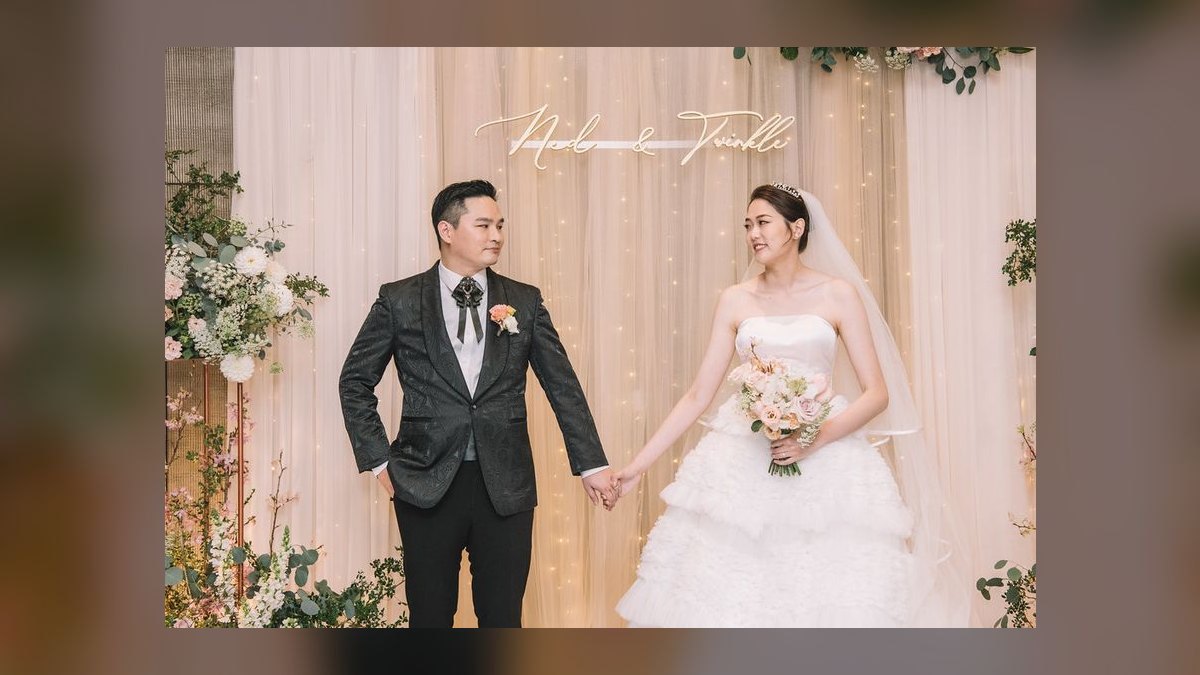
The practical translation is straightforward. For men and anyone dressing in menswear: a matched suit in a dark or muted color, a collared dress shirt, a tie in most cases, and leather dress shoes. For women and anyone dressing in womenswear: a dress that ends somewhere between just above the knee and mid-calf, or a jumpsuit, or a skirt-and-top combination in a dressy fabric, with a heel, a dressy flat, or a low block heel, plus a small bag.
What has shifted by 2027 is not the boundary but the interpretation inside it. Couples increasingly write the dress code as a phrase rather than a term — "cocktail attire, garden party," "cocktail, jewel tones encouraged," "cocktail attire, no black" — and those modifiers are instructions, not decoration. A couple who writes "cocktail, festive" is asking you to add color. A couple who writes "cocktail attire, black tie optional for those who wish" is signaling that a meaningful share of the room will be in tuxedos and long dresses, and a plain gray suit will read as underdressed even though it is technically compliant.

The second 2027 shift is separates. A tailored blazer with contrasting trousers, or a silk skirt with a structured top, now reads as fully cocktail-appropriate at most weddings — a loosening that was already well underway and is now common enough to be unremarkable. The constraint that survives is *fabric and finish*. A blazer-and-trouser combination in worsted wool with a crisp shirt is cocktail. The same silhouette in cotton twill with a knit polo is not. Formality in this code is carried by material and tailoring at least as much as by the shape of the garment.
Two other things matter and are easy to miss. First, cocktail attire is time-sensitive in practice: a 2 p.m. garden ceremony and an 8 p.m. hotel ballroom reception share the same words on the invitation but not the same expectation. Lighter colors and lighter fabrics for the earlier event; deeper colors, richer textures, and more jewelry for the later one. Second, the couple's own formality sets the ceiling. If the wedding party is in tuxedos and the venue is a historic ballroom, guests should sit at the top of the cocktail range. If the ceremony is on a lawn and the couple is in linen, sit at the bottom.
Anchor terms worth keeping straight, because guests conflate them constantly: Cocktail describes the formality level; Wedding describes the occasion, which is more formal than the same code at a corporate event; Attire is the full assembled look including shoes and accessories, not just the main garment; and what you Wear is judged as a complete outfit, which is why a beautiful dress with beach sandals fails and a modest suit with excellent shoes succeeds.
Building the outfit step by step
Working in a fixed order prevents the most common failure, which is buying a striking main piece and then discovering nothing you own works with it. The sequence below moves from constraints to choices, so every later decision is made against information you already have.

Step one — read the full invitation and the wedding website. Note the dress code phrase verbatim, the ceremony start time, the venue name, and whether the ceremony and reception are in the same place. Search the venue name for photos. A venue with grass, gravel, or cobblestone changes your shoe decision before you have picked anything else. If the couple has posted a color palette or asked guests to avoid a specific color, that is a hard constraint.
Step two — check the weather pattern for that date and location, not the forecast. You are usually shopping four to eight weeks out, which is well beyond forecast range. Look up historical average highs and lows for that week. An outdoor October reception in a place that drops to the low 50s after sunset requires a plan for layers; an August afternoon in a humid climate requires unlined construction and breathable fabric, not a full-canvassed winter-weight suit.
Step three — choose the anchor garment. This is the suit, the dress, or the jumpsuit. Choose color first — dark neutrals are safest, jewel tones are the most common way to add personality within the code — then silhouette, then fabric appropriate to season. Avoid white, ivory, cream, and champagne entirely; avoid solid red at some traditional weddings if you are unsure of the family's customs; and treat all-black as safe at an evening urban wedding but flat at an afternoon garden one.
Step four — solve shoes against the venue, not against the outfit. This ordering is deliberate and it is where the most avoidable misery originates. Grass, sand, gravel, deck boards, and antique wood floors all punish thin heels. Block heels, wedges, low heels, and dressy flats are all fully cocktail-compliant. For menswear, leather-soled shoes are elegant and treacherous on wet grass; a rubber or leather-rubber composite sole is the practical choice for outdoor venues.
Step five — layer for temperature swings. Outdoor evening events lose heat fast after sunset. A tailored blazer, a fine-knit cardigan, a pashmina, or a structured coat in a neutral tone all work. Bulky puffers and casual jackets do not. Consider that you may be photographed in whatever you are wearing at 9 p.m., not only at 4 p.m.
Step six — accessorize to a defined limit. Pick one focal point. If the earrings are large, keep the necklace small or skip it. If the tie is patterned, keep the pocket square plain. A watch, a small bag, and one piece of statement jewelry is a complete accessory load for most cocktail looks.
Step seven — fit and finish. This is the step that separates a good outfit from an expensive-looking one, and it is covered in detail further down.
The order matters more than any individual choice. Guests who pick shoes last end up with a beautiful outfit they cannot walk in, and guests who pick the anchor garment before checking the venue end up with a heavy velvet dress at a July garden ceremony.
What it costs and how long it takes
Budget ranges vary enormously by market and by whether you already own the foundation pieces, but the structure of the spend is predictable, and knowing the structure helps you decide where to put money.

The entry tier — roughly $150 to $350 assembled. This is achievable through department store house brands, well-known mid-market retailers, and rental. A separates-based suit — jacket and trousers bought individually to fit — plus a shirt and a tie lands in this range. A synthetic-blend or polyester-crepe dress with a decent hand, plus a simple shoe, lands here too. The visible compromise is fabric drape and lining quality, both of which are much less noticeable once a garment is hemmed correctly.
The mid tier — roughly $400 to $900 assembled. Wool suiting with real fabric weight, a dress in silk blend or a substantial crepe, and leather shoes that will survive several weddings. This is the tier where a purchase becomes an investment rather than an expense, because a navy or charcoal suit and a well-cut dark dress will each serve at five to ten future events.
The upper tier — $1,000 and above. Full-canvassed suiting, made-to-measure, designer dresses, and high-end footwear. Justifiable if you attend many formal events; unnecessary for a single wedding.
Rental deserves specific mention. Suit and tuxedo rental is well established and inexpensive relative to purchase. Dress rental services have matured into a genuinely mainstream option, and for a single wearing of a statement piece the economics are usually favorable — you pay a fraction of retail and return it. The trade-off is fit: rentals arrive in standard sizes and rental terms typically prohibit alterations, so order two sizes when the service allows it and build in return time.
Alterations are the highest-return line item in the entire budget. Hemming trousers, shortening sleeves, taking in a jacket waist, and taking in a dress at the side seams are all inexpensive relative to the garment and transform how it reads. A moderately priced suit that fits precisely looks better in photographs than an expensive suit that does not.
Timelines, working backward from the wedding date:
- Six to eight weeks out: decide the anchor garment and order it if buying online, so there is time to exchange sizes.
- Three to four weeks out: first tailor appointment. Most alterations shops want one to two weeks of turnaround, and wedding season — roughly May through October — pushes that longer.
- Two weeks out: fitting confirmation, plus a full dress rehearsal at home. Put the entire outfit on, including shoes and undergarments, and walk around the house for twenty minutes. This surfaces every problem while there is still time to fix it.
- One week out: break in new shoes indoors for a few hours across several days.
- Two to three days out: dry clean or steam. Do not dry clean the day before; garments occasionally come back late or damaged, and you want recovery time.
- Night before: lay everything out, including the small emergency items — a stain pen, blister bandages, a couple of safety pins, a lint roller.
A useful comparison from an adjacent world: event and hospitality planners treat guest-facing logistics with the same backward-planning discipline, because the cost of a late failure is enormous relative to the cost of an early check. The same logic applies to a wedding outfit. The revenue a bridal retailer or tailoring shop earns in peak season is concentrated into a few months, which is precisely why turnaround times stretch and why booking early is not just prudent but necessary. Shops are capacity-constrained in exactly the weeks you need them.
Where guests get it wrong
The failure modes are consistent and almost all of them are avoidable with a single check.
Treating cocktail as a synonym for black tie. A tuxedo at a cocktail wedding is conspicuous in the wrong way. It reads as either not having read the invitation or having decided the couple's stated preference was optional. The correct upgrade path within cocktail is a darker suit in a richer fabric, not a change of category.
Treating cocktail as a synonym for "nice casual." The other direction is more common and more damaging. Chinos with a blazer, a dress shirt without a tie at a formal evening reception, a sundress, a knit dress that would pass at brunch — all of these under-hit. When in doubt, the safe error is slightly over.
Wearing white, ivory, or anything adjacent. This remains a live rule. Champagne, cream, blush that photographs as white, and heavily white-dominant prints all belong in the same avoid bucket. The only exception is when the couple has explicitly invited guests to wear white, which some do.
Ignoring the ground you will stand on. Stiletto heels in grass is the classic example, but gravel driveways, deck boards with gaps, and cobblestone courtyards all cause the same problem. Guests spend the cocktail hour standing still because moving is unpleasant. Block heels and wedges solve this entirely and cost nothing in formality.
Skipping the tailor. An unhemmed trouser puddling over the shoe, a jacket sleeve covering the hand, and a dress that gaps at the bust are the three most visible signals of an outfit that was bought rather than assembled. All three are cheap fixes.
Overloading accessories. Statement earrings plus a statement necklace plus a cocktail ring plus an embellished bag compete with each other and with the garment. One focal point, everything else supporting.
Dressing for the ceremony and forgetting the reception. A great many weddings run six to eight hours across a ceremony, a cocktail hour, dinner, and dancing. Shoes that are fine for ninety minutes are not fine for six. Bringing a foldable flat is now common and entirely acceptable after dinner.
Forgetting religious or cultural venue requirements. Some houses of worship expect covered shoulders, covered knees, or a head covering. This is not a style question, it is a respect question, and it is answerable with one message to the couple or a check of the venue's guest information page.
Wearing something new and untested. New shoes cause blisters. A dress that fits standing may not fit sitting. Fabric that seemed fine in a store may show sweat. The home rehearsal at the two-week mark catches all of it.
Misreading a destination or beach wedding. These often relax the code — a linen blazer without a tie, a flowing midi dress, dressy sandals — but only when the couple has signaled it. "Cocktail attire" at a beach resort still means a jacket unless the invitation says otherwise.
Choosing between the options
Once the constraints are gathered, the decision itself is fast. The choices that actually vary are: which anchor garment, which color family, which fabric weight, and which shoe. Everything else follows.
Anchor garment. Suit versus dress versus jumpsuit versus separates is a personal-comfort question first. There is no formality penalty for a well-cut jumpsuit or for tailored separates at a 2027 cocktail wedding. Choose the silhouette you will be comfortable sitting, eating, and dancing in for six hours, then make it formal through fabric and fit.
Color. Navy and charcoal are the two universal menswear answers and they are universal for a reason — they photograph well, work in every season, and never read as a statement. Beyond those, deep green, burgundy, and mid-brown all work in autumn and winter; lighter grays, tans, and soft blues work for daytime spring and summer. In womenswear, jewel tones — emerald, sapphire, ruby, amethyst — are the most reliable way to look intentional rather than default. Black is safe in the evening and in cities, slightly severe for a daytime garden wedding.
Fabric weight by season. Tropical-weight wool, wool-linen blends, cotton-silk, chiffon, and lightweight crepe for spring and summer. Standard-weight worsted wool, flannel, velvet, brocade, jacquard, and heavier satin for autumn and winter. The single most common comfort failure is a winter-weight garment at a summer outdoor wedding; the second most common is a summer-weight one at a chilly evening event with no layer.
Shoes. Leather oxfords and derbies for the most formal end of menswear; loafers, including suede, for the middle; polished Chelsea boots for autumn and winter evenings. Never sneakers. In womenswear, a pointed pump for indoor formality, a block heel or wedge for outdoors and long events, a dressy metallic or embellished flat when comfort dominates. Match belt to shoe leather color in menswear; it is a small detail that people register without knowing why.
When to deliberately size up in formality. If the wedding party will be in tuxedos, if the venue is a historic hotel or private club, if the ceremony starts after 6 p.m., or if the invitation itself uses ornate language and heavy paper — all of these point toward the upper edge of the cocktail range. When to size down. Daytime, outdoors, a farm or winery or backyard venue, and a couple who wrote the dress code casually all point toward the lower edge.
Adapting the look across ages and body types
Cocktail attire is one of the few dress codes that genuinely flexes across decades of age without changing category, and the adjustments are about proportion and quality rather than rules.
Twenties and early thirties. This is where trend-forward choices are lowest-risk. Slimmer suit cuts, unexpected colors, asymmetric hemlines, and bolder accessories all land well. Budget is usually the binding constraint, which makes rental and separates-based suiting the smart plays. A single well-hemmed navy suit or one excellent dark dress covers a decade of weddings.
Thirties and forties. Classic silhouettes and better fabric become the value proposition. A sheath or fit-and-flare dress, a two-button suit in real wool, and shoes that have been resoled once rather than replaced three times. This is the tier where made-to-measure starts to pay off if you attend several formal events a year.
Fifties and beyond. Comfort and craftsmanship dominate without any loss of elegance. Three-piece suiting, sleeves rather than strapless, fabrics with body that skim rather than cling, and heels in the one-to-two-inch range. Accessories with weight and history — cufflinks, a brooch, pearls — do more work here than anything trend-driven.
Across all ages, fit rules are constant. Jacket shoulder seams should sit at the edge of the shoulder without pulling or overhanging. Sleeves should end at the wrist bone, showing a quarter to half an inch of shirt cuff. Trousers should have a slight break at the shoe. A dress should skim without pulling at the bust, hips, or seat, and the hem should sit where it flatters — for most people, just above or just below the knee, or at mid-calf for a midi.
Adjacent scenario worth planning for. If you are in the wedding party rather than a guest, the couple's instructions override everything in this guide. If you are attending several weddings in one season — increasingly common as couples cluster dates — build a small rotation rather than buying a new outfit each time. One dark suit with three different shirt-and-tie combinations reads as three different outfits in photographs. Two versatile dresses with different accessories do the same work. The economics favor this heavily: three rentals frequently cost more than one good purchase.
Related questions
Can I wear a jumpsuit to a cocktail-attire wedding?
Yes. A tailored jumpsuit in crepe, silk, or a structured woven fabric is fully cocktail-appropriate and has been for years. Pair it with a heel and a small clutch. Avoid casual fabrics like jersey or anything with a relaxed, loungewear cut.
Do men have to wear a tie?
At most cocktail weddings, yes — a tie is the default and the safer choice. You can skip it at daytime outdoor or beach weddings where the couple has signaled a relaxed tone, but pair the open collar with a well-fitted jacket so the look still reads intentional.
Is black acceptable at a wedding now?
Yes, at evening and urban weddings black is entirely standard and often the most elegant option. It reads slightly severe at a daytime garden ceremony, where a jewel tone or a mid-neutral photographs better. The only firm color rule remains avoiding white.
What if the invitation says "cocktail attire, festive"?
That is an explicit request for color or pattern. Move away from plain navy and charcoal toward jewel tones, a patterned tie or pocket square, a bold dress color, or a statement accessory. The formality level does not change — only the palette.
Can I wear a suit if I usually wear dresses, or vice versa?
Yes. Cocktail attire is defined by formality, not by garment gender. A well-tailored suit, a dress, a jumpsuit, and tailored separates all satisfy the code equally. Choose based on comfort and fit, and make the look formal through fabric quality and tailoring.
FAQ
What is the difference between cocktail attire and semi-formal?
They overlap heavily and many invitations use them interchangeably. Semi-formal traditionally leans slightly more conservative — a dark suit, a longer or more restrained dress — while cocktail allows more color, more personality, and shorter hemlines. If you dress for cocktail, you will be appropriate at a semi-formal wedding and vice versa. The practical answer for both is a dark suit or a knee-to-midi dress.
Are open-toe shoes acceptable?
Yes. Open-toe pumps, dressy sandals, and strappy heels are all standard cocktail footwear, particularly in warm months. The distinction that matters is dressiness, not toe coverage — an elegant strappy sandal is appropriate, a flip-flop or a casual slide is not. For winter weddings, closed-toe styles in satin, velvet, or leather look more seasonally coherent.
How short can a dress be?
Just above the knee is the conventional short end, and mid-calf or a midi length is the long end. Floor-length is not forbidden but pushes toward black-tie territory and can read as overdressed at a genuinely cocktail-level event. Mini lengths that would work at a night out are usually too short for a wedding, particularly for a church ceremony.
Can I wear a patterned or printed outfit?
Yes, with two constraints. Keep the print in scale with the setting — florals, subtle geometrics, and small-scale checks all work — and keep everything else quiet so the pattern is the single focal point. Avoid prints that are predominantly white, and avoid anything with a beachwear or novelty character.
What should I do about outerwear if the reception is outdoors in cold weather?
Layer with something tailored rather than something warm-first. A structured wool coat in a neutral, a cashmere wrap or pashmina, a fine-knit cardigan, or a velvet blazer all work. Many outdoor venues heat their tented spaces, so the layer often only needs to survive the walk between spaces. Check the coat rather than wearing a puffer through the ceremony.
Is it acceptable to rent instead of buying?
Entirely. Suit and dress rental are both mainstream and the fit standards have improved substantially. Order early, order more than one size if the service permits it, and confirm the return window covers the wedding date. The main caution is that rental terms generally prohibit alterations, so the garment has to fit off the rack — which makes ordering two sizes and returning one the standard approach.
Sources
- https://www.brides.com/ — wedding guest dress code guidance and attire breakdowns
- https://www.theknot.com/ — invitation wording, dress code definitions, and guest etiquette
- https://www.vogue.com/ — seasonal formalwear trends and editorial styling
- https://www.gq.com/ — menswear suiting, fit, and formal dress code guides
- https://www.harpersbazaar.com/ — womenswear cocktail and evening dressing
- https://emilypost.com/ — traditional and contemporary event etiquette
- https://www.marthastewart.com/ — wedding planning and guest attire guidance
- https://www.realsimple.com/ — practical dressing, fabric care, and packing guidance
Related on PULSE
- What to Wear as a Groomsman to a Destination Wedding in 2027
- What to Wear as a Officiant to a Backyard Wedding in 2027
- What to Wear as a Maid of Honor to a Courthouse Wedding in 2027
- What to Wear to a Winter Country Club Wedding in 2027
- What to Wear to a Summer Church Wedding in 2027
- What to Wear as a Officiant to a Destination Wedding in 2027
This page will be disappearing soon. Save it to your device for $1 — or read it free while it is here.
@Kory-White- · if Venmo asks, the last 4 of my number are 2012
This page is gone.
This one is off the shelf now. $1 keeps it on your phone for good — the whole page, pictures and diagrams included.
 pulse-styleWhat to Wear to a Second-Round Finance Job Interview in 2027
 pulse-styleHow to Wear Cream with a Turtleneck in 2027
 pulse-styleHow to Style a Pleated Skirt for a Job Interview in 2027
 pulse-styleWhat to Wear to Yoga Class in 2027
 pulse-styleHow to Style Loafers for a Holiday Party in 2027
 pulse-styleWhat to Wear to a Karaoke Night in 2027
 pulse-styleHow to Style a Maxi Dress for a First Date in 2027
 pulse-styleWhat to Wear to a Tech Startup Interview in 2027
 pulse-styleHow to Wear Sage Green in Winter in 2027
 pulse-styleWhat to Wear to a Summer Garden Wedding in 2027