

What to Wear to a Memorial Service in 2027
 Curated byKory White · Fractional CRO · Maryland
Quality
Certified

Wear subdued, well-fitted clothing in dark neutrals — charcoal, navy, or black — with modest coverage and matte fabrics. Men: dark suit or blazer with a solid shirt. Women: knee-length or midi dress, skirt suit, or tailored separates. Closed-toe shoes, minimal jewelry, almost no fragrance. Comfort matters; you may stand for hours.
The Tuesday email that starts the scramble
Most people do not plan for a memorial service. A message lands on a Tuesday evening — a colleague's father, an aunt you saw twice a year, the founder of the company you joined in your twenties — and the service is Saturday at eleven. You have four days, a closet organized around work and weekends, and no clear sense of whether this is a black-suit event or a "wear something he'd have laughed at" event. The scramble is real, and it produces the two failure modes that show up in every crowded chapel: the person visibly overdressed in funeral-formal black at a casual celebration of life, and the person in weekend clothes at a service where everyone else is in tailoring.
Work backward from three facts and the decision resolves quickly. First, the venue. A church, synagogue, or funeral home chapel implies traditional formality; a community hall, brewery back room, park pavilion, or someone's backyard implies a step down. Second, the wording of the invitation. "Memorial service" typically means the body is not present and the event is more reflective than a funeral — often held weeks or months after the death, which is exactly why it drifts more casual than a funeral does. "Celebration of life" is an explicit signal that the family wants less black and more color. "Private interment, public reception to follow" means you may need to move between a graveside and an indoor room, with different footwear demands in each. Third, your relationship to the family. Pallbearers, readers, and immediate family dress up a full notch; a coworker attending out of respect sits comfortably in the middle.
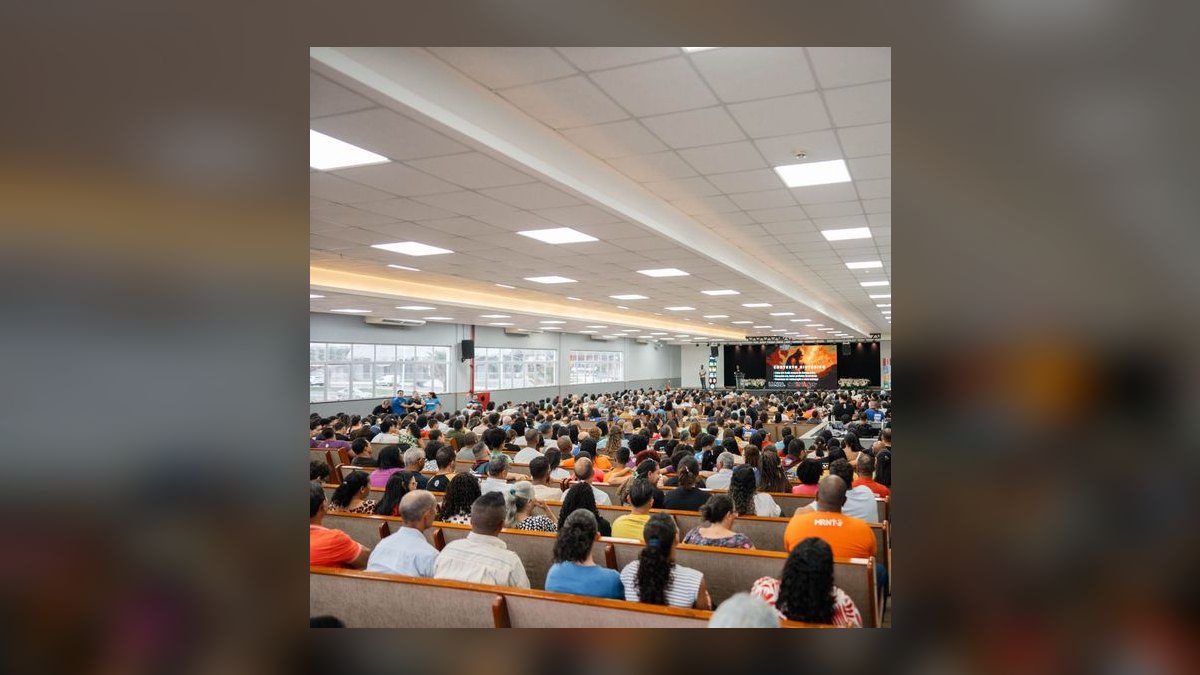
Consider a concrete case. A regional sales manager learns that a long-time customer's founder has died. The service is at a Presbyterian church at ten on a Friday, followed by a reception in the fellowship hall, and roughly two hundred people are expected, including a dozen vendors who have worked that account for years. The manager's instinct is to treat it as a business event, but that framing is subtly wrong — the room is not a client meeting, and anything that reads as sales presence will land badly. The right read is the church, the hour, and the crowd. A charcoal suit, a white or pale grey shirt, a solid dark tie, black lace-ups, no branded lapel pin, no company-logo outerwear, phone silenced and left in a pocket. The outfit disappears; the person remains. That is the whole objective.
The same logic scales to the awkward middle cases. An outdoor scattering of ashes on a beach in August calls for a dark linen shirt, dark chinos, and shoes you can actually walk in sand with — a wool suit there is not more respectful, it is more conspicuous, which is the opposite of the goal. A Sunday afternoon service at a Legion hall for a veteran might see full military dress on some attendees and pressed khakis on others; a navy blazer over a white shirt sits correctly between them. When the signals genuinely conflict, dress one small step more formal than your best guess and bring a layer you can remove. A jacket you can take off is a dial. A dress that is too short is not.

One practical note on timing: because memorial services are often scheduled weeks after the death, you usually have more lead time than a funeral allows. Use it. Try the outfit on, check that the trousers still fit, confirm the shoes are not scuffed past saving, and get anything wrinkled pressed. The failure most people report afterward is not choosing the wrong color — it is discovering at 9 a.m. that the one dark jacket they own has a stain on the sleeve.
How the dress code actually gets decided
There is no committee setting memorial dress codes, but the decision is not arbitrary either. It flows through a fairly predictable chain: the family's stated wishes, filtered through the venue's own conventions, filtered through regional and religious norms, filtered through weather, and finally through your role at the service. Each filter can override the one before it, which is why blanket rules like "always wear black" fail so often.
Start with the family's wishes, because they trump everything else. If the obituary or the invitation says "the family requests bright colors" or "please wear Steelers gear," that instruction is the dress code, full stop — and honoring it matters more than your own comfort with formality. If you cannot bring yourself to wear a jersey, wear the team's color in a subdued form: a dark shirt in the right shade rather than a costume.

Absent explicit instruction, the venue does most of the work. Houses of worship carry their own standing expectations — covered shoulders and knees in most, a head covering in some, removed shoes in others. Funeral homes default to dark business attire. Secular venues — event spaces, restaurants, parks — sit a notch down and tolerate blazer-and-trousers or a simple dark dress without a jacket.
Religious and cultural tradition is the filter people most often miss. In Jewish services, men are typically expected to cover their heads; a kippah is usually available at the door if you do not have one, and shoulders and knees stay covered for women. Catholic and Orthodox services skew traditional and dark. In several East Asian traditions, white is the mourning color rather than black, and a family may specify it — a white or ivory blouse with a dark skirt threads both conventions when you genuinely cannot tell. Some services request no leather. The reliable move, and the one that actually reads as respectful, is to ask a family member or close friend directly: "Is there anything I should know about how to dress?" That question has never offended anyone.
Weather and terrain are the last practical filter and the most underrated. A graveside portion means grass, possibly mud, and thin heels sinking. An outdoor summer service means fabric weight matters more than color. A winter service means a dark overcoat that will be seen in every photograph, so it should be as considered as the suit under it.
Read the chart as a series of overrides rather than a scoring system. The family's request beats the venue. The venue beats your personal style. Religious norms beat convenience. Weather beats aesthetics — nobody has ever been criticized for wearing sensible shoes to a cemetery, and plenty of people have spent a burial trying not to sink.
Specific pieces, price ranges, and what actually holds up
Concrete guidance is more useful than adjectives, so here are the pieces that work, with honest ranges. Prices below reflect typical mainstream retail in the U.S. and vary by sale timing, region, and whether you are buying new.
The dark suit. For men and anyone dressing in menswear, one charcoal or navy suit in a mid-weight wool covers memorials, weddings, interviews, and court dates for a decade. Entry-level department-store suiting runs roughly $250–$450; solid mid-tier wool suiting from mall-and-mainstream brands lands around $500–$900; a made-to-measure or better ready-to-wear suit starts near $1,000 and climbs from there. Charcoal is the more versatile buy than black — black suits read either as formalwear or as service-industry uniform depending on cut, while charcoal is unimpeachable everywhere. Budget another $40–$120 for tailoring, which matters more than the price of the suit itself. Sleeve length and trouser hem are the two alterations that separate "wearing a suit" from "wearing his father's suit."
The alternative to a suit. A charcoal or navy blazer plus dark trousers costs less and works for the majority of non-church memorials. Blazers run roughly $150–$400 in wool or wool blend; dark flat-front trousers $60–$180. The rule is that the two pieces should not be near-matching — either clearly the same suit or clearly different tones, never almost-the-same, which reads as a mismatched suit.

Dresses and separates. A knee-length or midi sheath in crepe, ponte, or a wool blend is the single most useful garment for this occasion: roughly $80–$250 at mainstream retail, more for better fabric. Long sleeves or three-quarter sleeves eliminate the coverage question entirely; sleeveless works with a jacket or cardigan over it. A skirt suit or trouser suit in navy or charcoal covers the most traditional services. Tailored jumpsuits in dark solids are widely accepted now and are genuinely more comfortable for a long service than a fitted dress.
Shirts and blouses. White, ivory, pale grey, and pale blue are the safe field. Cotton poplin or broadcloth around $40–$100; silk or silk-blend blouses $80–$200. Avoid sheer fabrics, which almost always require a camisole you did not plan for.
Ties. Optional at most memorials now, expected at traditional religious services and when you are family or speaking. Solid navy, charcoal, or black in a matte silk or wool; $30–$120. Skip novelty patterns and anything with a sheen. Knit ties are acceptable at less formal services.
Shoes. This is where the money is best spent, because you may stand for two hours and walk on grass. Leather oxfords, derbies, or loafers in black or dark brown: roughly $120–$350 for shoes that will last, less for occasional-wear pairs. For women's footwear, a block heel under two inches, a pointed flat, or a low leather boot in the $80–$250 range. Whatever you choose, it must already be broken in. A memorial service is the worst possible venue for a shoe's debut.

Outerwear. In cold months the coat is half the outfit because you will be photographed in it and may keep it on graveside. A dark wool or wool-blend overcoat runs about $150–$500. A dark trench works in shoulder seasons. A puffer in matte black is acceptable at casual outdoor services and out of place at a church.
Rough total. Assembling a complete respectful outfit from nothing costs somewhere in the $300–$500 range at the budget end, $700–$1,200 at the mid-tier, and beyond that you are buying longevity rather than appropriateness. Nobody at the service can tell the difference between a $400 suit that fits and a $2,000 suit that fits. They can tell the difference between a suit that fits and one that does not.
Timing benchmarks. Same-day tailoring is rare; plan on three to seven business days for standard alterations and pay a rush fee if you are inside that. Dry cleaning typically runs two to four days. If the service is in seventy-two hours and nothing fits, buying off-the-rack in a size that fits your shoulders and having only the trouser hem done is the fastest viable path — shoulders cannot be easily altered, everything else can.

One note for anyone attending in a professional capacity: if you are going because of a business relationship, absorb the cost of the outfit personally rather than routing it through an expense line. It is a small amount of money, and there is no expense category where "funeral clothing charged against account revenue" reads well to anyone who later reviews it.
Where the trade-offs actually bite
Every choice here is a trade-off between three things: formality, comfort, and blending in. You cannot always maximize all three, and knowing which to sacrifice is most of the skill.
Formal versus comfortable. A structured wool suit reads perfectly and becomes punishing in an eighty-five-degree outdoor service. The resolution is fabric, not formality: unlined or half-lined jackets, tropical-weight wool, dark linen blends, and breathable shirting get you the same silhouette at a fraction of the heat load. Dark linen wrinkles, and at a summer memorial that is fine — everyone's does.
Black versus charcoal versus navy. Black is the most traditional and the most likely to be right at a religious funeral service. It is also the most likely to feel severe at a celebration of life, and in bright outdoor light it can look harsh in photographs. Charcoal is the best single-choice compromise. Navy is warmer and works especially well at daytime services and in warmer regions. If you own exactly one option, own charcoal.
Buying versus borrowing versus renting. If you attend one service every few years, borrowing a jacket from someone your size is entirely reasonable and nobody will know. Renting is common for weddings and available for suits generally, but the turnaround is often too slow for a short-notice service and the fit is compromised. Buying makes sense the moment you expect two or more of these events in a couple of years — and past a certain age, you should expect that.
Comfort footwear versus traditional footwear. All-black leather sneakers have become genuinely acceptable at casual celebrations of life and remain out of place at a church funeral. If mobility, medical needs, or terrain make traditional shoes impractical, choose the most understated comfortable option available — solid black, no visible branding, no contrast sole — and stop worrying about it. Nobody's grief is affected by your arch support.
Standing out versus expressing connection. Occasionally the right answer is not to blend in. A veteran's service where attendees wear their own service pins, a musician's memorial where the family asked for band shirts, a service where everyone wears the deceased's signature color — participating fully is the respectful act, and hedging into safe dark neutrals reads as holding yourself apart.

The chart's last split is the one worth internalizing. Default to disappearing. Deviate only when the family explicitly invited it.
The mistakes that actually get noticed
Very few people are judged for their clothing at a memorial. The mistakes that do register share a common trait: they pull attention toward the wearer at an event whose entire purpose is to point attention elsewhere.
Fragrance. This is the most common and least discussed error. Chapels and funeral home rooms are small, poorly ventilated, and packed with people who have been crying. A strong scent in that room is genuinely unpleasant for others and can trigger headaches and asthma. One light spray hours earlier, or nothing at all, is correct.
Noise. Jangling bracelets, heels that click hard on stone floors, a stiff nylon jacket that rustles every time you move, a bag with a loud clasp. Sound carries in quiet rooms far more than clothing does. Check your outfit by moving in it, not by looking at it.

Phones. Not clothing, but adjacent and worth stating: silent, not vibrate — vibrate on a wooden pew is audible three rows back. If you are expecting a call you truly cannot miss, sit near an aisle at the back.
Underdressing by default. The single most common regret is arriving in weekend clothes at a service that turned out to be traditional. Overdressing is nearly invisible; underdressing is not. When genuinely uncertain, wear the jacket.
Overcorrecting into costume. Veils, full mourning black head to toe, or theatrical formality at a casual service is its own kind of attention-seeking. Restraint runs in both directions.
Neglecting the details. Scuffed shoes, a wrinkled collar, a coat that has been in the trunk since March, visible pet hair on dark fabric. These are the things people actually notice, and all of them are fixable with twenty minutes and a lint roller. Dark fabric shows hair and dust more than anything else in your closet — roll the jacket before you leave and keep a roller in the car.
Forgetting the reception. Many memorials have a second act — a lunch, a reception, sometimes hours of standing and talking. Dress for the whole day. That means shoes you can stand in, a layer you can adjust as rooms warm up, and pockets or a small bag for tissues, which you will need or someone near you will.
Bringing work into the room. If you are attending because of a professional connection, leave the business signals at home. No branded outerwear, no name badge, no company pin, no laptop bag, and no conversation about accounts, contracts, or renewal timing. People do sometimes discuss business at these events; let them raise it, and keep your answers short. The relationship you are protecting is served far better by your presence than by anything you could say about revenue.
Assuming the dress code from the deceased's own style. A famously casual person may still have a traditional family running a traditional service. Dress for the family and the venue, not for who the person was — unless the family has told you otherwise.
Related questions
What should I wear to a celebration of life instead of a funeral?
A celebration of life is explicitly less formal. Smart casual in muted colors works: dark trousers or a simple dress, a blazer or cardigan, clean closed-toe shoes. If the family requested bright colors or a theme, follow it — participating is the point of that kind of service.
Is it disrespectful to wear jeans to a memorial service?
Usually, yes, unless the family requested casual attire or the service is outdoors and informal. If jeans are the only option, choose dark indigo or black with no rips or fading and pair them with a blazer or structured top and leather shoes.
What do I wear if I have to go straight from work?
Keep a dark jacket and a solid tie or scarf at the office. Swap out anything branded, remove your badge, change into leather shoes if you commute in sneakers, and take off any lanyard. That combination converts most business attire into acceptable memorial attire in five minutes.
Do children need to wear formal clothes to a memorial?
No. Neat and subdued is enough: dark trousers with a plain collared shirt or polo, or a simple dark dress or leggings with a tunic and cardigan. Skip ties on small children and choose shoes they can sit still in. Comfort prevents disruption, which is the actual goal.
What should I wear to a virtual or livestreamed memorial?
Dress from the waist up as you would in person — a dark shirt or blouse, a jacket if the service is traditional. Choose a plain background, mute yourself on entry, and avoid busy patterns, which distort on video compression.
FAQ
Do I have to wear black to a memorial service in 2027?
No. Black remains the most traditional choice and is never wrong at a formal religious service, but charcoal, navy, and deep grey are equally acceptable at nearly every memorial today. What matters is that the color is dark, solid, and matte. Where families have requested color — increasingly common at celebrations of life — following that request is more respectful than defaulting to black.
Can I wear a sleeveless dress?
Yes, with a layer over it. A sleeveless sheath under a blazer, cardigan, or wrap is appropriate almost anywhere. Bare shoulders on their own are inappropriate in most houses of worship and read as too casual at traditional services. Keep the layer on during the service itself; you can adjust at the reception if the room is warm.
What if I genuinely cannot afford new clothes for the service?
Wear the darkest, neatest, best-fitting clothing you already own, and press it. Nobody in that room is auditing labels, and your attendance is what the family will remember. Borrowing a jacket, buying a single dark blazer secondhand, or wearing a plain dark shirt with dark trousers all read as entirely respectful.
Are open-toe shoes or sandals acceptable?
Closed-toe is the safer default at any indoor or traditional service. At a beach scattering or an informal outdoor memorial in summer, a simple dark sandal is fine. Avoid flip-flops, anything athletic, and anything with visible branding regardless of the setting.
How does the service format change what I should wear?
Considerably. A graveside portion means uneven ground and grass, so thin heels are a problem and weather-appropriate outerwear is necessary. An indoor chapel service means a jacket is expected regardless of the temperature outside. A reception afterward means hours of standing, so break in your shoes beforehand and choose layers you can adjust.
Should I bring anything besides my outfit?
Tissues, a phone on silent, and a small dark bag or jacket pocket to hold both. A folded dark umbrella if rain is possible, and a lint roller left in the car for dark fabric. If there is an outdoor portion in cold weather, dark gloves and a plain scarf. Nothing else is necessary.
Sources
- https://emilypost.com/advice — Emily Post Institute guidance on funeral and memorial etiquette, including attire.
- https://www.funerals.org/ — Funeral Consumers Alliance, consumer-focused guidance on funeral and memorial planning and customs.
- https://www.nfda.org/ — National Funeral Directors Association, industry information on service formats and trends.
- https://www.gq.com/ — GQ, menswear guidance on suiting, fit, and formal dress.
- https://www.vogue.com/ — Vogue, coverage of dressing for formal and somber occasions.
- https://www.nytimes.com/ — The New York Times, reporting on evolving funeral and memorial customs.
- https://www.myjewishlearning.com/article/jewish-funerals/ — My Jewish Learning, overview of Jewish funeral and mourning customs including dress expectations.
- https://www.usccb.org/prayer-and-worship/bereavement-and-funerals — United States Conference of Catholic Bishops, guidance on Catholic funeral liturgy.
- https://www.realsimple.com/ — Real Simple, practical guidance on dressing for formal life events.
Related on PULSE
This page will be disappearing soon. Save it to your device for $1 — or read it free while it is here.
@Kory-White- · if Venmo asks, the last 4 of my number are 2012
This page is gone.
This one is off the shelf now. $1 keeps it on your phone for good — the whole page, pictures and diagrams included.
 pulse-styleHow to Style Combat Boots for a Graduation in 2027
 pulse-styleHow to Wear Cream in Summer in 2027
 pulse-styleWhat to Wear to a Work Awards Gala in 2027
 pulse-styleTop 10 Affordable Work Dress Brands in 2027
 pulse-styleHow to Wear Forest Green in Summer in 2027
 pulse-styleHow to Style Loafers for a Holiday Party in 2027
 pulse-styleWhat to Wear to a Concert in 2027
 pulse-styleHow to Style a Knit Vest for a Theater Show in 2027
 pulse-styleWhat to Wear to a Real Estate Job Interview in 2027
 pulse-styleHow to Style Wide-Leg Pants in Spring in 2027