

What to Wear to a Dinner Date in 2027
 Curated byKory White · Fractional CRO · Maryland
Quality
Certified
For a dinner date in 2027, wear one deliberate standout piece against a warm neutral base: a soft unstructured blazer or slub-silk top, tailored trousers or a midi slip, and comfortable leather shoes. Match the venue's formality first, fabric second, trend last. Intentional simplicity reads as confidence far better than a head-to-toe styled look.
The two wardrobe strategies people actually choose between
Almost every dinner-date outfit decision collapses into two competing strategies, and naming them makes the choice much easier than scrolling a feed for forty minutes.
Strategy A — the Capsule Rotation. You own five to eight high-quality core pieces in a single coordinated palette and recombine them. A soft charcoal-slate blazer, cream linen-cotton button-down or silk camisole, warm-beige pleated trousers, a chestnut midi slip, dark espresso leather shoes, and a matte leather belt or small crossbody. Those pieces yield roughly fifteen to twenty distinct combinations before anyone notices repetition, because the eye registers silhouette and color pairing, not individual garments. The capsule approach front-loads spend — you're buying fewer things at higher unit cost — and back-loads convenience. Getting dressed becomes a two-minute decision rather than a thirty-minute one.
Strategy B — the Occasion Buy. You assemble each outfit around the specific venue and evening, buying or borrowing what the night calls for. This produces better venue-fit on any single night: the omakase counter gets tailoring, the natural-wine bar gets a suede trucker jacket, the rooftop gets linen. It also produces a closet full of one-use garments, higher cumulative spend over a year of regular dating, and a decision cost paid fresh every single time.
The honest trade-off: Strategy A wins on cost-per-wear, speed, and consistency but risks looking identical in photos across a three-month dating stretch. Strategy B wins on precision fit-to-occasion and novelty but bleeds money and time. Most people who date more than twice a month land on a hybrid — a capsule spine plus one or two occasion pieces per season — and that hybrid is what this page ultimately recommends.
A third option deserves mention because it has grown substantially: rental and resale. Subscription rental services and peer-to-peer resale platforms let you run Strategy B economics on Strategy A budgets, especially for the pieces you'd wear least often — a formal gown, a statement coat, a tuxedo-adjacent suit. The catch is lead time. Rental requires ordering days in advance, which works for a planned anniversary dinner and fails completely for a Thursday-night "want to grab dinner?" text.
How to decide between them
The decision tree below is the one to run before you open your closet. It takes about ninety seconds and eliminates the most common failure mode, which is choosing an outfit you love in the mirror that is wrong for the room you're walking into.
Start with venue, because venue is the only genuinely non-negotiable input. Everything else — weather, comfort, personal style — modifies a choice the venue has already constrained. A structured wool suit at a taco counter reads as poor judgment. Clean sneakers at a tasting-menu restaurant read the same way in the other direction. Neither is a style failure; both are a reading-the-room failure.
Second input is frequency. If this is your first date with this person, or your first date in months, the occasion-buy instinct is strong and often correct — the novelty is worth the spend once. If you're eight dates in and eating out weekly, capsule economics dominate hard, and every additional occasion buy is money that would have been better spent upgrading a core piece.
Third input is lead time. Under twelve hours, you're wearing what you own. Two to five days opens rental and tailoring. More than a week opens purchase with returns still viable.
Two guardrails on this tree. First, when the venue signal is genuinely ambiguous — and plenty of 2027 restaurants deliberately blur casual and formal — default one notch dressier. You can remove a jacket, roll a sleeve, untuck a shirt. You cannot conjure tailoring at the table. Second, the "one standout element" node at the bottom is a hard stop, not a suggestion. Two standout pieces compete; three read as a costume.
Concrete numbers behind each option
Cost-per-wear is the only metric that makes these strategies comparable, and it is easy to compute: purchase price divided by realistic wear count over the garment's life.
Capsule math. A well-made unstructured blazer in the $250–$450 range, worn twice a month across three years, lands around $3–$6 per wear. Tailored trousers at $90–$180 worn weekly for two years fall under $2 per wear. A quality leather loafer or oxford at $150–$300, resoled once, comfortably clears 200 wears and drops below $2. A silk or silk-blend slip dress at $150–$350 is the outlier — it's venue-limited, so it might see 15–25 wears, landing at $8–$15 each. Total capsule build-out for a dinner-date-capable wardrobe runs roughly $800–$1,600 depending on brand tier, and it amortizes over three to five years.
Occasion-buy math. A single outfit assembled for one specific night — new top, new shoes, maybe a bag — realistically runs $200–$500. If it sees three wears before it feels stale or the season turns, you're at $65–$165 per wear. Across a year of dating twice monthly, if even a third of those nights trigger a purchase, you've spent $1,600–$4,000 to end up with a closet of near-duplicates. That is the failure mode.
Rental math. Subscription models generally price in the $70–$150/month band for a rotating set of items, and one-off rentals of a formal piece typically run 10–20% of retail. Rental beats purchase on cost-per-wear only for garments you'd wear fewer than about four times — the formal gown, the statement outerwear, the once-a-year tuxedo. For anything you'd wear monthly, ownership wins within the first year.
Where the money actually matters. Spend concentrates unevenly, and the return is not linear. Shoes and outerwear justify the top of your budget: they're the most visible, the most structurally engineered, and the most punishing when cheap. Knitwear justifies mid-tier spend, because fiber quality determines whether it pills after four washes or holds shape for years. Basic tees, tanks, and simple bottoms return almost nothing above the mid-range — a $40 linen-cotton shirt and a $200 one look nearly identical under restaurant lighting.
Sizing and alteration numbers. Tailoring is the highest-return spend in the entire wardrobe. Hemming trousers typically runs $15–$30. Taking in a blazer's waist or shortening sleeves runs $30–$80. A $150 blazer with $60 of alterations outperforms a $400 blazer off the rack in almost every case, because fit is the variable people actually perceive. Budget roughly 15–25% of a tailored garment's price for alterations and treat it as non-optional.
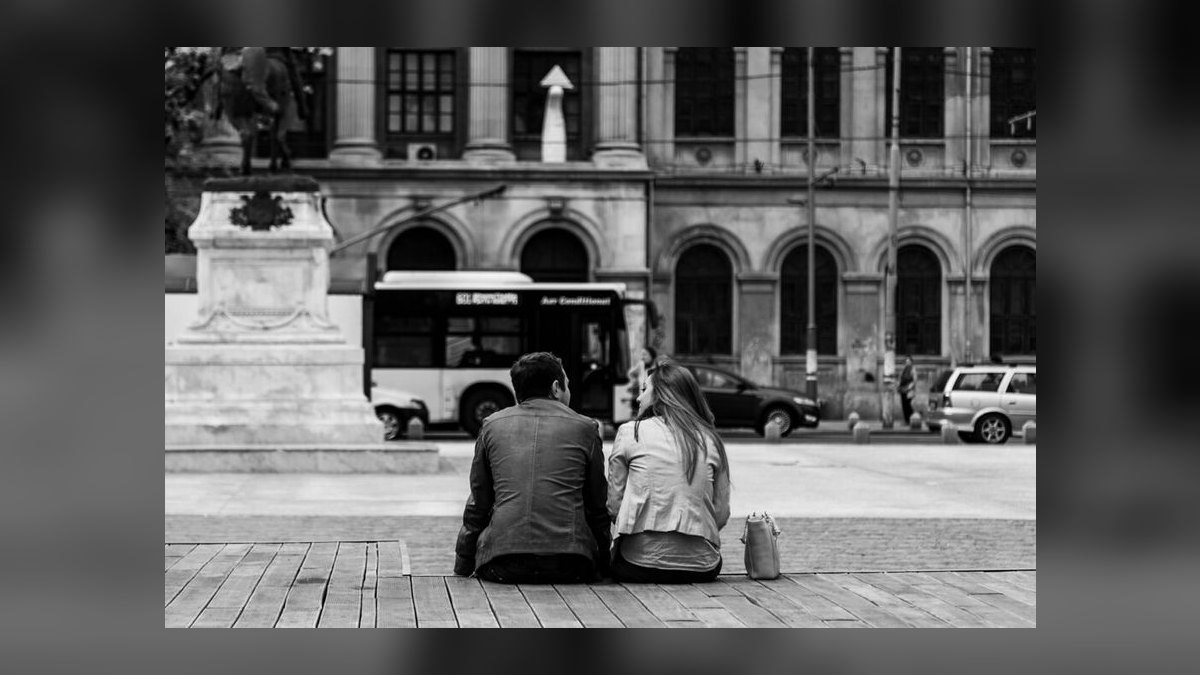
Comfort thresholds. Practical constraint most people underweight: a dinner date involves walking to the table, standing at a bar, possibly a post-dinner walk. Heels above roughly 3 inches become a limiting factor past about a mile of cumulative walking. Block heels and platforms distribute load better than stilettos at equivalent height. New leather shoes need three to four short break-in wears before an evening out — wearing them fresh out of the box is the single most reliable way to end a good night early.
Adapting the same wardrobe across venues and adjacent occasions
The strongest argument for the capsule strategy is that a dinner-date wardrobe is nearly identical to a business-dinner wardrobe, a client-dinner wardrobe, and a low-key wedding-guest wardrobe. Those neighboring use-cases share the same underlying constraint set — indoor evening lighting, seated for two-plus hours, a formality band between "smart casual" and "cocktail" — so pieces cross over almost perfectly.
Casual neighborhood bistro. Exposed brick, open kitchen, chalkboard menu. Lean relaxed: a structured knit cardigan in oatmeal or heather grey over a ribbed tank or fine-gauge crewneck, pleated trousers in a drapey cotton-linen blend, and either clean white leather sneakers or unlined loafers worn without socks. Accessories stay near-invisible: a vegetable-tanned crossbody in cognac or olive, nothing more.
Mid-range modern restaurant. Dim lighting, velvet banquettes, a cocktail list with house infusions. This is where the standout element earns its keep. A brushed-wool bomber or suede trucker in muted rust or forest green over a charcoal merino turtleneck, dark-wash straight jeans, Chelsea boots. Or a satin midi skirt in emerald, burgundy, or midnight blue with a fine-knit cashmere crewneck tucked at the waist, block-heeled mules, and one sculptural clutch. Jewelry caps at two pieces.

High-end tasting menu. White linen, stated dress code, four-figure wine list. Full tailoring, but soft: a matching suit in linen-cotton or brushed wool with a silk or modal tee instead of a dress shirt, polished oxfords or derbies in dark calfskin. Or a silk slip in a rich shade — aubergine, champagne — layered under a cropped cardigan or contrast-texture blazer, with a block heel and a small top-handle bag. The target register is "I belong here," never "I tried hard."
Adjacent occasions the same pieces cover. A work-adjacent dinner where the conversation touches revenue targets and quarterly numbers needs the polished lane minus the standout piece — swap the statement bag for something plain, the jewel tone for a neutral, and the outfit reads professional instead of romantic. A rooftop bar in summer needs the casual lane plus a layer, because rooftops run ten to fifteen degrees cooler after sunset than the forecast suggests. A gallery opening before dinner tolerates one more degree of experimentation than the restaurant does.
The venue-research step. Before any date at an unfamiliar restaurant, spend ninety seconds on the venue's own photos — its website gallery or social feed. Look at what the seated diners in the background are wearing, not what the food styling suggests. If the walls are raw concrete and the seating is metal, go casual. If the lighting is warm and the tables are dressed in linen, go polished. This single check prevents more outfit mistakes than any styling rule.

The 2027 palette, fabrics, and what to actively avoid
The prevailing palette has moved decisively away from the cool, stark minimalism of the early 2020s toward warmer, earthier, more tactile territory. Working within that range is the fastest way to look current without chasing anything.
Core neutrals to build on. Warm beige (roughly #C4A882) functions as the new base for trousers, blazers, and knits. Chestnut (#6B4E3A) replaces black in a surprising number of outfits — leather goods, suede shoes, structured tops. Charcoal slate (#2F3E46) is the softer alternative to true black for trousers and fine-gauge knits, adding depth without harshness. Cream (#D4C4B7) reads more luxurious than pure white, which can feel clinical in intimate lighting. Dark espresso (#3E2723) is the default for footwear and belts.
Accent colors. Terracotta (#8B5E3C) works as a muted earthy red in a top, scarf, or bag, pairing especially well with warm beige. Sage green (#4A6B5A) bridges neutral and statement territory in a knit, blazer, or dress. Deep jewel tones — emerald, burgundy, midnight — carry the polished lane well under dim light.
Fabrics that perform. Slub silk has a slightly irregular weave that catches light without shine, ideal for blouses and slip dresses. Brushed wool adds a soft, fuzzy surface with visual interest, good for blazers and cardigans. Linen-cotton blends breathe well and wrinkle in a way that reads intentional rather than sloppy. Fine-gauge ribbed knits add structure to crewnecks and turtlenecks. Suede is worth one piece per outfit, no more — a jacket, loafers, or a small bag in chestnut, olive, or navy. Matte vegetable-tanned leather ages better than any coated finish.

Active avoids. Neon and high-saturation brights read casual and fight dim restaurant lighting. Polyester and high-shine synthetics look noticeably cheap under warm low light — the same fabric that photographs fine in daylight goes plasticky at a candlelit table. Heavily distressed denim with rips and whiskering reads too casual for most dinner venues. Large visible logos undercut the whole premise; a small discreet emblem is the ceiling. And starched, stiff formality — the rigid dress shirt, the heavy structured suit — now reads dated against the soft-tailoring standard.
The five-step coordination formula. Pick one neutral base. Add one secondary neutral. Introduce one accent color in a smaller piece. Keep footwear and belt in the same tonal family. If you're wearing a pattern — subtle houndstooth, micro-check — keep everything else solid and within the same family. Follow those five and the outfit will read cohesive even if you assembled it in four minutes.
Implementation details and sequencing
Building the wardrobe in the right order matters more than the total budget, because early purchases constrain later ones. Buy the accent piece first and you'll spend the next six months buying neutrals to make it work.
Phase one — the anchor neutrals. Trousers and shoes, in that order. Trousers because they're worn in every combination and determine the palette everything else must coordinate with. Shoes because they're the hardest to fake and the most expensive to get wrong. Both should be in the anchor neutral you'll build on: charcoal slate or warm beige for trousers, dark espresso or chestnut for shoes.
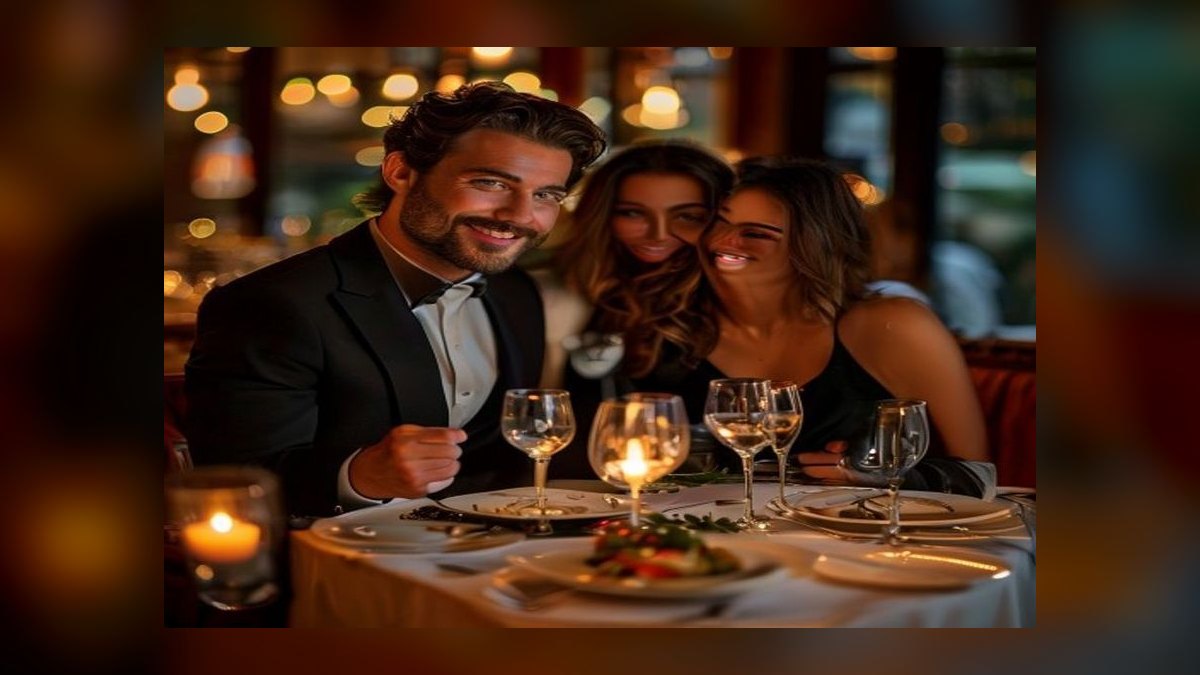
Phase two — the layer. One soft unstructured blazer or structured cardigan in a coordinating neutral. This piece converts every casual combination into a polished one, which is why it delivers the highest versatility-per-dollar in the entire capsule.
Phase three — the tops. Three to four, split between fine-gauge knit and woven. Vary the neckline, not the color — a crewneck, a turtleneck, a button-down or camisole, all within the same tonal family, produce visibly different outfits with zero coordination risk.
Phase four — the standout. Only now do you buy the accent: the terracotta top, the satin midi, the suede trucker, the sculptural bag. By this point you know exactly what it needs to coordinate with, so the hit rate is far higher.

Phase five — alterations. Take everything tailored to the same alterations shop at once. A single visit with four garments costs less in time and often less in money than four separate trips, and one tailor working across the whole set produces more consistent fit.
The fit check that matters. Try everything on seated as well as standing. A dinner date is a seated event for two hours or more. Trousers that fit standing can pull badly at the thigh when seated; a blazer that looks clean upright can gape at the button. Sit down in the fitting room, cross your legs, reach forward as if for a glass. If anything strains or rides, it fails regardless of how it looks in the mirror.
Maintenance sequencing. Rotate shoes — never wear the same leather pair two days running; the interior needs 24 hours to dry out, and rotation roughly doubles usable life. Steam rather than iron linen and silk. Wash knitwear infrequently and flat-dry it. Condition leather twice a year. Store suede away from direct light. These habits are what convert a $1,200 capsule into a five-year wardrobe rather than an eighteen-month one.
Tracking. Log wears per piece for one season, even loosely. Anything under four wears in a season is either wrong for your life or wrong for your palette — resell it and reinvest in whatever you wore most. This feedback loop is what keeps a capsule from silently becoming a closet.
Related questions
How far in advance should I decide what to wear?
Decide the lane — casual or polished — as soon as the venue is confirmed. Decide the specific outfit the night before, and try it on. Deciding in the final thirty minutes is how people end up in the wrong shoes for a fifteen-minute walk.
Is it better to be overdressed or underdressed?
Slightly overdressed, consistently. You can remove a jacket, roll sleeves, or lose a tie in seconds. There is no reverse operation for arriving underdressed at a place with linen tablecloths, and the discomfort lasts the whole meal.
Do I need different outfits for a first date versus a long-term partner?
First dates justify one notch more formality — a blazer or a slip dress signals effort, and effort is the actual signal being read. With a long-term partner, comfort and personal style matter more; a fine-gauge knit and tailored trousers say the same thing without performing.
What single upgrade improves an existing wardrobe most?
Tailoring. Take three garments you already own to an alterations shop for $60–$150 total. Correct fit changes perception more than any new purchase at that price point, and it works on clothes you already like enough to keep.
How do I handle a venue with no stated dress code?
Check the restaurant's own photos for what seated diners are wearing, then default one notch dressier than what you see. Ambiguous venues in 2027 skew toward smart casual, so soft tailoring with a relaxed shoe clears nearly all of them.
FAQ
What is the most versatile dinner-date outfit for 2027?
A cream linen-cotton button-down or silk camisole with tailored trousers in charcoal slate or navy, finished with unlined leather loafers and a matte leather belt. It works in the casual lane as-is and moves into the polished lane the moment you add a soft unstructured blazer. That single swap covers roughly eighty percent of venues.
Can I wear sneakers on a dinner date?
At a casual or mid-range venue, yes — provided they're clean, minimalist, and in leather or dark suede rather than mesh. Dark neutrals only, no visible athletic branding, no performance running silhouettes. At a tasting-menu restaurant with a stated dress code, no; the shoe is the first thing that gets read at that formality level.
Are jeans acceptable for a dinner date?
Dark-wash, well-fitted, undistressed denim in a straight or slim-straight cut works for casual and most mid-range venues, especially paired with a blazer, structured knit, or silk top to lift the register. Rips, heavy whiskering, and light washes drop the outfit a full formality notch and rarely belong at dinner.
What colors should I avoid?
Neon and high-saturation brights, high-shine synthetics of any color, and washed-out pastels that read faded rather than soft. Head-to-toe pure black is fine when it's clearly deliberate and the textures vary, but flat and unintentional it can look severe under warm restaurant lighting.
How much should I actually spend building this?
A dinner-date-capable capsule realistically runs $800–$1,600 built over several months, amortizing across three to five years. Concentrate spend on shoes, outerwear, and knitwear; save on basic tees and simple bottoms where the quality difference is invisible under evening light. Reserve 15–25% of any tailored garment's price for alterations.
Should I match my outfit to my date's?
Coordinate the formality level, never the colors or the pieces. A quick text confirming the venue and general vibe handles it, and it avoids the mismatch where one person arrives in a suit and the other in sneakers. Matching outfits outright reads as costume; matching formality reads as consideration.
Sources
- https://www.vogue.com — runway coverage, seasonal color and fabric reporting, and evening-wear styling guides
- https://www.gq.com — men's tailoring, footwear, and date-night dress guidance
- https://www.harpersbazaar.com — women's evening and occasion dressing, accessories coverage
- https://www.businessoffashion.com — industry analysis of trend cycles, resale, and rental economics
- https://www.nytimes.com/section/style — reporting on dress codes, etiquette, and dining culture
- https://www.wsj.com/lifestyle/fashion — coverage of shifting workplace and social dress norms
- https://www.esquire.com — practical style guides on suiting, knitwear, and smart-casual dressing
- https://www.whowhatwear.com — trend breakdowns and outfit-formula content
- https://www.thecut.com — cultural reporting on style, dating, and self-presentation
Related on PULSE
This page will be disappearing soon. Save it to your device for $1 — or read it free while it is here.
@Kory-White- · if Venmo asks, the last 4 of my number are 2012
This page is gone.
This one is off the shelf now. $1 keeps it on your phone for good — the whole page, pictures and diagrams included.
 pulse-styleWhat to Wear to a Parent-Teacher Conference in 2027
 pulse-styleHow to Wear Olive Green in Summer in 2027
 pulse-styleHow to Wear Cream with a Turtleneck in 2027
 pulse-styleWhat to Wear to a Summer Garden Wedding in 2027
 pulse-styleWhat to Wear to March Madness Watch Party in 2027
 pulse-styleHow to Style White Sneakers for a Theater Show in 2027
 pulse-styleWhat to Wear to an Outdoor Concert Date in 2027
 pulse-styleWhat to Wear to Yoga Class in 2027
 pulse-styleHow to Style a Pleated Skirt for a Gala in 2027
 pulse-styleHow to Wear Cream in Summer in 2027