

What to Wear to an Anniversary Dinner in 2027
 Curated byKory White · Fractional CRO · Maryland
Quality
Certified
For a 2027 anniversary dinner, dress one notch above the restaurant's norm: refined silhouettes in deep neutrals or muted jewel tones, with soft textures like silk, cashmere, or velvet. Men wear tailored trousers with a knit or jacket; women wear a midi dress or coordinated separates. Coordinate formality with your partner and match the venue.
What an anniversary dinner outfit is actually doing
An anniversary dinner is a strange dress-code hybrid, and that is exactly why people get it wrong. It is not a wedding, where the invitation tells you what to wear. It is not a work dinner, where the safest choice is the least memorable one. It is a private celebration held in a public room, which means your outfit has two audiences with different requirements: your partner, who should register that you made an effort, and the restaurant, whose other guests you should blend into without disappearing.
The practical translation is a rule that holds up almost everywhere: dress one notch above the venue's median guest. If the restaurant's typical Tuesday crowd wears jeans and sneakers, you wear dark denim, leather shoes, and a jacket or a good knit. If the median guest wears a blazer, you wear a suit or a genuinely elevated dress. One notch reads as intentional. Three notches reads as a costume, and it puts a strange distance between you and your partner if they landed on a different rung entirely.
The second thing the outfit is doing is signaling planning. This is the part people underrate. A dinner outfit that clearly took thought — pressed trousers, polished shoes, a fabric that catches candlelight — communicates that the evening was on your calendar as an event, not as a Thursday where you happened to eat out. That signal is doing more relationship work than any single garment. It is why a well-fitted $120 knit beats a poorly fitted $600 blazer nearly every time. Fit and intent are legible from across a table; price tags are not.

Third, and most practically: the outfit has to survive two to three hours of sitting. This distinguishes anniversary dinner dressing from most other occasion dressing. You are not standing at a cocktail party where a stiff waistband is survivable in ten-minute increments. You are seated through appetizers, a main, dessert, and a slow coffee. Anything that pinches at the waist when you sit, rides up when you lean forward, or requires constant adjustment will occupy attention that should be going to the person across from you. Test every candidate outfit seated, not standing in front of a mirror.
There is a broader pattern worth naming here, because it applies to the adjacent occasions people confuse with this one. The dressing logic for a business dinner, a client dinner, or a conference dinner is fundamentally defensive: you dress so that nothing about your clothing enters the conversation, because attention spent on your outfit is attention not spent on the deal. Anniversary dressing inverts that. You *want* one memorable element — the color, the texture, the jewelry — because being noticed by your partner is the point. Same restaurant, same price point, opposite objective. People who dress well for work dinners often underdress for anniversaries precisely because they have trained themselves into invisibility.
Building the outfit step by step
Work in this order. Each decision constrains the next, and doing them out of sequence is how people end up with a great jacket that does not work with the only shoes they own.
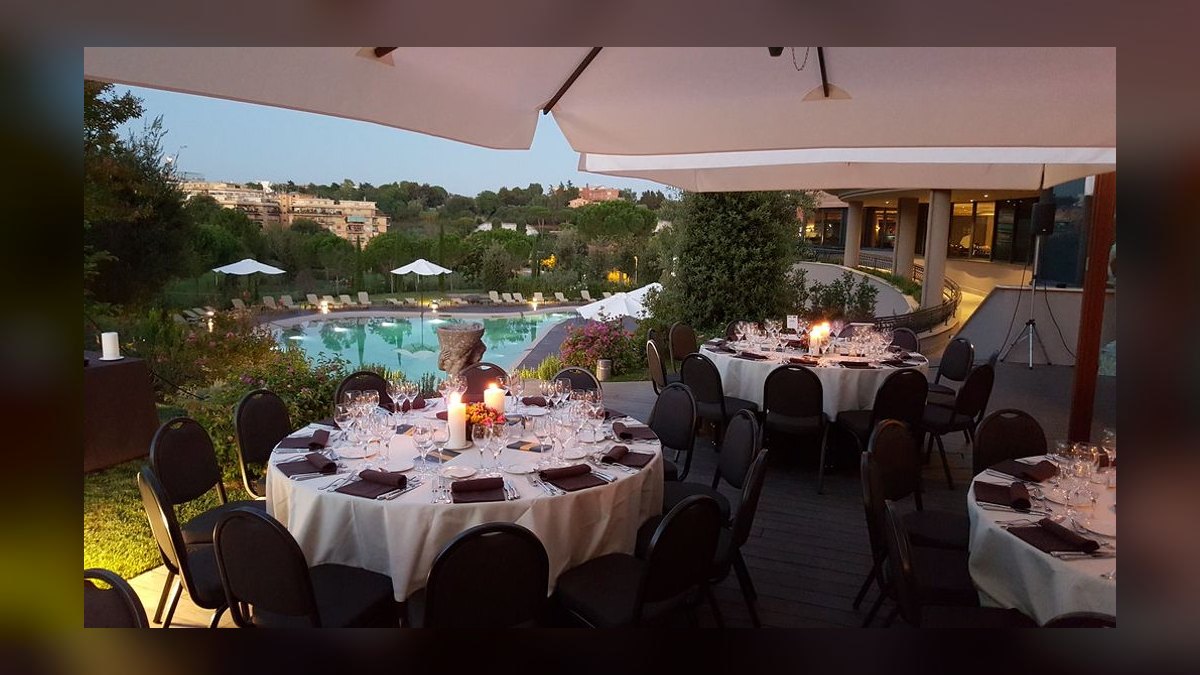
Step one: pin down the venue. Look at the restaurant's own photos on its website — not the professionally shot food, the room shots and the social media tags where actual diners appear. If the restaurant lists a dress code, believe it, but note that "smart casual" in a US city and "smart casual" in London or Milan are not the same instruction. If there is no code and no photo evidence, call and ask what most guests wear. Thirty seconds on the phone eliminates the entire problem.
Step two: check the conditions. Outdoor terrace, rooftop, or patio seating changes everything. A rooftop in October at 55°F needs a real layer, not a decorative one, and heat lamps are unevenly distributed. Indoor dining rooms are frequently over-air-conditioned in summer — a sleeveless dress with no wrap is a two-hour endurance test. Check the forecast for the hour you will be walking, not the daytime high.
Step three: pick the anchor piece. One garment carries the outfit: the dress, the jacket, or the standout knit. Everything else is chosen to support it. Choosing the anchor first prevents the common failure of assembling five interesting pieces that fight each other.

Step four: build the palette around the anchor. Two core colors plus one metal. Deep neutrals — charcoal, navy, olive, camel — are the safest foundations, and muted jewel tones like burgundy, forest green, or plum add warmth without shouting. Add champagne, rose gold, gold, or silver as the accent and keep it consistent across watch, jewelry, buckles, and hardware.
Step five: choose footwear you can walk in. This constrains the outfit far more than people expect, and it should be settled before you commit to the trousers' hem length or the dress's length.
Step six: coordinate with your partner. Not matching — coordinating. Agree on a formality tier before either of you gets dressed.
Step seven: try it on seated, twenty-four hours ahead. This is the step that gets skipped and the step that catches every real problem: the button gap, the ride-up, the shoe that rubs, the jacket that needs a press.
The twenty-four hour buffer in step seven is the whole reason the sequence works. Almost every dinner-outfit disaster is a timing failure rather than a taste failure: the shirt needed pressing, the shoes needed polish, the dress needed a steam, the jacket had a loose button. All of those are fifteen-minute fixes the night before and unsolvable problems forty minutes before the reservation.
What it costs and how long it takes
Budgets for this occasion vary enormously, so it helps to separate what you are actually buying: a one-time outfit for one night, or a wardrobe piece that will handle this dinner plus the next several occasions.
The low-investment path — roughly $0 to $150. Most people already own the outfit. The gap is almost always maintenance rather than acquisition. Dry cleaning a blazer or dress typically runs $15 to $30 per piece. A tailor taking in a waist or shortening a hem is commonly $20 to $60. Shoe resoling or a professional polish runs $10 to $80 depending on the work. A single new piece — a silk-feel camisole, a fine-gauge knit, a decent belt — closes most remaining gaps. Dollar for dollar, tailoring is the highest-return spend in this entire category. A $90 jacket that fits your shoulders looks better than an untailored $500 one, and nothing you can buy fakes correct shoulder fit.
The mid path — roughly $250 to $700 for a full look. This is a new anchor piece plus supporting items from accessible brands. Everlane, Mango, Aritzia, Reformation, Sezane, Madewell, and Banana Republic all sit in a range where a dress or blazer lands somewhere between $80 and $300. Leather shoes at this tier — Cole Haan, Clarks, Rothy's — generally fall between $120 and $250. The advantage here is not the individual garment but the fact that the pieces recombine: a navy blazer, black wide-leg trousers, and a champagne silk shell top yield several distinct looks across a year of occasions.
The investment path — roughly $800 to $2,000 and up. Cashmere, real silk, full-canvas tailoring, and quality leather. Allen Edmonds and Meermin sit around $200 to $400 for well-made men's shoes; Stuart Weitzman and comparable brands land higher for women's heels. This tier makes sense if the pieces will see repeated use across anniversaries, weddings, work dinners, and holidays. It is a poor decision for a single evening.
Timelines, which matter more than the money. Off-the-rack purchase plus basic alterations: allow one to two weeks, because tailors are backed up and a second fitting is common. Dry cleaning: two to five business days standard, with same-day or next-day rush at a premium. Made-to-measure or bespoke tailoring: six to twelve weeks and not a realistic path unless you started well before. Online ordering with a possible return and re-order cycle: two to three weeks to be safe. Same-day is possible if you shop in person and skip alterations, but you are then betting on off-the-rack fit, which is a real gamble in the shoulders and the waist.
The practical rule: decide the outfit two weeks out, fix it one week out, prep it one day out. Fourteen days covers alterations. Seven days covers cleaning. Twenty-four hours covers pressing, polishing, and discovering that the shoes hurt.
One adjacent note worth making, since this is a spending decision. The same reasoning that applies to any recurring revenue or budget line applies to a wardrobe: cost-per-wear is the metric that matters, not sticker price. A $400 blazer worn thirty times over four years is cheaper per outing than a $90 trend piece worn twice and abandoned. When choosing between a versatile anchor and a striking one-off, the versatile piece nearly always wins on that math — and it is available for the next anniversary, the next client dinner, and the next wedding without a second purchase.
Where people get it wrong
Dressing for the outfit instead of the room. The single most common failure. A velvet blazer is spectacular and completely wrong at a casual neighborhood bistro. A linen suit is beautiful and underdressed at a five-star hotel dining room. Match the room first; express yourself within its range.
Formality mismatch between partners. One person in a suit, the other in jeans and a t-shirt. This is entirely preventable with a two-minute conversation and it reliably makes both people uncomfortable — the dressed-up one feels conspicuous, the dressed-down one feels caught out. Agree on a tier explicitly. "Jacket-level" or "nice jeans and a good top" is enough shared vocabulary to solve it.
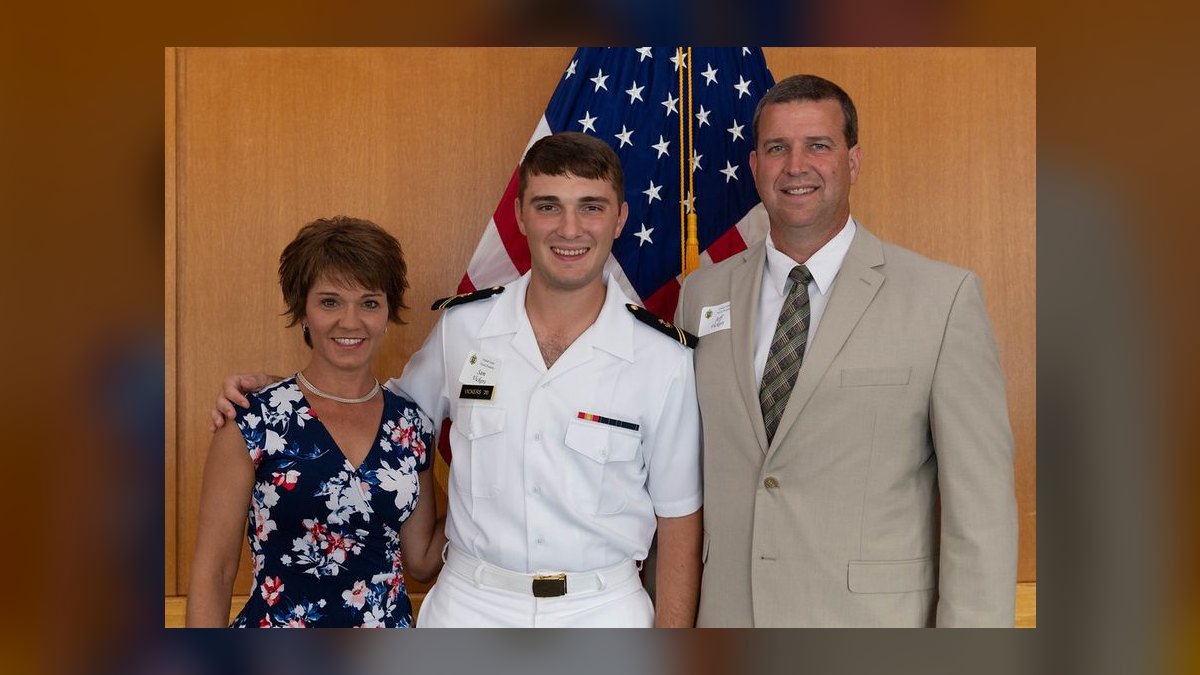
Skipping the seated test. Trousers that fit standing can cut into the waist when seated. Fitted dresses ride up. Jackets that look sharp on a hanger gape at the button when you lean over a plate. Sit, lean forward, reach across an imaginary table, and cross your legs. If anything requires adjustment in that sequence, it will require adjustment forty times over dinner.
Buying new for the occasion and wearing it untested. New shoes and a two-hour dinner with a walk on either side is a genuinely bad combination. Break shoes in for at least two or three short wears first. New garments should be worn once at home for an hour to find the seam that rubs or the neckline that will not stay put.
Over-accessorizing. Pick one focal point: statement earrings, or a bold watch, or a striking bag. Stacking all three creates visual noise, and in a dim restaurant, noise reads as clutter rather than as detail.
Ignoring the lighting. Restaurant lighting is often warm, dim, and low-angle. Fabrics with a subtle sheen — silk, satin, polished leather — pick that light up and look considerably better than they do in a fluorescent fitting room. Matte black can flatten into a silhouette. Very light colors can blow out. If the room is dark, a slight sheen is your ally.
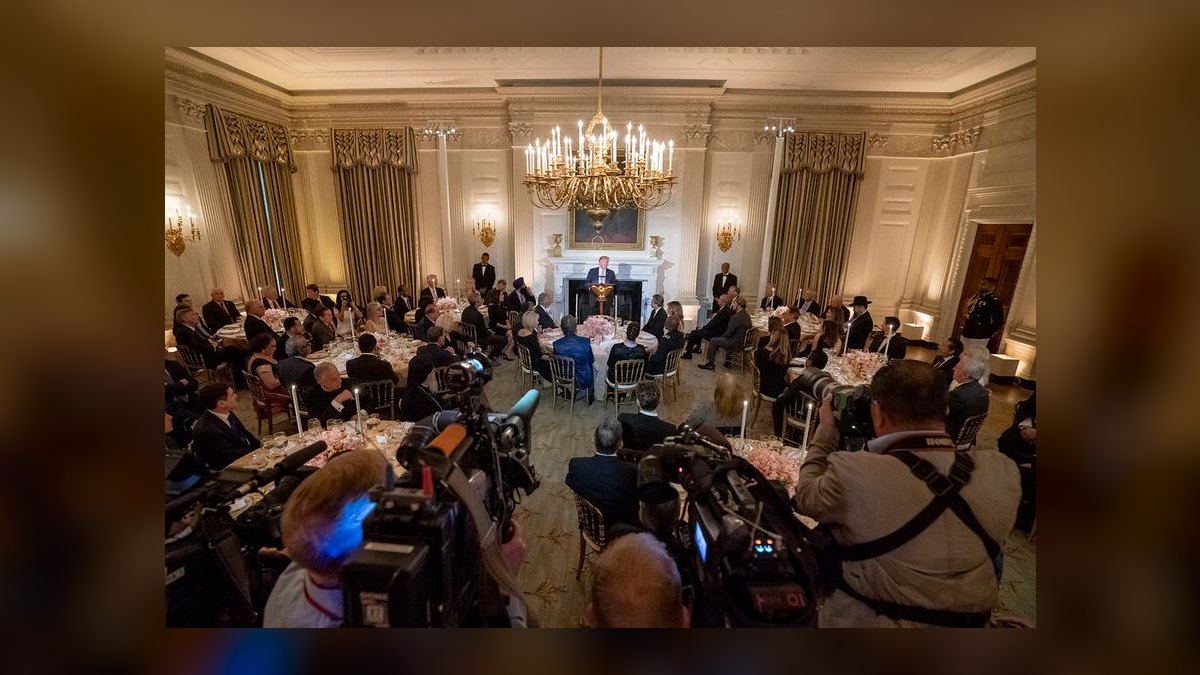
Wearing the work uniform. If you wear a navy suit to the office every day, wearing it to your anniversary tells your partner you did not change gears. Break the pattern with something outside the work rotation — a different color, a knit instead of a dress shirt, a texture you would never wear to a meeting.
Overpowering fragrance. In a small dining room, heavy scent interferes with the food and with the people at the next table. One or two sprays, applied at least thirty minutes ahead, is the limit. This is a real courtesy issue in tasting-menu restaurants in particular, where aroma is part of the intended experience.
Forgetting the coat. In cold months, the coat is the first and last thing your partner sees, and it is often the only thing visible in photos taken outside the restaurant. A great outfit under an old commuting parka is a partially wasted effort.
Choosing a lane: a decision framework
Rather than memorizing rules, run the venue and the conditions through a short decision tree. The outputs are four broad lanes, and each has a defensible version for any age or gender.
Formal lane — fine-dining rooms, tasting menus, hotel dining rooms, anywhere with a stated jacket preference. Men: a suit or a blazer with dress trousers, a shirt or fine-gauge turtleneck, leather oxfords or derbies, a pocket square if it is genuinely your style. Women: a midi or full-length dress, or tailored wide-leg trousers with a silk shell and a structured blazer; heels in the two-to-three inch range or elegant flats.
Elevated-casual lane — the majority of anniversary dinners. Men: dark trousers or clean dark-wash denim with a cashmere or merino knit, an unstructured blazer optional, loafers or Chelsea boots. Women: a slip dress with a cardigan or leather jacket, or a knit top with a satin midi skirt; block heels or pointed flats.
Warm-weather lane — patios, rooftops, summer evenings. Linen and cotton blends, lighter neutrals, a light layer for the temperature drop after sunset. Woven or suede loafers, low block heels, or leather sandals. Skip velvet and heavy wool entirely.
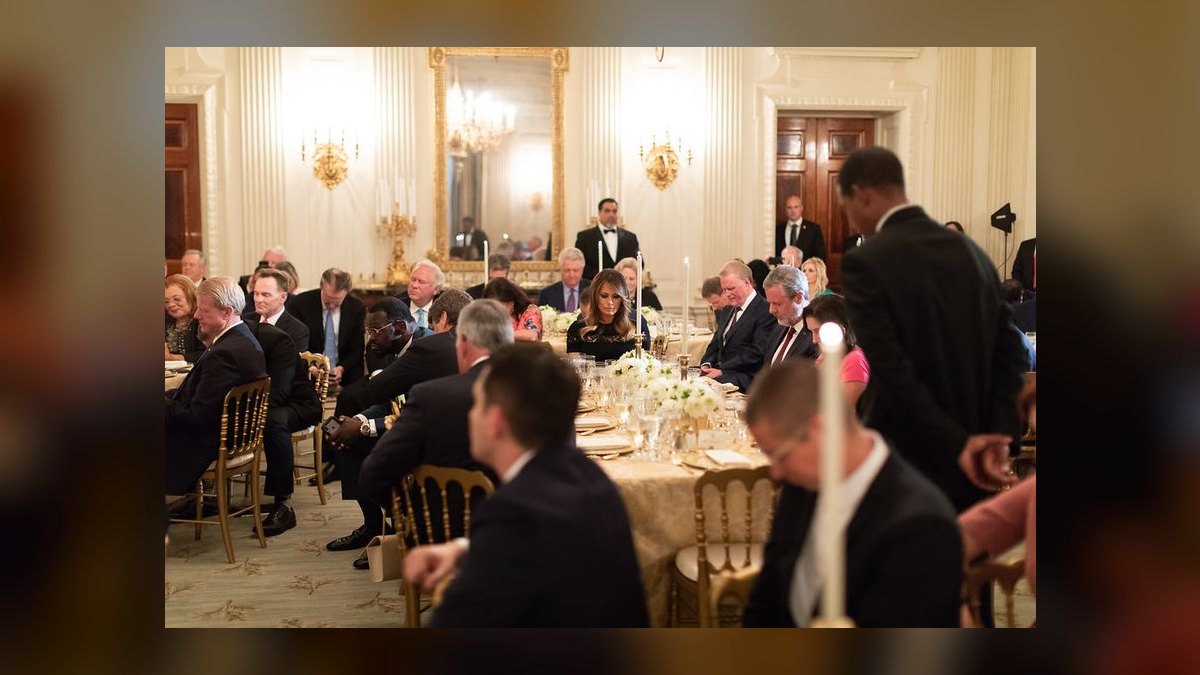
Cold-weather lane — winter dining, transitional months. Cashmere turtlenecks, wool blazers, tweed or corduroy jackets, velvet, satin skirts with opaque tights, ankle boots or Chelsea boots. A proper wool overcoat rather than a technical shell.
How the lanes shift by decade. In your twenties, lean into current silhouettes — a cropped jacket, raw denim, a bias-cut slip dress — and keep the overall register relaxed and modern. Budget goes further here because trend pieces are cheap and the fit standard is more forgiving. In your forties, spend on fabric quality and structure: cashmere, silk, wool, a properly tailored jacket. This is where tailoring pays off most, and where a small, well-chosen rotation outperforms a large closet. In your sixties and beyond, timeless cuts and refined details carry the look — French cuffs, pearl studs, a well-cut A-line midi, kitten-heel slingbacks. Across all three, the constant is intentionality: the outfit should look chosen rather than defaulted into.
Color and fabric, applied. Burgundy and oxblood read as warm and celebratory. Forest green and teal read as grounded. Navy and charcoal are the reliable foundations. Muted jewel tones — amethyst, sapphire, emerald — give richness without loudness, while earthy neutrals like taupe, camel, and slate read expensive in almost any light. Avoid neon and highlighter shades; they are aggressive in an intimate room. On fabric, cap yourself at three distinct textures in one outfit — silk, wool, and leather is a complete look; adding velvet and denim to that makes it chaotic. Layer soft against structured: a silk camisole under a cashmere cardigan, a linen blazer over cotton poplin. Natural fibers — wool, silk, linen, cotton, alpaca, Tencel — breathe better than synthetics through a long seated meal, which matters more than it sounds when a dining room runs warm.
When the lanes overlap with adjacent occasions. The elevated-casual lane is the same lane you would use for a birthday dinner, a milestone celebration, or a nice dinner with friends. The formal lane doubles for a Michelin-star reservation or a wedding rehearsal dinner. What changes between them is not the garment list but the focal accessory and the color temperature: warmer, richer tones for the romantic occasion, cooler and more neutral for the professional one. Building your wardrobe around the lanes rather than around single occasions is how one blazer and two pairs of trousers cover a year of events.
Related questions
How far in advance should I plan the outfit?
Two weeks if alterations are needed, one week if only dry cleaning, twenty-four hours minimum for pressing, polishing, and a seated try-on. New shoes need two or three short break-in wears before the night, or they will hurt by the second course.
Should couples match their outfits?
Coordinate formality, not colors. Agree on a tier — "jacket-level" or "nice jeans and a good top" — so neither person is over- or underdressed. Shared accent tones or complementary neutrals photograph well; identical outfits usually read as costume.
What if I don't know the restaurant's dress code?
Check the restaurant's own room photos and diner-tagged social posts rather than the food shots. If it's still unclear, call and ask what most guests wear. Absent any signal, default to elevated casual — it's the safest position in either direction.
Can I wear the same outfit as last year?
Yes, if it fits and is well maintained. Change one variable — a different shirt, new jewelry, a swapped jacket — so it reads as a fresh look rather than a rerun. Fit changes matter more than novelty; re-try the seated test.
What's the difference between anniversary and business dinner dressing?
Business dinner dressing is defensive: nothing should draw attention to your clothes. Anniversary dressing wants exactly one memorable element — a color, a texture, a piece of jewelry. The venue and price point may be identical; the objective is opposite.
FAQ
Is it okay to wear jeans to an anniversary dinner in 2027?
Yes, in the elevated-casual lane, provided they are dark-wash, unfaded, and free of rips or distressing. Pair them with a silk blouse, a cashmere or merino knit, or a blazer, and finish with leather shoes rather than sneakers. Denim reads as deliberate when everything around it is elevated and as lazy when the rest of the outfit is equally casual. At a fine-dining room with a stated jacket preference, skip denim entirely.
What colors work best for an anniversary dinner?
Deep neutrals — charcoal, navy, olive, camel — are the reliable foundations. Muted jewel tones such as burgundy, plum, forest green, and teal add warmth and read as celebratory without shouting. Metallic accents in champagne, rose gold, gold, or silver signal occasion when kept to one or two pieces. Avoid neon and highlighter shades, which feel aggressive in a dim, intimate dining room.
Can I wear sneakers?
At a genuinely casual venue, minimalist leather sneakers in white or black can work with cropped trousers and a jacket. Dressy leather sneaker hybrids are the safer version of that choice. Athletic running shoes, chunky trainers, and anything brightly colored will undercut the outfit no matter what sits above them. If in doubt, loafers cover the same comfort need with none of the risk.
What should men wear if they don't own a suit jacket?
A fine-gauge cashmere or merino knit — crewneck or turtleneck — with tailored dark trousers and polished leather loafers or Chelsea boots reads as fully dressed without a jacket. A structured knit vest over a poplin shirt is another jacket-free route. The critical variables are fit through the shoulders and chest, and shoes that are clean and polished. A well-fitted sweater outperforms a badly fitted blazer every time.
How dressed up should I get for a casual restaurant?
Aim one notch above the room's median guest, not three. A midi dress with block heels, or a button-down with chinos and a light blazer, hits the mark. Overdressing at a casual bistro creates distance rather than romance, and it makes your partner self-conscious if they calibrated differently. The one-notch rule keeps you visibly intentional without turning the table into a spectacle.
What if the dinner is outdoors or on a rooftop?
Dress for the temperature after sunset, not the daytime high — patios commonly drop ten to fifteen degrees once the sun goes down, and heat lamps warm unevenly. Bring a real layer: a wool wrap, a cardigan, a light overcoat. Choose block heels or flats rather than stilettos, since terraces, decking, and gravel are unkind to thin heels. A crossbody bag keeps your hands free for toasts and photos.
Sources
- https://www.vogue.com/ — seasonal fashion coverage and occasion-dressing guidance
- https://www.gq.com/style — men's tailoring, footwear, and smart-casual dress code advice
- https://www.harpersbazaar.com/fashion/ — evening and special-occasion styling coverage
- https://www.theknot.com/ — event etiquette and attire guidance for milestone celebrations
- https://www.whowhatwear.com/ — contemporary outfit formulas and seasonal trend reporting
- https://www.esquire.com/style/ — men's dress codes and restaurant-appropriate attire
- https://www.thecut.com/ — fashion and personal-style commentary
- https://www.realsimple.com/beauty-fashion — practical wardrobe care, tailoring, and fabric guidance
Related on PULSE
This page will be disappearing soon. Save it to your device for $1 — or read it free while it is here.
@Kory-White- · if Venmo asks, the last 4 of my number are 2012
This page is gone.
This one is off the shelf now. $1 keeps it on your phone for good — the whole page, pictures and diagrams included.
 pulse-styleWhat to Wear to a Work Awards Gala in 2027
 pulse-styleHow to Style Ankle Boots for a Job Interview in 2027
 pulse-styleHow to Wear Terracotta with White Sneakers in 2027
 pulse-styleWhat to Wear to an Outdoor Concert Date in 2027
 pulse-styleHow to Wear Forest Green in Spring in 2027
 pulse-styleWhat to Wear to a Spring Lakeside Wedding in 2027
 pulse-styleWhat to Wear to a Karaoke Night in 2027
 pulse-styleHow to Wear Sage Green in Winter in 2027
 pulse-styleHow to Style a Midi Skirt for a First Date in 2027
 pulse-styleWhat to Wear to a Volunteer Work Day in 2027