

What to Wear to a First Communion in 2027
 Curated byKory White · Fractional CRO · Maryland
Quality
Certified

Wear modest, polished semi-formal attire in soft or neutral tones. Men: navy blazer, dress shirt, chinos or trousers, leather loafers. Women: a midi dress, or skirt and blouse, hemline at or below the knee with shoulders covered. Avoid jeans, sneakers, bare shoulders, loud prints, and anything that outshines the child.
The Saturday morning you actually have to dress for
Picture the real logistics, because they drive the clothes more than any style rule does. The invitation says 10:00 a.m. Mass at a parish church built in 1938. You arrive at 9:35 to get a pew with the extended family. The nave is stone, the heat is off because it's May, and the interior sits around 66°F while the parking lot is already 78°F and climbing. You stand, sit, and kneel for roughly seventy minutes. Then everyone spills onto the front steps for forty minutes of photographs in direct sun. Then a reception — a parish hall, a backyard, or a restaurant private room — that runs from about 12:30 to 3:00.
That is a four-to-five hour day across three distinct microclimates, on hard surfaces, with a camera pointed at you for a meaningful chunk of it. An outfit that only works for one of those three phases fails. The cathedral-cold shawl you needed at 10:15 becomes a liability at 11:20 on the sunlit steps. The stiletto that looked correct in the church aisle sinks two inches into the lawn at the reception. The stark white shirt that photographed clean indoors blows out to a blank rectangle in noon sun.
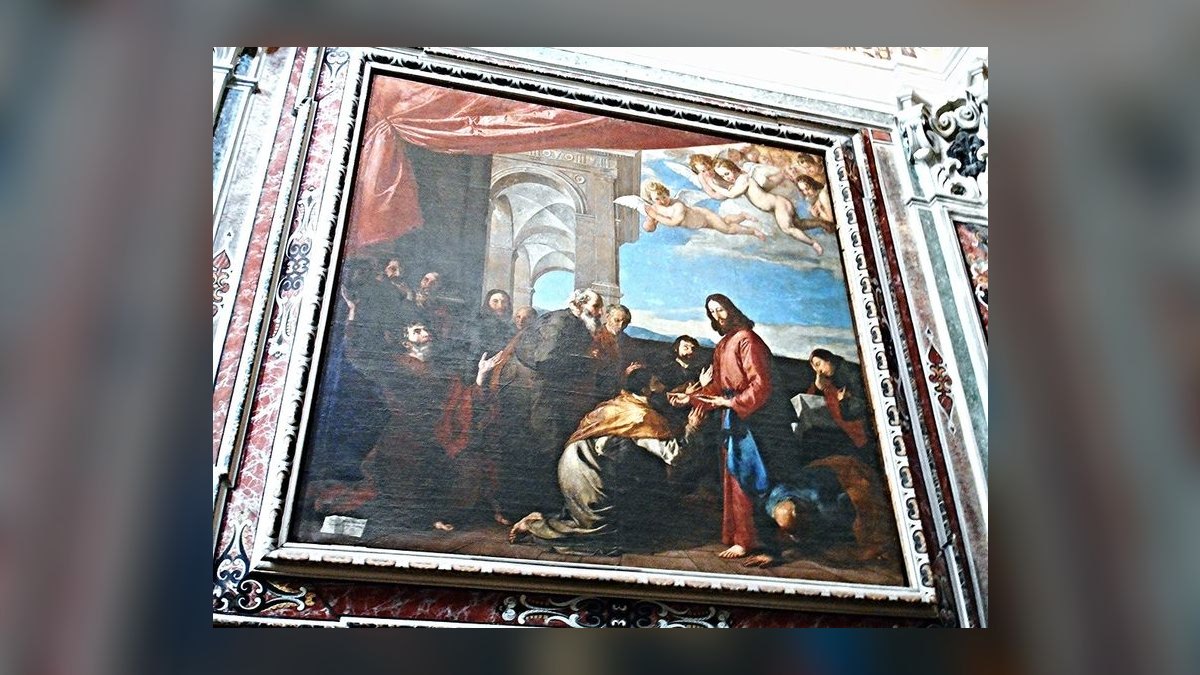
So the working brief is narrower than "dress nicely." You need something that: covers the shoulders and knees for the liturgy, layers off in under five seconds without wrinkling, photographs with texture rather than glare, walks quietly on stone, and survives a plate of food at the reception. Once you frame the day that way, the wardrobe answers itself. A navy or charcoal blazer over a light shirt does all five for men. A midi dress in a matte fabric plus a cardigan or cropped jacket does all five for women. The specific brand matters far less than the fabric weight and the hemline.
One more constraint people forget: you are a supporting character. The communicant is in white, front and center, being photographed by three generations. Guest attire that pulls the eye — sequins, a bold red, an oversized hat, a bright white dress — creates a problem in every group photo for the rest of the family's life. The design goal is to look considered and disappear gracefully into the frame.
How the parish, the season, and the reception set the dress code
The mechanism is simpler than it looks: three inputs stack into one output. The parish sets the floor, the season sets the fabric, and the reception sets the shoes. Get those three right and you cannot really be wrong.
The parish sets the floor. Most Catholic parishes publish sacramental guidelines on their website, and a growing number send a preparation letter to families that includes a line on decorum. Common stipulations: shoulders covered during the liturgy, no shorts, no beachwear, hemlines at or below the knee, hats removed by men inside the church. Some conservative parishes ask that women avoid sleeveless entirely rather than covering with a wrap. A minority ask guests to avoid white so the communicants stand alone. Two minutes on the parish website, or one text to the host family, resolves all of it. If you get no answer, default up: a jacket in hand costs nothing and can come off.
The season sets the fabric. First Communion season in the United States clusters heavily in late April through early June, with scattered fall dates. That window is the single most volatile stretch of the American calendar — a 45°F morning and an 85°F afternoon can happen in the same week in the same city. So you choose fabric for range, not for a forecast: tropical-weight wool, cotton poplin, linen blends, and fine-gauge merino all breathe upward and insulate downward. Heavy flannel and thick polyester only work in one direction.

The reception sets the shoes. Church floor is stone or hardwood — quiet soles matter. Parish hall is linoleum. A backyard is grass, and grass eats thin heels. When you don't know the venue, a block heel or a flat is never wrong, and a leather-soled loafer with a bit of rubber at the heel handles all three.
The order matters. People shop first and check the parish rules last, which is how a sleeveless sheath gets bought on Thursday for a shoulders-covered parish on Sunday. Reverse it: constraints first, then shop within them.
What it actually costs, and the numbers that matter
Real budgets, real ranges. These are what a complete, appropriate guest outfit runs at three tiers, assuming you're buying rather than shopping your closet.

Men, entry tier — roughly $250 to $450 all in. An unstructured navy blazer in a cotton-wool blend runs $150 to $250 at mainstream mall-tier retailers. A white or light blue oxford button-down is $50 to $90. Chinos in stone, khaki, or gray are $60 to $110. Brown leather loafers or derbies land at $100 to $180. Buy the blazer and shoes; the rest you probably own.
Men, mid tier — roughly $600 to $1,100. A half-canvassed sport coat in tropical wool, $350 to $600. A non-iron dress shirt from a shirt specialist, $80 to $130. Flat-front wool trousers, $130 to $220. Cap-toe oxfords from a Goodyear-welted maker, $250 to $450. This tier is worth it only if you attend three-plus dressy events a year — otherwise the entry tier photographs nearly identically.
Women, entry tier — roughly $200 to $400. A midi dress in a matte crepe or cotton poplin, $90 to $180. A cardigan or cropped jacket for shoulder coverage, $60 to $120. Block-heel pumps or leather flats, $80 to $150. A small crossbody or clutch, $40 to $90.

Women, mid tier — roughly $450 to $900. A silk or high-quality viscose midi, $250 to $450. A tailored bolero or shell jacket, $150 to $300. Leather pumps with a 2 to 2.5 inch block heel, $150 to $280.
A few concrete benchmarks worth internalizing:
- Heel height: 2 to 3 inches maximum, block or kitten profile. You are on your feet or kneeling for 60 to 90 minutes, then standing for photos. Anything above three inches on stone is a bad trade.
- Hemline: at or one to two inches below the knee, measured seated. Skirts ride up two to four inches when you sit in a pew. Check it seated, not standing in front of a mirror.
- Sleeve coverage: cap sleeve or longer for the liturgy. If the dress is sleeveless, the wrap is mandatory, not optional.
- Ceremony duration: 60 to 90 minutes typical, longer if multiple classes are receiving in one Mass or if the parish combines Communion with a full Sunday liturgy.
- Temperature delta: plan for 15 to 20 degrees between a stone-nave interior and a sunlit exterior in May.
- Alterations lead time: 7 to 14 days at most tailors during spring, which is peak wedding and prom season. A hem and a sleeve shorten typically runs $20 to $60 combined. Book it the week you get the invitation, not the week of.
On color: cream, ivory, blush, dove gray, navy, charcoal, sage, soft lavender, and dusty blue all read correctly. Bright white is the one to avoid outright — it belongs to the communicant. Black is permitted and common, but it can read funereal in photographs against a room full of pastels; if you wear it, break it with a lighter scarf, a soft blouse, or metallic jewelry.

Trade-offs: buy, rent, tailor, or shop your closet
There is no single right answer here, only a decision that depends on how often you attend events like this and how much time you have before the date.
Shop your closet first. Most people who own any business-casual wardrobe already have 80% of a correct outfit. A navy blazer, a light shirt, gray trousers, and brown shoes is the entire men's answer. A work-appropriate midi dress plus a cardigan is the entire women's answer. The gap is usually shoes, or a jacket that fits. Buying the one missing piece beats buying a full outfit almost every time.
Tailoring beats price. A $180 blazer that has been shortened at the sleeve to show a quarter inch of shirt cuff and taken in at the waist will photograph better than an untouched $600 blazer. The single highest-return $40 in this entire exercise is a sleeve shorten and a trouser hem. For women, a $25 hem adjustment on a dress that's a touch long is likewise the difference between "borrowed" and "made for her."
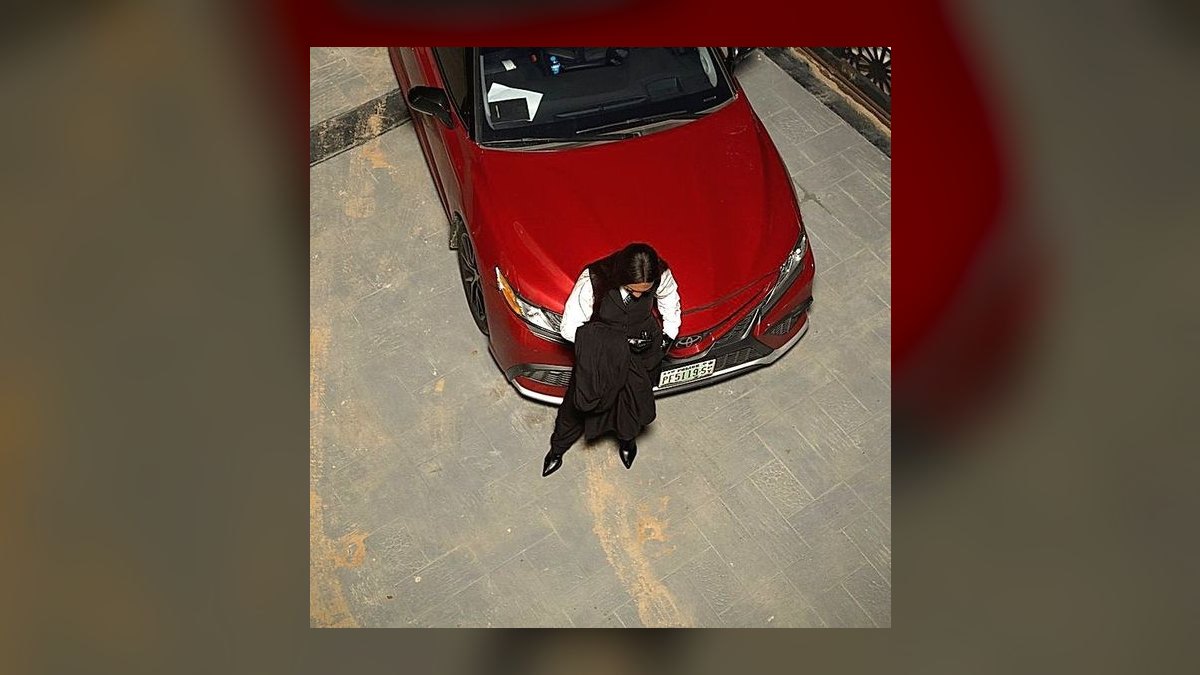
Renting is a real option and underused for this specific occasion. Subscription and single-event rental services cover exactly this category — modest midi dresses, blazers, cocktail-adjacent pieces. The math: if the outfit is a one-time need and would cost $350 to buy, a rental in the $50 to $90 range for a four-to-eight day window is straightforwardly better. The catch is fit — you cannot tailor a rental, and shipping windows in spring get tight. Order two sizes if the service allows it, and have it in hand at least five days out.
Buying makes sense when the occasion repeats. First Communion sits in a cluster of events that share a dress code almost exactly: Confirmation, baptisms, christenings, bar and bat mitzvahs, funerals, graduations, daytime weddings, and christening-adjacent family lunches. If you're in a family or parish where two or three of those land per year, a single well-fitted navy blazer or one excellent midi dress amortizes fast. Think of it as a standing "solemn daytime" uniform rather than a one-off purchase.
One adjacent note, since the same decision logic keeps showing up: this is the same buy-versus-rent calculus a small business runs on any low-frequency asset. You only capitalize a purchase when utilization justifies it; otherwise you rent and keep the cash. Applied to a closet, the utilization threshold is roughly two wears a year. Below that, rent. Above it, buy and tailor. Nobody tracks revenue on a blazer, but the amortization instinct is the correct one.

Pitfalls that show up in every family photo
Buying for the mirror instead of the pew. The test is not how the outfit looks standing still. Sit down in it. Kneel in it. Raise your arms as if picking up a toddler. Skirts ride, shirts gap at the placket, jacket shoulders bind. Every failure mode shows up in motion and none of them show up standing at a mirror.
Wearing bright white. This is the most common unforced error and the most visible. The communicant wears white. A guest in a white dress or an all-white suit competes in every photograph and reads, fairly or not, as a claim on the attention. Ivory and cream are usually fine; stark optic white is not.
Skipping the layer because the forecast says warm. The forecast describes the parking lot. It does not describe a stone-and-plaster nave that has been holding overnight temperature since 4 a.m. Bring the wrap or the jacket even at 80°F outside. It also solves the shoulder-coverage rule without a second thought.

New shoes. A first-wear leather sole on a stone floor for ninety minutes plus a reception is how people end up barefoot in the photos. Break them in over two or three shorter wears first, and put a rubber half-sole or heel tap on smooth leather if the church floor is polished — it's about $25 and it eliminates both the slip risk and the clack.
Over-accessorizing. Bangles clink during the quiet parts of the liturgy. Large statement pieces pull focus. One or two considered items — stud earrings and a thin chain, or a watch and a belt that matches the shoes — is the ceiling. The same goes for fragrance: one spray, walked through, not applied directly. Crowded churches concentrate scent, and a meaningful share of people in any large room have a sensitivity to it.
Ignoring the reception surface. Thin heels and lawns are incompatible. If the reception is at a house, assume grass and wear a block heel, wedge, or flat. Heel protectors exist and cost under $15 if you're committed to the shoe.

Forgetting the kids in your own party. Siblings and cousins should be dressed a clear notch below the communicant but a clear notch above playground clothes: button-down and chinos for boys, a simple dress or skirt in a soft color for girls. Nothing frilly enough to compete, nothing casual enough to look like an afterthought. Bring a change of clothes for anyone under six for after the photos — it is the difference between a relaxed reception and a two-hour negotiation.
Not checking the photography rules. Many parishes prohibit flash during the liturgy and restrict movement in the aisles, often designating a single official photographer. That matters for fabric choice — in dim interior light without flash, matte fabrics with visible texture (wool, cotton, crepe, linen) render far better than high-sheen satin or polyester, which either goes flat or blows out.
Treating the day as a fashion opportunity. The through-line under every rule here is that a First Communion is a sacrament, not a venue. The correct outcome is that nobody remembers what you wore, and every photograph looks like a family that showed up properly for a child's morning.
Related questions
Can a guest wear a suit, or is that too formal?
A suit is entirely appropriate, especially in the Northeast and in Hispanic and Filipino parishes where receptions tend to be larger and dressier. Navy, charcoal, or medium gray with a light shirt. A tie is optional in most parishes and expected in dressier ones.
What should a grandparent wear?
The same rules, weighted toward comfort and warmth. Stone naves are cold. A wool-blend jacket or a cardigan over a dress, a low stable heel or a leather flat, and a scarf that doubles as a shoulder cover. Seating is usually reserved near the front for family.
Is it rude to wear a hat?
Inside the church, men remove hats. Women may wear a modest hat or veil in traditional and Latin-rite parishes, where head covering is customary. For an outdoor reception, a wide brim is practical — just avoid one large enough to block sightlines during photographs.
What do I wear if the reception is at a restaurant, not a hall?
Nothing changes for the ceremony. For the reception, restaurants are the easiest of the three venue types — hard floors, climate control, no grass. Keep the same outfit and simply remove the layer if the room is warm.
How do I handle a First Communion in a non-Catholic context?
Lutheran, Anglican, and Episcopal traditions hold first Communion services with very similar expectations: modest, semi-formal, muted colors, shoulders covered. The parish or congregation's own guidance is still the governing source. Assume the Catholic baseline and adjust if told otherwise.
FAQ
What if the ceremony is outdoors or partly outdoors?
Layering still governs, but sun becomes the variable rather than cold. Choose breathable fabric — cotton, linen blend, tropical wool — in a lighter tone, and bring a hat or sunglasses for the outdoor portion only. Remove both for the liturgical part and for group photos. A neutral umbrella in black or navy handles spring rain without clashing with anything.
Can I wear black to a First Communion?
Yes, and plenty of people do. Black is not forbidden and reads as respectful. It can, however, look severe against a room of pastels and a child in white. If you wear it, soften it — a blush or ivory scarf, a lighter blouse under a black skirt, or warm metallic jewelry. In a large family photo, all-black tends to read as a dark hole in the frame.
Are jeans ever acceptable for a guest?
Not for the ceremony. A Catholic Mass is a formal liturgy, and even dark selvedge denim with a blazer reads as underdressed in a pew full of suits and dresses. If the post-ceremony gathering is casual and at someone's home, changing into dark jeans afterward is fine. For the church itself, chinos are the floor.
What should the communicant's immediate family wear differently?
Parents and godparents are photographed most and should sit a notch dressier than general guests — a suit or sport coat with a tie for men, a formal midi or a dress-and-jacket combination for women. Coordinate the family's palette loosely, in the same tonal family rather than matching exactly, so the group photos hold together without looking like a uniform.
Do I need to cover my shoulders the whole time?
For the liturgy itself, yes — that's the near-universal expectation, and many parishes state it explicitly. After the recessional, at photos and the reception, a wrap can come off freely. This is precisely why a removable layer beats a sleeveless dress with no plan: it satisfies the rule for the seventy minutes it applies and disappears for the rest of the day.
How dressy should my shoes be, really?
Polished, closed-toe, and quiet. Men: leather loafers, derbies, or oxfords in brown, burgundy, or black. Women: block-heel pumps, low wedges, or leather flats. Avoid sneakers, flip-flops, anything glittered, and anything above a three-inch stiletto. Shoes are the detail that most often undercuts an otherwise correct outfit, and they're the cheapest thing to get right.
Sources
- https://www.usccb.org/ — United States Conference of Catholic Bishops, guidance on the sacraments including First Communion.
- https://www.vatican.va/ — The Holy See, official Catholic Church documents on liturgy and the sacraments.
- https://www.catholic.com/ — Catholic Answers, explanations of First Communion customs and parish practice.
- https://emilypost.com/ — The Emily Post Institute, etiquette guidance for religious ceremonies and formal occasions.
- https://www.britannica.com/topic/first-communion — Encyclopaedia Britannica, background on the sacrament of First Communion.
- https://www.gq.com/ — GQ, men's guidance on blazers, tailoring, and semi-formal dress.
- https://www.vogue.com/ — Vogue, seasonal formalwear and occasion-dressing coverage.
- https://www.realsimple.com/ — Real Simple, practical dress-code and occasion-attire explainers.
Related on PULSE
- What to Wear to a First Date if You Have Broad Shoulders in 2027
- What to Wear to a First Date if You Have an Athletic Build in 2027
- What to Wear to a First Date in Your 40s in 2027
- What to Wear to Your First Day at a New Job in Fall in 2027
- What to Wear to a First Date if You're Curvy in 2027
- How to Style a Cardigan for a First Date in 2027
This page will be disappearing soon. Save it to your device for $1 — or read it free while it is here.
@Kory-White- · if Venmo asks, the last 4 of my number are 2012
This page is gone.
This one is off the shelf now. $1 keeps it on your phone for good — the whole page, pictures and diagrams included.
 pulse-styleWhat to Wear to a Site Inspection in 2027
 pulse-styleTop 10 Affordable Work Dress Brands in 2027
 pulse-styleWhat to Wear to a Cruise in 2027
 pulse-styleWhat to Wear on a Muggy Summer Night in 2027
 pulse-styleHow to Wear Maroon with a Slip Dress in 2027
 pulse-styleWhat to Wear to a Karaoke Night in 2027
 pulse-styleHow to Style Cargo Pants for a Gallery Opening in 2027
 pulse-styleHow to Style a Knit Vest for a Theater Show in 2027
 pulse-styleHow to Wear Cream with Combat Boots in 2027
 pulse-styleHow to Wear Lavender in Summer in 2027