

What to Wear to a Desert Trip in 2027
 Curated byKory White · Fractional CRO · Maryland
Quality
Certified
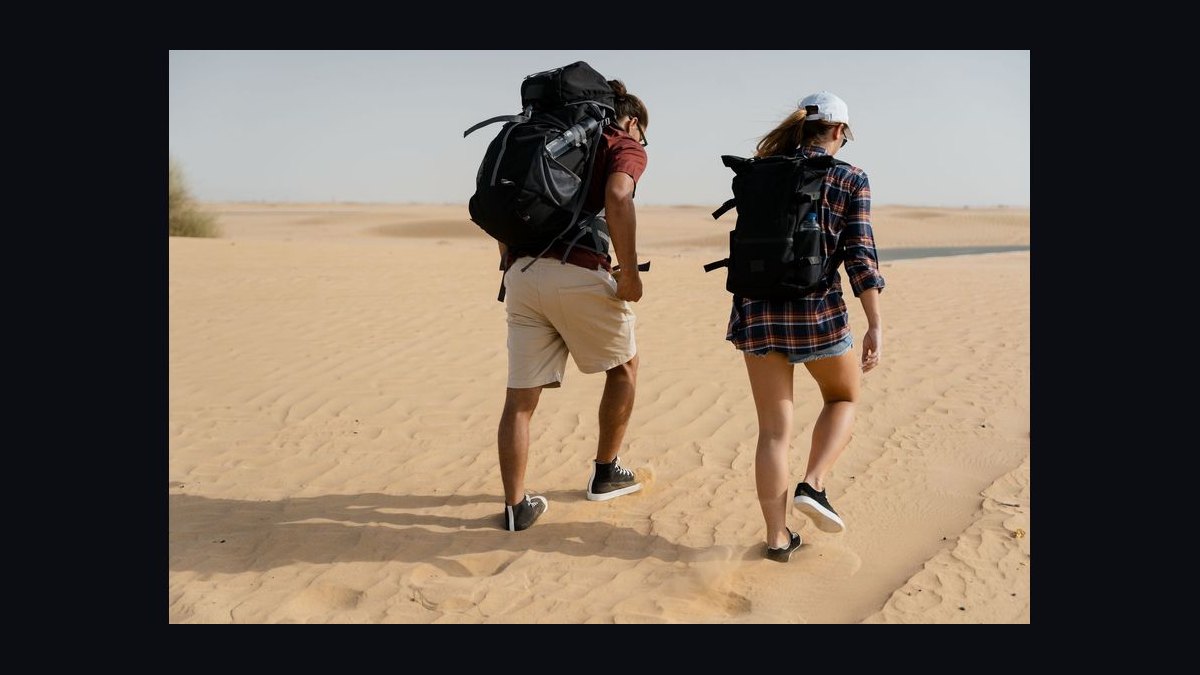
For a 2027 desert trip, wear loose UPF 50+ long sleeves, wide-leg linen or Tencel trousers, a chin-strapped wide-brim hat, and closed-toe hiking boots in pale earth tones. Pack one compressible mid-layer for nights that drop 30–40°F. Cover skin rather than exposing it — coverage beats coolness in dry heat.
Coverage-first versus cooling-first: the two camps
Almost every desert packing argument collapses into two philosophies, and picking the wrong one is why people come home peeling.
Cooling-first is the instinctive approach: tank tops, shorts, sandals, minimal fabric, maximum airflow. It borrows its logic from humid-climate dressing, where sweat struggles to evaporate and bare skin genuinely helps. In Miami in August, less fabric is a real advantage. The reasoning is sound in the environment it came from.
Coverage-first is what desert-dwelling cultures converged on independently across the Sahara, the Arabian Peninsula, the Sonoran, and the Thar: loose, opaque, full-length garments in light colors. The garment is not there to keep you cool by removing material — it's there to create a shaded, still-air microclimate against your skin while blocking direct radiation. A loose long sleeve over your forearm is a portable patch of shade that travels with you.

The physical difference is that dry heat and humid heat punish you in opposite ways. In humid air, evaporation is limited, so airflow across skin is your bottleneck. In desert air — often 10–20% relative humidity — evaporation is nearly unlimited, and your bottleneck flips to water supply and radiant load. Exposed skin under a desert sun sheds moisture fast, and you dehydrate on a schedule you can't feel, because sweat evaporates before it ever beads. You stay deceptively dry right up until you're in trouble.
That's the core trade-off. Cooling-first feels better for the first thirty minutes. Coverage-first wins every hour after that. The practical resolution most experienced desert travelers land on is coverage-first for daylight and outdoor movement, cooling-first only for shaded, sedentary, or water-adjacent time — a pool deck, a covered patio, a hotel courtyard at 7 p.m.
There's a third camp worth naming because it's growing: technical-first, meaning full synthetic hiking kit — zip-off pants, mesh-panel shirts, trail runners. It performs well and it's what the outdoor industry sells hardest. Its weakness is social range. Technical kit reads as "on trail" everywhere else, and most desert trips are not pure trail time; they're a mix of hiking, driving, eating in town, and standing around at a scenic overlook. A linen-and-boots build travels across all of those without a change of clothes. That range is worth more than the last 5% of moisture management.
Deciding which approach your trip actually needs
Your itinerary decides this, not your preferences. Run through the variables in order.
Sun exposure hours. Count how many hours you'll be outside between 10 a.m. and 4 p.m. Under two hours a day, cooling-first is survivable — you're mostly indoors or in vehicles. Over four hours, coverage-first is not optional; it's the difference between a good trip and a ruined one.
Elevation. UV intensity climbs roughly 8–10% per 1,000 meters of elevation. A high-desert destination at 5,000–7,000 feet delivers meaningfully harsher UV than a low-desert basin at the same latitude and hour, while feeling milder because the air temperature is lower. That combination — feels cool, burns fast — is the single most common way people get hurt on high-desert trips.
Terrain and ground cover. Rocky, brushy, cactus-dense terrain rules out bare legs and open shoes regardless of temperature. Sand dunes and slot canyons are gentler on skin but brutal on footwear that lets grit in.

Wind. Desert wind carries abrasive particulate. Fifteen minutes in blowing sand with bare arms is genuinely painful, and it will strip sunscreen off your skin. Wind pushes you toward coverage and toward a wind shell you'd otherwise leave home.
Social range. If your trip includes restaurants, a wedding, a resort, or anything photographed, you need at least one build that reads as clothing rather than as equipment.
The honest summary: most desert trips are hybrid trips. You are not choosing a philosophy for the whole week — you're choosing which one governs the hottest six hours of each day, and coverage-first almost always wins that slot.
The numbers behind each choice
Specific figures make the trade-offs concrete, and they're worth knowing before you spend money.
UPF ratings. A dry cotton t-shirt provides roughly UPF 5–7, meaning a substantial fraction of UV passes straight through. Wet it with sweat and effective protection drops further, because water reduces scattering in the weave. A garment certified UPF 50+ blocks about 98% of UV. That gap is enormous. It's the reason a single certified long-sleeve shirt outperforms a diligent sunscreen routine over a full day — a shirt doesn't sweat off, doesn't need reapplication, and doesn't get applied unevenly across your back.
Temperature swing. Dry air holds little heat overnight. Diurnal swings of 30–40°F are normal in desert environments, and swings above 40°F occur regularly at elevation. A 100°F afternoon can become a 55°F night. Plan for the low, not the average — the low is where people are miserable because they packed for the number they saw in the forecast headline.
Water. General hiking guidance in hot, arid conditions runs around half a liter to a liter per hour of moderate activity, more in extreme heat. Carry capacity, not intentions: a 1-liter bottle for a four-hour hike is not enough, and there is rarely a refill point.

UV index and timing. Desert UV index readings routinely hit the 9–11+ range in summer at midday. At those levels, unprotected fair skin can burn in well under 15 minutes. Shifting activity to before 9 a.m. and after 4 p.m. cuts your radiant load more than any garment upgrade can.
Fabric weights. For merino base layers, 150–200 gsm is the useful desert range — light enough to wear in heat, warm enough to matter at night, and odor-resistant enough for multi-day wear without laundry. Heavier merino (250+ gsm) is winter kit and will cook you. Linen in the 150–200 gsm range drapes loosely without going sheer.
Brim geometry. A hat brim under about 2.5 inches leaves your ears and the back of your neck exposed at most sun angles. Three inches all the way around is the practical minimum for a desert hat, and a chin strap is what separates a hat you own from a hat you still own on day three. Desert wind takes hats with startling efficiency.
Cost. A functional coverage-first kit — one UPF long sleeve, one pair of breathable trousers, boots, hat, sunglasses — lands in a broad range depending on brand tier. The single highest-return line item is footwear, because bad boots ruin every hour of a trip, and the lowest-return is the mid-layer, where a cheap packable insulated piece performs nearly as well as an expensive one. Spend where the ground touches you.

Building the kit and sequencing the days
Here's the practical assembly, in the order you should actually make decisions.
Start with footwear, two weeks out. Closed-toe boots or trail shoes with real ankle support and a grippy outsole. Break them in on pavement and stairs before you leave — desert terrain is not the place to discover a hot spot. Pair them with merino or synthetic socks, never cotton; cotton socks in heat are a blister factory. Bring one secondary pair of strapped sandals for camp, pool, and evening, and accept that they are not hiking equipment. Sandals without a heel strap are the most common footwear mistake, and every desert emergency room sees the results.
Then the sun-facing layer. One or two loose long-sleeve shirts, UPF-rated, in a pale neutral. A collar you can flip up covers the back of the neck, which is the spot most people forget until it's already burnt. Button-front is more versatile than a pullover because you can vent it open over a tank in the shade and close it up when you step out.
Then the legs. Wide-leg linen or Tencel trousers with a drawstring or elastic waist. Loose is the operative word — fabric touching your skin conducts heat into you, fabric floating off your skin shades you. Skip denim entirely. It traps heat, holds sweat, weighs a lot wet, and takes hours to dry in the one situation where you need it dry.
Then the night layer. One compressible mid-layer: a light down or synthetic vest, a thin fleece, or a merino hoodie. It should stuff to roughly the size of a water bottle. This is the item people leave behind and regret at 9 p.m.
Then wind and dust. A featherweight wind shell — the kind that packs into its own pocket — handles blowing sand, evening chill, and the rare desert rain. It weighs almost nothing and earns its place.
Then the small things that punch above their weight. A buff or bandana (neck cover, dust mask, wet it for evaporative cooling). Polarized sunglasses with a retainer cord. A spray bottle for misting. Lip balm with SPF, which is the single most-forgotten sun item. A cooling towel.

Colors. Pale, sun-baked neutrals — sand, bone, clay, dusty sage, faded terracotta — reflect more radiant heat than dark colors and hide dust between washes, which matters because everything gets dusty by hour two. Deep colors technically block slightly more UV per unit of fabric, but the heat penalty in direct sun outweighs it when you're already wearing a certified UPF garment.
Day rhythm. Layer on in the dark, shed by 9 a.m., stay covered and shaded through the middle of the day, re-layer at sunset. If you're driving between sites, the car becomes your shade structure during peak hours — that's a legitimate strategy, not a cop-out.
Adjacent scenarios that follow the same rules
The desert playbook transfers further than most people expect, and knowing where it applies saves you from repacking for every trip.
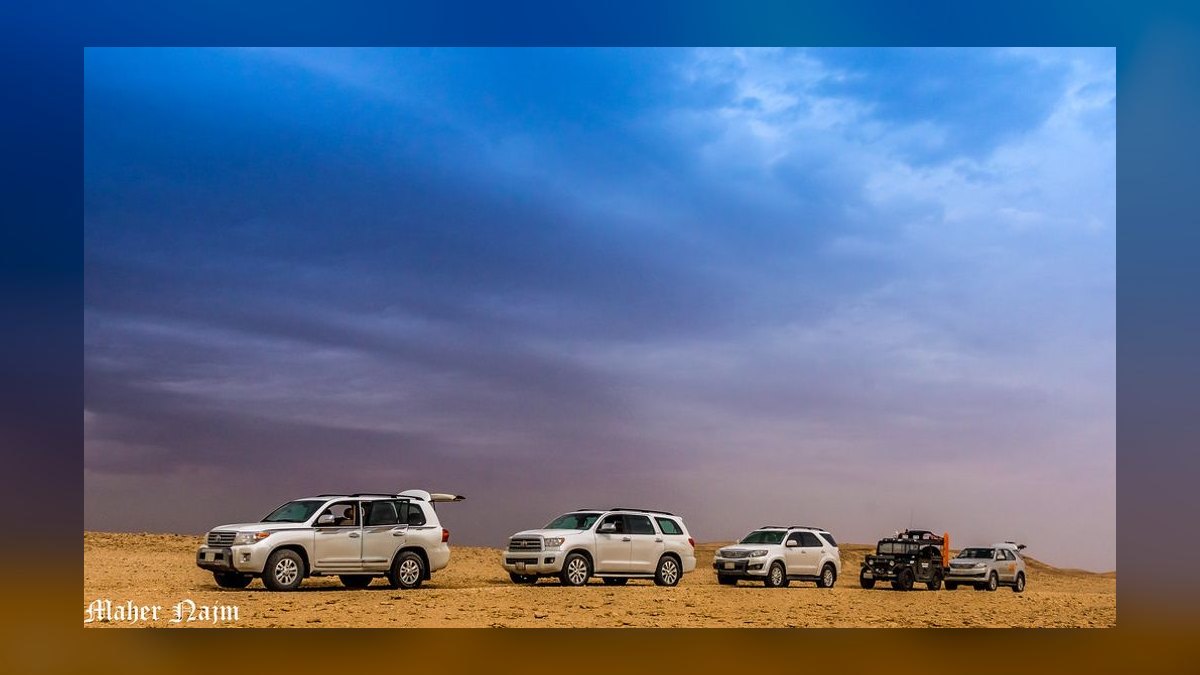
High-altitude non-desert travel — mountain hiking, ski towns in summer, altiplano travel — shares the elevation-UV problem and the diurnal swing without the sand. Same coverage logic, same layering, swap the wind shell for something with a bit more weather resistance.
Beach and coastal trips flip half the equation. Humidity rises, so airflow matters more and coverage matters less for thermal comfort — but UV reflected off water is comparable to UV reflected off sand, so the sun protection half stays intact. Coverage-first for the walk, cooling-first at the water.
Safari and savanna travel lands almost exactly on the desert kit: neutral colors, coverage against sun and insects, closed shoes, layers for cold mornings in open vehicles. The main addition is insect-repellent-treated fabric, which the desert doesn't require.
Festival and event travel in arid regions is where people get hurt worst, because the dress code fights the environment. The workable compromise is a coverage-first daytime build with the expressive pieces saved for after sundown, when the sun stops being the constraint and the temperature drop makes an interesting outer layer both practical and photogenic.
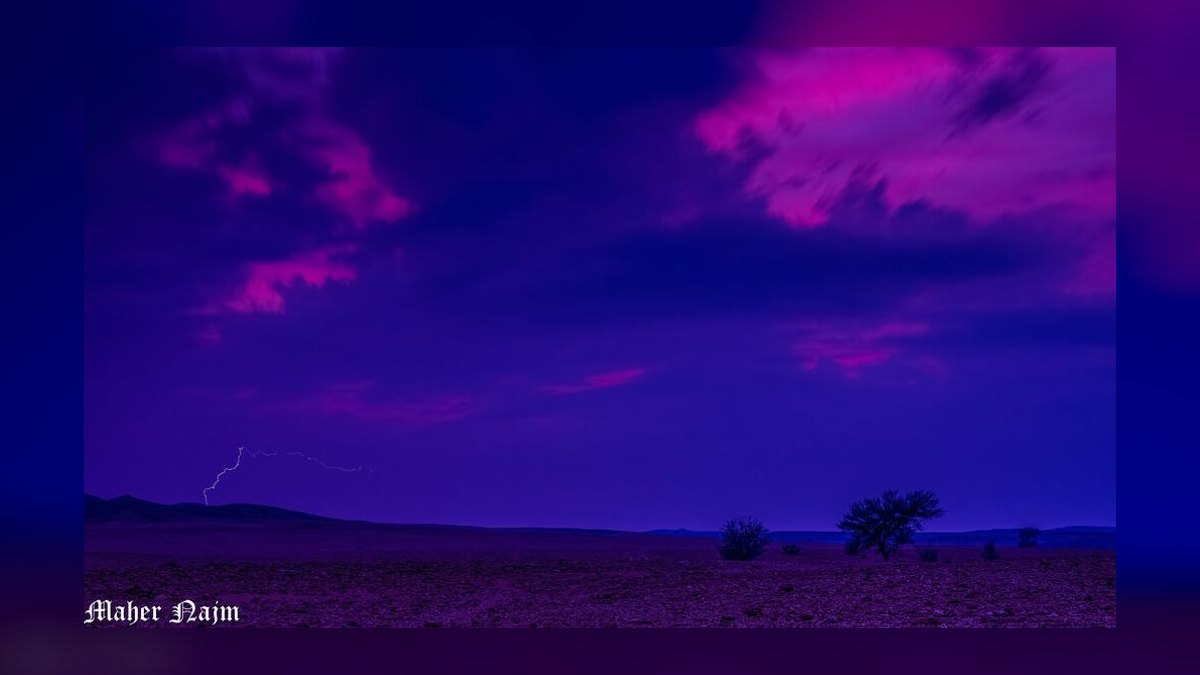
Work travel to hot, dry regions — energy, mining, logistics, construction site visits — deserves a mention because the failure mode is different. There, the clothing decision is downstream of a schedule someone else set, and the pressure is to dress for the meeting rather than the walk between buildings. A packable UPF layer that goes over business-casual clothing solves it. Companies that send people to hot regions regularly tend to build this into travel policy eventually, usually after enough incident reports make the connection between heat and lost productive hours visible on the revenue side of the ledger.
Photography-driven desert trips are a special case worth calling out. Golden hour is at the edges of the day, which means you're out during the two coolest, safest windows, and standing still during them. Standing still in a desert at dawn is much colder than moving through one; photographers routinely under-pack warmth because they're mentally planning for midday.
The unifying rule across all of these: dress for the extremes of the day, not the average, and let coverage do the work that sunscreen can't sustain over eight hours.
Related questions
Are dark colors really worse than light ones in the desert?
Dark fabrics absorb more solar radiation and get hotter in direct sun, but they block marginally more UV. Once you're wearing a certified UPF 50+ garment, the UV difference is moot and the heat difference isn't — so choose light.
Can I wear shorts at all on a desert trip?
Yes, in shaded, sedentary, or evening contexts, and on short walks in cooler months. Avoid them for extended midday exposure, rocky or cactus terrain, and any hike over an hour. Loose trousers are cooler than bare legs in direct sun.
How many outfits do I actually need for a week?
Roughly five core pieces plus underwear and socks. Desert air dries washed items in hours, and dry heat produces less lingering odor than humid climates. Overpacking is the more common error by a wide margin.
Is sunscreen enough if I'm careful about reapplying?
No. Sunscreen degrades in heat, sweats off, and is almost universally applied too thinly. It's a supplement to fabric coverage, not a replacement — treat it as the layer for skin you can't cover: face, hands, neck.
What's the single most-forgotten item?
A warm mid-layer. People pack for the forecast high and get ambushed by a 55°F night after a 100°F day. Second place goes to SPF lip balm.
FAQ
What fabrics are best for extreme desert heat?
Loose-weave linen, Tencel/lyocell, and lightweight merino wool are the strongest performers. Linen breathes exceptionally well and drapes away from skin. Tencel is smooth, fast-drying, and wrinkle-resistant, which matters when you're living out of a bag. Merino at 150–200 gsm wicks, resists odor across multiple wears, and doubles as a night layer. Performance synthetics engineered for moisture-wicking work fine for active days. Avoid denim and heavy cotton entirely.
Do I really need closed-toe boots?
For hiking, scrambling, or any off-pavement walking, yes. Desert ground reaches temperatures far above air temperature, terrain is rocky and spiny, and closed toes plus ankle coverage protect against both. Strapped sandals are acceptable for camp, town, and short flat walks. Sandals without a heel strap aren't suitable for any real distance.
How should I layer for a 50°F morning and a 100°F afternoon?
Start the morning with a mid-layer over a base layer, shed it into your pack by mid-morning, spend the peak hours in a loose UPF long sleeve with the mid-layer stowed, then put it back on around sunset. The whole system works because the mid-layer compresses small enough that carrying it all day costs you nothing.
What colors work best for a desert trip?
Pale sun-baked neutrals: sand, bone, clay, dusty sage, faded terracotta, off-white. They reflect radiant heat, blend with the landscape in photographs, and disguise the dust that coats everything within an hour. Save saturated colors for accessories or evening layers.
Does a hat really need a chin strap?
Yes. Desert wind is persistent and gusty, and a hat without a retention strap will end up in a canyon. Look for a brim of at least three inches all the way around, a UPF rating, and a crushable construction so it survives being packed.
How much water should I carry?
Plan around half a liter to a liter per hour of activity in hot, dry conditions, and carry the full amount — refill points are rare and unreliable. Dry air evaporates sweat instantly, so you won't feel how much you're losing, which is exactly why dehydration sneaks up on people in deserts.
Sources
- https://www.nps.gov/subjects/hiking/hiking-safety.htm — National Park Service hiking safety and hot-weather guidance
- https://www.aad.org/public/everyday-care/sun-protection/shade-clothing-sunscreen/clothing-provides-sun-protection — American Academy of Dermatology on sun-protective clothing and UPF
- https://www.epa.gov/sunsafety/uv-index-scale-0 — U.S. EPA UV Index scale and exposure guidance
- https://www.who.int/news-room/questions-and-answers/item/radiation-ultraviolet-(uv) — World Health Organization on UV radiation, altitude, and reflection
- https://www.weather.gov/safety/heat — NOAA National Weather Service heat safety resources
- https://www.rei.com/learn/expert-advice/hiking-in-hot-weather.html — REI Co-op expert advice on hot-weather hiking clothing
- https://www.cdc.gov/niosh/topics/heatstress/ — CDC/NIOSH on heat stress and protective measures
- https://www.skincancer.org/skin-cancer-prevention/sun-protection/sun-protective-clothing/ — Skin Cancer Foundation on UPF-rated clothing
Related on PULSE
This page will be disappearing soon. Save it to your device for $1 — or read it free while it is here.
@Kory-White- · if Venmo asks, the last 4 of my number are 2012
This page is gone.
This one is off the shelf now. $1 keeps it on your phone for good — the whole page, pictures and diagrams included.
 pulse-styleHow to Wear Maroon with a Slip Dress in 2027
 pulse-styleWhat to Wear to an Award Ceremony at Work in 2027
 pulse-styleWhat to Wear to a Site Inspection in 2027
 pulse-styleHow to Style a Midi Skirt for a Job Interview in 2027
 pulse-styleWhat to Wear to a Concert in 2027
 pulse-styleHow to Style Ankle Boots for a Job Interview in 2027
 pulse-styleWhat to Wear to a Company Offsite in 2027
 pulse-styleHow to Wear Olive Green in Summer in 2027
 pulse-styleHow to Wear Cream with a Turtleneck in 2027
 pulse-styleWhat to Wear to a Karaoke Night in 2027