

What to Wear for Long-Haul Flights in 2027
 Curated byKory White · Fractional CRO · Maryland
Quality
Certified
For a long-haul flight in 2027, wear layered, wrinkle-resistant pieces in a neutral palette: a merino or Tencel base layer, a light mid-layer, stretch trousers or joggers with an elastic waist, and cushioned slip-on shoes. Add 15–20 mmHg compression socks. You stay temperature-regulated across an 18–25°C cabin and arrive presentable.
What a long-haul outfit actually has to solve
The mistake most travelers make is treating flight clothing as a comfort preference rather than an engineering problem with defined inputs. A long-haul cabin is a specific environment with measurable conditions, and once you know those numbers, the wardrobe choices stop being arbitrary.
Modern aircraft cabins pressurize to roughly 6,000–8,000 feet of equivalent altitude. Relative humidity in cruise typically sits below 20 percent, against the 40–60 percent your skin and airways are built for. Cabin temperature is not stable either: boarding and meal service push the cabin toward the mid-20s Celsius (roughly 75–77°F) because of body heat and galley activity, while deep cruise on a night sector often settles toward 18°C (64°F). That swing of six or seven degrees is the entire reason layering beats a single warm garment. One thick sweater gives you two states — on and off — and both of them will be wrong for part of the flight.
Then there is the circulatory problem. Sitting still with knees bent for eight to fourteen hours slows venous return from the legs. Fluid pools in the lower extremities, feet swell — commonly by up to half a shoe size — and the risk of deep vein thrombosis rises with duration, dehydration, and immobility. This is why compression socks are not a comfort accessory but a mitigation, and why shoes that fit perfectly at the gate can feel like a vice at hour nine.

Finally, there is the arrival problem. Many long-haul travelers land and go straight into something: a meeting, a client dinner, a customer site, a family event. Clothing that photographs badly after fourteen hours of compression against a seatback creates a real cost — you either lose an hour to a hotel change or you show up rumpled. Anyone who has flown transatlantic to close a deal knows the arrival state is part of the trip's revenue math, not a vanity concern.
So the brief is four constraints at once: regulate across a 6–7°C swing, manage moisture in dry air, accommodate swelling, and survive fourteen hours of creasing. Every recommendation below is downstream of those four.
Building the outfit from the skin outward
Work in layers, from the inside out, and pick each layer for a job rather than a look. The look emerges from disciplined color and fit, not from any single hero garment.
Base layer. This is the layer that touches skin for the entire flight, so it decides how you feel at hour ten. Merino wool is the durable standard: it absorbs a substantial share of its weight in moisture before feeling wet, releases that moisture into dry cabin air, and resists odor well enough to be worn again the next day. Lightweight merino crews in the 150–200 gsm range are the sweet spot — heavier fabrics get clammy during boarding. Tencel (lyocell from eucalyptus pulp) is the softer alternative: it dries faster than merino, drapes better, and costs less. Uniqlo's AIRism line and Icebreaker's lightweight merino cover the two ends of the price spectrum. Avoid pure cotton tees — cotton holds moisture against skin and turns cold and clammy once you sweat during boarding.

Mid-layer. The job here is insulation you can add and remove without standing up. Fine-gauge cashmere or merino sweaters, long cardigans, and packable quilted vests all work. A vest is underrated: it keeps your core warm while leaving arms free for typing or eating, and it compresses to nothing in a bag. A packable down or synthetic vest doubles as a lumbar cushion or a pillow.
Bottoms. Elastic or drawstring waist, four-way stretch, no rigid waistband pressing into your abdomen for fourteen hours. Structured joggers in a technical woven read far more polished than sweatpants but move the same. Wide-leg ponte-knit trousers do the same job for a dressier silhouette. If you want something that passes as business casual on arrival, look for chinos or commission-style trousers with 2–4 percent elastane. Skip raw or rigid denim entirely — heavy, hot, restrictive at the waist and knee, and slow to dry if anything spills.
Outer layer. A packable puffer or a long unstructured cardigan. The outer layer needs to do double duty as a blanket substitute — airline blankets are thin and inconsistently supplied — and it should stuff into the seat pocket or under the seat rather than needing bin space.
Palette. Charcoal, navy, olive, heather grey, black, ivory. Neutrals hide the inevitable coffee ring, mix without thought, and photograph as intentional rather than accidental. Add exactly one accent — a scarf, a cap, a pair of earrings — so the whole thing reads as an outfit rather than pajamas.
Fabric technology worth paying for. Phase-change materials, which embed microcapsules that absorb heat above roughly 28–30°C and release it as you cool, genuinely help if you run hot or cold. Antimicrobial finishes (silver-salt and similar treatments) meaningfully reduce odor over a fourteen-hour sector; they're common in mainstream travel lines now and typically survive dozens of washes. Water-repellent finishes on bottoms turn a spilled drink into a wipe rather than a wet thigh for six hours.
The step-by-step process from packing to landing
Dressing for a long-haul flight is a sequence, not a single decision. Here is the working order, from the night before through the arrivals hall.
Step one — check both climates. Look at the departure and arrival temperatures. If you leave a cold city and land in a hot one, the outer and mid layers must be shed and packed, not worn. That means they need to compress. If both ends are cold, you can wear more of the bulk and free up bag space.
Step two — lay the outfit out flat the night before. Crease-check it. Anything that wrinkles badly on a flat table will wrinkle worse under a seatbelt. Swap it out now, not at the gate.
Step three — dress in the order you'll undress. Base layer, mid-layer, outer. Everything above the base should come off one-handed while seated.
Step four — build a seat-pocket kit before you board. Compression socks (if not already on), eye mask, lip balm, hand cream, eye drops, earbuds, and the layer you'll want at cruise. Pull it out at the gate, not from the overhead bin at 30,000 feet.
Step five — put compression socks on before boarding, not mid-flight. Swelling makes them harder to get on later, and the benefit is cumulative across the whole sector.
Step six — shoes off at cruise, socks on. Slip-ons come off for the middle of the flight and go back on an hour before descent, when feet are at their most swollen and you want time to adjust.
Step seven — refresh before descent. Face mist, hand cream, lip balm, shoes on, mid-layer back on. Ten minutes of maintenance is the difference between arriving and arriving well.
Costs, timelines, and typical ranges
Budgets for a travel wardrobe vary enormously, but the categories and their sensible ranges are stable. Here is where money actually changes the outcome and where it does not.
Base layers. A basic synthetic or Tencel travel tee runs at the low end of the market; lightweight merino crews sit meaningfully higher because the fiber costs more and the garments are made in smaller runs. Merino is the better long-term buy if you fly often: the odor resistance means one shirt covers a multi-day trip, which reduces how much you pack. If you fly twice a year, the cheaper synthetic is entirely adequate.
Bottoms. This is where spending helps most. Technical travel trousers cost considerably more than sweatpants but deliver the crease resistance and the business-casual read that make the outfit work at both ends of the flight. Budget roughly the price of a good pair of jeans, up to double that for premium technical fabrics. One excellent pair beats three mediocre ones.
Footwear. Slip-on sneakers with removable insoles span a wide range. The functional requirements — cushioned sole, no laces to tie, removable footbed, already broken in — are met at mid-range prices. Paying more buys leather uppers and a dressier profile, which matters only if you're walking into a meeting.

Compression socks. Inexpensive relative to everything else and the highest return per dollar in the entire kit. Buy two or three pairs so you always have a clean set. Look for graduated 15–20 mmHg for travel use; higher grades exist but are typically prescribed rather than chosen.
Accessories. Neck pillow, eye mask, earbuds, power bank. Noise-cancelling earbuds or headphones are the single biggest comfort upgrade for most travelers and the most expensive accessory. Everything else is modest.
Total. A complete, well-chosen long-haul kit lands somewhere between a few hundred dollars at the sensible end and low four figures if you're buying premium natural fibers and flagship headphones. The important framing: this is durable equipment amortized across years of flights, not a per-trip cost.
Timelines. Break in new shoes for at least two weeks of normal wear before a long-haul flight. Wash and wear new base layers once before flying so you know how they feel against skin. Order compression socks well ahead — sizing is by calf circumference and shoe size, and getting it wrong means either no benefit or genuine discomfort. If you're assembling a kit from scratch, give yourself a month; most of that is shoe break-in.
Where travelers get it wrong
The failure modes repeat across thousands of trips, and almost all of them come from optimizing one constraint while ignoring the other three.
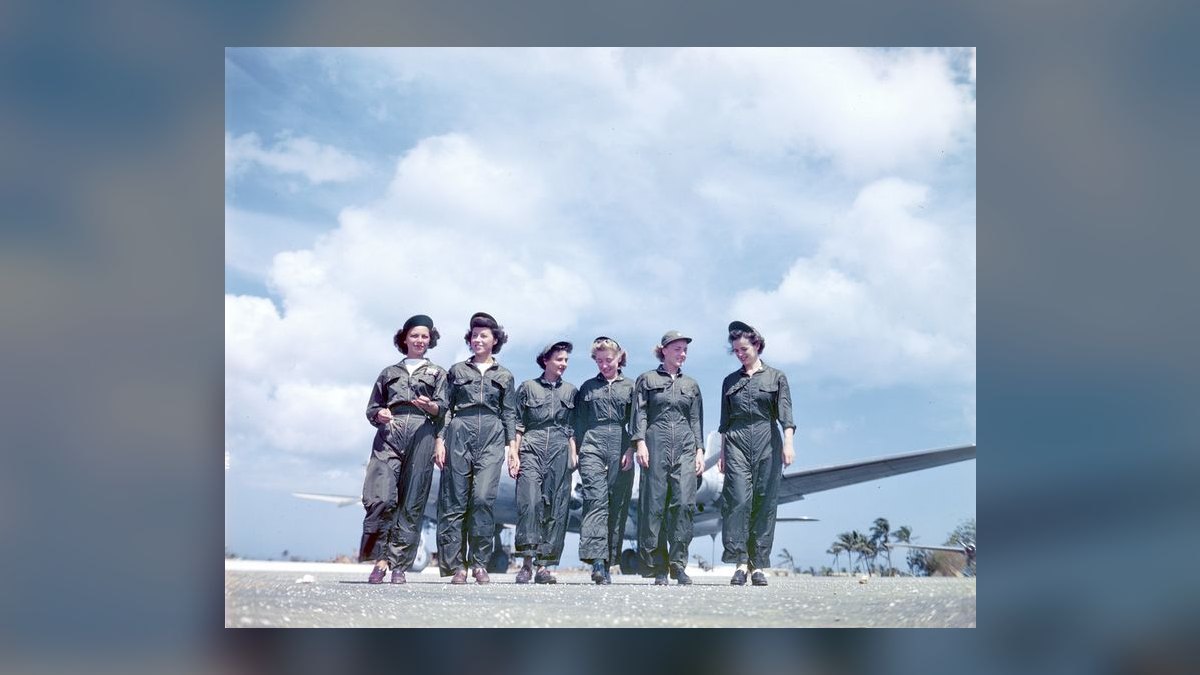
Wearing rigid denim. Heavy, hot, restrictive at the waist and knees, slow to dry. The waistband becomes genuinely painful after six hours of pressure against a seated abdomen. If you must wear jeans, choose a stretch denim with meaningful elastane content and a mid-rise cut.
Skipping compression socks. The most common omission and the one with actual health stakes on flights beyond four hours. The excuse is usually aesthetic; the fix is buying them in black or navy so they read as ordinary socks.
Over-layering with bulk. A heavy parka or chunky knit consumes overhead space, cooks you during boarding, and offers no fine-grained adjustment. Two thin layers beat one thick one every time.
New shoes. Terminals demand real walking — connections at large hubs can mean a mile or more between gates. Unbroken footwear plus swollen feet produces blisters you'll be nursing for the whole trip.
Ignoring the destination. Dressing for the departure climate and landing somewhere twenty degrees warmer means carrying your layers through immigration in your arms. Plan the shed.
Nothing that closes. Pockets without zips lose passports, phones, and boarding passes into seat mechanisms. At least one secure closure on your person is non-negotiable.
Treating the seat pocket as storage. Things left in seat pockets are the most commonly forgotten items on aircraft. Use it during the flight; empty it during the descent announcement.
Forgetting the arrival dress code. Business travelers regularly land at a client site in athleisure because they optimized purely for the flight. The fix is choosing pieces that read as one register up: a knit polo instead of a tee, a soft blazer instead of a hoodie, leather-look sneakers instead of running shoes.
Adjacent scenarios: overnight trains, road trips, and long-haul business travel
The same four constraints — thermal swing, dry or variable air, swelling, and creasing — show up in neighboring travel modes, and the wardrobe logic transfers with small adjustments. Understanding the overlap saves you from maintaining separate kits.
Overnight rail. Sleeper trains run warmer and more humid than aircraft cabins, and the pressure change is absent, so the swelling problem is reduced. But you get a genuine lie-flat sleep and a shared corridor, meaning your outfit has to double as sleepwear that's decent in a hallway. Soft joggers and a merino long-sleeve win here; the packable puffer becomes a pillow. Compression matters less; odor resistance matters more, because showers may be limited.
Long road trips. Sitting is the shared constraint, plus a variable cabin you control. The waistband rule holds, footwear can be more structured since you're not walking terminals, and layering matters less because you own the thermostat. What matters more is the seatbelt line — anything with a shoulder seam that sits under the belt will crease and chafe over eight hours.
Multi-leg business travel. This is the hardest version of the problem. You're flying long-haul, landing, and going straight into work with no hotel window. The solve is to dress one register above pure comfort and rely on fabric technology rather than formality: a merino knit polo, technical trousers with a real crease, leather-look slip-ons, and a soft unstructured blazer that packs flat. You lose maybe five percent of in-flight comfort and gain the ability to walk directly into a meeting. When the trip exists to protect or generate revenue, that trade is obviously correct.
Ultra-long-haul, seventeen hours plus. Everything intensifies. Two base layers so you can change mid-flight and arrive in a fresh shirt; a genuine change of socks; and a bag-accessible toiletry kit for a proper refresh in the lavatory before descent. The change of shirt is the highest-leverage move on any ultra-long sector — it costs almost no bag space and resets how you feel entirely.
Adjacent upstream effect: what you wear changes what you pack. A merino base layer you can re-wear removes two shirts from the bag. Compressible outer layers remove the need for bin space, which means you can fly carry-on-only, which means you skip baggage claim, which on a tight connection saves you forty minutes. The outfit decision propagates all the way to whether you make your onward meeting.
Decision framework: choosing an outfit for a specific flight
Rather than a single prescribed uniform, work from the flight's variables. Duration, arrival obligation, and climate delta determine which of four broad configurations fits.
Short-medium haul under six hours with no arrival obligation: standard comfort layering, compression optional. Long-haul over eight hours with a leisure arrival: full layering, compression mandatory, prioritize sleep accessories. Long-haul with an immediate work obligation: the elevated configuration — knit polo or fine merino crew, technical trousers, dress-casual slip-ons, packable blazer or structured cardigan. Ultra-long-haul over fourteen hours: the elevated configuration plus a mid-flight change of base layer and socks.
Overlay the climate delta on top. If arrival is more than fifteen degrees warmer than departure, every layer above the base must compress into your personal item. If arrival is colder, wear the bulk and free the bag.
Related questions
Can I wear a suit on a long-haul flight?
You can, but it will crease badly under a seatbelt. If you must arrive suited, wear travel-friendly separates and carry the jacket, or hang the suit in a garment bag and change before landing. Wool-blend fabrics with elastane recover creases better than rigid worsted.
How do I stop my feet from swelling?
Compression socks at 15–20 mmHg, hydration, and movement. Walk the cabin every two to three hours, flex your ankles while seated, and avoid crossing your legs for long stretches. Choose shoes with removable insoles so you can gain volume when swelling peaks.
Is merino wool worth the price over synthetics?
If you fly more than a few times a year, yes. Merino's odor resistance means one shirt covers multiple days, which shrinks your bag. If you fly rarely, a Tencel or synthetic base layer performs nearly as well for far less money.
What should I wear on a red-eye specifically?
Softer and warmer than a daytime sector. Cabins run cold overnight and the goal is sleep, so favor a fleece-backed or heavier merino mid-layer, drawstring bottoms, and a proper eye mask. Keep the arrival outfit in your carry-on and change before landing.
Do I need different clothing in business class?
Lie-flat seats change the creasing pattern, not the underlying constraints. Cabin temperature, dry air, and swelling are identical. Many airlines supply sleepwear on premium long-haul cabins, which lets you fly in a more structured arrival outfit and change into the provided set for sleep.
FAQ
Can I wear jeans on a long-haul flight in 2027?
Yes, if they have meaningful stretch — look for at least a few percent elastane and a mid-rise cut that doesn't press into your waist while seated. Rigid or raw denim restricts circulation and traps heat, and becomes genuinely uncomfortable past the six-hour mark. Most frequent flyers migrate to joggers or technical trousers for anything transoceanic.
Are compression socks really necessary on flights over eight hours?
They aren't mandatory, but they're the highest-value item in the kit. Graduated compression around 15–20 mmHg reduces leg swelling and supports venous return during prolonged immobility, which is the mechanism behind travel-related clot risk. Put them on before boarding and keep them on until you're off the aircraft.
What shoes work best for both security and terminal walking?
Slip-on sneakers or loafers with cushioned soles and removable insoles. No laces to tie at security, no metal shanks, and enough volume to accommodate feet that expand during flight. Break them in for at least two weeks first — terminal connections at large hubs can mean a mile of walking.
Hoodie or blazer for a long-haul flight?
It depends entirely on what happens when you land. A hoodie is warmer and more comfortable; a soft unstructured blazer in a stretch blend keeps you presentable for an immediate meeting without adding much bulk. If there's no arrival obligation, take the hoodie.
How do I handle cabin temperature changes without overpacking?
Three thin layers instead of one thick one. A merino or modal base, a fine-knit sweater or quilted vest, and a packable outer shell cover the full 18–25°C range. Each layer comes off independently while seated, and all three compress smaller than a single heavy coat.
Can I wear leggings as pants on a long-haul flight?
Yes, provided they're fully opaque with a substantial waistband and no sheer mesh panels. Pair them with a longer top or tunic for coverage during layovers. Choose a thicker technical knit rather than a thin athletic legging, which will feel cold once the cabin drops to cruise temperature.
Sources
- https://www.cdc.gov/travel/page/blood-clots
- https://www.nhs.uk/conditions/deep-vein-thrombosis-dvt/
- https://www.faa.gov/travelers
- https://www.iata.org/en/programs/passenger/
- https://www.mayoclinic.org/diseases-conditions/deep-vein-thrombosis/symptoms-causes/syc-20352557
- https://www.cntraveler.com/
- https://www.nytimes.com/section/travel
- https://www.who.int/news-room/fact-sheets/detail/travel-and-health
Related on PULSE
This page will be disappearing soon. Save it to your device for $1 — or read it free while it is here.
@Kory-White- · if Venmo asks, the last 4 of my number are 2012
This page is gone.
This one is off the shelf now. $1 keeps it on your phone for good — the whole page, pictures and diagrams included.
 pulse-styleHow to Wear Lavender in Summer in 2027
 pulse-styleTop 10 Affordable Work Dress Brands in 2027
 pulse-styleHow to Wear Cream with Cargo Pants in 2027
 pulse-styleWhat to Wear to a Tech Startup Interview in 2027
 pulse-styleWhat to Wear to a Concert in 2027
 pulse-styleWhat to Wear to a Second-Round Finance Job Interview in 2027
 pulse-styleHow to Wear Forest Green in Spring in 2027
 pulse-styleWhat are the most common mistakes in Style in 2027?
 pulse-styleWhat to Wear to a Graduation if You Have a Long Torso in 2027
 pulse-styleHow to Style White Sneakers for a Job Interview in 2027