

What to Wear to a Gender Reveal in 2027
 Curated byKory White · Fractional CRO · Maryland
Quality
Certified
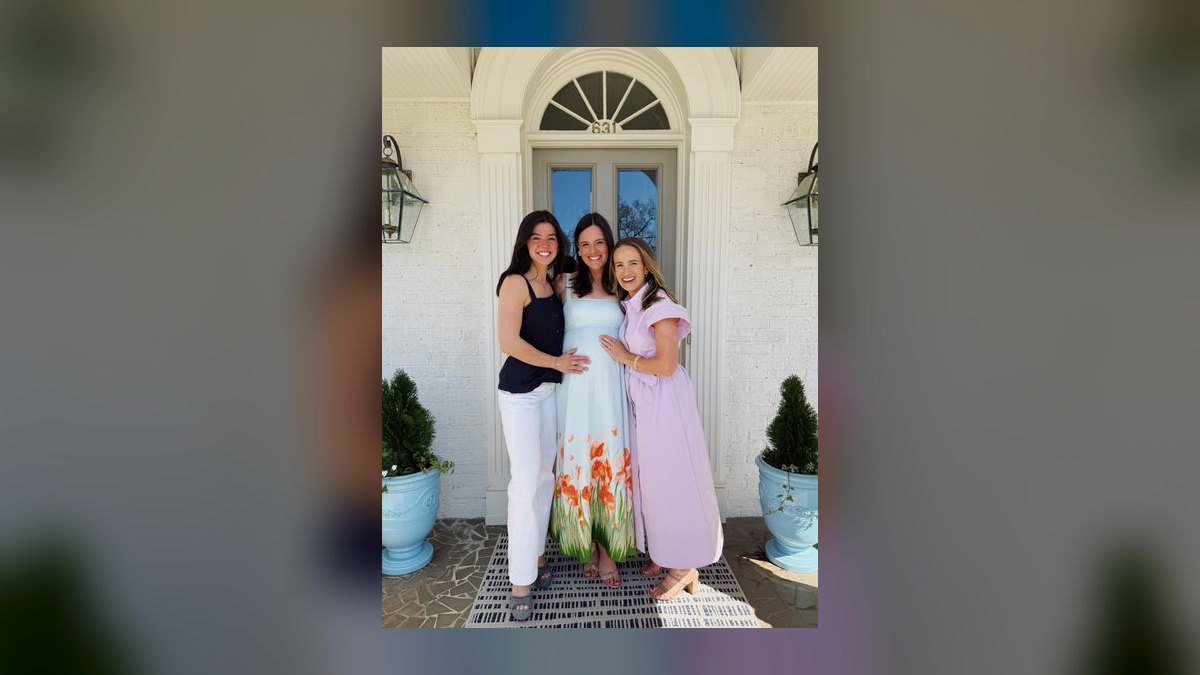
Wear smart-casual in soft neutrals — cream, sage, oatmeal, lavender — with fabric that breathes and shoes that survive grass. Skip head-to-toe pink or blue unless the host asked; those colors belong to the reveal. Layer for a two-hour outdoor window, keep accessories small and photo-friendly, and dress one notch above brunch, never wedding-formal.
The backyard at 4 p.m. and what actually goes wrong
Picture the most common version of this event in 2027. The invitation says 3 p.m., a Saturday in late April, the address is a residential street, and the text thread mentions "backyard, we'll have a tent just in case." You arrive at 3:15. Nothing happens for forty-five minutes because the photographer is still setting up and the grandmother is stuck in traffic. You stand on damp grass holding a lemonade. At 4 p.m. everyone is herded into a semicircle, someone swings a bat or pops a balloon or opens a box, and roughly ninety seconds of confetti and shouting produces about two hundred photographs, forty of which will be posted publicly and stay searchable for a decade. Then the crowd disperses to folding tables for cake, and the last guests leave around 6:30 when the temperature has dropped twelve degrees.
Everything about how you should dress falls out of that timeline. The event is not two hours of sitting; it is four hours of standing, squatting for photos with kids, walking across uneven ground, and then getting cold. The failure modes are specific and repetitive. Heels sink — a 3-inch stiletto on soft spring turf will punch through and either stick or snap the heel cap, and there is no graceful recovery in front of thirty people. White linen picks up chair-slat marks and grass stains during the group shot where everyone sits on the lawn. A structured blazer that looked sharp in the mirror reads stiff and corporate in a photo where everyone else is in knitwear. And the guest who wore a bright fuchsia dress ends up in every single reveal photo as a magenta smear next to a pile of pink confetti, which is exactly the visual confusion the host was trying to avoid.
The adjacent events share this shape, which is why the same reasoning transfers. A baby shower, a first-birthday party, a backyard engagement announcement, a christening reception, a garden-venue bridal shower — all of them are outdoor-or-semi-outdoor, photo-dense, multi-generational, and built around a short peak moment surrounded by long stretches of standing. Solve the gender reveal and you have solved a whole cluster of spring and summer obligations. The dominant constraint in every one is the same: you are dressing for photographs you do not control, on ground you have not seen, for a duration longer than you expect.
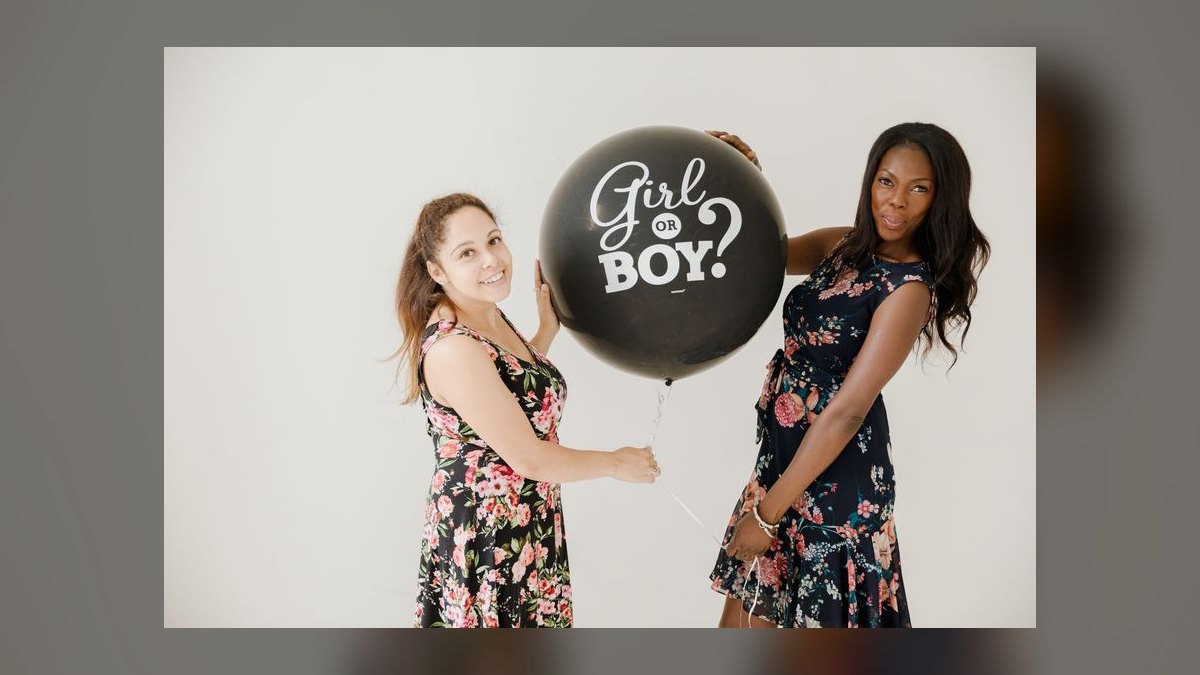
One more thing worth naming up front. Gender reveals occupy contested cultural territory now, and some invitations in 2027 reflect that — hosts who describe the event as a "baby reveal," a "team green party," or simply a spring gathering with an announcement attached. The dress logic does not change, but the color logic does: the further a host moves from pink-versus-blue framing, the more freedom guests have, and the more that a guest showing up in aggressive pink reads as tone-deaf rather than festive. When the invitation language is neutral, treat it as a garden party and keep the binary colors out of it entirely.
How the outfit decision actually gets made
There is a real decision tree here, and it runs in a specific order. Most people run it backwards — they pick a garment they like and then rationalize it — which is how the heels-on-grass problem happens.
The first input is always the invitation text, because it carries three signals at once. Venue tells you the ground: "backyard," "the park," "our place" means turf and dirt; "the clubhouse," "brunch at," a restaurant name means floors and climate control. Time tells you the temperature curve: a 2 p.m. start in June means peak heat, a 4 p.m. start in October means you will lose the sun mid-event. Explicit color instruction overrides everything else — if the host writes "wear pink or blue, pick a team," that is a request, not a suggestion, and ignoring it makes you the person who ignored it.
The second input is the ground surface, because it eliminates entire shoe categories before you have chosen a single garment. Grass rules out stilettos, thin heels, and anything with a pointed heel cap smaller than a quarter. Gravel and flagstone rule out delicate straps that will scuff. Indoor floors free you up completely. This is the constraint that should be resolved first and almost never is.
The third input is duration and standing time. If you will be upright for three-plus hours, you need shoes you have already worn at least twice. New shoes at a four-hour outdoor party is the single most common self-inflicted misery, and it is entirely preventable.
Only then do you pick the palette, and only then the individual garments. Working in that order means you never fall in love with an outfit that the venue was always going to reject.
The last node in that chart is the one people skip. Before you leave, look at yourself and ask whether a stranger scrolling the host's photo album would notice you before they noticed the parents. If the answer is yes, change one thing — usually the loudest color or the largest accessory. You are the supporting cast at this event, and dressing like it is a form of courtesy that costs you nothing.
Real numbers: temperature bands, heel heights, and what things cost
Vague advice like "dress comfortably" fails because it gives you nothing to check against. Here are the actual thresholds worth memorizing.
Temperature bands and what they call for. Above 80°F, you want linen, cotton voile, seersucker, or Tencel — natural or semi-synthetic fibers that move air. Polyester at 85°F in direct sun is genuinely unpleasant and shows sweat in exactly the places photographs catch. Between 65 and 80°F is the easy zone: almost anything works, and a single light layer covers the evening drop. Between 50 and 65°F you need a real second layer — a merino crewneck, a cardigan, a utility jacket — because outdoor events in that band get uncomfortable fast once the sun angles down. Below 50°F, the layer becomes the outfit: a good coat over a simple base is more sensible than a beautiful dress you will hide under a parka in every photo anyway.
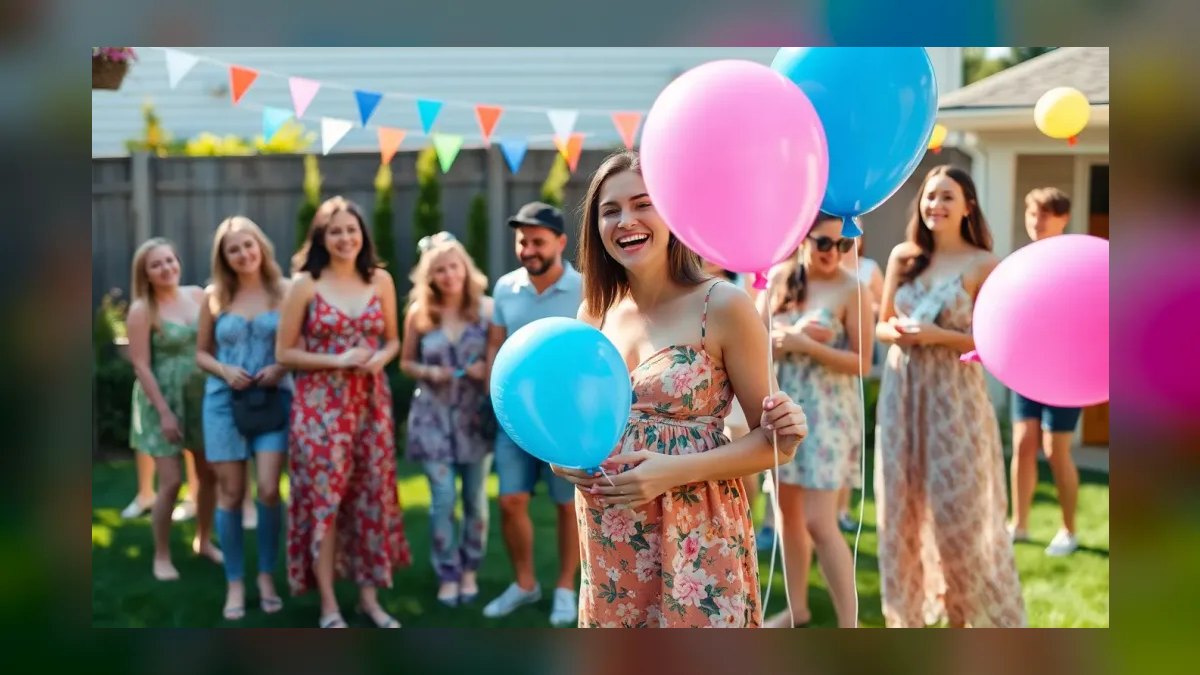
The evening drop is the number people forget. In most temperate regions, an outdoor location loses roughly 10 to 15°F between mid-afternoon and early evening, and more if the party sits in shade or near water. A 4 p.m. reveal that felt warm at arrival will feel cold by 6:30. Bring the layer even when you are sure you won't need it — the cost of carrying it is nothing and the cost of not having it is leaving early.
Heel height on turf. Anything above about 2 inches on a stiletto profile is a bad bet on grass. A block heel or wedge distributes load across a much larger contact patch and stays stable up to 3 inches or so. Wedges are the most forgiving of all because the entire sole carries weight. If you want height and the venue is a lawn, wedge is the answer, not a thinner heel.
Photo-relevant color rules. Direct flash blows out pure white and can make it read as a bright rectangle in a group shot. Tiny high-contrast patterns — fine houndstooth, dense narrow stripes — can shimmer or moiré on some sensors. Solid mid-tones and soft prints photograph most reliably. None of this matters much for casual phone snaps, but reveal photos are frequently shot with real flash by someone hired for the afternoon.

Budget reality. You do not need to buy anything for this. The realistic breakdown for someone assembling a spring-event outfit from scratch runs roughly: a decent pair of chinos or trousers in the $60–$120 range, a knit layer or button-down $50–$120, and shoes $80–$180 for something you will wear for years. A wedge sandal, a leather loafer, or a clean white leather sneaker in that shoe range is not a gender-reveal purchase — it is the shoe you will wear to every outdoor spring and summer obligation for the next three years, which is how you should evaluate the cost. Buying a single-use pastel dress for one afternoon is the worse economic decision by a wide margin.
Standing tolerance. If you know you will be upright for three hours or more and your shoes lack cushioning, a $15–$30 insert genuinely changes the afternoon. This sounds unglamorous and it is the single highest-return item on this list.
Trade-offs: dressing up versus dressing down, and the alternatives
Every choice here is a trade, and the trades are not obvious until you name them.
Overdressed versus underdressed. These fail asymmetrically. Overdressed at a backyard party makes you conspicuous, slightly awkward, and — worse — it can read as competing for attention at someone else's announcement. Underdressed in clean, deliberate clothes mostly goes unnoticed; nobody remembers the guest in a plain sage sweater and good chinos. Because the penalties are lopsided, the correct bias is toward the casual end. Aim for "nicest version of what you'd wear to a friend's Saturday lunch" rather than "toned-down wedding guest." The exception is a restaurant or venue reveal, where the room sets a floor and you should meet it.
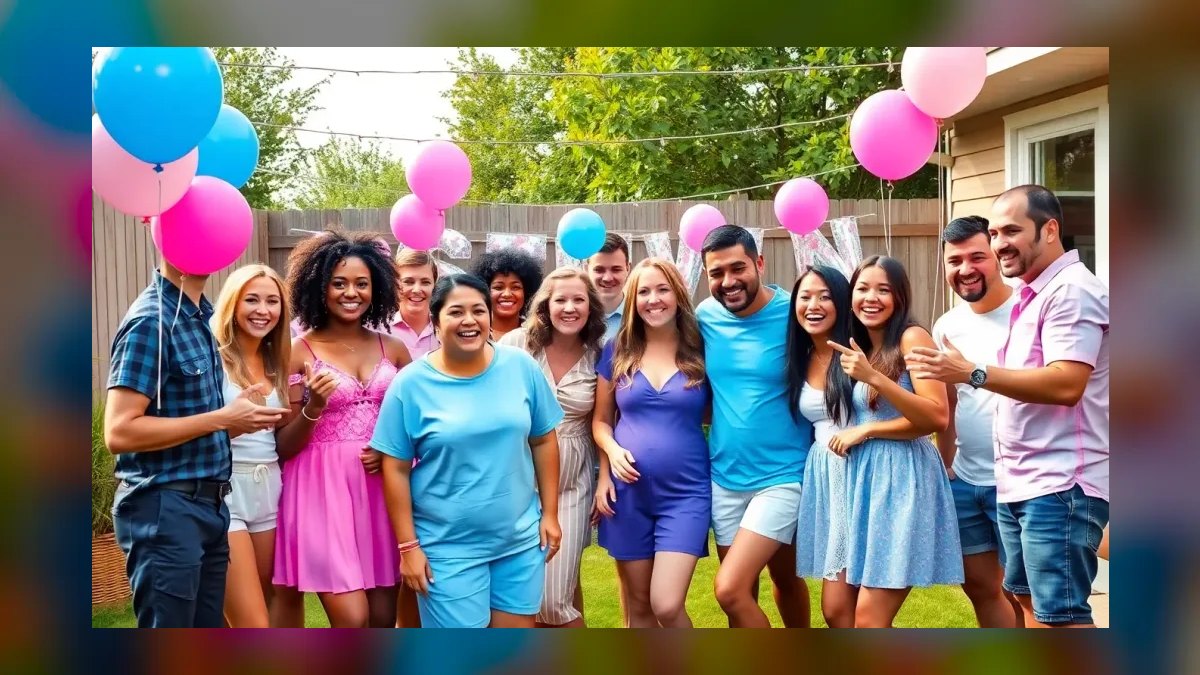
Statement piece versus quiet coordination. One interesting element — a good jacket, a distinctive pair of earrings, a well-cut linen shirt in an unusual color — makes an outfit memorable without making you loud. Two or three statement pieces at once turns you into a focal point. Pick one, then make everything else recede.
Buying new versus shopping your closet. The buy-new path costs money and carries fit risk: a garment you have never worn to a four-hour standing event is an unknown. The closet path costs nothing and gives you known quantities. The middle path — buying one versatile item that solves this event and the next six — is usually right, but only if it is genuinely versatile. A wedge sandal in tan, a linen shirt in cream, a merino crewneck in oatmeal: these all repeat. A dress printed with pastel storks does not.
Following the theme versus staying neutral. If the host requests team colors, participate — but participate at the accessory level. A blue pocket square, a pink scarf, colored socks, a single band of the color in an otherwise neutral outfit. This satisfies the request, photographs as intentional, and doesn't put you in competition with the reveal itself. If no instruction is given, stay out of pink and blue entirely; there is no upside and a real downside.
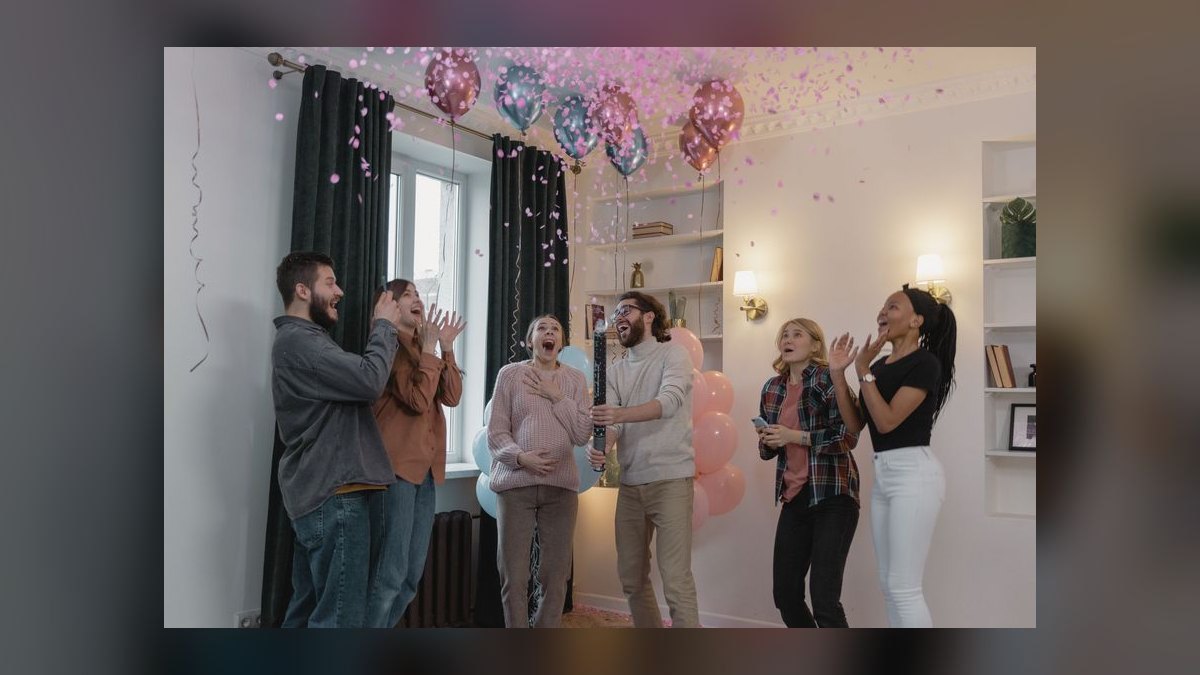
Comfort versus polish. These are less opposed than people assume. The pieces that solve for comfort — knitwear, elastic-back trousers, wedges, breathable fabrics — are the same pieces that photograph as relaxed and confident. Visible discomfort is what actually reads as unpolished: shifting weight, tugging a hem, holding shoes in your hand by hour three.
The target zone in the middle is wider than anxiety suggests. There is a large range of perfectly correct answers, and the goal is landing anywhere inside it rather than finding a single optimal outfit.
Pitfalls, and how each one is avoided
Wearing the reveal colors head to toe. The single most common error. A guest in full pink standing next to pink confetti creates a visual conflict in the exact photos the family will keep. Fix: unless instructed otherwise, no pink and no blue as a dominant color. Lavender, sage, cream, oatmeal, stone, dusty rose, and soft olive all read festive without touching the binary.
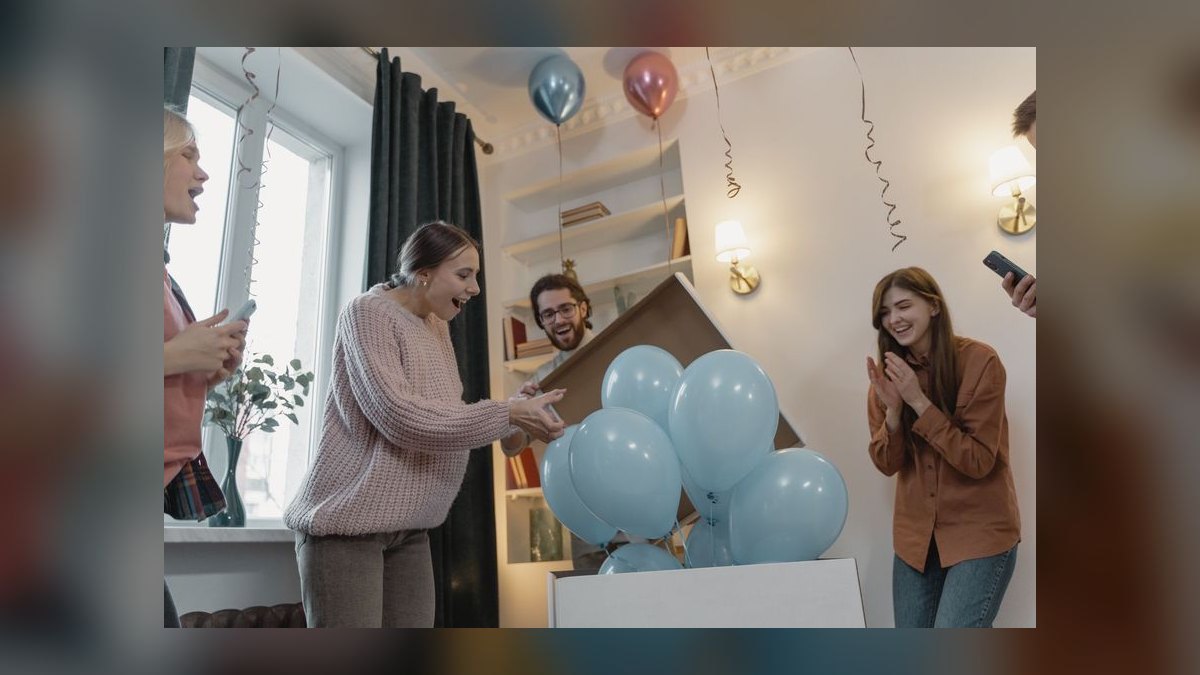
Untested shoes. New shoes plus four hours of standing on uneven ground produces blisters by hour two and a guest sitting out the group photo. Fix: wear the shoes for a full day at least once before the event. If they are new and you have no time, bring a backup pair in the car — nobody sees the car.
No layer. People check the forecast for the start time and not the end time, then spend the last ninety minutes cold. Fix: check the temperature for two hours after the event's expected end, not the start, and bring a layer that coordinates rather than one grabbed in a panic.
White in a food-and-confetti environment. White is not forbidden, but it is a risk position at an event featuring cake, red drinks, grass seating, and colored powder. Fix: if you wear white, make it washable cotton or linen rather than silk, and expect to launder it.
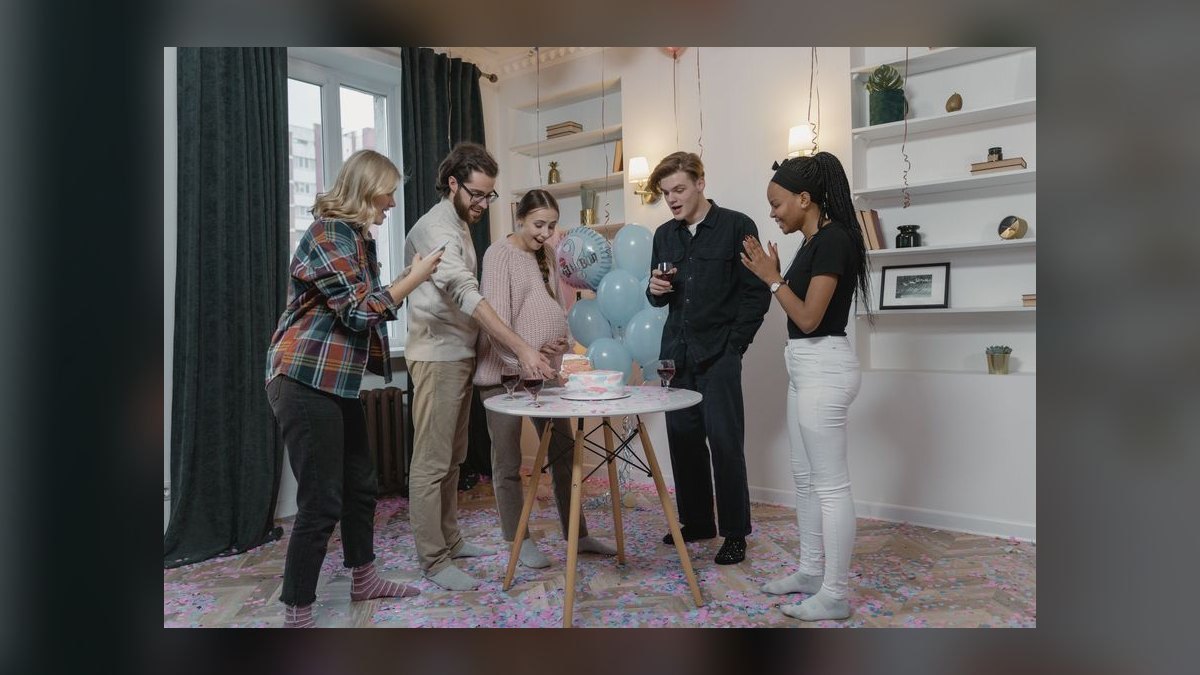
Hands-full accessories. A clutch is a liability at an event where you will be clapping, holding a plate, taking photos, and possibly holding someone's toddler. Fix: crossbody, belt bag, or pockets. Hands free is a functional requirement, not a style preference.
Ignoring the specific ground surface. Guests plan for "outdoors" generically and then meet gravel, mulch, sand, or a slope. Fix: if you have never been to the address, assume the worst surface plausible for that setting and choose shoes that handle it.
Fabrics that catch debris. Confetti, glitter powder, and balloon fragments cling stubbornly to fuzzy knits, mohair, velvet, and loose silk. Fix: if you know there will be a powder or confetti cannon, wear smooth-surfaced fabrics — cotton, poplin, nylon, tight-weave linen — that brush clean.
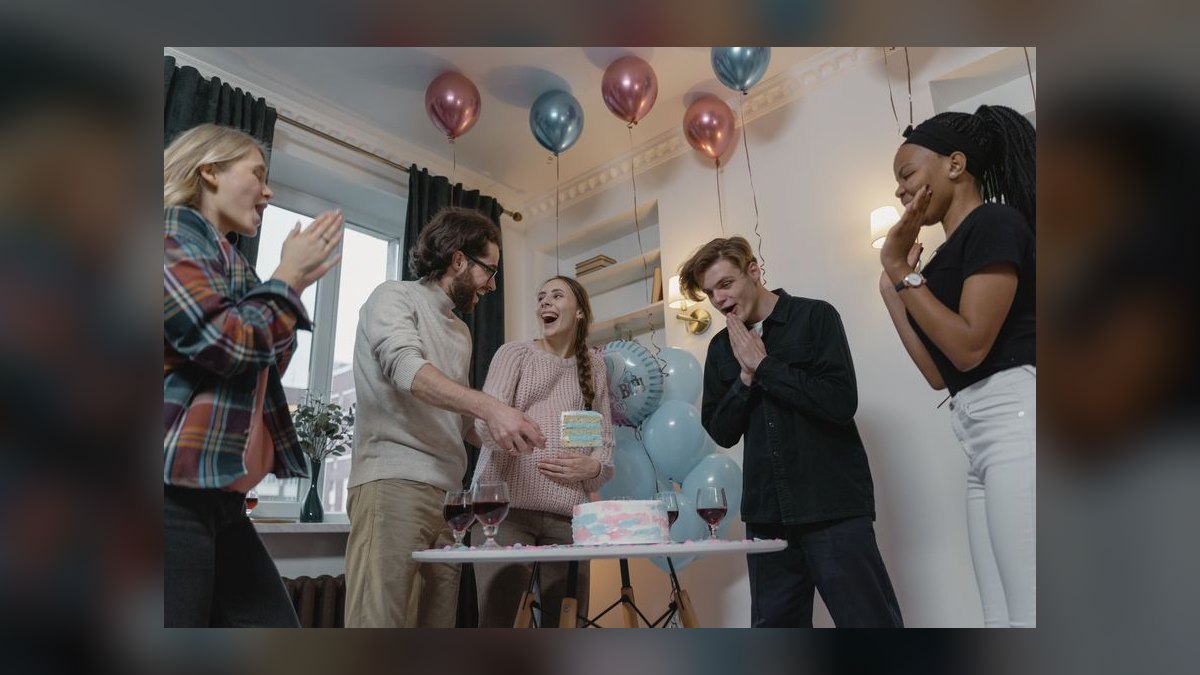
Sunglasses in every photo. Reasonable at an outdoor event, but a full album where you are the one person with no visible eyes is a small regret. Fix: push them up or take them off when the photographer gathers people, and put them back on afterward.
Forgetting sun protection. Three hours in open sun in June without sunscreen ends in a burn that outlasts the party by a week. Fix: SPF before you leave, a hat if the venue has no shade, and reapplication if you are outside past two hours.
Dressing for the photo instead of the day. The reveal itself lasts about ninety seconds. The party lasts four hours. Optimizing entirely for how you appear in that ninety seconds — at the cost of being cold, sore, or overheated for the rest — is a bad trade, and discomfort shows in photos anyway.
Related questions
Does the same advice work for a baby shower?
Mostly yes, with two adjustments. Showers skew slightly more polished and are more often indoors, so a dress or a collared shirt sits comfortably. The color caution relaxes — there's no reveal moment to visually compete with — though the host is still the focal point.
What if I'm in the reveal photos as immediate family?
Ask the parents what they're wearing and coordinate rather than match. Family members are usually positioned closest to the camera, so favor solid mid-tones over busy prints, and confirm whether they want family in team colors before assuming either way.
Can men skip the pastels entirely?
Yes. Navy, charcoal, olive, stone, and cream all work and often photograph better than pastel menswear. The instruction is really "not visually loud," not "specifically pastel." A well-fitted olive shirt with stone chinos is a completely correct answer.
What should kids wear to one of these?
Whatever they can move and get dirty in. Kids run, sit on grass, and end up covered in cake and confetti. Comfortable, washable, and in a color the family won't mind seeing in photos — that's the whole standard, and overdressing children backfires within twenty minutes.
Is it rude to wear the opposite team's color?
Only if the host framed it as a guessing game and you're being pointed about it. In that context, picking a team is participation and entirely welcome. Outside that framing, both colors are best avoided rather than chosen.
FAQ
What if the invitation says "wear pink or blue"?
Follow it, but keep it to one element rather than the whole outfit — a scarf, a tie, socks, a knit layer over neutral trousers. Head-to-toe theme color pulls attention into the reveal photos where it doesn't belong. A single deliberate accent reads as participating in the game rather than trying to be part of the announcement.
Can I wear jeans?
Yes, for a backyard or park event. Dark or mid-wash denim with no rips, paired with a knit or a collared shirt and a real shoe rather than a running sneaker, is an entirely appropriate outfit and one of the most common. For a restaurant or rented-venue reveal, trade denim for chinos or trousers to match the room.
Do I need to buy something new?
Almost never. The event calls for elevated casual, which most adult wardrobes already contain. If you do buy, buy the shoe — a stable wedge, a leather loafer, or a clean white sneaker earns its cost across years of outdoor spring events. Buying a single-use themed garment is the worst version of this purchase.
What about pregnant guests, or the expecting parent themselves?
Comfort wins outright. Stretch-waist trousers, a knit dress with give, and a supportive flat or low wedge beat anything structured. The expecting parent is the focal point and can wear whatever they want, including the theme colors — the restraint advice applies to guests, not to them.
How do I handle rain or a last-minute venue change?
Assume outdoor plans get moved under a tent or indoors rather than cancelled. Wear something that works in both settings: a layer you can shed inside, closed shoes that handle wet grass, and no fabric that suffers permanently from damp. A compact umbrella in the car costs nothing and covers the walk from parking.
Is there anything genuinely off-limits?
Very little, but three things reliably misfire: full bridal white at a photo-heavy family event, anything cocktail-formal at a backyard party, and clothing loud enough to become the subject of the photos. Everything else is a matter of degree, and the range of acceptable outfits is much wider than most guests assume.
Sources
- https://www.vogue.com/
- https://www.gq.com/
- https://www.harpersbazaar.com/
- https://www.theknot.com/
- https://www.goodhousekeeping.com/
- https://www.realsimple.com/
- https://www.marthastewart.com/
- https://www.weather.gov/
Related on PULSE
This page will be disappearing soon. Save it to your device for $1 — or read it free while it is here.
@Kory-White- · if Venmo asks, the last 4 of my number are 2012
This page is gone.
This one is off the shelf now. $1 keeps it on your phone for good — the whole page, pictures and diagrams included.
 pulse-styleWhat to Wear to a Spring Lakeside Wedding in 2027
 pulse-styleHow to Wear Forest Green in Summer in 2027
 pulse-styleWhat to Wear to a Wedding if You Have Broad Shoulders in 2027
 pulse-styleWhat to Wear to a Bowling Night in 2027
 pulse-styleHow to Wear Cream in Summer in 2027
 pulse-styleWhat to Wear to a Factory Tour in 2027
 pulse-styleHow to Style White Sneakers for a Theater Show in 2027
 pulse-styleTop 10 Affordable Work Dress Brands in 2027
 pulse-styleHow to Wear Olive Green in Summer in 2027
 syHow do you get started with Style in 2027?