

What to Wear to a Jazz Club in 2027
 Curated byKory White · Fractional CRO · Maryland
Quality
Certified

Wear dark, textured tailoring you can sit in for two hours: charcoal or navy separates, a knit or silk layer, and leather shoes. A velvet blazer, silk scarf, or Chelsea boots supply the one retro note. Skip sneakers, logos, and stiff fabrics — jazz rooms are dim, close, and warm.
What a jazz room actually asks of your clothes
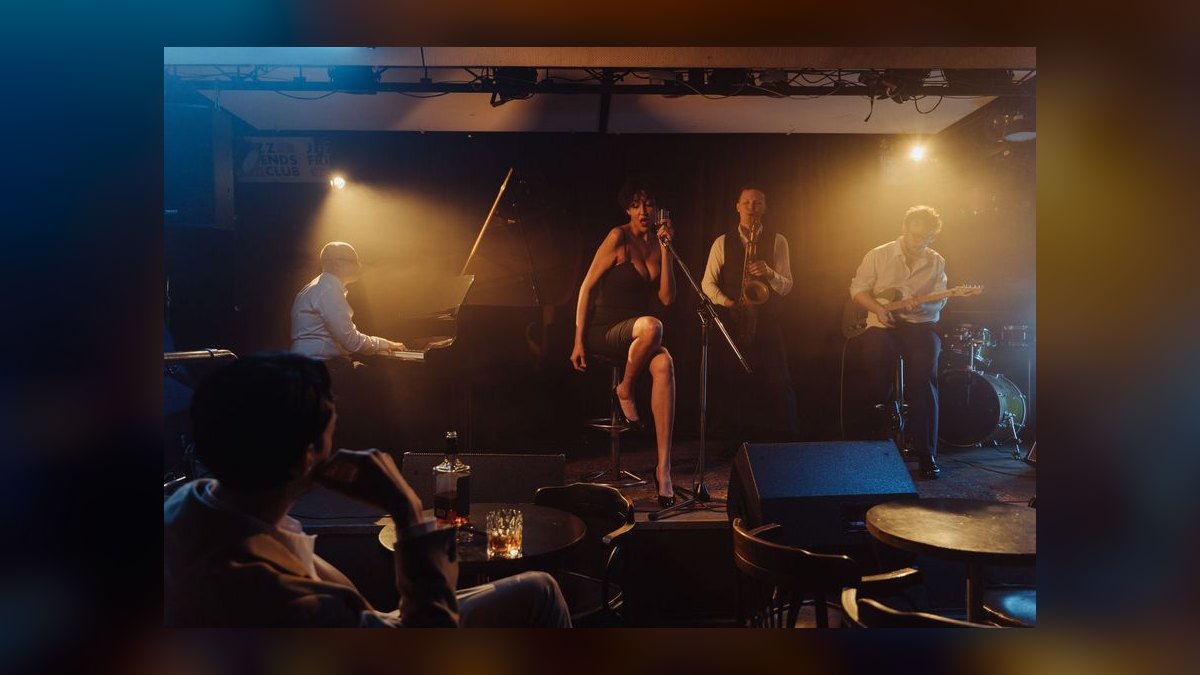
A jazz club is not a concert hall and it is not a bar, and dressing for it well means understanding the physical facts of the room before you think about style at all. Most listening rooms seat somewhere between forty and two hundred people. Tables are pushed close. Lighting sits low — candle-level at the tables, a warm spot on the bandstand — which means anything you wear is read at three to six feet by the people beside you and essentially not at all by anyone across the room. That single fact reorders the whole outfit. Texture beats color. A velvet lapel, a ribbed knit, a suede boot, and a silk scarf all register at conversational distance under warm light; a bold print or a bright hue mostly just glares.
The second physical fact is heat. A packed room with a working band runs warm, and it warms up over the set, not before it. You will likely walk in cool and sit through ninety minutes of rising temperature. This is why the jazz club outfit is fundamentally a layering problem rather than a single-garment problem. The reliable shape is a base layer you'd be comfortable in alone — a fine merino turtleneck, an oxford shirt, a silk shell — plus one removable outer piece with structure. Blazer, sport coat, unlined jacket, heavy cardigan. When the room heats, the outer piece comes off and drapes over your chair back, and you still look composed. If your entire look depends on the jacket staying on, you have built a fragile outfit.
Third: you are seated, and you are seated in a chair that is often small, often armless, and often within elbow reach of a stranger. Anything that restricts you across the shoulders or bites at the waist becomes miserable by the second set. Fabrics with a little give — stretch wool, crepe, jersey-backed knits, unlined construction — outperform rigid tailoring here even when the rigid piece looks sharper on a hanger. The same logic disqualifies anything that crushes. Linen wrinkles the moment you sit; heavy cotton twill creases at the hip and stays creased. Wool, wool blends, cashmere, silk, and crepe all recover.
Finally, sound etiquette shapes the accessories. Rooms that take the music seriously ask for quiet between phrases, not just between songs. Stacked bangles clack against a table. A hard-soled shoe announces every trip to the bar. A crinkly nylon shell rustles every time you shift. These are small things that no one will mention and everyone will notice. The practical rule: one statement accessory, soft or silent materials, and shoes with a leather or rubber sole rather than a metal-tipped heel.
Adjacent rooms follow the same logic with the dial moved. A hotel jazz lounge runs a half-step more formal — a tie is not out of place. A basement or converted-warehouse room runs a half-step down, and dark denim clears the bar there. A supper club with a cover and a menu minimum sits closest to cocktail attire. A festival tent throws the whole calculus out, because you are standing, outdoors, and the priority becomes weather and footwear. Read the room's website photos before you decide; two minutes of looking at the audience in their own gallery beats any general rule.
Building the outfit, layer by layer
Start from the bottom, because the shoes constrain everything above them. Leather loafers, Chelsea boots, brogues, heeled ankle boots, or a kitten-heel pump all work. What matters is that you can walk several blocks in them and stand at a crowded bar without shifting your weight every thirty seconds. Jazz clubs are disproportionately in older buildings with stairs, uneven floors, and bathrooms down a hall. A three-inch block heel handles that; a four-inch stiletto on a sloped basement floor does not. Color stays in the black–brown–oxblood family, which keeps the eye up where the interesting textures are.
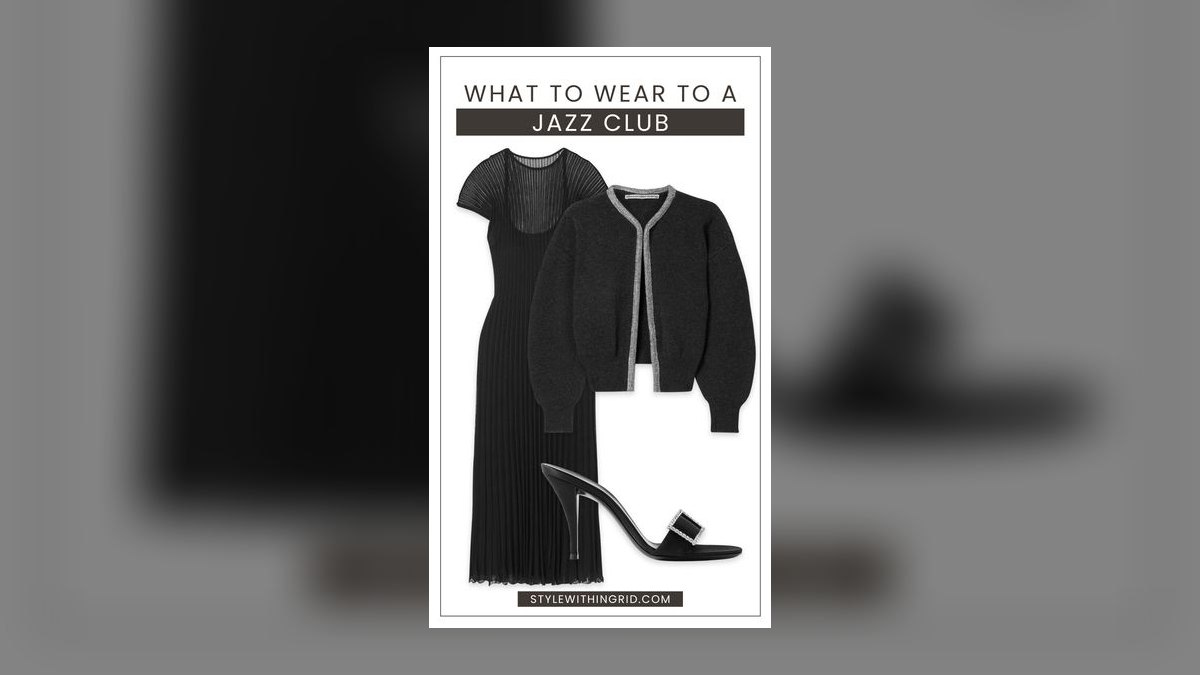
Next, the trouser or skirt. Straight-leg or slim wool trousers with little to no break read cleanest, because a puddling hem drags on a floor you cannot see. Wide-leg crepe works beautifully for women and moves well when seated, though it needs a heel or at least a boot to avoid dragging. Midi skirts and midi dresses are the strongest single-piece answer: knee-to-calf length in velvet, wool, or heavy silk sits well in a chair and does not require constant management. Above-the-knee lengths force you to think about how you sit for two hours, which is exactly the mental overhead you want to avoid on a night out.
The base layer is where personality enters cheaply. A fine-gauge merino turtleneck in charcoal is the closest thing this category has to a uniform, and it is a uniform for a reason — it frames the face, it needs no accessory, and it reads deliberate under low light. Alternatives: a white or ivory oxford with a spread collar, worn open at the throat; a silk shell or draped-neck blouse; a lightweight V-neck cashmere sweater over a collared shirt. Avoid anything with visible branding and anything sheer enough to require thinking about in a warm room.

The outer layer carries the look. An unstructured blazer in wool-cashmere, a tweed sport coat with a notch lapel, a crepe single-breasted jacket, a velvet dinner jacket if you like the drama — all correct. Unstructured or half-lined beats fully canvassed here, because you will take it off. Navy, charcoal, dark olive, and black are the safe field; burgundy and deep green are the interesting one-step-out choices. Note that the jacket does most of the formality work, which is why the same trousers and knit can serve a listening room on Friday and a hotel lounge on Saturday just by swapping what goes over them.
Accessories close it out, and the discipline is subtraction. Pick one: a vintage-style watch on a leather strap, a silk scarf worn loose, a single chain necklace, a pocket square, a pair of small hoops, a strand of pearls. Bags should be small and quiet — a clutch, a small crossbody, or a structured tote if you are coming from work. Coat check exists at most established rooms; if it does not, plan for a coat you can fold onto a chair back without wrecking it.

Budget-wise, this is a category where the entry point is genuinely low because the pieces are wardrobe staples rather than occasion-wear. A workable outfit built from a knit, dark trousers, and leather boots you already own costs nothing new. Buying the whole look at mainstream mall-tier pricing lands roughly in the low-to-mid hundreds; stepping into better wool, cashmere, and full-grain leather pushes it toward four figures. The pieces that reward spending are the shoes and the jacket, in that order, because both are worn hard and both are visible at close range. The knit and the accessories can be inexpensive without anyone knowing.
Dressing your age without dressing your age
Age changes the proportions and the fabric weight far more than it changes the category. The mistake in both directions is trying to dress like a different decade of life.
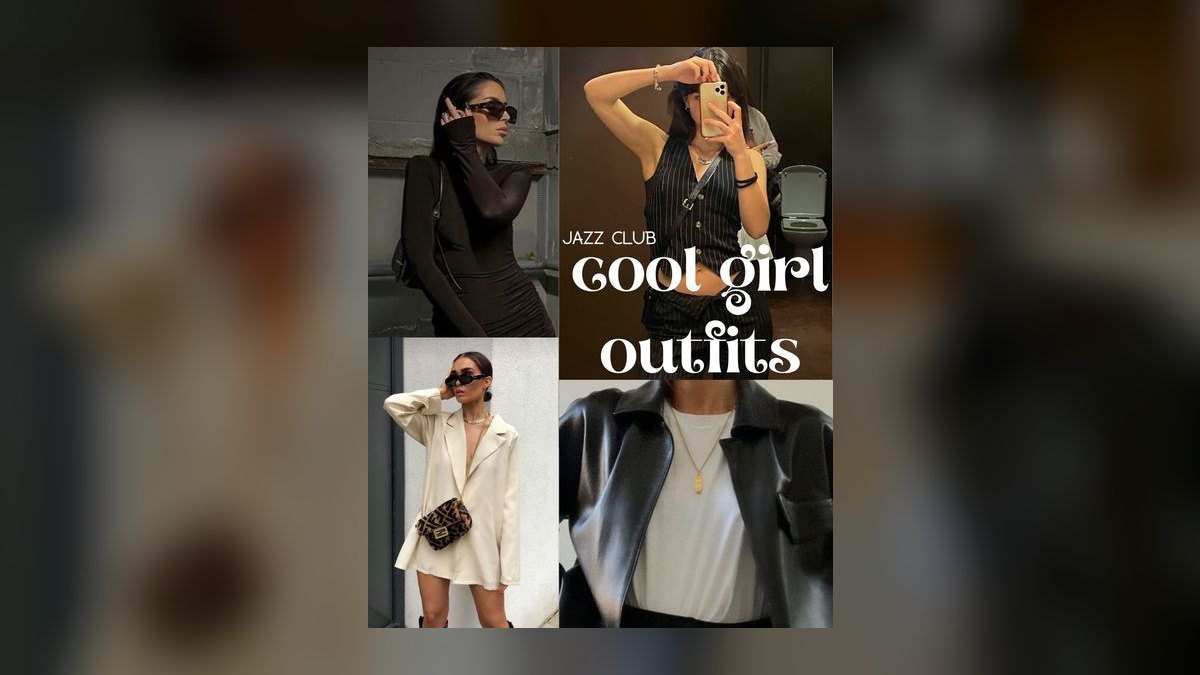
In your twenties, texture and silhouette are the playground. A velvet midi dress with suede ankle boots, a charcoal turtleneck with straight black trousers and oxblood Chelsea boots, a corduroy or moleskin jacket over a striped tee — the beatnik reference is right there and it is fun to use lightly. Vintage is your cheapest route to interesting: thrifted sport coats, a secondhand silk scarf, a watch from an estate sale. The risk at this age is costume. One retro reference per outfit is charm; three is a Halloween party. If you are wearing the beret, skip the cigarette holder.
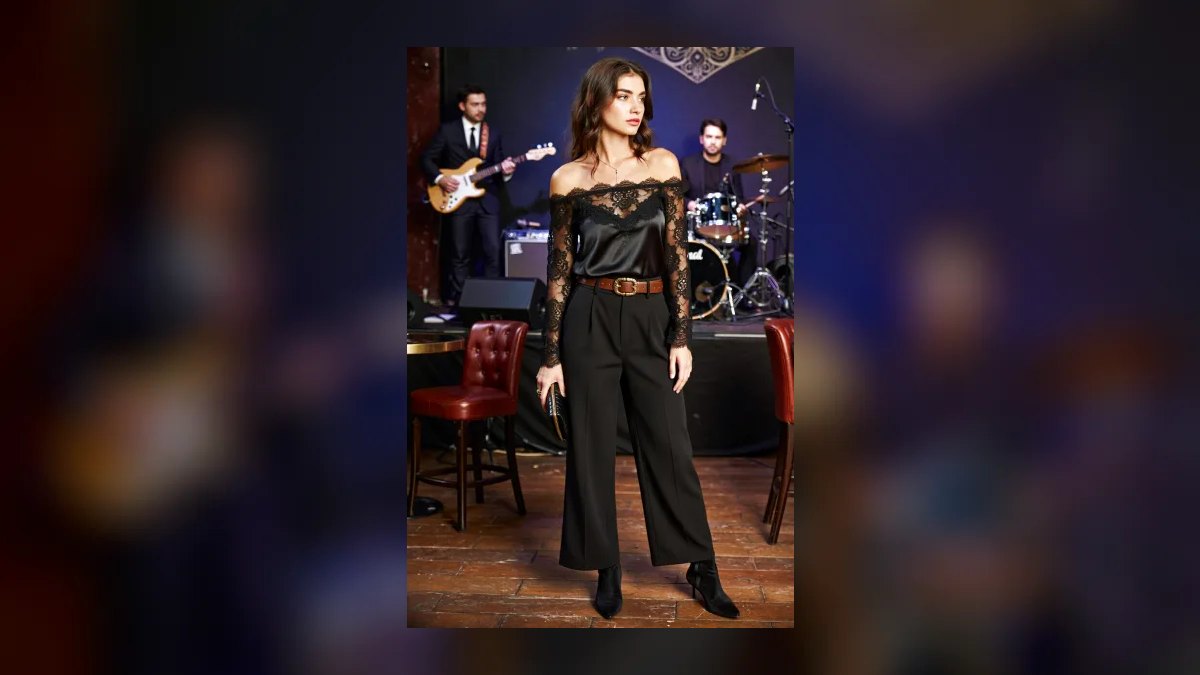
In your thirties and forties, clean lines and better fabric do the work that novelty used to. This is the decade where an unstructured navy blazer, a well-cut pair of wool trousers, and one good pair of loafers becomes a nearly universal answer. For women, the black crepe blazer over a silk shell with wide-leg trousers is the equivalent — it reads modern, it survives a full workday beforehand, and it photographs well in bad light. The risk here is defaulting to work clothes on autopilot. The fix is small: swap the work shirt for a knit, swap the lanyard-friendly bag for something smaller, add the one accessory you'd never wear to a meeting.
In your fifties and sixties, the advantage is that classic pieces now look inhabited rather than borrowed. A tweed sport coat, a burgundy V-neck cashmere over pleated navy trousers, brown wingtips; or a cashmere boat-neck top, a knee-length A-line wool skirt, a low pump, and a single strand of pearls. Fit becomes the entire game — a tailored ten-year-old jacket beats a new one off the rack every time, and the twenty-to-forty dollars a tailor charges to take in a waist or shorten a sleeve is the highest-leverage money in this whole category. The risk is stiffness. Loosen one element: an open collar instead of a tie, a suede shoe instead of a polished calf, a scarf instead of a pocket square.

Across all ages, the shared trap is fabric weight. Younger dressers under-layer and get cold walking in; older dressers over-layer and cook by the second set. The room is warm, the street is not, and a coat solves the gap better than an extra sweater does.
Where people get it wrong
Sneakers are the single most common miss, and the reasoning behind the mistake is understandable — the room is casual, the crowd is mixed, no one is checking. But a rubber-soled trainer flattens the whole silhouette, and it reads as "wandered in" rather than "came out." If you need the comfort, a leather sneaker in black or dark brown with a slim profile gets you most of the way; a Chelsea boot with a rubber sole gets you all of it.
Over-accessorizing is second. In a bright room, five small pieces read as considered. In a dim room, they read as clutter, because low warm light collapses detail and all the eye picks up is the fact that there is a lot going on. One piece, chosen deliberately, is the whole rule.

The fabric mistakes are quieter but more punishing. Denim that is light-wash, distressed, or loose breaks the register entirely. Fleece and technical outerwear rustle and shine. Linen looks wonderful for the first eleven minutes and then looks slept in. Heavy chunky knits trap heat you will regret. And anything that requires dry cleaning after one wear is a poor investment for something you may do monthly.
Color is the mistake people do not realize they are making. Bright white glows unattractively under tungsten and candlelight, and neons go muddy or garish. Ivory and cream do what white was supposed to do without the glare. If you want a bright note, put it in a small object — a scarf, a pocket square, an earring — rather than across a whole torso.
Comfort is the last and most consequential. People choose the outfit that looks best standing in front of a mirror, then sit in it for two hours. The five-minute sit test at home catches almost everything: sit in a hard chair, cross your legs, reach for a glass, lean forward as if listening. If anything pulls, rides, creases, or pinches in five minutes, it will be unbearable in ninety.
Two etiquette misses worth naming: hats and scent. A fedora or flat cap is a legitimate part of this idiom, but a wide brim in a seated room blocks the view of whoever is behind you — take it off once the set starts, or wear something low-profile. And heavy fragrance in a room where tables are eighteen inches apart is imposed on everyone around you; a light application, applied an hour early, is the courteous version.
Choosing what to wear on a given night
The decision that matters most is the one you make before you look in the closet: what kind of night is this. A weeknight drop-in at a neighborhood room where you'll catch one set and leave is a different problem from a Saturday with dinner, a cover charge, and two sets. The first wants comfort with one deliberate element. The second wants the full assembly.

If you are coming from work, the efficient move is to keep the bottom half and change the top half. Work trousers and work shoes are almost always already correct; the work shirt is what makes you look like you are still at work. A knit in the bag, swapped in a bathroom, plus removing the lanyard or the laptop bag, converts the whole look in three minutes. Women doing the same conversion get more mileage from swapping the shoe than the top — a flat work loafer to a heeled ankle boot changes the register instantly.
If the weather is a factor, solve it with the coat rather than with extra layers underneath. A wool overcoat, a trench, or a heavy leather jacket handles the walk and then goes to coat check or over a chair. Under-layering for the street means overheating in the room, and there is nowhere good to put a spare sweater once you are seated.
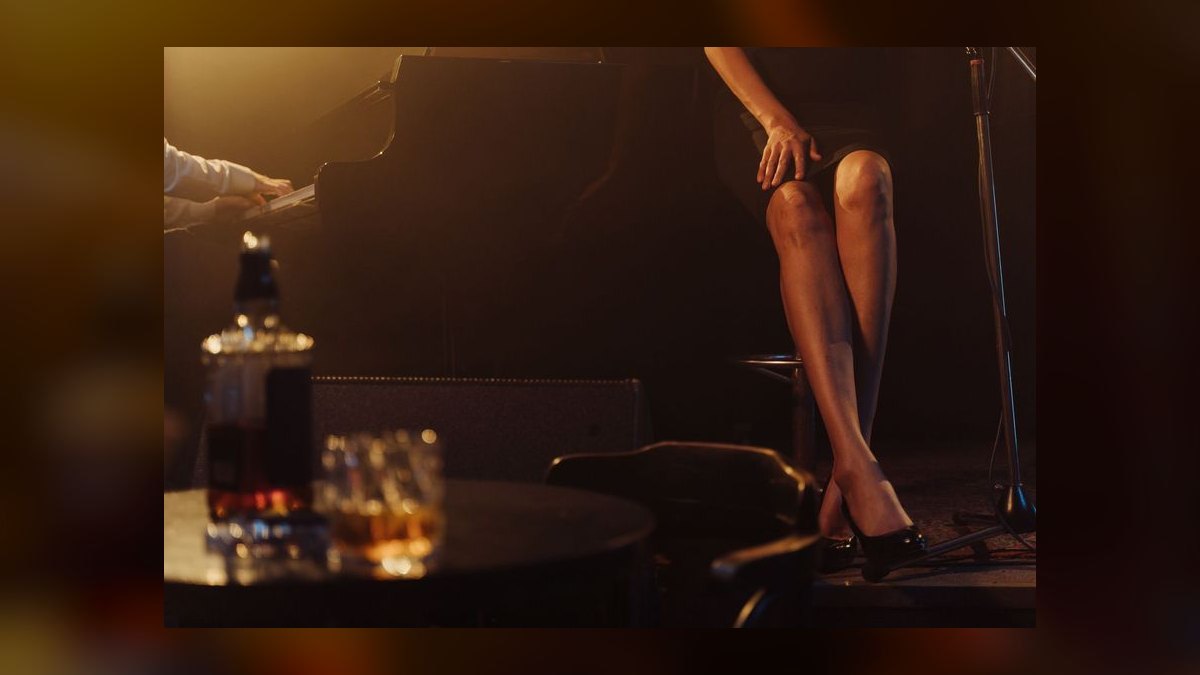
Seated versus standing changes the priority. Seated rooms reward fabrics with recovery and stretch, because you are folded into a chair. Standing rooms — the bar-side crowd at a popular club, or a late-night jam session — reward footwear above everything, because you will be on your feet for two or three hours on a hard floor.
If there's a dinner or a drink minimum attached, dial up one step across the board. That usually means silk instead of cotton, a sport coat instead of a cardigan, and a polished leather shoe instead of a suede boot. It rarely means a tie, and it almost never means a full suit unless the room is inside a hotel with a doorman.
One more adjacent case worth planning for, because it comes up: what if you are sitting in. Musicians in the audience who might be called up have a different constraint set — sleeves that clear the horn, shoes that reach a pedal, nothing that catches on a strap. A soft-shouldered jacket, a knit rather than a stiff collar, and a shoe with a thin sole are the practical answers. And if you are photographing the night, matte fabrics beat shiny ones under stage light, which is one more argument for wool and velvet over satin.
Related questions
Can I wear jeans to a jazz club?
Dark-wash, slim, unfaded, unripped denim clears the bar in most rooms, especially basement and neighborhood clubs. Elevate it with a blazer or sport coat and a leather shoe. Light-wash, distressed, or baggy denim does not work in any jazz room.
Do I need a jacket?
Not required, but it is the single piece doing the most work. A structured layer turns ordinary separates into an outfit, and taking it off when the room heats leaves you still looking finished. A heavy cardigan or a knit blazer substitutes acceptably.
What about a hat?
Fedoras, berets, and flat caps all belong to this idiom. The rule is sightlines: anything with a brim wide enough to block the person behind you comes off once the set starts. A flat cap or a low-crown beret is the low-risk choice.
Is a suit overdressed?
In a hotel lounge or supper club, no. In a standard listening room, a full matched suit reads slightly formal — but a suit jacket worn as a sport coat over contrasting trousers is perfect. Separating the suit is almost always the better move.
What should I wear to an outdoor jazz festival instead?
Different problem entirely. Standing, sun, and grass mean flat comfortable shoes, breathable natural fabrics, a hat with real brim coverage, and a layer for the temperature drop after sundown. The dark-and-textured formula is for indoor rooms only.
FAQ
What colors work best in a jazz club?
Dark, muted tones: black, charcoal, navy, oxblood, olive, deep burgundy, forest green. These read well under low warm light and let texture carry the interest. Ivory and cream substitute for white without the glare. Save brights for a single small accessory rather than a full garment.
What fabrics should I choose?
Wool, wool blends, merino, cashmere, silk, velvet, crepe, and suede. All of them hold shape when seated, recover from creasing, and look right under warm light. Avoid linen (creases instantly), fleece and technical synthetics (rustle and shine), and heavy chunky knits (too warm for a packed room).
How much should I expect to spend?
Nothing, if you already own dark trousers, a knit, and leather shoes — this is a staples category, not an occasion-wear category. Building it new from mainstream retail lands in the low-to-mid hundreds; better wool, cashmere, and full-grain leather push toward four figures. Spend on shoes and the jacket first.
What footwear is best?
Leather loafers, Chelsea boots, brogues, heeled ankle boots, or a low block heel or kitten-heel pump. Prioritize walkability — old buildings mean stairs and uneven floors. Keep to black, brown, or oxblood. Avoid athletic soles, and skip anything with a metal tip that clicks during quiet passages.
Does the dress code change by venue type?
Yes, by about one step in each direction. Hotel lounges and supper clubs run more formal — silk, sport coat, polished leather. Basement and warehouse rooms run more relaxed — dark denim clears. Standard listening rooms sit in the middle. Check the venue's own photo gallery before deciding.
Will I be too hot or too cold?
Both, in sequence. The street is cold and the packed room warms steadily through the set. Solve it with a removable outer layer and a real coat rather than extra layers underneath, since there is nowhere to store a spare sweater once you are seated at a small table.
Sources
- https://www.villagevanguard.com/
- https://www.bluenotejazz.com/
- https://www.jazz.org/
- https://ronniescotts.co.uk/
- https://www.gq.com/
- https://www.vogue.com/
- https://www.esquire.com/
- https://www.permanentstyle.com/
- https://www.si.edu/spotlight/jazz
- https://www.npr.org/sections/jazz/
Related on PULSE
This page will be disappearing soon. Save it to your device for $1 — or read it free while it is here.
@Kory-White- · if Venmo asks, the last 4 of my number are 2012
This page is gone.
This one is off the shelf now. $1 keeps it on your phone for good — the whole page, pictures and diagrams included.
 pulse-styleHow to Wear Cream with a Turtleneck in 2027
 pulse-styleHow to Wear Forest Green in Summer in 2027
 pulse-styleWhat to Wear to a Real Estate Job Interview in 2027
 pulse-styleWhat to Wear to a Wedding if You Have Broad Shoulders in 2027
 pulse-styleWhat to Wear to a Work Awards Gala in 2027
 pulse-styleHow to Style a Pleated Skirt for a Job Interview in 2027
 pulse-styleHow to Style a Midi Skirt for a Job Interview in 2027
 pulse-styleWhat to Wear to a Video Startup Job Interview in 2027
 pulse-styleHow to Wear Olive Green in Fall in 2027
 pulse-styleHow to Wear Cream with Cargo Pants in 2027