

What to Wear to a Real Estate Closing in 2027
 Curated byKory White · Fractional CRO · Maryland
Quality
Certified
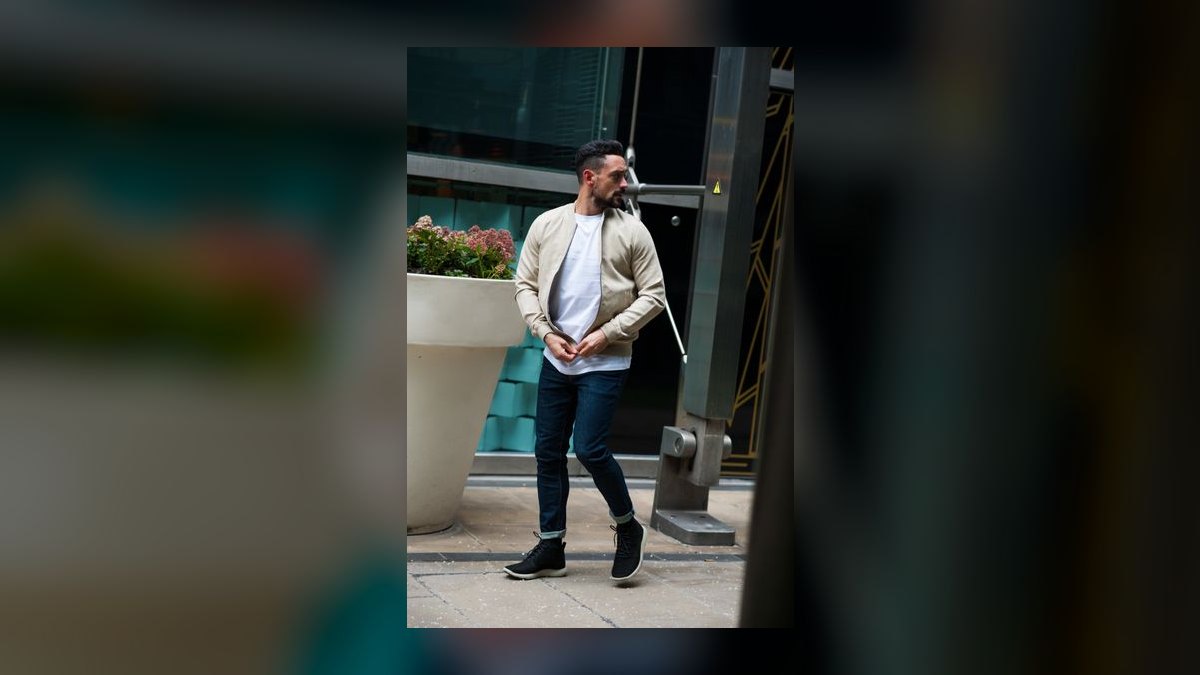
Wear polished business attire: a navy or charcoal blazer with a collared shirt and leather loafers, or a structured sheath dress or silk blouse with tailored trousers and low block heels. Keep colors neutral, fabrics natural, accessories minimal. A closing is a legal signing — dress like the most credible person in the room.
The outcome you should expect
A real estate closing is a 45-to-90-minute transactional meeting where a title agent or closing attorney walks parties through a stack of documents — the deed, the note, the deed of trust or mortgage, the closing disclosure, affidavits, and a wire authorization. What you wear will not change a single number on the settlement statement. What it will change is the friction around those numbers: how quickly the table takes your questions seriously, whether the other side reads you as prepared or improvisational, and how a lender's representative or attorney treats a last-minute discrepancy you raise.
The realistic outcome of dressing well here is narrow and worth naming honestly. You should expect to be read as someone who has done this before. You should expect that when you say "hold on, this figure doesn't match the estimate I was sent Tuesday," the room pauses rather than waves you along. You should not expect a discount, a concession, or a change in terms — closings are not negotiations, and anyone promising that clothing moves money at a signing table is selling you something.
There is a second outcome that matters more for agents, loan officers, and anyone whose revenue depends on referrals. A closing is the last live, in-person impression you make on a client before the relationship goes dormant for years. Buyers photograph the moment. They post the keys. They tell three people at work about their agent that week. If you show up in a wrinkled polo and the attorney across the table shows up in a pressed blazer, the client's memory of competence attaches to the attorney. For a working agent, that impression is a compounding asset — it feeds testimonials, repeat business, and the referral pipeline that most independent brokers rely on for the majority of their annual production.
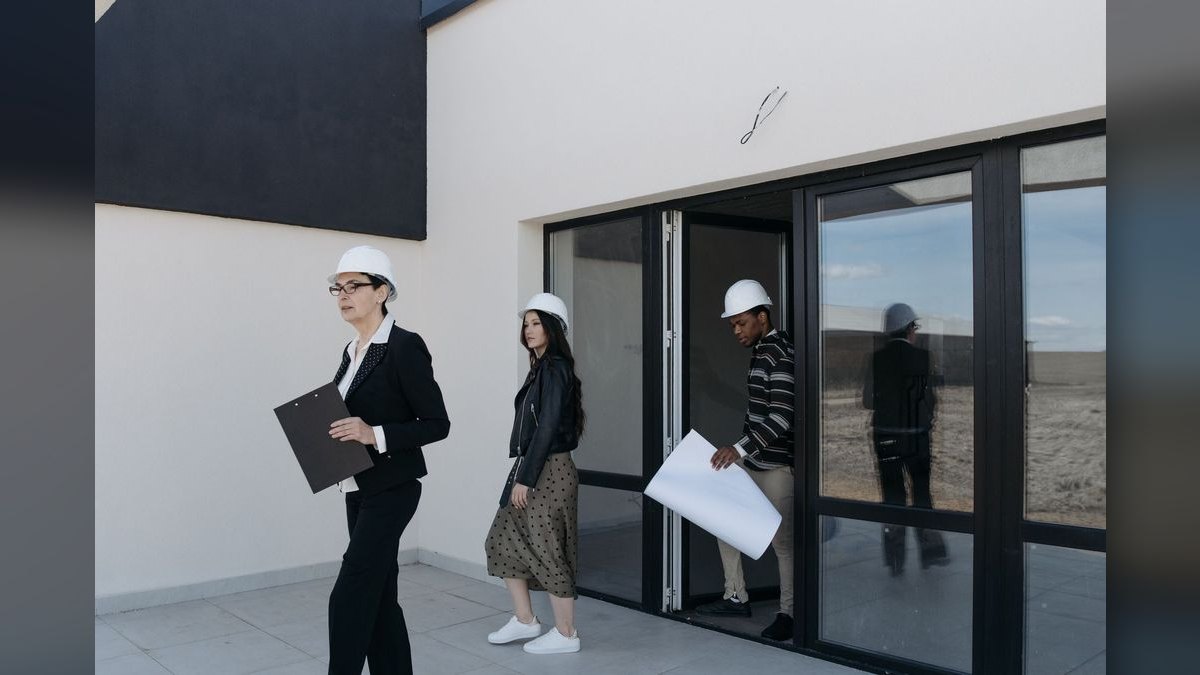
The practical target, then, is "credible and forgettable in the right way." Nobody at a closing should remember your outfit. They should remember that everything felt handled. That means clothing that fits, presses cleanly, does not make noise when you shift in a conference chair, and does not require you to adjust it while signing forty pages.
What drives that outcome
Three variables do almost all the work, and they are not the ones most people optimize for.
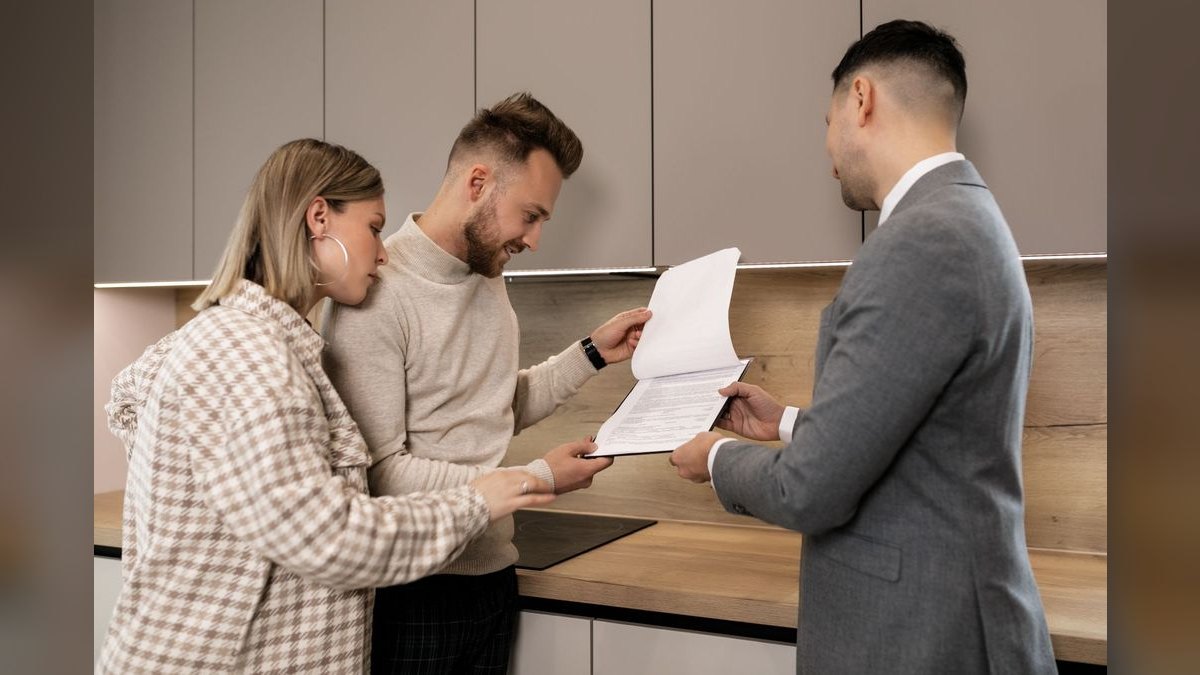
Fit beats price. A $150 blazer tailored at the shoulders, sleeves, and waist reads better than an $800 blazer off the rack that pulls across the back. Tailoring a jacket typically runs $40–$120 depending on the alterations; hemming trousers is usually $15–$30. If you own one good jacket and have never had it altered, spending $60 at a tailor will do more for how you're perceived at a closing than buying anything new. The specific tells the room registers without articulating: shoulder seam sitting at the edge of your shoulder, sleeve ending at the wrist bone with a quarter-inch of shirt cuff showing, trouser hem breaking once cleanly on the shoe.
Fabric behavior beats fabric name. You will sit for an hour, then stand for photos. Wool and wool blends recover from sitting; cheap polyester holds every crease from the drive over. Linen wrinkles beautifully in a garden and terribly in a fluorescent-lit conference room. High-quality cotton, tropical-weight wool, wool crepe, and heavier silk all behave. If you must wear a synthetic, choose one with texture rather than sheen — shine is what reads as cheap, not the fiber itself.
Contrast level sets the formality. A charcoal jacket with charcoal trousers is a suit and reads formal. A navy jacket with gray trousers reads business-casual and is the safest single default for a closing across almost every market. A navy jacket with khaki chinos drops another notch and works for a residential closing at a small title office. This is the dial you actually control, and it is far more useful than agonizing over tie or no tie.

A fourth variable deserves mention because people get it wrong in both directions: regional and market norms. A closing in Manhattan or downtown Chicago skews formal — attorneys are usually present, and suits are common. A closing in Phoenix in August, or a rural closing in the Southeast, skews meaningfully more casual, and a full suit can read as trying too hard. Luxury markets are their own category: at a high-value closing, understatement is the signal. Quiet fabric, no visible logos, one good watch.
Benchmarks and realistic ranges
Here is what things actually cost and what the sensible tiers look like. These are ranges you can verify at any mall or online retailer, not prescriptions.
Entry tier, roughly $300–$600 total. An unstructured cotton or cotton-blend blazer in navy ($120–$250), two Oxford-cloth button-downs in white and light blue ($40–$80 each), slim-straight chinos in khaki or gray ($60–$100), and a pair of leather loafers or derbies in brown ($100–$180). For a dress-forward version: a cropped or single-breasted blazer in cream or navy, a silk or silk-blend blouse ($60–$120), wide-leg crepe trousers ($80–$150), and pointed-toe leather flats ($90–$160). This tier covers a closing completely. Nobody at the table can tell what you spent.

Mid tier, roughly $700–$1,200. Wool-blend blazer in charcoal or black with a proper notch or peak lapel ($250–$450), poplin or twill dress shirt ($80–$150), flat-front wool trousers or a wool-blend pencil skirt ($120–$250), and a cap-toe Oxford or low block-heel pump in leather or suede ($200–$400). Add a silk tie ($40–$90) if the market is formal, or a delicate chain necklace ($60–$200). This is the tier most working agents and lenders land in, and the fabrics survive a hundred wears rather than twenty.
Upper tier, roughly $1,000–$2,000+. Cashmere-blend or full-canvas construction, cordovan or calfskin shoes, a knit sheath dress, a proper leather briefcase or structured tote. The visible difference at a closing is small; the difference in how the garment sits after eight hours is large. Worth it if you attend closings weekly. Not worth it if you attend one every seven years.
Timing benchmarks. Order any tailoring at least ten business days out — a rushed hem often costs double and comes back wrong. Have the outfit fully assembled and pressed 48 hours before, because closings get moved up more often than they get moved back. Budget 20 minutes of buffer on arrival: closings frequently start in a lobby, and arriving flushed from a parking-garage sprint undoes everything the blazer did.

The palette that always works. Navy, charcoal, gray, camel, cream, white, and a single restrained accent — burgundy, forest green, dusty rose, or muted blue. That is the entire usable range. Black is fine for women's separates and reads slightly severe on men in most American markets. Bright patterns, loud checks, and anything with a visible logo are the reliable ways to get this wrong.
Risks, edge cases, and failure modes
The dead-of-summer closing. A wool blazer in a 100-degree market is a mistake dressed as good judgment. Switch to tropical-weight wool, linen-cotton blends, or drop the jacket entirely for a crisp long-sleeve shirt with the sleeves down and trousers. Sweating through a shirt undoes far more credibility than showing up jacketless.
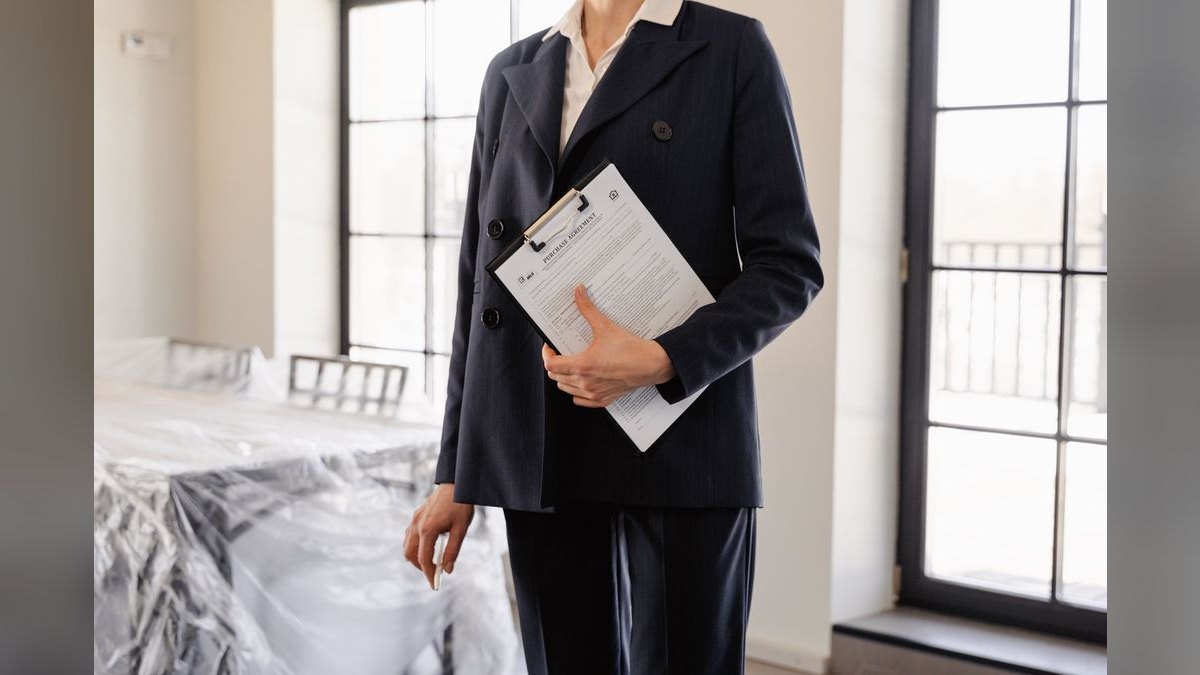
The mobile or remote closing. A growing share of closings happen at a kitchen table with a mobile notary, or entirely by video through a remote online notarization platform. For the kitchen-table version, drop one notch: collared shirt and chinos, blouse and tailored pants, real shoes. For the video version, everything above the sternum is the entire outfit — solid mid-tone colors read best on camera, fine stripes and small checks create moiré patterns, and a collar gives the frame structure that a crew neck does not.
Shoes are the most common failure. Sneakers of any kind, including clean white leather ones, read casual at a signing table. Scuffed or unpolished leather reads worse than modest shoes in good condition. Ten minutes with a shoe brush the night before is the highest-return grooming act available. For heels, block heels under three inches — you may be walking a property, standing for photos, or navigating a parking structure.
Over-accessorizing. Two pieces maximum beyond a watch. Chunky statement jewelry catches on document stacks and clicks against tables during a recorded signing. Skip anything that jangles.
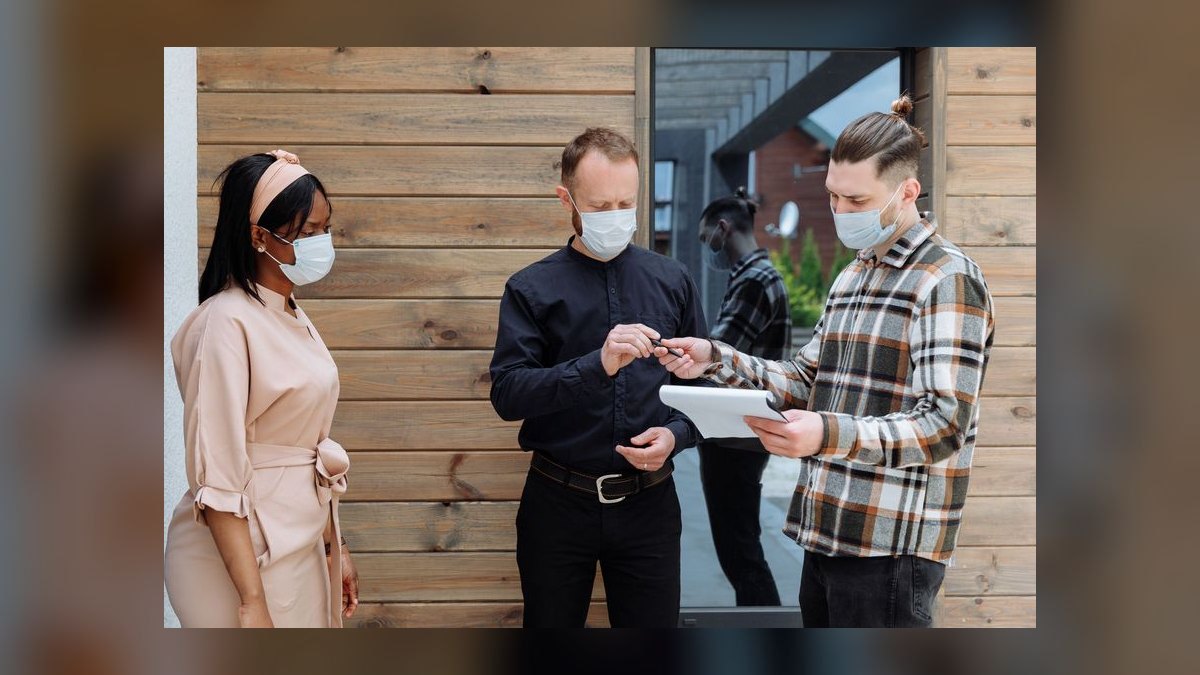
Fragrance. A closing room is small and often windowless with six to ten people in it. One spray of something light, or none. Several parties may have sensitivities, and a strong scent is the one wardrobe choice people actually complain about afterward.
Under-dressing as a strategy. Some buyers deliberately dress down at a closing under the theory that looking modest prevents anyone from thinking they have money to spare. The terms are already fixed by the contract and the closing disclosure by this point; there is nothing left to shade. The only effect is that you look less prepared when you need to challenge a line item.
Over-dressing in a casual market. A three-piece suit at a rural title office in a small market can create distance rather than credibility. If you are unsure, the navy-blazer-and-gray-trousers combination or a simple sheath dress is close to unimpeachable in every direction.

The forgotten logistics. Bring a government-issued photo ID — a driver's license or passport — because the notary will require it and an expired one stops the closing cold. Carry a pen you like; you will sign your name twenty to forty times, and a bad pen makes a long meeting longer. If you are a party bringing funds, confirm the wire the morning of, directly by phone using a number you looked up independently, because wire-fraud attempts targeting closings are a real and well-documented threat.
A practical rollout plan
Work backward from the closing date. This is the sequence that produces zero surprises.
Ten days out. Confirm the venue and the host. Ask your agent or the title company two questions: where is the closing, and who will be in the room? An attorney-hosted closing in a downtown office is a different dress problem than a title company suite in a strip center. Pull your intended outfit out of the closet and try the whole thing on, shoes included. This is when you discover the trousers no longer fit or the jacket has a stain you forgot about.

Seven days out. Send anything to the tailor or dry cleaner now. Buy the one missing piece if there is one. Do not buy an entire outfit this week — new shoes at a closing means blisters during a meeting where you cannot get up.
Two days out. Press everything and hang it. Polish the shoes. Assemble the non-clothing kit in the same place: photo ID, a good pen, reading glasses if you use them, and a folder with your closing disclosure and your own copy of the purchase agreement.

The morning of. Dress with a full-length mirror and check the three fit points — shoulders, sleeve length, trouser break. Eat something. Closings run long and low blood sugar makes people agreeable at exactly the wrong moments. Leave early enough to arrive fifteen minutes ahead, which gives you time to find the suite, use the restroom, and walk in composed.
If you are the professional, not the party. Agents, loan officers, and closing coordinators should keep a dedicated closing outfit that never gets worn to showings. Showings destroy shoes and hems. A separate rotation of two blazers, three shirts or blouses, and one pair of shoes that only sees conference rooms will last years and always be ready when a closing moves up two days.
After the closing. Hang the jacket immediately rather than folding it into a car seat, brush the shoulders, and air it out for 24 hours before it goes back in the closet. A blazer that gets this treatment holds its shape for a decade; one that lives crumpled in a back seat is finished in two years.
Related questions
Do I need to wear a suit to a real estate closing?
No. A full matched suit is only expected at formal attorney-hosted or commercial closings. For a typical residential closing, a navy blazer with gray trousers, or a sheath dress, is the right register — appropriate without being stiff.
What should I wear to a closing held over video?
Solid mid-tone colors with a collar or structured neckline. Avoid fine stripes and small checks, which shimmer on camera. Only your upper body is visible, but wear real trousers in case you must stand.
Is it acceptable to wear jeans to a closing?
Only if you have confirmed the setting is genuinely casual. Dark, unfaded jeans with a blazer can work at an informal kitchen-table signing. At a title office or attorney's conference room, chinos are the safer floor.
What do I wear to a commercial real estate closing?
Step up a full notch. Commercial closings usually involve attorneys, lenders, and corporate representatives. A matched suit in navy or charcoal with a dress shirt and leather Oxfords is the expected baseline for all parties.
Should real estate agents dress differently than their clients?
Yes — one notch above the room. Your client's memory of the transaction attaches to how handled the day felt, and that impression drives referrals for years afterward.
FAQ
Can I wear sneakers to a real estate closing?
Skip them. Even pristine white leather sneakers read as casual at a signing table where a notary is verifying identity and a stack of legal documents is changing hands. Loafers, derbies, low block heels, or leather flats all work and are equally comfortable for a 90-minute meeting.
What color blazer is safest?
Navy, by a wide margin. It works in every American market, pairs with gray, charcoal, khaki, and cream trousers, and photographs well for the keys-in-hand picture. Charcoal is the close second. Camel is excellent in fall and winter and reads slightly more relaxed.
Do men still need a tie at a closing in 2027?
Not usually. Ties are expected at formal attorney-hosted closings, commercial transactions, and in traditionally conservative markets. For a standard residential closing, a well-fitted blazer over an open-collar shirt is fully appropriate. If unsure, bring one in your bag and decide in the lobby.
How dressy should my bag be?
A structured tote, portfolio, or briefcase in leather or a substantial fabric. Skip backpacks, gym bags, and oversized slouchy bags. You need to carry your ID, a pen, and a folder of documents, and you will leave with a thick packet of executed paperwork.
What if the closing venue is a house rather than an office?
Drop exactly one level of formality, not three. A collared shirt with chinos and leather shoes, or a blouse with tailored trousers, is right. The notary is still performing a legal function, and the documents carry the same weight regardless of the table they sit on.
Does what I wear affect the price or terms at closing?
No. Terms are set by the executed purchase agreement and the closing disclosure before anyone sits down. Clothing affects how seriously the room takes you if you flag an error, not the numbers themselves. Treat it as credibility insurance, not leverage.
Sources
- Consumer Financial Protection Bureau — What to expect at closing
- Consumer Financial Protection Bureau — Closing Disclosure explainer
- National Association of Realtors — Home Buyers and Sellers Research
- American Land Title Association — Homebuyer Outreach Program
- Federal Bureau of Investigation — Business Email Compromise and real estate wire fraud
- U.S. Department of Housing and Urban Development — Buying a home
- Federal Trade Commission — Mortgage closing scams
- Fannie Mae — Closing on your mortgage
Related on PULSE
- What to Wear to Signing on a House Closing in 2027
- What to Wear to a Real Estate Job Interview in 2027
- What to Wear to a Executive Real Estate Job Interview in 2027
- What to Wear to a Second-Round Real Estate Job Interview in 2027
- What to Wear to a Phone-Screen Follow-Up Real Estate Job Interview in 2027
- What to Wear to a Internship Real Estate Job Interview in 2027
This page will be disappearing soon. Save it to your device for $1 — or read it free while it is here.
@Kory-White- · if Venmo asks, the last 4 of my number are 2012
This page is gone.
This one is off the shelf now. $1 keeps it on your phone for good — the whole page, pictures and diagrams included.
 pulse-styleHow to Style a Midi Skirt for a Job Interview in 2027
 pulse-styleWhat to Wear to a Tech Startup Interview in 2027
 pulse-styleWhat to Wear to Yoga Class in 2027
 pulse-styleWhat to Wear to Meeting the Parents in 2027
 pulse-styleWhat to Wear to a Site Inspection in 2027
 pulse-styleWhat to Wear to an Award Ceremony at Work in 2027
 pulse-styleWhat to Wear to a Parent-Teacher Conference in 2027
 pulse-styleHow to Style a Pleated Skirt for a Job Interview in 2027
 pulse-styleHow to Style a Maxi Dress for a First Date in 2027
 pulse-styleHow to Wear Cream in Summer in 2027