

What to Wear to a Corporate Training Session in 2027
 Curated byKory White · Fractional CRO · Maryland
Quality
Certified
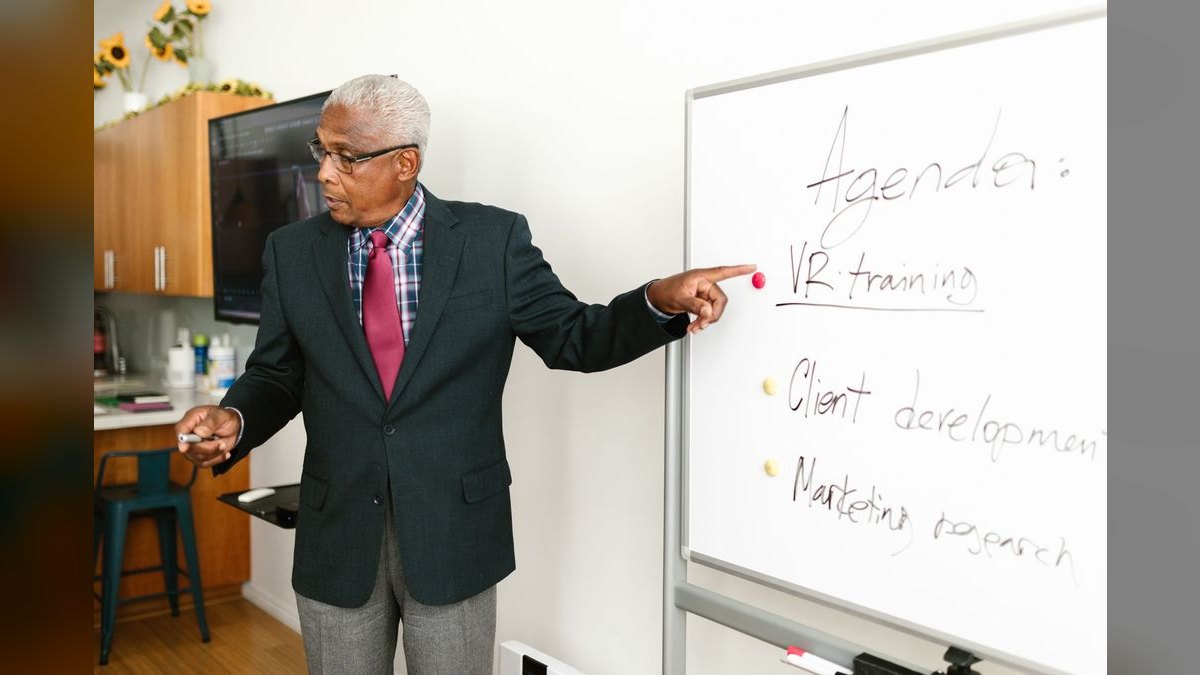
Wear business-casual separates: a structured blazer or cardigan over a simple top, with tailored trousers or a knee-length skirt in navy, charcoal, or camel. Choose closed-toe flats, loafers, or block heels under two inches. Prioritize stretch fabrics and layers — you will sit for hours in an over-air-conditioned room and move for group exercises.
The 8:45 a.m. badge line that sets your whole day
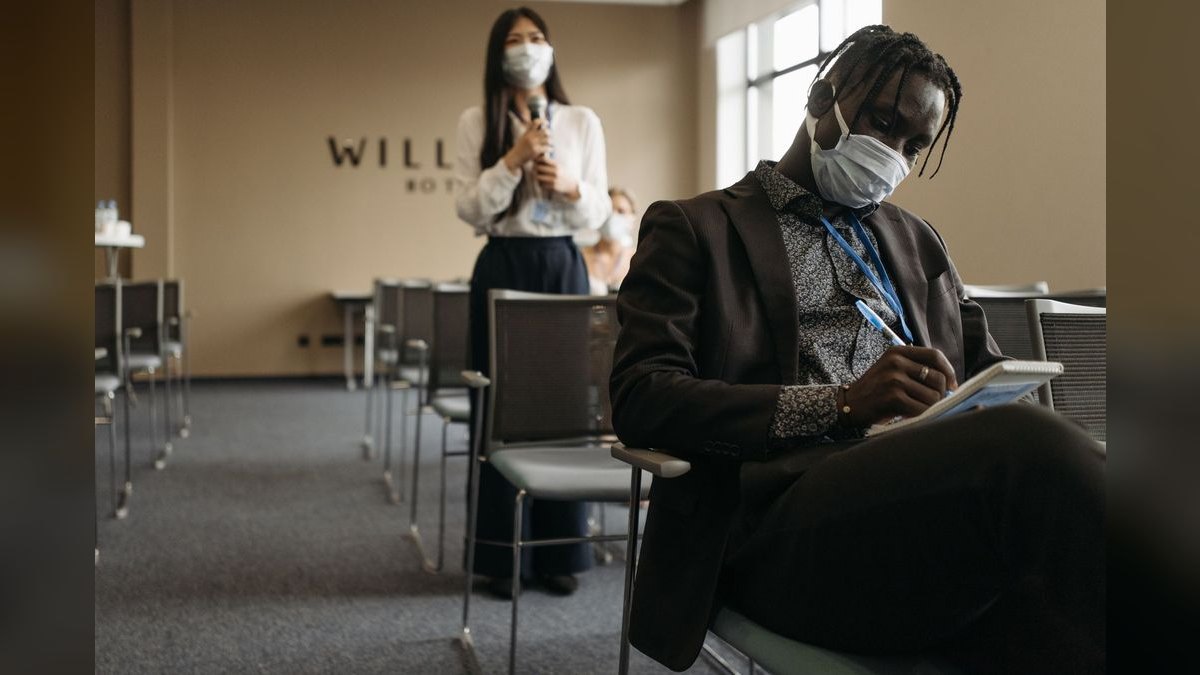
Picture the actual room. You arrive at a regional office or a rented conference floor at 8:45 a.m. for a full-day Corporate enablement program. There is a badge table, a coffee urn, and forty people you mostly have not met standing in clusters. You will be in that building for roughly eight hours. Somewhere around 10:30 the facilitator will say "find a partner and stand up." At noon there is a catered lunch with no assigned seating. At 2:00 the room temperature drops because the HVAC is calibrated for a full room at peak occupancy and half the group left for a call. At 4:30 someone pulls out a phone for a group photo that ends up in an internal newsletter.
That sequence is the entire brief. Every clothing decision you make should be tested against it. A stiff suit jacket looks decisive at the badge table and becomes a straitjacket by hour three. A pair of stilettos survives the badge line and fails the walk to the breakout room on the other side of the floor. A sleeveless silk shell photographs beautifully and leaves you shivering by 2:15. Nothing about this is a fashion problem — it is a logistics problem wearing fashion's clothes.
The second thing that room does is compress your first impressions. In normal office life, colleagues form an opinion of you over weeks of small interactions. In a Training Session, forty people meet you inside a two-hour window, and most of them will never see you again outside that room and the internal directory photo. Whatever you wear becomes the visual shorthand for who you are to a cross-functional group you may later need to influence — the RevOps analyst who becomes your data partner, the regional director who signs off on your next initiative, the enablement lead who decides which sales team pilots your process change. That is the real career math: the outfit is cheap, and the network in the room is not.
The third pressure is status ambiguity. You usually do not know in advance whether the room skews to field sellers in polos or to VPs in tailored wool. Corporate Training pulls people out of their normal habitat and mixes seniority levels that rarely share a room. Dress for the middle of the distribution and you are never the person who stands out for the wrong reason in either direction — too casual next to the executive sponsor, or too formal next to a room of people who drove in from client sites.
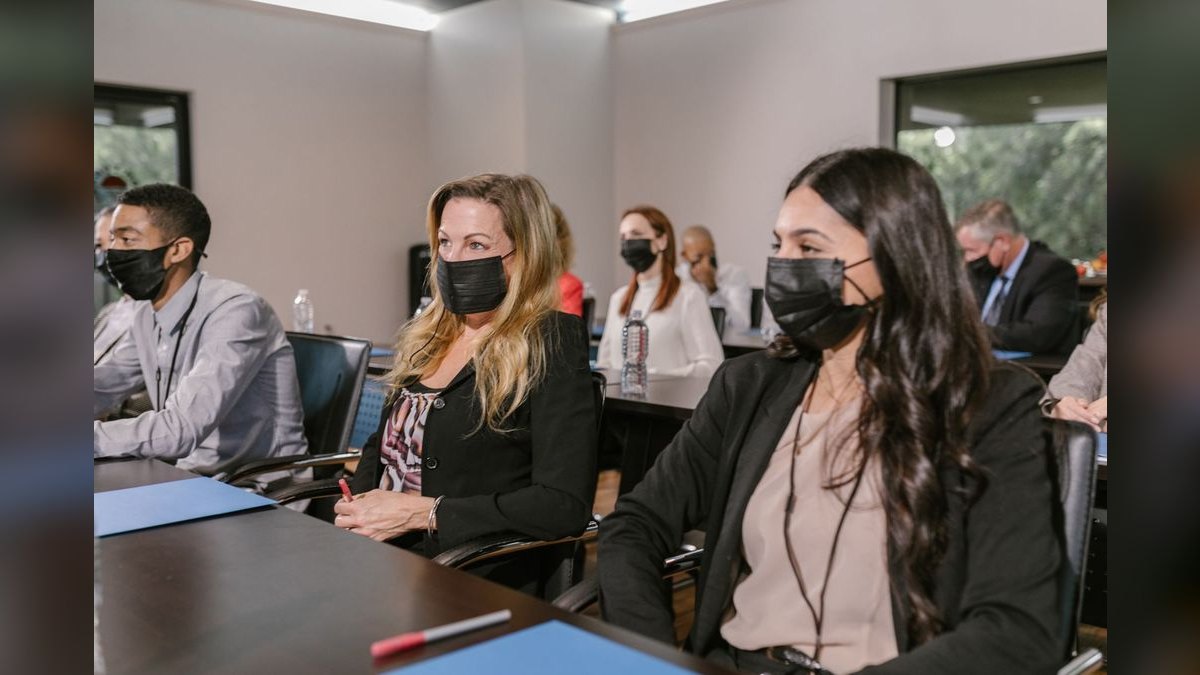
So the working brief is: business-casual separates in a neutral palette, built from fabrics with mechanical stretch, layered so you can add or shed one piece, on shoes rated for standing and walking, carrying a bag that holds a notebook and a water bottle without looking like luggage. Everything below is the specific version of that.
How the outfit actually has to perform across an eight-hour day
The reason business-casual separates win is not aesthetic — it is that a training day is really four different micro-environments stitched together, and a single-piece outfit can only optimize for one of them.
Seated blocks (roughly 4–5 hours of the day). This is where fabric choice does all the work. Woven cotton dress shirts and rigid worsted-wool trousers crease at the hip and elbow within ninety minutes of sitting, and the creases do not fall out. Fabrics with 2–4% elastane, ponte knit, stretch twill, or a wool blend with a knit backing recover their shape when you stand. The practical test in the fitting room: sit down, cross your legs, stand up, and look at the lap of the trousers. If the crease is still visible after ten seconds, the fabric will look slept-in by lunch.
Standing and moving blocks (1–2 hours). Group exercises, gallery walks where you post sticky notes on wall charts, breakout rotations to other rooms. Skirts should be knee-length or longer and A-line or straight rather than pencil-tight — a pencil skirt that is fine for a seated meeting turns into a shuffle when you need to cross a room quickly. Trousers should clear the shoe with a slight break, not pool at the ankle where you can step on the hem.
Thermal swings. Conference rooms are usually set somewhere in the 68–72°F band, but occupancy swings and the fact that most of these rooms are interior spaces with no windows means the felt temperature moves several degrees over a day. A removable middle layer — an unlined blazer, a fine-gauge merino cardigan, a wrap — is the single highest-leverage item in the outfit. It also solves the formality problem: jacket on when the executive sponsor drops in, jacket over the chair back when the room relaxes.
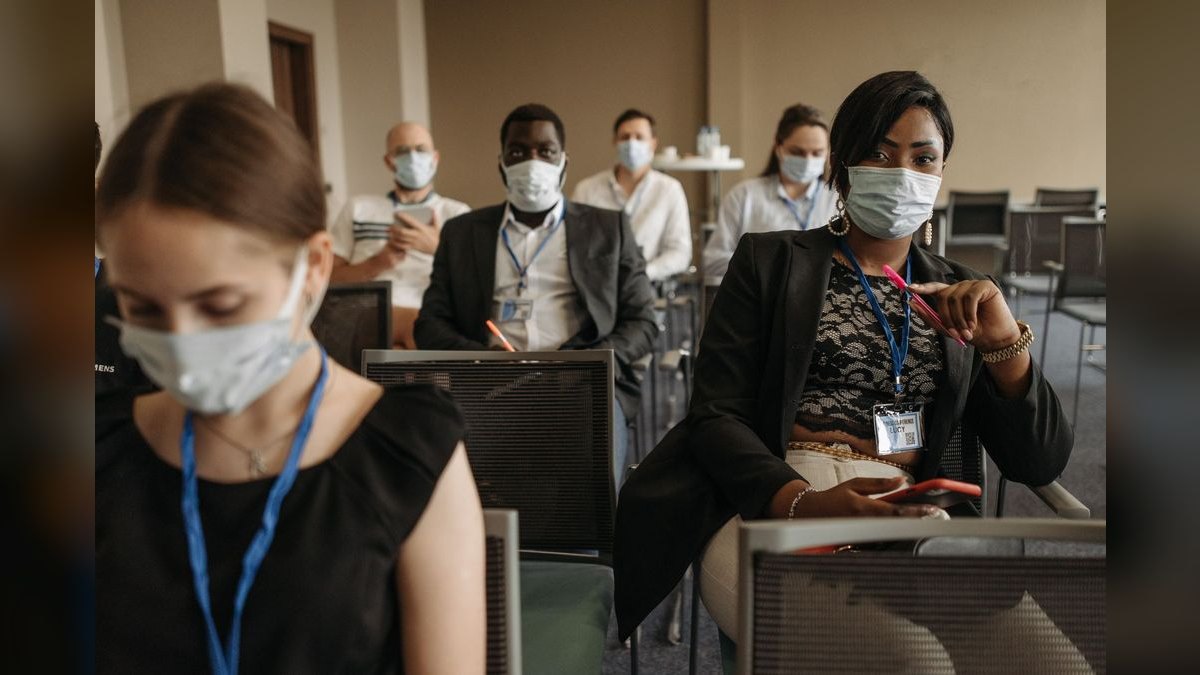
Unstructured social time. Coffee breaks, the lunch line, the walk to the parking garage. This is where shoes and bag get judged, and where you actually meet people. A bag you can carry in one hand while holding a plate matters more than it sounds.
There is a fifth environment people forget: the commute. If you are driving ninety minutes to a regional training center, the outfit needs to survive being seat-belted. Light-colored trousers pick up seat-belt marks; heavily structured jackets get crushed. The workaround used by people who do this often is to drive in the shirt and trousers and put the jacket on in the parking lot — which only works if the jacket is one you can carry uncreased, i.e. unlined or half-lined.
Concrete pieces, palettes, price bands, and fit numbers
Here is the specific build, with the ranges that actually matter.
The palette. Anchor on navy, charcoal, camel, and ivory. Add black if your industry skews formal — finance, legal, some enterprise sales cultures — but note that head-to-toe black in a fluorescent-lit room photographs flat. Use exactly one muted accent per outfit: blush, sage, heather grey, or a soft rust. The rule of thumb is two neutrals plus one accent, maximum three colors total, which is why the navy-camel-ivory combination shows up so often in professional wardrobes — it is nearly impossible to get wrong.
Trousers and skirts. Look for a fabric blend that includes 2–4% elastane, or a ponte/scuba knit. Flat-front trousers read cleaner than pleats in a seated room. For fit: you should be able to slide a flat hand into the waistband with the trousers buttoned and no gap at the back. Inseam should leave the hem grazing the top of the shoe with a slight break — a full break bunches when you sit. Skirts at the knee or one to two inches below it, straight or A-line.
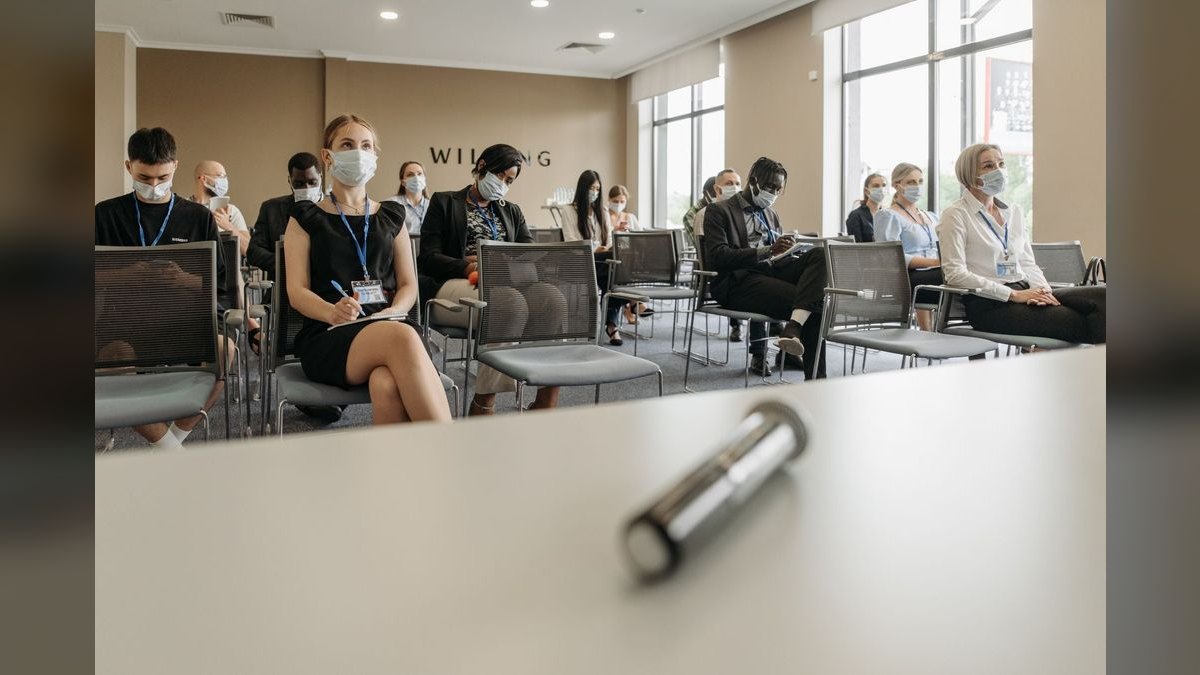
Tops. A solid or subtly patterned blouse, a button-down oxford, or a knit polo. Pinpoint or oxford cotton for men holds a collar better than poplin after eight hours. For women, a silk or silk-blend shell under a jacket, or a fine merino knit, both avoid the visible-wrinkle problem woven cotton has. Avoid anything sheer enough to require a camisole you will be adjusting all day, and check that the neckline stays put when you lean forward over a workbook — that is a real test, not a hypothetical one.
The layer. An unstructured or half-lined blazer is the workhorse: it gives you the jacket silhouette without the shoulder padding that makes sitting for hours uncomfortable. A merino or cashmere-blend cardigan, worn open, is the softer alternative and reads more approachable — useful if you are the facilitator rather than a participant. A cashmere or wool wrap works if you want zero constriction and are comfortable with a less structured look.
Shoes. This is where most people lose the day. Block heels of 1.5–2 inches, leather loafers, cushioned pointed-toe or almond-toe flats, or minimal leather sneakers in white, black, or navy. Rubber or rubberized soles matter more than they sound — rented conference floors are often polished concrete or hard tile, and a leather sole on tile after six hours is genuinely painful. If you buy new shoes for the event, wear them for at least two three-hour stretches at home first. A blister at 11 a.m. changes your entire posture and mood for the remaining five hours.
Bag. A structured tote or a leather messenger. The functional spec: it must hold a laptop or tablet, a paper notebook, a pen, a water bottle, a phone charger, and a granola bar, and it must stand up on its own next to your chair rather than flopping over and spilling. Canvas or leather both work; skip anything with a large visible logo, which reads as trying too hard in a mixed-seniority room.
Accessories. Keep jewelry quiet — literally. Stacked bangles and long pendant necklaces click against a table mic or a laptop during small-group discussion, and in a recorded session they are picked up by the room audio. Studs, a single fine chain, a watch. A lanyard or badge clip will be handed to you; wear it, and make sure your top has somewhere for it to sit that is not directly over a print.
Budget ranges. A workable full outfit assembled from mid-market retailers lands roughly in the $200–$500 band for a complete look — trousers, top, layer, shoes, bag. Stepping up to better fabrics and construction moves you to roughly $400–$800. Premium tailoring and cashmere pushes past $800–$1,000. The single highest-return line item is shoes: a comfortable, well-made pair used across dozens of training days and client meetings amortizes to almost nothing per wear, and it is the piece that most affects how you feel by hour six. The second highest is the blazer, because it is what gets photographed and what carries the formality signal.
Age-band adjustments. In your 20s, slimmer cuts, knit fabrics, and a trend-forward accent color like olive or blush read as current without reading as costume. In your 40s, structured pieces with subtle patterning — pinstripe, micro-check, birdseye — and heels at two inches or below. In your 60s, prioritize fabric quality over silhouette novelty: cashmere, silk, fine wool, and classic cuts that have not dated in twenty years and will not date in another ten. The shift across the bands is from fashion-forward to timeless quality, and the mistake at every band is dressing for the band below.
Trade-offs: how formal to go, and what you give up either way
Every choice here is a trade, and the honest framing is that there is no universally correct answer — there is a correct answer for your specific room.
Blazer vs. cardigan. The blazer signals authority and photographs better; it costs you shoulder mobility and runs warmer. The cardigan signals approachability and is more comfortable for eight hours; it reads a half-step less senior. If you are presenting any portion of the session, or if external clients are in the room, take the blazer. If you are a participant in an internal-only session, the cardigan is fine and you will be more comfortable.
Sneakers vs. leather shoes. Minimal leather or knit sneakers in a neutral color are now broadly acceptable in most business-casual Corporate settings and are meaningfully more comfortable. What you give up: they cap your formality ceiling. If the CEO walks in, sneakers cannot be dressed up in the moment the way a loafer can. Athletic running shoes with visible tech soles and bright logos remain out of bounds regardless.
Dress vs. separates. A ponte-knit sheath dress is the fastest morning decision and looks intentional. What you give up is thermal adjustability — you have exactly one layer to add or remove, versus separates where you can change the equation twice. If you go with a dress, the blazer becomes mandatory rather than optional.
Tie vs. no tie. Optional in almost all training contexts now. Wearing one costs you nothing except a slight formality mismatch if the room skews casual, and it is easily removed. Not wearing one is only a problem if there is a client-facing component or a senior external presenter. The safe play in an unknown room: bring the tie in your bag, read the room at the badge table, decide in the first ten minutes.
Jeans. Even dark-wash, no-distressing jeans read too casual for most Corporate Training Sessions, and the downside risk is asymmetric — nobody has ever been penalized for wearing chinos instead of jeans, and people are absolutely noticed for the reverse. Chinos in khaki, stone, olive, or navy get you the same comfort with none of the risk.
The multi-day trade. If the program runs two or three days, do not repeat an outfit, but do repeat the anchor pieces. Two pairs of trousers and three tops covers three days without anyone noticing, and it halves what you pack. Keep the same shoes all three days — you have already broken them in, and swapping to an untested second pair on day two is how people end up limping through the closing session.
The remote-hybrid trade. If part of the session is delivered over video with breakout rooms, the calculus shifts to what reads on camera: solid mid-tone colors over busy patterns, which moiré on webcams, and a neckline that frames well in a head-and-shoulders crop. But if you are in the physical room for part of it and on camera for part of it, optimize for the physical room — patterns that moiré slightly are a smaller problem than being cold and stiff for six hours.
The five mistakes that actually cost people
Dressing for the badge table instead of hour six. The most common failure is choosing an outfit that looks sharp for the first thirty minutes and is unwearable by mid-afternoon. Test everything against the seated-for-hours condition. If you would not want to be in it on a long flight, you do not want to be in it in a training room.

Skipping the layer. Conference rooms run cold, reliably. Being cold degrades attention and makes you physically hunch, which reads as disengaged to everyone across the table from you — including the people whose opinion of you affects whether your next project gets resourced. Always bring the blazer, cardigan, or wrap even if the forecast says 85°F outside.
Untested shoes. New shoes on training day is a self-inflicted wound. So is any shoe with a thin sole on hard flooring, and any heel over two inches when the day includes breakout rotations. If you must wear a dressier shoe for a client-facing segment, carry a second comfortable pair and swap during lunch.
Noisy or fidgety accessories. Bracelets that clack on the table, a bag with a loud zipper, a jacket with a stiff collar you keep adjusting. In small-group work the room is quiet and every sound carries. Fidgeting also reads as nerves on video if the session is recorded.
Ignoring the actual dress code signal. If the invite says something, follow it. If it does not, the two-minute fix is to ask the organizer or the enablement contact directly — "is this business casual?" is a normal question and nobody has ever thought less of someone for asking. Second-best: look at photos from the last iteration of the same program on the company's internal channels or its public careers page. Guessing is the only bad option.
One more, less obvious: overdressing relative to the facilitator. If you show up in a full suit to a session run by someone in a knit polo, you have created a small awkwardness that the facilitator has to manage. It is rarely fatal, but the goal is to be legible and unremarkable in dress so that what people remember is what you said in the breakout, not what you had on. That is the whole point — in a room full of people who will later be your cross-functional partners on revenue programs, process changes, and pilots, you want your clothes to be the least interesting thing about you.
Related questions
Should I dress differently if I am the one facilitating?
Yes — go one half-step more formal than the room. A jacket, structured trousers, and a leather shoe. You will be standing for most of the day, so shoe comfort matters even more, and you want a top that works with a lavalier mic clip and a battery pack on a waistband or pocket.
What if the session is at an offsite resort or retreat center?
Dial down one notch: chinos or a knit dress instead of wool trousers and a blazer. Bring the blazer anyway for any evening dinner component. Check whether there is an outdoor or activity segment — resort programs often include one, and that changes your shoe requirement entirely.
Is it acceptable to wear the same outfit if the training runs two days?
Not the same full outfit, but repeat the anchor pieces. Two pairs of trousers plus three tops covers three days invisibly. Keep the same broken-in shoes throughout rather than introducing an untested pair mid-program.
How much should I actually spend on this?
A complete, credible outfit from mid-market retailers lands around $200–$500. Put the money into shoes and the blazer, which carry the most wear and the most signal. Everything else can be replaced cheaply without anyone noticing.
FAQ
Can I wear sneakers to a corporate training session?
Yes, if they are minimal leather or knit sneakers in white, black, or navy with no visible branding and a low-profile sole. They pair cleanly with chinos or tailored trousers. Athletic running shoes with mesh uppers, chunky tech soles, or bright colorways still read as gym wear and undercut the rest of the outfit.
Is a dress appropriate for a training session?
Absolutely, provided it is knee-length or longer and cut from a structured fabric like ponte knit or a stretch crepe that will not wrinkle across the lap after hours of sitting. Pair it with a blazer or cardigan — with a dress, the layer is not optional, because you have no other way to adjust for a cold room.
Should I bring a laptop bag or a backpack?
A structured tote or leather messenger is the safer choice; it stands up next to your chair and reads professional in a mixed-seniority room. A minimalist leather backpack is acceptable in more casual cultures. Whatever you pick, confirm it holds a notebook, pen, water bottle, charger, and laptop without straining.
What colors are safest?
Navy, charcoal, camel, ivory, and black are universally professional. Build from two of those and add exactly one muted accent — blush, sage, heather grey, soft rust — for personality. Three colors total is the ceiling. Avoid head-to-toe black under fluorescent lighting, which flattens badly in group photos.
Do I need to wear a tie?
No. Ties are optional in nearly all training contexts today. If you want one, a solid knit or a silk rep stripe in navy or burgundy is the safe register. The practical move in an unfamiliar room is to bring it in your bag and decide during the first ten minutes at the badge table.
What if I am traveling in the morning and arriving directly?
Wear the shirt and trousers for the drive or flight and carry the jacket separately — an unlined or half-lined blazer travels far better than a fully canvassed one. Avoid light-colored bottoms, which pick up seat-belt marks and seat transfer, and pack a lint roller in the bag.
Sources
- https://www.bls.gov/ooh/ — U.S. Bureau of Labor Statistics Occupational Outlook Handbook, for industry-by-industry workplace norms
- https://www.shrm.org/ — Society for Human Resource Management, guidance on workplace dress codes and policy
- https://www.ashrae.org/ — ASHRAE, standards for indoor thermal comfort and conditioned-space temperature ranges
- https://hbr.org/ — Harvard Business Review, research and commentary on workplace impressions and professional presence
- https://www.osha.gov/ — OSHA, guidance on footwear and workplace safety in commercial settings
- https://www.mayoclinic.org/ — Mayo Clinic, guidance on footwear, posture, and prolonged sitting
- https://www.gsa.gov/ — U.S. General Services Administration, conference and meeting facility standards
- https://www.consumerreports.org/ — Consumer Reports, testing and buying guidance on apparel and footwear
Related on PULSE
This page will be disappearing soon. Save it to your device for $1 — or read it free while it is here.
@Kory-White- · if Venmo asks, the last 4 of my number are 2012
This page is gone.
This one is off the shelf now. $1 keeps it on your phone for good — the whole page, pictures and diagrams included.
 pulse-styleHow to Style a Wrap Dress for a Graduation in 2027
 pulse-styleWhat to Wear to a Graduation if You Have a Long Torso in 2027
 pulse-styleHow to Style Wide-Leg Pants in Spring in 2027
 pulse-styleHow to Wear Olive Green in Fall in 2027
 pulse-styleHow to Style a Knit Vest for a Theater Show in 2027
 pulse-styleWhat to Wear to a Temple Visit in 2027
 pulse-styleWhat to Wear to a Second-Round Finance Job Interview in 2027
 pulse-styleWhat to Wear to an Award Ceremony at Work in 2027
 pulse-styleHow to Style Loafers for a Holiday Party in 2027
 pulse-styleWhat to Wear to Yoga Class in 2027