


What to Wear to a Company Holiday Gala in 2027
Quality
Certified

For a company holiday gala in 2027, wear a well-fitted suit or cocktail dress in a jewel tone — deep emerald, midnight navy, or burgundy — rather than anything costume-like or overtly casual. Men should default to a dark wool suit or velvet blazer with a silk tie; women can choose a tailored jumpsuit, sequined midi dress, or velvet sheath. Match the formality to the invitation's stated dress code, keep accessories minimal, and confirm shoes are polished, not casual.
What a Company Holiday Gala Actually Calls For
A Company Holiday Gala sits one notch above the standard office holiday party on the formality scale, and that distinction is the single biggest factor in getting the outfit right. A "party" often means a happy-hour venue, buffet food, and business-casual attire; a "gala" implies a rented venue, a seated or heavy-hors-d'oeuvres dinner, possibly a program or awards segment, and a dress code that leans toward cocktail or semi-formal at minimum. Companies that use the word "gala" in the invitation are signaling that they want employees to treat the evening as an event, not an extension of the workday — which is why the direct answer above centers on structured pieces (suits, tailored dresses, jumpsuits) rather than sweaters or blouse-and-slacks combinations that would be fine at a casual office party.
The reason this matters beyond etiquette is visibility. A holiday gala is frequently the one night a year when employees interact with leadership, clients, board members, or partner-company staff outside a conference room. What you Wear becomes a low-stakes but real signal of how seriously you take the company's public-facing moments — not because anyone is grading outfits, but because dressing appropriately removes a distraction and lets the actual networking and goodwill of the night do its work. Underdressing at a gala reads as not having checked the invitation; overdressing (full black-tie tuxedo when the dress code says "festive cocktail") can feel like you missed that this is still a workplace event, not a wedding.

The "festive but professional" tension in the Direct Answer is deliberate. Jewel tones (emerald, navy, burgundy, deep plum) and rich fabrics (velvet, satin, silk) read as seasonal and celebratory without tipping into costume territory — unlike literal Christmas sweaters, Santa motifs, or sequin overload, which can undercut a polished appearance even at an event explicitly built around the Holiday season. The goal is an outfit that would still look sharp if the "holiday" framing were removed: a great navy suit or emerald sheath dress works at this gala and at a black-tie wedding six months later, which is exactly the kind of versatile investment worth making.
The Step-by-Step Process for Building Your Gala Outfit
Start with the invitation itself, not a general sense of "holiday party" dressing. Look for explicit dress-code language — "black tie," "cocktail attire," "festive attire," or "business casual" — because each of those phrases has a real, different wardrobe underneath it, and companies that bother to print one on the invitation expect it to be followed. If no dress code is listed at all, cocktail attire is the safest default for a gala specifically (as opposed to a generic "party"), since it's rarely wrong to be slightly more dressed up than the room.

Next, weigh the venue against the dress code. A gala held in a hotel ballroom or event space usually pushes toward the more formal end of whatever tier is listed, while one held in the company's own office space — even if labeled a "gala" — tends to run a half-step more casual in practice, since people still have to navigate the same building they work in daily. This is also the point to think about practical logistics: is there a coat check, will you be standing for hours, is there a step-and-repeat photo moment, will there be dancing later in the night. Each of those nudges shoe and fabric choices (dancing favors block heels over stilettos; standing all night rewards a jacket you can shed rather than a fitted bodice).
Once the formality tier and venue are set, select the base piece — suit, dress, or jumpsuit — in one of the jewel-tone colors from the Direct Answer, then confirm the fit. This is the step most people skip and most often regret: a suit that was correct three years ago may no longer sit right in the shoulders or waist, and off-the-rack dresses almost always benefit from a $20-40 tailoring pass at the hem or waist. Build in time for this before adding any seasonal accent — a pocket square, a metallic clutch, a statement earring — and finish with shoes that are closed-toe, clean, and appropriate for standing and walking for several hours. A trial run three to five days out, worn for at least twenty minutes around the house, catches fit and comfort problems while there's still time to fix them.
What It Costs and When to Buy It

Budget for a Company Holiday Gala outfit typically breaks into three tiers. An entry-level look — a well-made suit from a mid-range retailer, or a cocktail dress from a mall or online retailer plus basic accessories — runs roughly $150 to $400 total. A mid-tier look, which is where most attendees who want to look noticeably polished without overspending land, runs $400 to $800: this is the range for a quality wool suit with a silk tie, or a tailored jumpsuit or velvet dress paired with real leather shoes and one or two considered accessories. A premium tier — designer or heritage-brand suiting, cashmere accents, fine jewelry, or a splurge dress — runs $800 to $1,500-plus, and is worth it mainly for people who will re-wear the pieces across multiple formal events in a year rather than once.
Timeline matters as much as budget. If any part of the outfit needs alteration — hemming trousers, taking in a jacket, adjusting a dress waist — plan to buy or pull the piece from your closet at least three to four weeks before the gala. Most tailors need five to ten business days for standard alterations, and last-minute rush service, when available, typically adds a 30-50% surcharge. Renting is a legitimate cost-saver for a one-time need: men's formalwear rental runs $90-200 for a full suit or tuxedo package, and dress rental services run $50-150 for a single-wear designer piece, both of which beat buying if you're confident you won't repeat the exact outfit next year.
Accessories are the easiest place to control cost without looking like you did. A $15-30 silk pocket square or tie, a $20-40 costume-jewelry earring set, or a $30-60 clutch can visually elevate a mid-tier base outfit into premium territory, which is why the Direct Answer emphasizes accessories as accents rather than as the majority of the spend. Shoes are the one category worth not skimping on if you already own a decent pair from a past formal event — resoling or polishing an existing pair of oxfords or pumps costs $15-40 versus $80-200-plus for new ones, and a well-maintained shoe reads just as sharp as a new one under gala lighting.
Where Employees Get Gala Dressing Wrong

The most common misstep is treating "festive" as license to wear novelty pieces — light-up sweaters, Santa hats, or all-over holiday print — at an event that is still, underneath the seasonal branding, a professional gathering with clients or leadership present. Novelty pieces belong at a casual team party, not a gala with a stated cocktail or black-tie dress code; wearing them at the wrong event tier draws attention for the wrong reason and can read as not having taken the invitation seriously.
A second frequent error is ignoring venue and formality signals entirely and defaulting to whatever was worn to last year's event, even when this year's invitation specifies a different dress code or a more upscale venue. Companies do change gala formality year to year based on venue, budget, or a new leadership team's preferences, so re-reading the current invitation rather than assuming continuity avoids being noticeably under- or overdressed relative to the room.
Footwear is the third recurring mistake: sneakers, flip-flops, or heavily worn shoes undercut an otherwise well-chosen outfit faster than almost anything else, because shoes are one of the first things people notice at eye level in a seated or mingling setting. The fix is simple and cheap — closed-toe oxfords, loafers, or block-heel pumps in good condition — but it's the detail people finish an outfit search without double-checking.
Over-accessorizing is the fourth pattern: multiple statement pieces (a bold necklace plus large earrings plus a patterned bag) compete with each other and with the outfit's fabric or color, which is already doing seasonal work. Limiting accessories to one or two intentional pieces — a clutch and one piece of jewelry, or a pocket square and a watch — keeps the look coherent. Finally, skipping fit entirely (wearing a suit or dress that no longer fits from a few years back without checking) is a mistake that costs nothing to catch in advance and is expensive to fix the week of the event, which is why the step-by-step process above places fit confirmation before any accessory decisions.
Decision Framework: When to Choose What
When an invitation explicitly says "black tie," the decision is largely made for you: men wear a tuxedo or, at minimum, the darkest and most formal suit they own with a bow tie, and women wear a floor-length gown or a distinctly formal cocktail dress — this tier leaves little room for improvisation and errs toward more formal rather than less. When the invitation says "cocktail attire" or "festive attire," which is the most common phrasing for a Company Holiday Gala, the outfit choices in the Direct Answer apply directly: a dark suit or velvet blazer for men, a midi dress, jumpsuit, or sheath dress in a jewel tone for women.
The harder case is no dress code at all, which happens more often than companies probably intend. In that situation, the safer default is to treat the event as cocktail attire rather than business casual — it's far less awkward to be one of the more polished people in the room than one of the more casual ones, and a gala venue (as opposed to an office happy hour) almost always implies at least cocktail-level expectations even when unstated. Age and role can shift specifics within a tier — a 20s employee might lean into a velvet blazer or sequined piece, a more senior employee might choose a classic navy suit or sheath dress — but the underlying formality tier should track the invitation and venue, not personal seniority alone. Across every branch of this framework, the same accessory principle holds: once the base outfit is set, add only one or two considered pieces rather than stacking jewelry, ties, or bags in a way that competes with the outfit itself.
Related questions
Can I wear a black dress to a company holiday gala?
Yes — a black dress is always appropriate at cocktail or black-tie tiers. Add festive touches like gold jewelry, a metallic clutch, or a velvet wrap to connect it to the season without changing the base piece.
Is a tuxedo necessary for men at a holiday gala?
Only if the invitation states "black tie." For the more common "cocktail" or "festive attire" dress code, a dark wool suit is more versatile and equally appropriate.
Are jumpsuits acceptable for women at a formal work event?
Yes. A tailored jumpsuit in crepe, velvet, or satin functions as a full alternative to a dress at cocktail-tier events and pairs well with heels and minimal jewelry.
How much should I expect to spend on a gala outfit?
Budget $150-400 for an entry-level look, $400-800 for a polished mid-tier outfit, and $800 or more for premium or designer pieces you'll rewear at future formal events.
What if the invitation doesn't list a dress code?
Default to cocktail attire. It's a safer assumption for a gala-branded event than business casual, and it's easy to dress down slightly on arrival if the room turns out more relaxed.
FAQ

Can I wear a patterned dress or tie to a holiday gala? Yes, but keep the pattern subtle — a paisley tie, a small floral print, or a subtly textured fabric works well. Avoid large, loud, or overtly holiday-themed prints that read as costume rather than festive.
What shoes should I avoid at a company gala? Avoid sneakers, flip-flops, worn-out soles, and anything overtly casual like sandals. Closed-toe oxfords, loafers, or block-heel pumps in good condition are the safer choice across every formality tier.
Is it okay to rent an outfit instead of buying one? Yes — renting is a practical option for a one-time need. Men's rental packages typically run $90-200 and women's designer dress rentals run $50-150, both well below the cost of a comparable purchase.
How far in advance should I buy or plan my outfit? Aim for three to four weeks before the event, especially if alterations are needed. Standard tailoring takes five to ten business days, and rush alterations often carry a 30-50% surcharge.
Should my outfit match my company's branding or colors? No — there's no expectation to match corporate colors at a gala. Jewel tones (emerald, navy, burgundy) are chosen for seasonal appropriateness and flattering versatility, not brand alignment.
What's the difference between "festive attire" and "cocktail attire" on an invitation? They're functionally similar; "festive attire" simply signals it's acceptable to lean into seasonal color and fabric (velvet, jewel tones, subtle sparkle) within what is still a cocktail-level formality tier.
Sources
- https://www.gq.com/style
- https://www.vogue.com/fashion
- https://www.realsimple.com/holidays-entertaining
- https://www.brooksbrothers.com
- https://www.marthastewart.com/holiday
- https://www.whowhatwear.com
- https://www.businessinsider.com/guides/style
- https://www.nordstrom.com
Related on PULSE
This page will be disappearing soon. Save it to your device for $1 — or read it free while it is here.
@Kory-White- · if Venmo asks, the last 4 of my number are 2012
This page is gone.
This one is off the shelf now. $1 keeps it on your phone for good — the whole page, pictures and diagrams included.
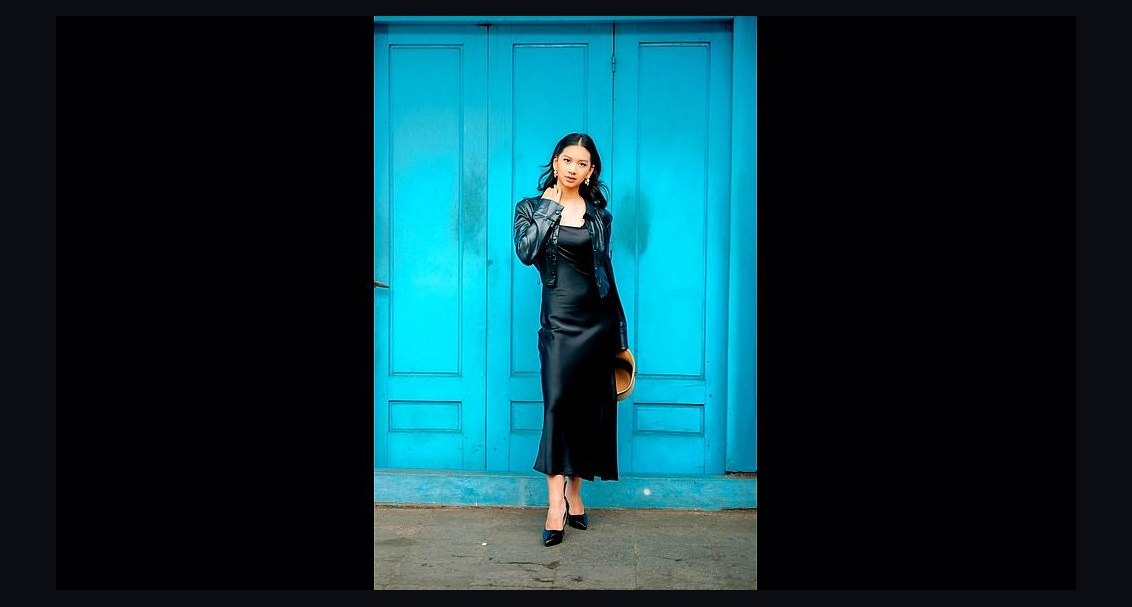 pulse-styleTop 10 Leather Jacket Outfits for an Engagement Party in 2027
 pulse-styleHow to Style Combat Boots for a Wedding in 2027
 pulse-styleTop 10 Outfits for a 50th Birthday Party in 2027
 pulse-styleHow to Style a Blue Suit for a Graduation in 2027
 pulse-styleTop 10 Wide-Leg Pants Outfits for a Gallery Opening in 2027
 pulse-styleTop 10 Wide-Leg Pants Outfits for the Office in 2027
 pulse-styleHow to Style a Leather Jacket for a First Date in 2027
 pulse-styleHow to Wear Sage Green in Spring in 2027
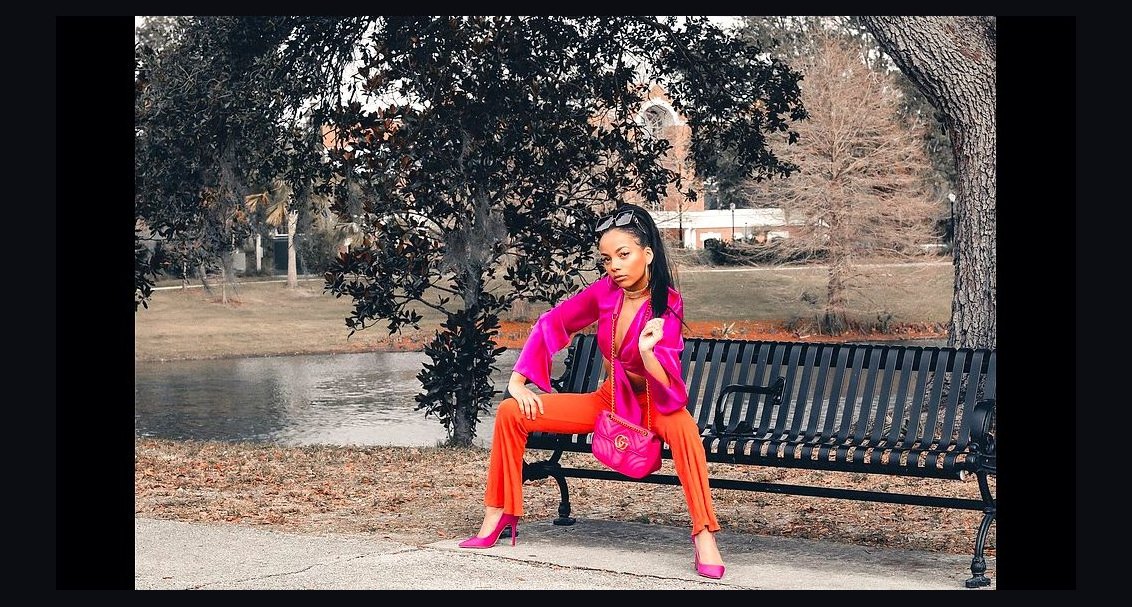 pulse-styleHow to Wear Hot Pink in Fall in 2027
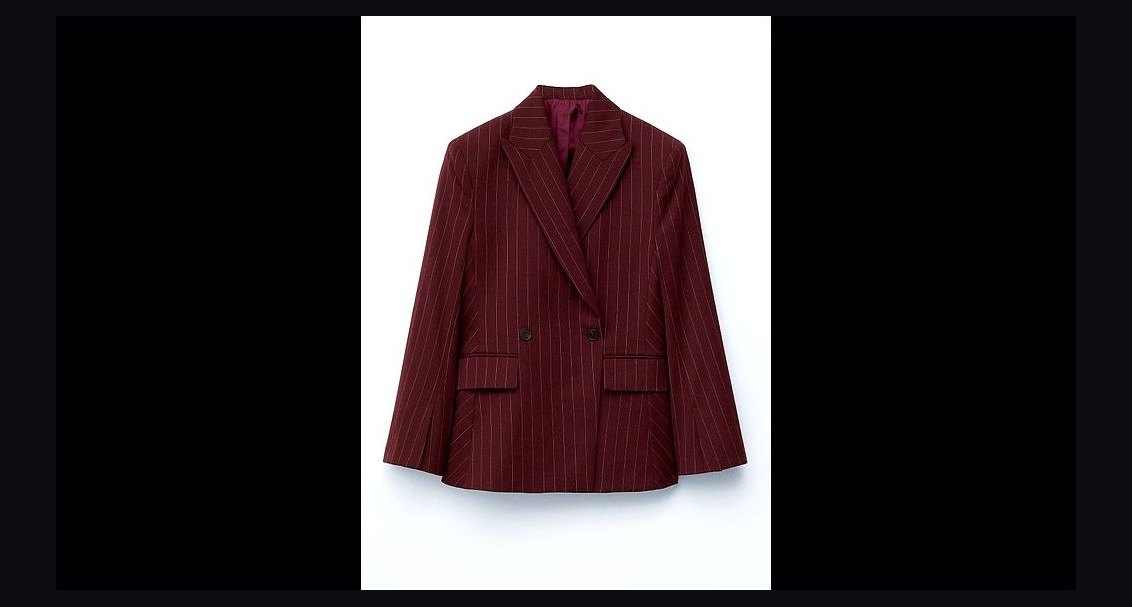 pulse-styleTop 10 Burgundy Outfits for Winter in 2027