

What to Wear to a Summer Music Festival in 2027
 Curated byKory White · Fractional CRO · Maryland
Quality
Certified
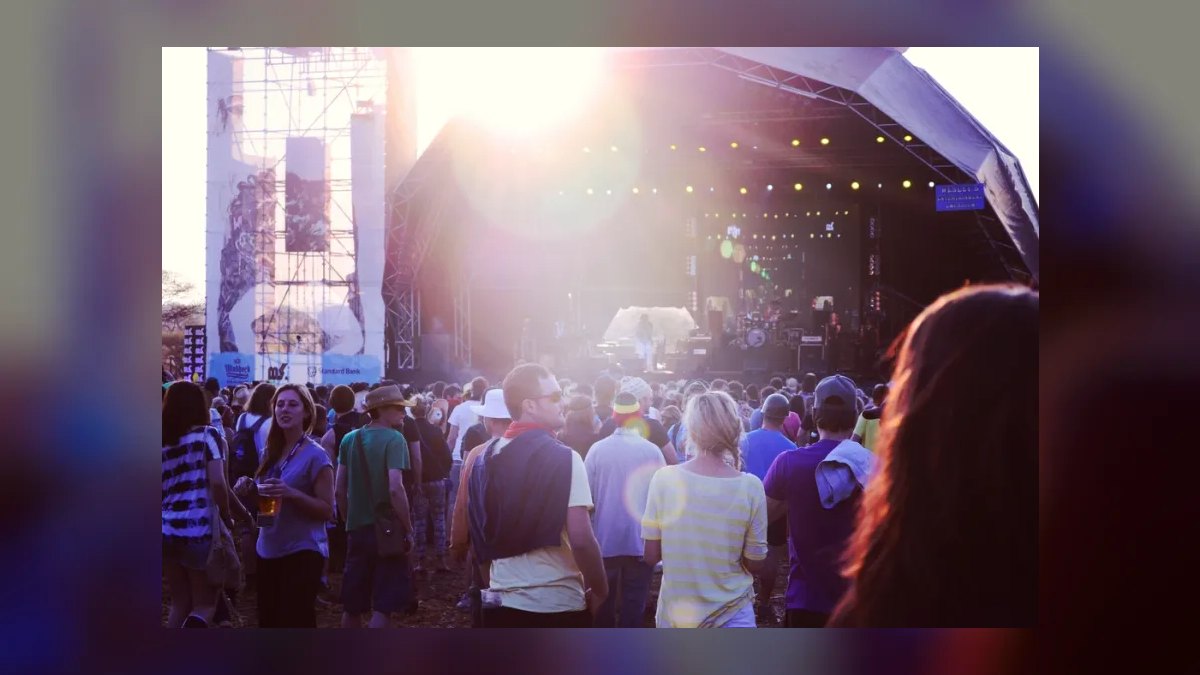
Wear breathable natural or recycled fabrics in loose, layered pieces: a merino or linen top, quick-dry shorts or wide-leg trousers, and broken-in trail sneakers or cushioned sandals. Add a crossbody bag, a brimmed hat, and a packable windbreaker for night. Comfort over trend — you will walk miles and stand for hours.
What a festival wardrobe is actually solving for
A summer music festival outfit is not a look. It is equipment that happens to look like clothing. The failure mode is not that you photograph badly — it is that hour nine finds you with a wet cotton shirt sticking to your back, a heel blister the size of a quarter, and a phone you cannot reach because it is in a tote bag pinned under someone's cooler.
Understand the load first. A typical three-stage festival day means six to ten miles of walking on grass, gravel, dust, or mud. You will stand for four to six of the twelve hours you are on site. Ground temperature in an open field can run 10–20°F hotter than the shaded forecast number, and once the sun drops, a dry desert or mountain site can fall 25–30°F in ninety minutes. Camping festivals stretch that to three or four consecutive days with no reliable laundry and a tent that reaches oven temperatures by 9 a.m.
That is the actual brief: thermal range of roughly 55°F to 95°F in a single day, high UV exposure for six-plus hours, unpredictable precipitation, dense crowds where anything loose gets lost, and no place to sit down. Every garment choice traces back to one of those five constraints.
Fabric does most of the work. Cotton is comfortable dry and miserable wet — it absorbs many times its weight in moisture and then holds it against your skin, which is why a cotton tee becomes a cold wet rag after sundown. Merino wool in a lightweight weight (roughly 150–190 gsm) breathes, resists odor across multiple wears, and stays tolerable damp. Linen moves air better than almost anything and dries fast, at the cost of wrinkling immediately. Technical synthetics — recycled polyester, nylon blends — dry fastest and pack smallest but hold smell after a single hot day unless they are treated. A practical answer is mixing: merino or linen against the skin, synthetics for the shell layer that has to compress into a bag.

The sustainability angle is not just ethics. Pieces built to be worn hard and washed often — a real merino tee, a proper linen shirt, a windbreaker with taped seams — survive multiple festival seasons, while fast-fashion festival kits are designed to survive one weekend. The per-wear cost math favors the durable option before the third festival.
Building the outfit, layer by layer
Work from the skin outward, because each layer solves a different problem and the order matters more than the brand.
Base layer. One lightweight merino tee or tank, or a linen-blend shirt. Loose enough that air moves between the fabric and your skin — a skin-tight technical shirt traps heat in still air. Light colors reflect sun; if you are in full desert exposure, a loose long-sleeve shirt actually beats a tank top because it shades your arms while still ventilating. Pack one spare top per day for multi-day events. This is the single highest-return spare item; a fresh shirt on day three changes how you feel more than anything else in the bag.
Bottoms. The decision is shorts versus loose trousers, and it is mostly a sun-versus-heat tradeoff. Shorts — organic cotton cargo, quick-dry hiking shorts, denim cutoffs — win on heat and mud. Wide-leg linen trousers or a lightweight jumpsuit win on sun protection, mosquito coverage, and cool nights, and they hide dust better across a multi-day run. Whatever you choose, check the pocket situation: at least one zip or button-close pocket, or you will lose something.

Footwear. Closed-toe wins in crowds. A trail runner or a cushioned sneaker with real tread handles wet grass and gravel; a contoured cork-footbed sandal works for dry sites but leaves your toes exposed to other people's boots in a packed pit. Whatever you wear must have at least 15–20 miles on it before the gates open — new shoes at a festival is the most reliable way to ruin a weekend. Bring two pairs of socks per day; changing socks at midday is the cheapest comfort upgrade available.
Mid/outer layer. A packable windbreaker or a light flannel that compresses to fist size. Denim jackets look right and weigh too much; if you are carrying it more than wearing it, the weight matters. A rain shell with a hood beats an umbrella, which is unusable in a crowd and often banned.
Head and eyes. A brimmed hat — bucket, straw fedora, or a cap with a neck flap — plus polarized sunglasses. A wide brim outperforms a cap because it shades your ears and neck, which is where most festival sunburn lands.
Carry. One crossbody or small sling with a zipper, worn across the body, front-facing in crowds. Most festivals cap bag size at roughly 6×9 inches for non-clear bags, with a larger allowance for clear bags — check the specific policy before you pack, since it is the most common gate rejection.

Adapting it across ages and body comfort
The constraints are identical at every age; the expression changes.
Twenties. Trend-forward and cheap to replace: crochet or knit crop tops, high-waisted cutoffs, cargo shorts, platform sandals, layered jewelry. The main risk at this end is prioritizing the photo over the day — platform soles on uneven ground and unbroken-in boots are the two usual injuries. If the outfit is non-negotiable, at least pack flats in the bag.
Thirties and forties. Tailored comfort. A linen button-down with rolled sleeves, chino shorts cut just above the knee, a linen jumpsuit with a tie waist, leather slides or a low platform with a cushioned footbed. Fabric quality replaces styling volume here — one good linen shirt reads better than three trend pieces, and it survives to the next festival.
Fifties, sixties, and beyond. Ease and sun management dominate. Relaxed silk-blend or cotton tunics, linen wide-leg pants, slip-on sneakers with no laces to fuss with, espadrille wedges with a block heel for stability, a proper UPF hat. Neutral palettes mean fewer decisions and nothing clashes when you re-wear a piece on day two.

Independent of age: if you are prone to chafing, wear a fitted short or legging under a dress or loose trouser. It is the single most-skipped item and the most-regretted omission by hour eight. Anti-chafe balm costs less than a drink and prevents the injury that ends a day early.
Color, palette, and what photographs well in field light
Festival light is brutal and specific — flat overhead sun at midday, then long orange light, then stage LEDs that turn everything either magenta or cyan. Two practical rules follow.
First, earth tones read well in every phase of that light: sand, olive, cream, rust, faded indigo. They also hide dust, which matters enormously at desert or farm sites where by day two everything is beige anyway. Building a palette of two neutrals plus one accent means every top works with every bottom, which is what makes a three-day packing list fit in a small bag.
Second, one saturated accent — electric blue, sunset orange, a bright scarf — gives your outfit a focal point under stage light and, more usefully, makes you findable in a crowd. Groups that agree on a shared bright color or a visible marker lose each other far less often when cell service collapses, which it reliably does when 60,000 people are in one field.

Avoid full white if the site is grass or dirt. Avoid all-black in desert sun — the heat load is real. Avoid anything that becomes translucent when wet if there is any chance of rain or a water misting station.
What it costs and how long the prep takes
Budgets vary enormously, so think in tiers rather than absolutes.
Minimal build (roughly $80–$150). You mostly already own this. One or two breathable tops, shorts you have worn all summer, sneakers with real miles on them, a thrifted bucket hat, a cheap nylon sling bag. The only new spend is a decent hat, sunscreen, and a packable rain shell. This is a completely legitimate approach and outperforms an expensive kit assembled the week before.

Mid build (roughly $200–$400). Add one real merino tee, one linen shirt or jumpsuit, cushioned sandals or trail runners with a proper footbed, a UPF hat, and a zip crossbody. Everything here is wearable outside a festival, which is what justifies the spend.
Considered build (roughly $400–$700). Multiple merino base layers for a multi-day run, technical trousers, a seam-taped rain shell, a broken-in leather sandal or a premium trail runner. Worth it if you attend several events a season or camp on site.
Timeline matters more than budget. Start three to four weeks out: buy footwear first and start wearing it immediately. Two weeks out, do a full dress rehearsal — wear the complete outfit on a long walk in real heat and find the hotspots, the chafe points, the bag strap that digs in. One week out, check the venue's published bag and prohibited-items policy and the ten-day forecast. The day before, pack by day rather than by category, so each day's kit comes out as a unit.
The consumables are where people underestimate: broad-spectrum sunscreen reapplied every two hours means roughly one full-size bottle per person per weekend, plus electrolyte tablets, blister plasters, and a refillable water bottle (most festivals require an empty one at the gate and provide free refill stations). Skimping here costs more in misery than any garment decision.

Where people get it wrong
New shoes. The most common and most punishing error. Footwear needs weeks, not days. If a blister forms anyway, treat it immediately rather than at the end of the night — a hydrocolloid plaster applied at hour four saves the rest of the weekend.
Dressing for the afternoon only. People pack for 90°F and get caught at 55°F after the headliner. The night layer is not optional at desert, mountain, or coastal sites.
Over-accessorizing. Heavy jewelry, multiple bags, anything that dangles. In a dense crowd, every loose item is a snag point or a loss. One bag, a few light pieces, nothing you would grieve.
Ignoring the bag policy. Clear-bag and size rules are enforced at the gate, not negotiable, and the storage lockers sell out. Read the policy, not a blog post about a different festival.

Cotton everything for a multi-day camping event. By day two, a bag of worn cotton is heavy, damp, and unpleasant. Merino and synthetics re-wear; cotton does not.
Skipping the hat. Scalp and ear burn are the injuries people forget until they have them. A brim is worth more than any styling decision on the list.
No plan for weather change. A packable shell weighs almost nothing and converts a ruined day into a memorable one. Check the forecast the morning of, not the week before.
Neighboring scenarios that use the same system
The logic transfers cleanly, which is why building this kit once pays off repeatedly.

Indoor or arena festivals invert the problem: no sun, no rain, but venue air conditioning fights body heat from a packed floor. Lose the hat and shell, keep the breathable base layer and the closed-toe shoe, and add one light layer for the over-cooled concourse.
Multi-day camping festivals add the tent-heat problem and the no-laundry problem. Odor-resistant fabrics and a hard rule of one fresh base layer per day carry the weight. Add camp-specific items: a headlamp, shower sandals, a dry bag.
Day-long outdoor events generally — food festivals, county fairs, air shows, tailgates, outdoor markets, and long stadium days — run the identical checklist: sun management, footwear mileage, one crossbody, a night layer. The only variable is how much walking versus standing.
Destination and travel versions add packability as a constraint. Merino and technical synthetics compress; linen does not, but it also does not matter if it wrinkles at a festival. Choose the layers that roll small and re-wear.

Work-adjacent versions — a company offsite with an outdoor concert, a client hospitality tent, a brand activation you are staffing — need one notch more polish. Swap cutoffs for tailored shorts or trousers, swap the trail runner for a clean leather sneaker, keep the breathable base layer and the crossbody. This matters if the event has a revenue purpose for you: if you are there to meet people rather than to see the headliner, the outfit needs to survive a full day outdoors and still read credible in a photograph with a customer.
Deciding what to wear on the day
Rather than choosing an outfit and hoping, run the decision from the conditions.
The framework beats intuition because it forces you to check the two things people skip: ground surface and whether you are staying past dark. Those two answers determine footwear and layering, and footwear and layering determine whether you enjoy the last three hours.
One more habit worth building: photograph your packed kit before you leave. It takes ten seconds and turns next year's packing into a two-minute job instead of an hour of second-guessing.
Related questions
What should I wear to a one-day city festival versus a camping one?
A one-day city festival needs one outfit, a light shell, and a crossbody — no spares. Camping needs a fresh odor-resistant base layer per day, shower sandals, a headlamp, and a dry bag. City events also usually have paved ground, so cushioned sandals become viable.
Can I wear a dress or jumpsuit?
Yes. Choose a midi or maxi in linen or cotton so it moves air and does not cling. Wear fitted shorts underneath to prevent chafing, and pick a length that clears mud and does not catch on a crowd. Add pockets or a crossbody.
How do I keep my phone and wallet safe?
Wear a zip crossbody across your body, rotated to the front in dense crowds. Never use back pockets. A phone tether or wrist strap prevents drops in a packed pit. Screenshot your ticket in case service dies.
What do I do if it rains all day?
Quick-dry bottoms, a hooded shell, and waterproof or fast-draining footwear with grip. Bring a spare pair of socks in a sealed bag. Avoid cotton entirely — once it soaks, it stays cold. Skip anything that turns translucent when wet.
Is there a difference between desert and coastal festival dressing?
Yes. Desert sites swing 25–30°F after dark and demand a real night layer plus dust protection like a bandana. Coastal sites stay damper, so wind resistance and fast-drying fabric matter more than raw insulation.
FAQ
What shoes are best for a music festival? Closed-toe trail runners or cushioned sneakers with real tread are the safest default — they handle grass, gravel, and mud, and protect your feet in packed crowds. Contoured cork-footbed sandals work at dry, paved sites. Whatever you choose needs 15–20 miles of wear before the gates open, and bring two pairs of socks per day so you can change at midday.
How many outfits should I pack for a three-day festival? Three base-layer tops (one per day, odor-resistant so a spare is a bonus not a necessity), two bottoms, one pair of shoes plus optional camp sandals, one shell, one hat. Build around two neutrals and one accent so everything mixes. Six pieces that combine beat twelve that do not.
Do I really need a jacket in summer? At most outdoor sites, yes. Desert, mountain, and coastal venues can drop 25–30°F after sunset, and you will be standing still during the headliner rather than walking. A packable windbreaker weighs almost nothing and stays in your bag until you need it. Skip the denim jacket — it weighs several times more for the same warmth.
What colors work best? Earth tones — sand, olive, cream, rust, faded indigo — read well in flat midday sun and in golden hour, and they hide dust, which matters by day two. Add one saturated accent so you are findable in a crowd. Avoid full white on grass or dirt, and avoid all-black in desert heat.
How strict are bag policies? Very. Most large festivals cap non-clear bags at roughly 6×9 inches and allow larger clear bags. It is enforced at the gate with no exceptions, and on-site lockers sell out early. Check the specific event's published policy the week before — do not assume it matches another festival's.
What are the non-clothing essentials people forget? Broad-spectrum sunscreen (about one full-size bottle per person per weekend, reapplied every two hours), an empty refillable water bottle for free refill stations, electrolyte tablets, hydrocolloid blister plasters, anti-chafe balm, and a battery pack. These affect your day more than any garment on the list.
Sources
- https://www.cdc.gov/niosh/topics/heatstress/
- https://www.epa.gov/sunsafety/uv-index-scale-0
- https://www.skincancer.org/skin-cancer-prevention/sun-protection/
- https://www.weather.gov/safety/heat
- https://www.rei.com/learn/expert-advice/sun-protection-clothing.html
- https://www.rei.com/learn/expert-advice/hiking-boots-break-in.html
- https://www.aad.org/public/everyday-care/sun-protection/shade-clothing-sunscreen/sunscreen-faqs
- https://www.mayoclinic.org/first-aid/first-aid-blisters/basics/art-20056691
Related on PULSE
This page will be disappearing soon. Save it to your device for $1 — or read it free while it is here.
@Kory-White- · if Venmo asks, the last 4 of my number are 2012
This page is gone.
This one is off the shelf now. $1 keeps it on your phone for good — the whole page, pictures and diagrams included.
 pulse-styleWhat to Wear to a Company Offsite in 2027
 pulse-styleWhat to Wear to Boating in 2027
 pulse-styleWhat to Wear to a Second-Round Finance Job Interview in 2027
 pulse-styleWhat to Wear to a Temple Visit in 2027
 pulse-styleHow to Wear Maroon with Combat Boots in 2027
 pulse-styleWhat to Wear to Meeting the Parents in 2027
 pulse-styleHow to Wear Sage Green in Winter in 2027
 pulse-styleHow to Style a Midi Skirt for a Job Interview in 2027
 pulse-styleWhat to Wear to a Tech Startup Interview in 2027
 pulse-styleHow to Style a Blazer in Fall in 2027