

What to Wear in Costa Rica in Summer in 2027
 Curated byKory White · Fractional CRO · Maryland
Quality
Certified

Pack lightweight, quick-drying layers: linen or performance shirts, breathable shorts or convertible pants, a packable rain shell, sport sandals plus broken-in trail shoes, and a UPF sun hat. Costa Rica's summer green season runs roughly May through November — hot, humid mornings, heavy afternoon rain. Choose light colors, skip denim, and treat hiking clothes with permethrin.
The five-microclimate day that breaks most packing lists
Picture a fairly ordinary itinerary in, say, late July. You wake in Tamarindo on the north Pacific coast, where the air is already close to 82°F at 7 a.m. and the humidity makes a cotton T-shirt cling before breakfast. By ten you're on a boat, getting spray. At noon you're in a car climbing toward Monteverde, and somewhere above 4,000 feet of elevation the temperature drops into the high 60s and the cloud forest starts doing what it's named for — a fine, constant, sideways mist that isn't quite rain but soaks anything absorbent within twenty minutes. That evening you eat dinner outdoors under a tin roof while an afternoon-into-evening downpour hammers it, and you're cold for the first time all day. The next morning you're on the Caribbean side near Puerto Viejo, where it's hotter, wetter, and stickier than the Pacific, and the rain pattern is different again.
That is a single 36-hour stretch, and it contains beach heat, boat spray, mountain chill, sustained rain, and jungle humidity. Most people pack for the postcard — the beach — and then spend the Monteverde leg shivering in a damp tank top or buying an overpriced fleece at a lodge gift shop. The mistake isn't buying the wrong item; it's building a wardrobe around a single climate when Costa Rica is stacked with several, separated by two-hour drives.
The country is roughly the size of West Virginia, but a mountain spine runs down the middle of it, and everything about what you wear follows from that geography. The Pacific northwest (Guanacaste) is the driest and hottest, with a real dry season and a genuinely brutal March–April. The central highlands around San José sit near 3,800 feet and stay in the 70s year-round — locals call it eternal spring, and you will want sleeves at night. Monteverde and the cloud forests are cooler and wetter still. The Caribbean coast has its own rhythm entirely, wetter overall, with an odd short drier window around September and October when the Pacific side is at its rainiest. Arenal and the northern lowlands are hot and humid with volcano-adjacent rain that arrives without much warning.
So the honest answer to what to wear is: build a kit that layers across a 25-degree range and handles being wet for hours at a time. Not five outfits — one modular system. The traveler who does this well carries less than the one who doesn't, because every piece is doing three jobs.
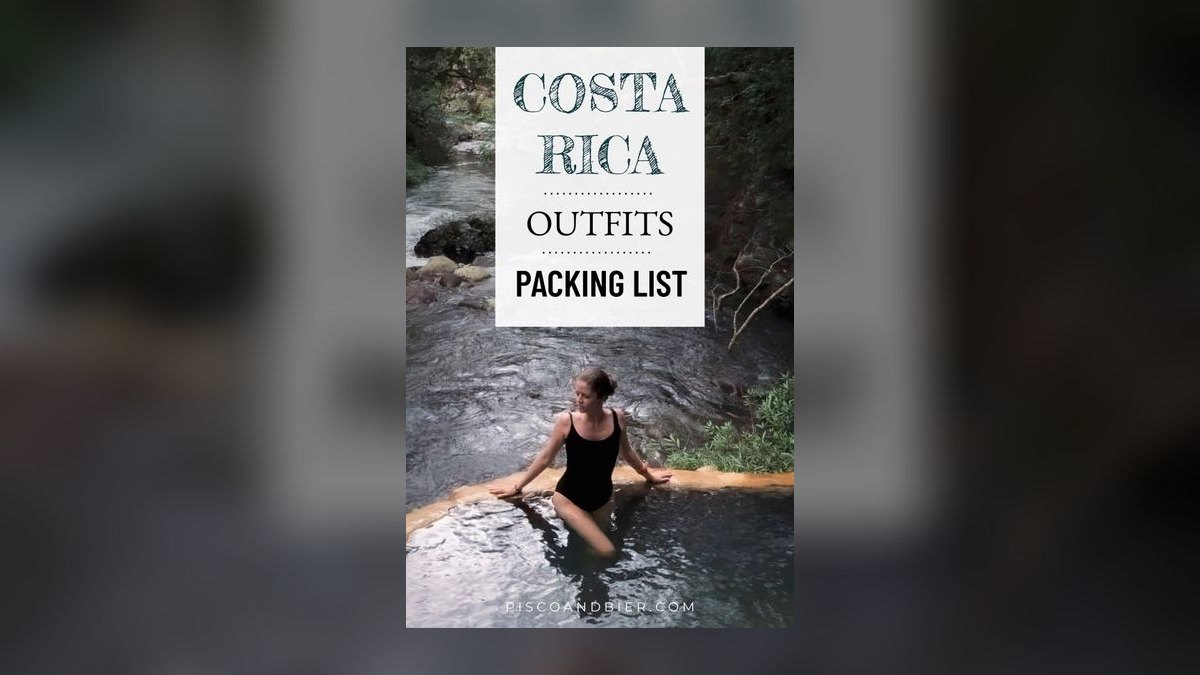
The same principle applies to the trips people take next: Panama, Belize, Nicaragua's Pacific coast, the Colombian Caribbean, and southern Mexico's Yucatán all reward more or less the same wardrobe logic. If you assemble a green-season Costa Rica kit properly, you have a tropical travel kit for the next decade, and the only thing you swap by destination is the ratio of beach clothes to hiking clothes.
How fabric, sweat, and rain actually interact
Understanding the mechanism matters more than memorizing a packing list, because once you know why cotton fails you can evaluate any garment in a store yourself.
Your body cools by evaporating sweat off skin. In a dry climate that works beautifully. In Costa Rica's green season, relative humidity commonly sits in the 80–95% range through the morning and after rain, which means the air is already close to saturated and evaporation slows dramatically. You will sweat more and cool less. This is why people describe 84°F in Puerto Viejo as feeling far worse than 95°F in Arizona — it isn't imagination, it's evaporative physics.
Fabric either helps or fights that process. Cotton is hydrophilic: the fibers absorb water into their structure, hold roughly their own weight in it, and release it slowly. A soaked cotton shirt in humid air can stay wet for the better part of a day. That's uncomfortable at the beach and genuinely miserable in a cloud forest, where a wet cotton layer plus a breeze at 65°F will make you cold enough to cut a hike short. Denim is cotton at its worst — heavy, slow-drying, and chafing when wet.
Synthetics (polyester, nylon) and their recycled variants are hydrophobic: they move moisture along the fiber surface rather than into it, spreading it over a wider area where it evaporates faster. A polyester shirt that's completely soaked in a downpour will often be wearable within an hour of the rain stopping. The trade-off is odor — bacteria feed on the compounds left in synthetic fabric, and by day three an untreated polyester shirt can be unpleasant. Look for garments with a durable odor treatment, or accept that you'll rinse them.
Merino wool splits the difference: it absorbs a lot of moisture into the fiber but still feels dry against skin, and it resists odor unusually well. The downside in a tropical climate is that heavier merino weights are too warm and dry slowly. Lightweight merino T-shirts work well as the shirt you wear on travel days and in the highlands; midweight merino is overkill outside of a chilly Monteverde night.
Linen deserves its reputation. It's technically a cellulose fiber like cotton, so it absorbs, but the fibers are stiff and the weave is open, which keeps the fabric off your skin and lets air move through. Linen dries meaningfully faster than cotton and it looks appropriate at dinner, which matters when you're limiting bag weight. Linen shirts, linen-blend shorts, and linen dresses are the pieces that let you skip a separate "nice" outfit.
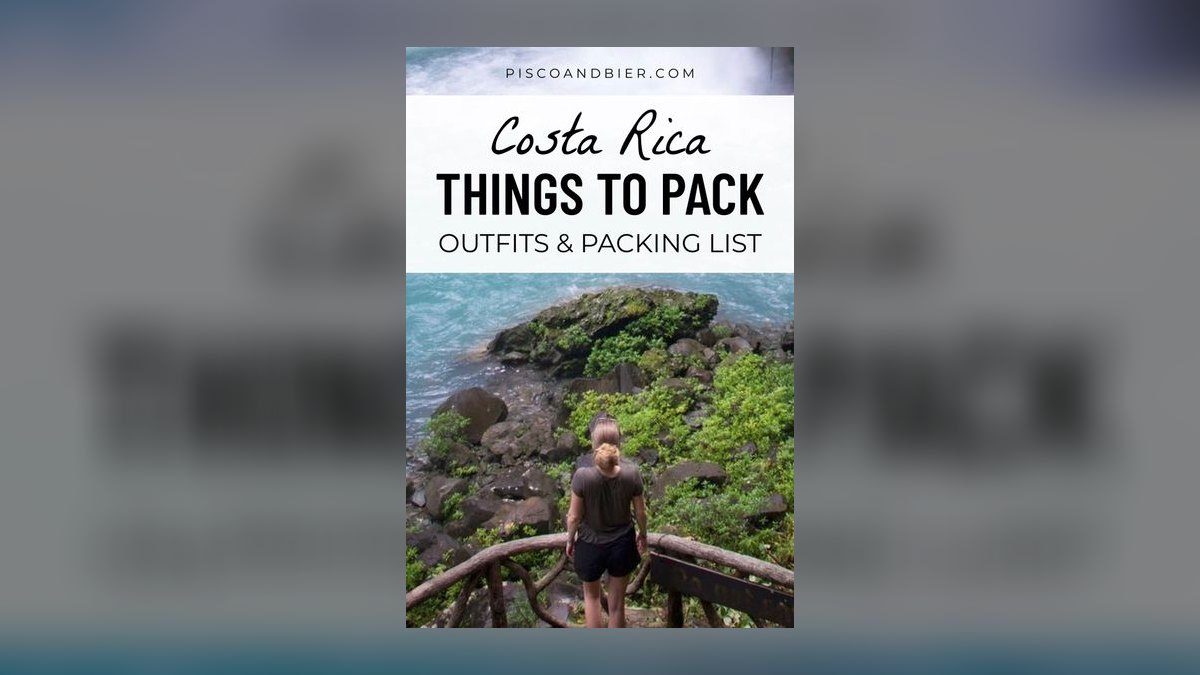
Rain layering is where people over-buy. A fully waterproof hardshell in 85°F humidity turns into a personal sauna — you end up as wet from sweat as you'd have been from rain, with less airflow. The practical setup is a very light, packable, hooded wind-and-rain shell that you accept is not fully waterproof over hours, plus the acceptance that on hiking days you'll simply get wet and dry out afterward. A poncho works better than most jackets for boat trips and open-air transport because it vents from below. Umbrellas are largely useless: canopy drip, wind, and the fact that you usually need both hands.
Real numbers: temperatures, rainfall, weights, and what a kit costs
Temperature in Costa Rica is far more a function of elevation than of season, and the numbers are worth internalizing before you pack.
Coastal lowlands on both sides run roughly 75–90°F daytime year-round, with overnight lows in the low-to-mid 70s. The Caribbean side (Limón, Puerto Viejo, Tortuguero) is consistently the most humid, often 85–95% relative humidity, and it rains in some form most months. Guanacaste and the north Pacific are the hottest and driest, hitting the low 90s in March and April with much lower humidity than the Caribbean.

The Central Valley — San José, Alajuela, Heredia, where you'll land and probably spend a night — sits around 3,000–4,000 feet and runs about 70–80°F by day, dropping to the low 60s at night. That nighttime figure is why a light long-sleeve layer is not optional.
Monteverde is around 4,600 feet and commonly sits in the 60s with wind and near-constant moisture in the air. Cerro de la Muerte, on the road to the south Pacific, crosses 10,000 feet and can drop into the 40s. Chirripó, the country's high peak, gets close to freezing overnight — if that's on your itinerary, it's a genuinely different packing problem involving real insulation.
Rainfall in the green season is heavy but usually predictable: mornings are often clear and bright, clouds build through midday, and the rain arrives mid-afternoon and runs for one to three hours. September and October are the wettest months on the Pacific side and can bring all-day rain; those same months are often the driest stretch on the Caribbean. Plan outdoor activities for the morning and you'll dodge most of it.
On weight, a realistic tropical kit for a 10-day trip:

- 3–4 quick-dry T-shirts or tanks, roughly 4–6 oz each
- 1 lightweight long-sleeve sun shirt with UPF, 6–9 oz
- 2 pairs of shorts, one swim-capable, 6–10 oz each
- 1 pair of lightweight hiking pants or convertibles, 9–13 oz
- 1 packable rain shell, 4–10 oz depending on how minimal you go
- 1 light midlayer (merino tee, sun hoodie, or thin fleece), 6–12 oz
- 1 dinner-appropriate item: linen shirt or a simple dress, 6–10 oz
- 2 swimsuits (so one is always dry)
- Sport sandals, ~1.5–2 lb the pair
- Trail runners or light hikers, ~1.5–2 lb the pair
- Sun hat, sunglasses, small dry bag, 5–7 underwear, 3 pairs of socks
That's a genuinely packable load — most people can fit it in a 35–45L bag and carry on, which matters on a trip with domestic hops on small aircraft where checked-bag weight limits can be as low as 30–40 lb including everything.
On cost: you can assemble this entirely from mid-tier outdoor and fast-fashion brands for roughly $300–$500 if you own nothing, and considerably less if you already have athletic clothes. Premium technical versions of every item will run $800–$1,400 and buy you maybe 15% better performance and a lot better durability. The two places worth spending are footwear and the sun shirt — blisters and sunburn are the two things that can actually shorten a trip. Buying local is also viable: San José and the tourist towns sell rash guards, sandals, and rain ponchos at reasonable prices, so a forgotten item is an inconvenience, not a crisis.

One number people underestimate: UV. Costa Rica sits near 10 degrees north latitude, so the sun is close to directly overhead at midday and the UV index routinely hits the extreme range. Sunburn on the tops of feet in sandals and on the backs of hands is the classic tourist injury. A UPF-rated long-sleeve shirt is more reliable than reapplying sunscreen every two hours while swimming and sweating, and it's what fishing guides and surf instructors actually wear.
Trade-offs: sandals versus shoes, cover versus cool, buy versus rent
Almost every clothing decision here is a genuine trade-off rather than a right answer, and the correct call depends on your itinerary's ratio of beach to trail.
Sport sandals versus closed shoes. Sandals with real straps and grippy soles handle river crossings, boat launches, wet town streets, and beach walks, and they dry instantly. They're wrong for a serious jungle hike: exposed toes on root-and-rock trails invite injury, and mud, biting ants, and the occasional snake argue for coverage. Closed trail runners protect you and drain reasonably well but stay damp for hours in humidity and can develop a smell by day four. The practical answer is both, which costs you 3–4 lb of pack weight. If you can only carry one, choose by itinerary: mostly beach and town, take sandals plus a cheap sneaker; any real hiking, take trail runners plus flip-flops. Flip-flops alone are for the pool and the shower, never for a trail.
Coverage versus coolness. Long sleeves and long pants are hotter in the moment but protect against sun, mosquitoes, and vegetation. In practice, experienced travelers reverse the intuition: they wear a loose long-sleeve sun shirt in the strongest sun and switch to short sleeves in the shade. On evening hikes and near standing water, long pants are worth the heat penalty because dengue-carrying mosquitoes are active during the day and biting insects are relentless at dusk. Permethrin-treated clothing — applied at home, not in-country, since it needs to dry fully — is the highest-leverage thing you can do, and a treatment lasts through several wash cycles.
Buy technical versus improvise. A $90 hiking pant and a $25 pair of athletic joggers both dry fast. The technical pant has better abrasion resistance, real pockets, and a UPF rating. For a one-week trip with two hikes, improvising is fine. For a multi-week trip with daily activity, the technical piece pays for itself in comfort and durability.
Rent, buy local, or bring. Wetsuit tops, snorkel gear, and rain ponchos are all rentable or cheaply purchasable in-country. Boots for a volcano hike are often provided by tour operators. What you cannot reliably rent is footwear that fits and clothing in your size, so bring anything fit-critical and improvise the rest.
One "nice" outfit versus none. Costa Rica is genuinely casual. Even upscale restaurants in beach towns accept a clean collared shirt and sandals; nobody needs a blazer or heels. The trade-off is that in San José, and at a handful of high-end lodges and boutique hotels, a slightly dressier look is comfortable rather than required. A linen shirt or a simple packable dress covers it at almost no weight cost, and that's the right answer — one item, not an outfit block.

Laundry versus volume. Most hotels and hostels offer laundry, often per-kilo and cheap, with a one-to-two-day turnaround that's slower in humid weather because line-drying is slow. Sink-washing synthetics and hanging them under a fan works overnight; cotton will not dry. If you plan on laundry, you can cut your shirt count by a third — which is exactly how people travel three weeks out of a carry-on.
Pitfalls that ruin trips, and what experienced travelers do instead
Bringing new shoes. Trails are uneven, wet, and rooted, and blisters form faster in humid heat because skin stays soft. Break in any footwear over at least 20–30 miles of walking before you go. This is the single most common trip-degrading mistake, and it's completely preventable.
Packing all cotton. Covered above, but worth restating as an operational rule: allow yourself one cotton item — the shirt you wear on the plane and to dinner — and make everything else synthetic, linen, or merino.
Assuming green season means constant rain. It doesn't. Mornings are frequently sunny and hot, which catches people who packed only for gloom and end up sunburned. Pack for both, and treat sun protection as the higher priority.
Skipping insect measures. Dengue is present in Costa Rica, and the mosquitoes that carry it bite during the day, so evening-only precautions miss the window. Long sleeves at dusk, permethrin on hiking clothes, and a repellent with DEET or picaridin on exposed skin is the standard stack. Check current guidance from the CDC before you travel, since risk levels shift year to year.
Forgetting a dry bag. Not clothing exactly, but it protects clothing. A 10–20L roll-top dry bag keeps a change of clothes usable through boat transfers to Tortuguero and Drake Bay, river trips, and afternoon downpours. Gallon zip bags are the budget version and work.
Underestimating the highlands. Monteverde, San Gerardo de Dota, and the drive over Cerro de la Muerte are cold enough to be genuinely unpleasant in beach clothes. One warm layer solves it. Losing an entire cloud-forest afternoon because you're shivering is a bad trade for the 8 oz you saved.

Overpacking formal wear. Blazers, heels, and dress shoes come home unworn. The cultural register is relaxed — pura vida is not just a slogan, it's an accurate description of the dress code.
Ignoring beach and cultural norms. Toplessness is not customary on Costa Rican beaches, and swimwear stays at the beach — throw on a cover-up or shirt for restaurants and shops in town. In San José, locals dress more conservatively than tourists expect; jeans and a shirt is normal city wear, and looking obviously like a beachgoer in the capital marks you out.
Not planning for wet-to-dry transitions. The overlooked logistics piece: where does the soaked shirt go? Bring a mesh laundry bag or a lightweight stuff sack that breathes, so wet clothes don't mildew inside your luggage. Anything sealed in plastic for two days in this climate will smell.
Treating summer as one thing. What to wear in Costa Rica in summer changes between May and November. May and June are transitional, with rain building. September and October are the Pacific peak — pack an extra rain layer and expect full-day rain, or shift your route toward the Caribbean, which is often at its best exactly then.
Related questions
Do I need long pants for Costa Rica hikes?
Yes for jungle and rainforest trails — they protect against insects, thorny vegetation, and sun. Lightweight nylon hiking pants or convertibles are ideal. For beach walks and town, shorts are entirely fine.
Is denim ever a good idea in Costa Rica?
Rarely. Denim is heavy, absorbs water, dries very slowly, and chafes when wet. If you want jeans for San José evenings, bring one lightweight pair and leave them behind for coastal and jungle days.
What should I wear on the Caribbean side versus the Pacific?
Both need the same core kit, but the Caribbean is more humid and rainier overall, so lean harder into quick-dry synthetics and carry an extra shirt. The Pacific northwest is hotter and drier — prioritize sun coverage there.
How dressy do restaurants get?
Very rarely dressy. A clean collared shirt or a simple dress covers essentially every restaurant in the country. A handful of high-end San José and resort dining rooms appreciate slightly more polish, but nothing requiring a jacket.
What do I wear for a zipline or canopy tour?
Closed-toe shoes, shorts or pants that won't ride up in a harness, and a shirt you can tuck. Skip loose scarves, dangling jewelry, and hats without a chin strap — operators will make you remove them anyway.
FAQ
When is summer in Costa Rica, exactly?
There's a terminology trap here. Costa Ricans call the December-to-April dry season *verano* — summer — and the May-to-November rainy stretch *invierno*, winter, regardless of Northern Hemisphere calendars. So if you mean the North American summer months, you're traveling in Costa Rica's green season: hot, humid, and rainy in the afternoons. If a local tells you it's summer in January, that's why.
What's the single most important item to pack?
A UPF-rated lightweight long-sleeve sun shirt. It solves sunburn without constant reapplication, adds a light layer for cool highland evenings, gives some insect protection, and dries in under an hour. If you buy one technical piece for this trip, buy that one — closely followed by properly broken-in footwear.
Can I get by with just sandals?
If your trip is beaches, towns, and easy boardwalk-style nature walks, yes — good sport sandals with straps and tread handle it. Any real hiking, especially in rainforest or on volcano trails, calls for closed shoes. Some tour operators won't let you on a hike or a zipline in open-toed footwear.
How do I handle clothes that never dry?
Wash synthetics in the sink at night, wring them in a towel, and hang them in front of a fan or in an air-conditioned room — they'll be dry by morning. Cotton won't be. Carry a breathable stuff sack for damp items rather than sealing them in plastic, and use cheap per-kilo hotel laundry when you have two nights in one place.
Is there anything I shouldn't wear culturally?
Keep swimwear at the beach — put on a shirt or cover-up before heading into restaurants and shops. Toplessness isn't customary. In San José and smaller inland towns, dress a bit more like locals do: everyday clothes rather than obvious beach gear. Nothing about the dress code is strict, but blending in slightly is appreciated.
What about laundry, luggage size, and airline limits?
A 35–45L carry-on comfortably holds this kit, which is worth doing if your itinerary includes domestic flights on small aircraft — those carriers often cap total baggage well below international allowances, sometimes around 30–40 lb including carry-on. Traveling light also makes shuttle transfers and boat legs to remote lodges much easier.
Sources
- https://wwwnc.cdc.gov/travel/destinations/traveler/none/costa-rica
- https://travel.state.gov/content/travel/en/international-travel/International-Travel-Country-Information-Pages/CostaRica.html
- https://www.epa.gov/sunsafety/uv-index-scale-0
- https://www.epa.gov/insect-repellents/find-repellent-right-you
- https://www.weather.gov/safety/heat-index
- https://www.who.int/news-room/fact-sheets/detail/dengue-and-severe-dengue
- https://www.nps.gov/articles/hiking-safety.htm
- https://www.sinac.go.cr/
- https://www.cancer.org/cancer/risk-prevention/sun-and-uv/uv-protection.html
Related on PULSE
This page will be disappearing soon. Save it to your device for $1 — or read it free while it is here.
@Kory-White- · if Venmo asks, the last 4 of my number are 2012
This page is gone.
This one is off the shelf now. $1 keeps it on your phone for good — the whole page, pictures and diagrams included.
 pulse-styleHow to Style White Sneakers for a Theater Show in 2027
 pulse-styleHow to Style Wide-Leg Pants in Spring in 2027
 pulse-styleHow to Wear Dusty Rose with a Bomber Jacket in 2027
 pulse-styleHow to Style White Sneakers for a Job Interview in 2027
 pulse-styleWhat to Wear to a Tennis Match in 2027
 pulse-styleWhat to Wear to a Bowling Night in 2027
 pulse-styleWhat to Wear to a Work Awards Gala in 2027
 pulse-styleWhat to Wear to March Madness Watch Party in 2027
 pulse-styleTop 10 Affordable Work Dress Brands in 2027
 pulse-styleHow to Style a Pencil Skirt for a Job Interview in 2027