
What to Wear to a Networking Brunch if You’re Over 50 in 2027
 Curated byKory White · Fractional CRO · Maryland
 PULSEKNOWLEDGE LIBRARY
Quality
Certified

Wear one elevated layer over a simple base: a soft-shouldered blazer, knit jacket, or unlined overshirt on top of a solid tee, fine-gauge knit, or open-collar shirt, with a tapered dark trouser or straight leg and a clean leather sneaker or loafer. Fit and fabric quality matter more than trend. Add one deliberate accessory.
The outcome you should expect
The realistic goal of a networking brunch outfit is not admiration — it is friction removal. You want the first ninety seconds of every conversation to be about what you do, not about what you are wearing. Over 50, the failure modes run in two directions, and both cost you conversations. The first is the "conference badge" look: a boxy suit jacket over a company polo, pleated slacks with a full break puddling on the shoe, a laptop-bag strap crushing one shoulder. It reads as someone who came from an obligation, not someone who chose to be here. The second is overcorrection: the deliberately youthful fit, a graphic layer, chunky sneakers with a visible logo, an outfit that announces effort. Both create a beat of evaluation before the handshake. The middle path — well-fitted, quiet, slightly more considered than the room average — gets you the neutral read, which is the only read that helps.
Set expectations correctly on what clothing actually buys you. It does not close business. What it does is remove a class of small negatives: the assumption that you are semi-retired, out of the loop on how the work is done now, or attending to be polite. Those assumptions are unfair and they are also real, and a well-cut jacket over a good knit is cheap insurance against them. In practice you should expect a competent brunch outfit to buy you three things: people approach you rather than waiting to be approached, you are comfortable enough to stay the full two hours instead of leaving at the first natural exit, and you look consistent with whatever your LinkedIn photo shows so recognition is instant.
The second-order effect matters more than the first. If you are dressed in something you know fits, you stop performing self-monitoring — no tugging at a waistband, no adjusting a collar that will not sit, no wondering if the shirt is gapping. That freed attention goes into listening, which is the actual currency of the room. Anyone who has stood through a two-hour event in shoes that were "fine when I tried them on" knows the tax: by the ninety-minute mark you are optimizing for a chair, not for the third conversation. Over 50 this compounds, because the events that matter are often the long ones — the brunch that turns into a walk to coffee, the mixer that runs past its posted end time.

Expect a genuine advantage over the room, too. Brunch is a format most people under-plan for. It is neither the suit-and-tie clarity of a board meeting nor the anything-goes ease of a Saturday. Attendees show up in whatever they wore to the thing before, or in an outfit assembled in the four minutes before leaving. Because the median is low, the return on twenty minutes of preparation is disproportionate. You are not competing against a well-dressed field; you are competing against uncertainty, and you win by having decided in advance.
One expectation to discard: that there is a single correct answer. What to wear to a networking brunch depends on the vertical, the city, the season, and whether the room skews founder, operator, or investor. The framework below holds across all of them; the specific pieces shift. Treat what follows as a set of dials rather than a uniform, and calibrate using the strongest available signal — the host's own photos from last year's event.
What drives that outcome
Four variables do nearly all the work, and they are not equally weighted. Fit is roughly half. Fabric and finish are a quarter. Silhouette — the overall shape you cut from across the room — is another fifteen percent or so. Color, pattern, and accessories, the things people worry about most, are the remainder. If you have limited time or budget, spend it in that order: get one jacket tailored before you buy a second jacket.

Fit, specifically, means five measurements you can check in a mirror in under a minute. The jacket shoulder seam should land at the edge of your shoulder bone, not past it — this is the single hardest thing to alter and the reason to buy for shoulders and tailor everything else. The jacket sleeve should end at the wrist bone with roughly a quarter to half inch of shirt cuff showing, if you are wearing a cuffed shirt. Trousers should have no break or a very slight one; a full break is the strongest single "dated" signal in menswear and the easiest to fix, usually for $15 to $25 at any tailor. The shirt or knit should skim the torso without pulling at the buttons, and the hem should sit at mid-fly, not mid-thigh. Waistbands should sit where your actual waist is, which for many people over 50 is higher than the low-rise they got used to buying in the 2000s.
Fabric does the aging work. Two garments in the same cut can read a decade apart based purely on cloth. The tells that read old are high-sheen polyester blends, stiff heavy-fusing in jacket fronts, gabardine with a hard hand, and anything with a visible shine at the elbows or seat from wear. The tells that read current are matte finishes, softer construction, natural fibers or high-quality blends with visible texture — hopsack, linen-cotton, brushed twill, fine merino. Texture also solves a real problem: it lets you wear a solid, low-risk color without looking flat, so you get the safety of navy or charcoal without the uniform effect.
Silhouette is the variable people over 50 most often get wrong by inheritance. The shapes that dominated when many of us were building our wardrobes — wide shoulder, long jacket, full leg — are not wrong so much as loud about their era. The current default is narrower through the shoulder, shorter in the jacket body, and tapered but not skinny through the leg. Note the "but not skinny" — chasing the extreme of a trend is how you land in the overcorrection failure mode. Straight leg with a slight taper below the knee is the safe middle, works on nearly every body, and will not look dated in three years.

The last driver is the one nobody controls but everyone feels: the format itself. Brunch means daylight, which means fabrics are read more honestly than they are at an evening event. Pilling, shine, faded black, and a poorly matched black-on-black pairing all show at 11 a.m. in a way they never do under restaurant lighting. Daylight also shifts color: mid-tones — stone, olive, mid-blue, warm gray — sit better than the near-black palette that works after dark. Brunch also usually means standing, holding a plate and a glass, and shaking hands, which is a real ergonomic constraint that argues for pockets, a jacket you can unbutton without ceremony, and nothing that requires a free hand to manage.
Benchmarks and realistic ranges
Concrete anchors help more than principles, so here are the ranges practitioners actually operate in. On formality, use a 1-to-5 dial. A 1 is jeans and a tee. A 5 is a full suit with a tie. A networking brunch in nearly every industry lands at 3 to 3.5: no tie, a top layer that is not a suit jacket from a suit, trousers or dark denim depending on the room, and a real shoe. If you are unsure whether the room is a 3 or a 4, dress to 3.5 — a soft blazer you can remove converts down instantly, while a sweater cannot convert up.
On budget, the honest allocation for someone building this from nothing looks roughly like this. One well-fitting unstructured blazer or knit jacket is the anchor piece and deserves the largest share; expect a wide market range, with department-store house brands at the low end and traditional tailoring at the high. Two to three base layers — a fine merino crewneck, a well-cut oxford or poplin shirt, a heavyweight solid tee in a color other than white — cost a fraction of the jacket combined. Two trousers, one in a mid-gray or navy wool-blend and one in a cotton twill or chino cut slim-straight. One shoe: a minimal leather sneaker in white or off-white, or a suede loafer. That is seven or eight pieces, and it will cover a year of brunches, panels, and client lunches with visible variation. Add alterations at $15 to $60 per garment depending on the work — hemming is cheap, sleeve shortening from the shoulder is not.

On time, budget twenty minutes the night before, not five minutes the morning of. The night-before check catches the things that ruin the morning: a missing button, a shirt that needs pressing, a shoe with a scuffed toe, deodorant marks on the collar of the knit. Steam or press whatever needs it then. Lay everything out. This is the highest-leverage twenty minutes in the entire exercise, and it is the step most consistently skipped.
On comfort, the benchmark is the ninety-minute standing test. Put on the full outfit including shoes and stand — actually stand, not sit — for ninety minutes at home while doing something else. If the shoe hurts, the waistband digs, or the collar irritates, you have found a problem in your living room rather than in front of a room of strangers. Most people who have never done this are surprised at least once.
On seasonality, a few reliable ranges. In warm weather, an unlined cotton or linen-blend blazer over a fine knit polo or short-sleeve camp collar, with a lightweight trouser, handles brunch heat far better than a lined jacket, and linen's wrinkle is read as intentional at brunch in a way it is not in a boardroom. In cold weather, layer under the jacket rather than over it — a merino crewneck over a shirt reads better than a bulky sweater that distorts the jacket's line — and let the overcoat do the outdoor work so you are not wearing your warmth once inside. In shoulder seasons, an unlined overshirt or shirt-jacket in a heavier cotton is the most forgiving top layer made, and it is the piece that most reliably reads current without reading young.

On regional variation: expect coastal tech rooms to sit a half point lower on the formality dial than finance-adjacent rooms in the same city, and expect southeastern and midwestern professional rooms to sit a half point higher than either. Trade-association events skew higher than founder meetups by about a full point. When you cannot get a read, the mid-Atlantic default — soft navy jacket, white or light blue shirt, gray trouser, brown leather shoe — is the least likely to be wrong anywhere, which is precisely why it is also the least memorable. Use it when the stakes are unclear and you would rather be invisible than mismatched.
Risks, edge cases, and failure modes
The most common failure is the near-miss: everything is technically correct but one element drags the whole outfit backward. Usually it is the shoe. A square-toed dress shoe, a heavy rubber-soled walking shoe, or a running sneaker with performance mesh will undo a good jacket instantly, because the shoe is the piece people over 50 replace least often and where comfort compromises are made first. If you are auditing one thing, audit the shoes.

The second failure is the accessory pile-up. The rule is one deliberate accessory — a watch, a good bag, a single bracelet, glasses with a considered frame. Two is usually fine if they are quiet. Four reads as a costume. Related: matching accessories to each other in the belt-shoe-watch-strap sense is a rule from a more formal era; nobody is checking, and rigid matching itself reads slightly dated. Coordinate, do not match.
The third is glasses, which deserve their own note because they are the single most face-adjacent item you own and the one most likely to be a decade old. Frame shapes date faster than clothing, and a frame from 2013 on a 2027 face is more noticeable than any jacket. If your prescription is current but your frames are not, that is often the highest-return single purchase in this entire exercise.
Edge cases worth planning for. If you are the host or a speaker, move up a half point on the dial — visible authority is part of the job that day, and being slightly overdressed relative to attendees is the correct error. If you are job-seeking rather than business-developing, also move up a half point, and lean toward a structured jacket rather than a knit one; the room does not know your story yet and structure signals readiness. If you are the most senior person present by a wide margin, move down a half point — over-formality from the senior person creates distance and makes junior attendees hesitate to approach, which defeats the point of attending.

If the brunch is outdoors, which is increasingly common, plan for wind and sun. Wind ruins a light unstructured jacket's line and makes an unbuttoned shirt flap; a slightly heavier cloth solves both. Sun means squinting in every photo unless you have sunglasses you are comfortable being photographed in. If the brunch is at a private home rather than a venue, drop a half point and check whether shoes come off at the door — sock quality suddenly becomes a real variable, and this is the one scenario where it is worth thinking about.
A medical and practical edge case that gets ignored: temperature regulation changes with age for many people, and a room that is comfortable for the crowd can be too warm or too cold for you specifically. Design the outfit so the top layer is genuinely removable — meaning the base layer underneath is presentable alone. A blazer over a thin dress shirt fails this test if the shirt is transparent or heavily wrinkled from the jacket. A blazer over a good merino crewneck passes it easily. That single choice buys you a full outfit's worth of thermal range.
The subtlest failure mode is inconsistency across touchpoints. If your LinkedIn photo shows a suit and tie and you arrive in an overshirt and sneakers, people who researched you before the event experience a small recognition delay. It is minor, but it is free to fix: update the photo to match how you actually present, not how you presented in 2019. The same applies downstream — if the brunch leads to a video call the following week, showing up in a visibly different register than the room saw creates a second small dissonance. Consistency is not a fashion concern; it is a memory concern.
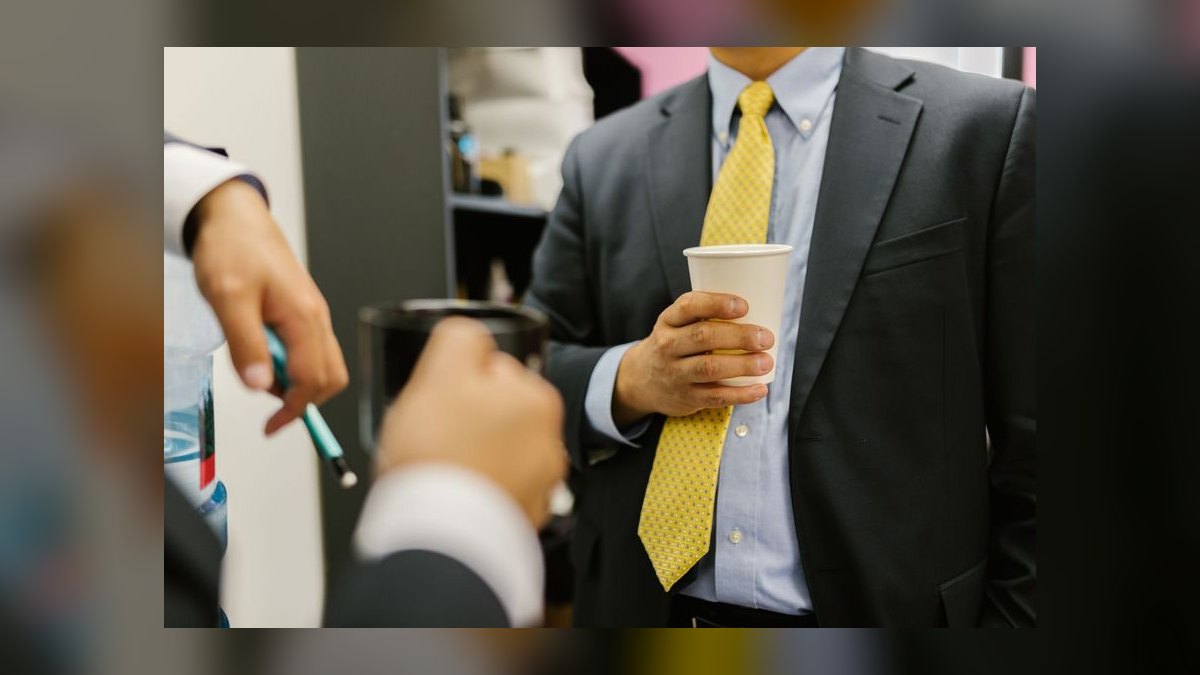
Finally, the risk of over-optimizing. There is a point where additional attention to clothing produces zero additional return and starts producing a negative one, because the effort becomes legible. The tell is when you are thinking about your outfit during the event rather than before it. If you have made the four checks — fit, fabric, silhouette, one accessory — you are done. The remaining variance is not worth another minute.
A practical rollout plan
Treat this as a small project with a two-week runway rather than a morning-of decision, and it stops being stressful permanently, because the work is front-loaded once and reused for years.
Week one, audit. Pull everything you would plausibly wear to a professional daytime event and put it on, one outfit at a time, in daylight near a window. Photograph each in a full-length mirror — the camera is far less forgiving than the mirror and that is the point. Sort into three piles: works as is, works after tailoring, and retire. Most people find one or two genuine keepers, three or four tailor candidates, and a surprising amount of retirement. Be honest about the retire pile; a jacket you have not worn in four years is not going to start earning its space now.

Week one, second half, tailor. Take the tailor pile in with specific instructions: shorten the trouser to no break, taper the leg below the knee if it is full, take in the jacket waist if it billows, shorten sleeves to the wrist bone. Do not attempt shoulder alterations — if the shoulders are wrong, the garment belongs in the retire pile. Turnaround is typically one to two weeks, which is why this is week one and not week two.
Week two, fill gaps. Buy only what the audit proved missing, and buy the anchor piece first — usually the unstructured jacket or the shoe. Try on in person if at all possible; sizing across brands varies enough that ordering blind produces a return cycle you do not have time for. If you must order online, order two sizes of the anchor piece and return one.
Then build three named outfits, not a wardrobe. Naming them removes decisions permanently. Something like: "warm room" — unstructured navy blazer, light gray merino crew, mid-gray trouser, white leather sneaker. "Cool room" — brown or olive overshirt, oxford shirt, dark denim or twill, suede loafer. "Step up" — structured navy jacket, light blue shirt, charcoal trouser, leather derby or loafer, for when you are speaking, hosting, or job-seeking. Photograph each assembled outfit and keep the photos in a phone album. This sounds excessive until the first morning you are running late and open the album instead of the closet.

Run the ninety-minute standing test on each of the three before you need them. Then the night-before ritual: press, lay out, check the shoe toe, check pockets are empty of the last event's business cards. Morning of, you dress in five minutes and think about the room instead.
After each event, spend ninety seconds noting what worked. Did the jacket come off within twenty minutes because the room ran warm? Did the shoe hold up? Did anyone comment, positively or otherwise? Feed that back into the three outfits. Within three or four events the set converges on something genuinely reliable, and the whole question stops consuming any attention at all — which was always the actual goal.
One broadening note, because this system generalizes further than brunch. The same three-outfit structure covers conference floor days, client site visits, and on-camera work, with the dial moved a half point in either direction. The audit-tailor-assemble cycle is identical; only the anchor piece changes. If you do this once for brunch, you have effectively done it for the rest of your professional daytime calendar, and the marginal cost of extending it to evening events is one additional outfit.
Related questions
Are jeans acceptable at a networking brunch after 50?
Dark, clean, well-fitting denim with no distressing, fading, or whiskering is acceptable in most tech, creative, and founder rooms when paired with a real jacket and leather shoe. Avoid in finance, legal, or trade-association settings. If unsure, a cotton twill trouser reads nearly as relaxed with none of the risk.
Should I wear a tie to a brunch event?
Almost never. A tie at daytime brunch reads as either a misread of the invitation or as someone who came from a different obligation. The exceptions are narrow: traditional finance, law, or a room where you know the host wears one. Open collar or a fine knit is the default.
How do I dress for a brunch when I do not know the industry mix?
Default to the mid-formality anchor: soft navy jacket, light blue or white shirt, mid-gray trouser, brown leather shoe. It is legible in every room, offends nobody, and converts down by removing the jacket if the room is more casual than expected. Check the host's photos from a prior year first.
Do I need a watch or bag?
Neither is required, but a bag is genuinely useful if you carry materials, and a slim leather or waxed-canvas folio beats a laptop backpack in a standing-room event. If you carry a watch, one is enough. Skip the second accessory entirely rather than adding one you are unsure about.
FAQ
How much should I actually spend to look right at these events?
Less than most people assume, if the money goes in the right order. One well-fitting top layer, two trousers, three base layers, and one good shoe covers a year of daytime professional events. Alterations at $15 to $60 per garment often improve an outfit more than a new purchase at several times the price. The single worst spending pattern is buying more pieces that fit the same way the existing ones do.
Is it worse to be overdressed or underdressed at a brunch?
Slightly overdressed is the safer error, because it converts. A soft blazer can come off and be carried; a t-shirt cannot become a jacket. Being visibly underdressed at a professional daytime event is the one state that reliably costs you conversations, because it signals the event was not worth preparing for. Aim a half point above your estimate of the room.
Does any of this actually change business outcomes?
Not directly, and claiming otherwise would be dishonest. What it changes is the number of approachable moments — whether people initiate with you, how long you stay comfortable, and whether the first thirty seconds are spent on your work or on a beat of evaluation. Those are real, measurable-in-hindsight effects, but nobody signs a contract because of a jacket.
What if I have gained or lost significant weight and nothing fits?
Then do the audit ruthlessly and buy fewer, better pieces at your current size rather than keeping a closet sized for a different year. Ill-fitting clothing is the single largest negative signal in this entire framework — larger than fabric, color, or trend. Three pieces that fit beat fifteen that do not, and the math is not close.
Are sneakers appropriate for someone over 50 at a professional event?
Yes, with a narrow definition. A minimal leather sneaker in white, off-white, or a muted tone, clean, with a low profile and no visible performance features, is fully appropriate and often reads more current than a dress shoe. A running shoe, a chunky trainer, or a heavily logoed sneaker is not. Clean matters more than new — a scuffed white sneaker undoes the effect.
How often should I refresh this setup?
Audit annually, replace by attrition. Shoes typically need replacing every two to four years depending on wear, base layers when they pill or the color fades, and jackets rarely — a well-cut soft blazer in navy or gray stays current for many years. Eyeglass frames are the exception; they date faster than clothing and deserve a check every three to four years.
Sources
- https://www.gq.com/story/how-to-dress-in-your-50s
- https://www.esquire.com/style/mens-fashion/
- https://www.permanentstyle.com/2020/01/how-should-a-jacket-fit.html
- https://www.nytimes.com/wirecutter/reviews/best-mens-dress-shirts/
- https://www.bls.gov/ooh/
- https://hbr.org/2016/09/how-to-network-when-you-hate-networking
- https://www.aarp.org/work/job-search/
- https://www.realmenrealstyle.com/suit-jacket-fit/
- https://www.vogue.com/article/how-to-dress-over-50
Related on PULSE
- What to wear to a first client meeting when you are the oldest person in the room
- How to run a networking brunch that people actually attend
- Building a three-outfit professional wardrobe system
- How to update your LinkedIn photo so it matches how you present now
- What to wear on camera for a client video call
- How to re-enter professional networking after a career break
This page will be disappearing soon. Save it to your device for $1 — or read it free while it is here.
@Kory-White- · if Venmo asks, the last 4 of my number are 2012
This page is gone.
This one is off the shelf now. $1 keeps it on your phone for good — the whole page, pictures and diagrams included.
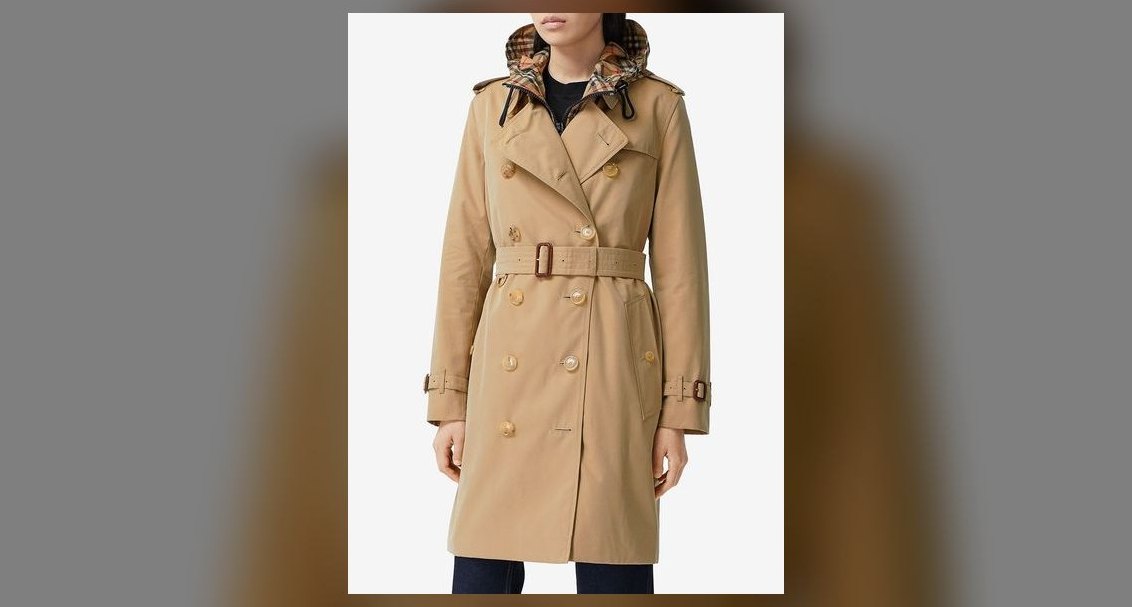 pulse-styleTop 10 Trench Coats for Work in 2027
 pulse-styleIs It Too Hot to Wear a Blazer to a Summer Wedding in 2027
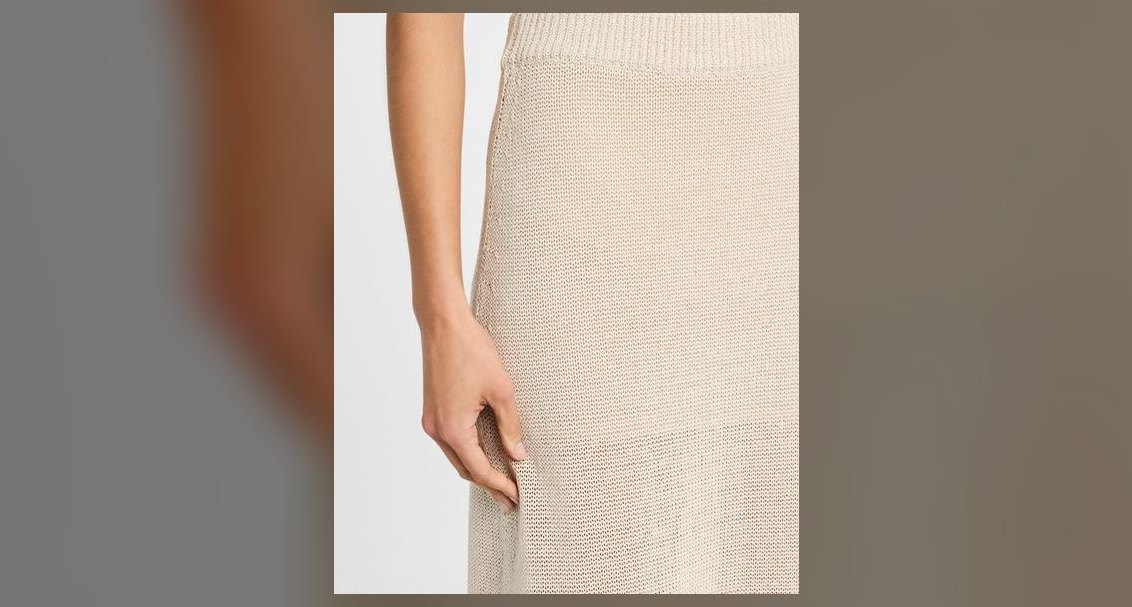 pulse-styleTop 10 Pencil Skirts for the Office in 2027
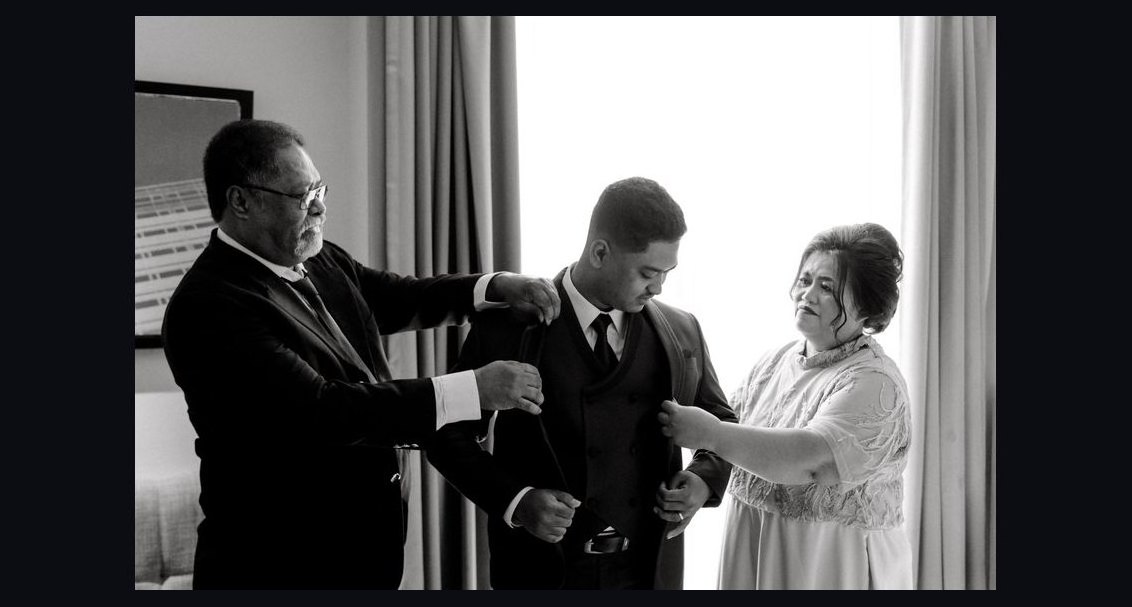 pulse-styleWhat to Wear as a Father of the Groom to a Courthouse Wedding in 2027
 pulse-styleHow to Wear Terracotta with Platform Heels in 2027
 pulse-styleHow to Wear Dusty Rose with Linen Pants in 2027
 pulse-styleHow to Style a Leather Jacket for a Gallery Opening in 2027
 pulse-styleHow to Style a Blazer for a Reunion in 2027
 pulse-styleTop 10 Wrinkle-Free Dress Shirts in 2027
 pulse-styleShould I Wear Linen or Cotton in Humid Summer Heat in 2027