


Cream or White: Which Suit Shows Wrinkles Less on a Long Flight in 2027
Quality
Certified

On a long flight, cream shows wrinkles less than white. White's high contrast against shadow makes every crease read sharply, while cream's lower contrast and warmer tone scatter light and soften fold lines. In 2027, cream still wins for wrinkle camouflage on arrival — provided the fabric is a wool-blend with natural stretch, not stiff cotton or linen.
The two options compared: cream versus white under cabin conditions
Cream and white sit close together on the colour wheel, but they behave very differently once a suit has spent seven hours folded into a seat. The core difference is contrast. White is the brightest, highest-reflectance neutral a suit can be. That brightness is exactly why it photographs beautifully in a studio and exactly why it betrays you in an arrivals hall. Every crease, every seat-belt ridge, every elbow fold casts a shadow, and against a white ground that shadow reads as a dark line. Cream sits a few steps down the brightness scale and a few steps warmer on the hue axis. The same shadow lands on a cream ground and produces a much softer edge, because the tonal gap between the lit fabric and the shaded fabric is smaller.
There is a second variable that matters just as much: the fabric, not the colour. A cream suit cut from a stiff, tightly woven cotton poplin will wrinkle more visibly than a white suit cut from a high-twist wool with 2-4% elastane. So the honest framing is that colour sets the ceiling on how forgiving a suit can be, and fabric determines how close you get to that ceiling. Cream's ceiling is higher. A cream high-twist wool is the best-case combination for a long-haul arrival. A white stiff cotton is the worst case. Everything else sits between those two poles.
Third, consider what "shows wrinkles" actually means in practice. There are three distinct failure modes on a flight. The first is compression creasing — the sharp horizontal folds across the lap and behind the knees caused by sitting for hours. The second is seat-belt and armrest ridging, which produces short, dense crease clusters. The third is the diffuse, all-over rumple that builds when a garment has absorbed body moisture and cabin humidity. White amplifies all three, but it amplifies compression creasing most severely, because those folds are deep and directional and cast the longest shadows. Cream softens all three roughly evenly, with the biggest relative advantage on the deep compression folds.
Fourth, there is a styling consequence people forget. White suits demand a level of grooming and accessory discipline that cream does not. A white suit with a slightly creased sleeve looks neglected. A cream suit with the same crease looks relaxed. That perceptual gap is not fabric physics — it is expectation. White carries an implicit promise of crispness, and any deviation from that promise registers as a defect. Cream carries no such promise, so minor imperfection reads as character rather than failure. On a long flight, where some creasing is unavoidable, choosing the colour with the lower expectation is a genuine strategic advantage.
Finally, think about the arrival context. If you are landing into a business meeting, a wedding, or a photographed event, the calculus shifts slightly. White, if it survives intact, is more striking. But it rarely survives intact. Cream gives you a predictable, presentable result with far less risk. For most travellers in 2027, the expected-value calculation favours cream, because the downside case for white is much worse than the downside case for cream.
How to decide between them
The decision is not purely aesthetic. It runs through a short sequence of practical filters: how long the flight is, what the fabric is, what the arrival obligation is, and how much recovery time you have before you are seen. Work through them in order and the answer usually resolves itself.
The logic behind that flow is straightforward. Flight length determines how much compression creasing accumulates. Fabric determines how readily the garment releases that creasing once you stand up. Arrival obligation determines how much a visible crease actually costs you. Recovery time determines whether you can fix the problem after the fact. Cream is the default answer whenever two or more of those filters point toward risk. White only becomes the better choice when the flight is short, the fabric is excellent, the arrival is high-impact, and you have a way to press or steam before you are seen.
One more filter worth adding manually: colour of the rest of your travel kit. If you are travelling with a cream suit, your shirts, shoes and bag need to sit in a coherent palette or the outfit looks accidental. White is more forgiving to accessorise because it is a true neutral. That is a real advantage for white, and it is the strongest argument in its favour. But it is an argument about styling convenience, not about wrinkle visibility, and the question here is specifically about which shows wrinkles less.
Concrete numbers behind each option
Numbers make this decision less abstract. The figures below are practical ranges drawn from textile behaviour and typical long-haul cabin conditions, not laboratory constants, but they are the right order of magnitude for planning.
Flight duration and crease accumulation. Compression creasing builds roughly linearly for the first four to five hours of seated time, then accelerates as body moisture and cabin humidity soften the fibre structure. A seven-hour flight typically produces two to three times the crease depth of a three-hour flight. A twelve-hour flight can produce four to five times. This matters because cream's advantage over white grows with crease depth. On a two-hour hop the difference between the two colours is barely perceptible. On a twelve-hour haul it is obvious.
Cabin humidity. Long-haul cabins typically run at 10-20% relative humidity, sometimes lower on newer aircraft with higher cabin pressure. Low humidity is usually good for fabric — it keeps fibres dry and reduces rumpling. But the passenger's own microclimate is different: seated against a seat back, under a blanket, with a jacket trapped between body and chair, local humidity can climb well above cabin ambient. That trapped moisture is what turns a stiff cotton suit into a creased mess and what a wool blend largely resists.
Fabric composition and recovery. A 100% cotton suit might recover 40-60% of its crease within 30 minutes of standing. A high-twist wool with 2-4% elastane can recover 70-90% in the same window. A linen suit recovers poorly — often under 30% — because linen's crease is structural, not elastic. This is why linen in white is the single worst combination for a long flight, and why linen in cream is only marginally better. Cream helps, but it cannot rescue a fibre that creases permanently.
Weave density and light behaviour. Tightly woven fabrics with a smooth surface reflect light more specularly, which sharpens the visual edge of a crease. Looser weaves and slightly textured surfaces scatter light, which blurs the edge. This is a second, independent reason cream outperforms white: cream suits are more often cut from textured or slightly brushed fabrics, while white suits are more often cut from smooth, tightly woven cloth to keep the colour looking clean. The colour and the fabric bias reinforce each other.
Contrast ratio. If you assign white a luminance value of 100 and a mid-grey shadow a value of 60, the contrast gap is 40 points. Drop the fabric to cream at roughly 88 luminance and the same shadow still reads around 55-58, because the shadow itself is slightly warmed by the surrounding tone. The gap narrows to roughly 30 points. A 25% reduction in contrast does not sound dramatic, but human vision is highly sensitive to edge contrast, so a 25% reduction in the gap reads as a substantially softer crease.
Touch-up time. Steaming a suit to remove flight creases typically takes 8-15 minutes with a travel steamer and 3-5 minutes with a hotel shower's steam plus a hang. Pressing takes longer. If your arrival window is under 20 minutes, you cannot reliably fix a white suit. If it is over 45 minutes, white becomes much more viable.
Packing method impact. Rolling a suit reduces hard fold lines but increases diffuse rumpling. Folding flat with tissue paper at the crease points reduces rumpling but creates two or three sharp fold lines. For white, flat-folding with tissue is usually better because it concentrates damage into a few predictable lines you can steam out. For cream, rolling is often fine because the diffuse rumple disappears within 20-30 minutes of wearing. This is a genuine tactical difference between the two colours.
Implementation details and sequencing
Once you have chosen cream, the execution matters as much as the choice. The sequence below is the order that produces the best arrival result, and it applies whether you are packing a cream or a white suit — though the tolerance for error is much lower with white.
Step one: choose the fabric before the colour. Look for high-twist wool, wool with 2-4% elastane, or a wool-poly blend with a natural stretch. Avoid 100% linen and avoid stiff cotton poplin. If you are set on white, the fabric choice becomes non-negotiable — a white stiff cotton suit on a long flight is a guaranteed creased arrival.
Step two: check the lining and construction. A half-lined or unlined jacket creases less because there is less material to bunch. Fused jackets — where the interlining is glued rather than sewn — crease more sharply and recover worse. A canvassed or half-canvassed jacket costs more but behaves much better after seven hours in a seat.
Step three: pack with intention. Use the flat-fold-with-tissue method for white. For cream, either flat-fold or roll, but keep the jacket on top of the bag rather than compressed at the bottom. Never check a suit you intend to wear on arrival if you can avoid it.
Step four: manage the flight itself. Take the jacket off for the middle portion of the flight and hang it if there is a hook. Sit forward rather than slumped to reduce lap compression. Avoid leaning repeatedly on one elbow, which creates a dense crease cluster at the sleevehead.
Step five: recover on arrival. Hang the suit in the bathroom while you shower. The steam does most of the work in 10-15 minutes. A travel steamer is faster and more reliable. Do not iron a wool suit directly — use steam and let the fabric relax.
The sequencing matters because each step reduces the load on the next. Good fabric means less creasing. Good construction means better recovery. Good packing means fewer hard folds. Good in-flight behaviour means less compression. Good arrival recovery means the residual creases disappear. If you skip the early steps, the later ones cannot compensate — and with white, they will not even come close.
A final implementation note on colour matching. Cream suits look best when the rest of the outfit stays in the same warm-neutral family: tan, camel, soft brown, off-white shirts, and brown or tan leather. White suits pair with almost anything, which is their styling advantage, but that advantage evaporates if the suit arrives creased. Prioritise the arrival state over the styling range.
Related questions
Does cream really hide wrinkles better than white, or is it just perception?
Both. Cream genuinely reduces the contrast between lit and shaded fabric, which physically softens how crease shadows read. It also carries lower expectations than white, so the same crease registers as less of a defect. The physical and perceptual effects compound.
What fabric makes a cream suit survive a long flight best?
High-twist wool with 2-4% elastane, half-lined or canvassed construction, in a mid-weight around 250-300 gsm. Avoid linen and stiff cotton. The fabric matters more than the colour, but cream gives you more margin for error if the fabric is only average.
Is white ever the better choice for a long flight?
Yes, in narrow conditions: a short flight under four hours, an excellent stretch-wool fabric, a high-impact arrival, and access to a steamer or shower before you are seen. Outside those conditions, cream is the safer expected-value choice.
How long does it take for flight creases to fall out of a suit?
A high-twist wool suit typically recovers 70-90% of its creases within 30 minutes of hanging. Cotton recovers 40-60%. Linen recovers poorly. Steam accelerates all of these, cutting recovery time to 10-15 minutes.
Does the colour of the shirt underneath change how visible suit wrinkles are?
Slightly. A high-contrast shirt against the jacket opening draws the eye to the lapel area, where creases are most visible. Keeping the shirt close in tone to the suit reduces that attention draw, which helps both cream and white.
FAQ
Does cream show wrinkles less than white on a long flight? Yes. Cream's lower brightness and warmer tone reduce the contrast between lit and shadowed fabric, so crease shadows read softer. White's high reflectance makes every fold cast a visible dark line. On flights over six hours the difference becomes clearly noticeable on arrival.
What is the single biggest factor in whether a suit shows wrinkles after a flight? Fabric, not colour. A high-twist wool with a small amount of elastane recovers most of its creasing within 30 minutes. Stiff cotton and linen do not. Colour sets the ceiling on how forgiving the suit can be; fabric determines how close you get to it.
Is a white suit ever acceptable for a long-haul flight? It can be, if the flight is short, the fabric is a stretch wool, the arrival is high-impact, and you can steam or shower before being seen. Without those conditions, a white suit on a long haul is a high-risk choice with a poor downside.
How should I pack a cream suit to minimise wrinkles? Either roll it or flat-fold it with tissue paper at the fold points, and keep the jacket on top of the bag rather than compressed at the bottom. Never check it if you can carry it on. Packing method matters less for cream than for white, but it still matters.
How do I get flight creases out quickly on arrival? Hang the suit in a steamy bathroom for 10-15 minutes while you shower. A travel steamer does the same job in 8-15 minutes and is more reliable. Do not iron wool directly — use steam and let the fibres relax.
Does linen in cream work better than linen in white for a flight? Marginally, but linen is a poor choice either way. Linen creases structurally rather than elastically, so it recovers under 30% of its creasing. Cream softens the appearance of those creases but cannot fix the underlying fibre behaviour.
Sources
- https://www.britannica.com/technology/textile
- https://www.faa.gov/travelers
- https://www.boeing.com/commercial/cabin-air
- https://www.iso.org/standard/67780.html
- https://www.nist.gov/programs-projects/color-and-appearance
- https://www.astm.org/standards/d1230
- https://www.woolmark.com/
- https://www.cottoninc.com/
Related on PULSE
- Best suit fabrics for long-haul business travel
- How to pack a suit without checking a bag
- Travel steamer versus hotel shower steam for suit recovery
- Building a warm-neutral travel wardrobe around a cream suit
- White suit styling rules for formal arrivals
- Cabin humidity and how it affects natural fibres
This page will be disappearing soon. Save it to your device for $1 — or read it free while it is here.
@Kory-White- · if Venmo asks, the last 4 of my number are 2012
This page is gone.
This one is off the shelf now. $1 keeps it on your phone for good — the whole page, pictures and diagrams included.
 pulse-styleTop 10 Outfits for the Office in Your 40s in 2027
 pulse-styleHow to Style Wide-Leg Pants for a Theater Show in 2027
 pulse-styleTop 10 Puffer Jacket Outfits for Winter in 2027
 pulse-styleTop 10 Cream Outfits with a Bomber Jacket in 2027
 pulse-styleHow to Style a Puffer Jacket for a Gallery Opening in 2027
 pulse-styleHow to Style a Turtleneck for a Wedding in 2027
 pulse-styleHow to Style a Slip Dress for a Cocktail Party in 2027
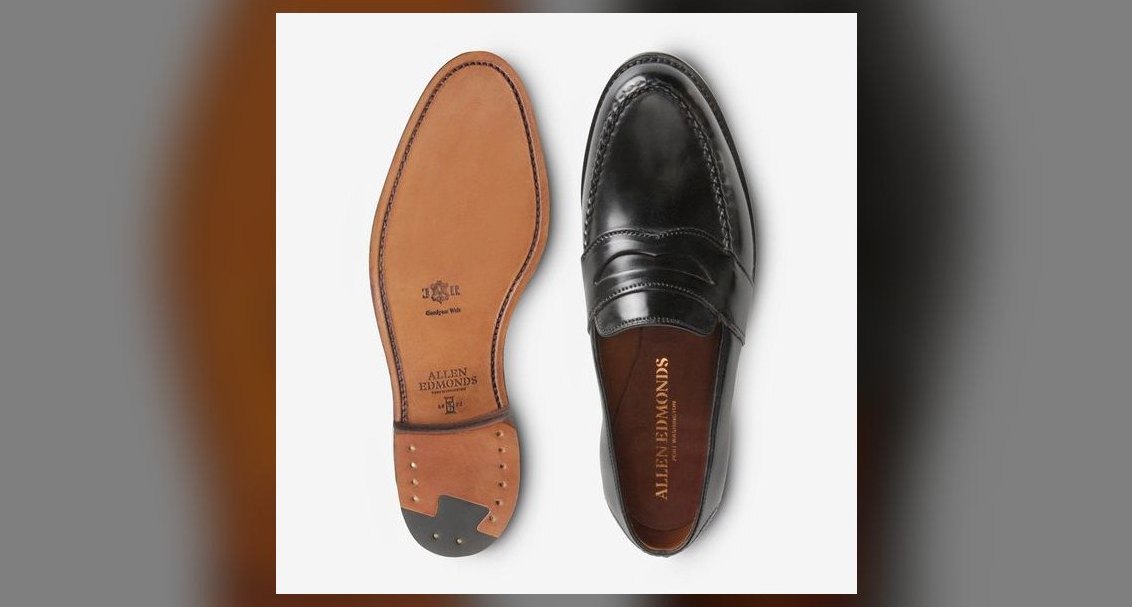 pulse-styleTop 10 Work Loafers in 2027
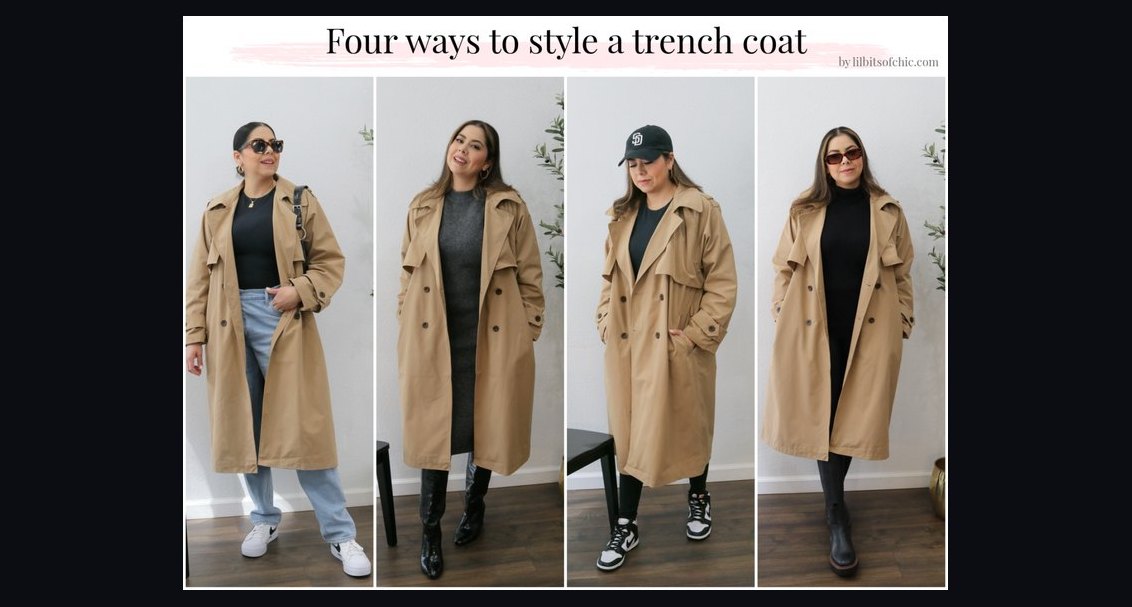 pulse-styleTop 10 Trench Coat Outfits for a Bar Crawl in 2027
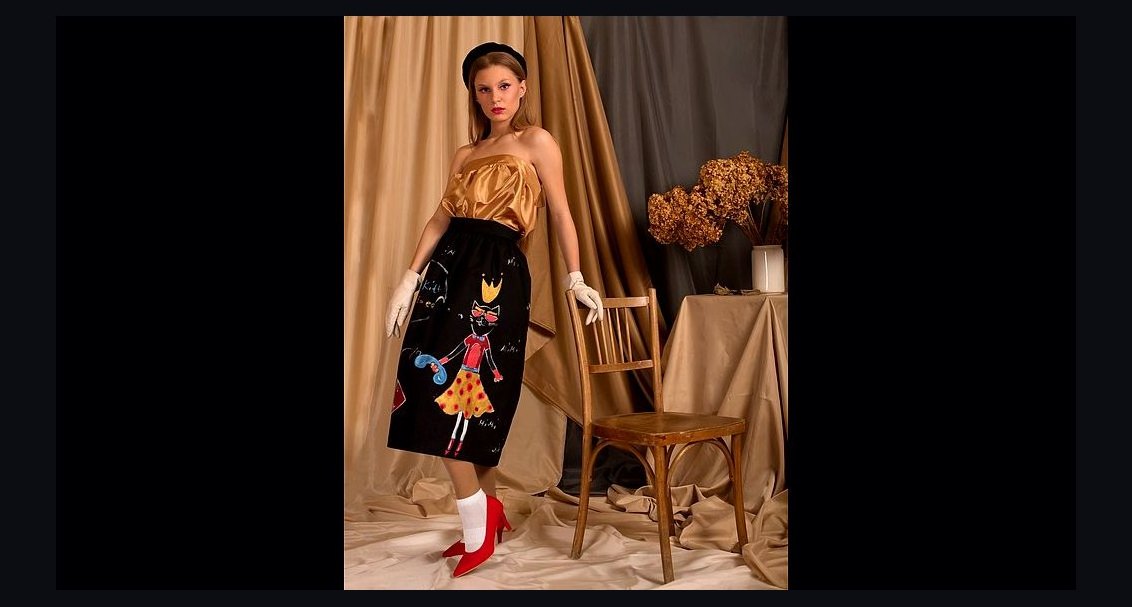 pulse-styleTop 10 Outfits for a 50th Birthday Party in 2027