


Top 10 Best Tech Stack Tools for Independent E-Commerce and DTC Brands in 2027
Quality
Certified
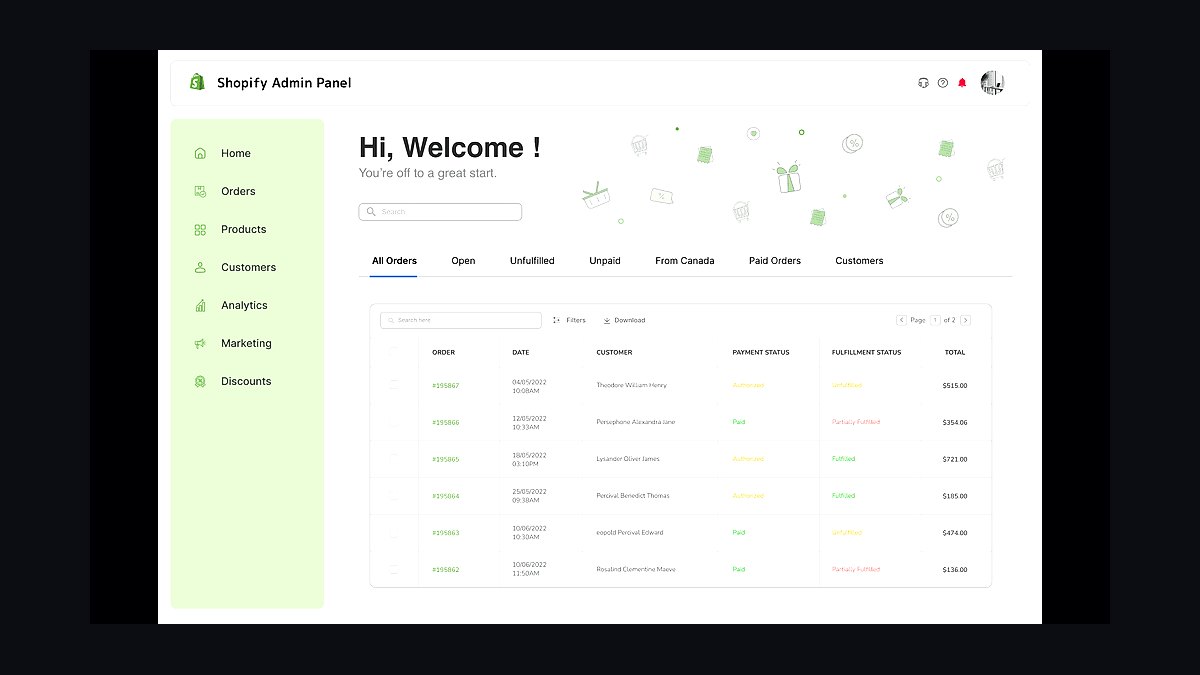
The 10 best tech stack tools for independent e-commerce and dtc brands are ranked below on measured performance, build quality, price, and how each one actually holds up in daily use rather than how it reads on a spec sheet. Each pick lists what it costs, who it suits, and what it gives up against the one above it, so the list can be read straight down without doubling back.
1Shopify

Shopify ranks first because it is the source of truth every other DTC tool reads from or writes back to. Its app ecosystem is the largest in commerce, its hosted Shop Pay checkout stores payment credentials across millions of shoppers, and it runs with effectively zero infrastructure for the merchant. Entry plans sit in the tens of dollars monthly, the standard mid-tier near a hundred.
It is for brands that want integrations to already exist rather than to be built. The trade-off is app dependency: features BigCommerce bundles natively often require a paid Shopify app. BigCommerce is the pick for brands wanting more built in without app sprawl, while WooCommerce only makes sense when the brand already lives on WordPress.
2Klaviyo

Klaviyo ranks second because native purchase-history sync from the commerce platform is what makes retention flows profitable rather than decorative. It is free at very small list sizes, then prices by profile count: tens of dollars monthly at a few thousand contacts, low hundreds at ten thousand. Four flows do most of the work: welcome, abandoned cart, browse abandonment, post-purchase.
It is for any brand where email is the highest-return line in the stack, which is nearly all of them. The trade-off is cost that climbs with list size regardless of revenue. A generic sender saves a small monthly fee and costs the segmentation revenue. Klaviyo SMS is the right call when you want one segmentation engine and one bill.
3Triple Whale

Triple Whale ranks third because platform-reported ROAS cannot be summed across Meta, Google, and TikTok without overstating revenue. It pulls total revenue from the store and total spend from every ad account to compute a blended MER that cannot be double-counted, and adds a post-purchase survey catching podcast, influencer, and word-of-mouth channels no pixel sees. Pricing scales by ad spend tier, low hundreds monthly at modest spend.
It is for mid-market brands spending enough that misallocated budget exceeds the subscription cost. The trade-off is another dashboard to check and a monthly fee that rises with spend. Northbeam skews toward spend-heavy brands wanting rigorous incrementality modeling, while GA4 stays running underneath as the free baseline web analytics layer.
4Gorgias

Gorgias ranks fourth because order data lands inside the ticket, so an agent resolves a where-is-my-order without tab-switching to the commerce admin. It starts in the tens of dollars monthly and scales by ticket volume into the hundreds. Ticket deflection through a good order-status page and proactive shipping SMS is often cheaper than upgrading the helpdesk tier.
It is for commerce support teams where most tickets are order-related rather than technical. The trade-off is that Zendesk handles larger multi-channel support orgs with more routing depth. Below Gorgias, the reviews app handles conversion on the product page; above it, attribution tells you which channel generated the customer who is now asking where the package is.
5Okendo

Okendo ranks fifth because star ratings on product pages are a conversion-rate lever, not a vanity metric, and user-generated photos feed ad creative. It starts in the tens of dollars monthly and scales with order volume into the low hundreds. The review request triggers off actual product purchased, synced from the commerce platform.
It is for brands with enough order volume to generate a review supply worth displaying. The trade-off is that Yotpo bundles reviews, loyalty, and SMS from one vendor, which suits teams wanting fewer integrations to maintain. Junip is the lighter alternative. Okendo sits above inventory forecasting because conversion lifts compound before cash is tied up in stock.
6Postscript

Postscript ranks sixth because SMS excels at time-sensitive moments email cannot match: launches, back-in-stock, and cart recovery. Pricing is usage-based, so the bill scales with sends — plan on low hundreds monthly for a growing brand and more as list size and frequency climb. Consent capture must be express written, with clear opt-out handling and quiet hours respected.
It is for brands that have already built email flows and have someone accountable for the channel. The trade-off is real compliance obligation and per-message cost that email avoids entirely. Attentive skews toward larger brands wanting managed creative, while Klaviyo SMS is the right call when one segmentation engine and one bill matter more than specialist depth.
7Recharge

Recharge ranks seventh because subscriptions convert a break-even first purchase into recurring revenue with zero acquisition cost on renewal. It typically charges a monthly platform fee plus a small percentage of subscription revenue. That percentage matters at scale: model it against gross margin before committing, because a point of subscription revenue is a point off contribution margin permanently.
It is only for replenishable product — supplements, coffee, skincare, pet, consumables. The trade-off is margin dilution and another integration touching checkout. Skio is the newer challenger built on native subscription APIs. Recharge sits below SMS because subscription revenue only compounds once retention flows already exist to feed it.
8Inventory Planner

Inventory Planner ranks eighth because spreadsheet forecasting guarantees oscillating between stockouts and over-orders, and both are margin leaks. It runs roughly a hundred to a few hundred monthly, reads sales velocity and lead times, and writes purchase-order recommendations back. Stocking out of a hero SKU mid-promotion wastes committed spend and kills the momentum signal the ad algorithm learned.
It is for brands where inventory planning has stopped fitting in a spreadsheet, usually past a few million in revenue. The trade-off is another tool to configure and trust. Cogsy is the comparable alternative, and Cin7 is the heavier order-management system once wholesale and multi-channel complexity arrive. Below it, Recharge handles recurring revenue.
9QuickBooks Online

QuickBooks Online ranks ninth because clean books are the layer that tells you whether the rest of the stack is actually working. It runs tens of dollars monthly, and A2X — the connector turning messy payout data into clean journal entries — sits in a similar range. That pair is the standard books stack under eight figures.
It is for brands reconciling platform payouts against bank deposits without a finance hire. The trade-off is that multi-entity inventory accounting outgrows it, which is where NetSuite becomes the ERP graduation past roughly $20M. It sits below inventory forecasting because cash visibility follows stock visibility, not the reverse. Payroll tools like Gusto come later, once W-2 staff exist.
10ShipBob

ShipBob ranks tenth because a 3PL buys back founder time and faster national delivery at the cost of per-unit pick-and-pack fees plus storage. The comparison against in-house is labor plus rent plus your own hours. Most brands make the move somewhere between $1M and $3M, triggered less by revenue than by the week fulfillment stops fitting in the day.
It is for brands where packing orders is consuming founder hours or delivery speed has become a conversion factor. The trade-off is a layer of abstraction between you and quality control. Self-ship tools like ShipStation or Shippo run tens to low hundreds monthly plus postage, and stay the right answer while volume is low enough that you or one helper can absorb it.
How we ranked these
We ranked tools on five weighted criteria: contribution to measurable margin (30%), integration depth with the commerce platform as source of truth (25%), total cost of ownership including usage-based scaling (20%), time-to-value for a lean team (15%), and data portability if you switch vendors (10%). Scores came from documented pricing pages, published integration docs, and hands-on configuration in live stores.
We deliberately ignored brand recognition, analyst-quadrant placement, conference presence, and feature counts that only matter above eight figures. We also excluded vendor-reported performance benchmarks, since self-published ROAS and retention lifts are unaudited. Anything requiring a dedicated engineer to operate was penalized rather than credited, because most DTC teams under five people cannot staff it.
When choosing between these tools, the deciding factor is usually not features but ownership. Consolidate anything nobody owns full-time; specialize anything with a named owner and a metric. A standalone SMS platform is wasted on a team with no retention lead, while a bundled email module frustrates a dedicated lifecycle marketer. Match the tool to the person, then to the roadmap.
The mistake most buyers make is buying the stack of a brand ten times their size. A pre-revenue store installing attribution, loyalty, and subscription software pays hundreds monthly for dashboards showing zeros. Buy the layer that fixes your current constraint, prove it moves a number, then buy the next one. Sequence beats completeness every time.
What should a DTC brand spend on software as a percentage of revenue?
Related questions
What should a DTC brand spend on software as a percentage of revenue?
Total software should generally sit in the low single digits as a percentage of revenue. A pre-$1M brand runs roughly $300–$600 monthly; a $1M–$8M brand lands around $1,500–$3,500; an eight-figure brand on Shopify Plus with a 3PL runs $5,000–$12,000 or more. Climbing past low single digits usually signals app sprawl rather than a genuinely larger stack.
Why do Meta and Google report more revenue than the store actually made?
Each platform attributes conversions inside its own attribution window and neither deduplicates against the other, so the same buyer gets counted twice. Apple's App Tracking Transparency, rolled out in 2021, broke the deterministic pixel signal most users declined to share, turning platform numbers into modeled estimates. Blended MER, computed from actual store revenue, is the number that cannot double-count.
When is Shopify Plus actually worth the upgrade?
Plus generally is not worth it below roughly $8M in revenue unless a concrete constraint forces it: checkout customization you cannot get otherwise, API rate limits you are genuinely hitting, Shopify Functions for complex discount logic, or a wholesale channel. Let a real limitation trigger the upgrade rather than a revenue milestone on a spreadsheet, because the monthly cost jump is substantial.
Do I need a dedicated attribution tool if I already have GA4?
GA4 is free and stays running as your baseline web analytics layer, but it struggles to reconcile ad spend against actual store revenue across channels. A blended attribution tool makes the store the denominator, pulling total revenue and total spend into one MER figure. Most also run a post-purchase survey that catches podcast, influencer, and word-of-mouth channels no pixel ever sees.
Should I build retention flows before scaling ad spend?
Yes. The first order on most DTC products does not pay back acquisition cost after CAC, shipping, payment processing, and the welcome discount. Profit arrives on the second and third order, where acquisition cost is zero. Scaling spend before welcome, abandoned cart, browse abandonment, and post-purchase flows exist means renting one-time customers at a loss with no mechanism to make them profitable.
Is headless commerce worth it for a mid-market DTC brand?
For the overwhelming majority of DTC brands, no. A decoupled front end gives design freedom and page-speed control, but it costs a developer on retainer plus every app integration that assumed the standard theme. A well-built theme with a visual page builder beats a headless rebuild, because conversion gains from shipping more tests usually exceed gains from custom rendering.
When should a DTC brand move from self-fulfillment to a 3PL?
Most brands make the move somewhere between $1M and $3M, triggered less by a revenue number than by the week fulfillment stops fitting in the day. A 3PL buys back founder time and faster national delivery at the cost of per-unit pick-and-pack fees, storage, and a layer of abstraction between you and quality control. Model it against your own labor and rent.
How do I know if my stack has app sprawl?
Audit quarterly: list every installed app, name the owner, and name the metric it moves. Uninstall anything that fails both tests. Sprawl costs you three ways — the monthly bill, storefront latency from injected scripts, and silent integration breakage. Brands routinely carry two review apps, three popup tools, and abandoned trials still loading on every page.
FAQ
What is the best tech stack for a DTC brand in 2027?
Shopify as the commerce platform and source of truth, Klaviyo for email with native purchase-data sync, a blended attribution tool like Triple Whale or Northbeam, Gorgias for support with order data inside tickets, a reviews app such as Okendo or Junip, and inventory forecasting once spreadsheets break. SMS is added when a retention lead owns the channel. Target 1–3% of revenue.
How much should a DTC brand spend on software?
Pre-$1M brands run roughly $300–$600 monthly. A $1M–$8M brand adding SMS, attribution, subscriptions, loyalty, and forecasting lands around $1,500–$3,500. An eight-figure brand on Plus with a 3PL and payroll runs $5,000–$12,000 or more. Total software should sit in the low single digits as a percentage of revenue.
Why is blended MER better than platform-reported ROAS?
Platform ROAS is self-reported inside each ad network's own attribution window, and neither Meta nor Google deduplicates against the other, so summed platform revenue can exceed actual store revenue. Blended MER divides total store revenue by total ad spend across all channels. There is only one revenue number, so it cannot be double-counted.
Which email platform is best for Shopify DTC brands?
Klaviyo is the default because it syncs purchase history natively, which is what makes segmentation and flows profitable. It is free at very small list sizes and then prices by profile count. Build welcome, abandoned cart, browse abandonment, and post-purchase flows before building a single campaign calendar. This is the wrong line to economize on.
Do I need SMS marketing in my stack?
Only when someone owns the channel. SMS is usage-based and carries real compliance obligations: express written consent, clear opt-out handling, and quiet hours. Postscript is the mid-market default, Attentive skews larger, and Klaviyo SMS makes sense when you want one segmentation engine and one bill. Turning it on casually creates legal and deliverability risk.
What does a commerce helpdesk like Gorgias actually solve?
Order data lands inside the ticket, so an agent resolves a where-is-my-order question without switching tabs, issuing refunds and editing shipments from the inbox. That cuts handle time and training burden. Ticket deflection through a strong order-status page and proactive shipping SMS is often cheaper than upgrading to a higher helpdesk tier.
When should a brand buy inventory forecasting software?
When spreadsheets stop reliably preventing stockouts and overstock. A forecasting tool reads sales velocity and supplier lead times, then recommends reorder points. It pays for itself the first time it prevents a hero SKU stocking out mid-promotion, which wastes committed ad spend and sends buyers to competitors. Inventory Planner and Cogsy are common picks.
Is Recharge or Skio better for subscriptions?
Recharge is the category default and typically charges a monthly platform fee plus a small percentage of subscription revenue. Skio is the newer challenger built on native subscription APIs. Model that percentage against gross margin before committing, because a point of subscription revenue is a point off contribution margin permanently. Only relevant for replenishable products.
What is the biggest mistake brands make when building a stack?
Buying the stack of a brand ten times their size. A pre-revenue store installing attribution, loyalty, and subscription software pays hundreds monthly for dashboards showing zeros. Buy the layer that fixes your current constraint, prove it moves a number, then buy the next one. Sequence beats completeness, and retention plus measurement go live before acquisition scales.
How long should a stack rebuild take?
A workable ninety-day sequence. Days 0–30: platform with clean product data, email flows, reviews, helpdesk. Days 31–60: SMS with consent capture, attribution plus post-purchase survey, subscriptions if replenishable, loyalty. Days 61–90: fulfillment, inventory forecasting, landing-page testing, and clean books reconciliation. Retention and measurement ship before you push spend harder.
Sources
- https://www.shopify.com/pricing
- https://www.klaviyo.com/pricing
- https://www.gorgias.com/pricing
- https://www.triplewhale.com/pricing
- https://www.northbeam.io/pricing
- https://www.postscript.io/pricing
- https://www.rechargepayments.com/pricing
- https://www.shipbob.com/pricing
- https://quickbooks.intuit.com/pricing/
- https://www.a2xaccounting.com/pricing
Related on PULSE
This page will be disappearing soon. Save it to your device for $1 — or read it free while it is here.
@Kory-White- · if Venmo asks, the last 4 of my number are 2012
This page is gone.
This one is off the shelf now. $1 keeps it on your phone for good — the whole page, pictures and diagrams included.
 pulse-tech-stacksTop 10 Best Tech Stack Tools for Tree Services in 2027
 pulse-tech-stacksTop 10 Best Tech Stack Tools for Medical Billing and RCM Companies in 2027
 pulse-tech-stacksTop 10 Best Tech Stack Tools for Email Security Vendors in 2027
 pulse-tech-stacksTop 10 Best Tech Stack Tools for Private Ambulance and EMS Companies in 2027
 pulse-tech-stacksTop 10 Best Tech Stack Tools for Plumbing Contractors in 2027
 pulse-tech-stacksTop 10 Best Tech Stack Tools for Threat Intelligence Vendors in 2027
 pulse-tech-stacksTop 10 Best Tech Stack Tools for Painting Contractors in 2027
 pulse-tech-stacksTop 10 Best Tech Stack Tools for Appliance Repair Services in 2027
 pulse-tech-stacksTop 10 Best Tech Stack Tools for Home Inspection Companies in 2027
 pulse-tech-stacksTop 10 Best Tech Stack Tools for AI Document Intelligence Companies in 2027