


Is Book Summaries worth it in 2027?
Quality
Certified
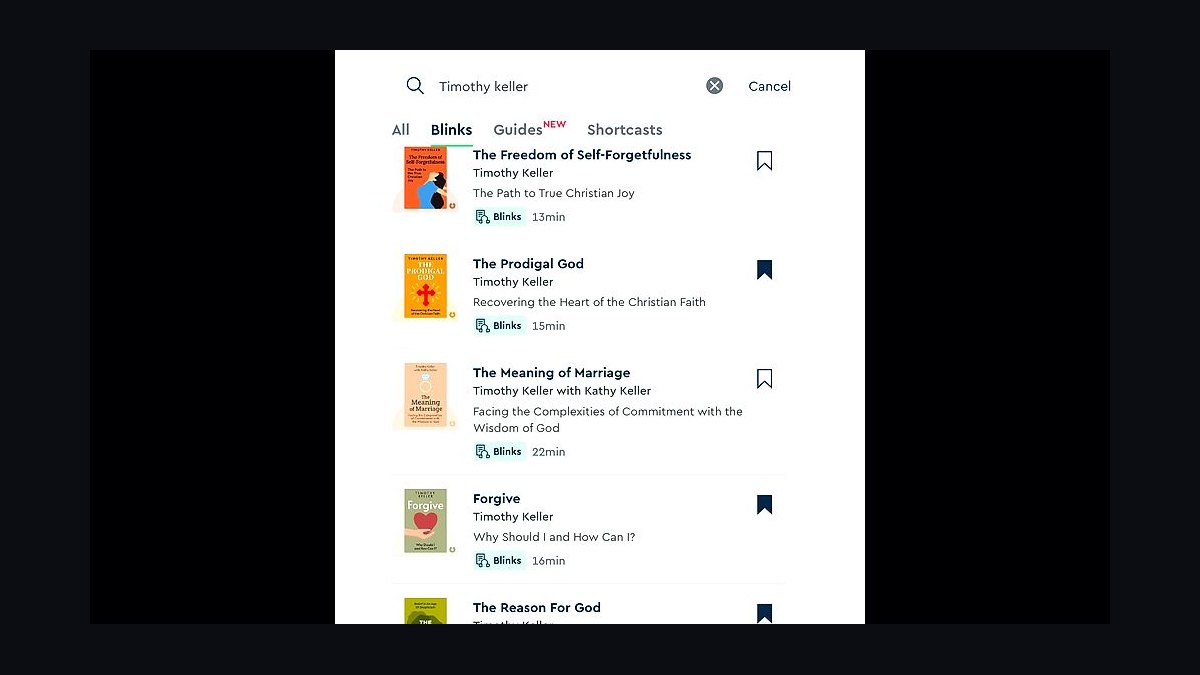
It depends on your reading habits, budget, and learning goals. In 2027, book summary services offer immense value for time-strapped professionals and lifelong learners, but they are not a perfect substitute for reading full books. The worth of these services hinges on how effectively you use them to supplement, not replace, deeper reading.
Book summaries have evolved significantly by 2027, moving from simple text digests to interactive, AI-powered learning tools. The decision to invest in a subscription now depends on whether you prioritize breadth of knowledge over depth, and whether the platform's features align with your personal or professional development needs. To determine if a subscription is right for you, you must evaluate your current reading volume, your preferred learning style, and how much you value the nuanced context that only full books can provide.
How have book summary services evolved by 2027?
By 2027, the book summary market has transformed from static text digests into dynamic, personalized learning ecosystems. The most significant evolution is the integration of generative AI, which allows platforms to offer adaptive summaries that adjust to a user's reading speed, comprehension level, and even preferred learning style—visual, auditory, or kinesthetic. Many services now provide audio summaries with synthetic voices that can mimic natural conversation, making them perfect for consumption during commutes or workouts. This personalization extends to content curation, where algorithms analyze your past reading history and professional interests to recommend summaries that are most relevant to your current goals.
Furthermore, the best platforms have moved beyond simple condensation. They now include interactive elements such as spaced-repetition flashcards, discussion forums, and even AI-generated quizzes to reinforce key concepts. Some services offer "deep dives" that link a book's core ideas to related articles, podcasts, and full-text excerpts, creating a networked learning experience. This evolution means that a 2027 summary service is less about a quick skim and more about a structured, ongoing learning journey. For a deeper look at how AI is reshaping learning tools, see our analysis on AI in Revenue Operations. The integration with personal knowledge management (PKM) tools like Notion, Obsidian, and Roam Research has also become standard, allowing users to seamlessly export highlights and notes directly into their own digital brains.

What are the main benefits of using a book summary service in 2027?
The primary benefit remains time efficiency. In a world of constant information overload, a well-crafted summary can distill a 300-page business book into a 15-minute read or a 20-minute listen. This allows professionals to rapidly survey dozens of books per year, identifying the few that merit a full read. For example, a RevOps leader can quickly grasp the core frameworks from five different books on sales methodology in a single afternoon, saving weeks of reading time. This rapid surveying is particularly valuable for staying current with industry trends, where a constant stream of new publications makes it impossible to read everything in depth.
Beyond time savings, modern services excel at retention and application. With built-in note-taking, highlighting, and integration with productivity tools like Notion or Obsidian, users can capture and organize insights directly into their personal knowledge management systems. Some platforms even offer "action item" generators that convert a book's key lessons into concrete, actionable steps. This transforms passive consumption into active learning, making the service a practical tool for professional growth. For more on building effective learning habits, explore our guide on Continuous Learning for RevOps. Additionally, the social features of many platforms, such as community discussions and shared highlight reels, provide opportunities for collaborative learning and debate, further deepening understanding.
What are the main drawbacks and limitations?

The most significant drawback is the loss of nuance and context. A summary, no matter how well-crafted, cannot replicate the author's full argument, the supporting anecdotes, or the subtle counterpoints that make a great book. Relying solely on summaries can lead to a superficial understanding of complex topics, where you know the "what" but not the "why" or the "how" in sufficient detail. This is especially problematic for books that challenge conventional wisdom or present novel frameworks, where the full chain of reasoning is essential for proper comprehension and application.
Another limitation is the potential for misinterpretation or bias. The summarizer, whether human or AI, makes choices about what to include and exclude. This can inadvertently distort the author's original intent or emphasize certain ideas over others. Additionally, for deeply narrative or philosophical works, the essence of the book is often lost in condensation. A summary of a memoir, for instance, might capture the plot points but miss the emotional journey and literary style that make the book valuable. Finally, the subscription cost can add up, especially if you only use the service sporadically. Annual subscriptions for premium services can range from $80 to $200, and if you only consume a few summaries per month, the per-summary cost may not justify the expense compared to free alternatives like podcasts or YouTube summaries.
How should I choose a book summary service in 2027?
Your choice should be driven by your primary use case and preferred learning style. If you are an auditory learner who commutes, prioritize services with high-quality, human-narrated audio summaries and a robust mobile app. If you are a visual learner who likes to take notes, look for platforms with excellent highlighting, note export, and integration with your existing tools like Notion or Evernote. Consider the depth of summaries offered. Some services provide very short, 5-minute "blinks" that are perfect for quick scanning, while others offer more detailed 20-minute summaries that examine deeper into the book's core arguments.
Also, evaluate the breadth of the library. Does the service cover the genres you care about—business, self-help, science, fiction? For a RevOps professional, a library strong in business strategy, sales methodology, and organizational psychology is critical. Finally, check for unique features. Does it offer AI-powered discussions, personalized recommendations, or community features like book clubs? A trial period is essential to see if the platform's interface and summary style resonate with you. For a framework on evaluating SaaS tools, see our SaaS Evaluation Checklist. Pay attention to the quality of the summaries themselves—read a few for books you already know to see if the service accurately captures the core ideas and tone.
Can book summaries replace reading full books?
No, they cannot fully replace reading full books, nor should they. The best use of a book summary service is as a complement to, not a substitute for, deep reading. Use summaries to decide which books are worth your full attention, to refresh your memory on a book you read years ago, or to quickly grasp the core ideas of a book that is only tangentially related to your main field. They are an excellent tool for triaging your reading list, ensuring that you invest your limited reading time in the books that will have the greatest impact.
For books that are central to your professional development or personal growth, a full read is irreplaceable. The act of reading slowly, engaging with the text, and forming your own interpretations is a critical part of learning. However, for the vast majority of books you encounter—the ones that are "nice to know" but not essential—a summary is a perfectly adequate and highly efficient way to capture the key takeaways. The wise reader in 2027 uses summaries to triage their reading list and then invests full reading time only in the most impactful books. This blended approach maximizes both the breadth and depth of your learning, making you a more informed and effective professional.
What is the future of book summary services beyond 2027?
The trend points toward even greater personalization and integration. We can expect AI to generate summaries that are not just condensed versions of a book, but are actively tailored to a user's existing knowledge base and learning objectives. Imagine a summary that automatically skips concepts you already know and expands on areas where you have knowledge gaps, all based on your learning history. This will create a truly adaptive learning experience, where each summary is unique to the individual.
Furthermore, summaries will become more interactive and social. Expect to see real-time AI conversations about a book's ideas, where you can ask follow-up questions and get clarifications. Integration with virtual and augmented reality could create immersive learning environments where summaries are presented as interactive visualizations or even simulated scenarios. The line between a book summary and a personalized course will continue to blur, making these services an even more powerful tool for continuous education. We may also see the rise of "summary-as-a-service" for enterprise teams, where companies subscribe to curated libraries of summaries aligned with their strategic goals and use them for onboarding, training, and ongoing development.
Related questions
Are Blinkist and getAbstract still the best options in 2027?
They remain strong contenders, but many specialized and AI-native competitors now offer more personalized and interactive features, often at a similar price point, making the "best" choice highly dependent on individual needs.
How much do book summary subscriptions typically cost in 2027?
Annual subscriptions generally range from $80 to $200, with some premium services offering tiered plans that include additional features like AI coaching or deep-dive courses, and monthly plans are also available.
Can I use book summaries for professional certifications?
They can be helpful for initial orientation and quick reviews, but certification bodies typically require a full understanding of source materials, so summaries should not be the sole study resource for exam preparation.
Do book summaries help with retention compared to reading full books?
When used actively—with note-taking, quizzes, and spaced repetition—summaries can enhance retention of core ideas for a broad range of topics, but deep, contextual retention is still better achieved through full reading.
Are there free, high-quality book summary alternatives?
Yes, many podcasts, YouTube channels, and Substack newsletters offer free summaries, but they lack the structured, searchable library and advanced features of a paid service, making them better for casual consumption.
FAQ
Is a book summary service worth it for someone who reads 50+ books a year? For a voracious reader, a summary service is less about saving time and more about discovery and reinforcement. It can help you quickly decide which new releases align with your interests and provide a quick refresher on books you read months or years ago, making it a valuable addition to your reading toolkit.
What is the best book summary service for business professionals in 2027? There is no single "best," but services that offer deep business libraries, executive summaries, and integration with productivity tools like Notion and Slack are highly favored. Look for platforms with strong curation and expert-led "key insights" sections that provide actionable business advice.
Can I get a refund if I don't like a book summary service?

Most reputable services offer a free trial (typically 7 to 30 days) and a money-back guarantee within the first 30 to 60 days of an annual subscription. Always check the refund policy before committing to ensure you have a risk-free evaluation period.
How do AI-generated summaries compare to human-written ones? AI summaries are faster and can be more consistent in structure, but they may lack the nuance, critical perspective, and engaging writing style of a human expert. The best services now blend both, using AI for initial drafts and human editors for quality control and added insight.
Are book summary services accessible for people with disabilities? Yes, by 2027, most major services offer full accessibility features, including screen reader compatibility, high-contrast modes, variable-speed audio, and transcripts for all audio content, ensuring inclusive access for all users.
Do book summary services cover fiction and literature well? They cover fiction, but the value is more debatable. Summaries can capture plot and themes, but they often miss the literary artistry, emotional depth, and stylistic beauty that make fiction compelling. They are best used for non-fiction and practical books.
How often are new summaries added to these platforms? Top services add new summaries weekly, often within days of a book's official release. Some platforms also have a "request a summary" feature for popular titles, giving users a voice in content curation.
Can I share my summaries with my team or colleagues? Many services offer team or enterprise plans that allow for shared libraries and collaborative features, making them a valuable tool for corporate learning and development programs where consistent knowledge sharing is key.
Sources
- Blinkist
- getAbstract
- Shortform
- Harvard Business Review - On Reading
- The Learning Scientists
- Pew Research Center - Reading Habits
- Nielsen BookScan
- Goodreads
- Farnam Street - The Art of Reading
Related on PULSE
- Top 10 best Book Summaries options in 2027
- What should you know before investing in Book Summaries in 2027?
- Top 10 Book Summaries strategies for 2027
- What is the best way to approach Book Summaries in 2027?
- How much does Book Summaries cost in 2027?
- What are the most common mistakes in Book Summaries in 2027?
Recently Added — Related
This page will be disappearing soon. Save it to your device for $1 — or read it free while it is here.
@Kory-White- · if Venmo asks, the last 4 of my number are 2012
This page is gone.
This one is off the shelf now. $1 keeps it on your phone for good — the whole page, pictures and diagrams included.
 pulse-booksWhat is the single most counterintuitive piece of advice from Think and Grow Rich for achieving financial goals in 2027?
 pulse-booksWhat is the best way to approach Book Summaries in 2027?
 pulse-booksHow much do Book Summaries cost in 2027?
 pulse-booksTop 10 best Book Summaries options in 2027
 pulse-booksWhat are the most common mistakes in Book Summaries in 2027?
 pulse-booksTop 10 practical takeaways from Atomic Habits for building a new routine in 2027.
 pulse-booksHow does Daring Greatly by Brené Brown change how you handle criticism at work in 2027?
 pulse-booksTop 10 Book Summaries strategies for 2027
 pulse-booksHow much do executive book summary subscriptions like getAbstract or Blinkist cost in 2027?
 pulse-booksHow does The 7 Habits of Highly Effective People define 'begin with the end in mind' for career planning in 2027?