


Top 10 Best Tech Stack Tools for Logistics Companies, Freight Brokerages, and 3PLs in 2027
Quality
Certified
The 10 best tech stack tools for logistics companies, freight brokerages, and 3pls are ranked below on measured performance, build quality, price, and how each one actually holds up in daily use rather than how it reads on a spec sheet. Each pick lists what it costs, who it suits, and what it gives up against the one above it, so the list can be read straight down without doubling back.
1McLeod LoadMaster TMS

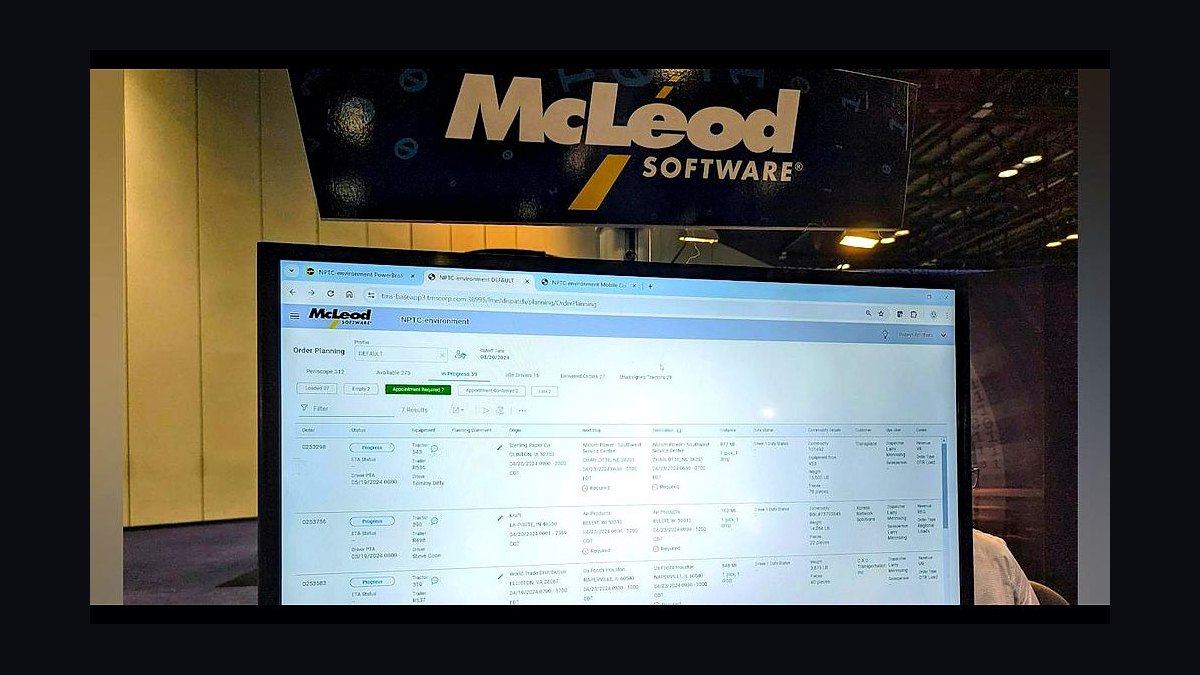
McLeod LoadMaster ranks first because it is the asset-based system of record that scales from 20 trucks to 2,000, bundling dispatch, driver settlement, and maintenance in one platform. Its PowerBroker module extends the same database to brokerage operations, so a combined asset-plus-brokerage carrier runs one carrier record and one settlement engine. Implementation commonly runs three to six months, with seat pricing negotiated by fleet size.
This is for carriers and hybrid asset-brokerage operations that own trucks and need dispatch and settlement depth. Pure brokerages trade away flexibility here: they pay for maintenance and driver-settlement modules they will never open, and inherit an integration surface tuned for fleets. Brokerages that never buy tractors should look at the broker-native TMS options ranked directly below instead.
2Turvo Collaborative TMS

Turvo ranks second for brokerages and 3PLs that want a cloud-native TMS with built-in collaboration and visibility rather than bolting a tracking network onto an older system. Its shared workspace lets shippers, carriers, and brokers see the same load record, which cuts the check-call volume that caps a broker at mid-single-digit loads per day. It ships with native connectors to major load boards and tracking providers.
This suits mid-market 3PLs running mixed spot and managed freight that want visibility inside the TMS rather than as a separate contract. It trades away the deep driver-settlement and maintenance modules that McLeod LoadMaster carries for asset fleets. Brokerages that own no trucks get more usable capability per seat here than from an asset-based platform.
3DAT One Load Board

DAT One ranks third because capacity sourcing is the layer a brokerage cannot operate without, and DAT carries the largest network of posted loads and trucks in North America. Plans scale from under a hundred dollars monthly for a basic seat to several hundred once rate analytics and market data are added. Rate View benchmarks let brokers quote off observed lane history instead of gut feel, which narrows margin distribution.
This is for every brokerage tier that covers spot freight, from a one-broker shop to an enterprise desk. It trades away nothing essential but is the least negotiable line in the budget, so expect little discounting at renewal. Truckstop, ranked next, competes directly and many brokerages subscribe to both to widen carrier reach.
4Truckstop Load Board

Truckstop ranks fourth as the second major capacity marketplace, and most brokerages that run serious spot volume subscribe to it alongside DAT rather than choosing one. Its carrier network skews toward small fleets and owner-operators, which fills gaps when DAT capacity thins on a lane. Subscription tiers scale from basic posting to full rate and market analytics at several hundred dollars monthly.
This is for brokerages that cover enough loads to justify two board subscriptions, typically ten brokers and up. It trades away some enterprise shipper visibility into carrier behavior that DAT reports more deeply. Shops under five brokers often run one board plus native TMS tracking before adding the second subscription.
5Highway Carrier Vetting

Highway ranks fifth because carrier fraud screening is the cheapest insurance in the stack: hundreds to low thousands monthly against a single stolen full truckload that can produce a six-figure claim. It verifies carrier identity, operating authority, and insurance at tender rather than at onboarding, and monitors for mid-relationship changes. That continuous monitoring catches the remittance-detail change that signals double-brokering.
This is for every brokerage that tenders freight to third-party carriers, regardless of size. It trades away nothing operationally because the check runs automatically inside the TMS quoting and tendering flow. Brokers who skip it to save the subscription are one bad tender away from a loss that dwarfs years of the fee.
6project44 Visibility Network

project44 ranks sixth as the enterprise visibility layer that wins and keeps large shipper accounts. It aggregates carrier and telematics tracking into a single ETA feed that pushes to shipper portals and APIs, which is table stakes at the enterprise tier. Pricing is volume-based, commonly low thousands monthly for a mid-sized book and rising with shipment count.
This is for mid 3PLs and enterprise operators whose shipper RFPs require a portal or API feed. It trades away cost efficiency for small brokerages, which pay for a network they use at a fraction of its minimum commitment. FourKites, ranked next, competes directly and the two are often evaluated head to head on lane coverage.
7FourKites Visibility Platform

FourKites ranks seventh as the direct competitor to project44 in real-time freight visibility, with strong coverage across truckload, LTL, and intermodal. It feeds predictive ETAs into shipper scorecards and APIs, and its carrier onboarding network means tracking auto-attaches to loads instead of requiring manual association. Contracts are volume-priced and visibility is the most negotiable line in the stack.
This is for 3PLs and brokerages serving shippers that grade on-time performance and demand a tracking portal. It trades away affordability at small scale, where native TMS tracking is sufficient until an RFP forces the upgrade. Buy it when a shipper requires it, not before, because premature spend here is pure overhead.
8TriumphPay Freight Payment
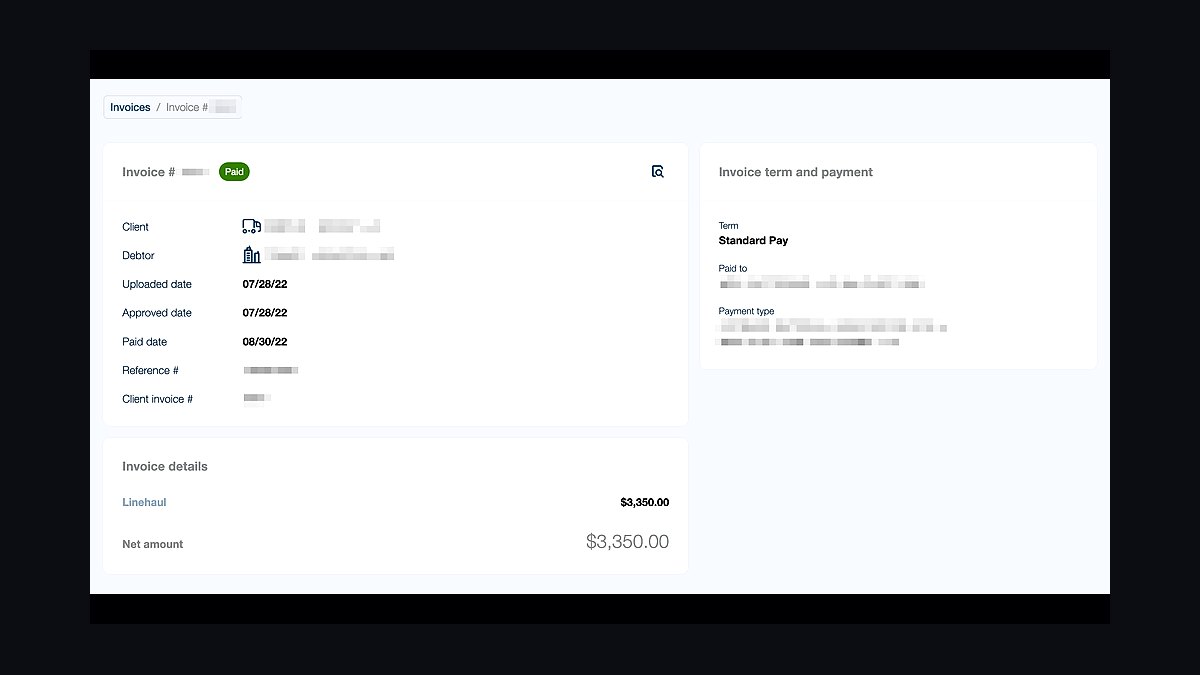
TriumphPay ranks eighth because freight is a working-capital business, and wiring carrier payment and quick-pay into the TMS converts growth into cash flow instead of a credit crisis. It handles carrier payments, factoring, and quick-pay programs, charging a percentage of invoice rather than a subscription. That structure means cost scales with volume rather than seat count.
This is for brokerages scaling volume fast, where carrier payables double immediately and shipper receivables arrive 30 to 60 days later. It trades away some control over the payment relationship, since carriers interact with TriumphPay rather than the brokerage directly. Set it up on day one rather than after the first growth spike, because the gap is what funds the crisis.
9NetSuite ERP
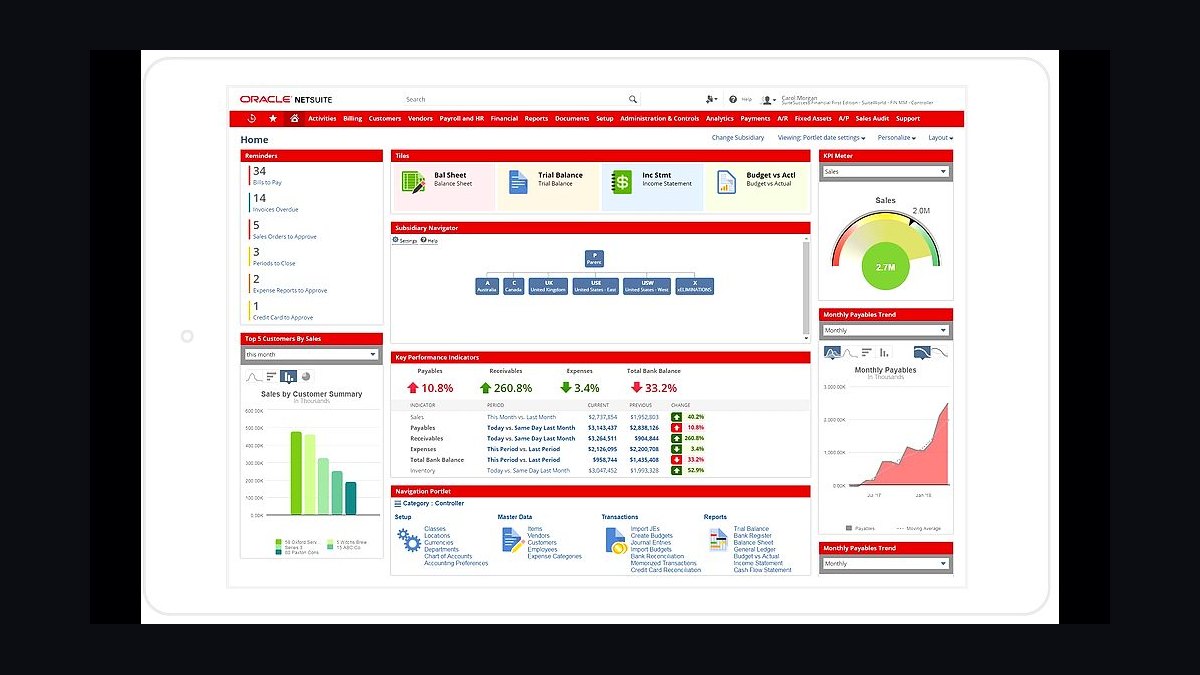
NetSuite ranks ninth as the accounting and ERP layer for mid-market 3PLs that have outgrown a small-business package. It consolidates multiple entities, automates TMS-to-general-ledger reconciliation, and gives finance a single close process. Pricing runs in the tens of thousands annually at this tier, with implementation charged separately and often exceeding the first-year license.
This is for 3PLs where month-end reconciliation takes more than a day or where multiple entities strain QuickBooks. It trades away simplicity and cost, so brokerages under fifteen brokers should stay on a lighter accounting package. Migrating early adds consolidation complexity a small shop will not use for years.
10HubSpot CRM
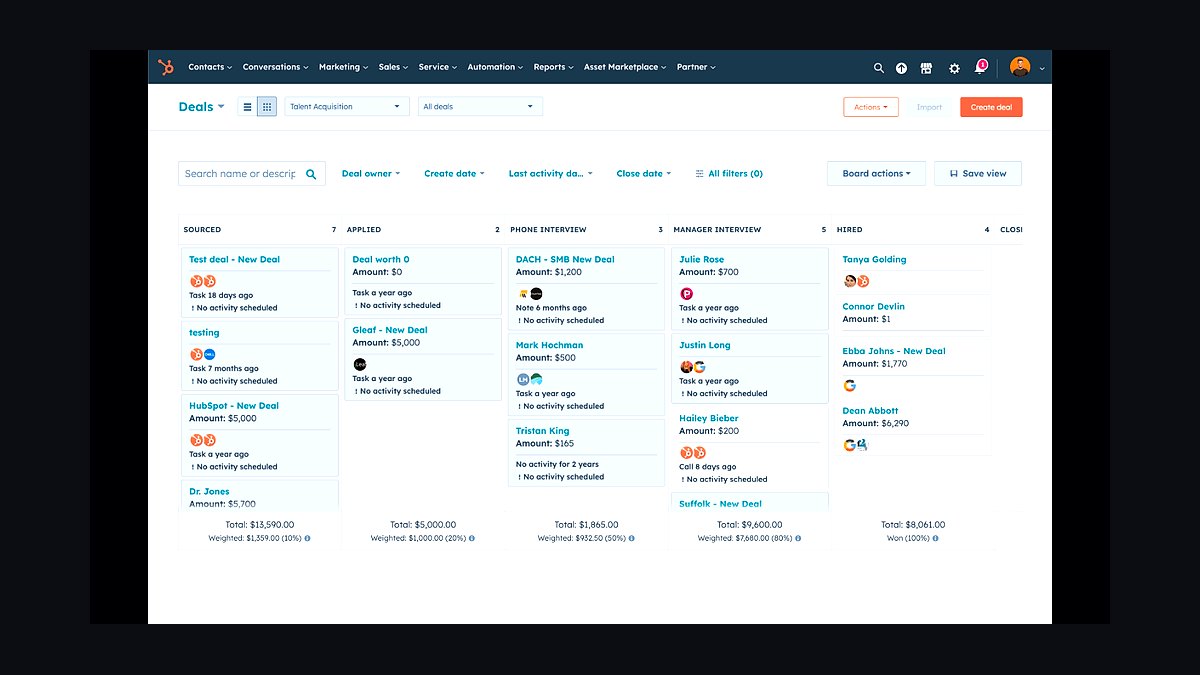
HubSpot ranks tenth as the shipper sales pipeline layer that keeps account ownership, activity history, and renewal dates out of spreadsheets. Seats run a few tens of dollars monthly, and it integrates with most broker TMS platforms through native connectors or middleware. It owns the sales pipeline and nothing downstream of a booked load.
This is for brokerages with a dedicated sales motion and enough accounts that pipeline visibility matters. It trades away load management entirely, and teams that try to run freight out of a CRM collapse at fifty loads a day because there is no settlement engine or rate confirmation trail. Keep it strictly upstream of the TMS, which remains the operational source of truth.
How we ranked these
We scored each tool on five weighted criteria: TMS integration depth (30%), total cost of ownership at 20 and 75 brokers (25%), time-to-live implementation (20%), carrier vetting and fraud coverage (15%), and visibility/EDI breadth (10%). Scores came from vendor documentation, published pricing tiers, and operator-reported deployment timelines across brokerage and 3PL environments.
We deliberately ignored feature-count checklists, demo polish, and analyst quadrant placement, because none of those predict whether a broker actually stops re-keying data. We also excluded vendor-supplied ROI claims and any tool whose value depends on owning trucks, since this ranking targets brokerages and non-asset 3PLs. G2 star averages were excluded as too easily gamed.
What to look for
What matters most is whether the tool feeds your TMS natively or through a CSV export. A connector that is maintained by the vendor beats a richer feature set every time, because every manual re-key is where a rate confirmation and an invoice quietly diverge. Ask for the integration list in writing, then ask which connectors shipped updates in the last two quarters.
The mistake most buyers make is choosing an asset-based TMS for a pure brokerage, then paying for dispatch, driver settlement, and maintenance modules they will never open. The second most common mistake is buying enterprise visibility before a shipper RFP requires it, locking into a volume commitment used at a fraction of its minimum. Sequence the spine first, then layer.
Related questions
Do I need a TMS on day one, or can I start in spreadsheets?
Day one. Spreadsheets have no settlement engine, no rate confirmation trail, and no carrier compliance record, so disputes become unwinnable. A modern broker TMS is affordable at small scale and is the single decision every other tool in the stack depends on. Migrating later means re-entering every active load and carrier record.
How do I choose between a broker TMS and an asset-based TMS?
Do you own trucks? If no, choose a broker-native TMS. If yes, or if you run a combined asset-plus-brokerage operation, choose an asset-based platform that handles dispatch, driver settlement, and maintenance. Picking the wrong side means paying for weight you never use and inheriting an integration surface tuned for fleets.
Is real-time visibility worth it for a small brokerage?
Not initially. Start with the tracking native to your TMS. Add an enterprise visibility network when a shipper RFP requires it — at that point it is the price of admission, not an upgrade, and the cost is justified by the account it wins. Buying early means paying for a network you use below its minimum commitment.
When should accounting move from a small-business package to an ERP?
When consolidation, multiple entities, or tighter TMS-to-general-ledger automation start straining the smaller package. Migrating early adds complexity you will not use; migrating late means manual reconciliation each close. Watch for the month where reconciliation takes more than a day — that is your signal, not a calendar date.
Best-of-breed tools or one all-in-one platform?
Most brokerages do best with a strong TMS carrying native integrations to vetting, visibility, and pricing. All-in-one platforms reduce integration risk but constrain tool choice. The real test is whether any workflow requires manually re-keying data between two systems. If it does, you have already answered the question.
How long does a full stack implementation actually take?
The system of record and money movement can be live in weeks. Pricing and capacity discipline take a quarter to show in margin numbers because brokers have to change habits. Enterprise visibility and EDI integration take longest, because they depend on the shipper's side of the connection as much as yours. Budget 15 to 25 percent of first-year spend for implementation.
What is the cheapest insurance in a logistics tech stack?
Carrier fraud screening. Double-brokering and carrier identity theft are the highest-leverage attacks on a brokerage, because the attacker gets paid with your money and the cargo owner comes after you. Screening costs hundreds to low thousands monthly. A single stolen full truckload of high-value freight can be a six-figure claim.
Does a brokerage need EDI in 2027, or are APIs enough?
Large shippers still transact over EDI — 204 tenders, 210 invoices, 214 status updates, 990 tender responses — while modern partners want REST APIs. Most brokerage TMS platforms include connectors for common transaction sets, but the long tail of shipper-specific EDI quirks is real and is a frequent source of implementation overrun.
FAQ
How much should a 20-broker brokerage budget for software annually?
Plan around a mid five-figure monthly range once visibility, compliance, and pricing intelligence are all in place, with the TMS, load boards, and vetting forming the non-negotiable base and visibility driving most of the variance. Add 15 to 25 percent of first-year spend for implementation and data migration. Evaluate every line against gross margin dollars, not gross revenue.
What is the highest-ROI addition after the core TMS?
Carrier fraud screening, then pricing intelligence. Screening because the downside it prevents is a six-figure claim against a low-thousands monthly cost, and the loss is not gradual. Pricing intelligence because it lifts both win rate and margin per load simultaneously — you stop overpricing quotes you would have won and stop underpricing lanes where the market moved.
Can one platform handle CRM and TMS together?
Yes, and it is a legitimate architecture — combined freight CRM-plus-TMS products exist, particularly for shops already standardized on a major CRM platform. The trade-off is tool choice: you gain a single record and lose the ability to pick the strongest option at each layer. It works best when the organization already runs the underlying CRM platform elsewhere.
What breaks first when a brokerage outgrows its stack?
Reconciliation. Margin per load in the TMS stops matching the general ledger, usually because accessorials, carrier claims, or rate adjustments are handled in one system and not the other. The symptom is leadership arguing about which report is right. The fix is closing the TMS-to-accounting loop before adding another tool.
Do load boards integrate directly with a TMS, or is that a manual step?
Both major load boards offer TMS integrations, but depth varies by vendor and plan tier. Posting and sourcing from inside the TMS rather than a separate browser tab is where the re-keying errors disappear. Ask specifically whether the connector supports posting, searching, and rate data, or only one of the three.
How do I evaluate a vendor's integration claims before signing?
Ask for the integration list in writing, then ask which connectors shipped updates in the last two quarters. Request a reference customer on the same TMS you run. A connector that exists but is unmaintained is worse than no connector, because it silently breaks and nobody notices until reconciliation fails at month end.
What metrics should the stack actually move?
Loads per broker per day, margin per load, and days sales outstanding against days payable outstanding. Loads per broker is the clearest signal — an integrated stack eliminates four or five manual handoffs per load, each costing a few minutes. Margin per load narrows when pricing intelligence replaces gut feel. Cash is the third, and the one that kills growing brokerages.
Is a dedicated analytics hire worth it at the mid-3PL tier?
Usually yes. At roughly 15 to 75 brokers, nobody in operations has time to own the integration map, reconcile margin to the general ledger, and maintain dashboards. That is the tier where a dedicated operations-and-analytics hire pays for themselves, because the alternative is leadership making decisions from reports nobody trusts.
What should we do with our legacy carrier list during migration?
Re-vet it during migration rather than after. Legacy carrier lists are full of duplicates, dead authorities, and stale insurance certificates, and migrating verbatim imports the problem. Otherwise the fraud-screening tool you just bought spends its first month flagging your own database instead of actual risk, and brokers learn to ignore its alerts.
How often should we review software seats and volume commitments?
Quarterly. Load-board tiers, visibility volume commitments, and TMS seat counts all drift away from actual usage, and a quarterly seats-versus-usage review typically recovers real money in a stack this size. Put the renewal calendar somewhere visible, because these contracts auto-renew and the drift is silent until you audit it.
Sources
- https://www.dat.com/
- https://www.truckstop.com/
- https://www.highway.com/
- https://www.project44.com/
- https://www.fourkites.com/
- https://www.mcleodsoftware.com/
- https://www.mercurygate.com/
- https://www.turvo.com/
- https://www.triumphpay.com/
- https://www.netsuite.com/
Related on PULSE
This page will be disappearing soon. Save it to your device for $1 — or read it free while it is here.
@Kory-White- · if Venmo asks, the last 4 of my number are 2012
This page is gone.
This one is off the shelf now. $1 keeps it on your phone for good — the whole page, pictures and diagrams included.
 pulse-tech-stacksTop 10 Best Tech Stack Tools for Private Ambulance and EMS Companies in 2027
 pulse-tech-stacksTop 10 Best Tech Stack Tools for AI Translation API Companies in 2027
 pulse-tech-stacksTop 10 Best Tech Stack Tools for Independent Landscaping Companies in 2027
 pulse-tech-stacksTop 10 Best Tech Stack Tools for Land Surveying Firms in 2027
 pulse-tech-stacksTop 10 Best Tech Stack Tools for API Security Vendors in 2027
 pulse-tech-stacksTop 10 Best Tech Stack Tools for Appliance Repair Services in 2027
 pulse-tech-stacksTop 10 Best Tech Stack Tools for Public Relations Agencies in 2027
 pulse-tech-stacksTop 10 Best Tech Stack Tools for Threat Intelligence Vendors in 2027
 pulse-tech-stacksTop 10 Best Tech Stack Tools for Employee Benefits Consulting Firms in 2027
 pulse-tech-stacksTop 10 Best Tech Stack Tools for Fine-Tuning Platform Companies in 2027