
What should you know before investing in Collectibles in 2027?
 PULSEKNOWLEDGE LIBRARY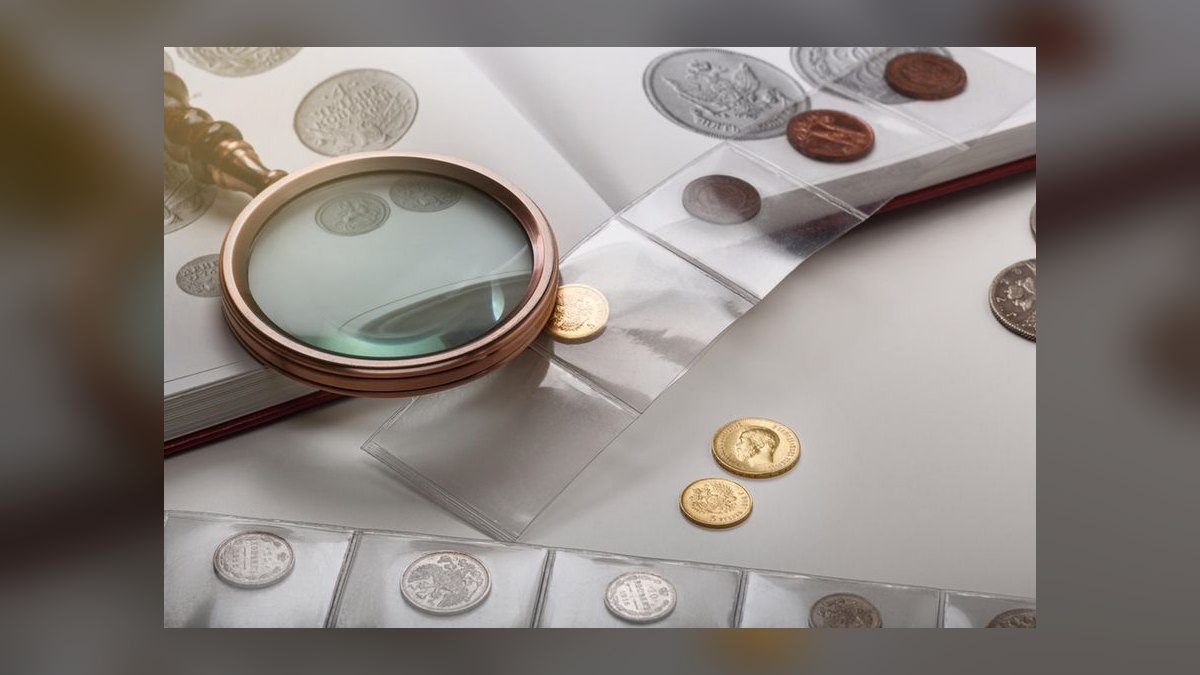
Before investing in collectibles in 2027, know that this is an illiquid, subjectively valued, tax-disadvantaged asset class that rewards deep niche expertise far more than broad market timing — so treat it as a small satellite allocation (roughly 5–10% of a portfolio at most), buy only authenticated items you would be content to hold for five-plus years, and budget for the carrying costs that quietly erode returns. Collectibles — fine art, vintage watches, rare coins, trading cards, classic cars, first-edition books, wine and whisky, and increasingly tokenized or fractional versions of all of these — can add genuine diversification and a partial inflation hedge because their prices don't move in lockstep with stocks and bonds. But that same disconnection from public markets means there is no ticker, no guaranteed buyer, no transparent bid-ask spread, and no regulator ensuring you paid a fair price.
Practically, that translates into a short checklist you should be able to answer "yes" to before you spend a dollar: Can you verify the item's authenticity through a recognized third-party grader or appraiser? Do you understand the specific niche's supply, demand, and recent comparable sales — not a headline "art is up" index? Can you afford to lock up the money for years and pay 2–4% annually in storage and insurance without needing the item to appreciate just to break even? Do you understand that gains on collectibles are taxed more heavily than gains on stocks in the United States? And are you buying because you understand the asset, not because a platform's marketing made it feel like a stock you can day-trade? If you can answer those honestly, collectibles can be a rewarding and stabilizing sleeve of a portfolio. If you can't, you are speculating on taste and liquidity you don't control. Everything below expands each of those points with specifics.
What is driving the collectibles market in 2027?
Several structural forces have reshaped how collectibles are bought, sold, and valued, and understanding them helps you separate durable change from hype.
Authentication and provenance technology. The single biggest source of risk in collectibles has always been fraud — fakes, forgeries, altered items, and murky ownership history. Over the past several years, third-party grading and digital provenance tools have matured. Standardized categories like trading cards, coins, and bullion now flow through established grading services that encapsulate and score items, and several platforms attach tamper-evident digital records to physical objects so an item's ownership and condition history travels with it. This lowers, but does not eliminate, the barrier for newer buyers. Treat digital certificates as a supplement to expert grading, not a replacement for it.
Demographic and cultural shifts. Younger buyers have brought new categories into the "investable collectible" conversation — modern trading cards, streetwear and sneakers, video-game and pop-culture memorabilia, and digital art — alongside the traditional pillars of fine art and classic cars. New buyer bases create new price benchmarks, but they also create categories with short track records, which means less historical data to anchor valuations and more vulnerability to fads.
Fractional and tokenized ownership. A meaningful development is the rise of platforms that let many investors each own a share of a single high-value item — a rare car, a graded card, a case of collectible wine. This lowers the dollar barrier to entry dramatically and gives small investors exposure to items they could never buy outright. The trade-offs are real: you don't hold the item, you rely on the platform's governance and custody, and the secondary market for your shares may be thin or nonexistent, so exiting can be harder than the marketing implies.
Modest institutional and wealth-management interest. Some family offices and specialized funds allocate a small slice to passion and alternative assets. This adds a floor of demand at the high end but concentrates the "blue-chip" attention on a narrow band of trophy items, leaving the broader middle market as volatile as ever.
How do you evaluate authenticity and value?
Authenticity is the foundation of every collectible investment; value is built on top of it. Get authenticity wrong and value is irrelevant.
Authenticity. For standardized categories, lean on recognized third-party graders — services that authenticate, grade condition, and encapsulate items are the norm for trading cards, coins, and precious metals. For unique or high-value items like fine art, insist on documented provenance and, where appropriate, a qualified independent appraiser rather than relying solely on the seller. Digital certificates and blockchain-based registries can strengthen a chain of custody, but they only certify the record, not the object — a tamper-proof ledger can still point at a misattributed painting. For the most valuable items, combine physical inspection with high-resolution imaging or other forensic documentation so the specific object, not just its category, is identifiable.
Value. Unlike equities, collectibles have no central exchange and no continuous price. Value is inferred from three overlapping data sources: public auction results, private-sale reports, and dealer listings. The most reliable approach is to study recent comparable sales — ideally within the last 6–12 months — for items of genuinely similar type, condition, rarity, and provenance. Condition especially can swing value enormously; two superficially identical items in different grades can differ in price by multiples.
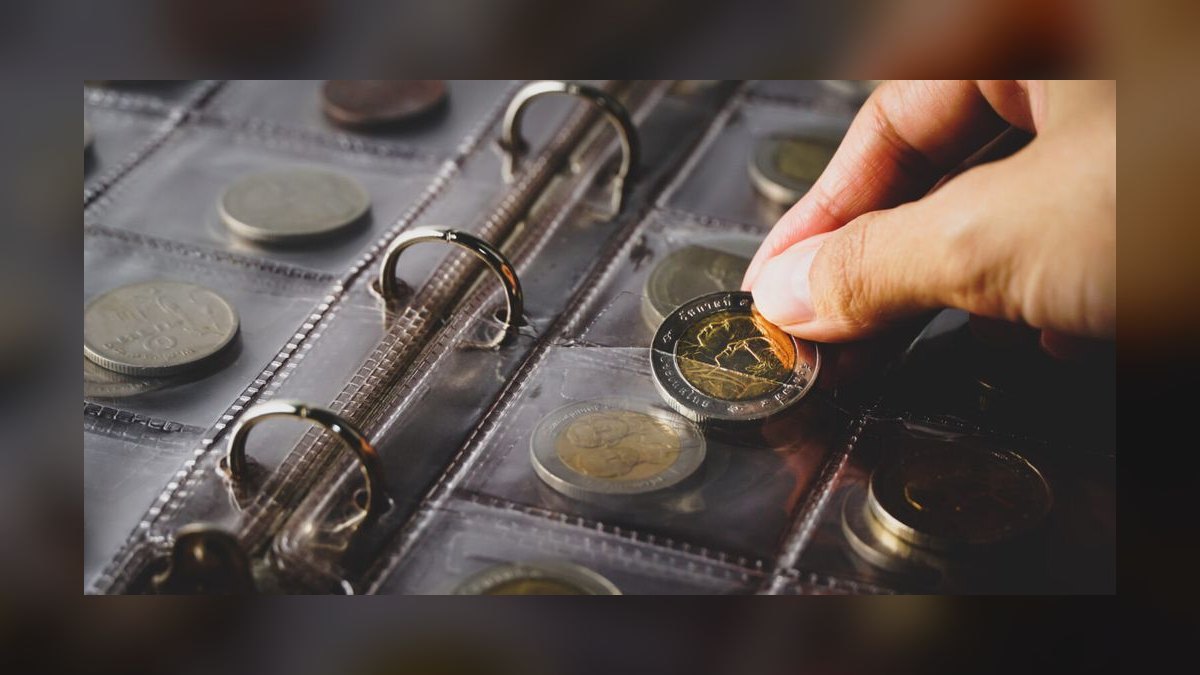
Be skeptical of any single "collectibles index." Broad indices aggregate categories with completely different demand drivers, so they smooth over exactly the variation that determines whether your specific item goes up or down. The practical implication is that generalists get picked off and specialists win. Pick one or two niches, learn their grading standards, their key reference points, their seasonal auction rhythms, and the handful of dealers who actually make the market — and you'll spot both overpriced items and genuine bargains that a broad-market buyer never could.
What are the liquidity and storage risks?
Liquidity is the defining risk of this asset class. You cannot sell a collectible instantly at a transparent price the way you sell a stock. Depending on the item and the market, a sale can take weeks (a common graded card on an online marketplace) to many months or longer (a specialized painting waiting for the right auction and the right bidder). Auction consignment adds calendar constraints — items are slotted into scheduled sales — and settlement takes time after the hammer falls. The consequence for planning is simple: only invest money you can afford to leave untouched for at least three to five years. If you are forced to sell into a weak market or on short notice, expect a meaningful discount to what the item might fetch under ideal conditions.
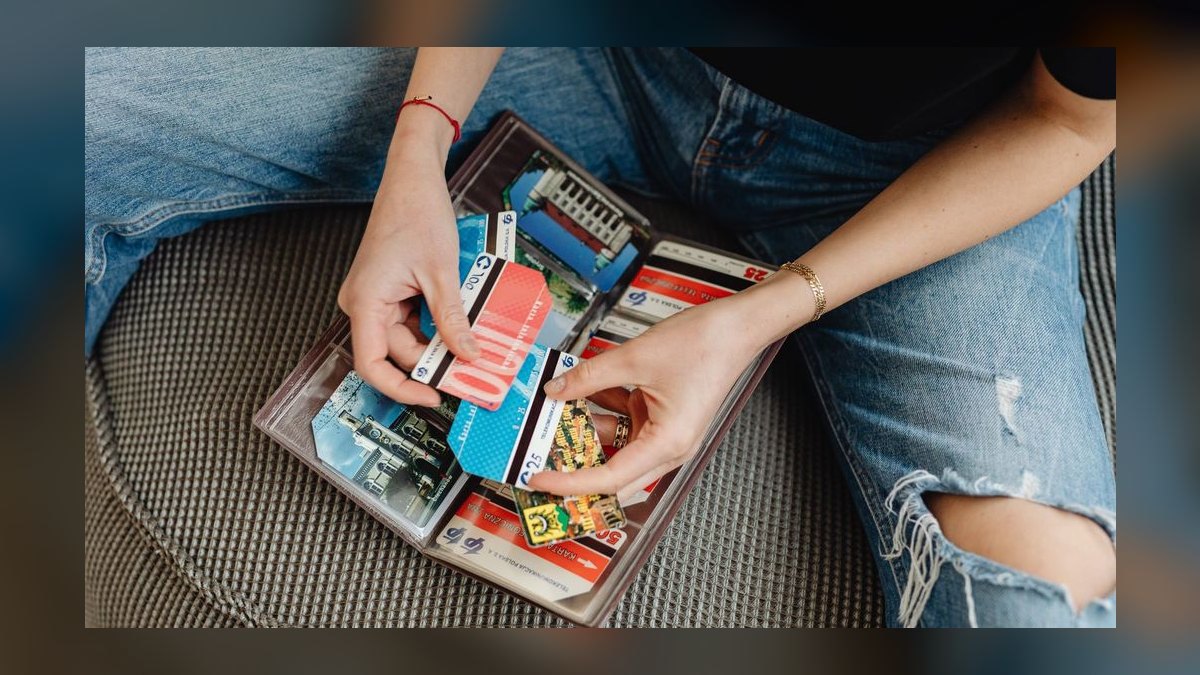
Carrying costs quietly compound. Physical collectibles need secure, often climate-controlled storage to prevent damage from humidity, temperature swings, light, pests, or theft, and they need specialty insurance because standard homeowner's policies typically cap or exclude high-value collectibles. Combined storage and insurance commonly run in the low single-digit percentages of an item's value per year. That may sound trivial, but compounded over a multi-year hold it sets a real hurdle: an item that only keeps pace with inflation can still lose money in real terms after carrying costs and eventual selling fees. Slow-appreciating items are the most exposed to this drag, which is another reason condition and desirability matter — you want items with a realistic path to appreciation that outruns their costs.
Transaction friction on both ends. Buying often involves a buyer's premium at auction; selling involves seller's commissions, consignment fees, or marketplace fees, plus authentication and grading costs. Round-trip friction can easily reach double digits as a percentage, so a collectible needs to appreciate substantially just to leave you whole. Model the full round trip before you buy, not just the purchase price.

How do taxes and regulations affect collectibles investing?
Tax treatment is one of the least-understood and most consequential factors, and it works against collectibles relative to most other investments.
In the United States, the IRS classifies collectibles — art, antiques, gems, stamps, coins, metals, and similar tangible items — as a distinct category. Long-term gains on collectibles (items held more than one year) are subject to a maximum federal capital-gains rate of 28%, higher than the top long-term rate that applies to most stocks and other capital assets. Gains on items held one year or less are taxed as ordinary income, which for high earners can reach the top ordinary bracket. State taxes may apply on top of federal. Because your taxable gain is sale price minus your cost basis, keep meticulous records: purchase price, buyer's premiums, restoration or grading costs, and selling fees all factor into basis and reduce the taxable gain, so documentation directly saves money.

A few structural points worth knowing rather than assuming: the "like-kind exchange" deferral that once let some investors roll gains from one collectible into another was narrowed to real property under the 2017 Tax Cuts and Jobs Act, so it generally no longer shelters collectible-to-collectible swaps. You can hold certain collectibles inside a self-directed IRA, but the rules are strict — most collectibles are prohibited IRA assets, with narrow exceptions (for example, specific coins and bullion meeting purity standards), items must be held by an approved custodian rather than at home, and violating the rules can trigger a deemed distribution and penalties. These rules are technical and change, so confirm current details with a qualified tax professional before acting.
Regulation of tokenized and fractional products. As fractional-ownership and tokenized-collectible platforms have grown, so has regulatory scrutiny. Depending on structure and jurisdiction, offering fractional interests in an item can look like offering a security, which brings registration, disclosure, and investor-protection obligations, along with know-your-customer and anti-money-laundering checks for users. The regulatory picture is still evolving and varies by country. The practical takeaway: prefer platforms that are transparent about their legal structure, custody arrangements, and what exactly you own, and don't assume a "share" of a collectible carries the same protections — or liquidity — as a publicly traded security.

What role does diversification play in a collectibles portfolio?
Diversification operates at two levels: how much of your total portfolio goes to collectibles, and how you spread capital within that allocation.
At the portfolio level, keep it small. For most investors, collectibles belong as a satellite position — commonly cited ranges are roughly 5–10% of investable assets, and often less for those who don't have specialized knowledge. The appeal is low correlation with stocks and bonds, which can dampen overall volatility. But that benefit is neither guaranteed nor constant: in severe, liquidity-driven downturns, buyers for luxury and discretionary assets can vanish just when you'd want to sell, so correlations can spike toward one exactly when diversification is supposed to help. Size the position so that a long, illiquid drawdown in collectibles never threatens your core financial goals.

Within the allocation, spread across demand drivers, not just labels. Different categories respond to different forces: fine art tracks wealth creation and taste among high-net-worth buyers; luxury watches track brand scarcity and secondary-market sentiment; classic cars track nostalgia tied to the buyers now in their peak earning years; coins and bullion carry a partial precious-metals and safe-haven dimension; modern cards and pop-culture items track cultural relevance and can be the most fad-prone. Concentrating in a single niche means one shift in taste or one flood of new supply can hit your entire allocation at once. Mixing categories with genuinely different drivers is what actually reduces risk — two "art" positions that rise and fall together are not diversified just because they're two items.
How do you choose a platform or advisor?
The venue you buy and sell through shapes your fees, your authenticity risk, and your ability to exit.

Platform types. Broadly there are three: traditional auction houses, general online marketplaces, and fractional-ownership platforms. Auction houses are strongest for high-value, unique items and bring curation and marketing reach, but they charge buyer's premiums and seller's commissions that can be substantial, and their calendars are fixed. General online marketplaces offer lower fees and speed but push authentication responsibility onto you, so they reward buyers who can grade condition and spot fakes. Fractional platforms lower the entry price and handle custody, but you're trusting the platform's governance and may find the secondary market for your shares limited — read carefully how, when, and at what cost you can actually sell.
Choosing an advisor or appraiser. If you use professional help, look for credentialed specialists. Recognized appraisal bodies — for example, the Appraisers Association of America and the International Society of Appraisers — maintain professional standards and directories, and USPAP-compliant appraisals carry weight for insurance and tax purposes. Good advisors explain risks, help you build a strategy around your budget, timeline, and interests, and disclose conflicts of interest; be wary of anyone promising guaranteed returns, steering you only toward their own inventory, or discouraging independent authentication. Ask for references from clients who bought in the same category, and separate the roles where you can — the person appraising an item ideally shouldn't be the person selling it to you.
Related questions
How much money do you need to start investing in collectibles?
You can gain exposure for a very small amount through fractional platforms, and you can buy modest graded cards or coins for a few hundred dollars. But building a meaningful, diversified position — one where authentication, storage, and fees don't dominate returns — realistically calls for a larger commitment. Start small to learn, scale only as your niche knowledge grows.
What collectibles have historically held value best?
Categories with genuine scarcity, durable demand, and established grading — top-tier fine art, iconic watches, rare coins, and blue-chip cards — have tended to hold value better over long periods than fad-driven items. That said, historical performance varies widely by item and era, and past results never guarantee future returns.
Are NFTs and digital collectibles still relevant in 2027?
They remain a niche within the broader collectibles world, with attention concentrated in a small number of established projects and recognized digital artists. The category has matured somewhat but stays speculative and carries added risks around platform durability, standards, and regulation.
How do you sell collectibles quickly if you need cash?
The fastest routes — a general online marketplace or an outright sale to a dealer — trade speed for price, so you typically net well below what a patient auction sale might achieve. Because forced-sale discounts are steep, plan liquidity in advance rather than relying on collectibles as an emergency fund.
What are the most common mistakes new collectors make?
Overpaying because they skipped authentication or ignored comparable sales, underestimating storage and insurance costs, over-concentrating in one trendy niche, and confusing a fractional "share" with a liquid security. Each of these erodes returns in ways that are avoidable with discipline.
FAQ
What is the minimum realistic investment for collectibles in 2027?
There's no single number. Fractional platforms let you participate with a small amount, and entry-level graded items in categories like cards or coins can be bought for a few hundred dollars. High-end fine art, watches, and classic cars run into the tens of thousands and up. The more important question than "minimum" is whether your budget is large enough that per-item authentication, storage, and transaction costs don't swamp your potential gains.
Are collectibles a reliable hedge against inflation?
Sometimes, but not dependably. Tangible assets with genuine scarcity and steady demand have periods where they preserve purchasing power well, while discretionary, fad-driven items can fall when consumers pull back on non-essential spending. Treat collectibles as a partial, imperfect inflation hedge rather than a guaranteed one, and don't rely on them the way you might on more liquid inflation-linked instruments.
How do you verify the authenticity of a collectible?
For standardized items, use recognized third-party grading services that authenticate, grade, and encapsulate the object. For unique items, obtain documented provenance and an independent, credentialed appraisal, and request detailed photographs and condition documentation. Blockchain-based registries can reinforce a chain of custody, but remember they certify the record, not the physical object — pair digital records with human expertise.
What are the tax implications of selling collectibles in the US?
Collectibles are taxed differently from most investments: long-term gains face a maximum federal rate higher than the top rate on typical long-term capital gains, and short-term gains are taxed as ordinary income. State taxes may also apply. Keep thorough records of purchase price, premiums, grading and restoration costs, and selling fees, since these adjust your basis and reduce taxable gain. Rules are technical and change, so consult a qualified tax professional.
Can you hold collectibles in a retirement account?
Only in limited ways. Most collectibles are prohibited assets inside IRAs, with narrow exceptions such as certain coins and bullion meeting specific standards, and even those must be held by an approved custodian rather than at home. A self-directed IRA that permits eligible alternatives is the usual vehicle, and it adds custodial fees and administrative complexity. Verify eligibility and current rules before assuming an item qualifies.
How do you decide between physical and digital collectibles?
Physical items give you tangible ownership but require secure storage, specialty insurance, and hands-on management. Digital collectibles are easier to store and transfer but face regulatory uncertainty, platform-durability risk, and evolving standards. Choose based on your comfort with technology, your willingness to manage physical assets, and your tolerance for the specific risks each format carries.
How do you avoid scams in the collectibles market?
Buy from reputable dealers, established auction houses, or platforms with clear buyer-protection policies, and insist on third-party authentication before money changes hands. Be skeptical of deals that seem too good to be true, especially through social media or unsolicited offers, and use escrow or platform protections for high-value transactions. When in doubt, slow down — urgency is a common pressure tactic.
Sources
- IRS Publication 544: Sales and Other Dispositions of Assets
- IRS Topic No. 409: Capital Gains and Losses
- U.S. Securities and Exchange Commission — Investor.gov
- International Society of Appraisers
- Appraisers Association of America
- Sotheby's
- Christie's
- FINRA — Investor Education
Related on PULSE
- [How to build a diversified alternative-investment portfolio](/knowledge/diversified-alternative-investment-portfolio)
- [Tax planning for alternative-asset investors](/knowledge/tax-planning-alternative-asset-investors)
- [Fractional-ownership platforms: risks and rewards](/knowledge/fractional-ownership-platforms-risks-rewards)
- [The role of blockchain in collectibles authentication](/knowledge/blockchain-collectibles-authentication)
- [Storage and insurance best practices for physical assets](/knowledge/storage-insurance-physical-assets)
Recently Added — Related
- [The 10 Best Vintage Concert Posters to Collect in 2027](/knowledge/co0088)
- [Top 10 Muscle Cars 1974 — Best Overall + Best Value](/knowledge/co0076)
- [How much does a private chef for a 20-person gathering cost in 2027?](/knowledge/ga143)
- [How much does Home & Family cost in 2027?](/knowledge/hf68)
- [How do walk-on athletes earn NIL income in 2027?](/knowledge/hf0060)
 pulse-collectiblesTop 10 best Collectibles options in 2027
 pulse-collectiblesHow much does Collectibles cost in 2027?
 pulse-collectiblesHow do you get started with Collectibles in 2027?
 pulse-collectiblesIs Collectibles worth it in 2027?
 pulse-collectiblesWhat are the most common mistakes in Collectibles in 2027?
 pulse-collectiblesTop 10 Collectibles strategies for 2027
 pulse-collectiblesWhat is the best way to approach Collectibles in 2027?
 pulse-collectiblesTop 10 Muscle Cars 1971 — Best Overall + Best Value
 pulse-collectiblesBest American Muscle Cars in 2027
 pulse-collectiblesTop 10 Muscle Cars 1966 — Best Overall + Best Value